
Best Time To Visit Copenhagen: Complete Seasonal Guide
Discover the best time to visit Copenhagen with our seasonal breakdown. Plan your trip with expert tips on weather, festivals, budget, and local Danish culture.
On this page
Best Time To Visit Copenhagen
The best time to visit Copenhagen is during the shoulder months of May, June, and September. These months offer a perfect balance of pleasant weather, manageable crowds, and mid-range prices. Updated for 2026, this guide breaks down what each season actually delivers so you can match the timing to your travel goals.
Travelers often prefer the long, bright days of the Scandinavian summer for outdoor activities. However, the city offers unique charms like cozy hygge vibes during the colder winter months. You should check the copenhagen weather month by month before booking your flights. Each season brings a distinct atmosphere to the Danish capital.
The Vesterhavsvind is a strong west wind that often affects the local temperature regardless of season. Our late-May trip hit the Vesterhavsvind on three of seven days. We needed heavy windbreakers even when the sun was shining brightly. Planning around these regional weather quirks ensures a much more comfortable vacation.
At a glance
- Best months: May, June, September (shoulder season sweet spot)
- Typical duration: 3–5 days minimum; add 1 day trip to Helsingør, Louisiana Museum, or Roskilde
- Budget per night: 900–1,100 DKK (November–April), 1,800+ DKK (summer)
- Getting there: Metro airport-to-city 15 minutes; free biking dominates
- Pack essential: Windbreaker year-round; Vesterhavsvind adds perceived cold 5–10°C
Key Takeaways
- Target May, June, or September for the best balance of weather and crowds.
- Pack versatile layers and a windbreaker to handle the frequent west winds.
- Check the seasonal closure dates for Reffen and Tivoli before you book.
Choosing the Right Season for Your Copenhagen Vacation
Deciding on the best time to visit Copenhagen depends on your personal travel goals. Summer provides the warmest temperatures and the most vibrant street life. Winter transforms the city into a festive wonderland with beautiful Christmas markets. Spring and fall offer quieter streets and lower prices for accommodation.
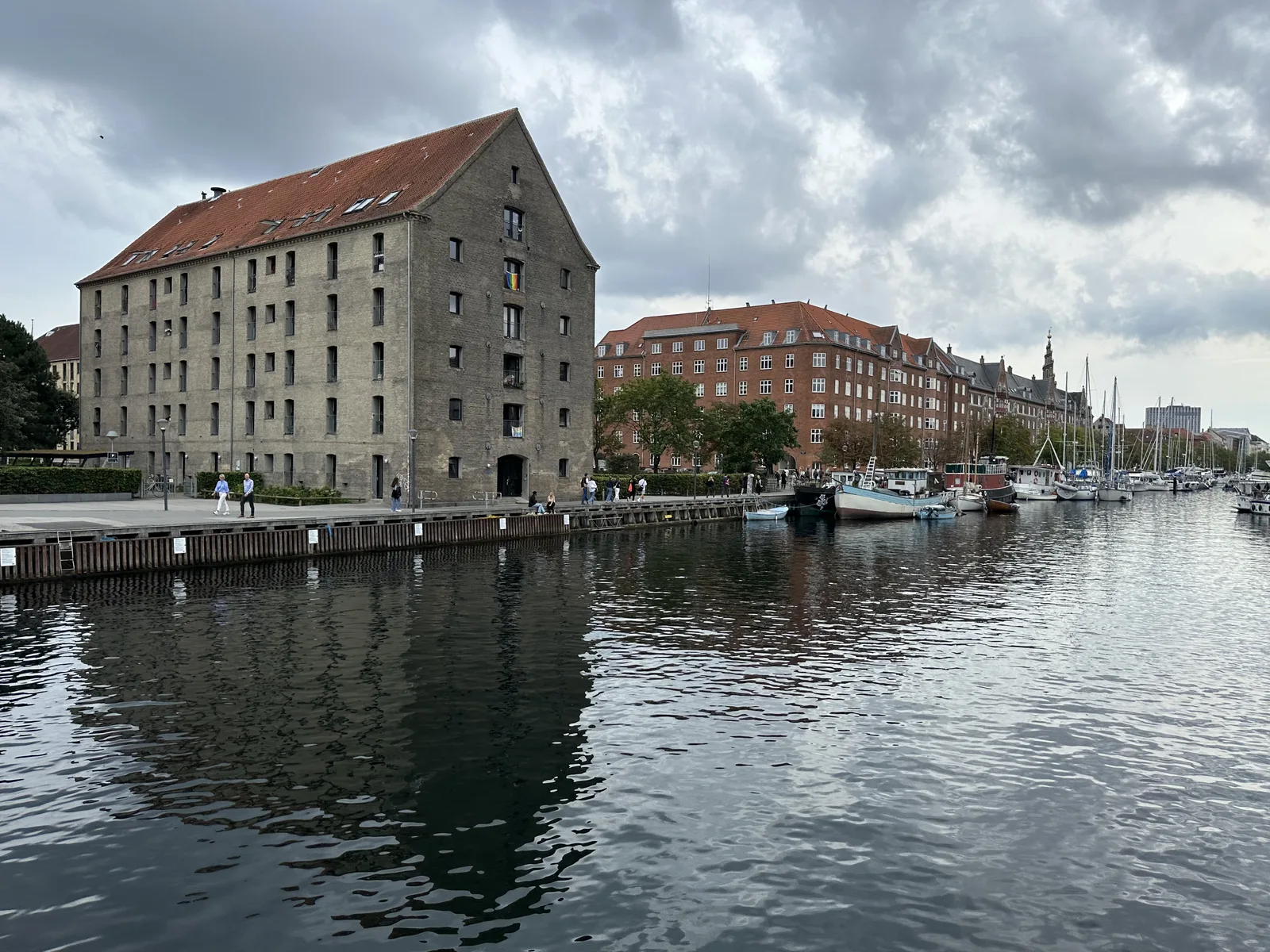
The city experiences dramatic changes in daylight hours throughout the calendar year. June features nearly 18 hours of daylight for exploring the historic streets. In contrast, December days are short and often quite dark by mid-afternoon. This shift in light significantly impacts the daily rhythm of local life.
Budget travelers should target the early spring or late autumn windows. Visiting in copenhagen in march can save you money on hotels. Flight prices typically peak during the busy school holiday months of July and August. Booking early is essential if you plan to visit during the high season.
Season Comparison
This comparison helps you visualize the trade-offs between different times of the year. Temperatures are based on typical climate data provided by the Danish Meteorological Institute. Rainfall is relatively consistent but often feels heavier during the windy autumn months. Crowd levels fluctuate based on major festivals and international school holidays.
Prices for luxury hotels usually stay high during the summer and December. Mid-week stays in the shoulder season offer the best value for your money. Many local attractions offer discounted rates during the quieter winter period. Always check for local public holidays which can impact site availability.
| Season | Avg. Temp | Crowds | Prices | Key Event | Best For |
|---|---|---|---|---|---|
| Spring (mid-April to May) | 5–12°C / 41–54°F | Moderate | Mid-range | Sakura Festival | Biking and flowers |
| Summer (June to August) | 15–22°C / 59–72°F | High | High | Jazz Festival | Harbor swimming |
| Fall (September to October) | 10–16°C / 50–61°F | Moderate | Mid-range | Culture Night | Autumn colors and hygge |
| Winter (November to February) | 0–5°C / 32–41°F | Low | Low | Tivoli Christmas | Markets and museums |
Spring in Copenhagen (March–May): Cherry Blossoms and Biking
Spring is a magical time when the city shakes off the winter gloom. Visiting copenhagen in april allows you to catch the cherry blossoms at Langelinie Park during the annual Sakura Festival. The air is crisp but the sun begins to feel genuinely warm by early May. Crowds are still thin compared to the peak summer months, making it easier to enjoy major sites at your own pace.
Locals return to their bikes in massive numbers as the bike lanes clear. You can rent a bike from Donkey Republic to explore like a local. The flat terrain makes cycling easy even for those who are not regular riders. Spring winds can be strong, so pedaling might require some extra effort on exposed harbor routes.
Outdoor seating at cafes begins to appear with blankets provided for guests. The King's Garden at Rosenborg Castle is particularly beautiful as flowers emerge. Tivoli's Summer season typically opens in late April, so May visitors get the park at its most festive without the August crowds. Hotel rates in March and early April are among the lowest of the year.
Summer in Copenhagen (June–August): Harbor Swims and Festivals
Summer is undoubtedly the most popular time for international tourists. The harbor baths at Islands Brygge are packed with people jumping into the water. Copenhagen's harbor is clean enough for swimming right in the city center, which remains a genuine surprise for first-time visitors. Long evenings mean you can enjoy dinner outside well past 21:00.
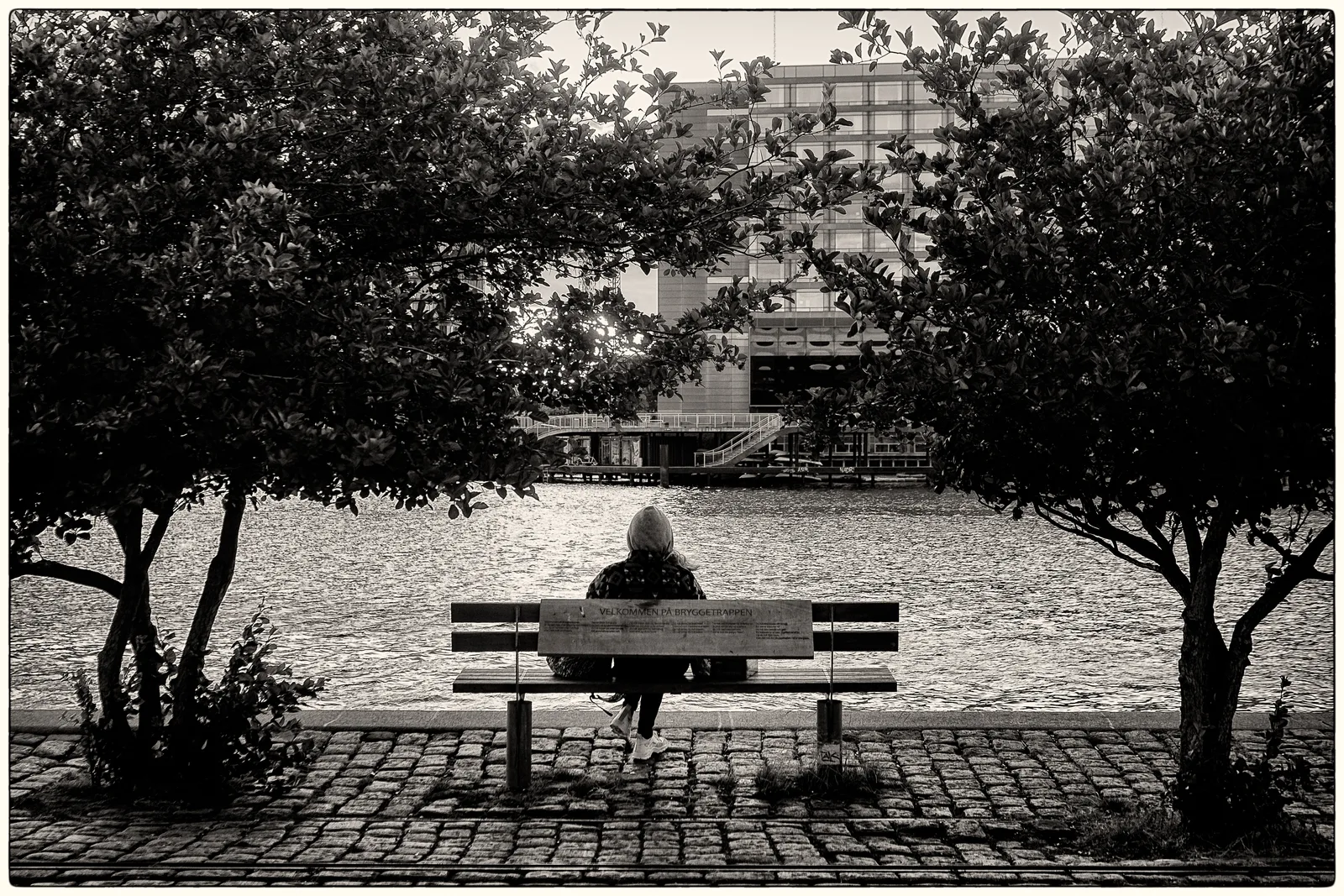
August is often considered the best single month for warm weather and festivals. The Copenhagen Jazz Festival in July brings music to every corner of the city, with many outdoor concerts free to attend. The Copenhagen Cooking and Food Festival runs in mid-August, centered on the Meatpacking District, and showcases Nordic cuisine through pop-up dinners and chef collaborations. However, this is also when the city is most crowded and hotel prices peak.
Queues at popular spots like the Little Mermaid can stretch 20 to 30 minutes during peak hours. Visit major sites before 09:00 or after 18:00 to avoid the thickest crowds. The neighborhood of Nørrebro is worth targeting for accommodation in August — it sits outside the tourist center, keeps prices lower, and has excellent metro access. Ice cream shops along the canals do a brisk business and the outdoor social culture is at its peak.
Fall in Copenhagen (September–November): Hygge Season Begins
Fall brings a change in pace as the city turns golden and red. September still offers mild days suitable for long walks and outdoor dining, with crowds noticeably thinner than August. The daylight trade-off is real: September gives you about 12 hours of light, but by late November that drops to under 8 hours. That shrinking daylight is exactly what drives the shift toward hygge — candle-lit cafes, warm interiors, and a slower rhythm that many travelers find more restorative than summer's frenzy.
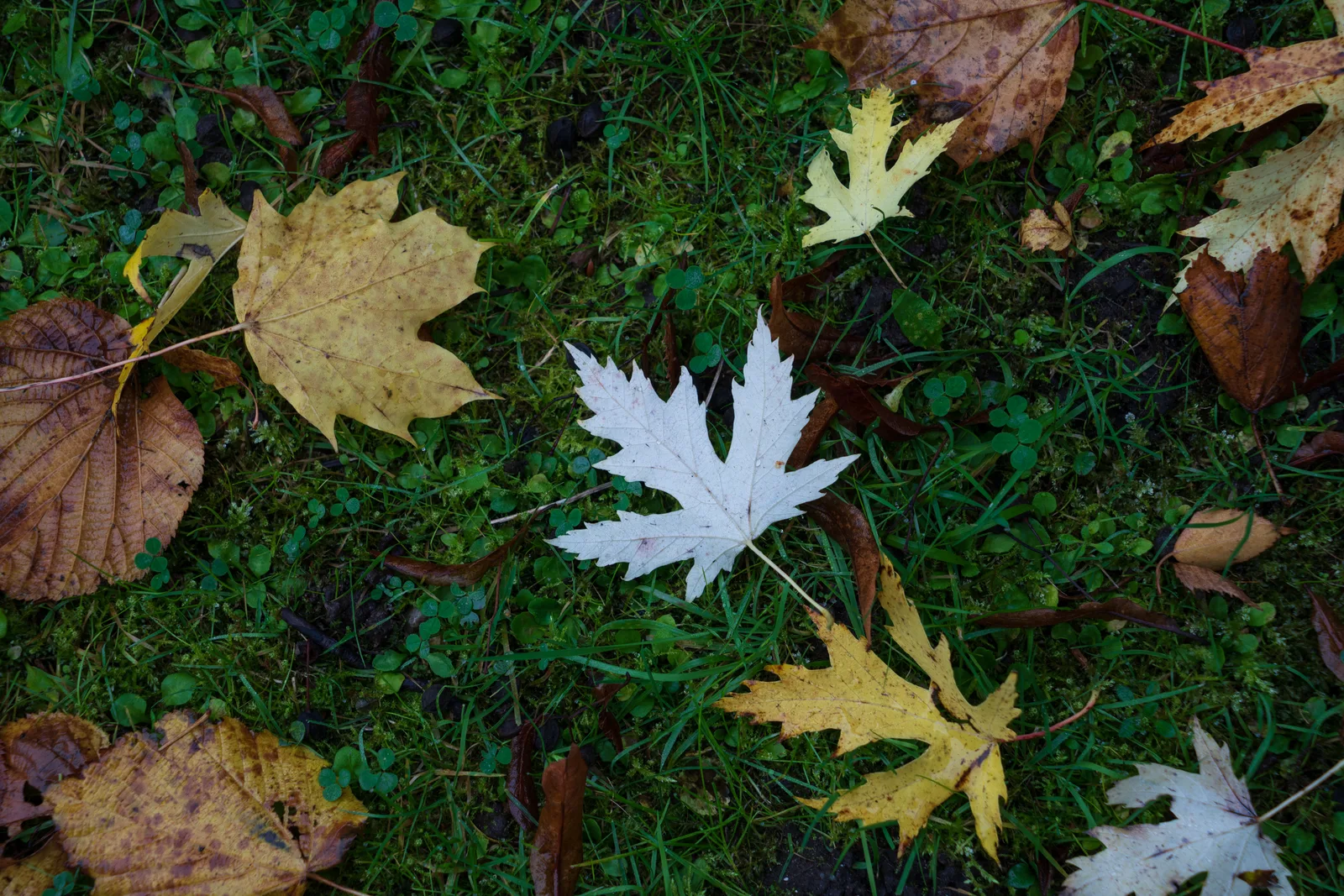
Culture Night in October is a major local event that opens hundreds of museums, government buildings, and hidden spaces for one evening. You can explore basement archives and rooftop towers that are off-limits the rest of the year. A single Culture Night pass gives access to all participating venues. Visiting in copenhagen in november marks the true beginning of the hygge season, when locals retreat to neighbourhood cafes and the city feels authentically Danish rather than tourist-facing.
Flight prices drop significantly after the summer school holiday rush ends in late August. Hotels in September and October offer some of the best value of any non-winter month. Autumn is also the best season to visit the art galleries — special exhibitions typically launch in September and October, and the Ny Carlsberg Glyptotek is far less busy than in summer. Rain becomes more frequent by October, so a compact umbrella is worth carrying.
Winter in Copenhagen (December–February): Christmas Markets and Cozy Cafés
Winter in Denmark is cold but incredibly atmospheric. December is dominated by Christmas markets at Tivoli Gardens, Nyhavn, and the city's central squares. Visiting copenhagen in february is the quietest time of year, with the lowest hotel rates and near-empty museums. You will have major attractions largely to yourself.
Luxury stays like the Villa Copenhagen offer warm retreats from the cold, with the added convenience of being steps from Tivoli's Christmas season. Hot chocolate, æbleskiver (Danish pancake balls), and traditional pastries are essential winter rituals. The streets are beautifully lit from mid-November through January, and the darkness is countered by the Danish tradition of candles in every window.
Daylight is limited to about seven hours at the winter solstice, which is a genuine consideration for sightseers. Most indoor attractions — the National Museum, the Louisiana Museum of Modern Art, Rosenborg Castle — are far more relaxed than in summer. January and February are genuinely off-peak: hotel rates drop further and popular restaurants are easier to book. Be prepared for occasional snow and icy winds from the sea.
Tivoli's Opening Windows: What Travelers Consistently Get Wrong
Tivoli Gardens does not operate year-round, and the closure gaps are bigger than most guides suggest. In 2026 the park runs a Summer season from late April through late September, a Halloween season for roughly two weeks in mid-October, and a Christmas season from mid-November through late December. That leaves early October, the first two weeks of November, and all of January through late April as genuine closure windows — weeks when visitors who didn't check ahead find locked gates.
The Halloween season is shorter than most people expect: typically 10 to 14 days. If your trip falls in the gap between Halloween closing and Christmas opening (early to mid-November), Tivoli will be dark. The Christmas season is the one most misunderstood: it usually opens on a Friday in the second week of November, not on 1 November as some travel sites state. Always verify the exact opening date on the official Tivoli website before booking flights around this window.
Practically speaking, the Summer season is by far the longest and most varied. Fireworks run on Saturday evenings from around 23:00 during summer. The Christmas market inside the park is smaller and more curated than the one at Nyhavn but significantly more atmospheric. Arrive at opening time (11:00) on weekdays to avoid queues at the most popular rides — the Dragon, Rutschebanen (the classic wooden roller coaster), and the Star Flyer sell out their virtual queues by early afternoon on summer weekends.
Parks, Gardens, and Outdoor Spots in Every Season
Copenhagen's outdoor spaces change character dramatically with the seasons. In spring, Langelinie Park draws visitors for the cherry blossom festival, typically peaking in late April. The King's Garden at Rosenborg Castle is one of the oldest royal gardens in Denmark and is free to enter year-round. By May the garden fills with families having picnics, and the tulip beds are in full colour.
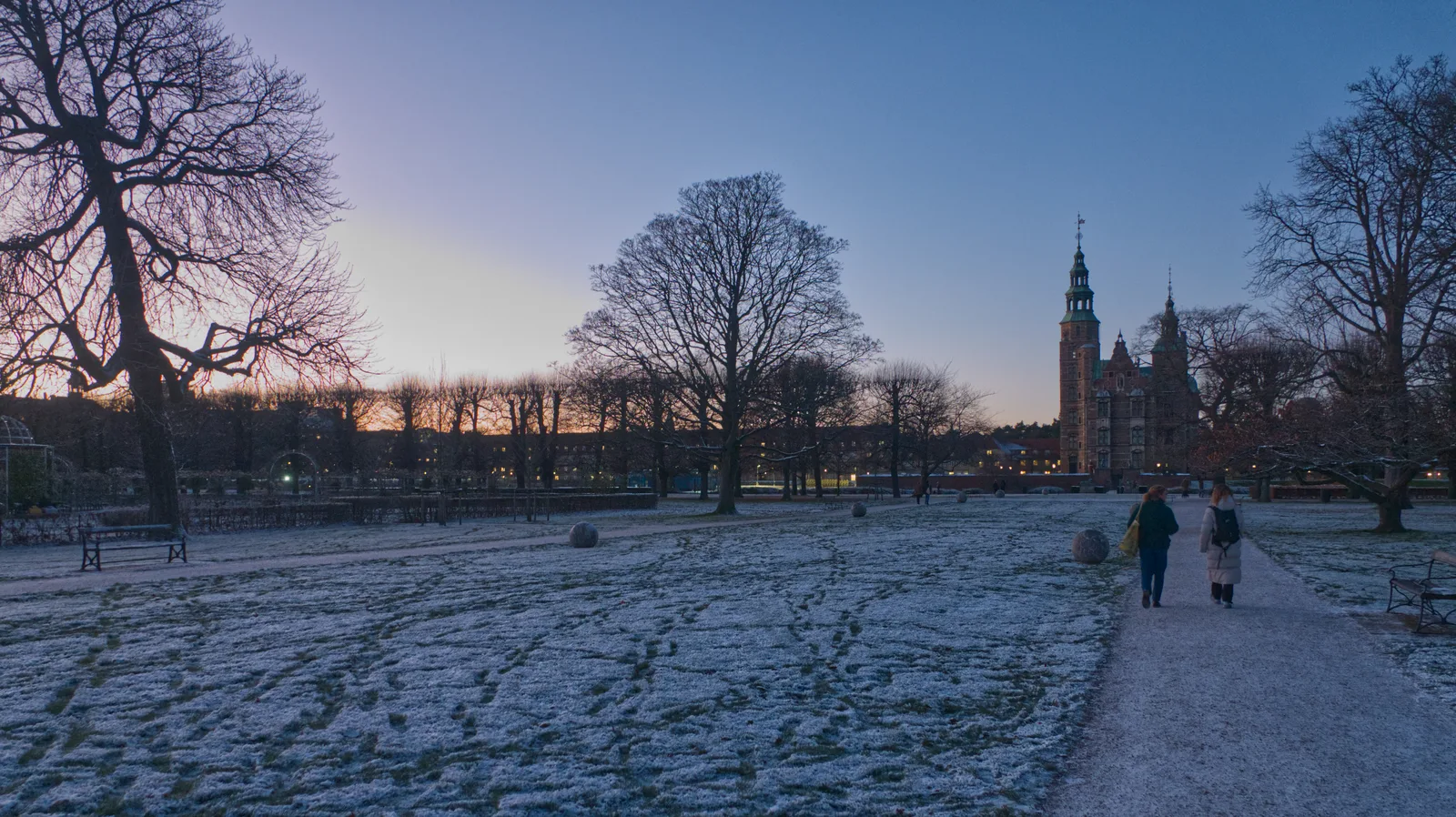
Summer transforms the waterfront. Islands Brygge Harbor Bath is a free outdoor swimming facility right in the city center, open from June through August when water quality meets the required standard. Badezone Sandkaj in the Nordhavn neighborhood is a quieter alternative favored by locals. The Copenhot sauna complex on the north waterfront pairs well with a cold harbor plunge and is open year-round, making it a legitimate winter activity too.
Autumn offers the most photogenic light in the city. The soft late-afternoon sun in September and October creates exceptional conditions for photography around Nyhavn and Christianshavn. Frederiksberg Gardens, a large English landscape park near the center, sees almost no tourist traffic in autumn despite being one of the most beautiful parks in the country. Winter visitors should head to the Botanical Garden's glass Palm House — entry is free and the warm humid interior provides a striking contrast to the cold outside.
Museums, Art, and Culture Throughout the Year
Indoor culture is a year-round staple of Danish life and one of Copenhagen's strongest arguments for an off-season visit. The Ny Carlsberg Glyptotek offers a stunning winter garden inside its walls — a warm, plant-filled atrium open to all ticket holders and a perfect escape from a rainy November afternoon. The National Gallery of Denmark (SMK) holds the country's largest art collection and is far less busy outside summer.
Winter visitors benefit from having these galleries almost to themselves. Special exhibitions typically launch in September and October, so autumn arrivals often catch the newest shows. Most state museums are closed on Mondays; plan your week around that. The Copenhagen Card (available for 24, 48, 72, or 120 hours) covers free entry to over 80 attractions and unlimited public transport — at around 599 DKK for 48 hours in 2026, it pays for itself quickly if you plan to visit three or more paid museums in a day.
Rosenborg Castle and its Crown Jewels exhibit are worth visiting regardless of season, but booking tickets online in advance is essential in summer to avoid the timed-entry queue. Christiansborg Palace tower is free to climb and provides the best panoramic view of the city — it is open year-round and rarely crowded outside peak summer. The Copenhagen University Library, reopened to the public in late 2023, offers free guided tours in English at 13:00 daily and is one of the most undervisited photogenic spaces in the city.
Family-Friendly and Budget-Friendly Timing Options
Families with school-age children are often locked into the summer school holiday window, which means July and August in practice. The good news is that Copenhagen handles families well in summer: Tivoli is purpose-built for mixed-age groups, harbor swimming is free, and the city's flat layout makes it easy to navigate with a stroller or younger children on bikes. The downside is cost — August hotel rates can be 40 to 60% higher than the same room in May.
May is the strongest alternative for families who have flexibility. Tivoli's Summer season is open, the weather is comfortable at 12–18°C, school holiday crowds have not yet arrived, and prices are noticeably lower. September works similarly well for families from countries with later school start dates. The Tivoli Halloween season in October is genuinely child-friendly and significantly cheaper than the summer window.
Budget travelers without family constraints should target March, early April, or November. These are the three genuine low-demand periods when Copenhagen drops its guard on pricing. A double room near the center that costs 1,800 DKK in August can fall to 900–1,100 DKK in November. The tradeoff is weather: March and November are cold, dark, and occasionally wet. But the museums, food scene, and cafe culture are fully operational, and you will see a side of Copenhagen that most tourists never experience.
Smørrebrød, Reffen, and Vintage Shopping: Local Culture by Season
Traditional Danish food follows a strict seasonal calendar. Winter is the time for pickled herring, warm leverpostej (liver pâté) on dark rye, and root vegetable-based smørrebrød. Summer menus shift to fresh North Sea shrimp, local asparagus, and radishes. The best places to sample smørrebrød in 2026 include Selma (Michelin Bib Gourmand), Meyers i Tårnet inside Christiansborg Palace tower, and the more affordable Rørt in Vesterbro, which has vegan options.
Reffen Street Food is a massive outdoor market by the water in the Refshaleøen area, built from upcycled shipping containers. It opens in late April and closes for the season in late September or early October — the exact dates shift year to year, so check reffen.dk before planning around it. Mains start at around 70 DKK, making it one of the most affordable eating options in an expensive city. The atmosphere shifts later in the evening toward music and socializing, so arriving around 17:00 gives you the best mix of food variety and manageable queues.
Vintage and secondhand shopping is a genuine Copenhagen specialty that none of the main tourist itineraries adequately cover. The city has a deeply embedded sustainable fashion culture, and neighborhoods like Vesterbro and Nørrebro concentrate the best shops. Episode on Vesterbrogade is the most well-known, but Weekday Vintage near Strøget and the independent stalls at the Ravnsborggade antique strip in Nørrebro are worth the detour. Saturday mornings produce the best selection at most shops.
How to Plan a Smooth Copenhagen Trip (Solo or Group)
Most visitors need a minimum of three full days to cover Copenhagen's highlights without rushing. Five days is the sweet spot for a first trip that includes one day trip — Kronborg Castle in Helsingør (45 minutes by train), the Louisiana Museum north of the city, or the medieval town of Roskilde are all reachable on a single day excursion. You can use the FTLO Travel Guide for group travel inspiration.
Getting around is straightforward. The Metro runs 24 hours a day and connects the airport to the city center in 15 minutes. The S-Tog commuter rail covers outer neighborhoods. Cycling remains the fastest way to navigate between the main tourist districts — the Donkey Republic app lets you unlock bikes across the city for around 25 DKK per 30 minutes. Most locals speak excellent English, which makes solo navigation easy in every season.
Solo travelers will find summer the most social season: hostels in Vesterbro and Nørrebro run organized evening events, the harbor swimming culture is inherently communal, and outdoor festival spaces make it easy to meet people. Winter solo travel is a different but equally valid experience — the Danish cafe culture actively welcomes solo guests, candlelit bars in the Latin Quarter are easy to enter alone, and the slower pace suits introspective travel. The Copenhagen Marriott Hotel on the main canal offers good solo-traveler value with compact rooms and a central location. Booking restaurants more than a week in advance is essential for Michelin-starred spots at any time of year.
What to Pack for Copenhagen
Dressing in layers is the golden rule for any trip to Denmark. The weather can change from sunny to rainy in a matter of minutes, and the coastal wind adds several degrees of perceived cold even when temperatures look mild on paper. A high-quality windbreaker is essential regardless of the season you choose. Comfortable waterproof walking shoes are a must for the cobblestone streets.
- Spring (March–May): light merino base layer, windbreaker, compact umbrella, comfortable walking shoes
- Summer (June–August): swimwear and quick-dry towel for harbor baths, light rain jacket, sunscreen (the low-angle sun still burns)
- Autumn (September–November): mid-layer fleece, waterproof jacket, ankle boots
- Winter (December–February): thermal base layer, wool hat and gloves, heavy insulated coat, waterproof over-boots for icy days
Frequently Asked Questions
Is Copenhagen expensive to visit in August?
August is the most expensive month due to high demand for hotels. Prices for flights and accommodation peak during this summer window. You can save money by booking several months in advance.
When do the Christmas markets open in Copenhagen?
Tivoli Gardens usually opens its Christmas season in mid-November. Most other markets in the city center follow the same schedule. They typically run until the end of December each year.
What is the rainiest month in Copenhagen?
August and October are statistically the rainiest months in the city. However, rain is possible throughout the year in Denmark. Always carry a waterproof jacket regardless of the month you visit.
Copenhagen is a city that rewards visitors in every season of the year. The best time to visit Copenhagen remains the shoulder months for most people — May, June, and September balance weather, crowds, and price in a way no other window matches. Plan your trip carefully to match your interests and your budget, and check Tivoli's seasonal calendar before you finalize dates.
Whether you want harbor swims in summer or cozy cafes in a snowy December, this city delivers. Start booking your Scandinavian adventure for 2026 and give yourself at least three full days to do it justice.
Explore More Copenhagen Guides
Deep-dive guides for planning a Copenhagen trip — what to do, where to eat, day trips, and seasonal highlights.
You might also like


Continue reading
More guides you'll find useful