Copenhagen in February: 9 Essential Tips and Things to Do
Plan your trip to Copenhagen in February with our guide to the Light Festival, seasonal Fastelavnsboller, weather tips, and a 3-day winter itinerary.
On this page
Copenhagen in February: 9 Essential Tips and Things to Do
Copenhagen in February is a cold but magical time for a cozy winter getaway. I visited in early February 2024 and found the city's hygge spirit truly infectious. This guide is updated for 2026 based on my recent seasonal visit experiences. For most travelers, mid-February is the best time to experience the city's unique light festival.
While summer attracts the largest crowds, late winter offers a quiet and authentic local atmosphere. You can enjoy the world-class food scene without fighting for a table at popular spots. The crisp air makes the warm bakeries feel even more inviting during your daily walks. If you enjoy cozy vibes and fewer tourists, this is a perfect time to explore.
Late winter (February to early March) is the sweet spot for budget-conscious travelers in Denmark. Flights and hotels are significantly cheaper than during the peak summer or Christmas seasons. You will find that the city moves at a slower and more relaxed pace now. This guide covers everything from packing tips to the best seasonal pastries you must try.
At a glance
- Best time: Mid-February for the Light Festival
- Daylight: 9–10.5 hours (sunrise 08:00, sunset 16:45)
- Temperature: 3°C / 37°F average; nights drop to -1°C / 30°F
- Why visit: Free light festival, low crowds, 30–50% cheaper hotels than summer
- Getting there: Metro from airport (CPH) takes 12 minutes, costs 36 DKK; flights cheaper in February
Copenhagen February Weather and Daylight
The weather in Copenhagen during February is cold, damp, and often grey. Typical daily highs hover around 3°C / 37°F, while nights often drop to -1°C / 30°F. The Baltic wind cuts through thin layers and makes the air feel noticeably colder than the thermometer suggests. Snow is possible but often turns to slush quickly due to the coastal climate.
Daylight is the real limiting factor. In early February, the sun rises around 08:00 and sets by 16:45, giving you roughly nine hours of usable light. By late February that stretches to about 10.5 hours, which makes a practical difference for outdoor sightseeing. Plan your outdoor walking before 16:00 and save museums and restaurants for the dark hours.
Comparing February to the best time to visit Copenhagen shows clear trade-offs. Summer delivers 17 hours of daylight and warm temperatures, but brings high prices and crowded canals. February offers nine hours of low winter sun that creates beautiful long shadows over the cobblestones — and almost no queues at any major sight.
| Month | Avg High (°C/°F) | Daylight Hours | Crowd Level | Price Range |
|---|---|---|---|---|
| February | 3°C / 37°F | 9–10.5 hrs | Low | Budget |
| May | 15°C / 59°F | 16 hrs | Medium | Moderate |
| July | 22°C / 72°F | 17 hrs | High | Expensive |
| October | 11°C / 52°F | 11 hrs | Medium | Moderate |
What to Pack for Danish Winter
Packing for Copenhagen in February requires a focus on high-quality layers and waterproof materials. The damp cold seeps through thin fabrics, so wool is your best defense against the harbor breeze. A long, windproof parka will protect your core on open waterfront stretches like Nyhavn or the Inner Harbour Bridge. Thermal leggings or long johns are essential for staying comfortable during long walking tours.
Footwear is perhaps the most important decision for navigating the city's historic cobblestones. Leather boots with a thick rubber sole provide both warmth and necessary grip on slippery stone. Make sure your shoes are fully waterproof to handle rain and melting snow slush. Wool socks will keep your feet warm even when temperatures dip below freezing.
- Windproof and waterproof winter coat — long enough to cover your hips
- Wool mid-layer or thermal base layer for extra insulation
- Waterproof boots with a non-slip sole for cobblestones
- Wool hat, scarf, and insulated gloves — all three matter in the wind
- Lip balm and a good moisturizer — dry indoor heating affects skin fast
One often-overlooked item is a compact umbrella. The rain in Copenhagen is rarely heavy, but a persistent drizzle can make an afternoon miserable without one. A fold-flat model fits easily into a day bag and weighs almost nothing.
The Copenhagen Light Festival (February Highlight)
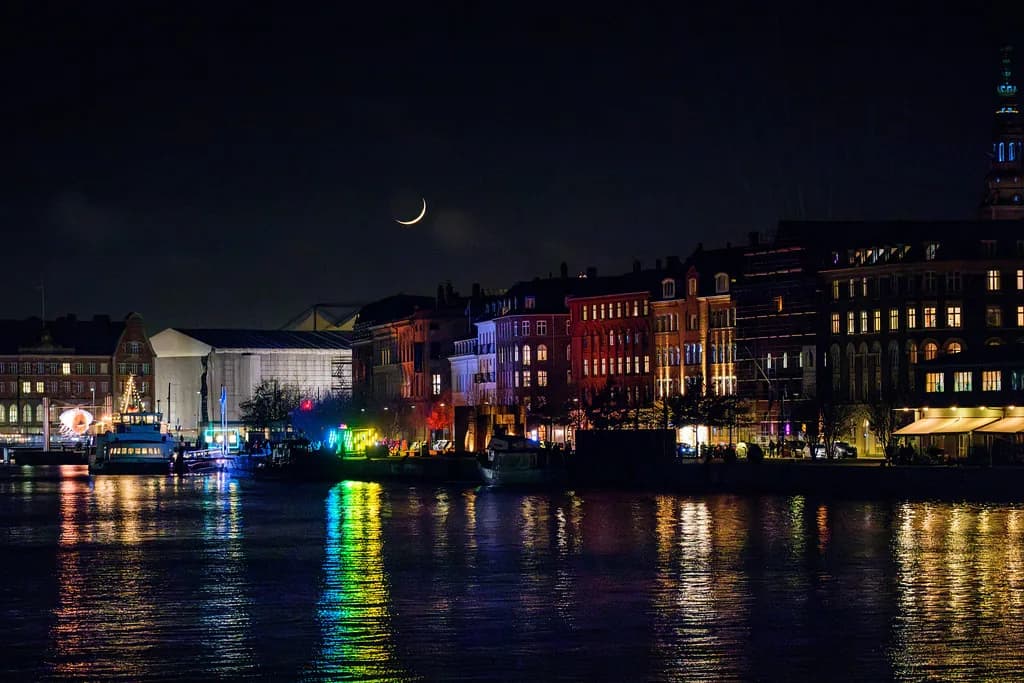
The Copenhagen Light Festival is the premier event of the month. Dozens of large-scale light installations transform the city center and harbor into an illuminated outdoor gallery for roughly three weeks each February. Most installations are free to view and are spread across walkable neighborhoods including Nyhavn, Kongens Nytorv, and the Inner City. The festival typically runs from early to late February with installations active from 17:00 to 22:00 each night.
Download the official Copenhagen Light Festival app before you arrive — it provides a map of all installations, the walking route between them, and a short audio guide explaining each artist's concept. Without the app, it is easy to miss several installations tucked into side streets or courtyards. The guided walking route takes about two hours at a comfortable pace. Dress warmly, as you will be outdoors for the entire loop.
Evening canal boat tours run a dedicated light festival route, giving you a different perspective on the harbor installations. Boats depart from Nyhavn and Gammel Strand and the tour takes roughly one hour. This is a worthwhile upgrade if you do not mind the cold on the water — bring an extra layer specifically for the boat. Book in advance for February weekends, as seats fill early.
Where to Find the Best Fastelavnsboller
February in Denmark is synonymous with Fastelavnsboller, the seasonal pastry eaten in the weeks before Fastelavn (the Danish equivalent of Shrove Tuesday). These cream-filled buns are only available for a short window each year, typically from the last week of January through the holiday itself in late February or early March. You will find two main styles: the traditional sweet cardamom bun filled with whipped cream, and the puff pastry version layered with custard or flavored creams.
Copenhagen's best bakeries compete fiercely each year to create the most inventive fillings. Hart Bageri on Gl. Kongevej is famous for combinations like blackcurrant and mascarpone or rose hip and vanilla cream. Juno the Bakery in Frederiksberg offers a refined, classic version with exceptional laminated pastry. If you are in Vesterbro, Andersen & Maillard on Istegade makes some of the most consistent puff-pastry Fastelavnsboller in the city.
Expect short queues at popular spots on weekend mornings, particularly in the two weeks before Fastelavn. Arrive before 10:00 to get the full selection — the most creative flavors sell out fast. A Fastelavnsbolle from any of these bakeries costs between 35 and 55 DKK, which is reasonable for the quality. Treat the pastry hunt as a morning ritual and build your day around the bakery neighborhoods.
Top Things to Do in Copenhagen in February
February's low crowd levels mean you can move through the city's best sights without the queues that define summer. The Ny Carlsberg Glyptotek is the single best museum for a cold winter day — its heated Palm House conservatory is a tropical oasis in the middle of February, and the collection of Rodin sculptures and Impressionist paintings is world-class. Admission is free on Tuesdays. The National Museum of Denmark on Ny Vestergade covers Viking history and takes a full afternoon to explore properly. For families, Tivoli Gardens offers seasonal attractions despite the winter chill.
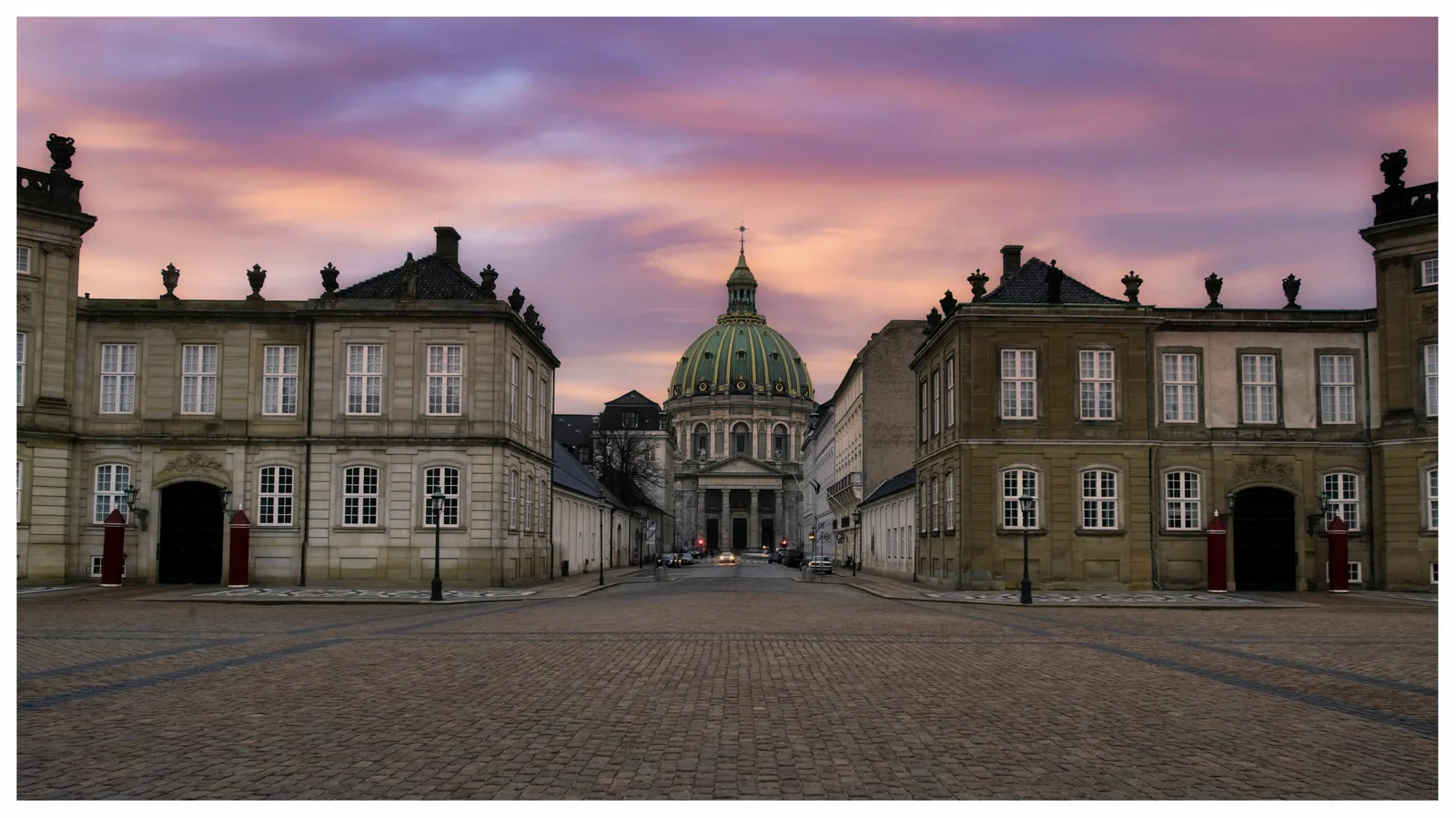
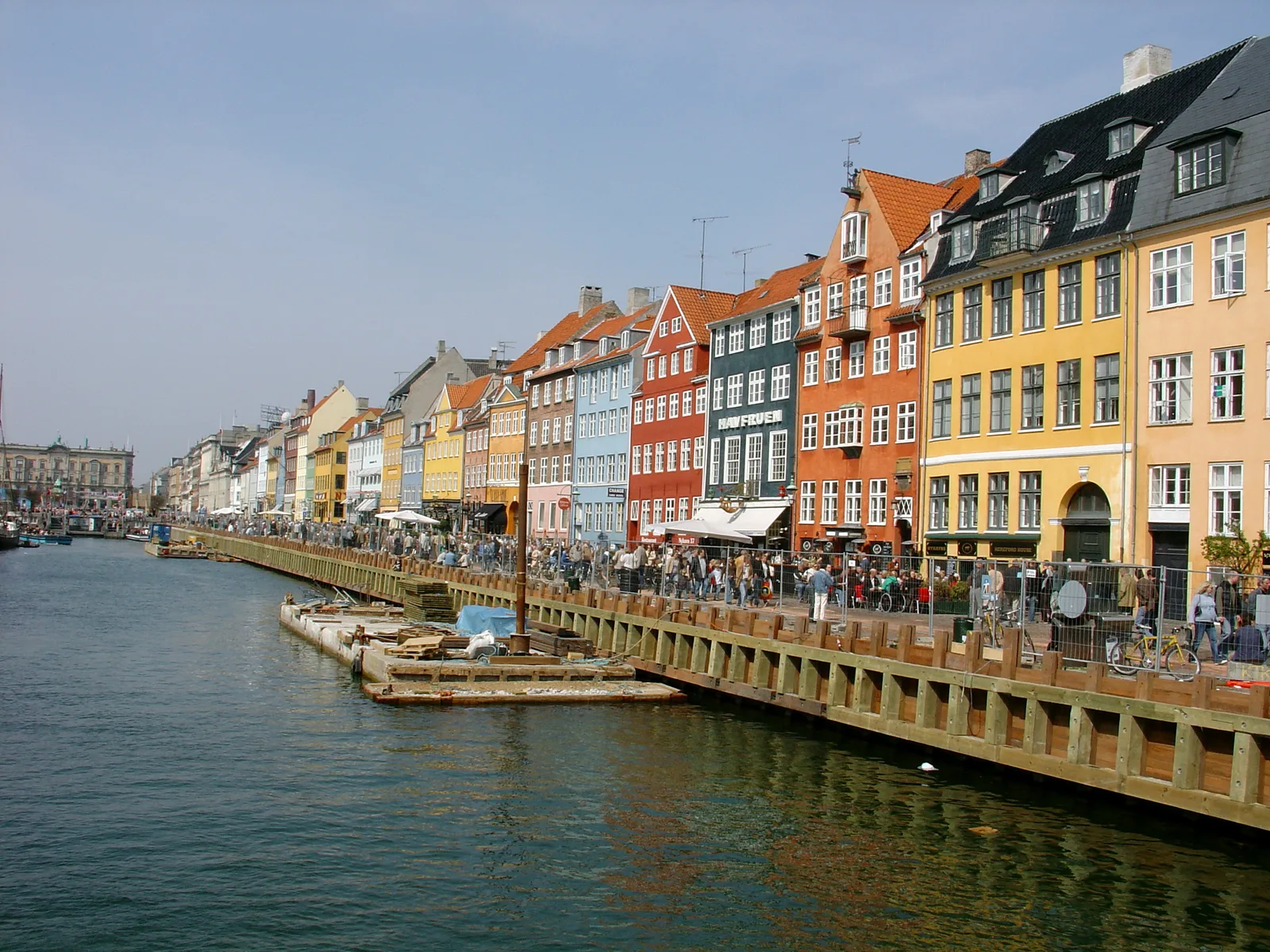
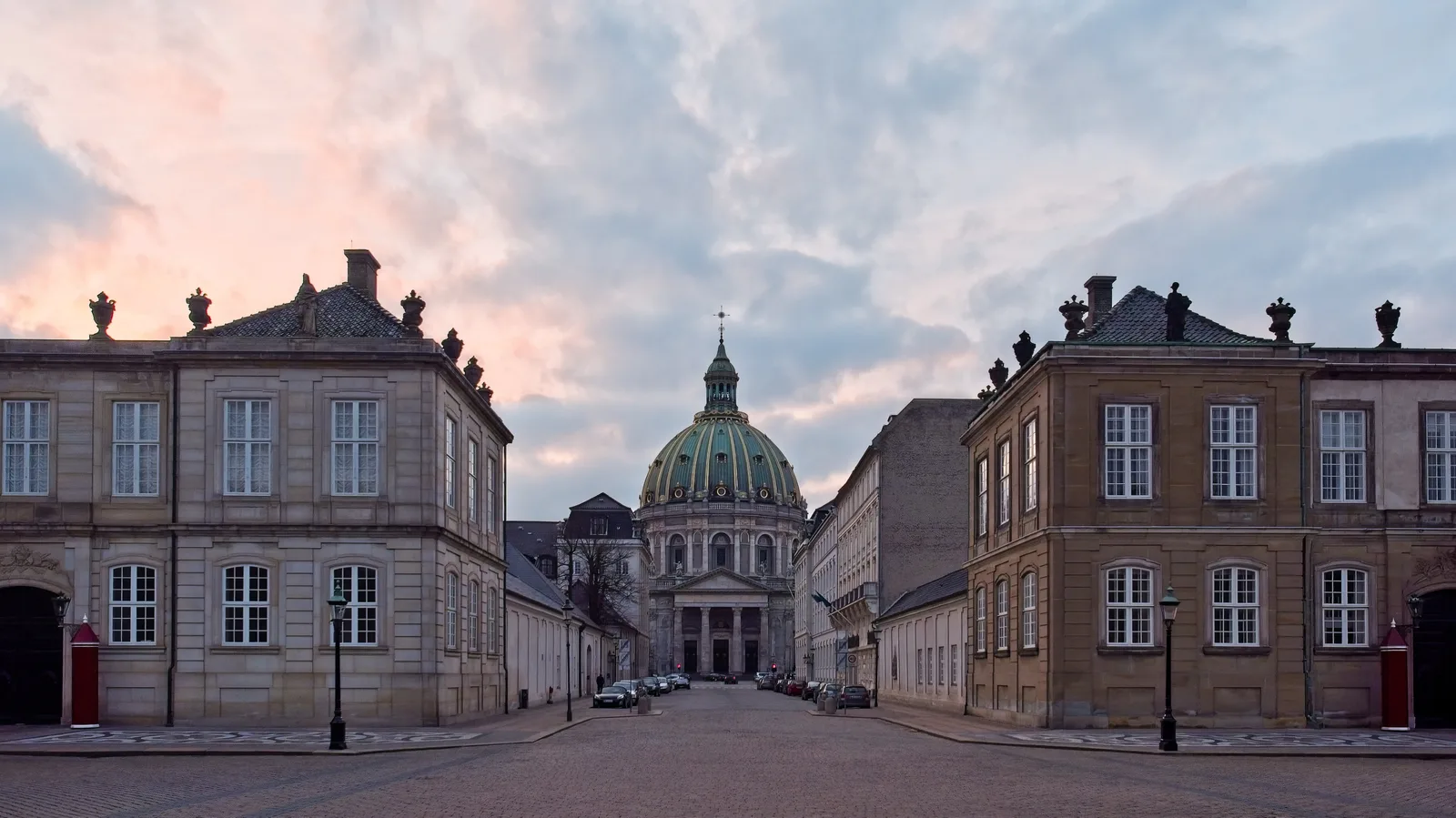
For outdoor sightseeing, Nyhavn is quieter and more photogenic in February than at any other time of year. The colorful facades reflect in the canal water without the summer crowds blocking the foreground. Walk north from Nyhavn to Amalienborg Palace and time your visit for noon to see the changing of the Royal Danish Life Guards. The Rundetaarn (Round Tower) is a short walk from Strøget and offers city views from its spiral walkway — no stairs, no elevator.
In Vesterbro and Nørrebro, the indoor market Torvehallerne on Israels Plads is ideal for a midday break. The covered glass halls protect from the wind while you browse stalls selling smørrebrød, porridge, duck confit sandwiches, and specialty coffee. The Christianshavn neighborhood is worth a half-afternoon wander — its canals lined with boathouses and colorful buildings have the feel of Amsterdam at a fraction of the tourist density. At Broens outdoor area near Inderhavnsbroen, a free ice rink operates through late February with food stalls from Broens Gadekøkken providing hot drinks and snacks right on the harbor.
- Ny Carlsberg Glyptotek — free Tuesdays, heated conservatory, best indoor day
- Nyhavn canal walk — least crowded in winter, ideal for photography at dusk
- Torvehallerne food market — covered, warm, excellent smørrebrød and coffee
- Rundetaarn — 360° city views, included with the Copenhagen Card
- Broens ice rink — free entry, skate rental available, right on the harbor
- Christianshavn canals — low-tourist residential neighborhood worth half a day
3-Day February Itinerary Overview
Your first day should focus on the historic center. Start at Nyhavn in the morning before the few tourists arrive. Walk north to Amalienborg Palace and try to time the noon changing of the guard. Spend your afternoon inside the National Museum to cover Viking history in warmth. In the evening, follow the light festival trail through the streets of Indre By and finish with a candlelit dinner at one of the cellar restaurants off Strøget.
On day two, dedicate your morning to Torvehallerne for breakfast and then walk to the Rundetaarn for the city view. Spend the afternoon at the Ny Carlsberg Glyptotek — allow at least two hours. At dusk, walk over to Christianshavn and finish at the Broens ice rink for a drink from the outdoor stalls. The Vesterbro district's bars and wine bars are a short walk for the evening.
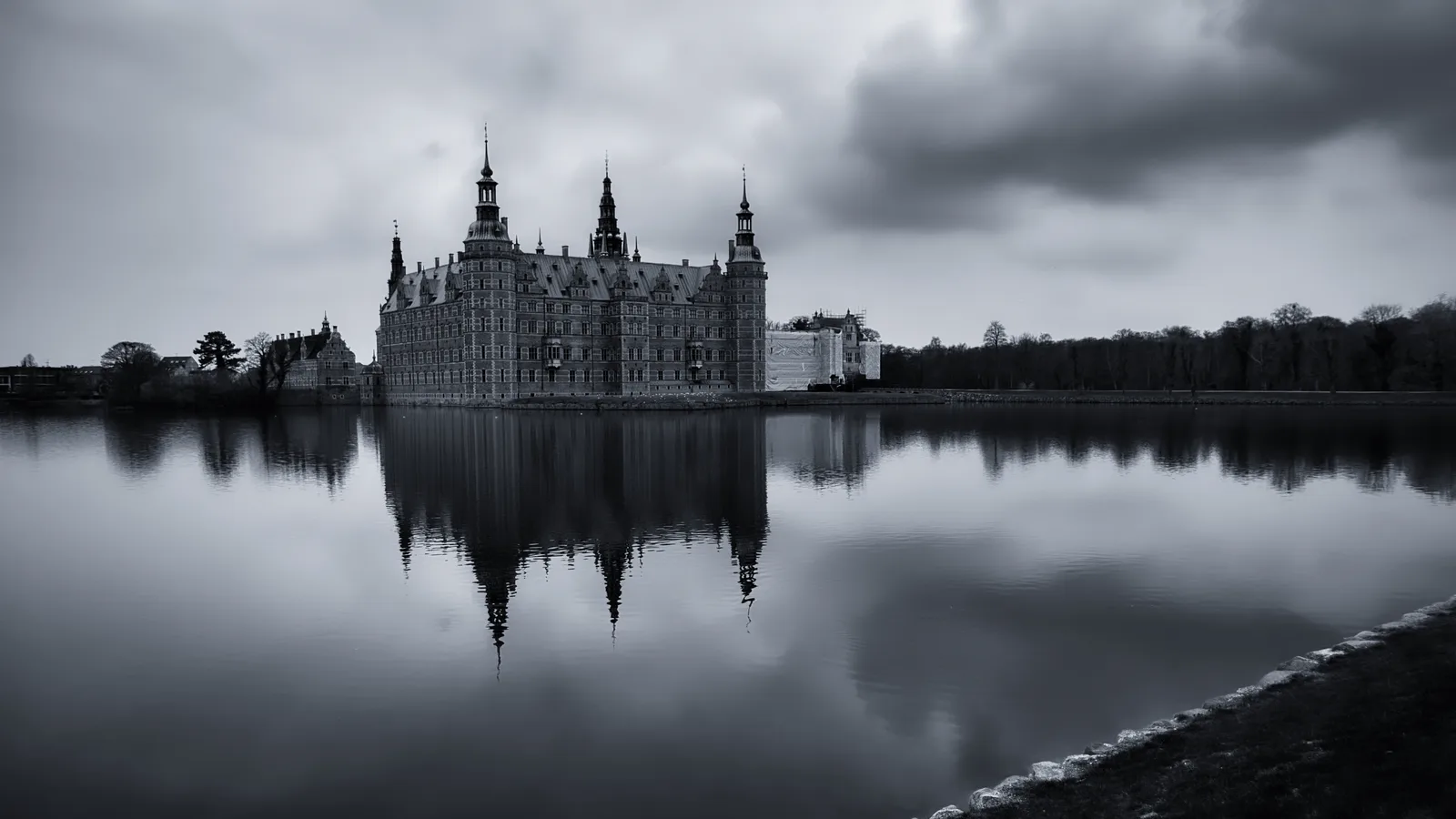
Dedicate your third day to a day trip north. Take the train from København H (Central Station) to Helsingør — the journey takes 45 minutes and costs 108 DKK one-way (or is covered by a 24-hour transport pass). Kronborg Slot is a 15-minute walk from the station and is the castle that inspired Shakespeare's Hamlet — a UNESCO World Heritage Site ringed by moats and green copper towers. Return by 16:00 to catch the light festival trail one final time in the dark before you leave. This itinerary works well even if you visit Copenhagen in March instead, with longer daylight hours available.
Where to Stay: Best Winter Neighborhoods
The Indre By (Inner City) area is the most convenient neighborhood for the light festival, with most installations within a ten-minute walk of central hotels. Staying here lets you return to your room between outdoor segments to warm up, which matters more than it sounds when temperatures are near zero. The Skt Petri hotel on Krystalgade is a stylish and central base that sits close to both Strøget and the university quarter.
The Admiral Hotel on the harbor front is a strong choice for a winter stay. The building is a converted 18th-century warehouse with thick walls, exposed wooden beams, and a nautical atmosphere that embodies hygge. Its location puts you two minutes from Amalienborg in one direction and Nyhavn in the other — and right across from one of the main light festival installations in February. The Nimb Hotel inside Tivoli Gardens is a luxury option for guests who want the park's winter atmosphere at arm's length.
For a more local feel at a lower price, look at boutique guesthouses in Vesterbro. The neighborhood is a 10-minute walk from Central Station, has the best concentration of independent bakeries including Hart Bageri, and is livelier at night than the tourist center. It is also the neighborhood you will transit through between the station and most major sights.
Getting Around: Airport Transfers and Public Transport
Copenhagen Airport (CPH) is eight kilometers from the city center. The Metro Line M2 runs directly from the terminal to the city in 12 minutes and operates 24 hours a day, every seven to twenty minutes depending on the hour. A single ticket costs 36 DKK and requires a Zone 1+2 ticket because the airport sits in Zone 2 — if you accidentally buy a Zone 1 only ticket you will be fined. Taxis from the airport cost between 250 and 350 DKK and take roughly 25 minutes in normal traffic.
Within the city, most February sightseeing is walkable or a short metro hop. A 24-hour travel pass costs 75 DKK and covers all zones including buses, metro, and harbour buses. A 72-hour pass is 190 DKK. The Copenhagen Card bundles unlimited public transport (including airport travel) with free entry to 87 attractions — for a winter visitor spending three days in museums and on the metro, it usually pays for itself. Visit Copenhagen provides a full list of included attractions before buying, since the card makes most financial sense when you visit at least four to five paid museums.
For getting around within the city, cycling is still popular even in February. Bikes can be rented for approximately 60 DKK per day from several central providers. Many Danes commute year-round regardless of ice or rain. If the weather is bad enough to make cycling unpleasant, the metro covers the core sightseeing route from the airport through to Vanløse with several stops in the center, and harbour buses run along the waterfront between key attractions.
Is February a Good Time to Visit Copenhagen?
February is a rewarding time to visit if you value atmosphere over warm weather. The combination of the light festival, seasonal Fastelavnsboller, and the city's hygge-oriented indoor culture creates an experience that is genuinely different from any other time of year. You will save significantly on accommodation while enjoying Copenhagen's best cultural sites without queues. Hotel rates in February can run 30 to 50% lower than in July for the same properties.
The honest trade-offs: only nine hours of daylight limits outdoor sightseeing, Tivoli Gardens closes its winter season around late February and does not reopen until April, and the waterfront wind is genuinely unpleasant without proper gear. If you need warm outdoor dining terraces or canal swimming, come in July instead. But if you are happy to embrace the dark hours with good food and candlelit bars, February rewards you with a city that feels like it belongs to the locals.
The weather month by month varies considerably, but February remains the peak of hygge. Pack your warmest layers, download the light festival app, and book a table at a Nordic restaurant a week in advance. Copenhagen's winter character is something every dedicated traveler should experience at least once.
Frequently Asked Questions
Is Copenhagen too cold to visit in February?
Copenhagen is cold in February, with temperatures averaging 1°C / 34°F. However, the city is well-prepared with heated transport and cozy indoor spaces. If you wear proper layers and wool, the weather is manageable for sightseeing.
When is the Copenhagen Light Festival in 2026?
The festival typically runs for three weeks during the month of February. Most installations are active from 5:00 PM to 10:00 PM daily. It is a free event that covers much of the city center.
Are museums open in Copenhagen during February?
Yes, almost all major museums remain open throughout the winter season. Some may have slightly shorter hours or close on Mondays. They offer a warm and culturally rich escape from the outdoor chill.
Copenhagen in February offers a unique blend of icy landscapes and warm, candlelit interiors. By visiting now, you experience the city as the locals do during their favorite season. The light festival and seasonal treats make the cold weather feel like a festive backdrop. Pack your warmest woolens and prepare for a truly memorable Danish winter adventure.
Whether you are hunting for the best pastry or exploring Viking history, the city delivers. The lower prices and lack of crowds make it a smart choice for savvy travelers. Copenhagen's winter magic is waiting for those brave enough to face the Baltic breeze. Enjoy your hygge-filled journey to one of Europe's most charming winter capitals.
You might also like


Continue reading
More guides you'll find useful