The Ultimate Copenhagen Card Guide: Is It Worth It?
Is the Copenhagen Card worth it? Our 2026 guide covers digital activation, cost savings, public transport zones 1-99, and top attractions to maximize your trip.
The Ultimate Copenhagen Card Guide
Planning a trip to the Danish capital often brings up one major question regarding your budget. You might wonder if the official city pass actually saves you money during your stay. This comprehensive copenhagen card guide explores every detail of this popular travel tool. For additional inspiration, visit Visit Copenhagen's official guide . We will help you decide if it fits your specific sightseeing goals.
Copenhagen is known for its high quality of life and relatively high prices for visitors. The card aims to simplify your logistics by bundling entry fees and transport into one digital ticket. You can choose between the Discover version or the Hop-On-Hop-Off option based on your pace. Understanding these differences is the first step toward a successful Danish adventure.
The city has transitioned to a 100% digital system for all cardholders. This change means you no longer need to worry about picking up physical vouchers at the airport. Everything you need sits right on your smartphone for easy scanning at museums and trains. Modern travelers often find this digital approach much more convenient than traditional paper passes.
Key Takeaways
- Choose the Discover version for full regional train access.
- Activate the card only at your first attraction to save time.
- Bring a power bank to keep your digital card accessible.
- Use the card for the airport train to save on your first day.
What is the Copenhagen Card and What’s Included?
The Copenhagen Card is the primary sightseeing pass for visitors exploring the Capital Region of Denmark. It provides free entry to over 80 museums and attractions across the city and surrounding areas. You also get unlimited access to public transport within the extensive zone 1-99 network. This coverage includes the metro, buses, and regional trains throughout the entire region.
Travelers can select from two distinct versions of the card depending on their interests. The Copenhagen Card Discover is the most popular choice for those wanting full regional access. It covers all transport and every major museum from the city center to distant castles. This version is ideal for anyone planning to visit Roskilde or Helsingør.
Alternatively, the Hop-On-Hop-Off version focuses more on the city center sightseeing buses. It includes the same 80+ attractions but limits transport to specific tour bus routes. This option might suit you if you prefer guided loops over using the local metro system. Most visitors find the Discover card offers better overall value for money.
Each card is valid for a specific duration ranging from 24 to 120 hours. Your time starts the moment you activate the card in the official app. This allows for precise planning so you can maximize every hour of your purchase. Check the is the Copenhagen Card worth it analysis for more details.
-
Top Included Attractions
- Tivoli Gardens: Entry included
- Canal Tours: Traditional boat trip
- Rosenborg Castle: Royal treasury
- The Round Tower: City views
How to Buy, Redeem, and Activate the Digital Card
Getting your pass is a straightforward process that starts before you even arrive in Denmark. You can complete an Official Copenhagen Card Purchase online to receive a digital reference code. This code is the key to unlocking your pass within the mobile application. Ensure you have your confirmation email handy when you begin the setup.
The next step involves downloading the Copenhagen Card App (iOS) or the Android equivalent. This app serves as your digital wallet and your primary guide to the city. You will enter your reference code to link the purchase to your specific device. Do not activate the card until you are ready to visit your first attraction.
Activation is a simple swipe within the app interface that starts your timer. You should only do this when you are standing at the entrance of a museum or boarding a train. The app works offline once the card is activated, which is helpful for saving data. However, you must ensure your phone stays charged throughout the day.
Battery management is a critical part of the digital-only reality for modern tourists. We recommend carrying a small power bank to avoid a dead phone at a train station. If your phone dies, you technically do not have a valid ticket for transport. Keep your screen brightness at a reasonable level to preserve power during long days.
-
Digital Activation Steps
- Purchase: Buy code online
- Download: Get the app
- Input: Add reference code
- Swipe: Activate at first stop
Is the Copenhagen Card Worth It? (Cost Comparison)
Many visitors ask if the card is a smart financial move for their trip. Copenhagen is known for being expensive, especially when it comes to entrance fees. A single adult ticket to Tivoli Gardens or Christiansborg Palace can cost over 150 DKK. When you add transport costs, the daily expenses climb very quickly.

The card usually pays for itself if you visit at least two major attractions per day. For example, a 72-hour card costs significantly less than buying individual tickets for six museums. You also save the 24 DKK minimum fare for every single bus or metro ride. These small savings on transport add up to a large amount over several days.
Those who prefer a slow pace might find the card less beneficial. If you only want to see one museum and spend the rest of the time walking, skip it. The card is designed for active sightseers who want to see the best of the city. It also provides peace of mind by removing the need to buy separate train tickets.
Consider your itinerary carefully before making the final purchase decision. If you plan to visit the Louisiana Museum or Roskilde, the transport savings are massive. The regional train fare alone can justify a large portion of the card's price. Check our Denmark travel blog for more budget-saving tips.
| Attraction | Individual Price | With Card | Savings |
|---|---|---|---|
| Tivoli Entry | 155 DKK | Included | 155 DKK |
| Canal Tour | 100 DKK | Included | 100 DKK |
| National Museum | 120 DKK | Included | 120 DKK |
| Daily Transport | 80 DKK | Included | 80 DKK |
Public Transportation: Navigating Zones 1-99
The transport benefit is perhaps the most valuable feature of the Discover card. It covers the entire capital region, which is divided into 99 different zones. Most tourists stay within zones 1 to 4, but the card extends much further. This allows you to travel from the airport to the city center for free.
You do not need to tap your phone on the yellow readers like a standard ticket. Simply show the active digital card in the app if a conductor asks for it. On buses, you can show the screen to the driver as you board. The system is built on trust, but fines for not having a ticket are very high.
The Copenhagen City Pass is a common alternative for transport only. However, the City Pass does not include any museum entries or regional trains. If you want to visit castles outside the city, the Copenhagen Card is superior. It simplifies your journey by covering every mode of transit in the region.
The metro runs 24 hours a day, making it easy to get around at night. Regional trains are frequent and connect the city to beautiful coastal towns. You can use the Rejseplanen journey planner alongside your card to plan specific routes. This combination makes navigating the Danish capital feel effortless for any traveler.
Top Attractions: From Tivoli to Christiansborg Palace
Tivoli Gardens is the crown jewel of Copenhagen and a must-visit for everyone. The card covers your entrance fee, allowing you to enjoy the beautiful gardens and atmosphere. Please note that ride tickets are not included and must be purchased separately. Check Tivoli's official site for seasonal events before you visit. Visiting in the evening offers a magical experience with thousands of sparkling lights.
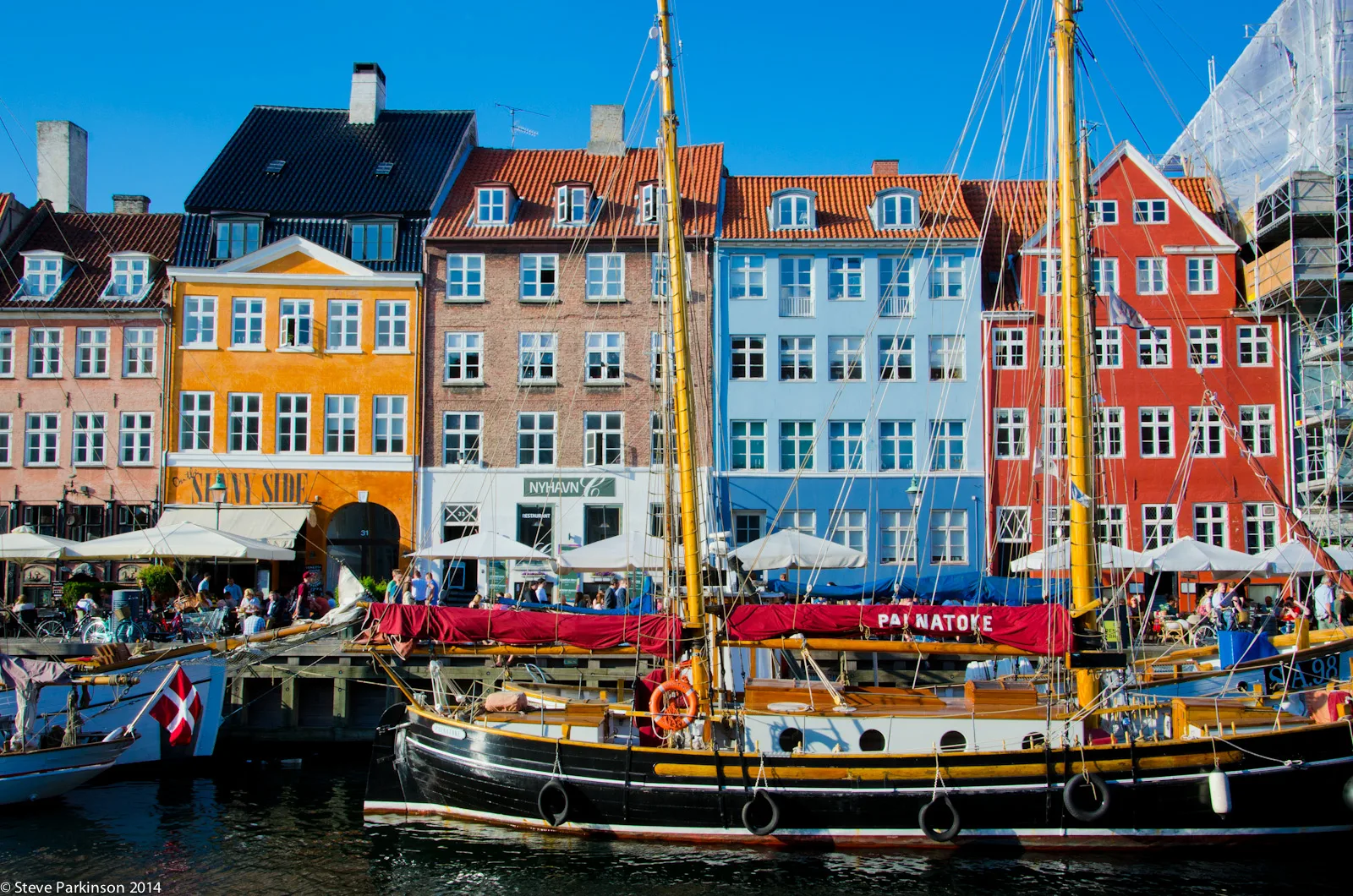
Christiansborg Palace offers a deep dive into Danish royal history and politics. You can visit the Royal Reception Rooms, the ruins under the palace, and the stables. The Great Hall features impressive tapestries that tell the story of Denmark. It is located right in the heart of the city on the island of Slotsholmen.
The Round Tower provides one of the most unique views of the old city. You walk up a spiral ramp instead of stairs to reach the top observatory. It was originally built as an observatory for the famous astronomer Tycho Brahe. The walk is gentle and suitable for most fitness levels.
Canal tours are another highlight that many visitors enjoy during their stay. You can see the Little Mermaid statue and the Opera House from the water. Most tours depart from Nyhavn or Ved Stranden and last about one hour. The card includes one classic canal tour per person during its validity.
Adventures Beyond Copenhagen: Roskilde, Hillerød, and Helsingør
The Discover card shines when you use it for regional day trips outside the center. Roskilde is a historic city located just 25 minutes away by regional train. It is home to the Viking Ship Museum and the magnificent Roskilde Cathedral. Both of these world-class attractions are fully covered by your digital pass.
Hillerød is another fantastic destination featuring the stunning Frederiksborg Castle. This castle sits on three islands and is surrounded by a beautiful lake. The interior houses the Museum of National History with many royal portraits. The train ride from Copenhagen Central Station takes approximately 40 minutes.
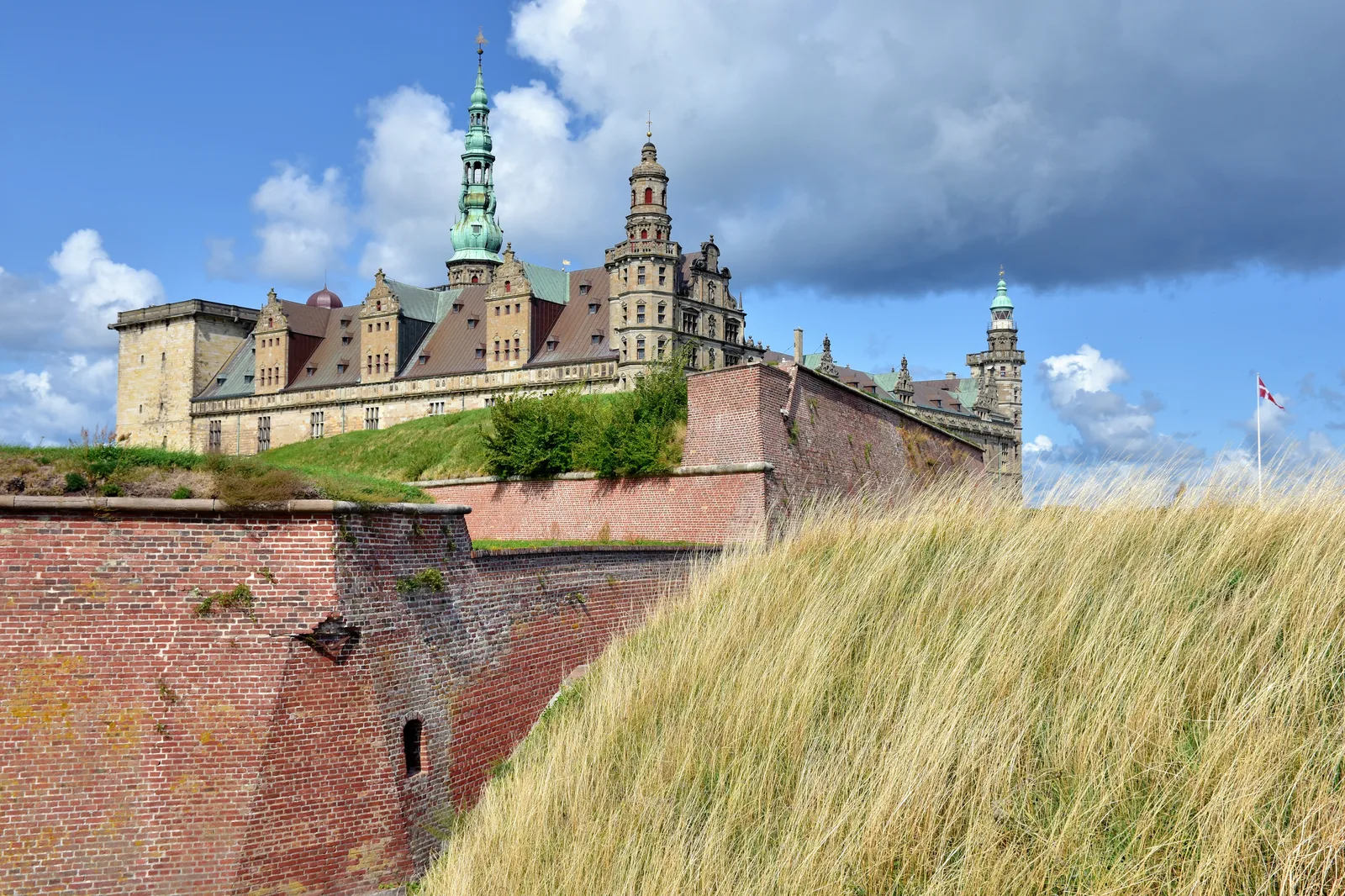
Helsingør is located at the narrowest point of the sea between Denmark and Sweden. You can visit Kronborg Castle, which served as the setting for Shakespeare's Hamlet. The town also features a modern maritime museum built into an old dry dock. Travelers often compare Hillerød and Helsingør to see which castle offers more value.
You can actually visit both Roskilde and Hillerød in a single 24-hour window. Start early in Roskilde to see the Viking ships before the midday crowds arrive. Take the train to Hillerød in the afternoon to explore the castle gardens. This ambitious itinerary maximizes the transport and entry value of your card.
First-Timer Logistics: Walkability, Payments, and Language
Copenhagen is a very compact city that is surprisingly easy to navigate on foot. Many major sights like Nyhavn and Amalienborg Palace are within walking distance. However, using the card's transport can save your legs for the museum floors. We recommend a mix of walking and metro use for the best experience.

Denmark is a nearly cashless society where cards and mobile payments are king. You will rarely need physical Danish Krone during your visit to the capital. Even small coffee shops and street food stalls prefer contactless payment methods. Ensure your credit card has no foreign transaction fees before you travel.
English is spoken fluently by almost everyone you will meet in the city. You will have no trouble navigating menus, signs, or asking for directions. Danes are generally very helpful and happy to assist tourists with questions. Learning a few basic Danish words like 'Tak' for thank you is always appreciated.
Biking is the preferred method of transport for locals in all weather conditions. If you choose to rent a bike, be sure to follow the local traffic rules. Always stay in the dedicated bike lanes and use hand signals when turning. The card does not include bike rentals, but many hotels offer them.
-
Transport vs Walking Decision Matrix
- Short Distances: Walk or Bike
- Regional Trips: Use Card
- Airport Transfer: Use Card
- Rainy Weather: Use Metro
Safety for Solo Female Travellers in Copenhagen
Copenhagen is consistently ranked as one of the safest cities in the world. Solo female travelers generally feel very comfortable exploring at any time of day. The public transport system is well-lit and monitored by staff and cameras. You can feel confident taking the metro or bus back to your hotel late.
Standard travel precautions still apply even in such a safe environment. Keep an eye on your belongings in crowded areas like the Central Station. The city center is very active at night, which provides a sense of security. Most neighborhoods are residential and peaceful after the sun goes down.
If you ever feel uneasy, the 'Nattog' or night trains are very reliable. Danish people value personal space, which can sometimes feel like coldness. However, they will quickly help if they see someone in need of assistance. Copenhagen is an ideal destination for a first-time solo international trip.
Staying in central neighborhoods like Vesterbro or Indre By is very convenient. These areas have great access to transport and plenty of well-lit streets. You will find many solo-friendly cafes and restaurants throughout these districts. Enjoy the freedom of exploring this beautiful city at your own pace.
Frequently Asked Questions
Does the Copenhagen Card include transport from the airport?
Yes, the Copenhagen Card Discover includes free transport from Copenhagen Airport to the city center. You can use the train or the metro to reach your accommodation. This is a great way to start using your card immediately upon arrival in Denmark.
Can I use the Copenhagen Card offline?
The Copenhagen Card app works offline once you have activated your pass with an internet connection. You can show your digital card to museum staff or transport ticket inspectors without using data. Just ensure your phone battery remains charged throughout the day.
Is the Copenhagen Card worth it for 48 hours?
A 48-hour card is often the sweet spot for many visitors. It allows you to see the main city highlights on day one and take a regional trip on day two. This duration typically offers significant savings compared to buying individual tickets for those attractions.
Do I need to tap my Copenhagen Card on the bus?
No, you do not need to tap your digital card on the yellow card readers. Simply show the active card screen in the app to the driver or a ticket inspector. It is a visual validation system rather than a physical tap-and-go process.
The Copenhagen Card remains a powerful tool for anyone wanting to see the best of Denmark. It simplifies your travel logistics by combining transport and entry fees into one app. While it requires an upfront investment, the potential savings for active travelers are significant. You can enjoy the city without worrying about the cost of every individual museum.
Whether you are exploring royal palaces or taking a train to a Viking museum, the card delivers. The 100% digital format fits perfectly into a modern travel style. We hope this guide helps you plan a memorable and cost-effective trip to Copenhagen. Safe travels as you explore everything the Danish capital has to offer.
Explore More Copenhagen Guides
Deep-dive guides for planning a Copenhagen trip — what to do, where to eat, day trips, and seasonal highlights.
You might also like



Continue reading
More guides you'll find useful