Odense Food Guide 2026
Plan odense food guide 2026 with top picks, neighborhood context, timing tips, and practical booking advice for a smoother trip.
On this page
Odense Food Guide 2026
Odense sits on the island of Funen — historically called Denmark's pantry — where exceptional soil produces vegetables, cheeses, and dairy that Copenhagen chefs actively source. That agricultural foundation gives the city's food scene a natural advantage: local restaurants can build seasonal menus around genuinely outstanding produce without importing from far away. This odense food guide 2026 covers where to eat, what to order, how much to budget, and when to visit for the best culinary experience.
The city is compact enough to walk between most good restaurants in under twenty minutes, and it sits directly on the main train line between Copenhagen and Aarhus. Discover more travel planning ideas on the Denmark Wander blog before you finalize your itinerary. Whether you want a Michelin-starred tasting menu or a DKK 80 street food plate, Odense delivers both within a short radius of its historic core.
Eating and Drinking in Odense
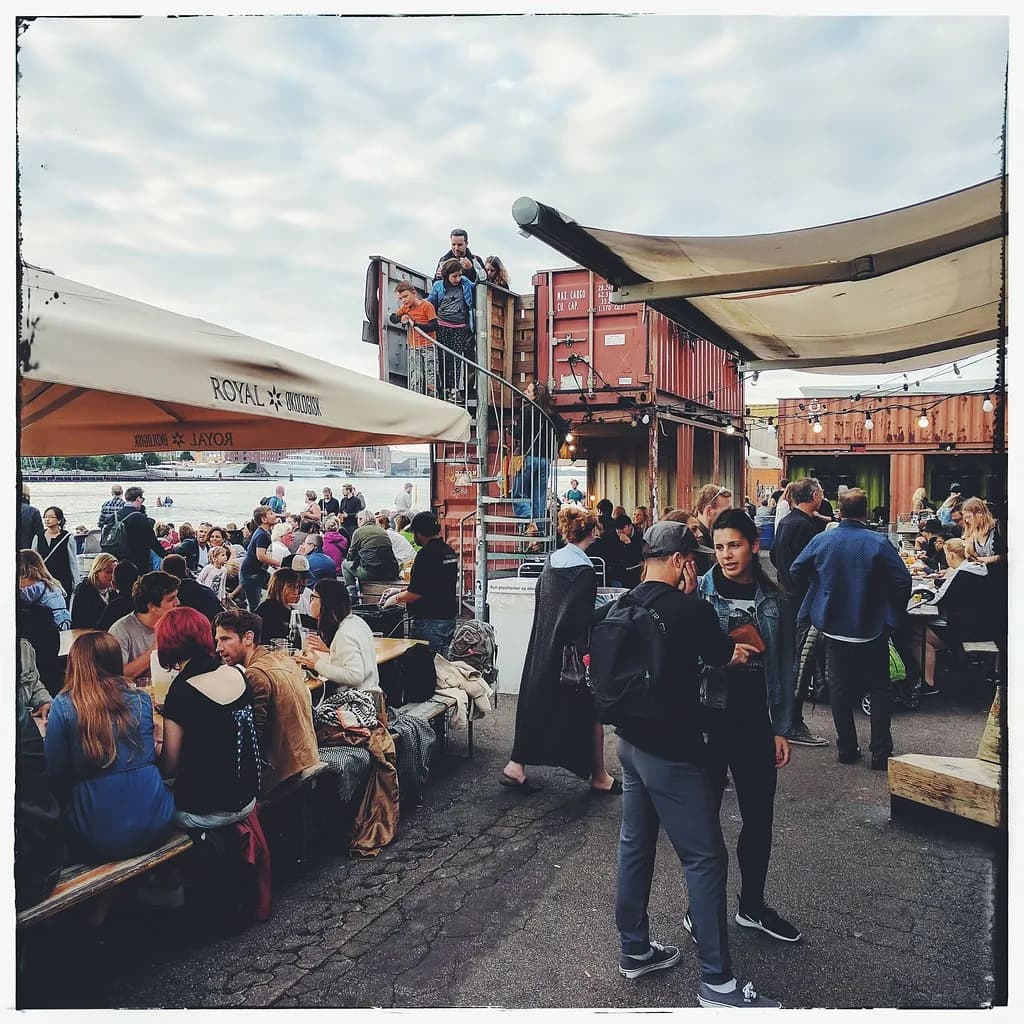
Storms Pakhus near the harbour is the most important street food hub in the city. The converted warehouse hosts around twenty stalls serving everything from pulled pork rolls to Vietnamese banh mi, with most plates priced between DKK 75 and DKK 120. Communal tables and a relaxed atmosphere make it ideal for groups with varied tastes or travelers eating solo who want conversation.
Classic Danish cuisine is well-represented across the city center. Look for brunsviger — a warm, yeasty cake with butter and brown sugar — at local bakeries, particularly those near the Hans Christian Andersen Museum. Smørrebrød open-face sandwiches with pickled herring or roast beef remain the most practical and affordable lunch option, available at most traditional lunch restaurants for DKK 60–110 per slice.
The city food market runs every Wednesday and Saturday near the city center, where Funen farmers sell seasonal vegetables, local cheeses, and fresh bread. Arriving by 10:00 gives you the best selection before the popular stalls sell out. Bring cash as not all vendors accept cards.
SPIS! Odense Food Festival
Restaurant ARO and other top-tier venues participate with fixed festival menus at reduced prices, making this the most cost-effective time to eat at the city's best tables. Book festival restaurant spots as early as June, as the most popular sessions sell out months in advance. Check the official visitodense.com website from July onward for the confirmed 2026 program and booking links.
Cook 'n Talk Odense events, which run throughout the year but concentrate activity around the festival period, offer communal cooking sessions where you share a meal with local residents. These sessions cost roughly DKK 150–250 per person and provide an unusually direct way to understand how Funen locals actually cook at home versus what restaurants serve.
Funen as Denmark's Pantry: Why the Food Here Is So Good
No competitor travel guide explains why Odense specifically punches above its weight in food terms. The answer is geography: Funen's relatively mild maritime climate and fertile glacial soils produce vegetables, stone fruits, and dairy that consistently outperform the rest of Denmark. Chefs in Copenhagen actively import Funen asparagus, strawberries, and heritage grain varieties that are difficult to source elsewhere in Scandinavia.
Lonely Planet and Danish food journalists have used the same shorthand — "Denmark's pantry," "Denmark's orchard," "Denmark's kitchen garden" — to describe Funen for decades. That reputation is not marketing. It means that a mid-range restaurant in Odense is using ingredients that a comparable Copenhagen restaurant would pay a premium to access. Your money goes further here in terms of ingredient quality.
When you read a menu that says "local Funen produce," it is not a generic farm-to-table claim. It means asparagus from fields visible from the road, strawberries harvested that morning, and pork from pigs raised on the surplus from the same farms. This specificity is the single biggest reason to eat in Odense rather than simply passing through on a train to Copenhagen.
Neighborhoods: Where to Eat by Area
The City Center is where most visitors spend their time, and rightly so for food. The pedestrian streets around Kongensgade and the area near Brandts concentrate the highest density of cafés, lunch restaurants, and evening dining options. Prices are slightly higher than elsewhere in the city, but the convenience of walking between sites and meals is worth the marginal cost for a short stay.
- Brandts quarter: best for café culture, art-adjacent dining, and the Café Biografen for morning coffee and people-watching.
- Vesterbro: a ten-minute walk west of center, with more affordable cafés and a local-student atmosphere. Good for an evening beer without tourist pricing.
- Near the train station: practical for arrivals and departures — several solid lunch spots and a supermarket delicatessen section for budget meals under DKK 60.
- Harbour area (Storms Pakhus): the go-to for street food, especially on weekends when the market is busiest.
Bolbro and Odense M are residential neighborhoods further from the center. They have lower prices and a genuinely local feel, but require a bus or bike ride. Unless you have a specific recommendation from a local, they are not worth navigating for food alone on a short trip.
Budget and Costs for Eating in Odense
Daily food costs in Odense run between EUR 20 and EUR 50 depending on how you eat. At the low end, a supermarket breakfast, a Smørrebrød lunch from a traditional lunch spot, and a street food dinner at Storms Pakhus keeps you under EUR 25. At the mid-range, two sit-down meals at casual restaurants with a drink each brings the total to EUR 35–50. A Michelin-level dinner at Restaurant ARO will cost EUR 100–150 per person for the full tasting menu with wine pairing.
The overall daily budget for Odense — accommodation, food, transport, and entry fees — sits at roughly EUR 50 to EUR 85, placing it significantly below Copenhagen for equivalent quality. Hostel dorm beds near the train station start at around EUR 25–30 per night. You can find the Best hostels in Odense clustered within walking distance of the historic center.
Museum entry fees are an additional variable. The H.C. Andersen Museum costs around DKK 145 for adults. Combined city passes, available at the tourist information office, can reduce total attraction costs if you plan to visit three or more sites. Most parks and outdoor areas, including Munke Mose and Eventyrhaven, are free.
When to Visit for Food and Festivals
May through September is the sweet spot for Odense food travel. Funen's seasonal produce peaks in summer, and outdoor dining — including the waterfront cafés along the river — only operates during the warmer months. June delivers up to 17 hours of daylight, which means you can eat dinner at 20:00 in full sunshine. September combines comfortable temperatures (around 15°C) with the SPIS! Food Festival, making it arguably the single best month for a food-focused trip.
July and August are the busiest months. Prices for accommodation rise 20–30% and the most popular restaurant tables book out further in advance. If you can travel in late May or early September instead, you get near-identical weather with noticeably fewer crowds and better value. The Wednesday and Saturday food markets are particularly pleasant in spring before tourist season peaks.
Winter visits are possible but the outdoor food scene contracts sharply. The Christmas market in late November and December adds a seasonal draw, with mulled wine (gløgg) and æbleskiver (round Danish pancakes) sold from market stalls. Indoor restaurants operate year-round, and this is actually a good period to secure a table at top-tier venues that would be fully booked in summer.
Must-See Attractions Near the Best Restaurants
Brandts Museum of Art and Visual Culture occupies a converted textile mill and has one of the better museum cafés in the city. A visit here pairs naturally with lunch at the café or at one of the restaurants in the surrounding Brandts quarter. The museum is particularly valuable on rainy days when outdoor food markets are less enjoyable.
Møntergården traces Odense history across several well-preserved merchant houses and is a short walk from the main restaurant streets. Den Fynske Landsby (The Funen Village open-air museum) sits slightly further out but is worth combining with a picnic lunch using ingredients from the Saturday market — the grounds are large enough to find a quiet spot. Check the visitodense.com website for current opening hours before visiting.
Day Trips for Food and Scenery
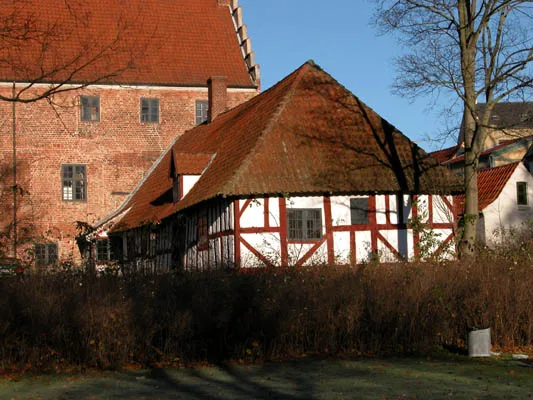
Kerteminde, a small coastal town 20 km east of Odense, has a Coastal Museum and access to beaches. More relevantly for food, it has several excellent fish restaurants where the North Sea catch is as fresh as it gets in Denmark. The fish soup at local spots here is a specific dish worth the trip. Kerteminde is reachable by bus from Odense in about 35 minutes.
Svendborg and the southern Funen coast open up access to smaller islands, including Ærø, which is known for its local brewing and farmhouse cheeses. This makes a better overnight trip than a day trip, but if you have a third or fourth day in the region it adds genuine variety to the food experience. Aarhus is 90 minutes west by train and Copenhagen is 90 minutes east — both work as one-night extensions from Odense.
Getting Around Odense
The city center is mostly pedestrianized and compact enough that most restaurants, cafés, and food markets are within a 15-minute walk of each other. Walking is the most practical option for navigating between food stops during the day. Always watch for designated bike lanes when crossing streets — cyclists have right of way on their lanes and move quickly.
The Odense Letbane tram connects the central station to neighborhoods further from the historic core. Tickets are available via the Rejseplanen app or at station kiosks. Cycling is the preferred local method: bike rental near the central station costs around DKK 100–150 per day and puts the food market, Storms Pakhus, and outlying neighborhoods within easy reach.
The train station is the logistical hub for day trips. Trains to Copenhagen leave roughly every 30 minutes and take about 90 minutes; trains to Aarhus take a similar time in the opposite direction. For Kerteminde and coastal day trips, buses depart from the central bus terminal adjacent to the train station.
Family-Friendly and Budget Eating
Storms Pakhus is the easiest answer for families: multiple cuisines under one roof, communal seating, no booking required, and prices that work for groups. The Odense Zoo has several dedicated family dining areas within the grounds, and most menu items are designed for children without being aggressively simplified. Plan at least half a day at the zoo and factor in a meal inside rather than rushing back to the city center for lunch.
The best restaurants in Odense for families tend to be the casual mid-range places in the Brandts quarter that have outdoor seating in summer. These are generally child-friendly without a formal family designation and tend to be less expensive than the city center's tourist-facing restaurants. Look for daily specials on chalkboards outside — these are typically the best value and made from whatever produce is freshest that week.
For strict budget travel, supermarket delicatessen sections are a legitimate option. Netto and Rema 1000 both stock prepared salads, rye bread, and local cheese at prices significantly lower than even budget restaurants. Eating two supermarket meals per day and one restaurant meal keeps total food costs below EUR 20 daily without sacrificing much on quality.
Safety and Practical Tips
Odense is one of the safest cities in Denmark and petty crime is rare. Keep standard awareness in crowded markets and around the train station during busy summer weekends, but this is a low-risk environment compared to most European cities of similar size. Taxis are metered and regulated — confirm the meter is running when you get in to avoid disputes on longer journeys.
Most restaurants accept Visa and Mastercard, and Denmark is effectively cashless for most transactions. Carrying DKK 200–300 in cash is useful for market stalls, some bakeries, and the Cook 'n Talk communal dinners where card readers are not always available. Tipping is not expected in Denmark but rounding up the bill to a convenient number is common practice.
Restaurant reservations on Friday and Saturday evenings are essential for any venue above street food level. Most popular places fill by Thursday for the weekend. For weekday lunches and breakfasts, walk-ins are generally fine everywhere except the top Michelin and Whiteguide-listed restaurants. Check weather on climatestotravel.com before planning full-day outdoor food market visits, as rain significantly reduces what is available at the Saturday market.
One-Day Food Itinerary for Odense
Start at Café Biografen in the Brandts quarter at 09:00 for coffee and a pastry. Walk to the H.C. Andersen Museum when it opens at 10:00 and spend 90 minutes there. At noon, head to a traditional lunch restaurant near the cathedral for Smørrebrød — budget DKK 120–180 for two open-face sandwiches with a small beer or water.
In the afternoon, walk to Munke Mose park along the river for a 30-minute stroll before heading to Storms Pakhus. Arrive at Storms Pakhus between 15:00 and 16:00 to get a feel for the stalls before the evening rush begins; this is the best time to talk to vendors and pick your dinner spot without competing for tables. Dinner at Storms Pakhus costs DKK 150–200 for a full meal with a drink.
If you want an evening upgrade, book a table at one of the Whiteguide-listed restaurants for 19:30 instead of Storms Pakhus. Total food spend for this one-day itinerary runs DKK 400–600 (approximately EUR 55–80) at the mid-range level. For the full list of where to eat in Odense with venue-specific details, check our dedicated restaurant guide.
Frequently Asked Questions
Which odense food guide 2026 options fit first-time visitors?
First-time visitors should start with the historic district's traditional cafés and the Storms Pakhus street food market. These spots offer a great introduction to Danish flavors in a welcoming atmosphere. You can find more details in our guide on where to eat in Odense for the best initial experience.
How much time should you plan for odense food guide 2026?
A stay of two to three days is ideal for exploring the main food markets and historic sites. This timeframe allows you to enjoy several sit-down meals while still having time for museum visits and park strolls. Longer stays are perfect if you plan to take day trips to nearby coastal towns.
Is odense food guide 2026 worth including on a short itinerary?
Yes, the city is very compact and easy to navigate even if you only have one full day. You can see the major H.C. Andersen sites and enjoy a high-quality Nordic lunch within a few hours. Its central location makes it a convenient stop between Copenhagen and Aarhus.
Odense combines Funen's exceptional agricultural base with an increasingly ambitious restaurant scene that is, in 2026, delivering better value than comparably-priced meals in Copenhagen. Plan around the Saturday food market, book SPIS! festival restaurant spots well in advance if visiting in September, and leave time for at least one sit-down meal at a Whiteguide or Michelin-level restaurant. The city rewards travelers who eat deliberately rather than conveniently.
For the bigger picture, see our complete Best Restaurants in Odense guide. See also our Where To Eat In Odense guide.
You might also like


Continue reading
More guides you'll find useful