12 Best Restaurants and Food Experiences in Aalborg (2026)
Discover the best restaurants in Aalborg, from Michelin-standard Nordic cuisine to authentic Danish smørrebrød and vibrant street food markets.
On this page
12 Best Restaurants and Food Experiences in Aalborg
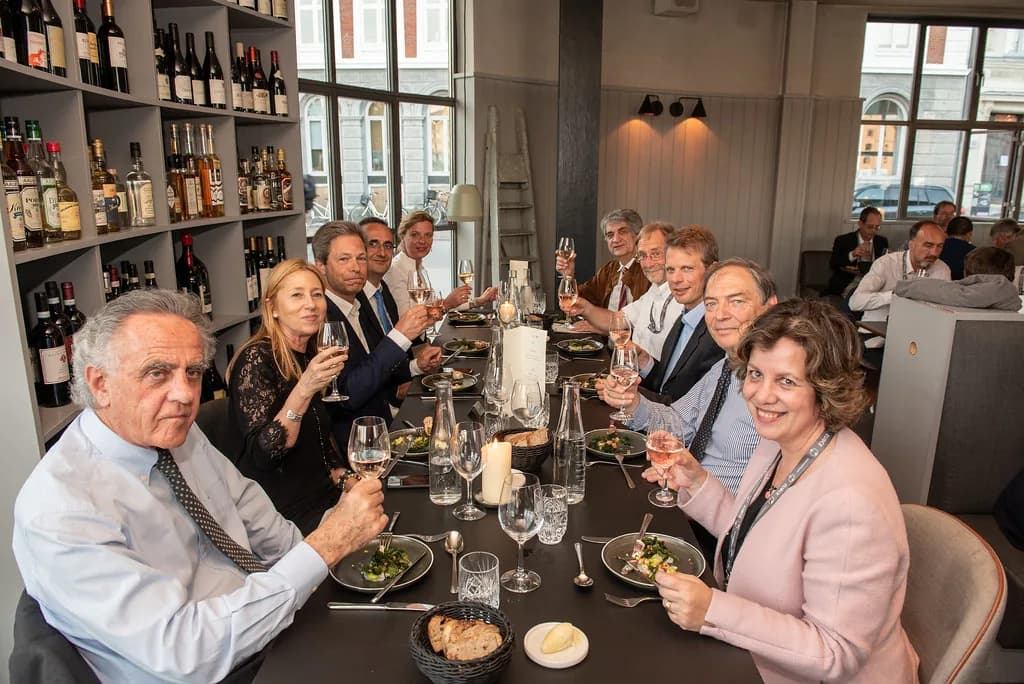
After exploring the cobblestone streets of Denmark's fourth-largest city over several seasons, I have seen the culinary scene transform significantly. Our team has spent weeks tasting through North Jutland's capital to find the absolute best restaurants in Aalborg for every budget. I still remember my first bite of a Stjerneskud at the harbor — the freshness of the plaice was unlike anything I had tasted. This city, often called the 'Paris of the North,' offers a sophisticated blend of cozy bistros and high-end Nordic innovation.
Last refreshed June 2026 following our most recent culinary tour, this guide highlights the essential spots that define the city's flavor. Whether you are seeking a sustainable Michelin-recognised meal or a quick bite at a local market, the variety here is impressive. Before you dive into the list, our comprehensive Aalborg food guide covers local producers and seasonal highlights. Planning your meals is a vital part of any trip to this vibrant waterfront destination.
Aalborg's Food Culture and Culinary Heritage
The culinary identity of Aalborg is deeply tied to its position along the Limfjord, which provides a steady supply of fresh seafood. Historically an industrial hub, the city has successfully pivoted toward a culture of gastronomy and architectural beauty. You can see this transition clearly at the waterfront, where old warehouses now house some of the most innovative kitchens in the country. The harbor, once the lifeblood of trade, now serves as the heart of dining in North Jutland.
Local chefs focus on seasonal ingredients sourced from the fertile farmland surrounding the city. This commitment to terroir is a hallmark of the New Nordic movement that has swept through the region. Spring menus lean on fresh herbs and radishes; autumn tables fill with root vegetables and foraged mushrooms. For those interested in exploring more of the city between meals, there are many things to do in Aalborg that pair naturally with a food tour.
The concept of 'hygge' is central to the dining experience here, emphasising comfort and social connection. Restaurants feature candlelit tables and warm, minimalist interiors that encourage long, leisurely dinners. This atmosphere makes the city particularly inviting during the cooler months when indoor dining becomes a cosy refuge. Understanding this cultural context will help you appreciate the subtle nuances of local service and plating styles.
Book high-end restaurants like Alimentum and JØRN at least two weeks ahead during summer, as their small dining rooms fill quickly. Independent spots are usually more flexible with same-week reservations, but calling ahead is always recommended on weekends.
Must-Try Traditional Dishes in Aalborg
No visit to this region is complete without sampling the traditional Danish dishes that have sustained locals for generations. The dishes to prioritise are:
- Smørrebrød — open-faced rye bread sandwiches topped with pickled herring, cold cuts, egg, or shrimp. The cornerstone of the Danish lunch table.
- Stjerneskud — meaning 'shooting star,' this iconic dish layers steamed and fried plaice with shrimp, fish roe, and a rich mayonnaise on two open-faced breads. Order it at any traditional lunch restaurant.
- Frikadeller — Danish meatballs made from a blend of pork and veal, typically served with potato salad and pickled red cabbage. Many spots still follow decades-old family recipes.
- Leverpostej — creamy liver pâté served warm on rye with pickled beets. A staple of the classic Danish lunch plate.
- Flødeboller — chocolate-covered marshmallow treats found in bakeries across the city. A simple, satisfying sweet that connects you to the local confectionery tradition.
The quality of the rye bread is the benchmark by which traditional restaurants are judged here. If the bread is dense, slightly sour, and freshly baked, the kitchen takes its heritage seriously. Most traditional spots are welcoming to first-timers; learning a few basic Danish food terms before you go will earn you an appreciative smile from the staff. If you are staying nearby, our guide on where to stay in Aalborg lists hotels close to the best traditional lunch restaurants.
The Limfjord Seafood Advantage
What most restaurant guides skip is the reason the seafood in Aalborg tastes categorically different from anywhere else in Denmark. The Limfjord is a brackish water inlet — part saltwater, part fresh — which creates the specific salinity that produces some of Northern Europe's finest wild oysters. Limfjord oysters, harvested near the town of Løgstør roughly 50 km west of the city, have been celebrated since the 19th century and are still considered a delicacy across Scandinavia.
Oyster season runs from September through April. During those months, several harbour-front vendors and fishmongers near Aalborg's waterfront sell freshly harvested oysters by the kilo. A dozen typically costs between 80 and 120 DKK — less than a glass of wine in the city centre. Restaurants like JØRN source directly from Limfjord suppliers, which is why the plaice and shellfish there carry a noticeably clean, briny finish you will not replicate with Atlantic catches elsewhere.
Beyond oysters, the fjord produces eels, flounder, and perch that appear seasonally on the menus of the best kitchens in the city. Asking a waiter whether a dish uses Limfjord-sourced fish is a reliable way to identify how seriously a restaurant takes its provenance. Visitors who stay from late September into October can time a meal around the first oysters of the season — a genuine local event that no food-focused travel guide adequately covers.
Limfjord oysters are available September through April at harbour fishmongers and restaurants. A dozen costs 80–120 DKK at the dock — significantly cheaper than restaurant prices — and eating them on the waterfront with a cold Carlsberg is a quintessential local experience that ties the food directly to the landscape.
Restaurant JØRN: Nordic Flavors with a View
Located inside the Utzon Center on the waterfront, JØRN is the city's most architecturally dramatic dining room. The kitchen focuses on modern Nordic dishes built around seasonal, locally sourced ingredients — and the proximity to the fjord means the fish is exceptional. Lunch prices fall between 200 and 350 DKK; dinner tasting menus are more expensive and require advance booking.
The venue serves lunch daily and dinner on select evenings, typically Thursday through Saturday. Booking a table during golden hour rewards you with a sunset view over the Limfjord that is hard to replicate anywhere else in the city. This is the right choice when you want a special occasion meal that ties the location directly to what is on the plate.
Alimentum: Sustainable Fine Dining
Alimentum holds a Green Star from the Michelin Guide for its commitment to sustainable gastronomy. The kitchen runs its own farm, meaning the menu changes frequently based on what is actually growing and ready. A full tasting menu with wine pairing runs upwards of 1,200 DKK per person — the highest price point on this list, and worth it for a serious food traveller.
Located on Løkkegade, the restaurant opens Tuesday through Saturday for dinner service only. Reservations are essential and often need to be made at least two weeks in advance during summer. Vegetarians and vegans are well served here: the vegetable-forward dishes are the menu's standout, not its afterthought. This is the best choice if you want one landmark meal that defines the trip.
At Henius: The Home of Traditional Smørrebrød
At Henius on Slotsgade is widely regarded as the best place in the city for authentic Danish open-faced sandwiches. Individual smørrebrød pieces range from 80 to 160 DKK; two pieces make a satisfying lunch. The restaurant is primarily open at midday, closing by 17:00 most days, so plan accordingly.
Order the 'Sol over Gudhjem' — smoked herring with a raw egg yolk, chives, and pickled onions on rye — for a traditional taste that goes back generations. The room is unhurried and lunch-focused, which fits the Danish habit of treating the midday meal as the main event. Arrive slightly before 12:00 to secure a table; the restaurant fills quickly on weekdays.
Aalborg Street Food: The Lighthouse Experience
Housed in a former furniture factory in the Vestby harbour district, this indoor market features over 15 food stalls serving international cuisines at accessible prices. Dishes range from 75 to 150 DKK, making it one of the most affordable high-quality options in town. It is open daily from 11:30 to 20:00 or later depending on the season.
Grab a seat by the windows for views of the Limfjord while you sample your way through Korean fried chicken, Middle Eastern mezze, or Nordic hot dogs. The market format also makes it the most practical option for groups with mixed dietary requirements or tight itineraries. For families with children, this is the easiest entry point into the city's food culture without committing to a single cuisine.
VACA: Quick and Authentic Mexican Finger Food
VACA specialises in high-quality Mexican street food and is the best option when you need a fast, flavourful lunch without sacrificing quality. Most burritos and taco sets cost between 90 and 140 DKK — strong value in a city where quick-service food can be surprisingly expensive. Their popular location on Reberbansgade is open daily from 11:00 to 21:00.
Against Aalborg Street Food, VACA wins on speed and focused execution: one cuisine done very well, quicker turnover, easier to grab and go. The Street Food market wins on variety and atmosphere. If you have 30 minutes between sightseeing stops, VACA is the call; if you have an evening to linger, head to the market.
Restaurant Chaacha: Indian-Fusion Excellence
Chaacha combines traditional Indian spice profiles with modern Danish presentation, producing a menu that sits genuinely between two culinary traditions rather than simply rebranding curry house classics. Main courses run between 175 and 350 DKK for an evening meal including a cocktail. The restaurant is located near Budolfi Church in the city centre and is open daily from 16:00 to 22:00.
The butter chicken tacos are the dish most locals recommend to first-time visitors. Reservations are advisable for Thursday through Saturday evenings. This is the right choice if you have already covered the traditional Danish lunch circuit and want something that reflects the city's growing international palate.
Friends Bar & Kitchen: Social Dining and Cocktails
Friends on Vesterå is built for groups: small sharing plates, a well-constructed cocktail list, and outdoor seating that becomes prime people-watching territory during summer. A typical spend runs 225 to 400 DKK per person depending on how many rounds of snacks you order. The kitchen stays open until midnight on Fridays and Saturdays.
This is not a destination for a quiet dinner for two. It works best for a pre-dinner aperitivo stretch or a long evening with friends who want to graze rather than commit to a formal menu. The outdoor terrace is particularly enjoyable on summer evenings from June through August when the Danish light stays long.
Bad Seed Brewing: Craft Beer and Local Bites
Bad Seed's taproom in the city centre is the best place to understand what the local craft beer movement has produced. A pint typically costs 60 to 90 DKK; bar snacks run 60 to 110 DKK. They open Wednesday through Saturday evenings, which makes them a natural end-of-day stop after an afternoon of sightseeing.
Ask the staff for a flight of four to five beers to cover their core range — from clean lagers to more experimental sour and barrel-aged styles. The snack menu is simple but well-matched: cured meats, cheese, and rye bread bites that reinforce the Nordic pantry rather than competing with it. This is a good pairing with a full Aalborg itinerary if you want to end a day on a relaxed, local note.
Hidden Gems and Local Markets
BreadByKaerup on Castenschioldsvej has built a cult following for its sourdough loaves and laminated pastries. Cardamom buns are the item locals cite most often, and the bakery frequently sells out before midday — arrive before 10:00. Pastry and coffee together cost around 55 to 70 DKK, making it the best-value breakfast stop in the city.
Restaurant Textur on Vesterbro takes a different approach: high-end presentation at a deliberately accessible price. A three-course dinner runs approximately 325 to 400 DKK per person, roughly half what you would pay for comparable technique at Alimentum. The kitchen is vegetable-forward and creative with fermentation, and the room is open for lunch and dinner Monday through Saturday.
Søgaards Bryghus at C.W. Obels Plads is the city's original brewpub — open daily from 11:00 until late — offering hearty Danish mains and house-brewed pilsners in a cellar-like space that feels authentically local. Main courses run 165 to 260 DKK. During the summer months, check the city's local market calendar for weekend producers' markets near Nytorv, where North Jutland farmers and artisan food producers sell directly to the public from around 09:00 to 14:00.
Tips for Foodies Visiting Aalborg
Book the most popular fine-dining restaurants — Alimentum and JØRN in particular — at least two weeks ahead in summer. Both have small dining rooms that fill before walk-in visitors get a chance. For more casual spots like Friends and Chaacha, a same-week reservation is usually sufficient on weekdays.

Monday closures are common across the city's independent restaurant scene. If your travel schedule is inflexible, plan your most ambitious meal for a Tuesday through Saturday slot and use Monday for the Street Food market or Søgaards Bryghus, both of which stay open seven days. Most restaurants print the day's specials on a chalkboard rather than updating their online menus; ask about the dagensret (dish of the day) before ordering.
September through April is the window for Limfjord oysters. If you visit during this period, check with the harbour fishmongers before heading to a restaurant — buying a dozen at the dock and eating them on the waterfront with a cold Carlsberg costs a fraction of the restaurant price. The official tourism site at Enjoynordjylland.com publishes annual food festival dates; the main food and music festivals cluster around July and August.
Frequently Asked Questions
What is the best area in Aalborg for a variety of restaurants?
The city center around C.W. Obels Plads and the waterfront are the best areas for dining. These zones offer everything from traditional Danish pubs to modern international fusion. Most spots are within a 10-minute walk of each other.
Do I need to tip at restaurants in Aalborg?
Tipping is not mandatory in Denmark as service charges are included in the bill. However, it is common to round up the total for exceptional service. A small tip of 5-10% is appreciated but never expected by the staff.
Are there good vegetarian and vegan options in the city?
Yes, most modern restaurants like Alimentum and Textur offer excellent vegetarian and vegan menus. Aalborg Street Food also features several stalls dedicated to plant-based international cuisine. Always mention your dietary needs when booking for the best experience.
From the traditional charm of At Henius to the sustainable innovation of Alimentum, the best restaurants in Aalborg offer a diverse culinary landscape. This city has moved beyond its industrial roots to become a true destination for food lovers in 2026. The combination of fresh Limfjord seafood and North Jutland produce creates a flavor profile that is uniquely Danish. For more travel inspiration and deep dives into Nordic culture, visit our blog for the latest updates.
Whether you are visiting for the architecture, the history, or simply the food, you will find a warm welcome here. Remember to book ahead for the top spots and do not be afraid to try the local specialities like the Stjerneskud or a dozen Limfjord oysters on the harbour. Your journey through the 'Paris of the North' is sure to be as delicious as it is memorable.
You might also like


Continue reading
More guides you'll find useful