8 Best Tips for the Best Time to Visit Aalborg
Discover the best time to visit Aalborg with our seasonal guide. From the massive May Carnival to cozy Christmas markets, plan your perfect Danish trip.
On this page
8 Best Tips for the Best Time to Visit Aalborg
I visited Aalborg in late May during my recent journey through North Jutland. The best time to visit Aalborg is from late May to mid-June for the best weather and festivals. Updated January 2026 from my spring visit, this guide helps you navigate the changing seasons. The city transforms from a quiet industrial hub into a vibrant cultural capital during these warmer months. You will find the streets filled with energy, especially during the famous annual carnival parade. Planning your trip around these specific weeks ensures you see the city at its most lively.
Aalborg sits along the Limfjord, which brings a unique coastal breeze to the urban center. This location influences the local climate significantly throughout the entire year. My late-May trip hit the Limfjord wind on three of seven days, so I recommend bringing a light shell. Choosing the right month depends heavily on whether you prefer outdoor swimming or cozy indoor markets. Summer offers nearly 18 hours of daylight, while winter days are short and intimate. This guide breaks down exactly what to expect during every season in this historic Danish city.
The Aalborg Carnival in late May attracts over 100,000 participants and is Scandinavia's largest carnival. Book accommodation two to three months in advance for the specific weekend if you want to experience the massive parade and street celebrations.
Season Comparison: When to Visit Aalborg
Spring in Aalborg brings a refreshing change as the city parks begin to bloom beautifully. Temperatures typically range from 5–13°C / 41–55°F during the mid-April to May window. You should prepare for unpredictable showers that can sweep in quickly from the nearby coast. Summer marks the peak tourism period with the warmest weather of the year. Expect daily highs between 14–22°C / 57–72°F from June through August. Most locals spend their time outdoors at the harbor or in the many green spaces.
Autumn arrives in September with cooler air and a noticeable drop in visitor numbers. The temperatures fall to around 9–15°C / 48–59°F during the second half of September. This season is perfect for those who enjoy quiet museum visits and brisk walks. Winter is the coldest time, with temperatures often hovering between -2–3°C / 28–37°F. While the days are short, the city glows with festive lights and traditional decorations. It is a great time to experience the true meaning of Danish hygge.
| Season | Weather | Crowds | Prices | Events | Best for |
|---|---|---|---|---|---|
| Spring (Apr-May) | 5–13°C / 41–55°F | Moderate | Average | Carnival | Festivals |
| Summer (Jun-Aug) | 14–22°C / 57–72°F | High | Peak | Tall Ships | Swimming |
| Fall (Sep-Oct) | 9–15°C / 48–59°F | Low | Lower | Art Week | Museums |
| Winter (Nov-Mar) | -2–3°C / 28–37°F | Moderate | Average | Xmas Market | Cozy Vibes |
Monthly Weather and Daylight Guide
Daylight hours in Aalborg swing dramatically between summer and winter, far more than most visitors expect. In June, the sun rises before 05:00 and sets after 22:00, giving you roughly 17.5 hours of usable light. That allows for full sightseeing days followed by long waterfront evenings without ever feeling rushed. By contrast, December drops to around 7 hours of daylight, meaning museums close before you feel like stopping.
January and February are the coldest months, averaging 0–3°C with a real-feel that cuts lower along the Limfjord. March and April warm gradually, and by May the city feels genuinely pleasant for walking. July is the warmest month on average, with typical highs of 20–22°C and low rainfall. October brings reliable golden light and empty streets, which is worth noting for photographers and anyone who dislikes crowds. For detailed North Jutland seasonal weather insights, the official tourism board provides region-specific forecasts and climate patterns.
| Month | Avg High (°C) | Avg Low (°C) | Daylight Hours | Rain Days |
|---|---|---|---|---|
| January | 3 | -1 | 7 | 14 |
| February | 4 | -1 | 9 | 11 |
| March | 7 | 1 | 12 | 12 |
| April | 11 | 4 | 14 | 10 |
| May | 16 | 8 | 16 | 10 |
| June | 19 | 11 | 18 | 10 |
| July | 21 | 13 | 17 | 11 |
| August | 21 | 13 | 15 | 12 |
| September | 17 | 10 | 13 | 12 |
| October | 12 | 6 | 11 | 14 |
| November | 7 | 2 | 8 | 15 |
| December | 4 | 0 | 7 | 15 |
Check our detailed Aalborg weather by month page for more granular temperature data and historical rainfall averages if you need precise planning figures.
Summer Highlights and the Aalborg Carnival
The Aalborg Carnival is the undisputed highlight of the summer season in North Jutland. This event takes place in the last week of May and attracts over 100,000 participants and spectators each year, making it Scandinavia's largest carnival. You will see incredible costumes and themed floats moving through the city center on the main parade day, which typically falls on the Saturday of the carnival week. Book accommodation at least two to three months in advance for that specific weekend, as the city fills completely.
During the peak of summer, the waterfront becomes the focal point for all local activity. Vestre Fjordpark, located about 3 km west of the Utzon Center, offers free swimming facilities, diving boards, and grassy areas for sunbathing. It is the perfect spot to cool off when temperatures hit their peak in July and costs nothing to use. Daylight hours in June extend past 22:00, so evening walks along the Limfjord are genuinely pleasant and not just a daytime activity.
Daylight in summer also means outdoor dining stays comfortable well into the evening. You should visit Aalborg Street Food at the Lighthouse building near the harbor for a wide variety of local and international dishes at reasonable prices. The atmosphere there is casual and social, with long shared tables and rotating food stalls that change seasonally.
Summer daylight in Aalborg extends past 22:00 in June and July, giving you nearly 18 hours of usable light. Pack light layers and a shell jacket for coastal breezes, and plan evening activities along the Limfjord — the light never fully fades even past sunset.
Winter Atmosphere and Christmas Markets
Winter in Aalborg is characterized by a cozy atmosphere known locally as hygge. The city center is decorated with thousands of twinkling lights starting in late November. You can warm up with a cup of hot gløgg at the local markets. The main Christmas market is held on Gammeltorv square, right in front of the old yellow town hall, from late November through Christmas week. Traditional wooden huts sell handmade crafts, roasted almonds, aebleskiver pancakes, and festive Danish treats. It is a wonderful place to experience local holiday traditions firsthand.
Museums like Kunsten offer a warm sanctuary from the biting winter winds. The Kunsten Museum of Modern Art holds a collection of nearly 4,000 works with an emphasis on Danish modernist art and international works from before and after World War II. You might also enjoy exploring the historic Budolfi Kirke during the quiet morning hours — the cathedral dates to the late 14th century and is at its most peaceful in winter when tourist traffic drops. Winter is an excellent time for indoor cultural exploration and the city's excellent fine dining scene.
Keep in mind that some attractions operate on reduced hours in winter. Vestre Fjordpark's swimming facilities close from October through April, and the Aalborg Defence Museum shuts entirely during the colder months. Major landmarks like the Utzon Center stay open year-round, with admission at 110 DKK for adults (open Tuesday to Sunday, typically 10:00–17:00).
Top Attractions and Things to Do in Aalborg
Aalborg's center is compact enough to walk nearly everything in two full days. The waterfront strip between Aalborghus Castle and the House of Music packs in the highest density of sights. Start at the Utzon Center — designed by Jørn Utzon as his final project, the same architect behind the Sydney Opera House — and work east along the harbor toward the striking modern House of Music (Musikkens Hus), which is worth visiting for the exterior alone. Both buildings represent Aalborg's shift from industrial port to cultural capital.
In the old town, several landmarks stand close together. Jens Bang's Stenhus on Østerågade is a towering Renaissance merchant's house built in 1624 in Dutch style, widely considered one of the most beautiful Renaissance buildings in Denmark. Just steps away is the Gothic Budolfi Cathedral and the yellow Aalborg Rådhus on Gammeltorv square. The Aalborg Historical Museum nearby gives context for the city's trading past, including a mass grave from 1534 excavated in the center. For something unexpectedly photogenic, walk through Hjelmerstald — a tiny pocket of colorful 17th-century stable houses that most visitors miss entirely.
Lindholm Høje, about 3 km north of the city center across the Limfjord bridge in Nørresundby, is Aalborg's most historically significant site. More than 700 graves spanning the Iron Age and Viking Age were uncovered here, with stone ship-shaped settings marking the Viking-period burials. The burial grounds are freely accessible at all times; the accompanying museum opens Tuesday to Sunday and charges a modest admission fee. A local tip: visit around sunset in summer when the low light falls across the stone settings — the effect is striking and the site is rarely crowded at that hour.
Aalborg also has one of Denmark's most active street art scenes, with roughly 80–90 murals spread across various neighborhoods as part of the Out in the Open project. Enjoy Nord Jutland's tourism board publishes a free Street Art City Map showing the best routes. Following even half the map takes a couple of hours and walks you through neighborhoods you'd otherwise skip. You can find the map at the tourist office or download it online before you arrive.
Aalborg vs Aarhus: Which City is Better?
Aalborg offers a more compact and village-like feel compared to the larger city of Aarhus. While Aarhus is Denmark's second city and a genuine cultural heavyweight, Aalborg has a quieter industrial-cool charm that many travelers find more relaxing. Aarhus sits about 90 minutes south by direct train, so combining both cities in one trip is straightforward if you have four or more days in Jutland.
- Choose Aalborg if you want a compact center you can walk in a day, the Viking history of Lindholm Høje, and the unique waterfront regeneration districts like Østre Havn.
- Choose Aarhus if you want a wider museum offer (ARoS ranks among Denmark's best), a bigger botanical garden, and a more metropolitan dining and nightlife scene.
- Choose both if you have 4–5 days: base yourself in each city for two nights and take the direct train between them.
Architecture lovers often prefer Aalborg specifically because of the Utzon Center. Aarhus has ARoS, but it does not have a building by the Sydney Opera House architect. Aalborg also wins on Viking heritage — Lindholm Høje outranks anything Aarhus offers in that category. Aarhus pulls ahead on shopping and the sheer variety of restaurants in the Latin Quarter. Neither city is a wrong choice; the question is whether you want urban energy or something more low-key.
The Aalborg Beerwalk and Jomfru Ane Gade
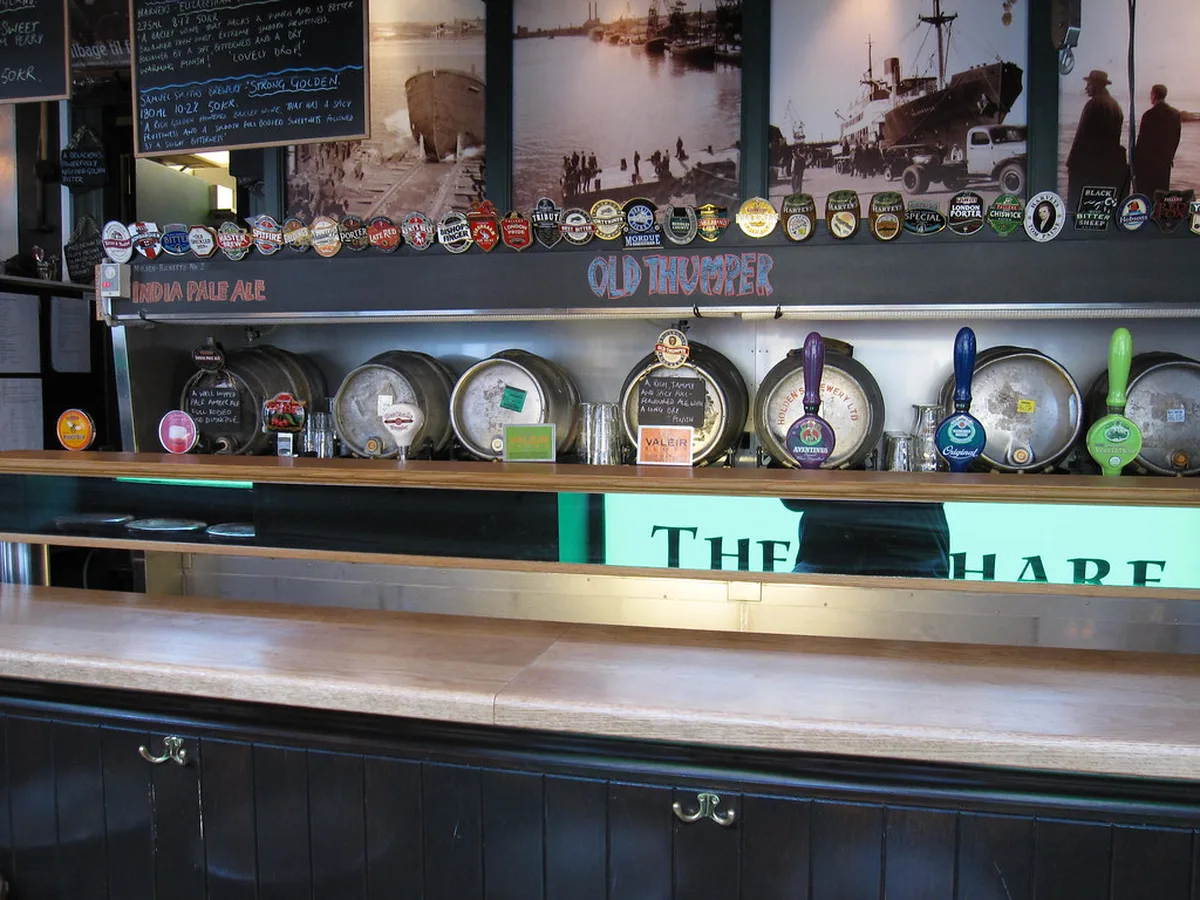
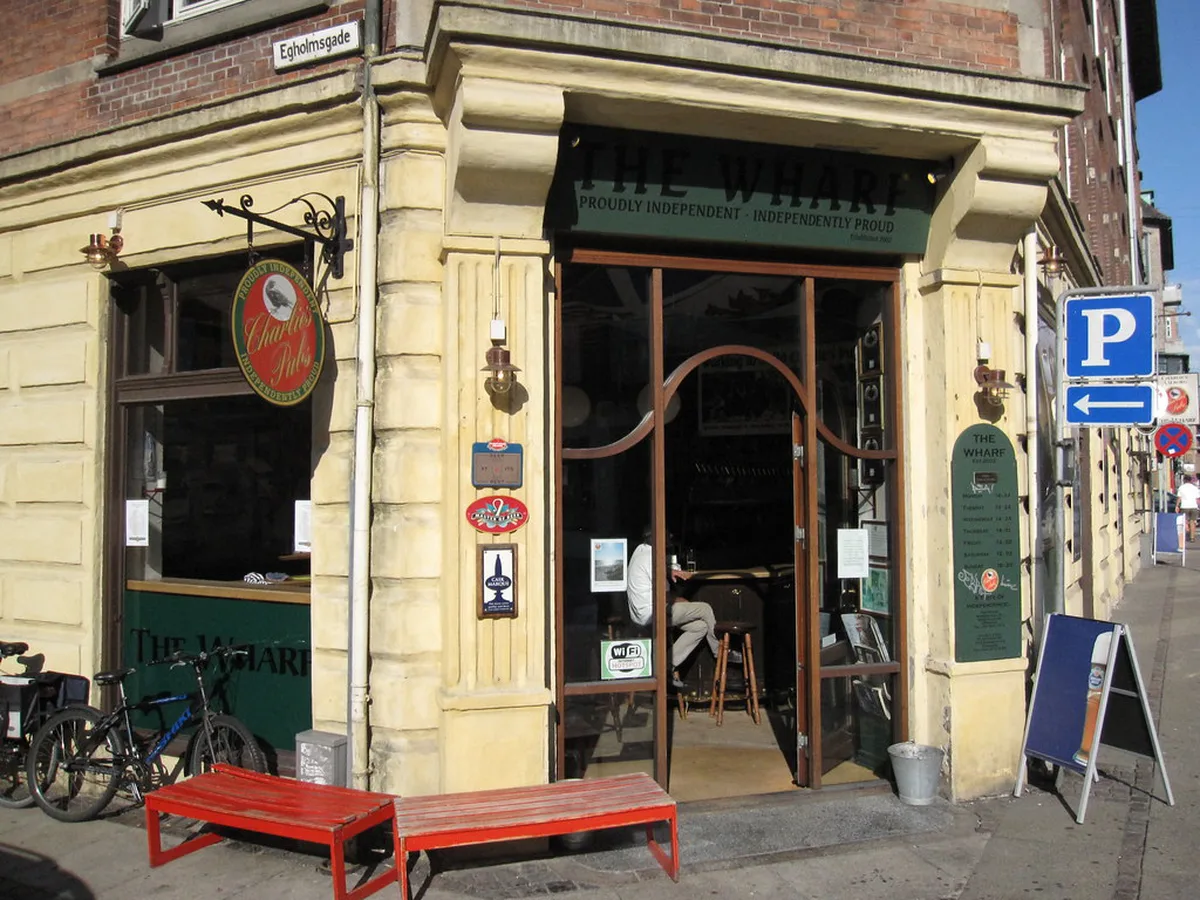
Jomfru Ane Gade is Aalborg's famous bar street, a pedestrian lane in the old town lined with around 30 bars, pubs, and clubs packed into roughly 200 meters. It earns its reputation as one of Scandinavia's liveliest streets on a Friday or Saturday night. The informal "Beerwalk" culture involves moving from bar to bar over the course of an evening, typically starting around 20:00 and running well past midnight. Cover charges are rare; most venues are free entry, and draft beers typically cost 50–70 DKK in 2026.
What makes the Beerwalk worth noting for trip planning is that it is genuinely tied to the season. In summer, many bars extend onto outdoor terraces that spill into the street, which transforms the whole lane into a street party atmosphere. The Carnival week in late May is the peak moment — Jomfru Ane Gade is packed every night of the week during the festival, not just on weekends. If you are visiting specifically for the nightlife, May and June give you the best combination of outdoor seating and a lively crowd.
The street runs parallel to Østerågade in the historic center and is a five-minute walk from the main shopping streets. Locals typically eat first elsewhere and then move to Jomfru Ane Gade later in the evening. Aalborg Street Food at the Lighthouse is a popular pre-Beerwalk dinner spot for exactly that reason.
Where to Stay: Best Hotels and Areas in Aalborg
The best area to stay in Aalborg is within the Vesterbro triangle between the train station, the Limfjord waterfront, and the Karolinelund park. Nearly every attraction is walkable from this zone, and both the Christmas market on Gammeltorv and the Carnival parade route pass through it. Staying central means you can return to your room between morning and afternoon sightseeing without wasting time on transport.
For a mid-range option with a great waterfront location, the KOMPAS Hotel Aalborg is one of the best-positioned hotels in the city. It sits close to the harbor area and within easy walking distance of the Utzon Center and Old Town. Milling Hotel Gestus is another solid mid-range choice that occupies a more traditional building with a slightly warmer atmosphere. Both hotels offer on-site parking for a fee, which is useful if you plan to rent a car for day trips into North Jutland.
Budget travelers should look at the Cabinn Aalborg, a reliable chain hotel with compact but functional rooms at lower price points than the central boutique options. It operates year-round and is a practical base for a short visit. For those who prefer flexibility, the Salling P-Hus car park in the city center charges around 13 DKK per hour and is the most convenient paid option if you arrive by car. Street parking in the center is time-limited during daytime hours on weekdays.
Practical Travel Tips for Aalborg
Denmark uses the Danish krone (DKK). In 2026, expect roughly 7.5 DKK to 1 EUR and 6.2 DKK to 1 GBP. Aalborg is essentially cashless — card payment is accepted almost everywhere, including market stalls and food trucks. ATMs are available but rarely needed. Tipping is not customary in Denmark; service charges are included by law, and locals do not expect extra.

Getting around the compact center is easiest on foot. The pedestrian core — from the train station to the Utzon Center — takes about 25 minutes to walk end to end. If you want to visit Lindholm Høje or Vestre Fjordpark, a bus or rental car is more practical. Bus routes 2 and 4 from the city center reach Lindholm Høje in about 20 minutes; the burial grounds are signposted from the Nørresundby bus stops. For broader exploration of North Jutland, renting a car unlocks destinations like Rubjerg Knude Lighthouse and the dune landscapes of Thy National Park that are impossible to reach efficiently by public transport.
Aalborg Airport (AAL) sits 6 km north of the city center and connects to Copenhagen (several daily), plus seasonal routes to other European cities. The train from Copenhagen Central takes about 3 hours on the IC3 service, with direct connections roughly every hour. From Aarhus, the direct regional train runs every 30 minutes and takes 1 hour 20 minutes. You can follow our Aalborg itinerary to sequence your days efficiently and make the most of your time in the city.
Frequently Asked Questions
When is the best time to visit Aalborg for the Carnival?
The Aalborg Carnival takes place during the last week of May every year. It is Scandinavia's largest carnival event, featuring a massive public parade. You should book your hotel months in advance for this specific week.
Is Aalborg worth visiting in the winter?
Yes, Aalborg is wonderful in winter for those who enjoy festive atmospheres. The Christmas markets and cozy cafes provide a classic Danish experience. You will also find fewer crowds at major museums like Kunsten.
How many days do you need to see Aalborg?
Most travelers find that two to three days are perfect for exploring the city. This allows time for the waterfront, Viking sites, and local dining. You can see more on the Denmark Wander blog.
Aalborg is a destination that offers something unique during every month of the year. Whether you want the energy of the May Carnival or the peace of a winter market, timing is key. I recommend the shoulder season of late May for the best overall experience. The city's mix of Viking history and modern architecture makes it a standout in North Jutland. You will enjoy the friendly atmosphere and the beautiful views along the Limfjord. Start planning your Danish adventure today to see this vibrant city at its best. Once you have chosen your visit window, check out the broader things to do in Aalborg to build your full itinerary.
You might also like


Continue reading
More guides you'll find useful