

Aalborg Weather By Month: Seasonal Guide & Climate Charts
Plan your trip with our Aalborg weather by month guide. Includes average temperatures, rainfall charts, daylight hours, and expert packing tips for every season.
On this page
Aalborg Weather By Month: A Complete Guide
Aalborg sits at 57° north on the Jutland peninsula, placing it firmly in Denmark's most weather-variable zone. The city straddles the Limfjord, which moderates temperature extremes but also traps humidity and fog, particularly in autumn. Understanding the aalborg weather by month shapes every decision — from what to pack to which outdoor attractions are actually worth visiting. Check the AALBORG WEATHER Forecast before departure for real-time conditions.
In 2026 the broad patterns remain consistent with long-term averages. Daytime highs range from 5°C / 41°F in February to 22°C / 72°F in July. Rain falls year-round, with October averaging 13 rainy days — the wettest month. Despite the latitude, temperatures rarely exceed 25°C in summer or drop below -5°C in winter, thanks largely to the Atlantic maritime influence. Plan your aalborg itinerary around these patterns and you will rarely be caught off guard.
Aalborg Weather Overview: A Year in the North
Aalborg has a temperate oceanic climate (Köppen Cfb), strongly shaped by proximity to both the North Sea and the Limfjord. The fjord acts as a thermal buffer: it stores summer heat and releases it slowly through autumn, meaning October in Aalborg often feels warmer than October in inland Jutland towns like Viborg. However, the same moisture trapped by the fjord produces dense morning fog from late September through November — a detail no weather chart captures.

Wind is the defining variable. The "Jutland Wind" blows predominantly from the west and southwest, funnelling across flat terrain with little to slow it. Average wind speeds in January reach 7–8 m/s, which can push the perceived temperature 4–6°C below the actual reading. Even a mild 10°C spring day feels decidedly cold when a steady westerly is blowing across the Limfjord waterfront.
Rainfall is spread fairly evenly across the year, averaging 600–650 mm annually. April is statistically the driest month (around 8 rainy days), while October is the wettest (13 rainy days, 72 mm). The Aalborg city profile details how the geography reinforces these patterns.
Monthly Temperature and Rainfall Breakdown
The table below gives precise monthly averages for Aalborg. Temperatures are based on 30-year climatological data from the Danish Meteorological Institute. "Rain days" means days with at least 2 mm of precipitation — light drizzle is not counted.
| Month | Avg High (°C / °F) | Avg Low (°C / °F) | Rain Days | Precip (mm) | Sunshine Hours |
|---|---|---|---|---|---|
| January | 4 / 39 | -1 / 30 | 11 | 55 | 1 |
| February | 5 / 41 | -2 / 28 | 9 | 35 | 2 |
| March | 6 / 43 | -1 / 31 | 10 | 40 | 4 |
| April | 10 / 50 | 3 / 38 | 8 | 38 | 6 |
| May | 15 / 59 | 7 / 45 | 9 | 46 | 8 |
| June | 18 / 65 | 10 / 50 | 10 | 60 | 8 |
| July | 21 / 70 | 13 / 55 | 9 | 65 | 8 |
| August | 21 / 70 | 12 / 54 | 11 | 71 | 7 |
| September | 17 / 63 | 9 / 48 | 12 | 62 | 5 |
| October | 12 / 54 | 6 / 43 | 13 | 72 | 3 |
| November | 8 / 46 | 2 / 36 | 13 | 64 | 2 |
| December | 4 / 39 | 0 / 32 | 12 | 58 | 1 |
July and August share the warmest highs at 21°C / 70°F. February is the coldest month for lows, dropping to -2°C / 28°F on average nights. August is notably wetter than July despite identical highs — Atlantic autumn storms begin arriving earlier than most visitors expect. April earns its reputation as the driest month and is a strong candidate for value-conscious travellers.
Humidity and Feels-Like Temperature in Aalborg
Humidity is high year-round in Aalborg. February sits at around 87% relative humidity — the peak — while May drops to the annual minimum of approximately 77%. That persistent moisture has a measurable effect on perceived comfort at both ends of the temperature spectrum.
In winter, humidity makes the cold feel sharper. At an actual 2°C with typical January wind and 85% humidity, the effective wind-chill temperature can feel closer to -4°C / 25°F. Layers that trap warm air are more important than sheer insulation weight. A windproof outer shell matters more than a bulky down jacket.
In summer, the same humidity slightly amplifies warmth. When temperatures reach 22°C / 72°F on a calm July afternoon, the air can feel noticeably close and sticky by Danish standards. This is still far from oppressive, but it explains why locals head to the Vestre Fjordpark harbor bath to cool down rather than simply stepping into the shade.
Daylight Hours and Sunshine in Aalborg
Daylight variation is extreme at Aalborg's latitude. The summer solstice in late June brings nearly 18 hours of usable daylight. The winter solstice in December cuts that to just 6 hours, with sunset arriving around 15:30. Planning your sightseeing schedule around these numbers — not just the weather — is essential for winter visits.
The table below shows sunrise, sunset, and total daylight for the 15th of each month. Times are local (CET/CEST). Note the dramatic 90-minute shift when daylight saving time ends in late October — a visitor arriving on 27 October 2026 will find the afternoon gone by 16:00, two full hours earlier than the week before.
| Month (15th) | Sunrise | Sunset | Daylight Hours |
|---|---|---|---|
| January | 08:47 | 15:59 | 7h 12m |
| February | 07:58 | 17:06 | 9h 08m |
| March | 06:44 | 18:12 | 11h 28m |
| April | 06:26 | 20:26 | 14h 00m |
| May | 05:14 | 21:35 | 16h 21m |
| June | 04:33 | 22:15 | 17h 42m |
| July | 04:55 | 22:03 | 17h 08m |
| August | 06:02 | 21:00 | 14h 58m |
| September | 07:10 | 19:39 | 12h 29m |
| October | 07:22 | 17:18 | 9h 56m |
| November | 07:56 | 15:59 | 8h 03m |
| December | 08:52 | 15:28 | 6h 36m |
June's 17h 42m of daylight creates the famous extended "Blue Hour" — that long stretch of soft, low-angle golden light just before a very late Aalborg sunset. Photographers and outdoor diners both benefit. The flip side is December's 6h 36m: schedule the Kunsten Museum and other indoor cultural sites for morning, then plan outdoor walks between 11:00 and 14:00 when light is best.
The Limfjord Microclimate: What the Data Misses
Every weather chart for Aalborg is drawn from the city's main meteorological station, but the Limfjord creates local variations that are significant for visitors. The fjord's open water surface stores solar energy more efficiently than land. This means the waterfront neighbourhoods — Aalborg Harbour, Nørresundby, and the Egholm ferry quay — can be 1–2°C warmer on calm autumn evenings than readings suggest. In September, this translates to genuinely comfortable outdoor dining along the waterfront well into the evening.
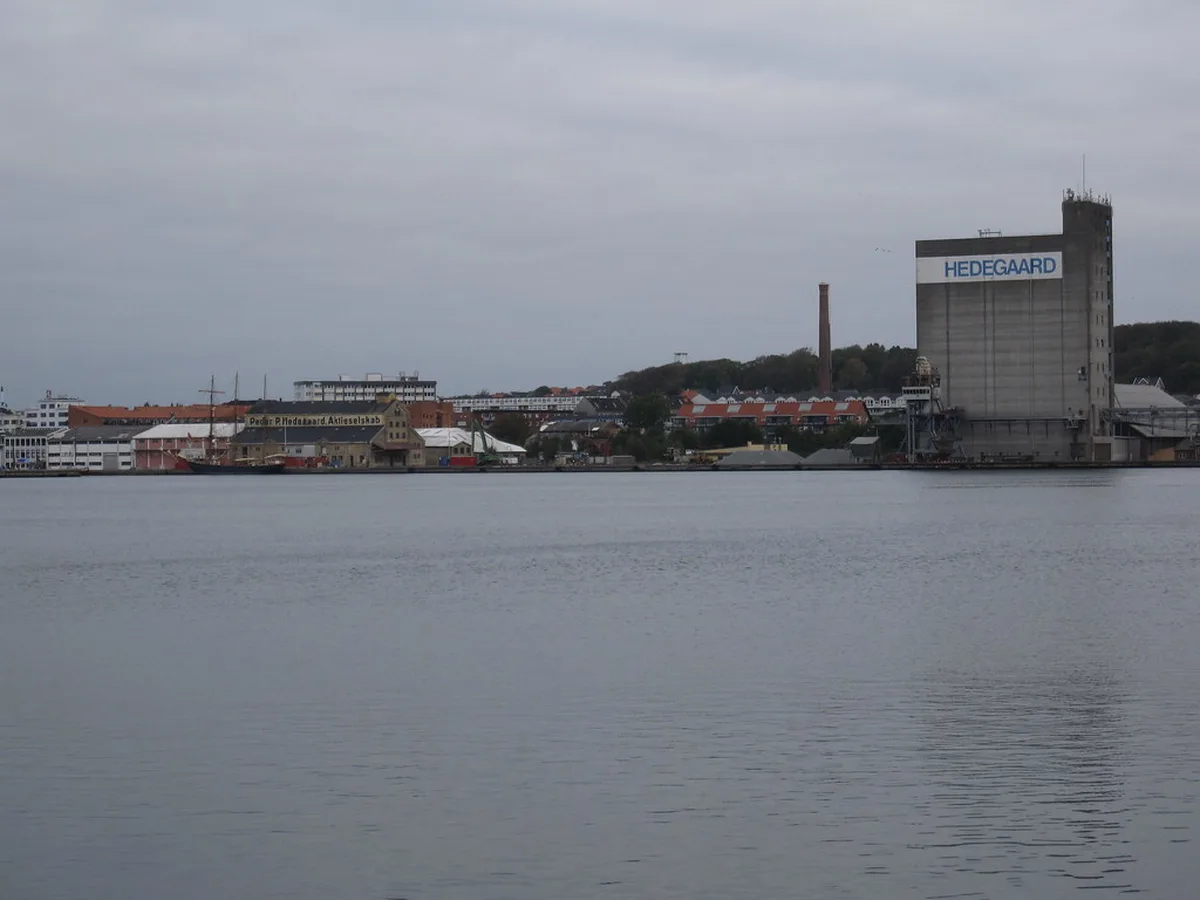
The same fjord also generates localised fog. When cool, dry air pushes in from the northeast in October and November, it crosses the warmer fjord surface and condenses. This coastal fog lifts by mid-morning on most days but can reduce visibility significantly for early-morning travellers catching the first ferry or bus. If you are arriving at Aalborg Airport (AAL) in October or November, budget for possible short delays.
This microclimate effect is not captured in the 30-year averages competitors publish. It is particularly relevant if you are visiting for the marina, kayaking on the Limfjord, or crossing to Egholm Island — any activity where the waterfront wind and fog matter more than the citywide average.
Aalborg's waterfront neighbourhoods stay 1–2°C warmer on calm autumn evenings than official readings suggest, making late September genuinely comfortable for outdoor dining along the Limfjord. However, October and November fog regularly rolls in after sunrise — budget extra time for airport transport during these months.
Best Time to Visit Aalborg for Outdoor Activities
The window from mid-May to mid-June is the strongest all-round choice. Rainfall is at its lowest, daylight exceeds 16 hours, and the Aalborg Carnival — Scandinavia's largest — runs over five days in late May. Weather during the carnival itself is notoriously variable: temperatures swing between 10°C and 18°C within the same day. Wear versatile layers and waterproof footwear for the parade regardless of the forecast.
Late August is the best window for harbour swimming. Water temperatures in the Limfjord peak around 16–18°C in August — cool by Mediterranean standards but refreshing on a warm afternoon. The Vestre Fjordpark harbour bath stays busy, and evening light lasts until 21:00. Crowds are slightly thinner than peak July, and accommodation prices begin to drop.
September is the photographers' month. The low afternoon sun creates excellent light for shooting the Jomfru Ane Gade strip, the old harbour warehouses, and the Limfjord bridges. Temperatures drop to 17°C by day, rainfall rises, but the crowds thin noticeably. Explore the many things to do in Aalborg during this shoulder window when queues at key attractions are minimal.
Season-by-Season Guide for Visitors
Spring (March to May) starts cold and ends warm. March and early April are still grey and wind-bitten, with daytime highs rarely clearing 10°C. By late April the fjord path is usable without a heavy jacket. May is when Aalborg visibly shifts: cafe terraces open, the Botanical Garden fills with colour, and the city feels genuinely alive outdoors.
Summer (June to August) is the peak season. Hotels fill in July especially during school holidays — book accommodation at least eight weeks ahead for stays in the third week of July. Prices rise 20–40% from the spring average. The upside: 17+ hours of daylight, harbour life at full swing, and the music festival calendar running through the Musikkens Hus waterfront venue.
Autumn (September to November) rewards flexible travellers. The Limfjord microclimate keeps the waterfront milder than the statistics suggest through September, but November brings persistent rain and wind. Prices fall below spring levels. Most major indoor attractions — Kunsten Museum of Modern Art, Historiske Museum, and Aalborg Zoo — stay open year-round.
Winter (December to February) is cold, dark, and quiet. December is the exception: the old city centre fills with Christmas market stalls and the hygge atmosphere is genuine rather than manufactured. January and February are the cheapest months of the year. Always check best time to visit Aalborg for specific event windows before booking.
Aalborg vs. Other Danish Cities: Climate Comparison
Aalborg is measurably windier than Copenhagen. Average January wind speeds in Aalborg reach 7–8 m/s; Copenhagen typically measures 6–7 m/s. The difference is architectural as much as meteorological — Copenhagen's urban density reduces wind exposure at street level. In Aalborg, especially along the Limfjord waterfront, there is little to break an incoming westerly.
Temperatures are broadly similar to Aarhus, 100 km to the south. Aalborg runs 1–2°C cooler on average due to its slightly more northerly latitude and greater exposure to North Sea air masses. Against Copenhagen it is also 1–2°C cooler in winter. However, Aalborg receives slightly more sunshine hours in summer than the capital, particularly in June and July, because North Jutland sits under fewer Atlantic weather systems during the peak summer ridge.
Compared to the world average annual temperature of 13°C, Aalborg at 13°C (55°F) annual maximum sits exactly at the global mean — but the seasonal distribution is very different. Athens peaks at 23°C annually; Aalborg rarely clears 22°C even on its warmest days. The cold is mild by Scandinavian standards but the wind and humidity make it feel sharper than a simple number implies.
What to Pack for Aalborg's Changing Seasons
The golden rule for all seasons is layering over bulk. A high-quality windproof outer shell is more useful than a heavy down coat in most months. Waterproof footwear is non-negotiable — even in July, a rain shower can leave streets wet within minutes. The shoulder seasons (April–May and September–October) are the most demanding for packing because temperatures fluctuate 8°C or more within a single day.
Shoulder season bag essentials: a mid-weight merino base layer, a fleece mid-layer, a windproof and water-resistant shell, waterproof ankle boots, and a compact packable umbrella. This combination handles a 10°C morning walk, a 18°C midday cafe terrace, and an unexpected evening downpour without needing to return to the hotel.
Aalborg's persistent westerly winds can reduce "feels-like" temperature by 4–6°C year-round. A layered windproof system matters far more than bulk insulation — January wind-chill can plunge a mild 2°C day to feel like -4°C. Plan your outdoor schedule around calm mornings or sheltered waterfront walks when possible.
- Spring (March–May): windbreaker, light scarf, waterproof sneakers, merino long-sleeve
- Summer (June–August): swimwear for the harbour bath, lightweight shirt, a fleece or light cardigan for evenings, sunglasses
- Autumn (September–October): waterproof ankle boots, insulated mid-layer, compact umbrella, light gloves
- Winter (November–February): thermal base layers, wool hat, gloves, waterproof boots with grip for icy pavements
Cyclists should note that the city's bike-hire network operates year-round, but November through February winds make cycling genuinely uncomfortable without a windproof face covering and full waterproofs. Check where to stay in Aalborg to find central accommodation that keeps walking distances manageable in bad weather.
Local Events and Seasonal Highlights
The Aalborg Carnival in late May is the anchor event of the spring calendar and runs over five days. In 2026 it falls during the last week of May. Expect 50,000+ participants in the parade and temperatures between 10°C and 18°C depending on the day — the carnival has been rained out before and has also hit unseasonably warm 20°C spells. Always pack for both options.
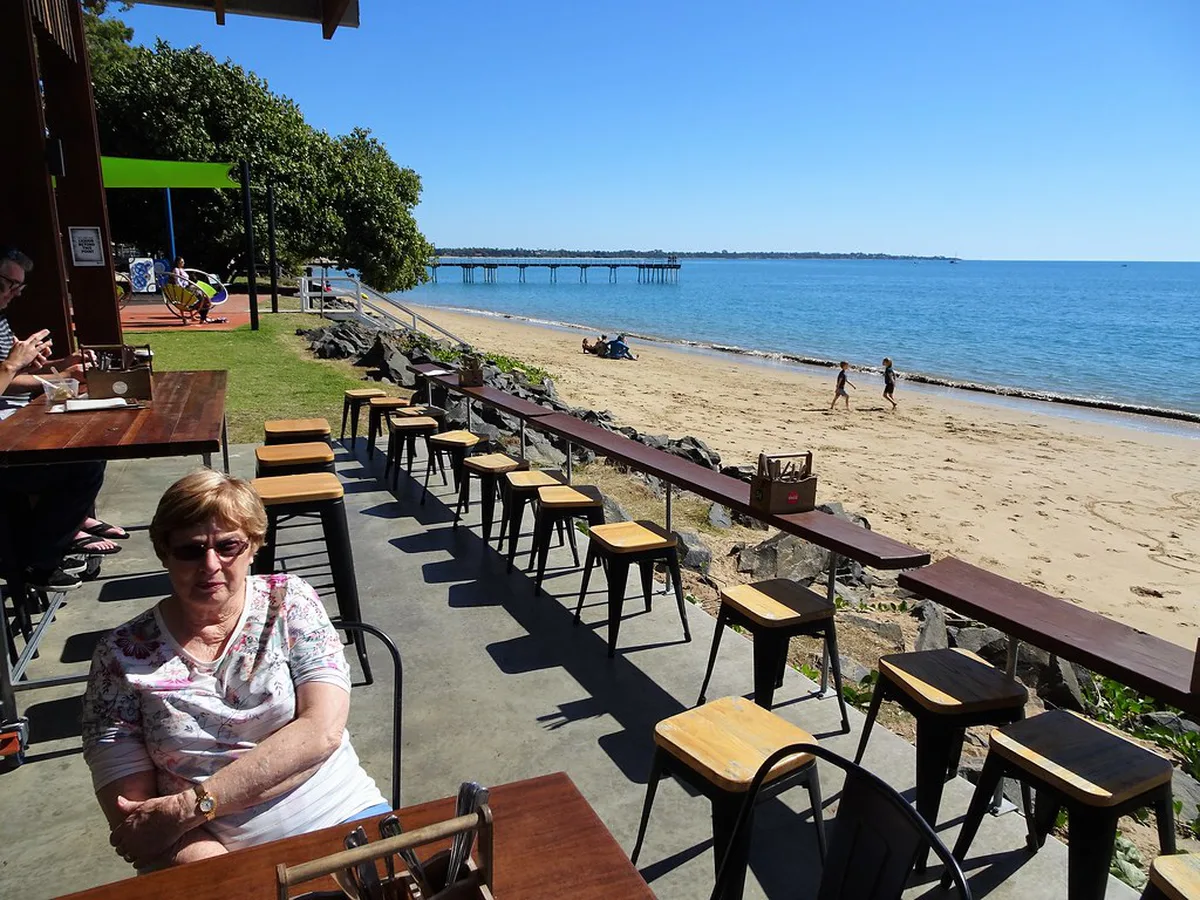
Summer brings outdoor music to the Musikkens Hus harbour venue. Most concerts run from 19:00 to 23:00, and the long evenings mean natural light persists for much of the show. Autumn food markets around Store Torv celebrate North Jutland's produce season in September and October. December brings Christmas stalls to Bispensgade and Nytorv from the last week of November.
Be aware of Public Holidays in Denmark when timing your visit. Shops and some attractions close on public holidays regardless of weather. The winter swimming community at Karolinelund and the harbour bath holds regular cold-water dips throughout January and February — a distinctly local tradition worth watching even if you don't participate.
Frequently Asked Questions
What is the warmest month in Aalborg?
July is typically the warmest month in Aalborg. Average highs reach 21°C / 70°F during this peak summer period. It is the best time for enjoying the waterfront and outdoor dining.
Does it snow in Aalborg during the winter?
Yes, snow occurs in Aalborg between December and March. However, heavy accumulations are rare due to the maritime influence. The wind often clears snow from the streets quickly.
What should I wear for the Aalborg Carnival in May?
Wear versatile layers and a waterproof outer shell. May weather can change from 10°C / 50°F to 18°C / 64°F within hours. Comfortable, water-resistant shoes are essential for the long parade.
Aalborg's weather rewards preparation more than avoidance. No month is perfect, but every month is manageable with the right layers. Mid-May to mid-June remains the strongest overall window: low rain, long days, and the Carnival energy. September is the best-value shoulder month for those who want fewer crowds and still-pleasant temperatures.
The Limfjord shapes the experience beyond what any climate table captures — warmer autumn waterfront evenings, morning fog in October, and relentless westerly winds at the harbourside. Understanding those local details turns a weather forecast from a worry into a simple packing checklist. Enjoy your journey to one of Denmark's most historically rich and atmospherically distinct cities.
You might also like


Continue reading
More guides you'll find useful


