9 Essential Aalborg Travel Tips for a Perfect Trip
Plan your trip with 9 essential Aalborg travel tips, including a comparison with Aarhus, must-see Viking history, and practical advice on biking and parking.
On this page
9 Essential Aalborg Travel Tips
Aalborg is a hidden gem located in the heart of North Jutland. This charming city offers a beautiful mix of modern design and ancient Viking history. You will find many things to do in Aalborg during your visit. For official travel resources, visit Denmark's official Aalborg guide. These aalborg travel tips will help you plan the perfect Danish getaway.
The city sits right on the Limfjord, providing a stunning waterfront for visitors to enjoy. You can explore historic streets or admire world-class architecture in the same afternoon. Use this Aalborg Map to find the best local landmarks. It is the ideal destination for travelers seeking a slower pace of life.
Compare Aalborg vs. Aarhus Before You Book
Aalborg feels like a cozy village compared to the larger cities in Denmark. Aarhus offers a vibrant city atmosphere with many busy shopping districts and a much larger student population. Choosing between them depends on your preferred travel pace and interests. Travelers seeking a quieter experience consistently prefer the northern charm of Aalborg.

Aalborg provides an intimate look at Danish culture without heavy crowds. Its compact center means you can walk from the Viking burial site to a Michelin-recognised restaurant in under 20 minutes. You can reach both cities by direct train in about 90 minutes. This makes a day trip between them very straightforward.
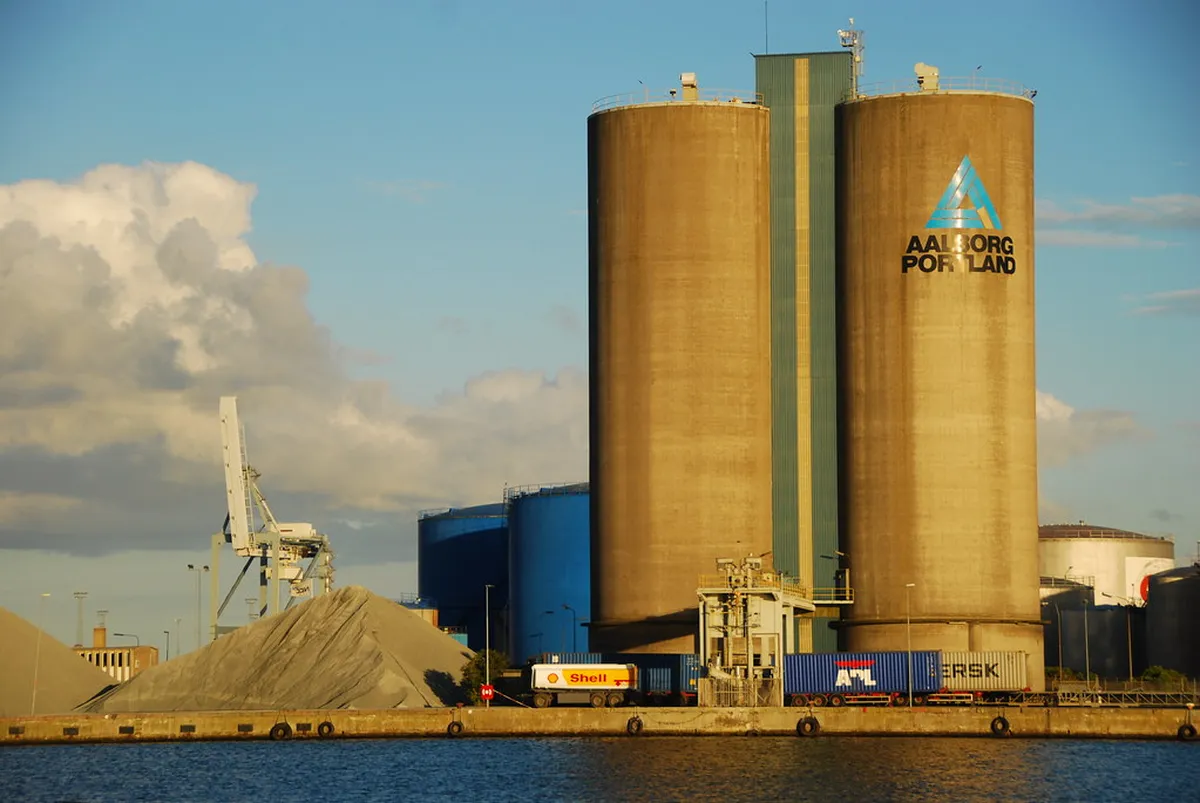
The waterfront in Aalborg has undergone a massive transformation in recent years. Modern buildings now stand where old industrial factories once operated, and the result is a walkable harbor strip packed with cultural venues. It feels far more manageable than the sprawling streets of central Aarhus. For travelers who want depth over breadth, Aalborg is the better choice.
Prioritize These Must-See Aalborg Attractions
Budolfi Kirke (Aalborg Cathedral) anchors the historic old town with its striking white walls and Gothic structure, first built in the late 14th century. Entry is free for respectful visitors during daytime hours. Right beside it on Gammeltorv square stands the bright yellow Aalborg Rådhus, built in 1762 and still used for ceremonies and civic events today. The exterior is photogenic and every walking tour in the city starts nearby.
Jens Bang's Stenhus is the most impressive building in the old town and yet many visitors walk straight past it. Built in 1624 by the wealthiest merchant in Aalborg at the time, this Dutch Renaissance stone house with ornate gables is considered one of the finest Renaissance buildings in Denmark. Look closely at the facade and you will spot a small carved figure of Jens Bang sticking out his tongue — a 17th-century insult aimed at the city council he despised.
Aalborghus Slot, built by King Christian III between 1539 and 1555, sits close to the waterfront and is free to enter at the grounds level. The castle itself houses administrative offices and is not open to the public, but you can peer into the dungeon and casemates. In summer you can also visit the dungeon at certain times — worth the few minutes it takes. The courtyard view toward the Limfjord is the best free photograph in the city.
Kunsten Museum of Modern Art holds a collection of nearly 4,000 works with an emphasis on Danish modernism and international art from both before and after World War II. The white marble building and adjoining sculpture park alone justify the entry fee. Plan for at least two hours to cover the permanent collection and any rotating exhibitions.
Explore the Local Art and Architecture Scene
The Utzon Center on the waterfront is essential for anyone interested in Danish design. Jørn Utzon — born in Copenhagen but raised in Aalborg — won the Sydney Opera House competition in 1957 and drew heavily on his childhood alongside the Limfjord. The center houses permanent exhibitions on his creative process and rotating displays on architecture and design. Admission costs 110 DKK for adults and the museum is open Tuesday through Sunday from 10:00 to 17:00; it is closed on Mondays, so plan accordingly.
Aalborg's street art scene is among the most significant in Scandinavia. The ongoing "Out in the Open" project has commissioned internationally recognised artists to transform the city's industrial facades into large-scale murals rather than simply tolerating ad-hoc graffiti. The result is curatorially intentional: each mural was placed, not sprayed, which is why the scale and quality consistently surprise first-time visitors. A free downloadable Street Art City Map (updated May 2025) covers the best routes.
Nordkraft, a power station built in 1947 and decommissioned in the late 1990s, reopened as a cultural center from 2009 onwards. Today it houses a cinema, theaters, sports facilities, and dining options under one roof. You can walk in without a ticket and explore the industrial interior, which makes it a good option on a rainy afternoon. The Håndværkerhuset nearby is a center for traditional North Jutland craftsmanship — blacksmithing, clockmaking, woodworking — but it is only open on Wednesdays between 09:00 and 15:00. Arriving on any other day means a locked door, and this catches a surprising number of visitors out.
The Håndværkerhuset is only open on Wednesdays between 09:00 and 15:00. Plan your visit accordingly, as arriving on any other day will find the doors locked.
The Salling Rooftop viewpoint (Skywatch) sits on top of the Salling department store in the city center. A 1,400 m² rooftop terrace gives you views over the historic center and the Limfjord, and the Skywalk — a glass extension hanging more than 30 meters above the street — makes for a genuinely dramatic photograph. The rooftop cafe is open during store hours and entry to the terrace is free.
Relax in the City's Unique Green Spaces
Kildeparken is home to the famous Singing Trees, one of the more quietly charming things in the city. You press a button at the base of each trunk to trigger music associated with a famous performer — artists represented include Sting and Guns N' Roses, both of whom played in Aalborg. It is a free, interactive installation that takes five minutes to experience and consistently delights visitors who stumble across it.
Egholm Island is the green escape that most visitors miss entirely. A small ferry departs from the western waterfront and costs 20 DKK return for foot passengers, with a crossing time of around five minutes. The island is largely untouched farmland and nature reserve — there is no commercial development, just quiet trails and open fields next to the fjord. It works well as a half-morning detour combined with a picnic, and biking to the ferry terminal from the city center takes about 15 minutes along flat waterfront paths.
Vestre Fjordpark is a large open-air bathing facility about 3 kilometres west of the Utzon Center. It is a genuine summer spot for locals with diving boards, playgrounds, and kayak rentals on site. If you are visiting between June and August and the weather holds, this is where Aalborg residents spend their afternoons. Families can easily spend the whole day here.
- Egholm Island Ferry: 20 DKK return, 5-minute crossing, departs from western waterfront, best for nature walks and picnics
- Singing Trees (Kildeparken): free, press the button at the base of each trunk, artists include Sting and Guns N' Roses
- Vestre Fjordpark: open-air swimming, kayak rentals, diving boards, approximately 3 km from the Utzon Center
Discover Ancient Viking History at Lindholm Høje
Lindholm Høje is one of the most significant Viking burial sites in Scandinavia and sits just north of Aalborg in Nørresundby. More than 700 graves have been uncovered here, spanning both the Iron Age (where older graves appear as mounds) and the Viking Age (where newer graves feature stone ship formations). The site was preserved for centuries under shifting sand dunes before archaeologists excavated it, which is why the stones remain remarkably intact. Learn more about Lindholm Høje's archaeological significance on Wikipedia. Use this Lindholm Høje Map to plan your visit.
The onsite museum provides deep context for the burial ground and for Viking life in North Jutland more broadly. You will see excavated artifacts, interactive displays, and reconstructed sections of the adjacent Viking settlement. Plan for at least two hours if you want to see both the museum and the full site. The view from the top of the hill looking back toward the Limfjord and the city is genuinely spectacular, especially at dusk.
Getting there is straightforward. Bus lines from central Aalborg reach Nørresundby in around 15 minutes. You can also cycle the route in about 20 minutes from the waterfront on mostly flat terrain, making biking the better option when the weather cooperates. The museum is closed on Mondays, so check opening hours before you travel out.
Master Local Transport: Biking, Driving, and Parking
Parking in the city center is the single biggest logistical frustration for visitors arriving by car. Most streets in the old town are narrow or permit-only. The most convenient paid option is Salling P-Hus, the multi-story garage attached to the Salling shopping mall in the city center. Cameras read your licence plate on entry so you simply find a spot, then pay at a terminal using your plate number when you are ready to leave. The hourly rate in 2026 runs around 13 DKK. If you are driving from Skagen or Aarhus and want to avoid the center entirely, parking near the main train station gives you easier access to public transport and more available spaces.
Use Salling P-Hus for hassle-free parking in the city center. The automated system reads your licence plate on entry, and you pay at a terminal by plate number when leaving — no ticket to track or lose.
Biking is the most efficient way to cover the waterfront, reach Kildeparken, and get to the Egholm ferry terminal without depending on bus schedules. The city is almost entirely flat, which makes it accessible for casual cyclists. Several rental shops operate near the harbor and the train station, and many hotels include bikes for guests. For Lindholm Høje specifically, the 20-minute cycle across the Limfjord bridge is noticeably faster than waiting for a bus.
If you are traveling to Aalborg by train, direct services run from Aarhus (approximately 90 minutes) and Copenhagen (approximately 3 hours). Traffic within the city is generally light by Danish standards — driving from the outskirts to the center on a weekday is far easier than visitors expect — but peak hours near the Limfjord bridge can add 10 to 15 minutes to journey times.
Choose the Right Neighborhood and Hotel
Staying in the city center puts you within walking distance of most attractions, the best restaurants, and the historic old town. The area bounded by Vesterbro, the train station, the Limfjord waterfront, and Karolinelund park covers the majority of what you will want to see. Look for a hotel in Aalborg in this zone and you will not need public transport for most of your stay.
The waterfront district offers modern hotels with Limfjord views and a quieter atmosphere at night than the shopping streets a few blocks inland. Budget travelers will find Cabinn Aalborg near the station a reliable option. KOMPAS Hotel Aalborg and Milling Hotel Gestus are two well-regarded mid-range choices in the central zone, both offering on-site paid parking — useful if you are arriving by car.
The Aalborg Monastery (Aalborg Kloster) is worth visiting as a historic landmark even if you are not staying nearby. Founded in 1431 as a hospital for the sick and poor, it grew into one of the best-preserved medieval complexes in Denmark. The grounds are freely walkable and the quiet courtyard provides a genuine contrast to the city's busier streets. For a guided tour of the interior, booking in advance is essential. Use the Aalborg Kloster Map to locate it on foot from the old town.
Time Your Visit for the Best Weather and Events
June through August is peak season and the best time for the waterfront, Egholm Island, and Vestre Fjordpark. The long Nordic summer days give you more hours at outdoor sites, and the Aalborg Carnival in late May — one of the largest carnivals in Northern Europe — draws large crowds to the city center. The waterfront promenade in summer is entirely different from any other time of year: locals spill out of bars, boats moor along the quays, and the whole harbor becomes a social space.
Winter has a different but equally valid appeal. The Christmas market at Gammeltorv runs from late November and is deliberately small and local in character — hand-crafted goods, hot drinks, and simple wooden stalls rather than the commercialized scale you find in Aarhus or Copenhagen. The lights strung across the old town in December make the narrow streets around the cathedral genuinely atmospheric. If you are visiting to see Viking sites or indoor museums, winter is actually practical: queues are minimal and accommodation is cheaper.
Spring and autumn offer the best compromise: reasonable temperatures, smaller crowds at Kunsten and the Aalborg Historical Museum, and shoulder-season prices on hotels. Most attractions stay open year-round, though the Aalborg Defence and Garrison Museum closes during the winter months. Always verify opening hours before making a specific site the reason for your visit.
Plan Your Itinerary: How Many Days Do You Need?
One day is enough for visitors with limited time and no strong interest in museums. You can see Jens Bang's Stenhus, Budolfi Kirke, Aalborghus Slot, and the waterfront on a single walk through the old town and harbor. Add a quick detour to the Salling Rooftop for the view and finish at Lindholm Høje by late afternoon. This compact Aalborg itinerary covers the headline sights without feeling rushed.

Two days open up the museum scene properly and allow for a half-day on Egholm Island. On the second day you can visit Kunsten in the morning, take the Egholm ferry after lunch, and walk Jomfru Ane Gade or the pedestrian shopping streets in the evening. Two days also give you a full evening to explore the nightlife along Jomfru Ane Gade, Aalborg's main bar street. Three nights, as experienced by the longest-staying visitors, allows you to see almost everything including the Defence Museum, the Singing Trees, and the Aalborg Beer Walk without feeling pressured.
The Aalborg Beer Walk is a good way to structure an afternoon if you have extra time. You buy a tasting kit that includes vouchers redeemable at several local pubs, each in a different part of the center. It moves you through different neighborhoods while sampling Danish craft beer, and it doubles as an informal walking tour of areas you might otherwise skip. Budget campsites near Aalborg are available for travelers extending their North Jutland road trip further north toward Skagen.
Frequently Asked Questions
When is the best time to visit Aalborg?
Summer is ideal for the waterfront and outdoor events like the carnival. Winter offers a cozy atmosphere with the Gammeltorv Christmas market. May through September provides the best weather for exploring. You can find more details on our seasonal guide.
How many days do you need for Aalborg?
One day is perfect for a quick tour of the main historic sites. Two days allow for a visit to Lindholm Høje and the local art museums. Stay longer if you want to explore Egholm island or the surrounding North Jutland countryside.
How much does the Egholm ferry cost?
The ferry to Egholm island costs approximately 20 DKK for a return ticket for foot passengers. It is a very short five-minute ride from the western end of the city. You can find budget-friendly campsites in Aalborg if you want to stay near the nature areas.
Is Aalborg worth visiting compared to Aarhus?
Yes, Aalborg is worth visiting for its intimate village feel and unique Viking history. While Aarhus is larger and more vibrant, Aalborg offers a more relaxed pace. It is the perfect choice for travelers who prefer smaller, walkable city centers.
Aalborg is a captivating destination that rewards travelers who take the time to explore. From Viking graves to modern art, the city offers a diverse range of experiences. These aalborg travel tips ensure you make the most of every moment.
Whether you are walking the historic streets or biking the harbor, the city's charm is undeniable. Plan your trip today and discover why this northern gem is a Danish favorite. Enjoy your journey through the beautiful landscapes of North Jutland.
You might also like


Continue reading
More guides you'll find useful