12 Best Aalborg Attractions: A Complete Guide (2026)
Discover the top 12 Aalborg attractions, from Viking burial sites to modern street art. Plan your trip with local tips on the waterfront and family spots.
On this page
12 Best Aalborg Attractions
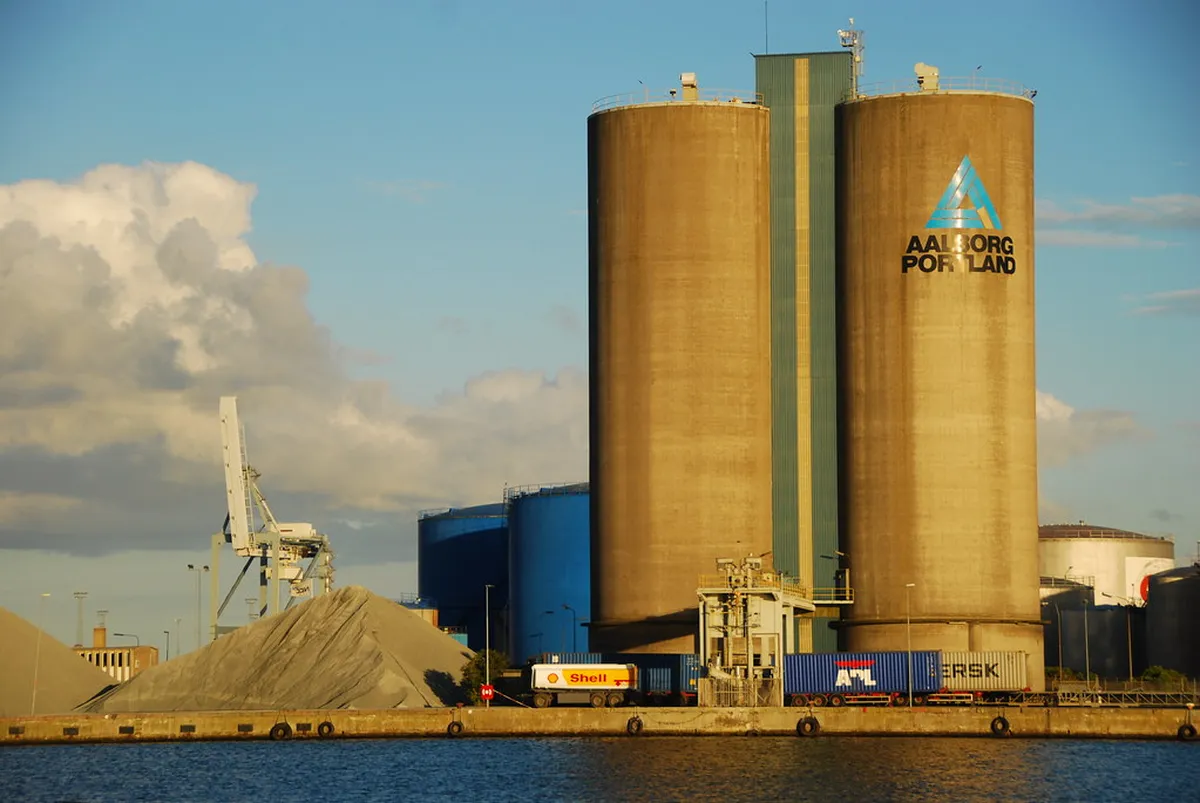
Aalborg sits at the narrowest crossing of the Limfjord in North Jutland, and it rewards visitors who take time to look beyond its industrial origins. The city blends Viking burial grounds with Alvar Aalto architecture, a working-class harbor reborn as a design promenade, and more street murals per block than almost anywhere in Scandinavia. It is compact, walkable, and genuinely less crowded than Copenhagen or Aarhus.
This 2026 guide covers the 12 attractions that consistently deliver the most value, from the haunting ship-shaped graves of Lindholm Høje to the submarine you can climb through at the Springeren Maritime Center. I have also included honest logistics — parking spots, ticket prices in DKK, and bus numbers — so you waste no time figuring things out on the ground. For a full day-by-day schedule, see our things to do in Aalborg itinerary.
Must-See Aalborg Attractions: Overview
Most visitors have one to three days in Aalborg. That is enough time to hit the main museums, walk the waterfront, and explore the old town without rushing. The city center sits on the southern bank of the Limfjord; the Viking site at Lindholm Høje is a 15-minute bus ride north across the bridge in Nørresundby.
A useful mental map: start your first morning at Lindholm Høje before crowds arrive, then work back toward the waterfront and Utzon Center in the afternoon. Spend your second day on the old town — Hjelmerstald, Jens Bang's Stenhus, Budolfi Cathedral — before catching the street art murals in the late afternoon light. The zoo and Springeren maritime center work well as a half-day option for families at any point.
Two full days suits most travelers. If you only have one, prioritize Lindholm Høje in the morning and the waterfront corridor in the afternoon. Check our things to do in Aalborg with kids guide if you are traveling with children who need a tighter schedule.
| Attraction | Type | Location | Admission | Hours |
|---|---|---|---|---|
| Lindholm Høje | Archaeological Site | Nørresundby (north of city) | 75 DKK | Tue–Sun 10:00–17:00 |
| Utzon Center | Architecture & Design | Waterfront | 110 DKK | Tue–Sun 10:00–17:00 |
| Kunsten | Modern Art Museum | City center | 130 DKK | Daily (Tue until 21:00) |
| Springeren Maritime Center | Maritime Museum | Waterfront harbor | 90 DKK | Daily 10:00–16:00 |
| Aalborg Zoo | Zoo | West of city center | 230 DKK | Daily 10:00–16:00/18:00 |
| Defense & Garrison Museum | Military Museum | East of city center | 75 DKK | Tue–Sun 10:00–16:00 |
| Budolfi Cathedral | Historic Church | Old town | Free | Daily 09:00–16:00 |
| Street Art Tour | Outdoor Gallery | Multiple neighborhoods | Free | 24 hours |
The Iconic Aalborg Waterfront
The stretch of Limfjord shoreline from Aalborghus Castle to Østre Havn is the clearest sign of the city's transformation from industrial port to cultural destination. The promenade passes the Utzon Center, Musikkens Hus (House of Music), and the Nordkraft cultural complex — a former power plant built in 1947 that now hosts theater, film, and sports. You can walk the whole length in under 40 minutes without entering any building.
Musikkens Hus is arguably the most striking piece of contemporary architecture on the waterfront. The angled glass facade reflects the fjord at different angles throughout the day, and the building earns its own photos before you even check the concert schedule. Nordkraft is worth ducking into on a rainy afternoon — entry is free to the common areas and there is almost always something happening.
Underground parking at Kulturbroen near the waterfront costs around 13 DKK per hour for the first 30 minutes, making it the most convenient option for exploring the promenade without worrying about street parking.
Parking near the waterfront is the one logistical friction point. The underground lot at Kulturbroen is the most convenient option; the first 30 minutes cost around 13 DKK per hour and the lot sits two minutes from the fjord. Alternatively, Salling P-Hus in the city center uses license-plate recognition — you pay at a terminal on exit by entering your plate number. Consult the Aalborg City Map to find the pedestrian access points between the lots and the promenade.
Utzon Center: Architecture and Design
The Utzon Center is the last project Jørn Utzon completed before his death in 2008. Utzon was born in Copenhagen but grew up in Aalborg, where his father worked as a naval architect on the Limfjord. That maritime upbringing shaped his whole career — the curved silver roof panels of this center are meant to echo the sails he watched as a child, just as the Sydney Opera House roof evokes billowing shells or breaking waves.
Inside, the permanent exhibition traces Utzon's career from early sketches to the Sydney competition win in 1957, with rotating shows on contemporary architecture and design. The building is open Tuesday through Sunday, 10:00–17:00. Adult tickets cost 110 DKK; the center is closed on Mondays, which catches some visitors off guard — verify the schedule before you go.
The center sits right on the waterfront, so even if you skip the interior, the exterior and the docked schooner Brita Leth beside it make for a worthwhile stop. If you are traveling with architects, design students, or anyone who has stood in front of the Sydney Opera House and wondered about the person behind it, this is the single most emotionally resonant site in Aalborg.
Kunsten Museum of Modern Art
Kunsten is the only building outside Finland designed by Alvar Aalto, the Finnish master of organic modernism. The white marble exterior and the interior skylight system — engineered to track the arc of the northern sun — make the architecture as much of an exhibit as the collection inside. The museum holds nearly 4,000 works, with particular depth in Danish modernism and international art from before and after World War II.
The permanent galleries are supplemented by major temporary exhibitions that rotate every few months. The outdoor sculpture park extends the collection into the surrounding parkland and is free to wander regardless of whether you pay admission. On Tuesday evenings the galleries stay open until 21:00, which is a good option if you want to visit after a day of sightseeing without the daytime crowd.
The museum cafe serves Nordic cuisine with views over the sculpture garden — a practical lunch stop if you are spending a full morning here. Adult tickets run approximately 130 DKK in 2026; students and seniors receive a discount. Check the official website for current temporary exhibition dates before planning around a specific show.
Lindholm Høje Viking Burial Site
Lindholm Høje is one of the most significant Viking-era archaeological sites in Scandinavia. The burial ground on the hill above Nørresundby contains nearly 700 graves spanning roughly 400 to 1000 CE — older Iron Age mounds in the upper section and later Viking-era graves marked by stones arranged in the outline of ships below. Shifting sand dunes buried and preserved the site for centuries before excavations began in the 1950s.
The on-site museum explains daily life, trade routes along the Limfjord, and the religious significance of the ship-shaped grave settings. The interactive displays on Viking navigation work well for all ages. Museum hours run Tuesday through Sunday, roughly 10:00–17:00 in summer; the outdoor burial grounds are accessible whenever the museum is closed, though the museum itself is worth the admission of around 75 DKK per adult.
Getting there without a car is straightforward: bus 13 from Aalborg bus station takes about 15 minutes and stops close to the entrance. If you drive, parking at the site is free but the lot fills quickly on summer weekends — arrive before 10:00 to be safe. Wear sturdy shoes; the hillside turf is uneven and gets slippery after rain. Check the Lindholm Høje Museum Map for the walking paths through the graves.
The museum closes during winter months (typically November through March) on weekdays, so verify the schedule before traveling out if your visit falls in that window.
Aalborg Defense and Garrison Museum
This museum occupies a genuine World War II seaplane hangar — a cavernous structure that gives you a physical sense of the scale of the German occupation. Aalborg was strategically vital to the Nazis because of its airfield, one of the first captured in the April 1940 invasion. The hangar itself, built for German maritime reconnaissance aircraft, is now filled with tanks, motorcycles, artillery pieces, and a collection of aircraft that would be impossible to display in a conventional building.
The occupation history angle sets this apart from generic military museums. A small exhibit in the rear of the hangar documents the local Danish resistance movement, including sabotage operations against the Aalborg airfield. Most visitors walk past it; do not. It gives the collection moral weight beyond hardware. Adult tickets cost around 75 DKK; hours run approximately 10:00–16:00 Tuesday through Sunday.
Note that the museum closes during winter months, typically November through March. If your visit falls in that window, check the official schedule before making the trip out. The site is located east of the city center and is most efficiently reached by car or taxi.
Springeren Maritime Experience Center
The centerpiece here is a real Danish Navy submarine — the Springeren — that visitors can board and explore. The interior is exactly as cramped as you would expect: narrow corridors, bunks stacked three high, torpedo tubes at the bow. It makes an immediate impression on children and adults alike. Alongside the submarine sits a torpedo boat, and the museum's indoor galleries trace the maritime and shipping history of North Jutland through ship models, navigation instruments, and interactive displays.
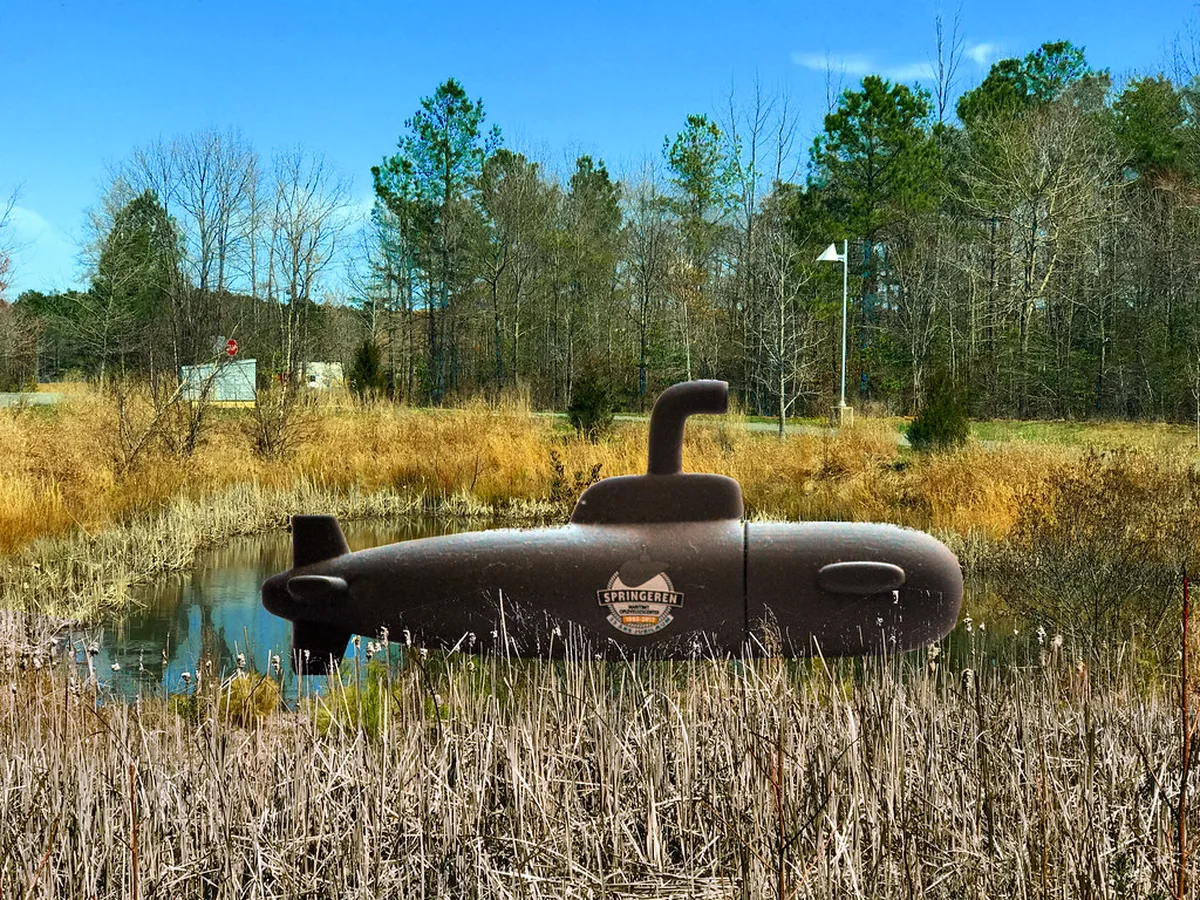
This is the strongest family attraction in central Aalborg. Children old enough to handle tight spaces find the submarine genuinely exciting; the torpedo boat deck is accessible and easier to move around than the sub. The museum is open daily from 10:00 to 16:00; adult tickets cost approximately 90 DKK, with reduced prices for children.
Springeren sits on the waterfront near the harbor area, which makes it easy to combine with a stroll along the promenade and a stop at the Utzon Center. Allow 90 minutes if you want to read the exhibits as well as board the vessels. For a broader list of family options, see our guide to free things to do in Aalborg that works well as a complement to a paid museum day.
Street Art and Wall Paintings Tour
Aalborg has accumulated more than 80 large-scale murals through the Out in the Open project, which brings international artists to paint the city's industrial walls each year. The result is a genuine outdoor gallery spread across multiple neighborhoods — not a concentrated district but a reason to walk streets you would otherwise skip. The pieces range from photorealistic portraits to abstract compositions covering entire warehouse facades.
The most practical navigation tool is the official Street Art City Map, available as a PDF from Enjoy Nordjylland's website. It groups the murals into a recommended walking route of about one hour for the core cluster near the harbor and a longer circuit that reaches the residential neighborhoods to the west. The "Wolf" mural near the harbor is widely regarded as the city's most iconic piece and makes a good starting point. The whole tour is free and can be done at any hour.
If you are in Aalborg for only one evening, the street art walk along the harbor district is the single best use of two hours. The murals are lit at night, and the industrial setting provides a contrast that daytime visits do not quite capture. Download the PDF map before you go rather than relying on mobile data.
Family-Friendly Fun at Aalborg Zoo
Aalborg Zoo is one of the larger zoos in Denmark, with polar bears, red pandas, African elephants, and Sumatran tigers among the headline animals. The enclosures are spacious and designed around naturalistic habitats rather than traditional cage formats. The zoo is actively involved in conservation breeding programs for several endangered species, which gives its educational content genuine credibility.
Gates are open daily from 10:00; closing time varies from 16:00 in winter to 18:00 in peak summer. Adult tickets cost approximately 230 DKK in 2026, with children's prices considerably lower. Allow a full half-day — the grounds are extensive and families with young children will want to see the feeding demonstrations, which are staggered throughout the day on a schedule posted at the entrance.
The zoo sits about 2 kilometers west of the city center, making it a short taxi or bus ride from most hotels. Combine it with a visit to Vestre Fjordpark next door for a full outdoor day. Our Aalborg zoo guide has the current feeding schedule and a map of the enclosure layout.
Historic Hjelmerstald, Jens Bang's Stenhus, and Budolfi Cathedral
These three sites cluster within a few minutes' walk of each other in the old town and work best as a combined morning or afternoon loop. Hjelmerstald is a narrow residential street dating from the 17th century — the name translates roughly as "horse stable," reflecting its original function on the edge of medieval Aalborg. The colorful half-timbered houses, window boxes, and hollyhocks make it the most photographed street in the city. It is a public residential street, so treat it accordingly: no peering through windows.
A short walk away stands Jens Bang's Stenhus, a Dutch Renaissance merchant's house built in 1624 and widely regarded as one of the finest Renaissance buildings in Denmark. Jens Bang was the richest merchant in Aalborg at the time and notoriously combative with city officials — look closely at the facade for a small carved figure of Bang sticking out his tongue, a 17th-century insult aimed at the town council. The ground floor now houses a small museum collection called the Apotekersamlingen (Pharmacy Collection), since the building was used as a pharmacy for centuries after Bang's death.
Budolfi Cathedral (Budolfi Kirke) stands on the same square as the yellow 1762 Town Hall. The Gothic church dates from the late 14th century in its current form, though a church has occupied the site for much longer. Entry is free, hours run approximately 09:00–16:00 daily, and the carillon plays over the square every hour. The interior is clean and uncluttered — very Scandinavian — with beautifully carved woodwork on the pulpit worth examining up close.
Outdoor Escapes: Vestre Fjordpark and the Singing Trees
Vestre Fjordpark, 3 kilometers west of the Utzon Center along the Limfjord shore, is Aalborg's main outdoor social space. The park features a free swimming lagoon, climbing walls, wooden jumping platforms over the water, and floating harbor baths in summer. Entry to the park and the swimming area costs nothing. In July and August, the atmosphere here rivals any beach resort in Jutland — locals gather for evening swims when the sun sets close to 22:00.
Kildeparken, a green park in the city, contains the Singing Trees installation. Famous artists who have performed in Aalborg plant a tree here that plays their music when you press a button on the attached box. The playlist grows after every major concert season — you can find trees from Sting, Elton John, and Guns N' Roses among others. The park is open 24 hours and free to enter. After a big summer concert, check the park for newly planted trees; the local press usually reports new additions within a day or two of the ceremony.
For a longer day trip, Rold Skov — Denmark's largest forest — lies about 40 kilometers south of Aalborg and is accessible by car in under an hour. The forest has marked hiking trails, spring water sources, and a wild camping zone. It pairs well with a morning at Lindholm Høje and an afternoon back in the city.
Salling Rooftop and the Skywalk
Most guides list the Salling department store only as a parking landmark. The rooftop is worth a separate mention. The top floor opens onto a 1,400 square metre terrace with unobstructed views over the city center and the Limfjord. The terrace has lounge seating, a cafe called Væksthuset, and a sky bar. It is free to access during the store's opening hours.
The standout feature is the Skywalk: a glass-floored extension that juts out over the street 30 meters above the pedestrian zone. Standing on it takes a moment of nerve even for people who are comfortable with heights, and it gives a perspective on the city that no other point in the center can match. It is genuinely dramatic and costs nothing extra.
Salling sits in the middle of the pedestrian shopping streets — Bispensgade, Algade, and Gravensgade — which makes the rooftop an easy addition to any morning in the city center. Combine it with a coffee stop and you have a 30-minute break that most visitors walk straight past.
Aalborg vs. Aarhus: Which City Should You Prioritize?
Both cities sit in Jutland and are reachable by direct train, with Aarhus about 90 minutes south of Aalborg. They attract different types of travelers. Aarhus has the ARoS art museum (with its famous rainbow panorama), a larger university population, and more concentrated nightlife. Aalborg has fewer tourists, a more easygoing pace, and the Viking site at Lindholm Høje — which has no equivalent near Aarhus.
For travelers who prefer history, design, and a city that feels lived-in rather than curated, Aalborg is the better choice. For travelers who want big-city energy, major contemporary art, and a livelier food scene, Aarhus has the edge. Most itineraries through Jutland can comfortably include one day in Aalborg and two in Aarhus without feeling rushed, since the train connection is direct and reliable.
If you are deciding where to base yourself for a North Jutland trip targeting Skagen, the answer is Aalborg without hesitation. Skagen is 90 minutes by direct train from Aalborg station; from Aarhus it requires a change and takes well over two hours. Aalborg also works as a gateway to Rold Skov and the wild North Sea coast around Rubjerg Knude lighthouse.
Practical Tips for Visiting Aalborg Attractions
The Aalborg Carnival in late May is the largest carnival in Northern Europe, drawing tens of thousands of participants and filling the city center with processions for five days. If your trip overlaps with it, book accommodation at least two months in advance — hotels in the center sell out and prices spike. Parking restrictions expand significantly during carnival week, so the EasyPark app and the Salling P-Hus are your most reliable fallbacks. The carnival atmosphere is extraordinary and worth planning around if you are flexible on dates.

The Christmas market on Gammeltorv square runs from late November through mid-December. It is small by European standards but genuinely cozy — a handful of stalls selling handmade ceramics, decorations, and hot drinks around the yellow Town Hall. The shopping streets around it are decorated extensively and the crowds remain manageable compared to the major German markets.
June through August offers the longest days and the best conditions for outdoor sites like Vestre Fjordpark and Lindholm Høje. Winter visits are viable — the city is compact enough that gray weather does not kill a trip — but check museum hours in advance, as several smaller venues reduce to weekend-only schedules between November and March. For most central parking, the EasyPark app handles payment without cash or physical machines.
Frequently Asked Questions
How many days do you need in Aalborg?
I recommend spending two full days to see the main attractions without rushing. This allows time for the Viking site, the major museums, and a relaxing stroll along the waterfront promenade.
Is Aalborg walkable for tourists?
Yes, the city center is very compact and easy to navigate on foot. Most major landmarks, including the Cathedral and the Utzon Center, are within a 15-minute walk of each other.
What is the best way to get to Lindholm Høje?
The easiest way is to take bus 13 from the Aalborg bus station, which takes about 15 minutes. Alternatively, a taxi or rental bike will get you there in roughly the same amount of time.
Aalborg is a city that rewards those who take the time to look beyond its industrial facade. From the haunting stone circles of Lindholm Høje to the sleek lines of the Utzon Center, the variety is impressive. I hope this guide helps you discover the unique character of North Jutland's vibrant capital.
Whether you are here for the Viking history or the modern street art, Aalborg offers a warm Danish welcome. Pack a light jacket for the fjord breeze and enjoy your exploration of this northern gem.
You might also like

Continue reading
More guides you'll find useful