10 Best Free Things to Do in Aalborg (2026)
Discover the best free things to do in Aalborg. Plan your trip with tips on Viking sites, street art, and waterfront views for a perfect budget-friendly day.
On this page
10 Free Things to Do in Aalborg
Aalborg is Denmark's fourth-largest city, and it turns out the best parts of it cost nothing. The Limfjord waterfront, the Viking burial grounds at Lindholm Høje, and more than 80 street art murals scattered across the city center are all free to experience. This guide covers how to build a genuinely full day in Aalborg without opening your wallet once.
This article was last updated for 2026 to reflect current opening hours and any access changes. Every spot on this list has been walked personally — we have noted which areas get crowded in the afternoon and which are better visited early. Aalborg rewards travelers who take time to explore beyond the obvious.
Aalborg Waterfront
The Limfjord promenade is the single best free thing to do in Aalborg, and it earns that title because of what you can see in a single 30-minute walk. Starting from the historic Aalborghus Castle, you pass Jørn Utzon's final architectural project, the Utzon Center, then reach the angular concrete shell of Musikkens Hus (House of Music) — one of the most distinctive buildings in Denmark. Both structures are free to admire from the outside, though the Utzon Center charges 110 DKK for indoor entry (open Tuesday–Sunday, 10:00–17:00).

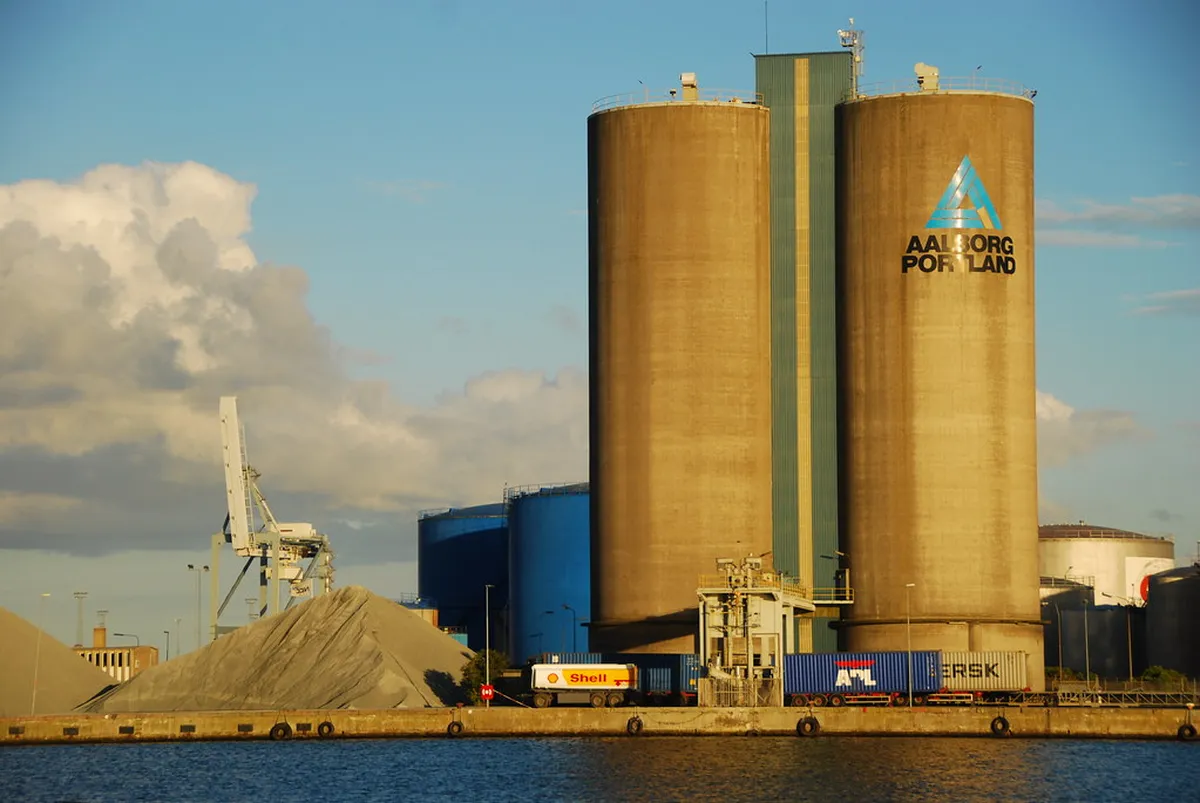
Continuing east, the redeveloped district of Østre Havn opens up. This former industrial harbor has been transformed into a mixed-use neighborhood with riverside pathways and public seating. It feels completely different from the polished city center, and the contrast between the modern architecture and the old waterside cranes is striking.
In summer, the Aalborg Havnebad (harbor bath) provides a free, safe swimming area in the fjord, marked by a floating bridge with a ship-shaped diving tower. It is open to the public with no charge from late June through August. Early mornings on weekdays are the quietest time — by noon on sunny days the waterfront fills with families and joggers.
Must-See Aalborg Attractions That Cost Nothing
Several of Aalborg's headline Aalborg attractions are free by design. The Viking burial site at Lindholm Høje, across the Limfjord in Nørresundby, contains more than 700 graves spanning the Iron Age and Viking Age. The burial grounds are open from dawn to dusk every day at no charge — only the onsite museum costs an entry fee (90 DKK for adults). Walking between the ancient stone ship-settings alone is worth the short drive or bus ride north.
Aalborghus Castle is the other must-see that nobody should pay to enter, because nobody has to. The half-timbered 16th-century fortress near the waterfront opens its courtyard and ramparts to the public year-round, typically 08:00–21:00 daily. The dungeon and casemate passages are accessible free of charge from May through October. The red castle walls and the green lawn against the fjord backdrop make for one of the most photographed scenes in the city.
Both Lindholm Høje and Aalborghus Castle are best visited in early morning when light is clearest and crowds are minimal. The Viking burial grounds at dawn offer the most atmospheric photography opportunities and a peaceful experience among 700+ ancient graves.
The Salling Rooftop, on top of the Salling department store on Algade, gives a 360-degree view over the city and fjord for free. A glass skywalk extends 30 meters above street level — not for the faint-hearted, but completely free. Hours follow the department store (roughly 10:00–19:00 on weekdays, shorter on Sundays).
Museums, Art, and Culture in Aalborg
The street art project that put Aalborg on the international map is called Out in the Open. More than 80 large-scale murals now cover buildings across the city, created by some of the world's leading urban artists. The works range from abstract geometric pieces to photorealistic portraits several stories tall. A downloadable map at North Jutland's official tourism site plots the locations — most cluster within a 30-minute walk of the train station. Morning light is the best time for photography; the north-facing walls photograph well all day.
The historic occupation-era walking route, Aalborg During the Occupation, follows plaques and markers scattered through the old town that document the city under German occupation in World War II. It is self-guided, always accessible, and provides a sobering counterpoint to the cheerful architecture nearby. The route takes around 45 minutes at a relaxed pace.
The Out in the Open street art collection of 80+ murals is concentrated near Vesterbro and north of the train station—all free to view and photograph. Budget 2-3 hours for the full mural walk and download the map from visitaalborg.com before starting to avoid dead ends.
For a cultural space with free entry, the foyer of Musikkens Hus is open to walk through even when no concert is scheduled. The building houses the Aalborg Symphony Orchestra and the Danish JazzCenter. Peek inside to see the dramatic interior without buying a ticket — the main hall foyer is accessible during building hours (typically 09:00–17:00 on weekdays). Paid concerts run in the evening, but daytime entry to the common areas is free.
Parks, Gardens, and Outdoor Spots in Aalborg
Kildeparken is the city's most beloved free park, and the Singing Trees are the reason most visitors make the detour. Since 1987, artists performing at the adjacent cultural centre have planted trees in the park; many have speakers installed that play a medley of the artist's hits when you press a button. Elton John, Leonard Cohen, and André Bocelli are among the names on the plaques. The park sits close to the train station and is open daily from 06:00 to 22:00.
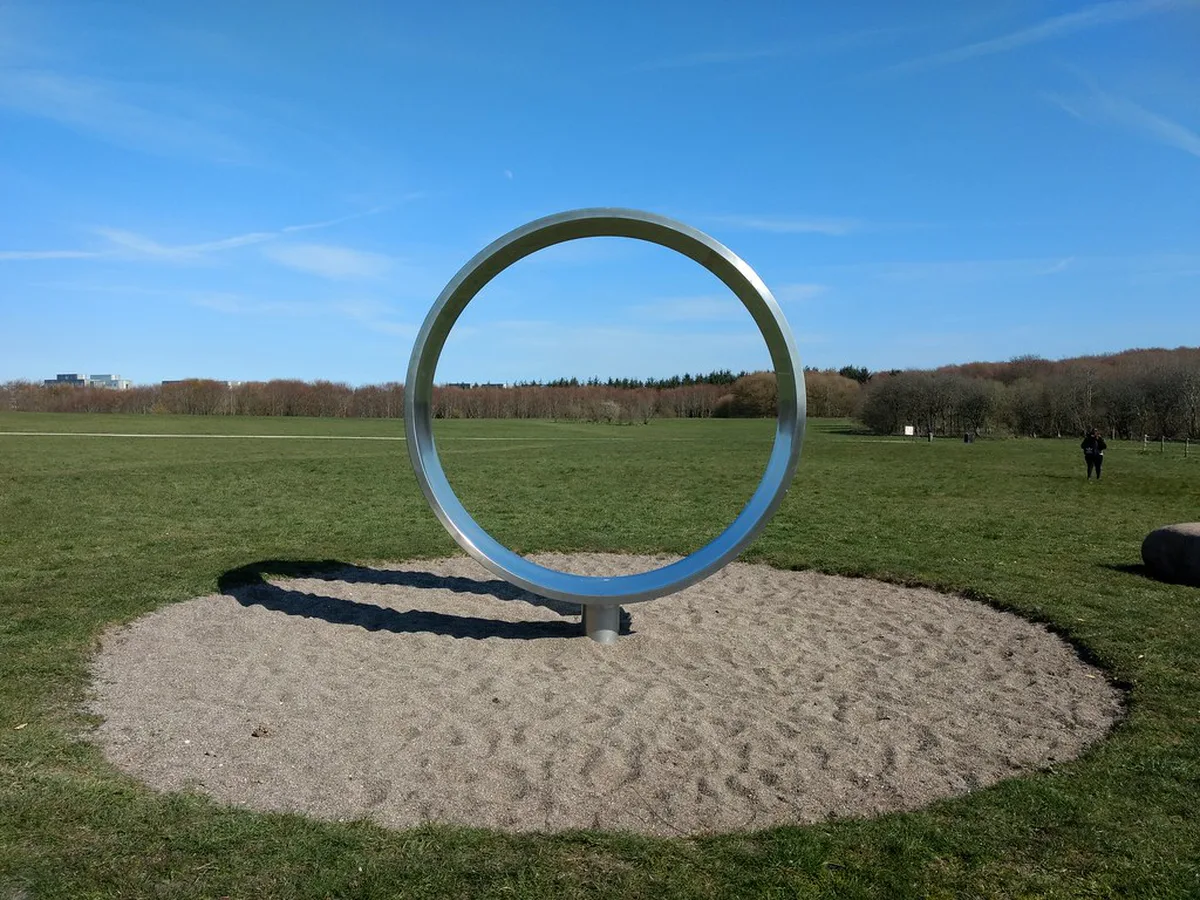
Vestre Fjordpark, three kilometers west of the Utzon Center along the waterfront, is a free recreation area open 24 hours. You can run the waterside paths, use the outdoor gym equipment, swim in the fjord, or watch local kayakers launching from the slipway. Bus #2 from the city center stops at Steen Billes Gade, a five-minute walk from the park. It is considerably less crowded than the main waterfront and offers a more local feel.
The small island of Egholm in the Limfjord is accessible via a five-minute ferry crossing from Aalborg's west city harbor (return ticket 20 DKK — the lowest-cost excursion from the city). Once there, the hiking trails, campsite, and nature areas are completely free. Ferries run approximately every 30 minutes during daylight. The island's forest paths are particularly atmospheric in early morning fog. Look for the carved wooden troll sculpture hidden near the main trail junction.
Family-Friendly and Budget-Friendly Options in Aalborg
The Singing Trees in Kildeparken are a reliable hit with children — the interactive element of pressing a button to hear music from a tree makes the park memorable. Pair that with the free playground equipment in the park and you have a reliable 90-minute stop for families. Children's things to do in Aalborg with kids skew heavily toward outdoor and interactive experiences that cost nothing.
The Fjordbyen neighborhood, in the western waterfront area, is a charming cluster of former fishing sheds, allotments, and a small cultural center that has evolved into a quirky community space. Walking through the area takes around 20 minutes. The low, colorful structures and the informal harbor atmosphere feel completely different from the polished city center — children tend to enjoy the DIY boat repairs and the informal art installations along the water.
Aalborg's annual carnival in late May is the largest carnival in Scandinavia, drawing crowds of costumed participants for parades and street performances. The street viewing is entirely free; you only pay if you enter designated indoor festival venues. In 2026 the carnival runs during the last week of May. If your visit overlaps with it, the city center transforms in a way that no paid attraction can match.
Spritten, Cloud City, and the New Aalborg
One corner of Aalborg that barely appears in most travel guides is Spritten — the former site of De Danske Spritfabrikker (the Danish Distilleries), a vast industrial complex that is being redeveloped into an arts and residential district. The public areas around the development are already open to walk through, and the scale of the old factory buildings is impressive even in their current state of transformation.
The headline feature of Spritten, when fully complete, will be Cloud City — a permanent glass sculpture that will rank among the largest of its kind in the world. The external structure and surrounding plazas are accessible now at no charge, and the work in progress is itself part of the visual interest. Spritten sits southeast of the city center, roughly a 15-minute walk from the waterfront promenade, and is almost entirely skipped by first-time visitors following standard tourist routes.
This area also includes Nordkraft, a decommissioned power plant that now hosts music, theatre, arts events, and the independent cinema Biffen. Entry to the building and many of its gallery spaces is free, though cinema tickets start from 95 DKK. Nordkraft is worth checking even if you just walk through the ground floor — the conversion of the industrial interior is striking and the schedule boards often advertise free daytime events.
How to Plan a Smooth Aalborg Attractions Day
Start at Lindholm Høje when it opens at dawn — the burial ground in early morning light, with mist off the fjord, is one of the most atmospheric scenes in North Jutland. Drive or take bus #12 from Aalborg central station (around 20 minutes). Allow 45 minutes at the site, then head back into the city for the waterfront.

Walk the waterfront between 09:00 and 11:00, before the harbor bath crowds arrive. The Utzon Center, House of Music, and Østre Havn are all within a 1.5-kilometer stretch. Pack lunch and eat in Kildeparken — most locals do this on weekdays, and it keeps your daily spend minimal. The park is about a ten-minute walk from the waterfront.
Spend the afternoon on the mural walk. Start from the tourist office on Kjellerups Torv and follow the mural map north through the back streets; the largest works are concentrated around Vesterbro and the northern residential areas. End the day at the Salling Rooftop around 17:00 for the best light over the fjord. If you are looking for hidden gems in Aalborg, add the Fjordbyen walk and the Spritten visit as an evening extension — both are quieter after 17:00 when day-trippers leave.
Frequently Asked Questions
Is Aalborg expensive to visit?
Aalborg is manageable for budget travelers if you focus on free outdoor attractions and public parks. While dining and alcohol are pricey, walking is free and many cultural sites cost nothing. Plan to spend around $50-$80 per day for a low-budget experience.
How many days should I spend in Aalborg?
Two days is the ideal amount of time to see the main city highlights and the waterfront. This allows for one day in the historic center and another for exploring the fjord or nearby nature. If you enjoy hiking, add a third day for Rold Skov.
Is the Aalborg Waterfront free to access?
Yes, the entire Aalborg Waterfront promenade is open to the public 24 hours a day. You can enjoy the architecture, the harbor bath, and the seating areas without paying any fees. It is the best place in the city for a free evening stroll.
Aalborg proves that you don't need a large budget to enjoy a world-class European city. From Viking graves at Lindholm Høje to the emerging arts district at Spritten, the variety of genuinely free experiences is wider than most visitors expect. The city's investment in public art, accessible waterfront infrastructure, and open parks makes it one of the most rewarding budget stops in Denmark.
Whether you are here for a weekend or building a longer North Jutland itinerary, these free sights provide a deep grounding in what makes Aalborg distinctive. For more planning tips, check out our latest things to do in Aalborg overview for a fuller picture of the city beyond the free-only list.
You might also like

Continue reading
More guides you'll find useful