

Aalborg Food Guide: Best Restaurants and Local Flavors
Discover the best of Aalborg's culinary scene. From traditional smørrebrød and the famous Beer Walk to Michelin-recommended dining and hidden street food gems.
On this page
Aalborg Food Guide: Best Restaurants and Local Flavors
The Limfjord delivers some of the finest oysters and mussels in Scandinavia, and that fact shapes every meal in Aalborg. Chefs here source from the fjord, from North Jutland farms, and from fishing villages like Strandby — a supply chain short enough that what arrived on the boat at dawn can be on your plate by noon. This is a city that takes its food seriously, not as a performance for tourists but as a daily habit built over centuries of maritime trade.
Aalborg's industrial past adds another layer to the culinary story. The old spirit distilleries, furniture factories, and cement plants did not simply disappear — they were converted into food halls, brewpubs, and rooftop bars. Understanding that transformation makes every meal here feel connected to something larger than just the menu.
Aalborg's Food Culture and Culinary Heritage
Aalborg was once dominated by shipbuilding, cement production, and aquavit distilling. The harbor was a working port, not a leisure destination. Over the past two decades, that identity has shifted dramatically. The waterfront is now lined with restaurants and bars, and the old factory shells house some of the most creative food concepts in northern Denmark.
Nordkraft, a former power station, exemplifies this shift. The building now contains cafes, cultural venues, and food events that attract both residents and visitors. A short walk along the Limfjord brings you past the Utzon Center — designed by Jørn Utzon, architect of the Sydney Opera House — and several harbor-side restaurants that serve the same fjord that once supplied ships heading out to sea. The connection between place and plate is unusually direct here.
The concept of hygge runs through every dining experience in Aalborg. Small independent restaurants with warm lighting and close tables dominate over international chains. Locals linger over meals rather than rushing through them, and many spots expect you to book two or three days ahead, especially in summer. The dining culture rewards patience and rewards those who arrive without a fixed itinerary.
Sustainable Nordic cuisine has taken hold in ways that go beyond marketing language. Seasonal menus change with the week's catch, and many kitchens collaborate directly with fjord fishers and regional producers. Visitors who come in 2026 will find a scene that has matured considerably since the post-industrial regeneration of the 2010s, with more nuance and fewer gimmicks.
Must-Try Traditional Danish Dishes in Aalborg
Smørrebrød is the unavoidable starting point for any food tour of Denmark, and Aalborg does it particularly well. The foundation is rugbrød — a dense, seeded sourdough rye bread that provides a nutty, slightly sour base for everything stacked on top. Typical toppings include pickled herring, cured roast beef with remoulade, or sliced liver pâté with pickled cucumber. The locals treat it as a complete meal, often ordering two or three different open-faced sandwiches to share at the table.
The Stjerneskud, or "shooting star," is Aalborg's signature smørrebrød variant. It consists of buttered rye bread topped with fried plaice, steamed plaice, cold water shrimp, white asparagus, and a mound of thick remoulade. The combination of crispy fried fish and delicate poached fish on one slice reflects the kitchen confidence that Danish cuisine is known for. Prices run between 110 and 165 DKK depending on the establishment and the season.
Limfjord oysters deserve special attention. The fjord's cold, slightly brackish water produces oysters with a firm texture and a clean metallic finish that differs noticeably from Atlantic or Pacific varieties. They are at their best in winter and early spring — November through April — when the water temperature drops and the bivalves concentrate their flavor. Most harbor restaurants serve them simply, with a wedge of lemon and occasionally a small glass of aquavit. Do not skip the fried herring either: a traditional afternoon snack served with onions and dark rye, it is one of the more honest expressions of Danish coastal cooking.
Limfjord oysters peak from November through April when cold water concentrates their flavor and firms their texture. Ask your server when the season is at its height for the most assertive metallic finish; summer oysters will be softer.
Check the things to do in Aalborg guide for the waterfront lunch spots that combine the best smørrebrød with harbor views — a combination that is hard to beat on a clear June afternoon.
Best Cafes and Restaurants in Aalborg
Hos Isidor Henius is the address for traditional Danish smørrebrød done properly. What sets it apart from similar spots is a small but telling detail on the menu: each dish comes with a printed aquavit recommendation and a beer pairing suggestion from the kitchen. This is not common even in Denmark, and it reflects the restaurant's view that the drink and the food are a single proposition. Book well in advance — it fills quickly, especially at lunch.
Restaurant Applaus takes fine dining in a social direction. Rather than the conventional silent parade of plates, courses alternate between individual portions and shared dishes placed in the center of the table. The 10-course menu changes with the season and leans heavily on North Jutland produce. If the full tasting menu feels like too much of a commitment, the à-la-carte options are equally refined and considerably cheaper.
La Locanda and its adjoining La Bottega sit side by side and are run by one family. La Bottega handles honest, affordable Italian — wood-fired pizza, simple pasta, good house wine. La Locanda operates as a proper fine-dining room, with a kitchen crew that trained in Italy and a wine pairing that matches the ambition of the cooking. Both are worth knowing about because they give you flexibility depending on your budget and energy on a given evening.
Behag Din Smag is for slow coffee. The baristas roast seasonally and are happy to talk through origin and process if you are interested. The contrast with the busier commercial chains on Bispensgade and Algade is immediate — quieter, more considered, and better if you want a proper latte with a piece of Danish pastry rather than a branded experience. For a broader view of where to sleep near these dining spots, the where to stay in Aalborg guide covers properties from the budget-friendly to the harbor-facing.
SushiMania XO opens at 17:00 only and is worth planning around. The omakase menu — roughly translated as "I trust you" — hands the decision to the kitchen, which produces a five-course seafood sequence built around a central sushi platter. The Wagyu Deluxe roll has become something of a house signature. It does not look like a typical sushi bar from the outside, which means walk-ins sometimes underestimate how serious the kitchen is.
Aalborg Beer Walk and Local Craft Drinks
The Aalborg Beerwalk costs 159 DKK and comes as a kit: one souvenir tasting glass and six vouchers, each redeemable for a specialty beer at a participating pub. You pick up the kit at either Søgaards Bryghus or Missing Bell Brewpub — the latter being a converted church that functions as a brewery, which is worth seeing regardless of the beer. Other stops on the route include the John Bull pub, good for pavement seating in summer, and Duus Vinkjælder, a medieval cellar bar with low ceilings and an atmosphere that is hard to manufacture.
The key trade-off in the Beer Walk is route versus independence. The kit includes a map with all participating bars marked, but you are not required to follow any particular order. This flexibility is the point: Aalborg's city center is compact and entirely walkable, so six pubs across a Saturday afternoon feels relaxed rather than rushed. If you want a sharper recommendation, Basement Beer Bar is worth adding to your circuit — a large whisky and rum selection alongside the craft beer list makes it more than just a one-voucher stop.
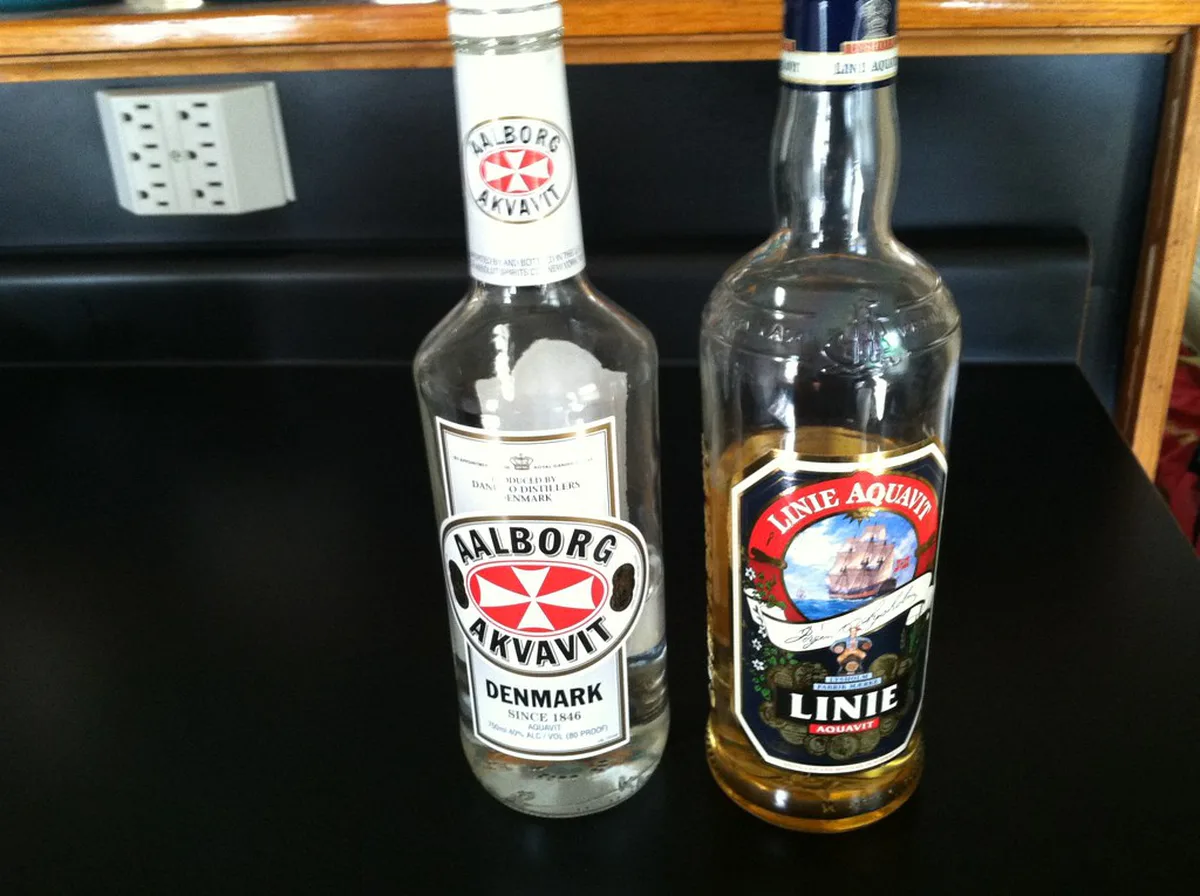
Aquavit sits at the other end of Aalborg's drinks culture. The city has a historic connection to this caraway-infused spirit, and while the main distillery has long since relocated, the tradition persists in the way locals pair it with food. It is typically served cold, in a small glass, alongside heavier dishes — pickled herring, roast pork, or a rich smørrebrød. Many restaurants carry multiple styles, from the lightly seasoned to the heavily spiced barrel-aged varieties. For a contrast to the Beer Walk, Jomfru Ane Gade — Denmark's longest street of consecutive bars — operates at a different register entirely: louder, younger, and best after 22:00 rather than as a food-paired evening stroll.
Aquavit pairs best with salt-heavy dishes like pickled herring, roast pork, and rich smørrebrød toppings. Always order it ice-cold, and follow local custom by sipping small amounts between bites rather than treating it as a standalone shot drink.
Aalborg Street Food and the Salling Rooftop
Aalborg Street Food occupies an old furniture factory near the harbor and holds 16 food stalls covering cuisines from around the world. The space fits 600 people and runs live music and DJ nights alongside the food, which makes it more of an evening social venue than a quick-lunch destination. Prices are genuinely affordable — most plates land between 80 and 130 DKK — and the range of options makes it the right choice for groups with mixed preferences. Opening hours run from 11:30 until late daily through summer.
Salling Rooftop serves a different function. Sitting on top of the Salling department store, it offers a panoramic view of the Aalborg skyline, a Skywalk element, and a bar menu of tapas, wine, and cold drinks. The view is the product here — the food is capable but not the reason to go. For a substantial dinner, the harbor-side restaurants will outperform it on both quality and value. The rooftop earns its place as a mid-afternoon stop or a pre-dinner drink with a view, particularly effective at sunset when the Limfjord catches the light.
The practical distinction is this: choose Aalborg Street Food when you want variety, atmosphere, and budget-friendly eating with a crowd. Choose Salling Rooftop when you want a drink with a view and a reason to take a photograph. They serve different needs and work best visited on different days.
Limfjord Seafood and the Seasonal Calendar
Eating well in Aalborg is partly a matter of timing. The Limfjord's seafood follows a rhythm that local kitchens build their menus around, and knowing the rough calendar helps you order with more confidence. Oysters are at peak condition from November through April, when cold water concentrates their flavor and firms the texture. Spring also brings small Limfjord mussels, which local chefs prefer to the larger farmed varieties for their cleaner taste.
Plaice and other flatfish are best through the summer months, which aligns with the Stjerneskud season at harbor restaurants. Late summer through early autumn brings the best wild mushrooms from the North Jutland forests, and you will see them appear across restaurant menus in August and September. Winter shifts the focus toward preserved and cured products — smoked eel, pickled herring, cured meats — the kinds of ingredients that define the cold-season smørrebrød menu.
For visitors who want to connect more directly with local producers, the best time to visit Aalborg covers the harbor festivals and seasonal markets where you can buy directly from fjord fishers and North Jutland farms. The Aalborg Regatta in late summer draws food stalls that focus on smoked fish and maritime traditions, and it is one of the more relaxed ways to eat local without booking a table weeks in advance.
Food Festivals and Seasonal Culinary Events
Spring marks the start of the outdoor food market season in Aalborg, with vendors setting up along the harbor front as temperatures rise. Late summer brings larger gatherings to the city center, showcasing honey, artisan cheese, and charcuterie from North Jutland producers. These markets usually coincide with live music and outdoor seating, which extends the natural hygge of the season into the evening hours.
May is also the month of the Aalborg Carnival — billed as one of Europe's largest — which fills the city center with food stalls running alongside the main festivities. It is a chaotic and enjoyable weekend that blends Danish street food with international flavors brought in for the event. Accommodation books out weeks ahead, so plan early if this is the main reason for your visit.
Winter produces a different atmosphere entirely. The Christmas markets open in late November, filling the air with roasted almonds, mulled wine, and æbleskiver — the round Danish pancakes dusted with icing sugar that are essentially impossible to find outside the holiday season. Many restaurants run special Christmas menu seatings through December, centered on roast pork with crackling, braised red cabbage, and potatoes with a cream sauce that constitutes the definitive Danish festive meal.
Practical Tips for Foodies in Aalborg
Denmark is expensive, and Aalborg is no exception for restaurant dining. The most reliable way to manage costs is to treat lunch as your main meal. Most restaurants offer 'Dagens Ret' — the dish of the day — which provides a substantial plate at 95–140 DKK, often including a small salad and bread. The same kitchen charging 350 DKK per main at dinner will frequently offer a three-course lunch for 200 DKK. Smørrebrød lunch is also inherently better value than dinner menus at the same restaurant.
Kitchen closing times in Aalborg skew earlier than in southern European cities. Most restaurants stop taking food orders between 21:00 and 22:00, and several popular spots close the kitchen at 20:30. Plan your dinner for 18:00–19:30 to have the full menu available and avoid the late-arrival disappointment. Reservations are strongly recommended at Hos Isidor Henius, Restaurant Applaus, and La Locanda — two days ahead as a minimum, more for weekend evenings in June and July.
Walking covers most of the central dining district comfortably. The distance from the Beer Walk start at Søgaards Bryghus to Aalborg Street Food at the old furniture factory is under 15 minutes on foot. Bicycles are available for hire through several central hotels, including Hotel Kompas, and extend your range to spots like Vestre Fjordpark — a free recreational area on the western shore where the cafes serve simple seasonal food in summer. Tap water is safe and free everywhere; skipping bottled water is one easy way to offset the cost of a better dinner.
Tipping is not customary in Denmark. Service charges are included in the bill, and rounding up is noted but not expected. If you have received genuinely exceptional service, 10 per cent is a meaningful gesture rather than a contractual obligation. Check the best restaurants in Aalborg for current opening hours and booking links, as several spots have changed their schedules heading into the 2026 summer season.
Frequently Asked Questions
What is the most famous dish in Aalborg?
The Stjerneskud is the most iconic dish in Aalborg. It consists of a slice of bread topped with fried and steamed plaice, shrimp, and white asparagus. You can find excellent versions of this seafood classic at most traditional restaurants along the harbor front.
Is Aalborg expensive for foodies?
Denmark is generally expensive, but Aalborg offers various price points. Street food markets provide affordable global meals for 80-120 DKK. Fine dining and Michelin-recommended spots will cost significantly more, often exceeding 500 DKK per person without drinks. Check the latest travel blog for more budget tips.
How does the Aalborg Beer Walk work?
You purchase a Beer Walk kit that includes a tasting glass and six vouchers. These vouchers can be redeemed for a glass of beer at any of the participating pubs across the city. It is a self-guided experience that allows you to explore the local pub culture at your own pace.
Where can I find the best smørrebrød in Aalborg?
Traditional lunch cafes in the city center are the best places to find authentic smørrebrød. Look for establishments that have been in business for decades, as they often use the best rye bread. Many modern cafes also offer creative twists on these classic open-faced sandwiches.
Aalborg's food scene earns its reputation not through Michelin density but through a genuine connection between the fjord, the land, and the kitchen. Whether you are sitting in a medieval cellar with a beer voucher in hand or watching the Limfjord from Salling Rooftop, the quality of ingredients stays consistently high. North Jutland's cold-water seafood and dark rye bread traditions give the city a culinary identity that does not need to borrow from anywhere else.
Plan your meals around the season and your budget around the lunch menu, and Aalborg will reward you more generously than most Scandinavian cities at the same price point. Explore the best restaurants in Aalborg to lock in reservations before the summer rush, and give yourself at least one evening without a plan — that is usually when the best discoveries happen.
You might also like


Continue reading
More guides you'll find useful


