

Odense Weather By Month 2026: 10 Essential Climate Facts
Plan your 2026 trip with our guide to Odense weather by month. Includes temperature charts, rainfall data, packing tips, and the best time to visit Funen.
On this page
Odense Weather By Month 2026: 10 Essential Climate Facts
Odense sits in the heart of Funen, Denmark's middle island, and its climate is shaped by the surrounding sea. The city has a maritime character: summers stay mild rather than hot, winters rarely drop into hard freeze, and rain is spread fairly evenly across all twelve months. Knowing what each month actually brings helps you match your trip to your priorities — whether that's festival season, quiet museum days, or autumn cycling on the flat Funen lanes.
This guide draws on data from the Danish Meteorological Institute (DMI) and Accuweather.com to give you accurate monthly figures. Temperatures range from around 4–5°C in the coldest weeks to 22–23°C at the summer peak. The city receives roughly 716 mm of precipitation annually, spread across all seasons. Whether you are planning the best time to visit Odense or just need to know what to pack, this breakdown covers every month of 2026.
Monthly Temperature in Odense
Daytime highs in Odense range from 4°C / 39°F in February to 22–23°C / 71–73°F in July. Nighttime lows bottom out around 0°C / 32°F in January and February, then rise to 13°C / 56°F on warm July nights. The swing between summer and winter is significant but never extreme by European standards.

Spring warms steadily from March onward. May averages reach about 16°C / 61°F during the day, making it one of the most pleasant months for walking the cobblestone lanes near the H.C. Andersen quarter. June nights stay mild at around 11°C / 52°F, which is comfortable for outdoor dining.
August remains warm but cools noticeably from mid-month onward, with highs settling near 21°C / 70°F. September drops to 17°C / 63°F by day and 10°C / 50°F at night — still usable for outdoor sightseeing. By November the city is firmly in autumn mode with highs near 8°C / 46°F.
| Month | Avg High | Avg Low | Rainy Days |
|---|---|---|---|
| January | 3°C / 37°F | -1°C / 30°F | 10 |
| February | 4°C / 39°F | 0°C / 32°F | 9 |
| March | 7°C / 45°F | 1°C / 34°F | 9 |
| April | 12°C / 54°F | 4°C / 39°F | 7 |
| May | 16°C / 61°F | 8°C / 46°F | 8 |
| June | 19°C / 66°F | 11°C / 52°F | 10 |
| July | 22°C / 72°F | 13°C / 56°F | 10 |
| August | 22°C / 72°F | 13°C / 56°F | 10 |
| September | 17°C / 63°F | 10°C / 50°F | 10 |
| October | 12°C / 54°F | 6°C / 43°F | 11 |
| November | 8°C / 46°F | 3°C / 37°F | 10 |
| December | 4°C / 39°F | 0°C / 32°F | 11 |
Rainfall and Precipitation Patterns
Odense receives around 716 mm / 28 inches of precipitation annually. August is the wettest month, with roughly 77 mm / 3 inches falling across about 10 days. April is the driest, receiving only 47 mm / 1.9 inches and just 7 rain days on average.
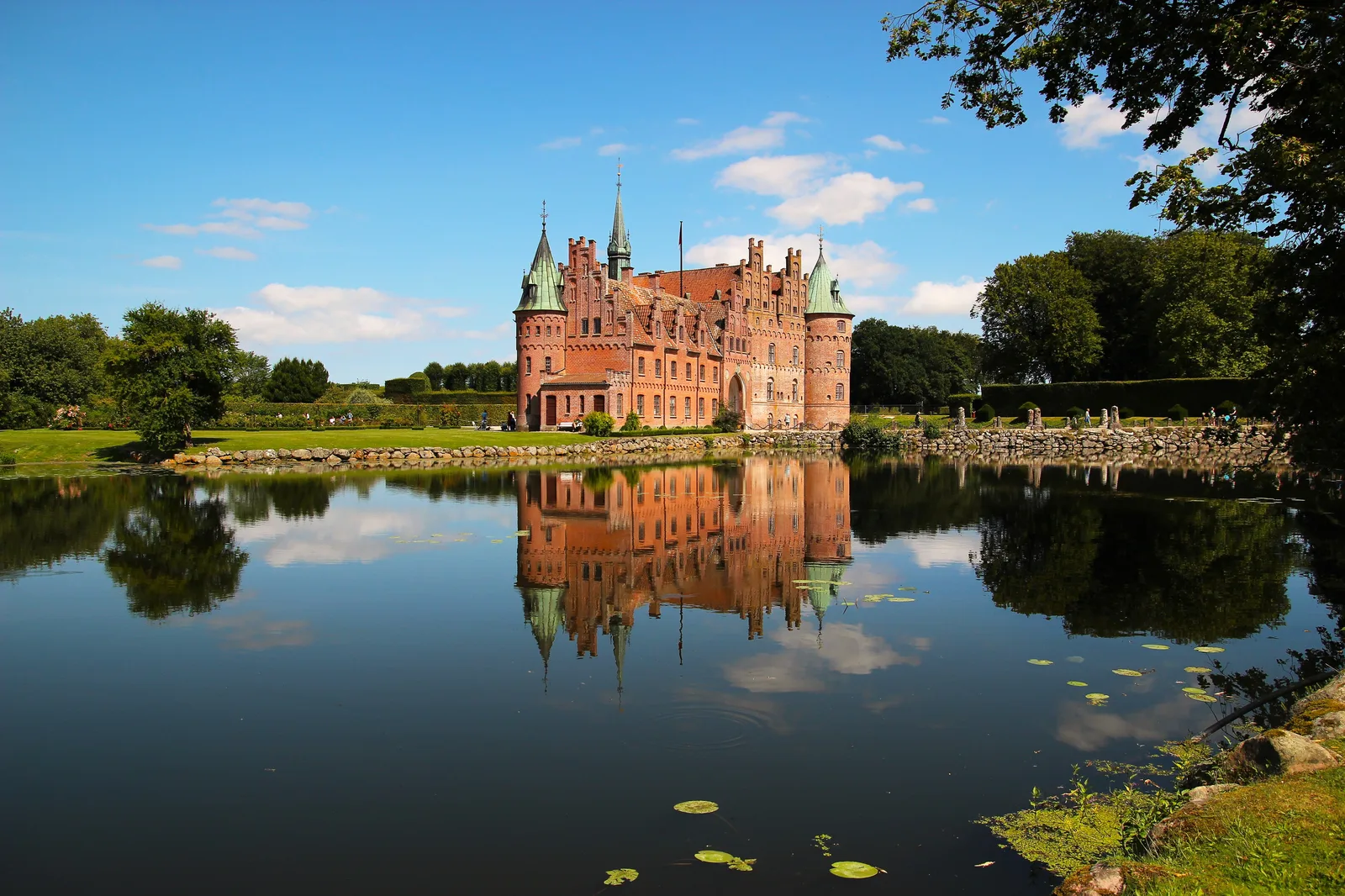
Most summer showers are short and intense rather than all-day drizzle. They typically arrive in the afternoon, leaving the mornings clear for outdoor plans. October increases to 11 rain days, which is the highest count of any month — higher than August even though August has more total millimetres.
Winter precipitation alternates between rain and sleet. Actual snowfall settles only occasionally, usually in January or February, and rarely stays on the ground more than a few days. The damp marine air makes temperatures feel colder than the thermometer suggests throughout winter and early spring.
Sunshine Hours and Daylight
June is Odense's sunniest month, averaging 8.9 hours of sunshine per day. The long Nordic summer days mean the sky stays light until after 22:00 in late June — this is one of the city's most appealing features for visitors. July and August both average around 7 hours of daily sunshine.
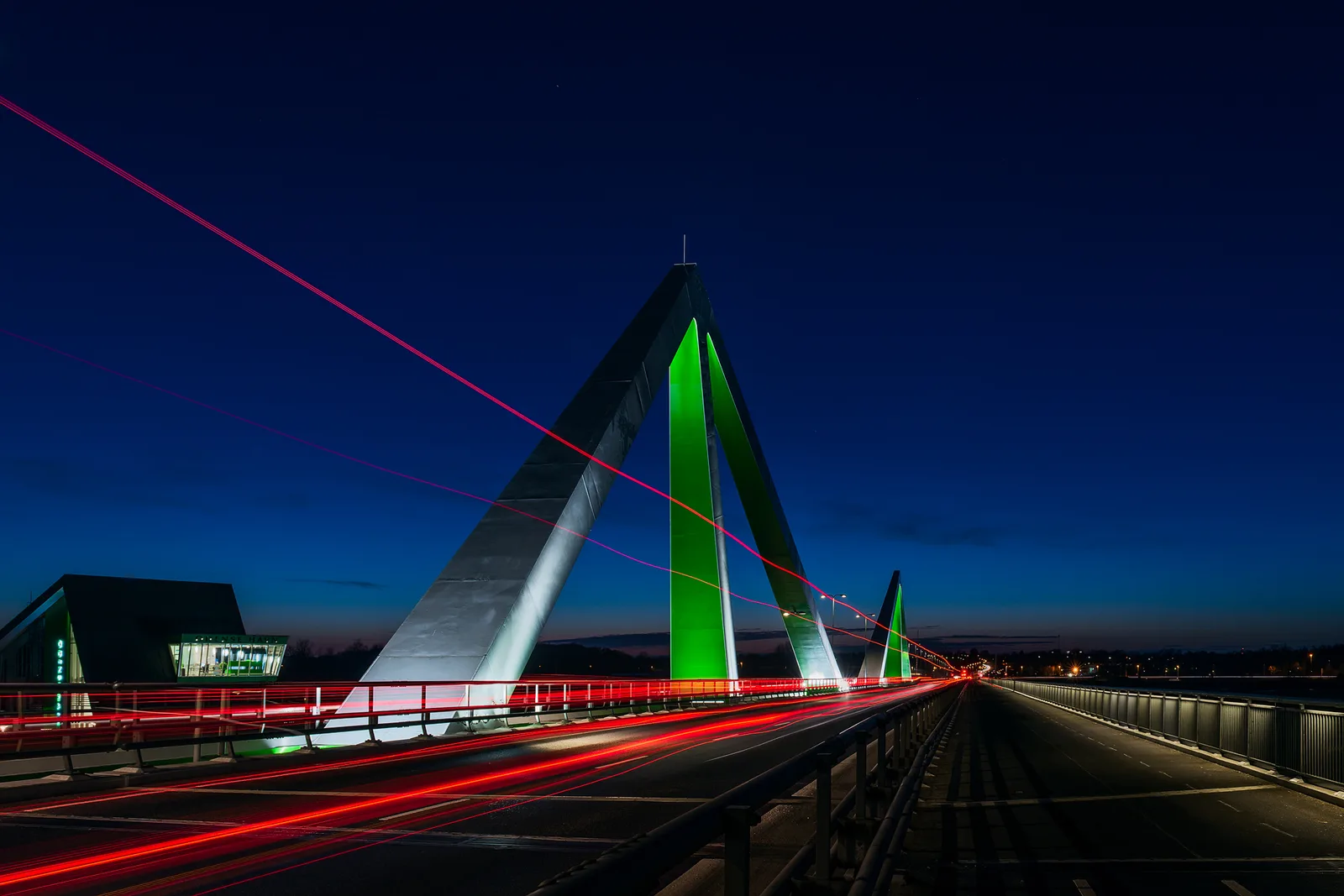
The contrast with winter is dramatic. December drops to just 1 hour of sunshine per day on average, and the sun sets as early as 15:30. January and February are similarly dark, with cloud cover dominating most days from morning onward. Street lights and the city's Christmas illuminations in December offset the gloom.
May is the inflection point: sunshine climbs to around 7 hours per day and the evenings lengthen quickly. The period from late April through early September gives reliable light for exploring parks, cycling routes, and the Odense River waterfront without rushing back indoors before dusk.
Humidity Levels by Month
January is Odense's most humid month, with relative humidity reaching 88%. The combination of damp air and temperatures near freezing creates a penetrating cold that feels harsher than dry continental winters at the same temperature. December and February sit close to January in humidity levels.
May offers the lowest humidity of the year at around 73%, which explains why the city feels so fresh and agreeable in spring. The air in April through July has an average cloud cover of only 56%, the clearest window of the year. Humidity rises again through autumn as Atlantic weather systems push in.
Summer humidity stays moderate — warm enough to be comfortable but not the sticky heat common in southern Europe. Brief afternoon thunderstorms in July and August can spike humidity briefly, but they pass quickly. Data from the Danish Meteorological Institute (DMI) confirms these typical patterns for inland Funen.
Best Time to Visit Odense for Different Activities
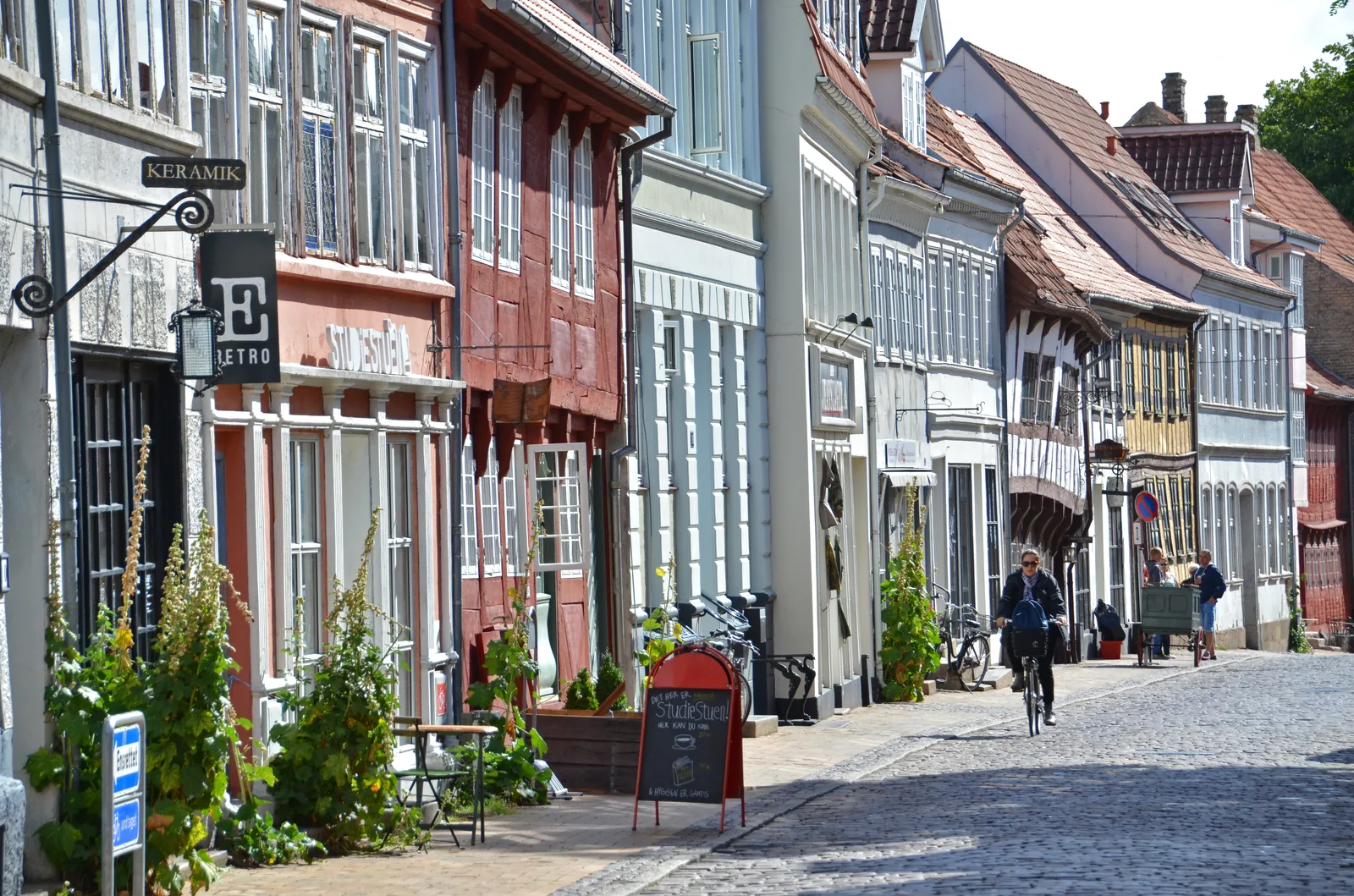
The peak sightseeing window runs from mid-May through mid-June. Temperatures are mild (14–19°C), daylight exceeds 16 hours, and crowds are noticeably thinner than in July. This is the window most suited to walking the old town, visiting the H.C. Andersen Museum, and cycling the Funen trails without competing with peak-season tour groups.
Festival visitors should target late June to early August. The Tinderbox music festival typically runs in late June in Odense, drawing large crowds to the event grounds near the city. The H.C. Andersen Festival (Andersen Festival) takes place in late July and early August in the city centre, using outdoor stages in the historic streets. Check VisitDenmark's event calendar for current festival dates. Booking hotels at least 8–10 weeks ahead is essential for these dates.
Budget travelers get the best room rates from November through March. The Christmas market in the city centre opens in late November and runs through December, making early December a surprisingly good value window — lower hotel prices, festive atmosphere, and the market itself as a free anchor attraction. September is the best shoulder-season bet: temperatures stay around 17°C, foliage turns, and prices drop from the summer peak.
- Best for sightseeing: mid-May to mid-June (mild temperatures, long days, manageable crowds)
- Best for festivals: late June to early August (Tinderbox, H.C. Andersen Festival)
- Best for budget: November to March, with early December for the Christmas market
- Best for quiet cycling on Funen: April and September (dry roads, few groups, comfortable temperatures)
Must-See Odense Attractions by Season
Spring (March–May) is ideal for the H.C. Andersen House and Museum, which is open year-round but most atmospheric when the surrounding gardens are in bloom. The Odense Zoo is also best in late April and May when animals are more active in the warming weather and the paths are not yet crowded.
Summer (June–August) unlocks the outdoor Odense River boat tours, which run from late April through September. The river cruise passes under the old brick bridges and through the wooded stretches south of the city — a 45-minute trip that gives a completely different perspective on the town. The harbor bath at the marina is also open in summer for those who want to swim.
Autumn (September–November) suits Den Fynske Landsby (the open-air village museum), which shows traditional 19th-century Danish farm life. The site is at its most photogenic in September with turning leaves. It closes for the main winter period after October, with limited Christmas-themed openings in December — check their official schedule before booking.
Winter (December–February) is the season for the indoor museums: the Funen Art Museum (Fyns Kunstmuseum), the Odense City Museums network, and the Brandts cultural campus with its photography and design exhibitions. All of these are open year-round and become primary daytime destinations when weather discourages extended outdoor time.
Family-Friendly Indoor Activities for Rainy Days
October has the most rain days of any month (11 on average), and August's afternoon showers can disrupt outdoor plans without warning. Having indoor options mapped out before you arrive makes the difference between a frustrating afternoon and a good one. Odense has a strong set of covered attractions within easy walking distance of the city centre.
The H.C. Andersen House on Bangs Boder is the obvious anchor — the underground museum experience runs around 90 minutes and works well for children. Brandts on Brandts Passage is a short walk away and combines a cinema, photography museum, and design gallery under one roof; entry to the permanent collection is affordable and the building itself is worth seeing. The Science Museum (Dansk Fyns Forsvarsmuseum is separate — Odense's science venue is called Odense Bys Museer's natural history branch) offers interactive exhibits suited to kids aged 6 and up.
The Odense Central Library (Bibliotek) on Ørbækvej is free, warm, and open to all — worth knowing if you need a break with young children without paying entry fees. The covered Rosengårdscentret shopping mall is a 10-minute bus ride from the centre and is useful for a rainy half-day. If you are visiting Odense in December, the indoor Christmas market stalls in and around Flakhaven square shelter under covered walkways.
Odense 3-Day Forecast and 2026 Outlook
For real-time forecasts, DMI (the Danish Meteorological Institute) is the most accurate source for Danish conditions — it is the national meteorological service and updates every hour. Yr.no (the Norwegian service) also provides reliable 10-day outlooks for Odense and is widely used across Scandinavia. Both services use ensemble models that handle the rapid weather changes typical of Funen's maritime location.
For 2026 trip planning, the historical averages in this guide are your best baseline. Danish summer weather has been tracking slightly warmer than the long-run average over the past decade, with heat advisories above 25°C becoming more frequent in July. That said, the maritime location means extreme heat waves rarely persist more than two or three days. Pack accordingly rather than counting on a heatwave.
The key practical rule: check the DMI forecast the morning of any day you plan outdoor activities. Afternoon thunderstorms in July and August can develop within two hours of a clear morning. The DMI app sends alerts for the Funen region if conditions change sharply — useful if you are cycling out to the countryside or planning a boat tour on the river.
Seasonal Packing Guide for Odense
Layering is the single most important rule for any season in Denmark. Even in July, evening temperatures drop to 13°C, and a sea breeze off the Great Belt can arrive without warning. The classic mistake is packing only summer clothes for a June trip and then being caught out at an outdoor concert at 21:00.
Spring (March–May): bring a windproof mid-layer, a waterproof outer shell, and comfortable walking shoes with grip. Cobblestones get slippery in light rain. April and May are the months where one day can feel like winter and the next like early summer — a compact down jacket that compresses into a pocket bag earns its weight.
Summer (June–August): T-shirts and light trousers work for daytime, but add a fleece or merino wool mid-layer for evenings and a packable rain jacket for afternoon showers. A compact umbrella is less useful than a hood in the coastal wind — gusts turn umbrellas inside out. Open sandals work for dry days but carry closed shoes for rain.
Autumn (September–November) and Winter (December–February): waterproof boots are essential from October onward. Add thermal base layers, a wool or synthetic insulating layer, and a windproof outer coat for winter. Wool socks make a significant difference on long walking days in cold damp conditions. A scarf and hat for wind protection are worth packing from September.
Comparing Odense Climate to Other Danish Cities
Odense runs slightly warmer in summer than Aarhus on the Jutland coast. Aarhus averages 21°C in July versus Odense's 22°C, and Aarhus sees more persistent westerly wind off the North Sea. Copenhagen (Kobenhavn) sits at 22°C in July — nearly identical to Odense — but can feel more humid due to its denser urban environment and proximity to the Øresund strait.
Odense's inland Funen position means it escapes the strongest North Sea gales that hit the Jutland west coast towns like Blåvand (average July 20°C) and Skagen in the far north (average July 20°C). This makes Odense a more comfortable base for those who dislike strong winds. Summer rainfall is broadly similar across all three major Danish cities — plan for showers regardless of which city you visit.
| City | July High | Annual Rain | Rainiest Month | Wind |
|---|---|---|---|---|
| Odense | 22°C / 72°F | 716 mm | August (77 mm) | Moderate |
| Copenhagen | 22°C / 72°F | ~590 mm | August | Moderate |
| Aarhus | 21°C / 70°F | ~630 mm | October | Higher |
One practical note for multi-city itineraries: if you are combining Odense with Copenhagen, the train takes under 90 minutes, so weather differences between the two cities matter less than the time of year you travel. Check our complete Odense travel guide for more on combining Funen with a broader Denmark trip.
Frequently Asked Questions
What is the best month to visit Odense in 2026?
Mid-May to mid-June is the best time to visit. You will enjoy mild temperatures and very long daylight hours. Crowds are also smaller than in peak July.
How much rain does Odense get in the summer?
August is the wettest month with about 75mm / 3 inches of rain. Most summer rain comes in short, heavy bursts. Always carry a light waterproof jacket.
What should I pack for a winter trip to Odense?
Pack heavy wool coats, thermal base layers, and waterproof boots. The damp air makes the cold feel intense. Do not forget a windproof hat and gloves.
Odense offers a charming experience regardless of the weather in 2026. Choosing the right month ensures you see the city at its best. Summer brings festivals while winter offers a quiet, cozy retreat.
Always prepare for the changing Danish skies with smart layers. Check the local forecast daily to make the most of your trip. Enjoy your time exploring the historic home of Hans Christian Andersen.
You might also like



Continue reading
More guides you'll find useful


