Copenhagen in 2 Days: The Ultimate Itinerary
Plan the perfect 2 days in Copenhagen with this expert itinerary. Includes Nyhavn, Tivoli, and a Copenhagen Card cost-benefit analysis for first-timers.
On this page
How to Spend 2 Days in Copenhagen: A Perfect Trip
Copenhagen is a city where historic charm meets cutting-edge modern design. This 2-day guide is built for first-time visitors who want to see the highlights without feeling rushed. Forty-eight hours is plenty of time to experience the core magic — from colorful canal houses to fairytale amusement parks. The trick is sequencing: get the logistics right and the city opens up effortlessly.
At a glance
- Duration: 2 days / 48 hours
- Best time: May–September (peak); September (sweet spot with fewer crowds)
- Getting there: 15 minutes by Metro M2 from Copenhagen Airport (CPH) to city center
- Currency: Danish Krone (DKK) — entirely cashless, cards everywhere
- Typical cost: Attractions ~585 DKK (~€78) without Copenhagen Card; hotels from 2,200 DKK (~€295/night)
The metro from Copenhagen Airport (CPH) to the city center takes exactly 15 minutes and runs around the clock. This makes a short weekend trip far more practical than in most European capitals — you land, you're in the city. There is no bus transfer, no taxi queue. That 15-minute buffer at each end genuinely adds usable time to a 48-hour window.
We will balance royal palaces with trendy street food and the world's oldest amusement park. This plan keeps backtracking to a minimum and places your heaviest walking on Day 1 while Day 2 is looser. Check the guide on how many days in Copenhagen you really need if you are still deciding on trip length.
Copenhagen at a Glance: Essential Trip Planning
Copenhagen is the capital of Denmark and sits on the island of Zealand, directly across the Øresund strait from Malmö, Sweden. The city center is compact and very walkable. Most major sights cluster within a 3-kilometer radius of Nyhavn, which means you can cover serious ground on foot without spending money on transport. The official Copenhagen tourism guide covers planning essentials for first-time visitors.
The currency is Danish Krone (DKK). Denmark is one of Europe's most cashless societies — you can pay by card or phone almost everywhere, including street food stalls and bakeries. Do not bother converting cash before you arrive. Nearly all locals speak fluent English, so language is not a barrier.
Getting around is easy. The Metro runs 24 hours a day, seven days a week, including a direct line (M2) between the airport and central stations Nørreport and Kongens Nytorv. A single metro ride costs around 26 DKK (~€3.50). Copenhagen is also a world-class cycling city, and rental bikes are available all over the center for roughly 80–120 DKK per day.
- Airport to city center: 15 minutes by Metro M2 from Terminal 3, cost ~26 DKK (~€3.50)
- Best base neighborhoods: Indre By (central, close to everything) or Vesterbro (trendy, good nightlife)
- Currency: Danish Krone (DKK) — cashless everywhere, cards accepted universally
- Language: Danish, but English is spoken flawlessly by virtually everyone
- Tipping: Not expected; rounding up the bill is appreciated but never required
Best Time to Visit for Different Vibes
Copenhagen works as a year-round destination, but the experience changes significantly by season. May through August is peak season, with temperatures between 18–25°C (64–77°F) and up to 17 hours of daylight. Outdoor café culture is in full swing, harbor baths open for swimming, and Tivoli runs its full summer season including open-air concerts. Expect higher hotel prices and larger crowds at Nyhavn and Rosenborg.
September is arguably the sweet spot. Crowds thin, prices drop, and temperatures remain comfortable at around 14–16°C. The foliage in the King's Garden and Botanical Garden turns golden, and Copenhagen Culture Night (held each October) sees museums and palaces open late with special programming. If you want to photograph Nyhavn without hundreds of people in frame, go in September or early October before 09:00.
Winter in Copenhagen means short days (under 8 hours of light in December) and cold temperatures around 1–5°C, but it carries a distinct hygge intensity. Christmas markets run from mid-November, Tivoli operates its famous winter season with fire pits and hot gløgg (mulled wine), and hotel rates drop by 30–50%. If your priority is atmosphere over sightseeing volume, winter can be deeply satisfying. Just bring a proper coat and accept that some outdoor attractions close.
Where to Stay: Best Neighborhoods and Boutique Hotels
For a 2-day trip, location matters more than almost anything else. Indre By (the Inner City) is the default choice — it puts you within walking distance of Nyhavn, Tivoli, Rosenborg, and Strøget. You pay a premium, but you eliminate transport time. Vesterbro is the alternative for travelers who want a more local feel: the Meatpacking District, independent coffee shops, and lower average nightly rates. It is a 10-minute walk or one metro stop from the center.
For sustainable luxury, Villa Copenhagen is an exceptional base. Housed in a grand 1911 post office building next to Central Station, it has a heated rooftop pool, farm-to-table breakfast, and a BREEAM-certified sustainability rating. It suits travelers who want heritage architecture with modern amenities and a central location. Rates typically start around 2,200 DKK (~€295) per night.
The NH Hotel Copenhagen in Christianshavn offers waterfront views and a rooftop bar open April through September. It suits those who want the harbor atmosphere without the Nyhavn price tag. A short walk leads to the metro, and bikes are available to rent from the property. For a photogenic, eco-luxury option, Manon Les Suites – Guldsmeden Hotels in the Latin Quarter has a famous Bali-inspired indoor pool and bold botanical décor — good for design-forward travelers who treat the hotel as part of the experience.
Day 1: Royal Palaces, Nyhavn, and Classic Sights
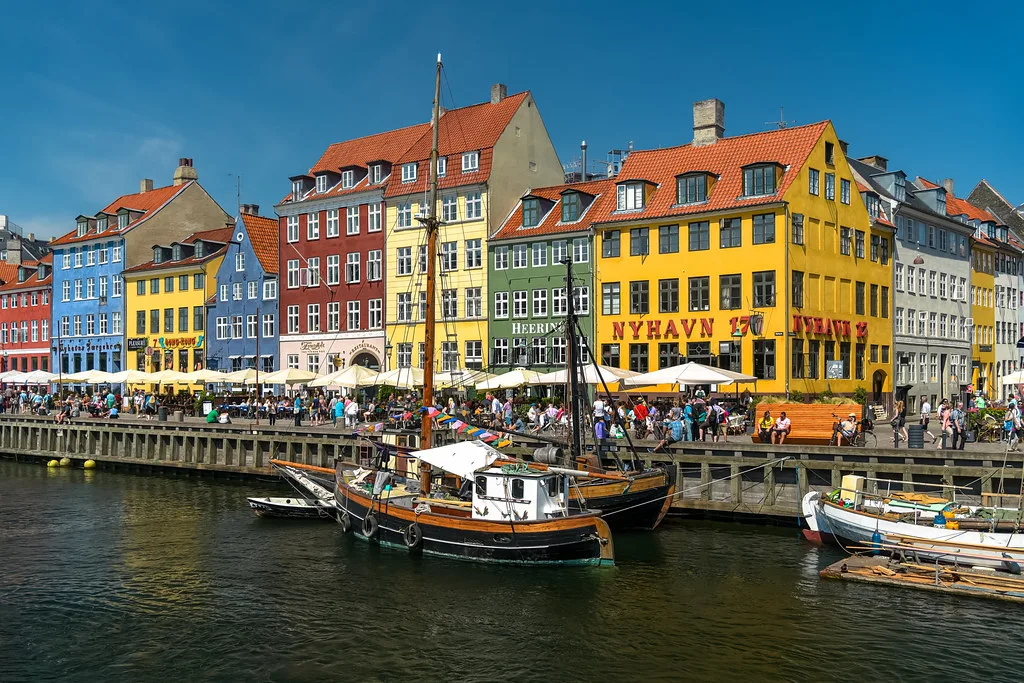
Start by 09:00 at Nyhavn. The canal's colorful 17th-century townhouses are the city's most photographed scene, and the morning light is ideal before tour groups arrive around 10:30. Hans Christian Andersen lived here at three different addresses; plaques at numbers 18 and 20 mark the locations. Grab a coffee from one of the harborside cafés and walk the full length of the canal before the crowds build.
From Nyhavn, walk north (about 10 minutes) to Amalienborg Palace, the official residence of the Danish royal family. The courtyard is open to the public at no cost. The key timing detail: the Changing of the Guard ceremony happens at precisely 12:00 every day when the royal family is in residence. Plan your morning so you arrive at Amalienborg by 11:45 to secure a good vantage point. The ceremony lasts about 20 minutes and includes the Palace Guard marching from Rosenborg Castle — it is a genuine spectacle, not a tourist afterthought.
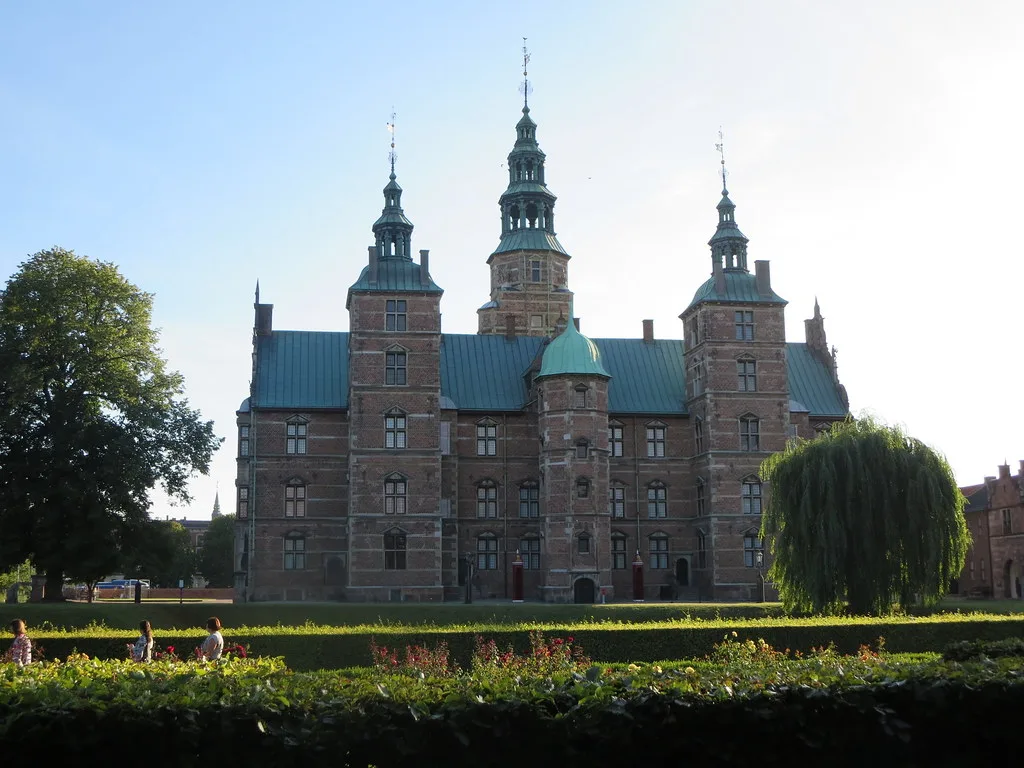
After the ceremony, take a 15-minute walk to Rosenborg Castle for the early afternoon. The castle (entry ~115 DKK / ~€15 per adult) holds the Danish crown jewels in its basement treasury — recently expanded with a new piece commissioned by Queen Mary upon her accession in 2024. Book tickets online at least two days ahead through the official Rosenborg Castle site, especially in summer; the treasury section has a fixed visitor quota and can sell out. The surrounding King's Garden (Kongens Have) is free to enter and makes a good picnic spot.
Spend the late afternoon on a canal cruise departing from Nyhavn or Gammel Strand. The one-hour tour passes the Opera House, the Black Diamond Library, and Christianshavn's canal-side houses. Return to Indre By for dinner. For traditional Danish smørrebrød (open-faced rye bread sandwiches), Det Lille Apotek on Store Kannikestræde is one of the oldest restaurants in the city and still serves excellent herring and roast beef versions. For something more contemporary, Høst on Nørre Farimagsgade offers a seasonal Nordic tasting menu at around 625 DKK per person.
Day 2: Trendy Districts, Street Food, and Tivoli Gardens
Begin Day 2 by 08:30 with a bakery run in the Indre By or Nørrebro area. Juno the Bakery (Århusgade 48, Østerbro) is the internationally famous option, known for its cardamom bun made with organic flour and a generous spice ratio. The queue typically forms by 09:00 and sells out of popular items by 10:30. Hart Bageri (Gammel Kongevej 109, Frederiksberg) is the local counter-recommendation — founded by a former Noma pastry chef, it is less tourist-oriented and tends to have shorter waits on weekday mornings. If you are visiting on a Saturday, go to Juno before 09:15 or skip the queue entirely and go to Hart. Both serve exceptional cardamom croissants; the Juno bun is denser and spicier while the Hart version is more laminated and buttery.
Mid-morning, walk or bike to Vesterbro and cross into Christianshavn. The Church of Our Saviour (Vor Frelsers Kirke) has a corkscrew external spire you can climb for panoramic city views — entry is around 60 DKK (~€8) and the views from the top rival any lookout in Copenhagen. From there, spend 30–45 minutes exploring Freetown Christiania, the self-governed neighborhood known for its murals and alternative culture. Photography is prohibited in certain sections; follow the posted signs and respect the community's rules.
For lunch, head to Torvehallerne KBH (Frederiksborggade 21, near Nørreport station). This covered food market has over 60 stalls and serves some of the best smørrebrød in the city alongside craft coffee, fresh oysters, and artisan cheeses. The Coffee Collective stall here is among the top specialty coffee spots in Scandinavia. Arrive by 12:00 on weekends to avoid the lunch rush. If you are visiting May through September, the harbor-side Reffen street food market is a good alternative — take bus 9A from Nørreport and enjoy food trucks with harbor views.
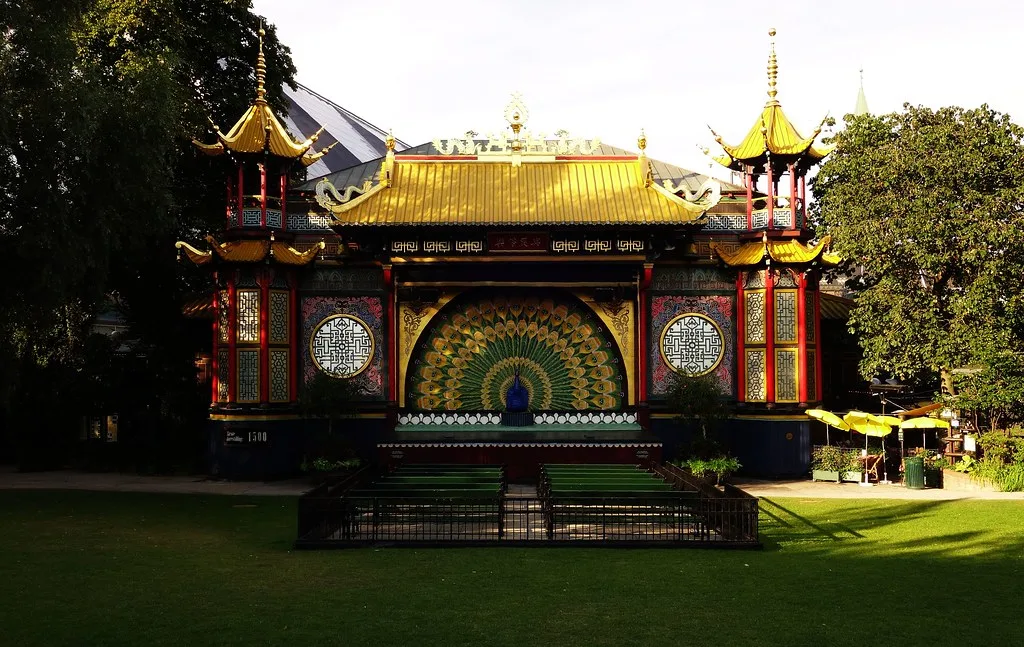
Dedicate the afternoon and evening to Tivoli Gardens (entry ~175 DKK / ~€23; check the official Tivoli site for all-day ride passes online for ~449 DKK / ~€60 to avoid per-ride fees). The park opens at 11:00 and runs until 22:00 or 23:00 on summer evenings. The wooden roller coaster, built in 1914, is still operating and is the park's most beloved ride. Stay for the Tivoli Illuminations light show, which begins around 22:00 — this is the pure hygge moment the city promises.
Where to Eat and Drink: Must-Try Danish Flavors
Danish food has moved far beyond the stereotype of open-faced sandwiches. Copenhagen holds more Michelin stars per capita than almost any city in Europe, and its street food and market scene is equally serious. For two days, focus on a mix: one traditional smørrebrød lunch, one sit-down Nordic dinner, and daily bakery stops.
The essential Danish flavors to seek out: smørrebrød (dark rye bread topped with herring, roast beef, or shrimp and remoulade), cardamom buns (kardemommesnurre), and æbleskiver (round pancake puffs served with jam and powdered sugar). Pair these with Coffee Collective specialty coffee or a local Mikkeller craft beer — Mikkeller Bar on Victoriagade in Vesterbro pours rotating taps from their own brewery.
For budget-conscious travelers, Torvehallerne KBH covers both lunch and snacks within a single market visit. Restaurant Puk near Nyhavn serves classic Danish fare at reasonable prices. For a splurge dinner, Barr on Strandgade in Christianshavn focuses on Nordic-influenced dishes with a strong natural wine list and sits in a former warehouse directly on the canal — a genuinely local alternative to the tourist-facing Nyhavn restaurants. Reservations are strongly recommended.
Is the Copenhagen Card Worth It? A Cost Breakdown
The Copenhagen Card covers free entry to over 80 attractions plus unlimited public transport, including the Metro to and from the airport. A 48-hour card costs 709 DKK (~€95) per adult in 2026. Whether it pays off depends entirely on how many paid attractions you visit.
Here is the math for this specific 2-day itinerary:
- Rosenborg Castle: ~115 DKK (~€15)
- Tivoli Gardens entry: ~175 DKK (~€23)
- Canal cruise (1 hour): ~105 DKK (~€14)
- Church of Our Saviour climb: ~60 DKK (~€8)
- Metro (4–6 rides at ~26 DKK each): ~130 DKK (~€17)
- Total without card: ~585 DKK (~€78)
At that level of usage, the 48-hour card at 709 DKK does not break even. You would need to add a museum visit — the National Museum (free normally, so check current pricing) or the Glyptotek (entry ~130 DKK) — or use airport transport both ways to push the total past the card price. Buy the card if: your itinerary includes 4+ paid attractions plus airport metro both ways, or you hate buying tickets at each stop and value the convenience. Skip the card if: you plan to walk most of the city, visit mainly free sights like Nyhavn and Amalienborg, and only take 2–3 metro rides.
Practical Tips for Navigating the City
The 15-minute metro ride from Copenhagen Airport (CPH) Terminal 3 to Kongens Nytorv station is the single most underrated logistical advantage of visiting Copenhagen on a short trip. Trains run every 4–6 minutes from early morning to midnight, and every 15–20 minutes overnight. This eliminates the need to allow extra hours for airport transfers at either end of your trip — unlike flying into Charles de Gaulle or Heathrow, you can genuinely plan to the minute.
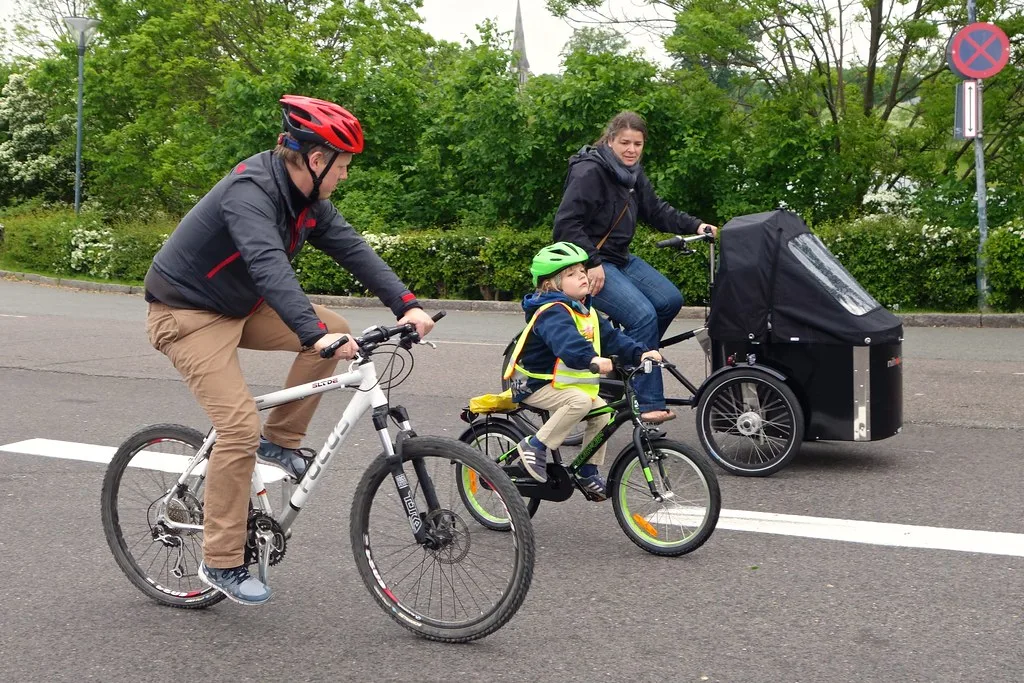
Cycling is the fastest way to move between neighborhoods during the day. Donkey Republic and Bycyklen both offer app-based rentals docked across the city. A 2-hour bike rental costs around 55–80 DKK and covers more ground than any metro line. The bike lanes in Copenhagen are physically separated from traffic and comprehensively signed — even first-time visitors navigate them comfortably. Riding between Nyhavn and Vesterbro takes about 12 minutes by bike versus 20+ minutes walking.
Book key attractions at least 2–3 days ahead in summer 2026. Rosenborg Castle treasury has limited daily capacity and sells out. Tivoli does not require advance booking for entry but the all-day ride pass is cheaper online. For Michelin-level restaurants, reservations often need to be made weeks or even months in advance. Casual spots in Vesterbro typically need a week's notice on weekends. Copenhagen is almost entirely cashless — there is no practical reason to carry DKK notes.
If you decide to stay longer, see my Copenhagen itinerary for 3 days for additional ideas including day trips to Roskilde and Kronborg Castle. The Copenhagen 5-day itinerary covers a full week's worth of neighborhoods, museums, and day excursions.
Frequently Asked Questions
Is 2 days enough for Copenhagen?
Yes, two days is enough to see the major highlights like Nyhavn and Tivoli. You can explore the central districts easily on foot. For a deeper dive, consider a longer stay.
How do I get from the airport to the center?
The train or metro takes only fifteen minutes to reach the city center. Trains run frequently from Terminal 3. It is one of the easiest airport transfers in Europe.
Do I need cash in Copenhagen?
Denmark is almost entirely cashless now. You can pay for everything with a credit card or mobile phone. I rarely see locals using physical Danish Krone anymore.
Copenhagen in 2 days offers a perfect blend of history, food, and modern culture. By following this itinerary, you will see the best of the city without feeling rushed. Remember to book your top attractions in advance to ensure a smooth trip. I hope you enjoy the unique hygge atmosphere of this wonderful Scandinavian capital.
If you need more planning help, check our Copenhagen 5-day itinerary for extended trips. The city is waiting to be explored, whether by boat, bike, or foot. Safe travels and enjoy every moment of your forty-eight hours in Denmark. It is a trip you will likely remember for a very long time.
You might also like
Continue reading
More guides you'll find useful