
Copenhagen 5 Day Itinerary: The Ultimate First-Timer Guide
Plan the perfect 5 days in Copenhagen with our day-by-day itinerary. Includes top sights, day trips, budget tips, and a Copenhagen Card guide.
On this page
Copenhagen 5 Day Itinerary: A Perfect Five-Day Trip
I built this Copenhagen 5 day itinerary after my third trip to the Danish capital. This guide is designed for first-time visitors who want a mix of history, canal life, and genuine local culture. Copenhagen is a city where 17th-century royal palaces sit next to cutting-edge sustainable architecture and some of the world's best street food.
I refreshed this guide in 2026 to ensure all pricing and logistics are current. The city is surprisingly walkable, but renting a bike unlocks the full Copenhagen experience. My goal is to help you find the right balance of famous landmarks and everyday Danish life.
Five days gives you time to see the core sights, fit in a day trip to Sweden or a castle, and still have unhurried mornings in a bakery. If you want fewer days, a 3-day Copenhagen guide is also available. Otherwise, follow this sequence for a complete first visit.
At a glance
- Duration: 5 days (ideal for a first visit)
- Best time: May–September for long daylight; December–February has hygge vibes but only 7 hours of daylight
- Getting there: Copenhagen Airport (CPH) is 6 km south; metro to city centre costs DKK 36 and takes 14 minutes
- Estimated budget: EUR 80–120/day on food + transport; attractions EUR 15–25 each (or EUR 118 for 5-day Copenhagen Card)
- Main transport: Bike rental (DKK 100–150/day), metro, or walk; 390 km of dedicated bike lanes
5-Day Copenhagen Itinerary: At a Glance
This summary gives you the full week at a glance before you read each day in detail. Each day focuses on one main district to minimize commuting time between stops. The pace is moderate — expect six to eight active hours per day with breaks built in.
Most major attractions open at 10:00 and close between 17:00 and 18:00. Tivoli Gardens is the exception: it stays open until 23:00 in summer and is worth an evening visit. Book timed entry for Rosenborg Castle, the Church of Our Saviour, and Tivoli at least three days ahead.
- Day 1 — Historic Heart: Rosenborg Castle, King's Garden, Round Tower, Strøget
- Day 2 — Castles and Tivoli: Frederiksborg Castle day trip, Tivoli Gardens by evening
- Day 3 — Canals and Counterculture: Christiansborg Palace, Freetown Christiania, Reffen Street Food
- Day 4 — Waterfront Icons: Canal tour, Nyhavn, Little Mermaid, Glyptoteket
- Day 5 — Modern Copenhagen: Black Diamond library, Danish Architecture Center, Amalienborg, Nørrebro farewell dinner
Day 1: Historic Heart, Royal Palaces, and Strøget
Start your first morning in Indre By, the oldest part of Copenhagen. Begin with a brunch board at one of the Latin Quarter cafés — the Danish small-plates format lets you mix pastries, cheese, and eggs to your taste. Doors open around 8:30 at most spots, giving you a relaxed start before the castle queues build.
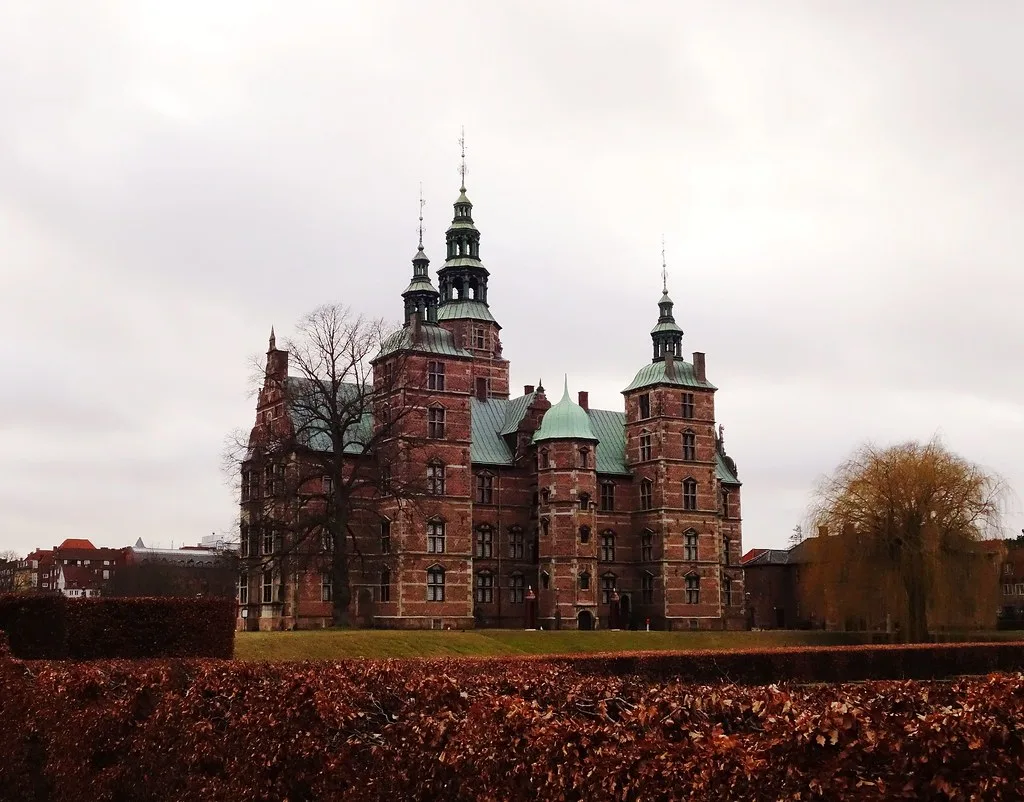
At 10:30, head to Rosenborg Castle in the middle of Kongens Have (King's Garden). Adult entry costs around DKK 160 (roughly EUR 21) in 2026. The interior is packed with royal treasures from 400 years of Danish monarchy, including the Crown Jewels in the basement vault. Pre-book a timed slot on the castle's website to avoid waiting.
After Rosenborg, walk ten minutes west to the Round Tower (Rundetårn). The spiral ramp to the top takes about 15 minutes and gives a great panorama over the old city rooftops. From there, drop onto Strøget — a four-kilometre pedestrian shopping street running from Rådhuspladsen to Kongens Nytorv — for the afternoon. Dip into side streets like Læderstræde and Kompagnistræde for independent design shops alongside the international chains.
For the evening, stay in the Latin Quarter around Gråbrødretorv. The square fills up by 18:00 with locals finishing work, and most restaurants here are good value compared to the waterfront tourist spots. Pro Tip: The Botanical Garden and its iron-and-glass Palm House (Palmehuset) sit a short walk from Rosenborg and are free to enter — worth a 30-minute detour before heading to Strøget.
Day 2: Fairytale Castles and Tivoli Gardens Magic
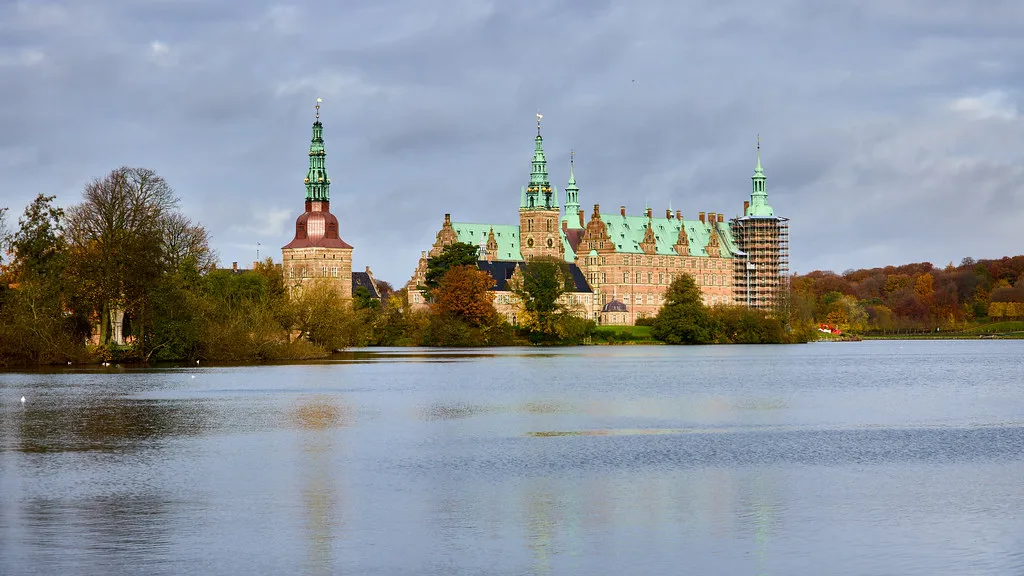
Take the S-train from Copenhagen Central Station to Hillerød — about 45 minutes — for a morning at Frederiksborg Castle. This Renaissance palace on a lake is one of Scandinavia's most photogenic buildings and houses the Museum of National History. Entry costs DKK 90 (around EUR 12) for adults. The baroque gardens behind the castle are free and ideal for a slow stroll before the return train.
Back in Copenhagen by early afternoon, you have two to three hours to recharge. Use them to explore the Vesterbro Meatpacking District (Kødbyen) for a late lunch — several good sandwich and smørrebrød counters operate here at half the price of central Copenhagen. This is also the neighbourhood to consider for your hotel if budget matters; see the accommodation section below.
Open Tivoli Gardens from around 17:00 to make the most of both the daytime rides and the evening atmosphere when the lights come on. A standard adult entry costs roughly DKK 150 (EUR 20); rides are extra or bundled in a "Tivoli Night Pass." Book online to skip the ticket queue, which can exceed 40 minutes on summer evenings. Pro Tip: The Tivoli Food Hall inside the park is far cheaper than the sit-down restaurants — grab a meal there and spend the savings on rides.
Day 3: Canals, Christiansborg, and Freetown Christiania
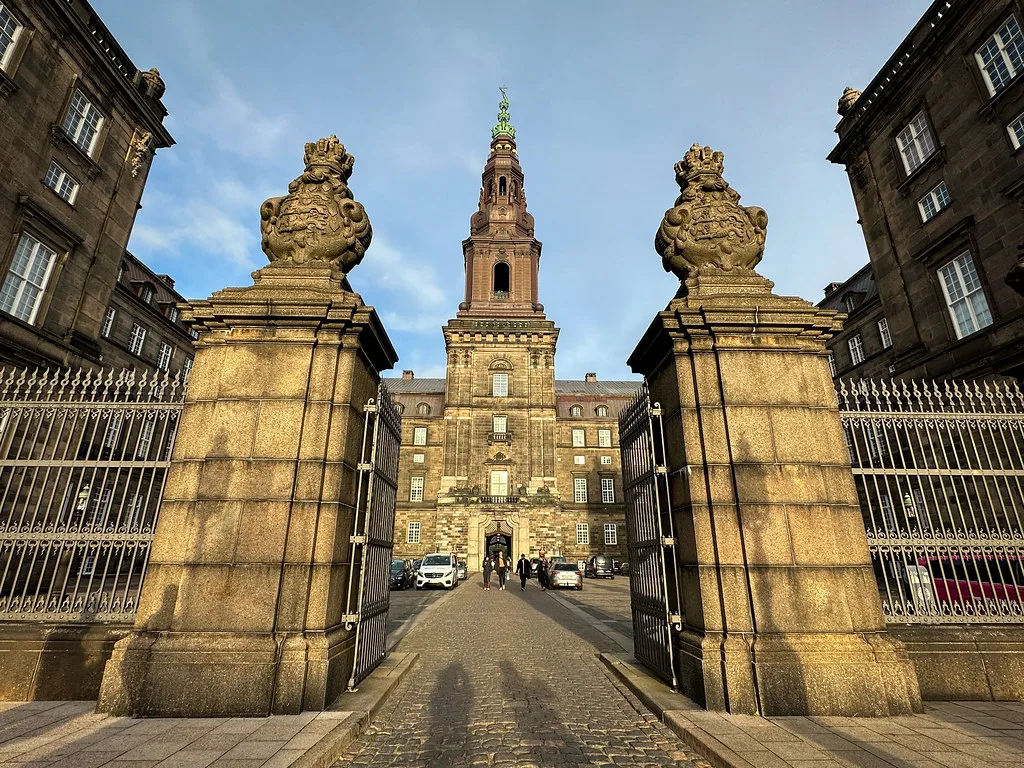
Day 3 focuses on the island of Slotsholmen, the political heart of Denmark. Start at Christiansborg Palace, the seat of Parliament, the Supreme Court, and the Royal Reception Rooms. Tower entry is free and gives the best 360-degree view in the city — better than the Round Tower because you can see the waterways from above. The royal reception rooms cost DKK 120 (around EUR 16) and require a timed ticket.
After Christiansborg, walk east across the short bridge into Christianshavn. Peek into the Garden of the Royal Library (Black Diamond courtyard) before heading toward the Church of Our Saviour. The spiral exterior staircase costs DKK 65 (EUR 9) to climb and is one of the city's best photo opportunities — but close in bad weather, so check before going. Book your slot in advance if you're visiting in high season.
In the afternoon, spend 60 to 90 minutes in Freetown Christiania. This self-governed community has existed since 1971 and covers 34 hectares of former military land. Photography is allowed in most areas except Pusher Street (where signs are explicit). The area is safe and fascinating; pick up a coffee at Månefiskeren café on the edge of the lake.
Round the day off with dinner at Reffen Street Food market on the waterfront in Refshaleøen. Open May through October, Reffen hosts around 60 street food stalls representing 40 nationalities. A full meal costs EUR 12 to 18 — a fraction of what New Nordic restaurant dining costs. Take bus 9A or rent a bike to reach it. Pro Tip: Reffen closes for winter; if you're visiting outside summer, the Torvehallerne market near Nørreport is the best indoor food-hall alternative.
Day 4: Waterfront Icons, Nyhavn, and Art Museums
Begin Day 4 with a 60-minute canal tour departing from Ved Stranden 26 near Højbro Plads. The "Grand Tour" by Stromma costs DKK 119 (EUR 16) and covers Nyhavn, the Opera House, Christianshavn, and the harbour. Book tickets at VisitCopenhagen or at the dock. Sit near the front for the best views and check the timetable in advance — morning departures run every 30 minutes.
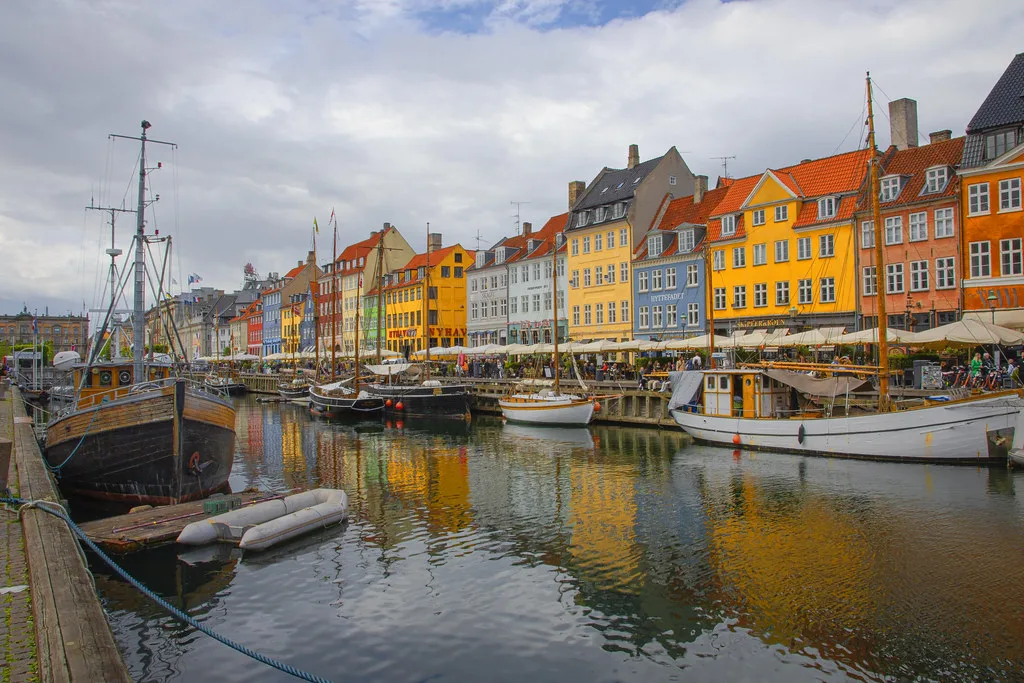
From the boat, walk north along the harbour to Nyhavn. The row of brightly painted 17th-century merchant houses is the most photographed scene in Copenhagen. Arrive before 11:00 for clean shots; by noon the terrace restaurants fill up. Hans Christian Andersen lived at both No. 20 and No. 67. Continue north to the Kastellet fortress — a five-pointed star fort still used by the military — and the Little Mermaid statue a short walk beyond. The statue is small (about 1.25 metres tall) but the waterside setting is genuinely lovely. Pro Tip: Skip the trampolines installed into the harbour promenade near Nyhavn — they are a short novelty and will eat 20 minutes of your morning.
In the afternoon, visit the Glyptoteket museum on H.C. Andersens Boulevard. It houses an outstanding collection of French Impressionist paintings and Egyptian antiquities under a stunning glass winter garden. Entry costs DKK 125 (EUR 17); free on Tuesdays. Allow two hours. For the evening, the craft beer bars of Vesterbro are a ten-minute walk away — Mikkeller Bar on Victoriagade is the name most Copenhageners will recommend.
Day 5: Modern Design, Local Breakfast, and Farewell to Copenhagen
Spend your last morning in the southern harbour area, where Copenhagen's newest architecture is concentrated. The Black Diamond (Den Sorte Diamant) is the Royal Danish Library extension — a black granite building cantilevered over the waterfront. Entry to the reading rooms and river-facing café is free. The view from the top-floor balcony over the Inner Harbour is worth 20 minutes of your time.
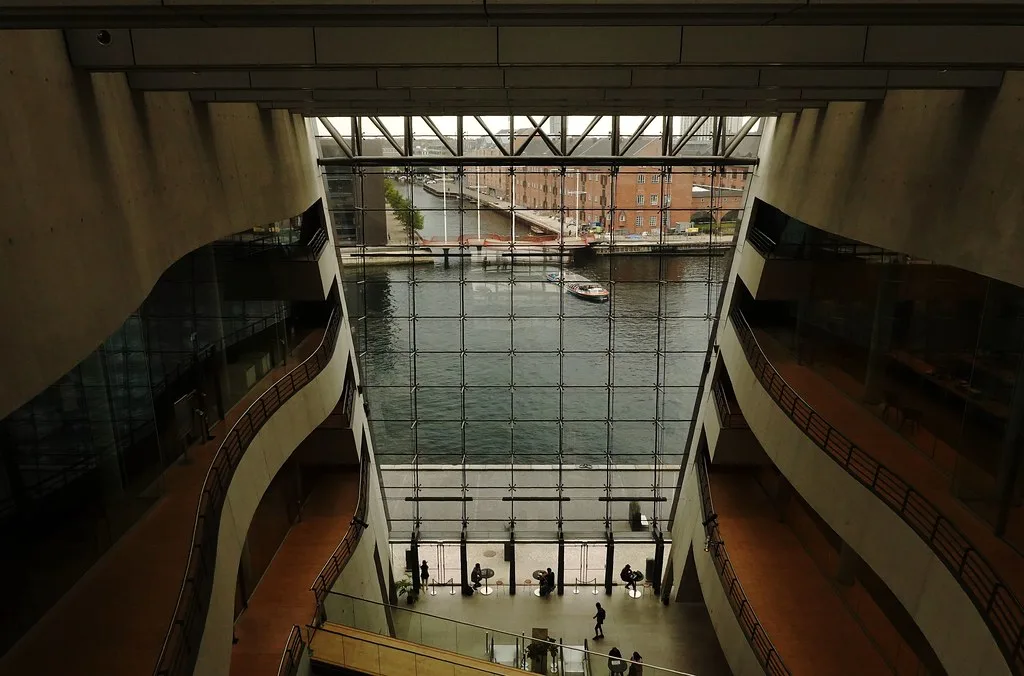
Next door, the Danish Architecture Center at BLOX covers 1,000 years of Danish building, from Viking longhouses to the current sustainability movement. Adult entry costs DKK 145 (EUR 19). Allow 90 minutes. After that, walk north to Amalienborg Palace to catch the changing of the guard at 12:00 daily. The ceremony takes about 20 minutes. The museum inside Christian VIII's Palace costs DKK 105 (EUR 14) and is the most personal of the Copenhagen palace interiors — fewer tourists, more genuine royal atmosphere.
Spend your afternoon in Nørrebro for a genuinely local farewell dinner. The neighbourhood has the best value food in central Copenhagen, anchored by Jægersborggade — a small street with independent bakeries, wine bars, and kitchens where locals actually eat. The area also has one of the city's best flea markets (Ravnsborggade) if you want a final browse for ceramics or vintage Danish design. Pro Tip: Pick up a bag of the local coffee at The Coffee Collective's Jægersborggade roastery before you leave — it is one of the most acclaimed specialty roasters in Northern Europe and costs EUR 14 for 250g.
Best Copenhagen Day Trips
With five days, you have the luxury of one full day outside the city. The most popular trip is to Helsingør (45 minutes by train from Copenhagen Central) to see Kronborg Castle — the fortress that inspired Shakespeare's Hamlet. Trains depart every 20 minutes and cost around DKK 100 (EUR 13) return. On the same train line, stop at the Louisiana Museum of Modern Art in Humlebæk for world-class sculpture gardens right on the Øresund coast.
| Destination | Travel Time | Transport Cost | Main Attraction | Entry Cost | Best For |
|---|---|---|---|---|---|
| Helsingør | 45 min | DKK 100 return | Kronborg Castle (Hamlet fortress) | DKK 130 (EUR 17) | History & Shakespeare fans |
| Malmö, Sweden | 35 min | DKK 80 return | Gamla Staden (Old Town) & Turning Torso | Free to explore | International day trip, Swedish architecture |
| Frederiksborg Castle (Hillerød) | 45 min | DKK 100 return | Renaissance palace museum | DKK 90 (EUR 12) | Baroque gardens, national history |
| Roskilde | 30 min | DKK 70 return | Viking Ship Museum | DKK 175 (EUR 24) | Viking history, waterfront setting |
| Humlebæk | 30 min | DKK 80 return | Louisiana Museum (modern art) | DKK 150 (EUR 20) | Sculpture gardens on Øresund coast |
All of these are covered by the Copenhagen Card, which also includes the train fare. Check current timetables at DOT (Public Transport) before your trip. Malmö and Helsingør can be combined into one long day if you leave Copenhagen by 09:00.
How to Get Around Copenhagen
Copenhagen has four main transport modes: metro, S-train, bus, and the harbour ferry (Havnebussen). The metro (M1–M4) is the fastest and most reliable option for moving between neighbourhoods. A single-zone ticket costs DKK 26 (EUR 3.50) and covers 60 minutes of unlimited transfers. The DOT Rejseplanen app plans every route in the region and is the single most useful tool you will download before arriving.
The harbour ferry (lines 901–992) connects Nørreport, Nyhavn, the Opera House, and Refshaleøen. A single trip costs the same as a bus fare and is covered by the Copenhagen Card. It is far more scenic than the bus — take it at least once on Day 3 or Day 4 when you are moving between Slotsholmen and the waterfront.
Renting a bike is the most local way to navigate the city and significantly faster than walking for cross-district trips. Most rental shops charge DKK 100 to 150 (EUR 14 to 20) per day. The city's infrastructure is exceptional: 390 kilometres of dedicated bike lanes, green-wave traffic lights on major cycling routes, and free pumps at most intersections. Donkey Republic is the main app-based rental service with bikes at over 200 stations citywide.
Cycling Etiquette for Visitors
Copenhagen cycling works because locals follow a consistent set of rules — and tourists who ignore them create real friction. Here are the four rules that matter most. First, always ride in the red-painted bike lane, never on the footpath beside it. Second, signal with your arm (left hand out for left turns, right hand out for right) — bell-ringing is for emergencies and pedestrians, not directions. Third, at intersections, stop at the marked line and wait for the dedicated bike signal (the small green bicycle light), not the pedestrian signal. Fourth, if you are slow or uncertain, keep to the right side of the bike lane so faster cyclists can pass on your left. Breaking these rules does not get you fined as a tourist, but it will earn you loud, legitimate irritation from commuters.
Is the Copenhagen Card Worth It for 5 Days?
The Copenhagen Card (sold as the "Discover Card" through GetYourGuide) covers unlimited public transport across the capital region and free entry to 80+ attractions. The 120-hour (5-day) version costs around DKK 879 (roughly EUR 118) per adult in 2026. That sounds steep until you add up individual entries.
Based on the attractions in this specific five-day itinerary, here is a rough comparison of out-of-pocket costs versus card cost:
- Rosenborg Castle: DKK 160
- Frederiksborg Castle: DKK 90
- Tivoli Gardens entry: DKK 150
- Christiansborg Tower + Rooms: DKK 120
- Church of Our Saviour: DKK 65
- Glyptoteket: DKK 125
- Danish Architecture Center: DKK 145
- Amalienborg Museum: DKK 105
- Canal tour (Stromma Grand Tour): DKK 119
- 5 days metro/bus/ferry (approx. 3 trips/day × DKK 26): DKK 390
That totals roughly DKK 1,469 (EUR 197) paid individually versus DKK 879 (EUR 118) for the card — a saving of around EUR 79. The card makes clear financial sense for this pace. It does not cover Tivoli ride passes, Royal Danish Opera tickets, or attractions at Reffen. For slower itineraries with only one or two paid entries per day, the card is less compelling; use the Savings Calculator on the Copenhagen Card official site to check your own numbers.
Where to Stay in Copenhagen on a Budget
Choosing the right neighbourhood matters for a five-day itinerary. Indre By (the city centre) is the most convenient location and puts Rosenborg Castle, Strøget, and Nyhavn within walking distance of most hotels. Prices reflect that convenience — expect to pay EUR 150 to 250 per night for a mid-range hotel here.
| Neighbourhood | Distance to Centre | Vibe | Mid-Range Hotel Price/Night | Best For |
|---|---|---|---|---|
| Indre By | City centre | Historic, touristy, bustling | EUR 150–250 | First-timers, walkable convenience |
| Vesterbro | 10 min walk | Trendy, foodie scene, unpretentious | EUR 100–160 | Best value, great restaurants, nightlife |
| Nørrebro | 20 min metro/bike | Local, multicultural, café culture | EUR 80–130 | Budget travellers, authentic Danish life |
| Christianshavn | 5 min metro | Canal-side, calm, artsy | EUR 110–180 | Quiet evenings, close to Christiania & Day 3 |
Budget tip: Next House Copenhagen in Vesterbro is the most frequently recommended hostel for this type of trip. A shared dorm pod costs roughly DKK 200 to 250 (EUR 27 to 34) per night. The building has a rooftop bar, cinema, gym, and a communal hostel dinner for DKK 69 (around EUR 9). Solo travellers in particular benefit from the daily social events. Whatever you book, confirm it sits within 300 metres of a metro or bus stop — Copenhagen's transport is excellent but walking 25 minutes to a station at the end of a long day is draining.
Is 5 Days in Copenhagen Enough?
Many travellers ask how many days they really need here. Five days is the ideal duration for a first visit — enough for three full days of city sightseeing, one day trip outside the city, and one slower "local" day in a neighbourhood like Nørrebro or Vesterbro. If you are visiting in autumn or winter, the shorter daylight hours (sunset at 15:30 in December) make five days even more important, as you simply cannot pack as many outdoor activities into each day.
A 2-day itinerary is possible if you have limited time, but you will skip the day trips, most of the museums, and the neighbourhood experience that makes Copenhagen memorable. Five days also means you avoid the burnout that comes from trying to see everything in 48 hours. The Danish concept of hygge — unhurried cosiness, long dinners, slow mornings — is completely inaccessible if you are sprinting between landmarks.
Frequently Asked Questions
Is the Copenhagen Card worth it for 5 days?
Yes, the card is usually worth it if you visit at least two attractions daily. It covers all transport and entries to major castles. We saved significant money using the 120-hour version.
Can you do a day trip to Sweden from Copenhagen?
You can easily reach Malmö, Sweden, in about 35 minutes by train. Trains run frequently from the Central Station across the bridge. It is a very common and simple international day trip.
Is Copenhagen expensive for tourists?
Copenhagen is known for being expensive, especially for dining and alcohol. Expect to pay $20-$30 for a basic mid-range lunch. Using street food markets like Reffen Street Food helps keep costs down.
Five days in Copenhagen offers a wonderful introduction to the charms of Scandinavia. You will leave with a deep appreciation for Danish design, history, and the relaxed pace of life. I hope this guide helps you plan an unforgettable journey to this beautiful northern city.
Remember to pack a good pair of walking shoes and a waterproof jacket. Copenhagen is waiting to be explored, whether you are on two wheels or on foot. Safe travels on your upcoming Danish adventure!
You might also like


Continue reading
More guides you'll find useful


