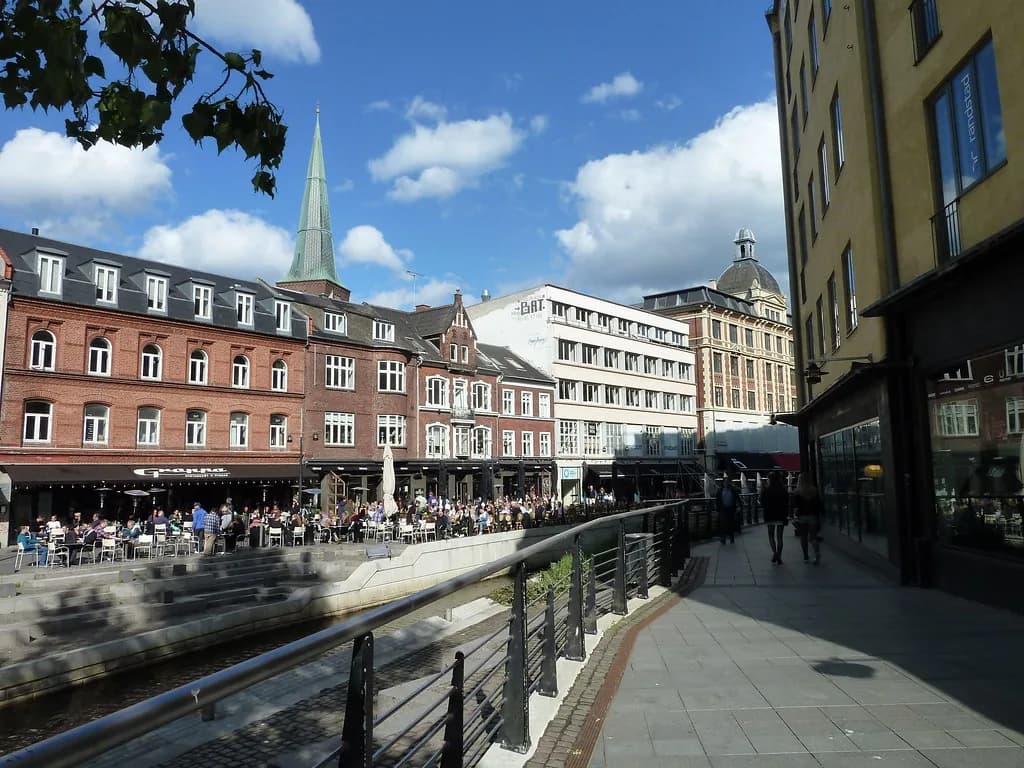
Aarhus Itinerary 2 Days: The Perfect 48-Hour Guide
Plan the perfect aarhus itinerary 2 days with our hour-by-hour guide. Includes top museums, hidden cobblestone streets, and local street food tips.
On this page
The Ultimate Aarhus Itinerary 2 Days
Aarhus is the perfect spot for a quick Danish getaway. I built this 2-day Aarhus itinerary after my third visit to Jutland. This guide helps first-timers see the best sites without feeling rushed. My notes were last refreshed for 2026 to make sure every price and hour is current.
Many people ask how many days in Aarhus are truly necessary. Two days allow you to see the historic heart and modern coast. You will find a mix of Viking history and futuristic design here. I love how walkable this city feels compared to larger capitals.
Expect to find cozy cafes tucked away in narrow cobblestone alleys. The city offers world-class museums and a vibrant street food scene. We found that 48 hours is the ideal duration for most visitors. Check out our blog for more Danish travel inspiration.
Planning Your 2-Day Aarhus Trip
At a glance
- Duration: 2 days (48 hours)
- Best time: April–October (Infinite Bridge open)
- Typical cost: 1,500–2,500 DKK per person (hotels, museums, dining)
- Getting there: Train from Copenhagen (2 hrs 45 min) or FlixBus (3.5 hrs)
- Main sites: ARoS, Den Gamle By, Latin Quarter, Marselisborg
This summary helps you visualize your 48-hour trip to Denmark's second city. We have grouped activities by neighborhood to minimize your transit time. Most major attractions are within a twenty-minute walk of each other. You can easily adjust these times based on your personal pace.
Day 1 focuses on the cultural core and the famous Latin Quarter. Day 2 takes you toward the sea and living history exhibits. Make sure to wear comfortable shoes for the many cobblestone streets. I recommend starting your mornings early to beat the museum crowds.
Keep this quick overview on hand while you pack. It gives you a balanced mix of paid sights and free local experiences. The AarhusCARD covers entry to ARoS, Den Gamle By, and all local buses — worth calculating before you buy individual tickets. Check the Visit Aarhus site for seasonal event updates before your trip.
- Day 1: Historic gems and rainbow views
- Morning: Explore the Latin Quarter and Møllestien Street.
- Late morning: Visit Aarhus Cathedral (free entry).
- Afternoon: ARoS Kunstmuseum and the Rainbow Panorama.
- Evening: Dinner at Aarhus Street Food near the harbor.
- Day 2: Living history and coastal air
- Morning: Step back in time at Den Gamle By open-air museum.
- Afternoon: Coastal walk at Marselisborg and the Infinite Bridge (April–October only).
- Evening: Walk through the modern Aarhus Ø district and see the Iceberg building.
Day 1: Historic Charm and Modern Art
Start your first morning in the Latin Quarter (Latinerkvarteret). This is the oldest part of the city and the place where Aarhus feels most like itself. I recommend grabbing a coffee at La Cabra before exploring further. The narrow streets — Klostergade, Graven, Mejlgade — are perfect for photography and window shopping.
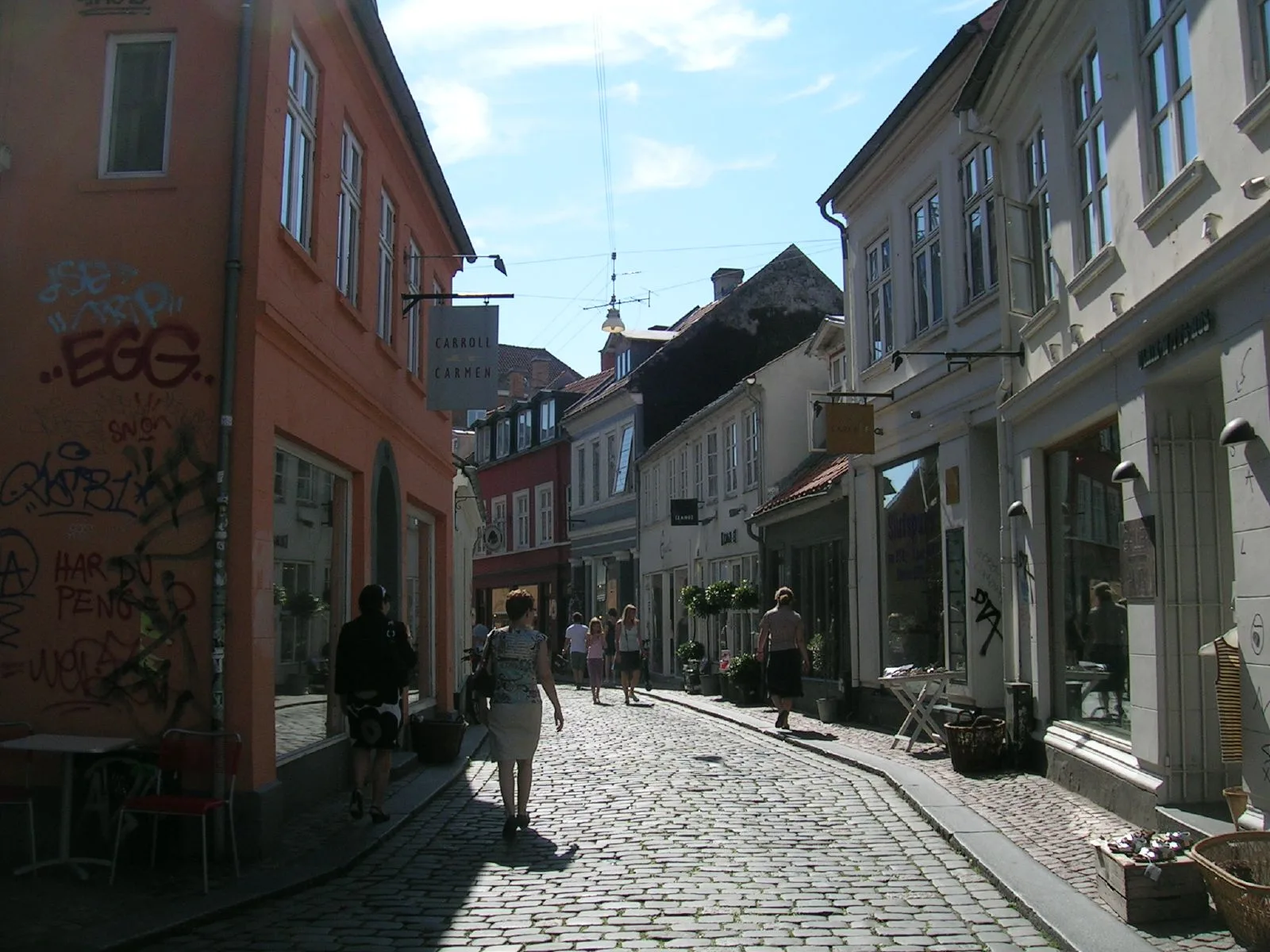
From the Latin Quarter, walk five minutes to Møllestien Street. This 240-meter cobblestone alley lined with colorful 19th-century townhouses is the most photographed street in the city. People still live here, so keep noise low and stay on the pavement. It is one of those spots that looks better in real life than in photos.
We found that visiting Aarhus Cathedral early avoids the mid-day tour groups. It is the tallest church in Denmark, dating from the 12th century. It is usually open daily from 10:00 to 16:00. Entrance is free, making it one of the best zero-cost stops on the itinerary.
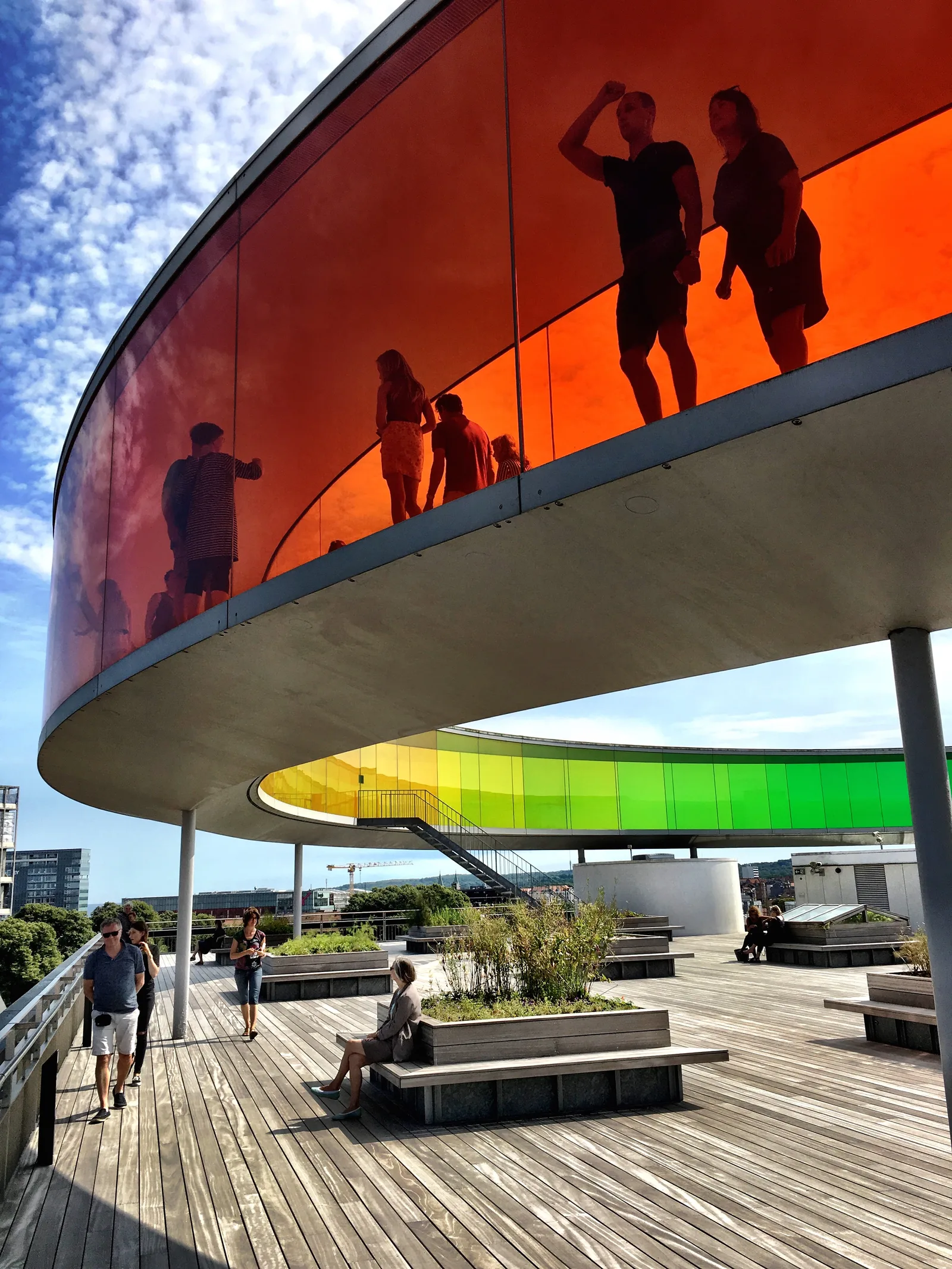
Spend your afternoon at ARoS Kunstmuseum. Standard adult tickets cost 175 DKK in 2026. The Rainbow Panorama on the roof — a circular glass walkway in all spectral colors — is the visual highlight of any Aarhus trip. ARoS stays open until 21:00 on weekdays, so you can also visit after dinner if you prefer the morning free. After ARoS, walk to the Salling Rooftop on Søndergade for a completely free second viewpoint. The glass skywalk is open 10:00–20:00 Monday to Friday, 10:00–19:00 Saturday, and 10:00–18:00 Sunday — no booking required. End the evening at Aarhus Street Food at Ny Banegårdsgade 46. The market runs 11:30–21:00 daily and offers dishes from Italy, Vietnam, Nepal, and Denmark under one roof.
Day 2: Coastal Views and Cultural Deep Dives
Start Day 2 at Den Gamle By, the open-air museum that walks you through 400 years of Danish history. Tickets range from 150 to 190 DKK depending on the month. The museum is open daily from 10:00 to 17:00. Buy tickets online to walk straight in — queues form by noon, especially in summer.
After Den Gamle By, the Botanical Garden (Botanisk Have) sits directly next door and is free to enter. The tropical greenhouses — four climate zones — are worth 30 minutes even if you skip the rest of the garden. It is a good decompression stop before heading south toward the coast.
In the afternoon, ride bus 18 from Park Allé to Marselisborg Dyrehave. The deer park is free and open from sunrise. The deer roam freely and will approach you on their own. One important detail most guides get wrong: feeding the deer is not permitted. The ban protects the herd from disease and prevents the animals from losing their natural foraging behavior. Enjoy watching them up close, but leave the carrots at home.
From the deer park, walk five minutes north to the Infinite Bridge (Den Uendelige Bro) at Ballehage Beach. This circular wooden pier sits right over the water and offers a 360-degree view of Aarhus Bay. It is free to walk on, but note it is only installed from April to October each year — the structure is stored in winter to protect the wood. Close the day at Aarhus Ø. Walk along the quay past the Iceberg building (Isbjerget), designed to resemble a floating iceberg, and on to Lighthouse — Denmark's tallest building at 142 meters. The neighborhood is about 20 minutes on foot from the city center.
Where to Stay in Aarhus
Choosing the right neighborhood depends on your travel style and budget. Aim for the "8000 Aarhus C" postcode — it covers the entire city center and puts you within walking distance of every Day 1 and Day 2 stop.
| Neighborhood | Vibe | Price Range | Distance to Center | Best For |
|---|---|---|---|---|
| Latin Quarter | Atmospheric, social | 800–1,200 DKK | Walking distance | Nightlife, cafes, character |
| Frederiksbjerg | Quiet, upscale local | 700–1,100 DKK | 15 min walk | Peaceful mornings, bakeries |
| Central Station | Functional, central | 500–700 DKK | 10 min walk | Budget travelers, train access |
The Latin Quarter is the most atmospheric option. You will be steps away from the best cafes and boutiques. However, this area can be noisy on Friday and Saturday nights when the bars fill up. It suits travelers who want maximum atmosphere over silence.
Frederiksbjerg is a quieter alternative with a very local, upscale feel. It is known for Jægergårdsgade, a street filled with excellent bakeries and restaurants. This area is about a fifteen-minute walk from the central station. I stayed here on my last trip and the morning bakery run became a daily ritual.
Budget travelers should look near Aarhus Central Station. WakeUp and CABINN both offer clean, functional rooms in the 500–700 DKK range per night. The location makes arriving and departing by train very simple. You can still walk to the main sights in ten minutes from either property.
How to Get to Aarhus
Most travelers arrive from Copenhagen. The DSB train is the most comfortable option and takes about 2 hours 45 minutes on fast services. Book the orange-ticket advance fares — from 99 DKK one-way — weeks ahead for the best price. Always reserve a seat separately, or you risk standing for the full journey.
The ferry via Kombardo Expressen is the most scenic route. A shuttle bus from Copenhagen connects to the ferry terminal at Sjællands Odde, and the whole journey takes about three and a half hours. It is similarly priced to the train and worth it if you want the experience on the water.
FlixBus is the cheapest option, running between central Copenhagen and Aarhus bus station for 100–150 DKK. The journey takes roughly three and a half hours. Buses drop off directly next to the train station, which makes the transition seamless.
If you are flying from abroad, Billund Airport serves the most international routes, including London, Stockholm, and Reykjavík. Take a bus to Vejle and a train onward to Aarhus — total journey time is about 60 minutes. Aarhus Airport (45 minutes away by shuttle bus) serves London and a handful of other European destinations.
Best Time to Visit Aarhus
Summer (June to August) is the most popular time to visit. Days are long, outdoor terraces fill up, and all seasonal attractions — the Infinite Bridge, Havnebadet harbor baths, coastal cycling routes — are fully operational. Expect higher hotel prices and more crowds at ARoS and Den Gamle By.
Shoulder season (April–May and September–October) is the sweet spot for most visitors. Prices are lower, queues are shorter, and the city is still lively. The Infinite Bridge opens in April, making it accessible from the start of spring. Weather is mild but bring a rain layer.
Winter visits have their own appeal, especially November and December. Den Gamle By transforms into a Christmas village with themed markets and period decorations. The Salling Rooftop becomes a lit-up Christmas terrace. The Infinite Bridge is down and the harbor baths are closed, but the cozy indoor atmosphere is very much the point of a winter trip.
One practical note: Danish weather is unpredictable in every season. Pack a compact rain jacket regardless of when you visit. Even July gets wet days. This applies equally whether you are exploring the cobblestone streets or cycling along the coast.
Is Aarhus Expensive?
Yes — Aarhus is expensive, as is all of Denmark. That said, it is cheaper than Copenhagen, and the gap adds up over two days. Mid-range hotels in the city center typically run 700–1,100 DKK per night. Budget options like WakeUp and CABINN start closer to 500 DKK.
Museum entry fees are the biggest variable in your budget. ARoS costs 175 DKK per adult. Den Gamle By runs 150–190 DKK depending on the month. Moesgaard Museum is 160 DKK. The AarhusCARD bundles most museum entries plus unlimited city buses — worth running the numbers before you buy individual tickets if you plan three or more museum visits.
Dining is where costs add up fastest. A sit-down lunch easily runs 150–200 DKK per person. Dinner at a mid-range restaurant is 250–350 DKK. Aarhus Street Food is the best budget option for a full meal — most stalls charge 80–120 DKK for a plate. The Salling Rooftop is free, and the Cathedral is free — build free stops around your paid ones to balance the daily spend.
A practical note: cash is rarely needed anywhere in Aarhus. Every museum, cafe, and transport service accepts card payment. A Wise card avoids foreign transaction fees if you are traveling from outside Denmark.
Aarhus vs. Copenhagen: Which Should You Choose?
Copenhagen is a full metropolitan capital with nearly 700,000 residents, major international landmarks, and a much larger tourist infrastructure. Aarhus has just over 300,000 people and feels like a compact, walkable city where the crowd thins out quickly. You can cross the entire city center in Aarhus in thirty minutes on foot.
Both cities have excellent museums and strong food scenes. Copenhagen wins on sheer volume — more options, more variety. Aarhus wins on atmosphere and cost. A mid-range hotel in Aarhus typically costs 20–30% less than an equivalent in Copenhagen. Restaurants are similarly cheaper. The Latin Quarter in Aarhus is the purest expression of hygge you will find in Denmark.
If you are choosing between the two for a single trip: Copenhagen if you want iconic Scandinavian landmarks and a big-city energy. Aarhus if you prefer cozy streets, shorter queues, and a slower pace. If you have five or more days, do both — the train takes under three hours and the cities complement each other well. Many travelers wonder is one day enough in Aarhus before deciding how to split their time between the two.
Essential Aarhus Travel Tips
Book ARoS and Den Gamle By tickets online before you arrive. Both can be purchased through their official sites and will save you the ticket queue on busy weekend mornings. A timed slot for the Rainbow Panorama walkway is recommended in July and August.
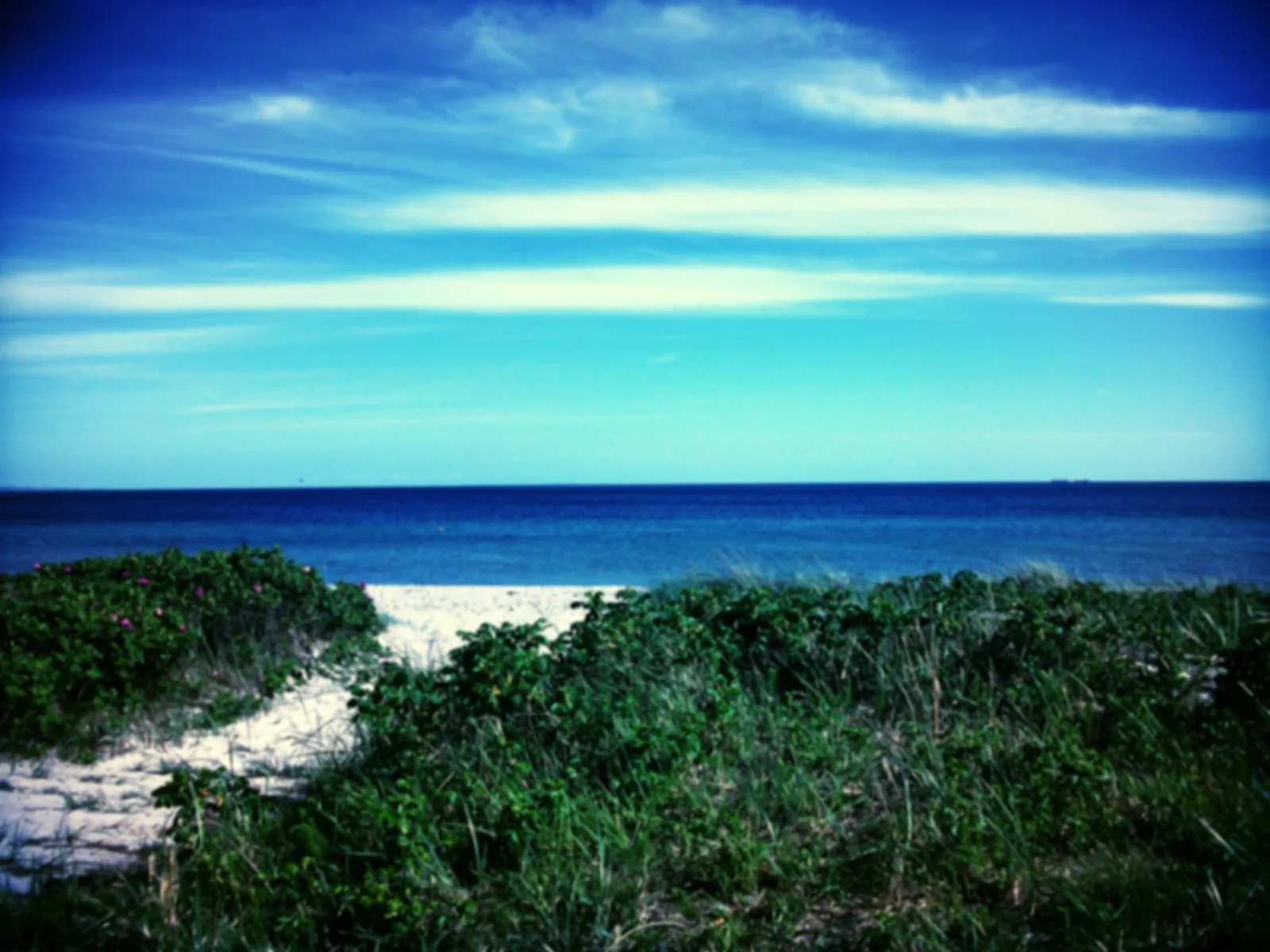
The Infinite Bridge is seasonal — April to October only. If your trip falls in November through March, it will not be there. Check the current installation status on Google Maps before you plan your Day 2 coastal visit around it.
Aarhus is very cycleable. Donkey Republic orange bikes are available via their app and offer affordable hourly rentals. Return bikes to a designated drop point or you will be charged an out-of-zone fee. Cycling south along the coast to Marselisborg and Ballehage Beach takes about 20 minutes from the city center and is one of the best free activities in the city.
The Viking Museum is a small but worthwhile free stop under the Nordea bank on Clemens Torv. It displays actual Viking-era remains discovered during the bank's construction. It takes about 30 minutes and fits neatly into a morning in the Latin Quarter. The museum is open Monday to Friday during standard business hours — check ahead if visiting on a weekend.
Extend to 3 Days: Moesgaard Museum
If you have a third day, the Moesgaard Museum is essential. It sits in a landmark building with a grass-covered roof you can walk up for forest views. The museum covers the Stone Age through to the Viking Age with some of the best archaeological displays in Scandinavia.
The star exhibit is the Grauballe Man, a bog body dating from the Iron Age. The level of preservation is remarkable — facial features, fingerprints, and even stomach contents are still visible. I spent four hours here on my last visit and felt rushed by the end.
Take bus 18 from Park Allé in the city center. The journey takes about 25 minutes. Adult tickets cost 160 DKK and children enter for free. The museum is usually closed on Mondays during winter, so verify the schedule before you go.
Frequently Asked Questions
Is 2 days enough for Aarhus?
Yes, 48 hours is the perfect amount of time to see the main highlights. You can visit the major museums and explore the coast comfortably. Most attractions are close together, making it easy to walk everywhere.
Is the AarhusCARD worth it for a 2-day trip?
The card is worth it if you plan to visit at least three major museums. It covers entry to ARoS and Den Gamle By plus all local transport. Calculate your entry fees first to ensure you save money.
Can you walk everywhere in Aarhus?
The city center is very compact and perfect for exploring on foot. You only need a bus or bike for coastal spots like the Infinite Bridge. Walking allows you to discover the hidden alleys of the Latin Quarter.
Aarhus is a hidden gem that offers a perfect blend of old and new. This 2-day itinerary ensures you experience the very best of the city. From rainbow rooftops to ancient bog bodies, the variety is truly impressive. I hope you enjoy your time in Denmark's happiest city as much as I did.
Remember to pack a raincoat and comfortable walking shoes for your trip. The Danish weather can be unpredictable even during the summer months. Safe travels as you explore the cobblestone streets and modern harbors. Aarhus is waiting to show you its unique charm and coastal beauty.
You might also like



Continue reading
More guides you'll find useful