12 Best Aarhus Attractions and Essential Travel Guide (2026)
Discover the 12 best Aarhus attractions, from the ARoS Rainbow Panorama to the historic Old Town. Includes expert tips on where to stay, transport, and timing for 2026.
On this page
12 Best Aarhus Attractions and Essential Travel Guide
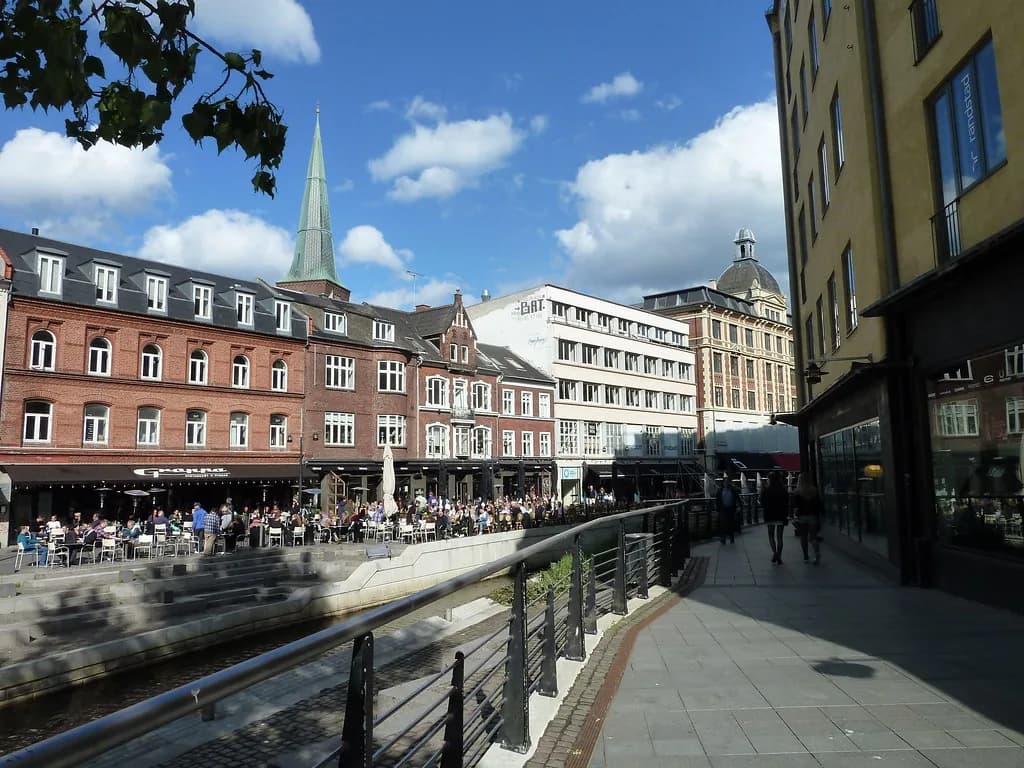
Aarhus sits on the eastern coast of the Jutland peninsula and balances ancient Viking history with daring modern architecture in a way few European cities manage. It is smaller and more walkable than Copenhagen but punches well above its weight for culture, food, and design. Most major sights cluster within a two-mile radius of the central station, which makes it one of the easiest cities in Scandinavia to explore without a car.
This guide covers the 12 best Aarhus attractions in detail, along with practical sections on where to stay, how to get here, and how to stretch your budget. Whether you have a single day or a long weekend, the structure below helps you prioritize without feeling rushed.
Copenhagen vs. Aarhus: Which Should You Visit?
Copenhagen is Denmark's international showpiece — a grand, fashion-forward capital with world-class restaurants and around 700,000 residents. Aarhus has just over 300,000 people and feels more like a creative, student-filled community. You can walk from the cathedral to the harbor in under 15 minutes; the same journey in Copenhagen would require a metro ride.
The crowd difference is significant. Copenhagen draws millions of tourists annually; Aarhus draws far fewer and rewards visitors with shorter museum queues and a noticeably friendlier street energy. Hotels and restaurant meals also run roughly 10–20% cheaper on average, though both cities are expensive by European standards.
If you want grand royal palaces and a harbor lined with Michelin restaurants, choose Copenhagen. If you want world-class museums, cobblestone lanes, and modern harbor architecture at a more manageable pace, Aarhus is the better pick. Many travelers now combine both cities: it is only three hours by train and a single-night addition to a Copenhagen trip.
Check out our full guide on things to do in Aarhus for a city overview alongside the specific attractions below.
ARoS Aarhus Kunstmuseum: The Rainbow Panorama
ARoS is the most visited museum in Denmark outside Copenhagen, and the reason is immediately obvious. On the roof sits "Your Rainbow Panorama," a circular glass walkway designed by Olafur Eliasson — 150 meters long, 3 meters wide, and made entirely from colored glass spanning the full spectrum. As you walk around, the 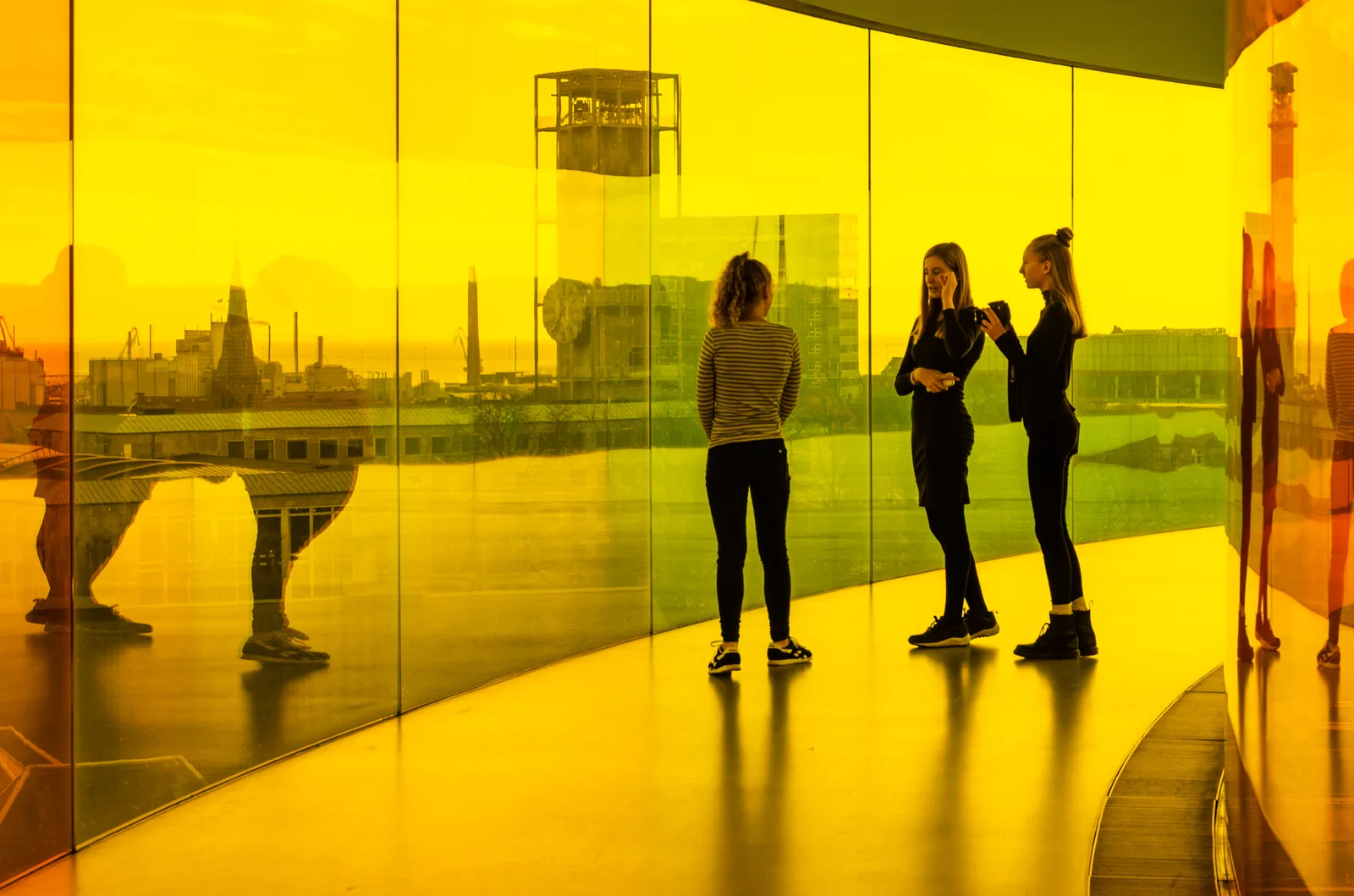
Inside the building, look for the giant Ron Mueck sculpture "Boy" — a 4.5-meter hyperrealistic crouching child that stops most visitors in their tracks. The permanent collection focuses on Danish art from the 18th century onward, but the temporary exhibitions are often the strongest reason to visit. Adult tickets cost 175 DKK (approximately 24 EUR) and include the rooftop walkway.
For the best experience on the Rainbow Panorama, arrive between 16:00 and 18:00 on a clear day. The late-afternoon sun creates the most dramatic color shifts through the glass, and the crowd is thinner than the midday peak. The museum stays open until 21:00 on weekdays, making an evening visit entirely viable.
Den Gamle By: The Open-Air Old Town Museum
Den Gamle By — "the old city" in Danish — is a full open-air museum where over 75 historic buildings from across Denmark have been relocated and restored. You walk through roughly 400 years of Danish urban life in a single visit, moving from a 1600s market town with craftsmen and timber-framed houses through to a meticulous 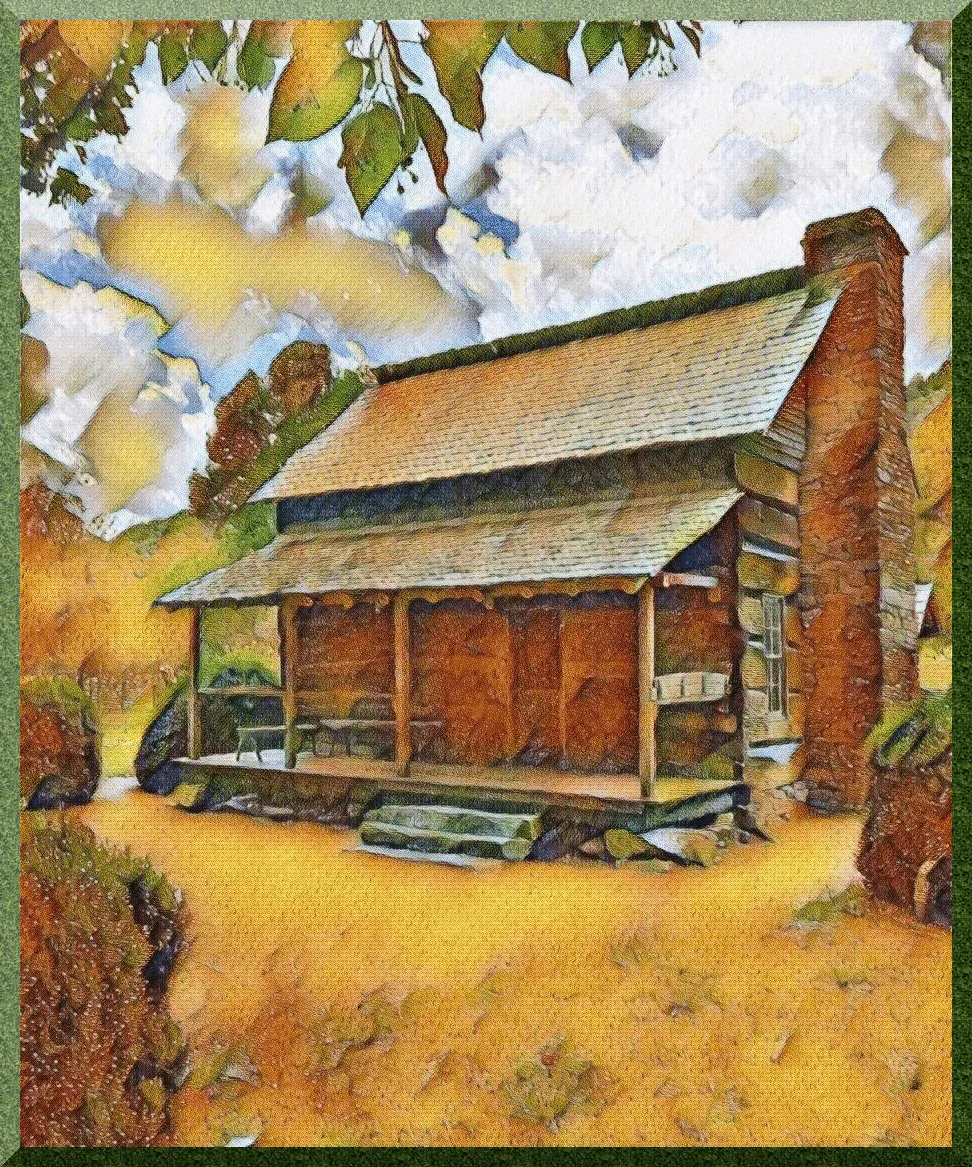
Tickets for Den Gamle By cost between 160 and 200 DKK depending on the month, making it the most expensive museum in Aarhus. Most visitors spend three to six hours here; if you want to see everything, plan a full day. A working bakery on-site serves genuine Danish pastries, and there are several small specialist museums inside covering topics from toys to silverware.
During November and December the entire museum transforms into an atmospheric Christmas market with period decorations and seasonal food stalls. If your dates overlap, this version of the experience is exceptional and worth booking tickets in advance.
Moesgaard Museum: A Journey Through Prehistory
Moesgaard sits in a forest about 30 minutes south of the center by bus 18 from Park Allé. The building itself is an architectural statement — a sloping turf roof that rises from the forest floor so you can walk up and over it for panoramic views of the surrounding landscape. The interior is one of the most intelligently designed archaeology museums in Northern Europe.
The star exhibit is the Grauballe Man, a 2,000-year-old Iron Age bog body preserved in extraordinary detail — facial features, fingerprints, and the contents of his last meal are all visible. Tickets cost 180 DKK (approximately 25 EUR) for adults; children under 18 enter free. Plan at least three hours. There is a good on-site restaurant if you want lunch after the museum.
The museum covers the Stone Age, Bronze Age, Iron Age, Viking Age, and Middle Ages in sequence. The English-language labeling is strong throughout, though some interactive displays have had maintenance issues at busy times. Visit Moesgaard Museum on a weekday to avoid school groups, especially if visiting in spring.
Aarhus Cathedral: Denmark's Longest Church
Aarhus Cathedral is the longest church in Denmark and one of the finest examples of Gothic brick architecture in Scandinavia. Construction began in the 12th century and the building was substantially remodeled in the 15th century into its current form. The interior is bright white with remarkable fresco paintings that have faded gracefully over the centuries, giving the nave an austere elegance rather than the overly restored look you find in many European cathedrals.
Look for the votive ship "Unity" suspended from the ceiling — a wooden sailing vessel built around 1720 and donated by fishermen as a symbol of safe passage. This tradition of hanging model ships in Scandinavian churches dates back centuries and is one of the most distinctly Nordic details you will encounter. Entry to Aarhus Cathedral is free and the building is open Monday to Saturday from 10:00 to 16:00.
The cathedral closes to tourists during services and private events such as weddings, so check the schedule before making it your first stop. It sits directly inside the Latin Quarter and takes under 20 minutes to see thoroughly, making it an easy combination with the surrounding streets.
Møllestien: The Most Beautiful Street in Aarhus
Møllestien is a 240-meter cobblestone lane lined with small, brightly painted houses dating from the 18th century. The street existed in the early Middle Ages, but most surviving buildings were constructed or rebuilt between 1870 and 1885, likely over even older foundations from the 1600s. In summer, hollyhocks and climbing roses grow up the facades and the street take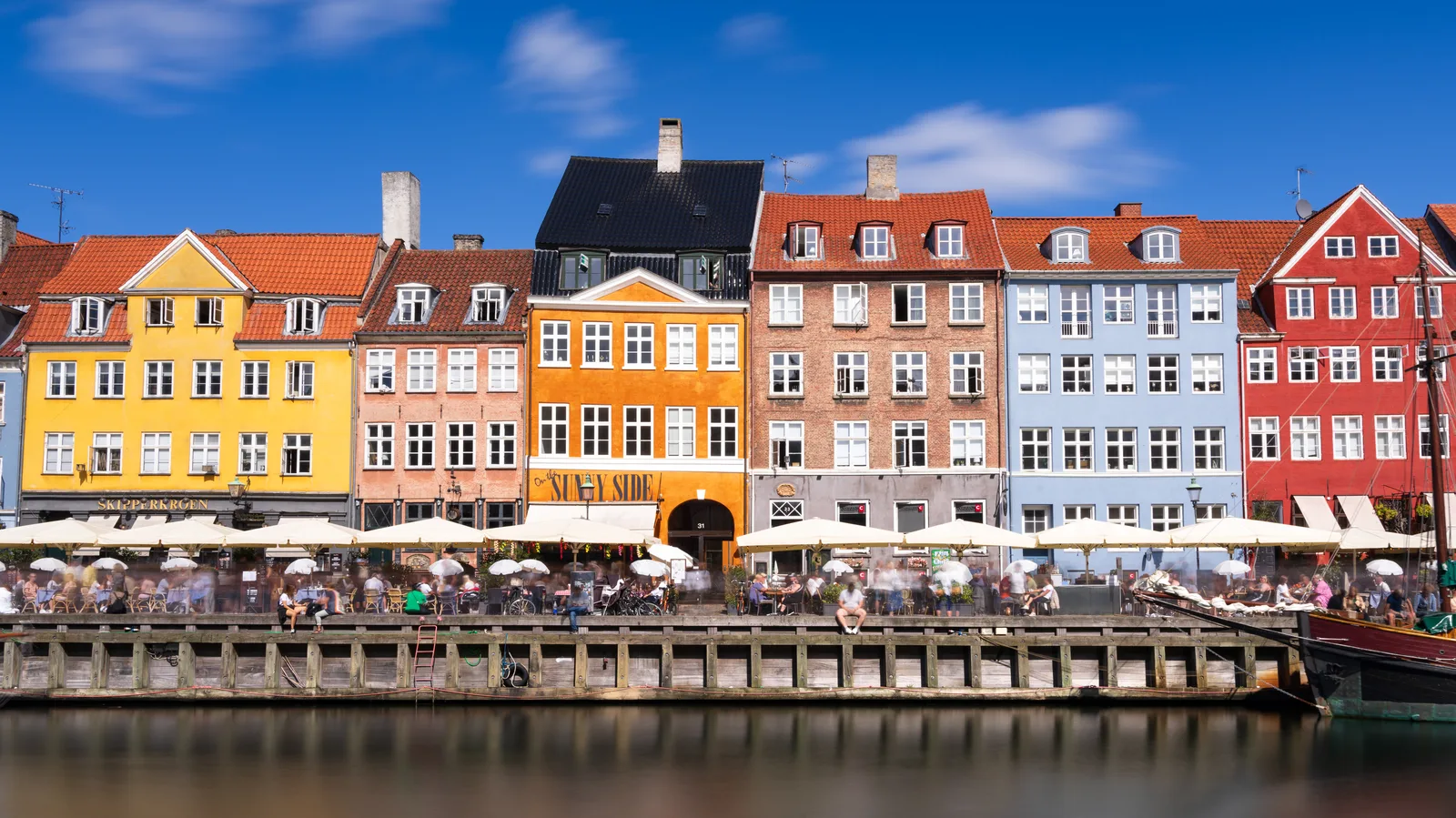
The street is free, public, and accessible 24 hours a day. For the best photos with no people, arrive before 09:00 or after 19:00 in summer. Midday in July and August brings steady foot traffic from visitors chasing the same shot. Shoot from the northern end looking south for the classic framing that shows the full row of houses receding into the background.
These are private homes, so keep noise to a minimum when passing through. The street is only a five-minute walk from the cathedral and a natural stop on any walking route through the Latin Quarter. A mural has also appeared on one of the end walls in recent years — look for it as you exit onto the main street.
Strøget and the Latin Quarter: Shopping and Strolling
The Latin Quarter (Latinerkvarteret) is the oldest neighborhood in Aarhus, established from the late 14th century after the city was granted permission to tear down its Viking-era defenses. Today it is a maze of narrow streets — Klostergade, Mejlgade, Graven, Badstuegade — filled with independent Danish design shops, second-hand bookstores, vinyl record shops, and cafes that avoid the cookie-cutter feel of most European shopping districts.
Strøget is the main pedestrian spine connecting the station to the cathedral, and it covers the standard high-street brands. The more interesting side streets branch off Strøget toward the Latin Quarter and Pustervig Torv, a small square that is perfect for a coffee break. Pustervig is where locals sit when the weather is good and the afternoon pace slows.
Most shops in the Latin Quarter open from 10:00 to 18:00 on weekdays and close earlier on Saturdays. Look for Danish lifestyle brands and ceramics designers that have opened independent stores in this neighborhood rather than the international labels on the main street. The area rewards slow walking — ducking into a side alley often leads to a small courtyard or a maker's workshop that is completely off the tourist circuit.
Aarhus Street Food: Global Flavors in a Local Setting
Aarhus Street Food is an old bus garage converted into a lively indoor market with over 30 food stalls representing cuisines from across the world. It sits right next to the main bus terminal (rutebilstation), a few minutes' walk from the central train station. The building is open daily from 11:30 to 21:00, closed on Christmas Day and New Year's Eve.
Meals at individual stalls cost between 75 and 130 DKK (roughly 10–18 EUR), making it one of the most affordable places to eat well in a city where restaurant lunches quickly climb above 150 DKK. Solo travelers in particular find the communal table layout comfortable — you order from whichever stall appeals and sit wherever there is space.
For specifically Danish food, a few stalls offer smørrebrød (open-faced rye bread sandwiches with classic toppings) and flæskesteg (Danish roast pork). If you want the city's best kardemommesnurre — a cardamom pastry similar to a cinnamon roll but more floral — head instead to DavidBreadHead Bakery, which has two locations in the center and is widely regarded as the best bakery in the city for this particular pastry.
The Viking Museum: History Beneath the Streets
The Viking Museum is genuinely unusual: it is located entirely underground in the basement of the Nordea bank on Clemens Torv, in the heart of the shopping district. When the bank was being built in the 1960s, excavations uncovered Viking Age artifacts and structural remains directly beneath the city center. Rather than remove them, the bank incorporated the find into its foundations and opened a small permanent exhibit accessible from the street.
Entry costs 30 DKK, making it the most affordable museum in Aarhus. The exhibit includes original Viking Age artifacts, preserved timber posts from Viking-era structures, and skeletal remains found on-site. The space is compact — plan for 30 to 45 minutes — but the detail on the individual objects is high and the interpretive text is strong. Opening hours are Monday to Friday from 10:00 to 17:00.
This is one of the most commonly missed attractions in Aarhus precisely because its entrance is inside a functioning bank. Look for the discreet sign on Clemens Torv. The underground location keeps it cool in summer, which is an unexpected bonus if you arrive mid-afternoon having already walked several kilometers.
Aarhus Harbor and the Modern Dokk1 Center
The harbor district, officially called Aarhus Ø, is the newest neighborhood in the city and a striking contrast to the medieval center. The star building is Dokk1, a dramatic angular public library designed to resemble a ship from the waterfront. It is free to enter and open from 08:00 to 22:00 on weekdays. The café inside serves one of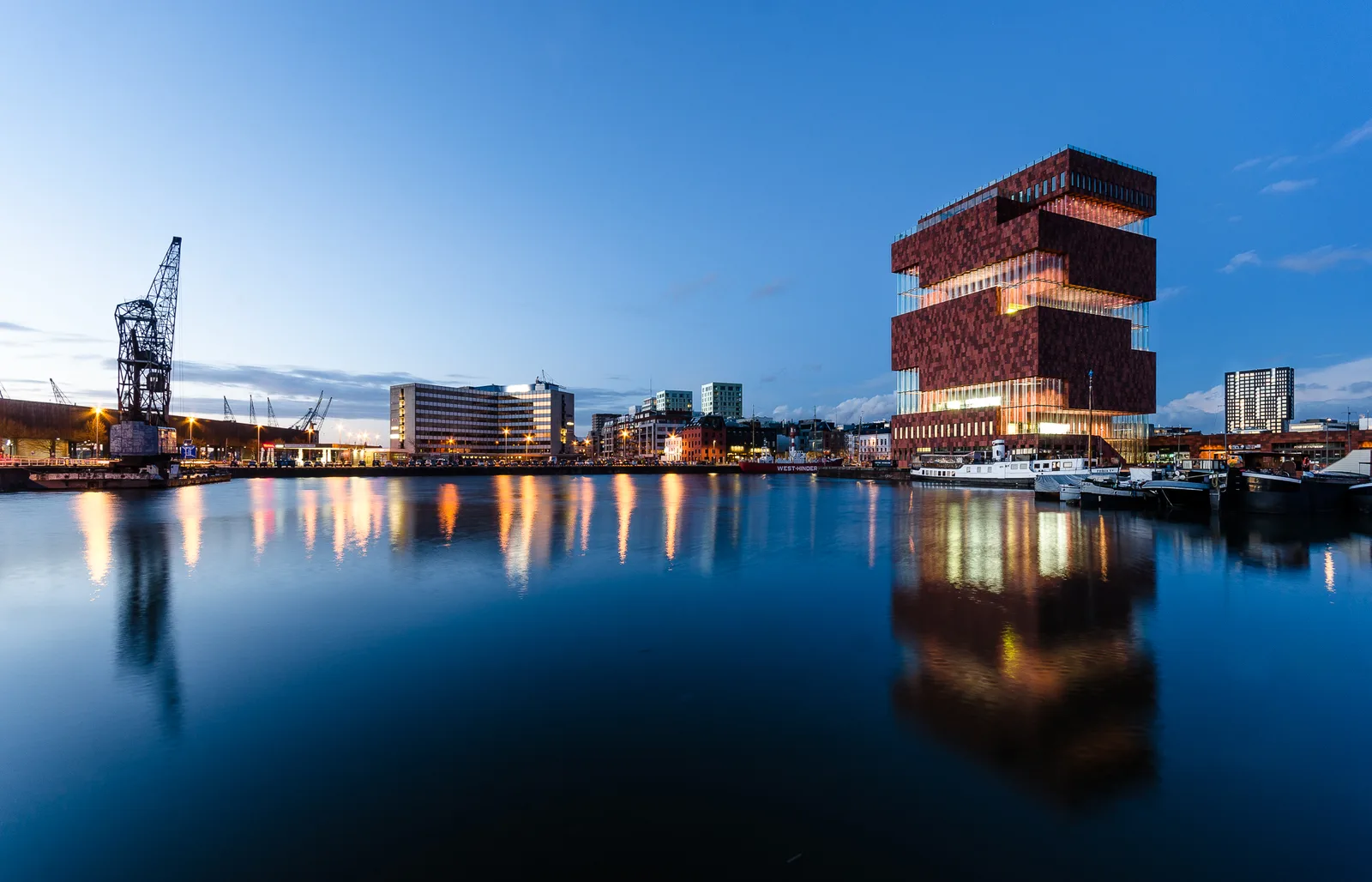
Walking east from Dokk1, you pass the Havnebadet (harbour bath) — an outdoor saltwater pool open in summer months, free to use, with a 50-meter lap pool, diving platforms, and a sauna. Continue further and you reach Isbjerget, a residential complex shaped like a cluster of icebergs designed by the CEBRA, JDS, and Louis Paillard firms. It is worth seeing from the outside even if you cannot enter.
The Lighthouse tower at the far end of Aarhus Ø stands 142 meters tall and is the highest building in Denmark. Designed by Danish firm 3XN, it won the award for world's best tall building in 2023. The observation deck (Aarhus Øje) costs around 140 DKK and gives a panoramic view over the bay and peninsula. The harbor area also features a unique automated parking system visible through glass panels — a minor but genuinely interesting piece of urban engineering that few guides mention.
Marselisborg Deer Park and The Infinite Bridge
Marselisborg Deer Park is a free forest reserve south of the city center where sika and fallow deer roam freely among the trees. The park borders the Marselisborg Palace, the Danish royal family's summer residence. You can walk among the deer throughout the year; bring sliced carrots and many of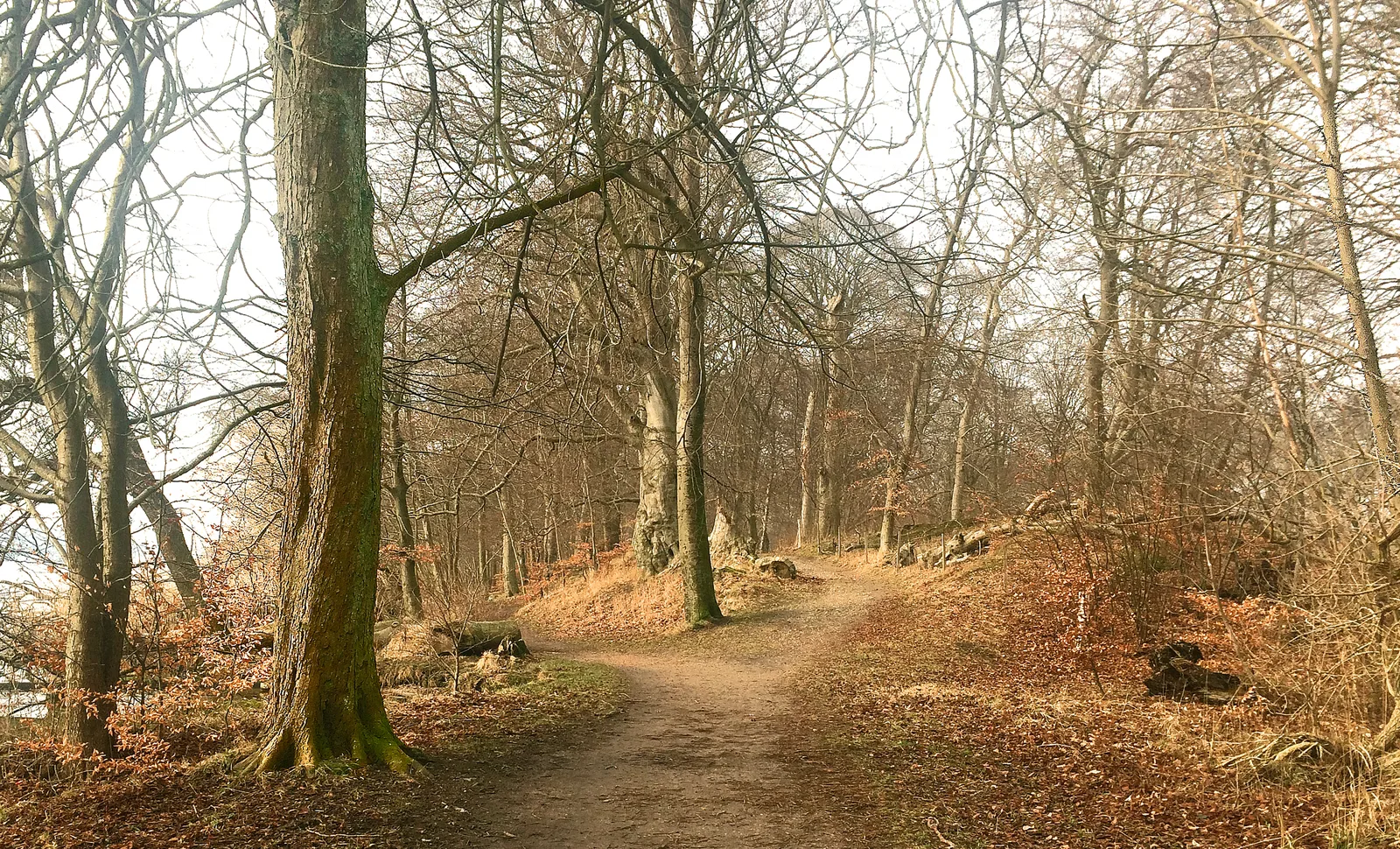
A short walk further south along the coast brings you to the Infinite Bridge (Den Uendelige Bro) at Varna Beach — a circular wooden pier that extends into the sea and curves back on itself, giving a 360-degree view over Aarhus Bay. The bridge is installed only from May to October and then removed for the winter. There is no admission charge; you simply walk to the beach and follow the path down.
This stretch of coastline also has the Ballehage Strand beach, popular with locals in summer for swimming. The forest between the park and the beach connects to a wider trail network through Mols Bjerge National Park if you want a longer half-day hike outside the city. Bus 18 from the city center serves both Marselisborg and the southern beach area.
Salling Skywalk and Aarhus Botanical Garden
The Salling Skywalk is a rooftop terrace on top of the Salling shopping center on Søndergade, the main pedestrian shopping street. Take the elevator to the top floor and walk outside onto the raised walkway for a free elevated view over the city rooftops and the bay. There is a café and a restaurant up there, and in December the terrace transforms into a Christmas market with trees, lights, and seasona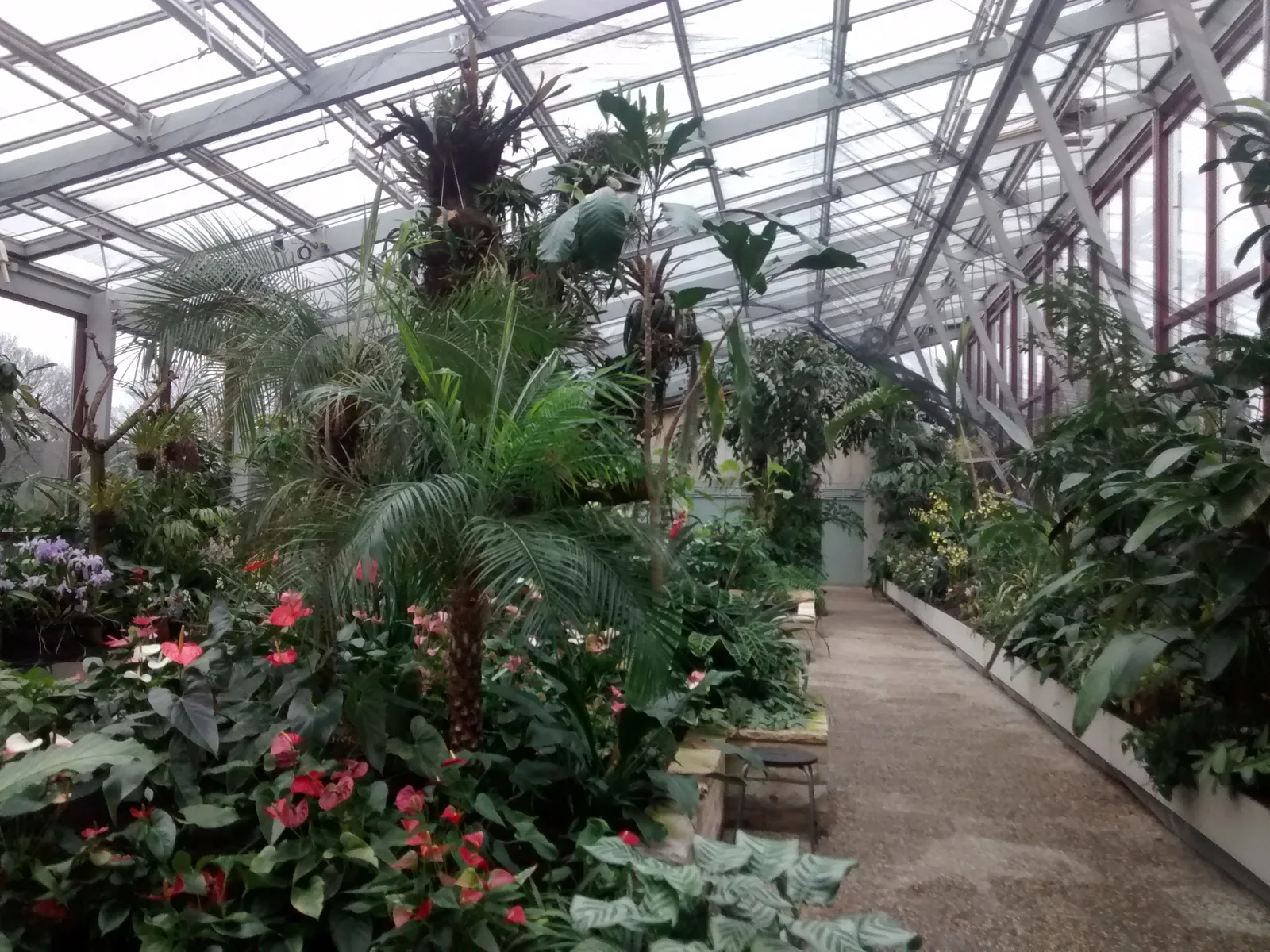
The Aarhus Botanical Garden sits adjacent to Den Gamle By and offers free outdoor access throughout the year. The main draw is the Væksthusene (Tropical Houses): a large greenhouse complex where you walk through four climate zones, from tropical rainforest to Mediterranean scrubland, each filled with regional plant collections. The humid tropical dome is especially welcome on a cold Danish day. Opening hours for the greenhouses start at 10:00 daily.
These two stops pair naturally together for a relaxed morning or late afternoon. The botanical garden is a genuine local favorite and significantly less crowded than the major paid museums. If your museum budget is tight, this combination of Salling Skywalk and the botanical garden delivers a high-quality experience at essentially no cost.
The Aarhus Card: Is It Worth Buying?
The Aarhus Card covers free entry to a range of museums including ARoS, Den Gamle By, Moesgaard, and the Botanical Garden tropical houses, plus unlimited public transport. A 24-hour card costs 199 DKK (approximately 27 EUR) and a 48-hour card costs 279 DKK. On paper, if you visit three paid museums in a single day, the card looks like an easy saving.
| Scenario | Card Value | Recommendation |
|---|---|---|
| One museum per day (e.g. ARoS or Den Gamle By) | Not worth it | Buy individual tickets (175–200 DKK) |
| Two museums in 24 hours | Breakeven to slight saving | Card + transport value tilts it toward 24h card |
| Three museums in 48 hours | Clear saving (≈500+ DKK without card) | Buy 48-hour card (279 DKK) |
| Mainly free attractions (Viking Museum, Møllestien, harbor, Botanical Garden) | Not worth it | Skip card, save money |
| Moesgaard visit (30 min bus each way) | Card covers 2 bus journeys | Card pays off with 1–2 other museums |
The calculation only works if you would actually visit all three major paid museums on the same day. Den Gamle By alone needs three to six hours; ARoS easily absorbs two to three hours; Moesgaard requires a 30-minute bus journey each way plus another three to four hours inside. That is a lot of museum time for one day, and most travelers find rushing through all three diminishes the experience significantly.
For visitors who plan two full museum days, the 48-hour card delivers clear value. For day-trippers or those with a single museum day, buying tickets individually is often cheaper and less pressured. The free public transport component adds real value if you plan to visit Moesgaard (two bus journeys from the center) or the southern beaches. Skip the card if your itinerary focuses mainly on the free attractions — the Viking Museum, Møllestien, the harbor, Salling Skywalk, and the botanical garden are all free or very low cost.
Where to Stay in Aarhus: Best Neighborhoods
The Latin Quarter is the most atmospheric area to stay for first-time visitors. You are within walking distance of the cathedral, Møllestien, and the main dining streets, and the neighborhood has a genuinely local feel even in summer. Most independent boutique hotels in the city center sit on or near the lanes running through this district.
For modern amenities and direct harbor views, the Aarhus Ø district has new hotel and apartment options with easy access to Dokk1 and the waterfront. It is slightly further from the medieval center but convenient if your priorities include the harbor architecture and the Lighthouse observation deck. The Radisson RED Aarhus is well-placed between the center and the harbor and consistently recommended for its location.
- Frederiksbjerg (south of the station) offers a residential, non-touristy feel with food markets and design shops nearby.
- The Hotel Oasia Aarhus City has a strong reputation for breakfast quality and is a good mid-range option near the center.
- Hostel options exist near the station for budget travelers; AirBnB rooms in the center run around 550–700 DKK per night for a private room.
- Book well in advance for July and August, particularly during Aarhus Festival week in late August when the city fills quickly.
Aarhus Travel Guide: How to Get Here and Get Around
By train, Aarhus is the most convenient option from most Danish cities. Trains on DSB depart Copenhagen Central Station (København H) roughly every hour and arrive at Aarhus Central Station in about three hours. Book via the DSB app (available on Android and iOS) for the best fares; advance tickets are significantly cheaper than same-day purchases. From Aalborg in the north, the journey takes around 90 minutes.
Aarhus Airport is located approximately 40 kilometers northeast of the city and serves a limited number of European routes, including connections from Amsterdam with KLM. A bus connects the airport to the central station. If you are flying from further afield, connecting through Copenhagen Airport (CPH) and taking the train to Aarhus is generally cheaper and better served than routing directly through Aarhus Airport.
- Walking covers most central attractions; the city core is compact and flat.
- For Moesgaard Museum, take bus 18 from Park Allé — a day ticket (60 DKK) is cheaper than two single fares and covers all city buses.
- Bike rental is available across the city; a day hire typically runs 100–150 DKK and is useful for reaching the southern beaches.
- Buy bus tickets via the Midttrafik app; you cannot pay by card on the bus itself, but the app accepts international credit cards.
- The pedestrian traffic lights in Aarhus feature walking and standing Viking figures with shields and axes — a detail worth noticing near the cathedral.
The best time to visit depends on your preferences. Summer (June to August) offers the Infinite Bridge, outdoor swimming, and long daylight hours. Late November and December bring Christmas markets at Den Gamle By and the Salling rooftop, and the quieter crowds make museum visits more relaxed. Spring (April to May) is the sweet spot for mild weather, hollyhocks beginning to bloom on Møllestien, and no school-holiday crowds.
Frequently Asked Questions
How many days do you need for Aarhus?
Most travelers find that two to three days is the perfect amount of time. This allows you to see the major museums and explore the historic center at a relaxed pace. One day is enough for the highlights, but you will feel rushed.
Is Aarhus expensive for a city trip?
Aarhus is generally expensive compared to Southern Europe but slightly cheaper than Copenhagen. Expect to pay around $15 to $25 for a standard lunch at a cafe. Visitors save money by using the Aarhus Card for museum entries.
What is the best way to get around?
Walking is the best way to see the city since most attractions are very close together. The city also has an excellent bike-sharing program for longer trips to the beach. Buses are reliable if you need to reach the outer suburbs.
Aarhus successfully bridges the gap between a historic past and a creative future for its visitors. From the ancient bog bodies at Moesgaard to the colorful roof of ARoS, the city offers endless variety. It remains one of my favorite destinations for a short and culturally rich European break.
Whether you are visiting for the world-class food or the charming streets, you will likely leave happy. The city is small enough to feel familiar but large enough to keep you curious for days. Start planning your Danish adventure today and experience this coastal gem for yourself.
You might also like


Continue reading
More guides you'll find useful