Aarhus Botanical Garden: The Complete Visitor Guide
Plan your visit to Aarhus Botanical Garden with our guide to the tropical greenhouses, opening hours, and tips for combining your trip with Den Gamle By.
On this page
Aarhus Botanical Garden
Aarhus Botanical Garden offers a lush escape in the heart of Denmark's second-largest city. This green space combines scientific research with a genuine public park experience, drawing both locals and visitors year-round. You will find plant life ranging from native Danish wildflowers to tropical species that could not survive a single Danish winter outdoors. Exploring these grounds is one of the most relaxing things to do in Aarhus, and it costs nothing to enter.
The garden divides into two distinct experiences. The outdoor areas are open around the clock and free to roam at any time. The Greenhouses — known locally as Væksthusene — are a separate, ticketed-by-event space with set daily hours. Keeping this distinction clear will save you frustration on the day of your visit.
The Story Behind Aarhus Botanical Garden
The garden was founded in the late 19th century as a modest collection of medicinal plants connected to the growing university. Aarhus University has managed the site ever since, using it as a living laboratory for botany students and researchers. Over the decades it expanded into a full public park with species zones, ponds, and landscaped lawns that the whole city now treats as its own.
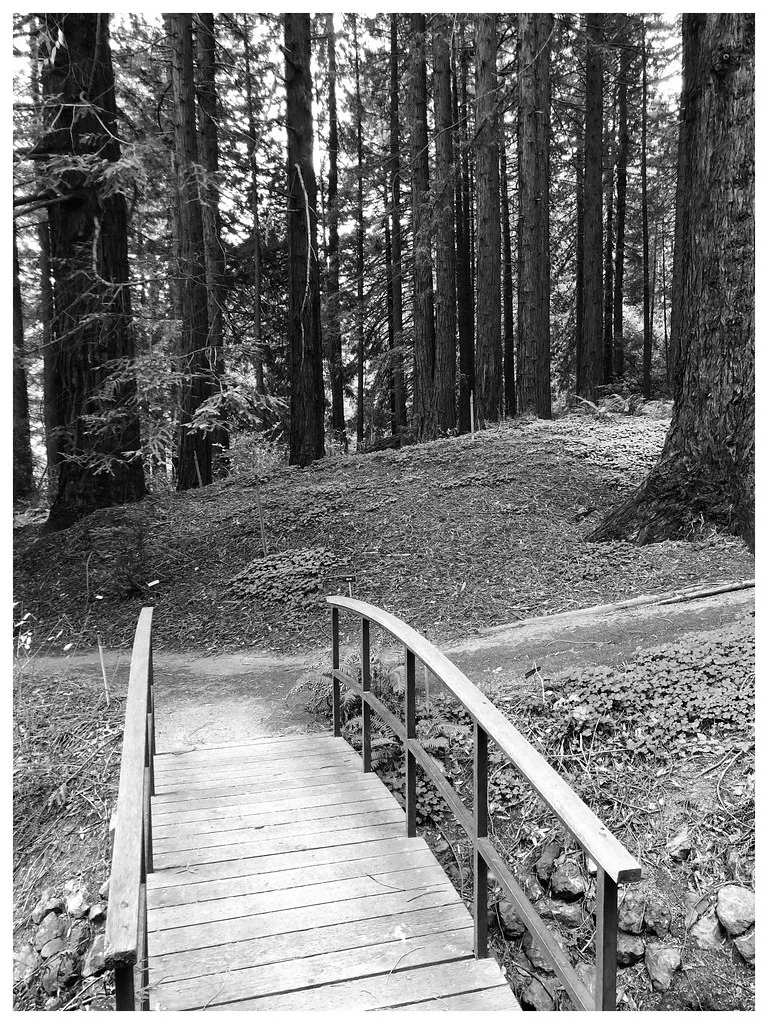
The modern Greenhouses transformed the site. A major renovation completed in 2014 produced the iconic glass structures designed with C. F. Møller Architects. The tropical dome became the centrepiece — a soaring glass-and-steel construction that floods the interior with natural light and allows the tallest rainforest trees to reach their full height. Its design is both scientifically functional and visually striking enough to make the building itself a reason to visit.
Today the garden sits at the edge of the city where modern Aarhus meets its historic districts. Walking through it offers a quiet parallel history to the one told in the nearby museums — a story of seeds, soil, and the scientists who cared for this collection through two centuries of change.
Exploring the Greenhouses: From Desert to Tropical Canopy
The Greenhouses are divided into four climate zones: Rainforest, Desert, Mediterranean, and the Tropical dome. Moving between them in about thirty minutes, you pass through temperature swings of twenty degrees or more. The transition is part of the appeal — each zone has a distinct smell, humidity level, and character.

| Climate Zone | Temperature & Humidity | Key Plants | Experience |
|---|---|---|---|
| Desert | Warm, dry | Cacti, succulents, African species | Cool entry point; detailed labelling |
| Mediterranean | Mild, moderate humidity | Olive, citrus, fragrant herbs | Airy, lavender and rosemary scented |
| Rainforest | Warm, humid | Epiphytes, wide-leaf forest plants | Ground-level intensity; deeper atmosphere |
| Tropical Dome | Hot, very humid | Tall canopy trees, giant water lilies | Spiral ramp at treetop level; centrepiece experience |
Start in the cooler Desert zone, where spiny cacti and pale succulents from Africa and the Americas fill long display beds. The labelling here is unusually detailed: each plant has its origin, local name, and a short note on how it stores water. Move into the Mediterranean section and the mood shifts — olive trees, citrus, and fragrant herbs fill a bright, airy space that smells of lavender and rosemary on warm days.
The Rainforest zone deepens the humidity and brings in epiphytes clinging to bark columns and wide-leafed forest plants at ground level. Finally, the Tropical dome is the centrepiece. A spiral ramp winds upward through the canopy, putting you at eye level with the treetops and giving a close-up view of giant water lilies in the pool below. Butterflies sometimes move through the upper levels. On cold winter days, the heat at the top of the ramp is almost startling — dress in removable layers before you climb.
A practical note for photographers: enter the cool zones first and work toward the humid Tropical dome last. Moving from cool to hot causes lenses to fog instantly and the condensation can take several minutes to clear. Reversing the order — ending in the Tropical house — lets your camera adjust gradually and gives you clear glass when it matters most.
Visitor Information: Opening Hours and Directions
The outdoor garden is open 24 hours a day, every day of the year. The Greenhouses (Væksthusene) operate on a separate schedule: weekdays typically from 09:00 to 16:00, weekends from 10:00. Hours for special seasonal events differ. Always check the official Aarhus Botanical Garden website before visiting in 2026, as hours can shift between seasons.
The main entrance is on Peter Holms Vej, directly beside Den Gamle By. From Aarhus Central Station, the walk takes about 20 minutes heading northwest through the city centre. Bus lines 5A and 13 stop on Viborgvej a short walk from the entrance. Cyclists have a straightforward route via University Park, and the city's bike infrastructure makes this the fastest option from most central neighbourhoods.
Parking exists nearby but fills quickly on sunny weekends. The garden is fully accessible for pushchairs and wheelchairs, with paved paths covering the main sections. Clear signage at each junction makes it easy to find the Greenhouses, the café, and the separate plant zones without a map.
Is Aarhus Botanical Garden Free?
The outdoor garden is free, always. There is no gate, no ticket counter, and no charge at any time of year. The Greenhouses have historically operated on free admission as well, though small fees occasionally apply for special exhibitions or evening events. Check current policy on the official site before you go — the standard daily visit is free in 2026, but it is worth confirming.
Given the quality on offer, the lack of a fee is genuinely surprising to most first-time visitors. The greenhouse architecture alone is worth the trip, and the plant collections are maintained to a standard you would expect from a major botanical institution. It is one of the strongest arguments for spending a half-day in this part of the city rather than paying entry to a ticketed museum.
While the visit itself is free, the on-site café charges prices that are noticeably higher than the surrounding area. If you want coffee or a meal without the markup, the Latin Quarter is a five-minute walk from the garden entrance and offers a wide range of bakeries and lunch spots at standard Aarhus prices. The café inside the garden is convenient, but it is not the best value option in the neighbourhood.
Best Time to Visit for the Best Experience
Spring and early summer bring the outdoor garden to its most photogenic state. May and June are when the rose garden peaks and the wide lawns fill with Danish families on weekday lunches. The Mediterranean zone inside the Greenhouses is most fragrant in spring, when the herbs are actively growing. Arriving in the morning before 10:00 gives you the quietest experience at both the outdoor sections and inside the Greenhouses.

Winter is underrated. The tropical dome provides a striking contrast to the frost outside, and the absence of summer crowds makes the greenhouse experience more relaxed and personal. Certain plants in the Rainforest and Tropical zones are actually more active in winter when their natural seasonal rhythms align with the controlled indoor climate. If you are visiting Aarhus between November and February, the Greenhouses should be near the top of your list for indoor activities.
Weekday mornings are always calmer than weekend afternoons. Sunny Sundays bring local families and picnickers to the lawns in volume, which is pleasant but means the Greenhouses can feel crowded during peak hours of 12:00 to 14:00. Photographers prefer early morning light, which hits the glass dome from the east and creates good natural lighting inside the tropical zone.
Practical Tips for a Smooth Visit
Wear comfortable shoes with grip. The outdoor paths mix paved walkways with gravel and grass sections that become slippery after rain. Inside the Greenhouses the floors can be damp near water features. This is not a site where sandals work well outside summer.
Dress in layers before entering the Greenhouses. The Mediterranean and Desert zones are warm but manageable. The top of the spiral ramp in the Tropical dome is significantly hotter and more humid — closer to genuine rainforest conditions than you might expect. A light jacket you can tie around your waist is the right approach. If you are visiting with children, bring a change of shirt for after the tropical house.
Avoid bringing a tripod into the greenhouse aisles. The spaces are narrow and other visitors share the paths. Handheld shooting is entirely sufficient in the tropical zone given the ambient light from the glass dome. Water stations in the outdoor garden allow you to refill a bottle for free — bring your own rather than relying on the café. Dogs are welcome in the outdoor areas on a lead, but not inside the Greenhouses.
How Long Do You Need at Aarhus Botanical Garden?
A focused visit to the Greenhouses takes 30 to 45 minutes. If you add a walk through the outdoor lawns and ponds, plan for 60 to 90 minutes in total. Plant enthusiasts who want to read every label and climb the ramp twice can easily spend a full morning here. It is one of those Aarhus attractions where the time you spend scales with your level of curiosity.
If you are pairing the garden with Den Gamle By next door, budget a full half-day for both. The open-air museum takes two to three hours on its own. Arriving at the Botanical Garden at 09:00, moving through the Greenhouses, then walking directly into Den Gamle By by 10:30 or 11:00 is a very manageable morning itinerary. Starting early also avoids the midday crowds that both sites attract on weekends.
The Garden-to-Den Gamle By Walking Route
The Botanical Garden and Den Gamle By share a boundary wall, which makes the combination almost too convenient to skip. The most direct route: after visiting the Greenhouses, walk south along the internal path toward the main garden building. Exit via the gate on the Den Gamle By side — it deposits you within 50 metres of the open-air museum's main ticket entrance. The entire transfer takes under five minutes on foot.
This short walk between the two sites is one of the most efficient back-to-back pairings in the city. You move from 2026 botanical science to 19th-century Danish town life with almost no transition time. Neither site charges general admission, so the combination is entirely free for most visitors. If you want a mid-point break, there is a small bench area at the garden's south exit with views back toward the lawns before you cross into the museum grounds.
For a longer loop, you can continue from Den Gamle By on foot toward the Latin Quarter for lunch, then up to ARoS Art Museum in the afternoon. This route stays walkable throughout and covers the three most visited cultural sites in the western city centre without needing any transport.
Aarhus Botanical Gardens Reviews: What Visitors Say
Visitor sentiment is consistently positive and clusters around the same themes: the peaceful atmosphere, the quality of the greenhouse architecture, and the fact that it is free. The combination of scientific depth and accessible design appeals to a broad range of visitors, from families with young children to solo travellers looking for a quiet hour.
The most frequent criticism is that the Greenhouses are compact relative to major botanical gardens in larger capitals. If you are comparing this to Kew Gardens or the Jardin des Plantes, the scale is smaller. For what it is — a university-managed city garden with genuinely excellent displays — the quality-to-size ratio is high. Reviewers on multiple platforms note that the plant labelling is unusually clear and educational compared to similar European gardens of this size.
The on-site café receives mixed reviews and comes up often as the one area where value for money falls short. Most reviewers recommend it only for convenience, not for the food or price. Cleanliness and maintenance of both the outdoor sections and the Greenhouses consistently draw praise. You can read aggregated visitor ratings at the WhichMuseum profile for Aarhus Botanical Gardens.
What Else is Nearby the Botanical Garden?
Den Gamle By is the obvious first choice — the open-air museum is directly adjacent and covers Danish urban life from the 17th century to the 1970s across a large reconstructed townscape. After the Botanical Garden, it is the most compelling cultural site in this part of the city. The University Park sits to the north of the garden and is worth a short detour for the lake, the campus architecture, and the green quiet of a weekday morning.
ARoS Art Museum is a 10-minute walk east toward the city centre. The rainbow panorama on the rooftop is visible from several points in the garden on clear days. The Latin Quarter lies between the garden and the city centre, and its narrow streets hold most of the neighbourhood's best independent cafés and lunch spots. Aarhus Cathedral and the main pedestrian street, Strøget, are downhill from there, roughly 20 minutes on foot from the garden entrance.
Unlock the Stories of Aarhus with Local Context
The StoryHunt audiowalk designed for the Botanical Garden is worth downloading before you arrive. It connects the natural history of the site to the wider urban development of Aarhus — explaining how the garden grew alongside the university, how the 2014 greenhouse renovation changed the site's relationship to the city, and what the specific plants in each zone tell you about global ecology. You can use it at your own pace on a smartphone.
The walk is particularly useful for visitors who find botanical gardens interesting but feel they lack the background to read the landscape fully. It provides exactly the kind of local context that plant labels cannot — the stories of the people, the decisions, and the city politics that shaped what you are looking at. See the full guide at the Aarhus Botanical Garden StoryHunt article for route details and download links.
Frequently Asked Questions
Is Aarhus Botanical Garden free to enter?
Yes, admission to both the outdoor botanical garden and the indoor greenhouses is completely free for all visitors. This makes it one of the best value Aarhus attractions for budget travelers. You do not need to book tickets in advance to enjoy the collections.
What are the opening hours for the Aarhus Greenhouses?
The outdoor garden is open 24 hours daily, but the greenhouses (Væksthusene) usually open from 9:00 AM to 4:00 PM on weekdays. On weekends, they typically open at 10:00 AM. Always check the official website for the latest 2026 schedule before your visit.
How do I get to the Botanical Garden from Aarhus Central Station?
You can walk from the station in about 20 minutes by heading north through the city center. Alternatively, take bus line 5A, 13, or 15, which stop near the main entrance. Cycling is also a very popular and fast way to reach the garden.
Is the Aarhus Botanical Garden worth visiting in winter?
The greenhouses provide a warm and tropical escape even during the coldest Danish months. You can enjoy lush greenery while the city outside is covered in frost or snow. It is a top choice for indoor activities during the winter season.
Can you bring dogs into the Aarhus Botanical Garden?
Dogs are welcome in the outdoor areas of the botanical garden as long as they are on a leash. however, pets are not allowed inside the greenhouses or the cafe area. Please remember to clean up after your dog to keep the park beautiful.
The Aarhus Botanical Garden is a genuinely useful stop on any Aarhus itinerary — not because it is the most spectacular botanical garden in the world, but because it is free, central, well-maintained, and directly adjacent to one of Denmark's best museums. The Greenhouses deliver a legitimate tropical experience within a compact, quality space. Combine it with Den Gamle By and the Latin Quarter and you have a full morning without spending anything beyond lunch.
Whether you are climbing the tropical canopy ramp or sitting on the lawns watching the city go by, the garden earns its place on the itinerary. Plan your full day in this part of Aarhus with our Aarhus travel guide.
You might also like


Continue reading
More guides you'll find useful