Copenhagen to Aarhus: 8 Key Travel Details
Plan your trip from Copenhagen to Aarhus with our 2026 guide. Compare trains, buses, flights, and the unique seaplane for the fastest and cheapest routes.
On this page
Copenhagen to Aarhus: 8 Key Travel Details
Traveling from Copenhagen to Aarhus in 2026 means choosing between six distinct transport options, each with a different trade-off between price, speed, and convenience. The two cities sit roughly 187 kilometers apart, connected by the Great Belt Bridge, the Kattegat, and a well-developed rail network. This guide walks through every realistic option so you can match the right route to your schedule and budget.
At a glance
- Distance: 187 km (116 miles)
- Fastest option: Seaplane at 45 minutes flight time
- Best value: Train Orange ticket from 119 DKK, ~2 hours
- Budget option: Flixbus from 79 DKK, ~3.5 hours
- Most scenic: Molslinjen ferry, 75-minute crossing with Kattegat views
The table below gives a quick overview before the detail sections that follow.
| Mode | Duration | Price from (DKK) | Comfort | Best for |
|---|---|---|---|---|
| Train (InterCityLyn) | 1h 55m – 3h | 119 (Orange) / 400+ (flex) | High | Most travelers |
| Kombardo Expressen (bus+ferry) | ~3h 30m | 49 – 180 | Medium | Budget + scenic |
| Flixbus | ~3h 30m | 79 – 150 | Medium | Budget |
| Nordic Seaplane | ~45m flight | 1,800 – 2,500 | Premium | Business / experience |
| SAS flight (CPH–AAR) | 40m flight | 350 – 700+ | Medium | Business travelers |
| Car via Storebælt | ~3h drive | variable + 250 toll | Flexible | Families / road trips |
Train Travel: The Most Popular Choice
The train is the default choice for the vast majority of travelers making the Copenhagen–Aarhus journey. DSB runs InterCityLyn (ICL) services several times per hour from Copenhagen Central Station (København H), arriving at Aarhus H in the heart of the city. The fastest ICL services complete the journey in about 1 hour 55 minutes with limited stops; slower IC trains add 30–40 minutes but are more frequent.

Booking early on DSB's website or app unlocks the Orange ticket tier, which is the single biggest money-saving lever on this route. Orange fares start at 119 DKK for a one-way ticket — roughly 70% cheaper than the standard flexible fare of 400–500 DKK. These tickets go on sale up to two months before travel and are non-refundable, so they suit travelers with fixed plans. The DSB app typically shows more Orange availability than the desktop site, especially for early-morning or midday departures.
Onboard the ICL trains you get free Wi-Fi, power outlets at most seats, and a bistro car for hot drinks and snacks. Luggage racks at the end of each carriage handle full-size suitcases without issue. Booking a Copenhagen to Aarhus train ticket via the DSB app also lets you store your ticket digitally — no printing required.
Bus Routes: Budget-Friendly Options
Two bus options dominate the Copenhagen–Aarhus corridor: Flixbus and the Kombardo Expressen. Flixbus departs from Copenhagen Bus Terminal (Ingerslevs Boulevard, near Dybbølsbro S-tog station) and arrives at Aarhus Bus Terminal. Fares start around 79 DKK when booked several weeks ahead, making it the cheapest pure-bus option. Journey time is typically 3 hours 30 minutes, and the coaches have USB charging and free Wi-Fi.
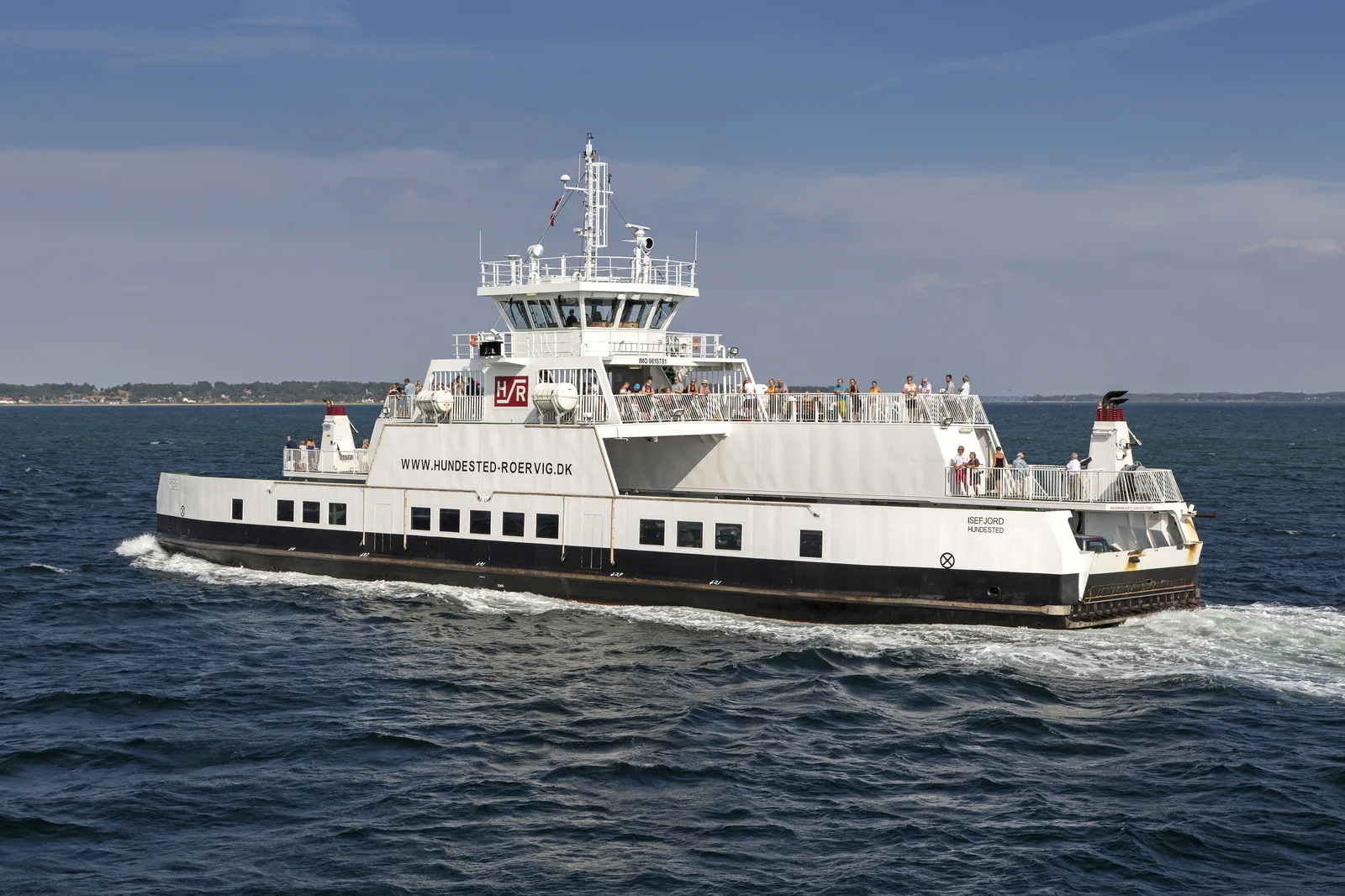
The Kombardo Expressen is run by Molslinjen and works differently: the coach drives onto the ferry at Sjællands Odde, crosses the Kattegat to Aarhus Harbor, and you arrive at the city center rather than the bus terminal. During the 75-minute sailing you can leave your seat, walk the decks, grab food from the onboard café, and enjoy open-water views. The bus ticket (49–180 DKK) covers the ferry crossing — there is no separate ferry charge for foot passengers on this service.
One practical detail most guides skip: the Kombardo Expressen departs from Ingerslevs Boulevard Bus Terminal in Copenhagen, not from Central Station. Add 10–15 minutes to your journey plan to reach the terminal from the city center. The Molslinjen booking site is primarily in Danish; use Chrome's built-in translation or the Google Translate browser extension to navigate it without difficulty. This hybrid route often works out cheaper than any train fare outside the Orange window, and it is far more scenic.
Flights: Aarhus vs. Billund Airports
SAS operates direct flights from Copenhagen Airport (CPH) to Aarhus Airport (AAR) at Tirstrup, with up to 28 nonstop departures per week. The flight itself takes 40 minutes, but the total door-to-door time once you add check-in, security, and the shuttle bus from Tirstrup is closer to 3 hours — roughly the same as a fast train. Consult the Aarhus Airport transport page for the shuttle bus timetable; the ride into Aarhus center takes about 50 minutes and costs around 120 DKK.
Billund Airport (BLL), about 80 km southwest of Aarhus, is a second option worth considering if you plan to visit Legoland or are already traveling from international connections that route through Billund. Direct bus services connect Billund Airport to Aarhus H in about 70 minutes. The Billund Airport guide covers all current bus routes and timetables. Domestic fares on the CPH–AAR route average 350–700 DKK for economy; January is typically the cheapest month to fly.
Flying makes most sense for business travelers with flexible expense accounts, or anyone who needs to arrive quickly with minimal planning. For leisure travel, the train almost always wins on value once you account for airport transfer time and the cost of getting to CPH from central Copenhagen.
The Seaplane: A Unique Commute
Nordic Seaplanes runs a harbor-to-harbor service that departs from a small terminal near the Little Mermaid statue in Copenhagen and lands directly in Aarhus Harbor — no airport buses, no security queues, no baggage carousels. The flight takes roughly 45 minutes and offers aerial views of the Danish coastline, the Great Belt Bridge, and the Kattegat that you simply cannot get from a train window. For more details on the Copenhagen terminal, see the Nordic Seaplanes info page.
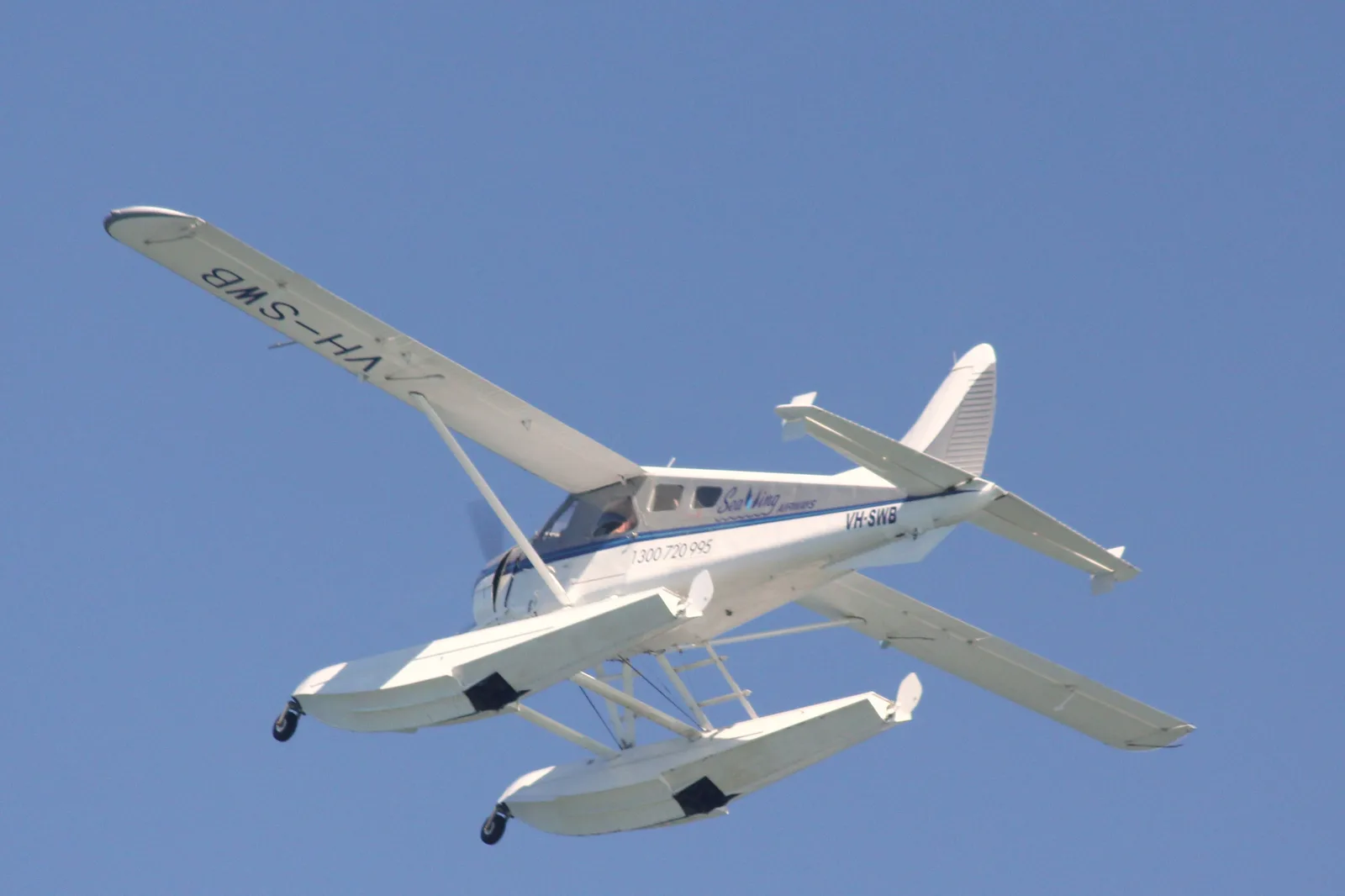
In Copenhagen, the seaplane terminal is at Langelinie, a 10-minute walk from the Little Mermaid or a short taxi from Central Station. In Aarhus, the floatplane docks at the inner harbor, putting you within 5 minutes' walk of the ARoS Art Museum and the Latin Quarter. That proximity saves 50–60 minutes of shuttle time compared to flying into Tirstrup. One-way fares run 1,800–2,500 DKK depending on the day and how far in advance you book.
Flights operate several times daily on weekdays but have reduced Saturday and Sunday schedules. Luggage is restricted to a small carry-on bag — the aircraft carries only a handful of passengers — so it is not practical for family trips with checked baggage. For a solo business day trip or a memorable one-way splurge, it is genuinely the fastest city-center-to-city-center option on the route.
Driving and the Great Belt Bridge
Driving gives you the most flexibility for exploring the Danish countryside and making spontaneous stops. The standard route from Copenhagen takes you west on the E20 motorway, across the Storebælt (Great Belt) Bridge, through Funen, and north on the E45 into Aarhus — roughly 3 hours in normal traffic. The bridge toll for a standard passenger car is approximately 250 DKK, payable by credit card at the automated toll booths on the eastern approach.

The drive through Funen allows for a stop in Odense, Hans Christian Andersen's birthplace, without adding significant time. Factor in parking costs in Aarhus, which can reach 25–40 DKK per hour in central zones. Many hotels include a reserved parking space; confirm this when booking. Car rentals are available at both Copenhagen Airport and central city locations — check that the rental agreement permits returning the vehicle in a different city if you plan a one-way trip.
If you want to break the drive with a sea crossing, see the Molslinjen ferry section below. Combining a drive to Sjællands Odde with the high-speed ferry cuts total mileage and provides a pleasant mid-journey rest stop for passengers.
The Molslinjen Ferry Shortcut
Molslinjen runs high-speed ferries from Sjællands Odde on Zealand to Aarhus Harbor, cutting a significant chunk of motorway driving for anyone traveling by car. The crossing takes 75 minutes, the ships are modern and comfortable, and the decks give passengers open-water views of the Kattegat. You can book tickets online at molslinjen.dk, and advance booking is recommended during the summer holidays and long weekends when car spots fill up fast.
The ferry terminals have cafés, play areas for children, and comfortable seating inside — making it a genuinely pleasant mid-journey break. Once you arrive at Aarhus Harbor the city center is minutes away, and major sites like the ARoS Museum and Dokk1 library are within easy walking distance of the dock. Many locals traveling between Copenhagen and Aarhus by car prefer this route to the full motorway haul, especially on Friday afternoons when the E20 westbound can back up near the bridge.
Foot passengers can use the Kombardo Expressen bus service (described in the Bus section above) rather than driving to Odde themselves. The two services share the same ferry crossing — the bus simply rolls onto the car deck, giving foot travelers the same sea-view break at a fraction of the car-ferry cost.
Planning Your Aarhus Itinerary
Aarhus is Denmark's second city and the cultural capital of Jutland, and it rewards at least two full days. The ARoS Art Museum is the headline attraction — its rooftop Your Rainbow Panorama walkway offers a 360-degree colour-filtered view of the city that has become one of the most photographed sights in Scandinavia. Den Gamle By, the open-air town museum in the botanical gardens, recreates Danish urban life across three historical periods and can easily fill a half-day. For a broader picture of what to do once you arrive, see our guide to the best ways to get to Aarhus and start planning from there.
The Latin Quarter (around Mejlgade and Graven) is the best neighbourhood for independent restaurants, vintage shops, and coffee. Aarhus Street Food Market in the converted bus station on Ny Banegårdsgade is open daily until 21:00 and covers cuisines from across the world. For Viking-age history, the Moesgaard Museum sits 10 km south of the city center and is worth a 40-minute bus ride (take bus 18 from Aarhus H).
The Aarhus Festival runs for ten days in late August and early September each year, transforming the city center with free outdoor concerts, street art installations, and cultural events. If you are visiting in summer, book accommodation at least six weeks in advance — the festival period fills hotels quickly. The city is compact and largely flat, making it easy to cover on foot or by hire bike from one of the many Bycyklen docking stations.
Frequently Asked Questions
How long is the train from Copenhagen to Aarhus?
The train journey typically takes between 2 hours and 45 minutes and 3 hours. Fast InterCityLyn trains offer the quickest connection with fewer stops. You should book your copenhagen to aarhus train tickets early to secure the fastest routes at the best prices.
Is there a ferry from Copenhagen to Aarhus?
There is no direct ferry from central Copenhagen, but you can use the Molslinjen ferry from Sjællands Odde. This requires a short drive or bus ride from the capital to the ferry terminal. It is a popular way to save time and enjoy the sea.
What is the cheapest way to get from Copenhagen to Aarhus?
The cheapest way to travel is usually by taking a bus like Flixbus or the Kombardo Expressen. Tickets can cost as little as 100 DKK if booked well in advance. These buses are comfortable and provide a reliable budget-friendly alternative to the train.
How much does the seaplane cost between Copenhagen and Aarhus?
The seaplane typically costs between 1,800 and 2,500 DKK for a one-way ticket. Prices vary based on how early you book and the specific time of day. It is a premium service designed for speed and convenience between the two harbors.
Is Aarhus worth a day trip from Copenhagen?
Aarhus is worth a visit, but a day trip can feel very rushed due to the travel time. We recommend staying at least one night to fully enjoy the museums and local dining. A longer stay allows you to explore the beautiful surrounding nature.
Whether you choose the speed of the seaplane or the value of the bus, reaching Aarhus is simple. Each transport method offers a unique way to see the diverse landscapes of Denmark during your trip. Plan your journey today to experience the cultural heart of the Jutland peninsula for yourself.
You might also like


Continue reading
More guides you'll find useful