10 Things to Know About the Copenhagen to Malmo Train
Your complete guide to the Copenhagen to Malmo train. Find schedules, ticket prices, passport rules, and tips for the best views on the Øresund Bridge.
On this page
10 Things to Know About the Copenhagen to Malmo Train
The crossing between Copenhagen and Malmö is one of the easiest international journeys in Europe. Trains run around the clock, the route takes 35 to 40 minutes, and the scenery across the Øresund Bridge is genuinely worth the trip. Whether you are planning a quick afternoon visit or a late-night city break, this guide covers everything you need before you board.
Quick answer: the Øresundståg train costs approximately 135 DKK (around €18 or $20) one way and departs every 20 minutes during the day. It is faster and more convenient than the bus for almost every traveler. This guide is part of our broader copenhagen to sweden train coverage for visitors exploring the Øresund region.
At a glance
- Duration: 35–40 minutes station to station
- Cost: 135 DKK (~€18 / $20) one way
- Frequency: Every 15–20 minutes daytime, hourly at night
- Best time: Daytime departures; book via DSB or Skånetrafiken app
- What to bring: Valid passport or national ID for border check
Copenhagen to Malmö Train Overview
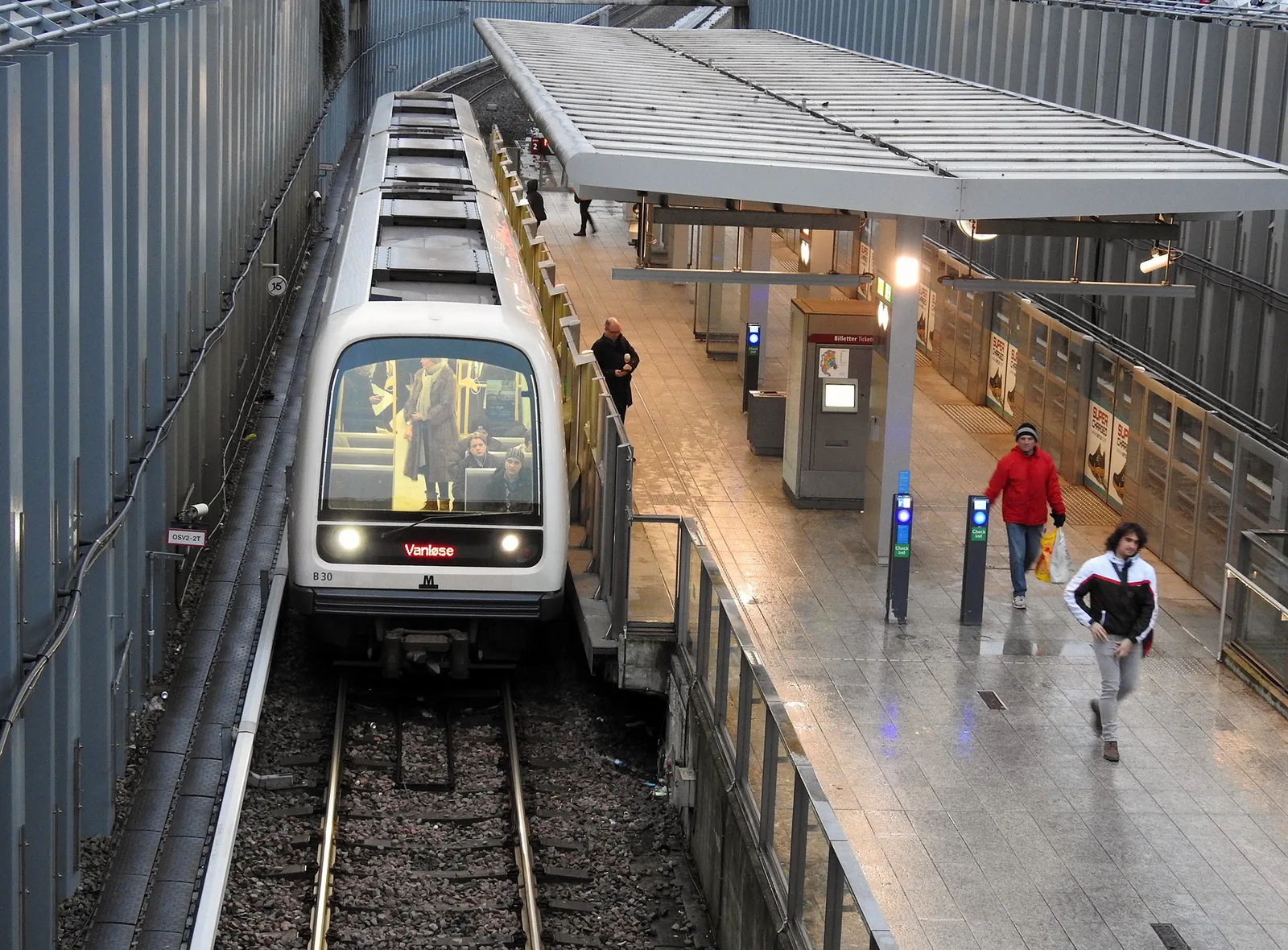
The primary operator is Øresundståg, a regional rail service jointly managed by DSB (Denmark) and Skånetrafiken (Sweden). Trains are silver and purple, spacious, and well-suited for luggage. SJ Regional also runs some services on this corridor with slightly different ticketing rules and seat reservations available on longer journeys.
The route connects directly to Copenhagen Airport (CPH), which sits on the Danish side of the bridge. Travelers landing at CPH can board an Øresundståg straight to Malmö without passing through Copenhagen city center at all. This makes Malmö an easy addition to any Scandinavian itinerary that involves flying into or out of Copenhagen.
Train Schedule and Frequency
Between midnight and approximately 05:00, trains still run but drop to one per hour. This is actually useful: travelers who want a long night out in Copenhagen can stay until the small hours and still catch a train back to cheaper Malmö accommodation. Late-night services are quieter and rarely crowded.
Journey times are consistent at 37 to 41 minutes regardless of time of day. Weekend and public holiday schedules are broadly similar but can vary slightly, so checking the Skånetrafiken or DSB app on your day of travel takes less than a minute and removes any guesswork.
Where to Buy Tickets and Pricing
The Skånetrafiken app is often the cheaper option for two or more people traveling together. It offers a Duo/Family ticket that can reduce the combined cost by around 25 percent compared to buying two individual adult fares. Set up your payment card before you arrive at the station — the app takes about two minutes to configure and you will not want to do it on the platform.
Rejsekort holders face a specific trap worth knowing. The Rejsekort card works for domestic Danish travel but requires a special international check-in pole located near the international platforms at Copenhagen Central for cross-border journeys. Using the wrong pole means your journey is logged incorrectly and you risk a fine from Swedish conductors. Look for poles marked with an international symbol before boarding.
Physical ticket machines at the station accept international credit cards and contactless payment. Same-day tickets are always available on this route; there is no advantage to booking months ahead the way you would for a high-speed intercity train. Prices do not fluctuate based on booking date for standard regional fares.
The Øresund Bridge Experience

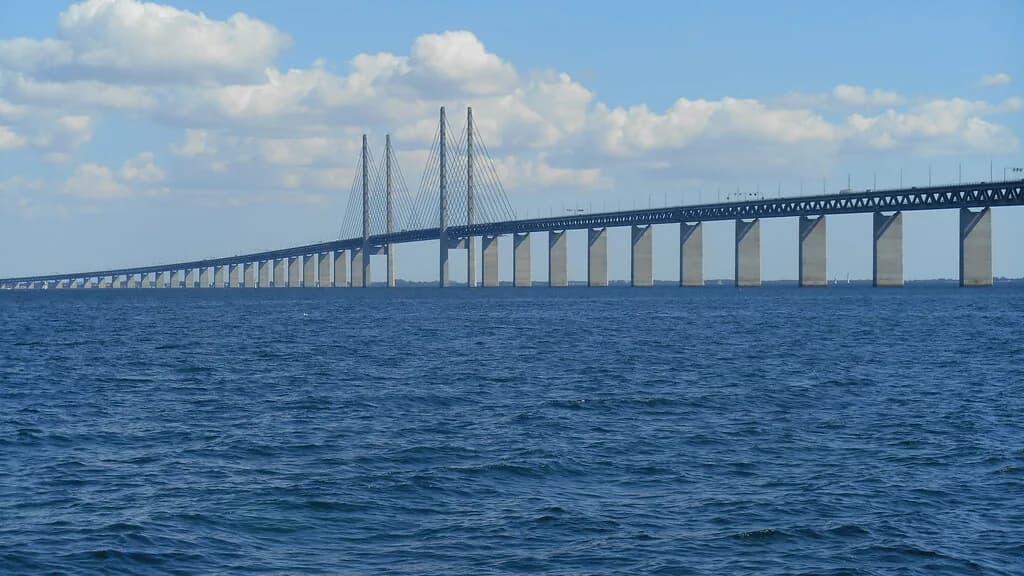
The train exits Copenhagen through a short underwater tunnel before climbing onto the bridge. Passengers on the left side of the carriage (when departing from Copenhagen) get the clearest unobstructed views of the open water and the wind farms that sit off the Swedish coast. This is not a minor detail — the difference between a sea view and a concrete barrier view is significant on a 15-minute crossing.
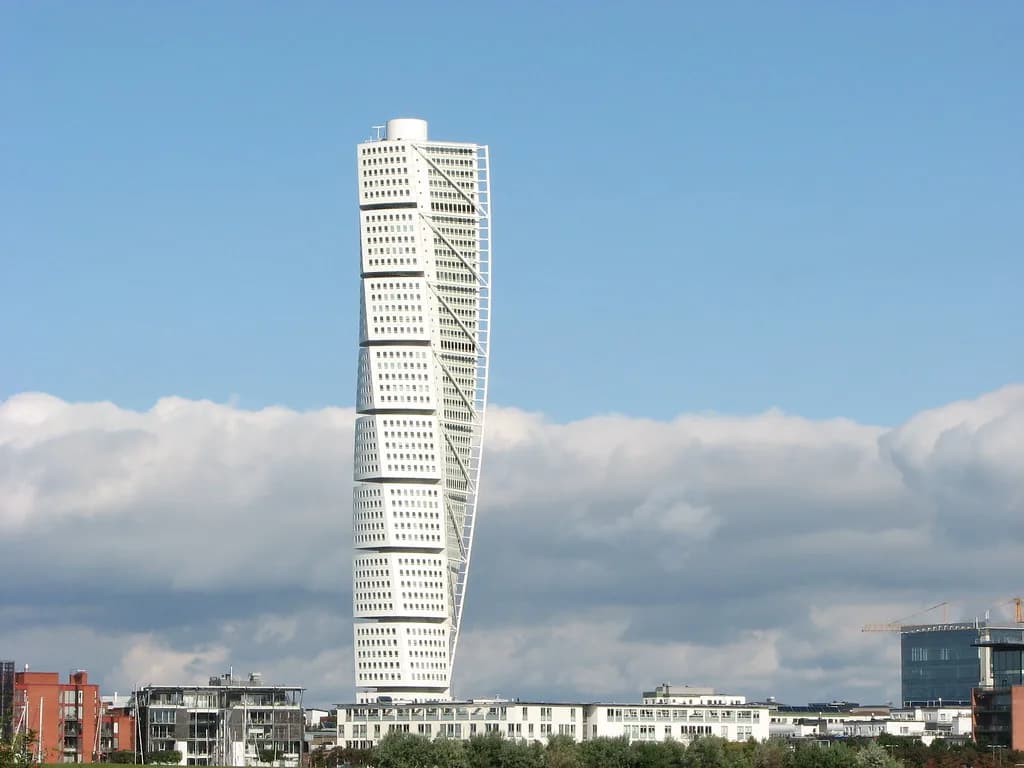
The Turning Torso skyscraper in Malmö is visible from the bridge on clear days, rising above the Swedish coastline on the approach. On windy days the train may slow slightly but delays are uncommon. The crossing itself takes approximately 10 to 15 minutes of the total journey time.
Border Control and Passport Requirements
Sweden is part of the Schengen Area but Denmark re-introduced temporary border controls at the Øresund crossing in 2016, and spot checks have continued into 2026. Swedish police or border officials typically board at Hyllie Station, the first stop on the Swedish side, and walk through the carriages checking identification documents.
EU and EEA citizens can use a valid national identity card. Non-EU citizens must carry a valid passport. If you also require a Schengen visa for Sweden, it must be in your passport and valid for the date of travel. Officers are efficient and the check usually adds no more than five minutes, but it does happen on a significant proportion of journeys.
The safest practice is to keep your passport or ID in an outer pocket of your bag, not buried in a suitcase. Being unable to produce documents when asked is treated seriously. Children traveling with adults from outside the EU should also have their own documents ready. Do not exit the train at Hyllie thinking the check is over — occasionally officers board at Malmö Central instead.
Arriving in Malmö: Central vs. Triangeln Station
Most trains stop at three stations in Malmö: Hyllie, Triangeln, and Malmö Centralstation. Hyllie is the border check point and sits near the Emporia shopping center, which is large but unremarkable from a tourist perspective. Stay on the train unless Emporia is specifically your destination.
Triangeln Station is directly beneath the Triangeln shopping mall in the heart of modern Malmö. If your plan involves shopping, the Malmö Konsthall contemporary art museum, or the university area, Triangeln is the better exit. It is a 15-minute walk from Malmö Central, so disembarking here saves meaningful time.
Malmö Centralstation is the right stop for the historic old town (Gamla Staden), Stortorget square, Malmö Castle, Lilla Torg, and the canal area. Most first-time visitors get off here. The station sits adjacent to a large park and is within easy walking distance of most major sights. For day trips from Copenhagen, arriving at Central and finishing the day at Triangeln before boarding the return train is a practical route that covers both sides of the city.
SJ Regional vs. Øresundståg: Which Service to Take
Two train operators run on this corridor. Øresundståg is the regional commuter service and runs the majority of departures — roughly every 20 minutes during the day. Tickets are bought through DSB or Skånetrafiken and no seat reservation is required. You board, find a seat, and go.
SJ Regional trains also serve this route and continue north to Gothenburg and Stockholm. They run less frequently but offer reserved seating, which matters on busy weekend mornings when standing on a 40-minute crossing is a real possibility. SJ tickets must be booked separately through SJ's own app or website; they are not interchangeable with Skånetrafiken tickets.
For a simple day trip to Malmö, Øresundståg is almost always the right choice. SJ Regional is worth considering if you plan to continue onward to Lund, Helsingborg, or Gothenburg on the same ticket. Mixing operators without checking validity can lead to a ticket inspection problem, so confirm which operator your ticket is issued by before boarding.
Alternative Transport: Bus vs. Driving
Flixbus and Nettbuss both operate coach services between Copenhagen and Malmö. Tickets start around 70 DKK (approximately €9 / $10) one way, making the bus the cheapest option. The journey takes about 55 to 60 minutes depending on traffic at the bridge toll plaza. Check Flixbus - Malmo to Copenhagen for current schedules, which typically show 4 to 6 departures per day rather than the near-continuous frequency of the train.
Driving across the Øresund Bridge costs approximately 490 DKK (around €66 / $72) one way for a standard car. Frequent commuters can reduce this significantly with a Bropas subscription. For a one-off tourist trip, the toll makes driving the most expensive option by far. Parking in central Malmö is also limited and not free.
| Transport Method | Cost (One Way) | Journey Time | Frequency / Schedule | Best For |
|---|---|---|---|---|
| Train (Øresundståg) | 135 DKK (~€18) | 35–40 minutes | Every 15–20 min daytime; hourly overnight | Most travelers; frequent departures, no planning needed |
| Bus (Flixbus) | 70 DKK (~€9) | 55–60 minutes | 4–6 departures per day | Budget-conscious travelers willing to trade time |
| Car (toll only) | 490 DKK (~€66) | 40–50 minutes | No schedule; depart anytime | Large groups splitting toll; flexible timing |
For most travelers the train wins on every dimension except price. If you are traveling with a very large group and splitting the car toll multiple ways, driving can become competitive. Otherwise the frequency and speed of the train make it the obvious default choice.
Planning a Malmö Day Trip from Copenhagen
A Malmö day trip fits comfortably into six to eight hours, including travel time. Arriving by 10:00 and leaving by 18:00 gives you a full day in the city. Alternatively, the frequent evening trains mean you can stay for dinner and still be back in Copenhagen by 22:00. This is one of the most practical best day trips from Copenhagen 2026 because it requires no hotel booking and no complex planning.
A compact walking route from Malmö Centralstation covers the main sights: walk through Gustav Adolfs Torg toward Stortorget and the medieval townhall, then cross to Lilla Torg for lunch at one of the half-timbered square's outdoor cafes. From there Malmö Castle and its park are a 10-minute walk west, and Malmö Konsthall (free entry) is another 15 minutes on foot.
If you have more time, rent a bike from one of the city's stations and ride along the waterfront to Daniaparken and the Turning Torso. The cycling infrastructure in Malmö is excellent and the terrain is flat. The Malmö Saluhall food market near the university is a strong lunch or late-afternoon stop with Swedish and international options at reasonable prices.
Architectural Highlights of Malmö
Malmö has an unusual urban character: medieval stone buildings, 19th-century brick warehouses, and striking contemporary architecture all coexist within walking distance of each other. The contrast is part of what makes the city worth seeing beyond just its proximity to Copenhagen.
The Turning Torso is the city's signature modern structure — a residential tower that twists 90 degrees from base to roof across its 54 floors. At 190 metres it was the tallest building in Scandinavia when completed in 2005. It is visible from the train as you approach and from the waterfront path at Daniaparken, where sunset photography facing the Øresund Bridge is excellent in the late afternoon.
Malmö Castle (Malmöhus slott) dates from the 16th century and sits within a public park crossed by a moat. It now houses the city museum and an aquarium. Entry costs around 80 SEK (approximately €7) for adults. St. Peter's Church near Stortorget is the city's oldest building, dating from the 14th century, and is free to enter. The contrast between this medieval interior and the glass-and-steel Western Harbour district 20 minutes away on foot captures what makes Malmö architecturally distinctive.
Frequently Asked Questions
How long is the train from Copenhagen to Malmo?
The train journey typically takes between 35 and 40 minutes from station to station. Trains run every 20 minutes during the day. This makes it one of the easiest day trips from Copenhagen available.
Do I need a passport for the train to Malmo?
Yes, you must carry a valid passport or national ID card for the border check. Swedish police often board at Hyllie Station to inspect documents. Non-EU citizens should ensure they have their travel visas ready.
How much is a train ticket from Copenhagen to Malmo?
A standard one-way adult ticket costs approximately 135 DKK / ~$20. Discounts are available for groups of two or more using the Skånetrafiken app. Prices may vary slightly depending on the specific operator used.
Taking the train to Malmö is a stress-free way to experience two countries in one day. The efficiency of the Øresundståg makes it the superior choice for most international visitors. Check out the Denmark Wander blog for more local tips on Scandinavian travel.
Remember to bring your passport and download the necessary apps before you reach the station. Enjoy the incredible views as you cross the bridge into the heart of Sweden.
You might also like


Continue reading
More guides you'll find useful