12 Best Day Trips From Copenhagen (2026)
Explore the 12 best day trips from Copenhagen in 2026. Get local tips on transit to Malmö, Kronborg Castle, and Møns Klint with updated costs.
On this page
12 Best Day Trips From Copenhagen 2026
I have spent years navigating the train platforms of Copenhagen Central Station to find the perfect escape. During my last visit, I accidentally dropped a giant licorice ice cream cone right on the Dragør pier. That messy moment taught me exactly where the locals hide when the city center gets too crowded.
This guide was last refreshed in June 2026 to reflect the newest train schedules, app changes, and entry prices. Many travelers stick to Nyhavn, but the real magic of Zealand lies just thirty minutes away by rail. The Copenhagen Card makes several of these journeys significantly more affordable — more on that below.
Whether you want to cross the sea to Sweden or explore Viking ruins, 2026 offers plenty of options. I have selected twelve distinct locations that cover history, nature, and modern Scandinavian culture. Each entry includes the specific transit lines and apps you need to master the Danish transport system.
At a glance
- Best time to visit: May–September for optimal weather and castle opening hours
- Day trip cost: 150–400 DKK ($22–60) per person including transit and entry fees
- Transport app: DSB app for regional trains; Skånetrafiken for Swedish destinations
- Budget hack: Copenhagen Card covers trains + entries for 600–700 DKK; breaks even at 2–3 castles
- Typical duration: 8–12 hours per destination depending on distance and attractions
Dragør: The Historic Fishing Village
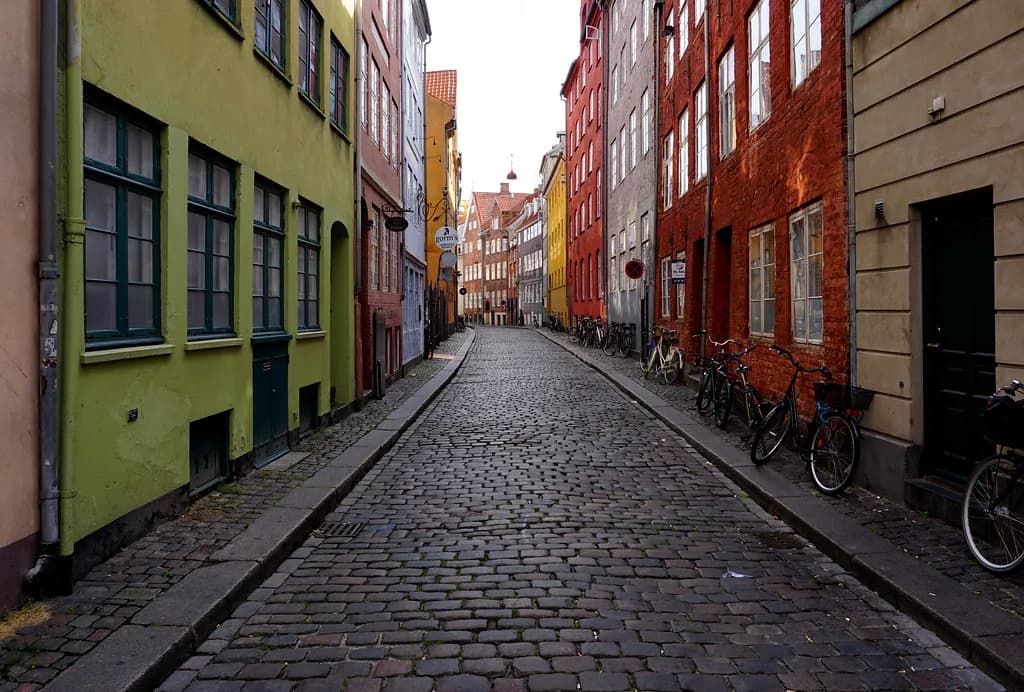
Dragør is the quintessential Danish fishing village, a preserved 18th-century cluster of narrow cobblestone streets and iconic yellow-painted houses just south of the city. It feels genuinely lived-in rather than manicured for tourists, and that is exactly why locals love it. I recommend coming in summer when the harbor buzzes with fishing boats and the ice cream queues are cheerfully long. For more nearby Copenhagen harbor escapes, Visit Copenhagen's official guide lists other seasonal waterfront neighborhoods.
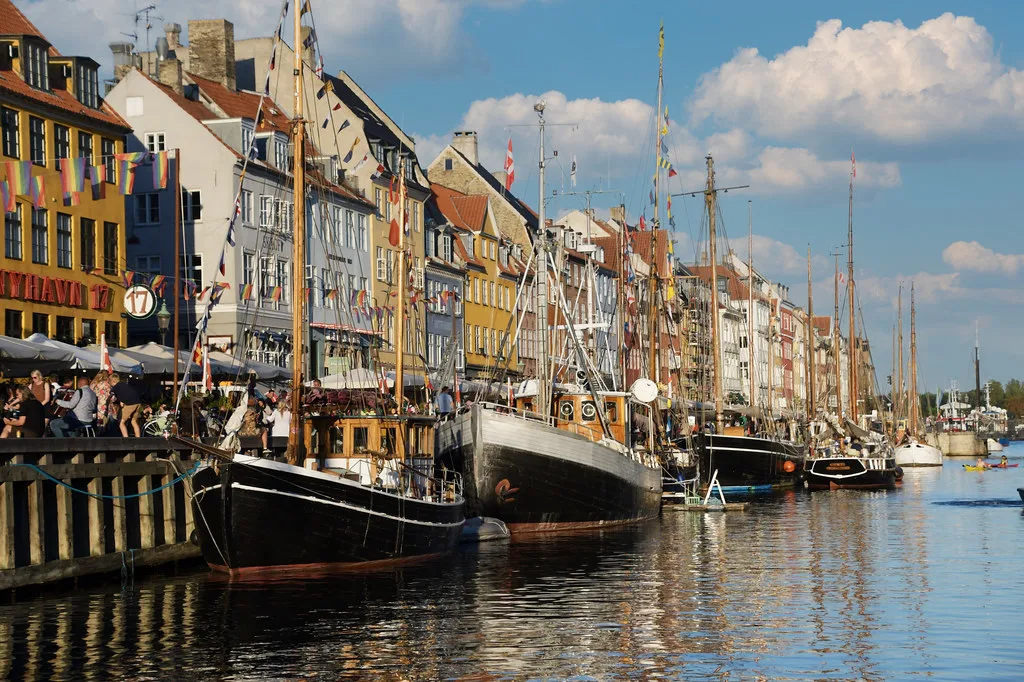
The smoked fish at Dragør Røgeri is not optional — it is the main event. The shop is open daily from 11:00 to 20:00 and serves fresh catch straight from the harbor. Walking the harbor itself costs nothing, while the local museum charges around 65 DKK (approximately $9) for adults.
Getting there: Take the 250S bus from Copenhagen Central Station toward the airport; the journey takes around 45 minutes and costs roughly 30 DKK. Alternatively, the 35 bus from Copenhagen Airport reaches Dragør in about 20 minutes. In summer, cycling from the city via the Amager Fælled nature reserve path takes 45 to 60 minutes on paved bike lanes and is genuinely one of the nicest urban rides in Denmark.
Malmö: A Quick Hop to Sweden
Sweden's third-largest city sits just across the Øresund strait and offers a striking contrast to Copenhagen — the Turning Torso skyscraper dominates a skyline that mixes medieval streets with modernist architecture. Malmö is bike-friendly, canal-laced, and easy to explore in a single day. I have also written about combining this with a longer day trip from Copenhagen if you want to push deeper into Skåne. For broader regional trip planning, VisitDenmark's official site covers Scandinavian destinations and seasonal travel guides.
One local hack worth knowing: Malmö's ICA grocery stores sell Swedish pantry goods, candy, and dairy products at noticeably lower prices than Copenhagen supermarkets. Expats here make the trip regularly just to stock up. If you want a guided experience with no logistics to manage, check out this full-day trip from Copenhagen to Malmö by train.
Getting there: Trains depart from Copenhagen Central and Copenhagen Airport every 10 to 20 minutes and cross the Øresund Bridge in 30 to 40 minutes. Buy tickets through the Skånetrafiken app (iOS and Android); no advance booking is required. A standard return ticket costs approximately 200 DKK ($30). Important: bring your passport. Swedish authorities conduct random border checks on trains arriving from Denmark, and temporary border controls have been in place since 2025.
Helsingør: Hamlet's Kronborg Castle
Kronborg Slot guards the narrowest point of the Øresund strait and is one of the best-preserved Renaissance fortresses in northern Europe. William Shakespeare used it as the setting for Hamlet, which makes it arguably the world's most famous literary castle. Even if you skip the indoor tour, walking the exterior ramparts with views across to Sweden on a clear day justifies the journey entirely.
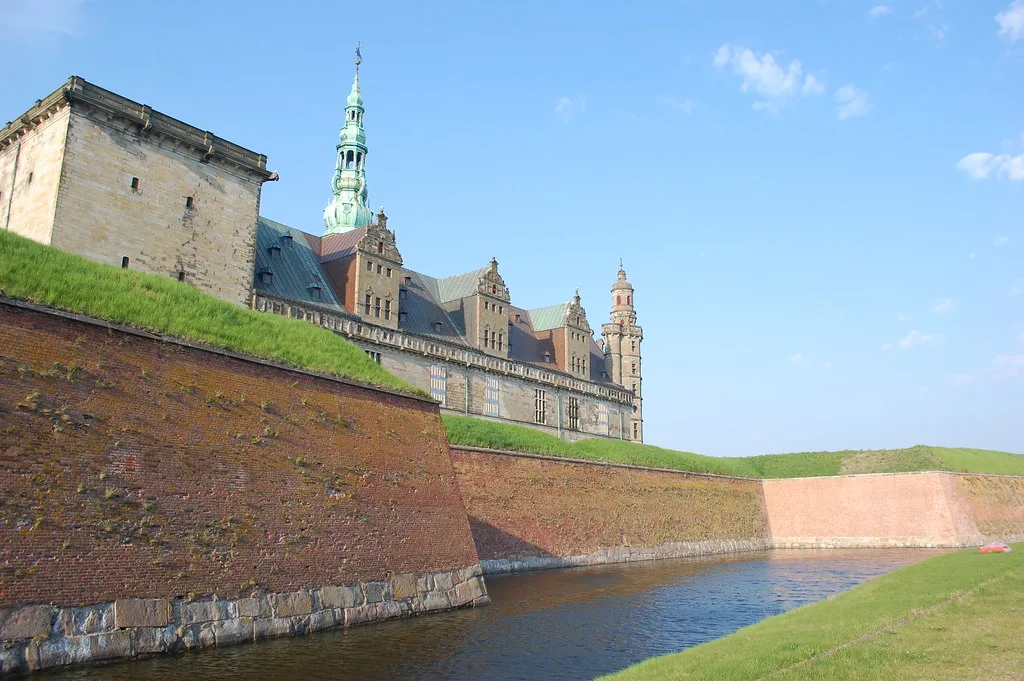
Entry costs around 145 DKK ($22) for adults; the castle is open daily 10:00 to 17:00. Do not miss the casemates underground, where the legendary statue of Holger the Dane sleeps until Denmark faces its greatest peril. The town of Helsingør itself has excellent medieval streetscapes, and the beach is worth a stop in summer. A quick 20-minute ferry from the harbor also connects to Helsingborg in Sweden if you want to combine both countries in one trip.
Getting there: Take a direct regional train from Copenhagen Central northward along the coast to Helsingør; the journey takes 50 to 60 minutes. Buy tickets via the DSB app (iOS and Android) and check in and out at each end. The Copenhagen Card covers both the train fare and castle entry, making it one of the clearest cases where the pass pays for itself.
Frederiksborg Slot: Renaissance Grandeur
Frederiksborg Slot in Hillerød sits on three small islands in a wide lake and is the most visually dramatic castle in Denmark. The gold-leafed chapel, the sweeping baroque gardens, and the grand ballroom make Kronborg feel sparse by comparison. The museum inside houses the national portrait collection and covers Danish royal history from the 16th century to the present day.
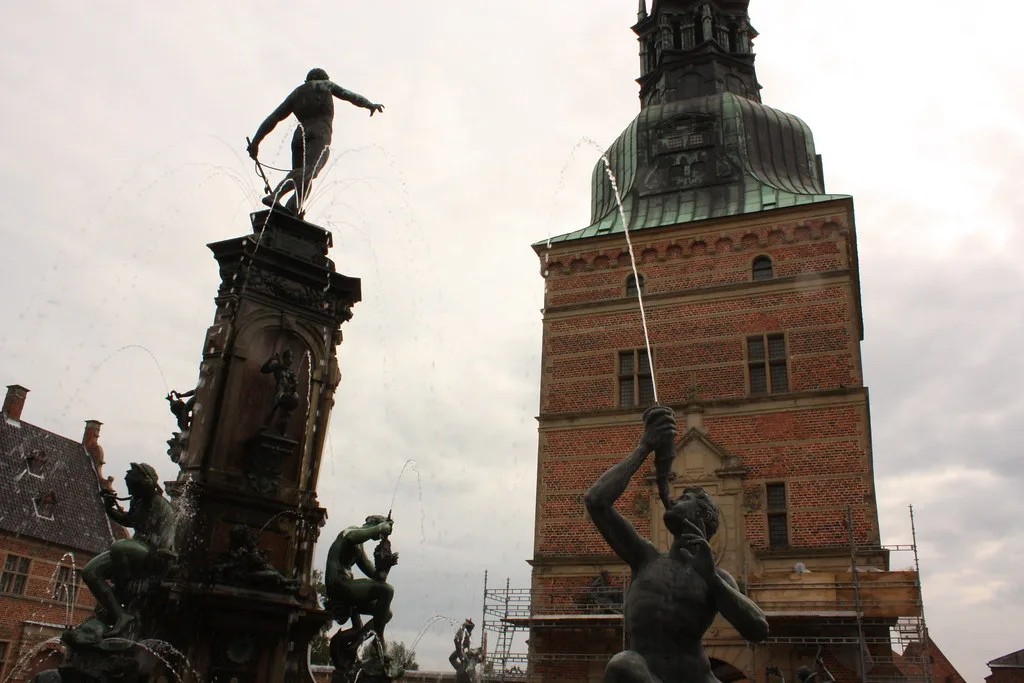
Entry to the museum costs around 120 DKK ($18); the baroque gardens are free to enter and open year-round. The museum operates 10:00 to 17:00 and the Neptune Fountain at the garden center is one of the most photographed spots in all of Denmark. In summer, you can take a small boat across the moat — a low-key detail that most guidebooks skip.
Getting there: The S-train Route A runs directly to Hillerød every 10 minutes from Copenhagen Central; the journey takes around 40 minutes. From Hillerød Station, it is a well-signposted 15-minute walk to the castle. The Copenhagen Card covers travel and entry.
Roskilde: Viking Ships and the Fjord
Roskilde holds two things that no other Danish town can match: five original Viking ships pulled from the fjord in the 1960s, and a UNESCO-listed cathedral that has served as the burial site of Danish monarchs for over a thousand years. The Viking Ship Museum is genuinely world-class — the reconstructed vessels are enormous, and the working boatyard lets visitors watch craftspeople build new ships using traditional methods.
Entry to the museum costs around 165 DKK ($24) during summer; it is open 10:00 to 17:00. Boat trips on the fjord run during warmer months for an additional fee. Beyond the museum, the Fjordstien hiking trail begins at the harbor and winds through forested areas along the water for a genuinely pleasant half-day walk — most visitors skip this entirely and miss the best part of Roskilde.
Getting there: Several DSB trains depart Copenhagen Central to Roskilde each hour; the journey takes 25 to 30 minutes and costs around 80 DKK ($12) each way. No advance booking is required. From the station it is a 25-minute walk to the harbor, or take a local bus.
Møns Klint: Denmark's Dramatic White Cliffs
The chalk cliffs of Møns Klint rise 128 meters above the Baltic Sea on the island of Møn — a genuinely dramatic landscape that feels entirely unlike the rest of flat Denmark. The forest at the clifftop makes for a cool summer walk, and the view down from the edge is vertiginous in the best possible way. The wooden staircase to the pebble beach below is steep and can be slippery; wear proper shoes.
Access to the cliffs is free. The GeoCenter Møns Klint museum adds context about the geology — it costs around 135 DKK ($20) per adult and is well worth it if you have children. The island town of Stege is a good lunch stop before or after the cliffs; Det Gamle Bryghus serves reliably good food. The overnight campsite at Møns Klint is one of Denmark's most scenic if you want to extend the trip.
Getting there: Møns Klint is impractical by public transport from Copenhagen; a car is strongly recommended, with the drive taking just over two hours. If you are car-free, the easiest option is a guided day tour: the Møns Klint and Forest Tower Day Tour handles all logistics and includes the iconic observation tower in the nearby forest.
Stevns Klint: UNESCO Natural Heritage
Stevns Klint is a UNESCO World Heritage Site and the geological record of the asteroid impact that ended the dinosaurs — you can literally see the dark clay layer in the cliff face where the Cretaceous period ends. It is quieter than Møns Klint, attracts amateur fossil hunters year-round, and makes a natural pairing with Møns Klint on the same day if you have a car.
The cliffside church at Højerup is the visual centerpiece: it has been slowly falling into the sea for decades, and part of the chancel dropped off in 1928. The site itself is free to visit. The nearby Stevnsfort Cold War Museum, built into the cliff, charges around 100 DKK ($15) and is genuinely interesting for anyone with an interest in 20th-century history.
Getting there: By public transport, take the train to Køge (35 minutes from Copenhagen Central) and then a local bus to Højerup. By car, Stevns Klint is around 75 minutes from Copenhagen. If combining with Møns Klint, approach Stevns on the return leg since it is closer to the city.
Odense: The Fairytale Home of Hans Christian Andersen
Denmark's third-largest city has genuinely reinvented itself around its most famous son. The new H.C. Andersen Museum, designed by Kengo Kuma and opened in 2021, is one of the best literary museums in Europe — immersive, architecturally striking, and surrounded by a garden that blends seamlessly with the old cobbled streets. Odense also added a new tram network in recent years, which makes it feel more like a complete city than the sleepy town it once was.
The museum is open 10:00 to 17:00 and costs around 145 DKK ($22) per adult. The nearby H.C. Andersen Childhood Home is a separate small building and worth a quick visit for the scale alone — the author grew up in genuinely cramped conditions. The modern harbor district is excellent for a coffee or lunch after the museums.
Getting there: InterCity trains from Copenhagen Central reach Odense in about 70 minutes. Standard tickets cost around 300 DKK ($45) return, but DSB's discounted orange tickets start at 99 DKK each way if you book a few days ahead — one of the best-value hacks in the Danish rail system. Buy through the DSB app and also purchase a separate seat reservation (pladsbillet) when booking.
Lund: Sweden's Medieval University Town
Lund is 20 minutes beyond Malmö by train and feels like a completely different world — a compact medieval university town of winding streets, half-timbered houses, and a student population that keeps the cafes and bakeries busy year-round. The Lund Cathedral (Domkyrkan) is one of the finest Romanesque buildings in Scandinavia, dating from the 12th century, and entry is free.
Inside the cathedral, the astronomical clock performs a mechanical show at 12:00 and 15:00 daily — knights joust, figures parade, and a small organ plays. Do not miss it. For food, Mannz Bageri near the main square is the local favorite for pastries. The Botanical Gardens are free, well-maintained, and a genuinely pleasant hour if the weather cooperates. Lund and Malmö combine naturally into a single long day trip from Copenhagen.
Getting there: Take the train from Copenhagen to Malmö (30 to 40 minutes) and change for a local Skånetrafiken service to Lund Central (20 minutes). Both legs use the Skånetrafiken app. Total journey time from Copenhagen is around an hour. For a hassle-free option, this guided tour from Copenhagen to Lund and Malmö covers both cities in one day.
Dyrehaven: The Royal Deer Park
Over 2,000 red and fallow deer roam freely through Dyrehaven, the UNESCO-listed hunting forest that stretches north of the city. The deer are accustomed to people, so close encounters are common and genuinely impressive — a full-grown red deer stag at 50 meters is not something you forget quickly. Entry is free and the park is open 24 hours.
The park sits directly adjacent to Bakken, the world's oldest operating amusement park (founded 1583), which is free to enter though rides cost extra. The nearby Bellevue Strand beach, designed by Arne Jacobsen with his distinctive striped lifeguard towers, is one of the most Instagrammed spots on the entire Copenhagen coastline. The annual Hubertusjagt horse race runs through the park each November if you are visiting in autumn.
Getting there: The S-train Route C runs from Copenhagen Central to Klampenborg in about 20 minutes; the park entrance is directly outside the station. Use the DSB app to check in and out. This is one of the easiest day trips in the entire list.
Gilleleje: Authentic Coastal Fishing Town
Gilleleje is very much a summer town and one of the most authentic fishing communities on the northern Zealand coast. Many Danes own their summerhouses here, and the town's social life runs entirely around the harbor — fish fresh off the boat, outdoor tables in the sun, and ice cream from the nearby stands. Adamsens Fisk at the harbor is the best place in the region for fish and chips: crisp batter, proper cod, and a long queue that moves quickly.
Unlike some of the more famous spots on this list, Gilleleje draws very few international tourists. That is both its strength and its limitation — shops close early and the town quiets down considerably outside of summer. The harbor sunsets around midsummer, typically late June, are exceptional. If you are visiting between October and April, temper your expectations.
Getting there: A car is easier, taking roughly an hour from Copenhagen. By public transport, take the S-train to Hillerød (Route A) and change for the 950R local train to Gilleleje; total journey time is around 90 minutes. No advance booking is required.
Hareskoven and Bagsværd Sø: Forest Escapes and Lakes
Hareskoven is a dense beech forest about 25 minutes from central Copenhagen, paired with the calm lake of Bagsværd Sø for one of the city's best low-effort nature escapes. The trail around the lake is around 6 kilometers and takes roughly 90 minutes at a relaxed pace. There are plenty of benches and picnic spots along the shore, so bring food.
This is primarily a local destination — you will see far more Copenhageners in running shoes than international tourists. The forest has several mountain biking trails if you are bringing a bike. A rowboat rental is available at the lake in summer for a quiet afternoon on the water. Access to both the forest and the lake is entirely free at all times.
Getting there: Take the S-train Route B toward Farum to Hareskov Station; the journey takes around 25 minutes from Copenhagen Central and the trail starts directly outside the station exit.
Booking Tickets in 2026: The App Change You Need to Know
The DOT app, which was the standard transit ticketing app for many years in the Copenhagen region, was discontinued on 16 December 2025. If you downloaded it before your trip based on older blog posts or guidebooks, it will not work. The replacement is the DSB app (iOS and Android) for regional rail journeys, and Rejseplanen journey planner for all public transport modes including buses and S-trains. Both are free and work well.
For Swedish legs of your trip — Malmö, Lund, or Skanör — use the Skånetrafiken app instead. The DSB app does not cover Swedish rail. You can buy tickets on the day for most destinations without a problem; the only exception is Odense, where booking a few days ahead unlocks the discounted orange tickets (from 99 DKK each way versus roughly 150 DKK on the day).
The Copenhagen Card still covers DSB regional trains to Helsingør, Hillerød, Roskilde, Dyrehaven, and several other destinations on this list. It does not cover the Swedish side of the Øresund crossing. If you plan to combine two or three castle-and-museum days with regular rail travel, the 48-hour card typically breaks even at around 600 to 700 DKK in combined entry fees and fares.
Kronborg vs. Frederiksborg: Which Castle Should You Choose?
Choosing between these two royal heavyweights is the most common dilemma for day trippers. Kronborg is ideal for those who love coastal views and the literary history of Shakespeare's Hamlet. It feels more like a fortress — dark cannon galleries, damp underground passages, and sea wind through every corridor.
Frederiksborg Slot offers a more lavish experience with its gold-leafed chapel and grand ballroom. The baroque gardens in Hillerød are arguably the most beautiful outdoor space in Denmark, and the national portrait museum inside covers centuries of royal history in detail. Choose Frederiksborg if you want architecture, gardens, and art; choose Kronborg if you want atmosphere, coastal drama, and the Hamlet connection.
| Feature | Kronborg | Frederiksborg |
|---|---|---|
| Train time from Copenhagen | 50–60 min | 40 min |
| Entry fee | 145 DKK ($22) | 120 DKK ($18) |
| Best for | Literary history, fortress atmosphere | Architecture, gardens, royal portraits |
| Highlight | Casemates, Øresund sea views | Gold chapel, Neptune Fountain, moat boat |
| Crowd level (summer) | Moderate | Higher |
| Garden access | Ramparts only | Baroque gardens free year-round |
Travel time to both is similar — around 50 to 60 minutes by train. If you have a long summer day and serious castle enthusiasm, it is technically possible to visit both by leaving Copenhagen by 09:00. I personally prefer the rugged atmosphere of the Kronborg castle day trip in autumn when the light is low and the crowds are thin.
Frequently Asked Questions
Can you visit Sweden from Copenhagen without a passport?
No, you must carry a valid passport or national ID card when crossing the Øresund Bridge. Swedish authorities often conduct random spot checks on trains arriving from Denmark. Failure to provide identification can result in being denied entry or facing significant travel delays.
What is the easiest day trip from Copenhagen by train?
Roskilde is the easiest trip because trains depart every 15 minutes from the central station. The journey takes only 20 to 25 minutes on the regional line. Most major attractions in Roskilde are within walking distance of the station.
Is the Copenhagen Card worth it for day trips?
The card is highly valuable if you visit high-entry-fee sites like Frederiksborg or Kronborg. It covers all public transport within the capital region, including regional trains. However, it does not cover the Swedish side of the bridge for Malmö trips.
Copenhagen is a fantastic base for exploring the wider Baltic region and the heart of Scandinavia. By venturing beyond the city limits, you gain a deeper understanding of Danish history and nature. These twelve destinations cover the full range — from white cliffs and Viking ships to Swedish university towns and royal deer parks.
Remember to download the DSB app (not DOT, which closed in December 2025) and check Rejseplanen for real-time transit updates before you head out. Whether you choose the dramatic cliffs of Møn or a summer afternoon in Gilleleje, the Danish rail network makes it straightforward. Safe travels across the beautiful island of Zealand.
You might also like

Continue reading
More guides you'll find useful