11 Best Neighborhoods to Stay in Copenhagen (2026)
Discover the 11 best neighborhoods to stay in Copenhagen for 2026. Includes local tips on Indre By, Vesterbro, Malmö commutes, and areas to avoid.
On this page
11 Best Neighborhoods and Tips for Staying in Copenhagen (2026)
After five visits to the Danish capital over the last decade, I have seen how quickly these districts evolve. Copenhagen is remarkably compact, yet each bridge you cross leads to a neighborhood with a completely different soul. Deciding where to stay in Copenhagen depends entirely on whether you crave historic cobblestones or gritty industrial charm.
Updated June 2026 after my recent spring return visit, this guide reflects the latest hotel openings and transport updates. The city remains one of the safest in Europe, but prices for central accommodation continue to rise steadily. You will find that the best value often lies just two or three Metro stops away from the main tourist hub.
From the upscale gardens of Frederiksberg to the multicultural food stalls of Nørrebro, there is a perfect base for every traveler. I have vetted these areas based on their walkability, local dining scenes, and overall accessibility to major sights. Let's dive into the specific districts that will make your Danish getaway truly memorable.
Overview of Copenhagen's Layout
Copenhagen is built around a historic harbor and expands outward in a series of concentric layers. The oldest core, Indre By, sits at the water's edge where the city began as a medieval merchant port. The surrounding 'bro' districts — Vesterbro, Nørrebro, and Østerbro — ring this center and are separated from it by a chain of long, narrow lakes.
South and east of Indre By, the island of Amager holds Christianshavn, the airport, Amager Strand beach, and the more residential Amager Øst. Further north, former industrial areas like Nordhavn and the harbour waterfront have been transformed into modern residential and hotel districts. Sydhavn and Valby extend southwest, offering cheaper accommodation at the cost of slightly longer commutes.
The Metro runs 24 hours a day, 7 days a week, and has no last service — a significant advantage over most European cities. The M3 Cityringen loop connects all the inner districts, while the M4 branch serves Nordhavn and the airport. For detailed route maps and public transport information, Visit Copenhagen provides an excellent planning guide. Cycling is genuinely practical here; most hotels provide bike rentals, and the flat terrain means a 20-minute ride covers a large slice of the city.
Roughly 90% of Copenhagen's hotels are concentrated in two neighborhoods: Indre By and Vesterbro. If you want to stay in Nørrebro, Christianshavn, or Frederiksberg, your choices are more limited but the trade-off in character and price is often worth it.
| Neighborhood | Nightly Rate (EUR) | Vibe | Best For |
|---|---|---|---|
| Indre By | €130–€900 | Historic, touristy, vibrant | First-timers, maximum sights access |
| Vesterbro | €100–€600 | Trendy, nightlife, artistic | Couples, foodies, nightlife seekers |
| Nørrebro | €150–€200 | Hipster, multicultural, cafés | Solo travelers, food obsessives |
| Frederiksberg | €200–€400 | Calm, residential, upscale | Families, quiet-seekers |
| Christianshavn | €220–€380 | Romantic, canals, artistic | Couples, architecture lovers |
| Østerbro | €150–€260 | Quiet, family-friendly, local | Families, 5+ day stays |
| Nordhavn | €250–€500 | Modern, waterfront, new | Design lovers, Oslo ferry access |
| Amager Øst | €120–€200 | Beach-adjacent, local, budget | Summer visitors, beach lovers |
Indre By: The Historic Heart of Copenhagen
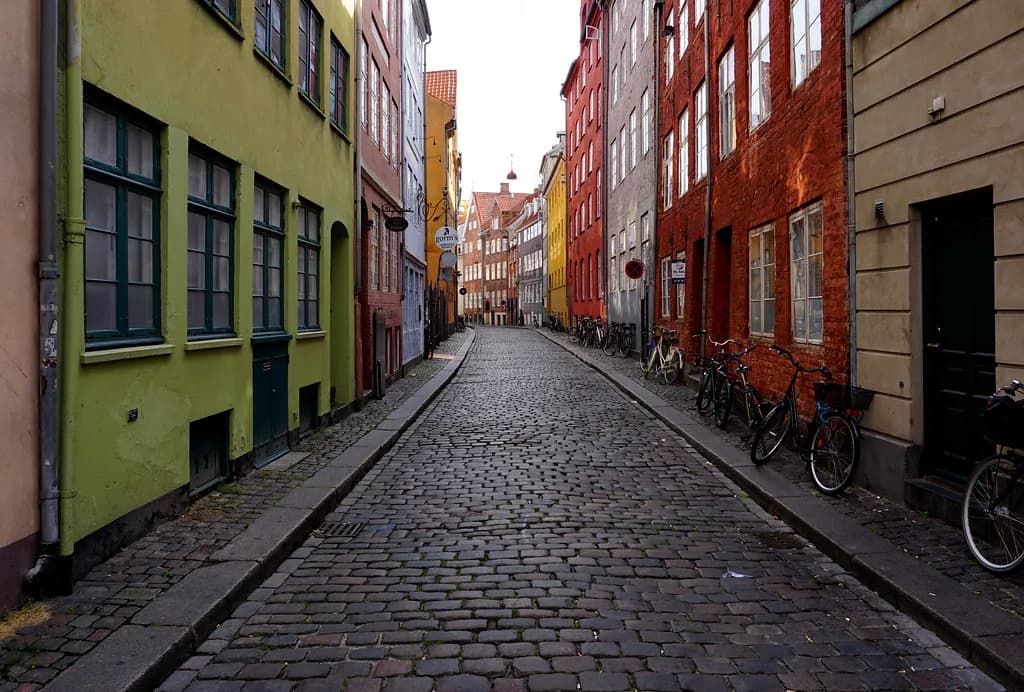
Indre By is Copenhagen's oldest district and the obvious base for first-time visitors. It contains Nyhavn, Tivoli Gardens, Rosenborg Castle, the Round Tower, Amalienborg Palace, and most of the main museums — all reachable on foot from a central hotel. Architecture ranges from 17th-century canal-side warehouses around Nyhavn to 19th-century civic buildings and sleek glass towers built after 2000.
Hotel prices here run from about €130 per night at budget-friendly Wakeup Copenhagen to €300–€500 at mid-luxury options like 25hours Hotel Indre By. At the top end, Hotel D'Angleterre remains the city's most prestigious address, with rates above €900 in peak season. The charming 71 Nyhavn Hotel offers canal views at around €280–€400 and is worth the premium if the harbor setting matters to you.
The main drawback is noise. Streets around Strøget, Gothersgade, and HC Andersens Boulevard stay loud well past midnight on weekends. If you are sensitive to noise, choose a hotel on a side street at least one block off the main pedestrian axis. The area around Ofelia Plads, toward the northern end of the harbor, is significantly quieter than the Nyhavn-to-Tivoli corridor.
Indre By is best for: first-time visitors with only 2–3 days, travelers who prefer to walk everywhere, and anyone willing to pay for maximum convenience.
Vesterbro: Trendy Nightlife and the Meatpacking District
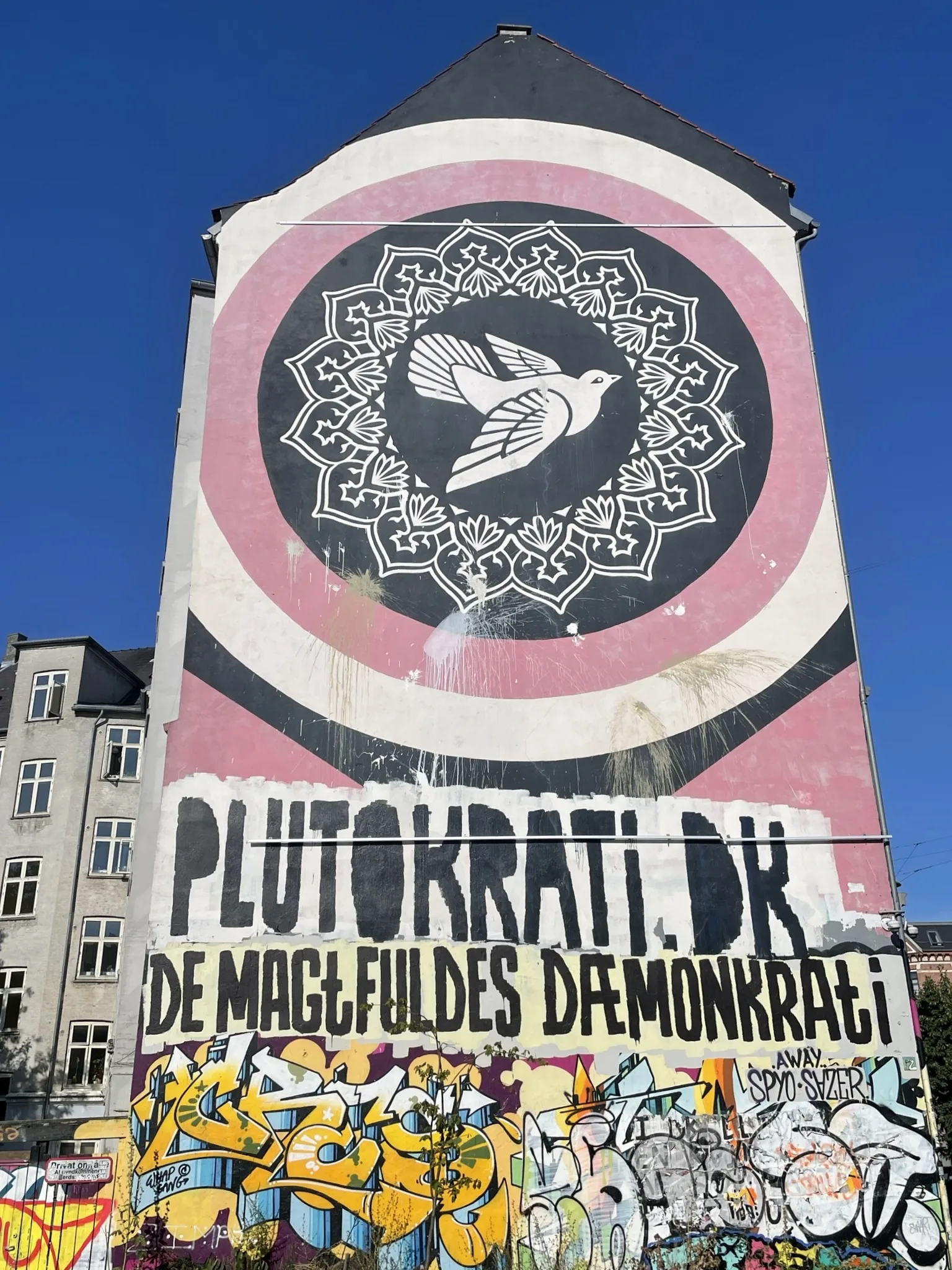
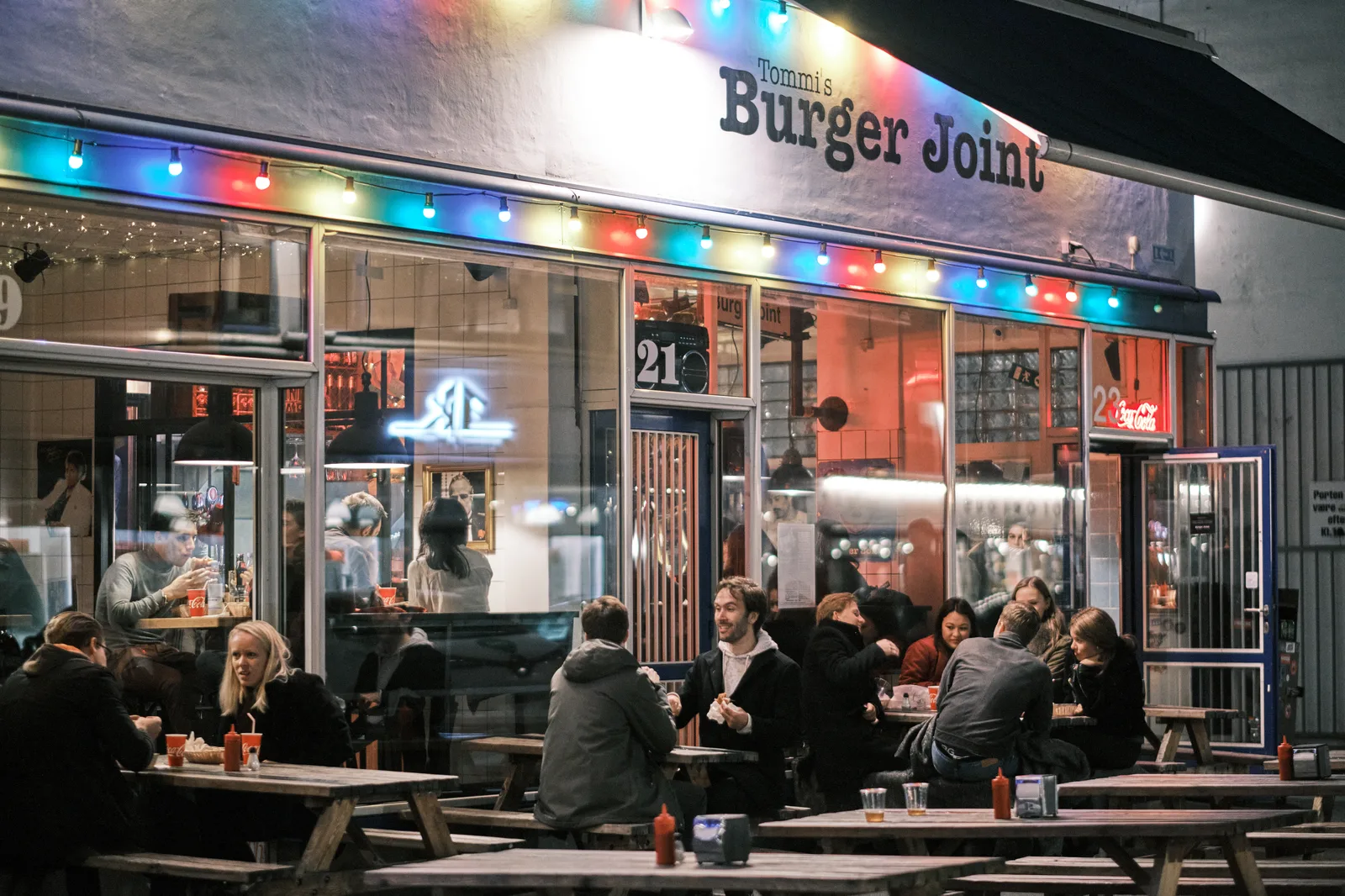
Vesterbro is my first recommendation for most visitors. It sits immediately west of Central Station, and walking into Indre By takes under 15 minutes. The neighborhood was a working-class and red-light district until the early 2000s; today it is packed with boutique hotels, independent restaurants, and Copenhagen's best nightlife concentrated in the Meatpacking District (Kødbyen). The brick warehouses of Kødbyen now house cocktail bars, live music venues, and some of the best contemporary restaurants in Denmark.
Hotel options here are the widest of any district. Villa Copenhagen, housed in a renovated post office building next to Central Station, is consistently ranked among the top hotels in Denmark — rates run €350–€600 in summer. For a more local design feel, Axel Guldsmeden on Helgolandsgade costs €200–€350 and provides bike rentals plus an onsite sauna. Budget travellers do well with Scandic Kødbyen at €150–€250 or CityHub's pod-style private rooms at around €100.
Be selective about your exact location within Vesterbro. The stretch of Istedgade closest to the Central Station still has a noticeable drug use center and can feel uncomfortable late at night. Hotels one block east or west of this strip are fine. The newer waterfront section near Fisketorvet shopping mall is quieter and more family-appropriate, though slightly further from the Meatpacking District's energy.
Vesterbro is best for: couples, foodies, anyone visiting for nightlife, and travelers who want a cool local neighborhood without sacrificing convenience.
Nørrebro: Multicultural Food and Hipster Culture
Nørrebro sits northwest of the lakes that separate it from Indre By. It is the most ethnically diverse neighborhood in Copenhagen, with strong Middle Eastern and immigrant communities alongside a younger, creative crowd that has driven rapid gentrification over the past decade. Jægersborggade is the most photogenic street — independent coffee roasters, ceramics studios, and natural wine bars fill every block. The nearby Assistens Cemetery, where Søren Kierkegaard and Hans Christian Andersen are buried, doubles as a park where locals sunbathe in summer.
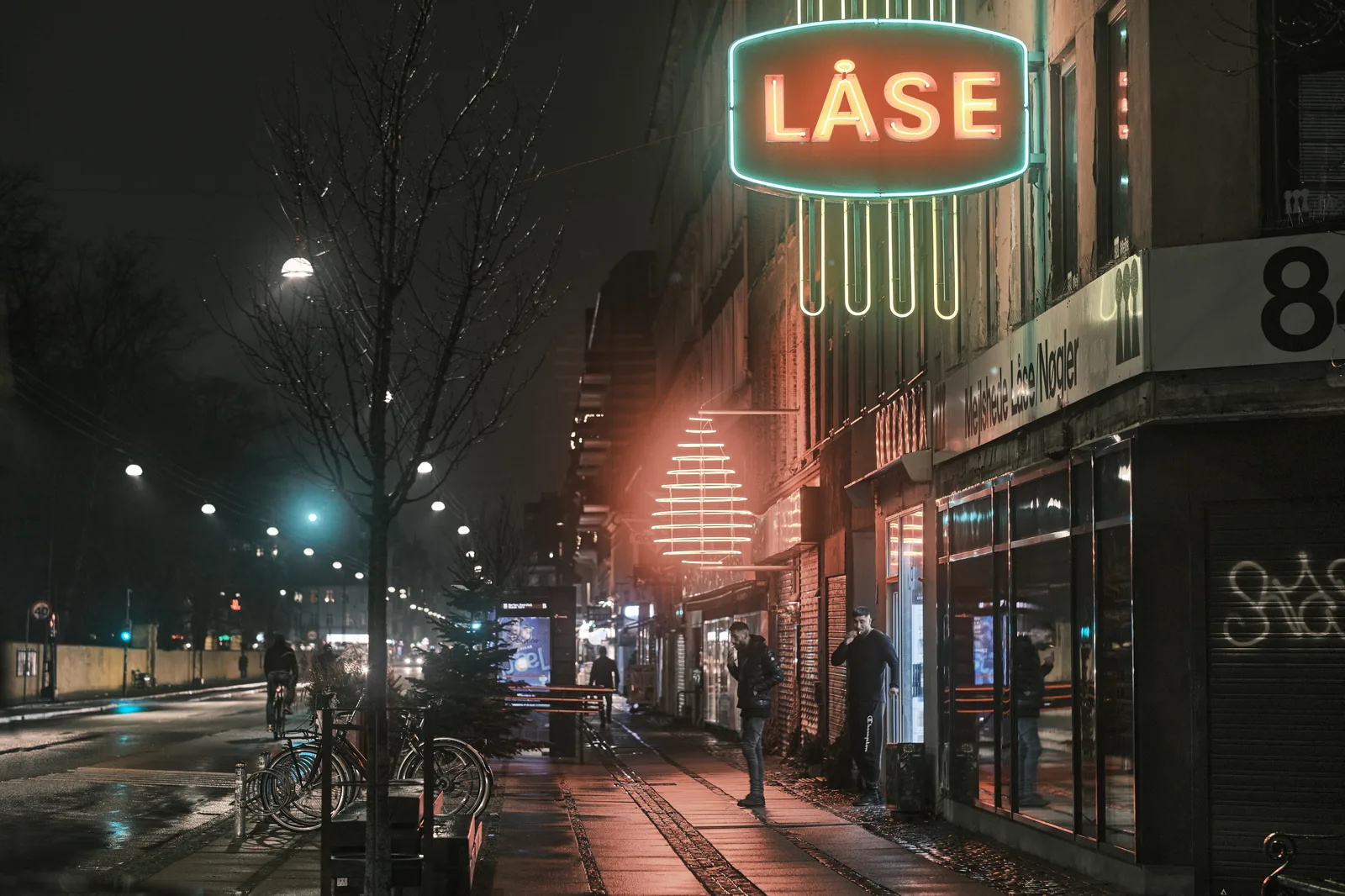
The hotel supply is limited but improving. Hotel Nora on Nørrebrogade is the most established option at €150–€200 per night. Budget rooms are available at Nørrebrogade 209 and a handful of small guesthouses. The M3 Cityringen Metro stops at Nørrebroparken station, getting you to the city center in under 10 minutes. Cycling is even faster — the route along the lakes takes about 12 minutes to reach Rådhuspladsen.
Noise is worth factoring in. Nørrebrogade is one of the busiest streets in Copenhagen and stays lively late on weekends. If you stay in this district, look for accommodation on a side street rather than directly on the main boulevard. The area around Stefansgade and Elmegade is quieter while still within easy walking distance of the neighborhood's best restaurants.
Nørrebro is best for: solo travelers in their 20s and 30s, anyone who wants authentic local atmosphere, and food-obsessed visitors who plan to eat their way through Copenhagen.
Frederiksberg: Upscale Living and Leafy Gardens
Frederiksberg is technically a separate municipality within the Copenhagen metropolitan area, though it is completely surrounded by the city. Wide, tree-lined boulevards and grand 19th-century apartment blocks give it a calmer, more bourgeois feel than the 'bro' districts. Frederiksberg Have, the royal park at the heart of the district, is one of the most beautiful green spaces in Denmark. The Frederiksberg Zoo adjoins it, making this the most practical neighborhood for families with young children.
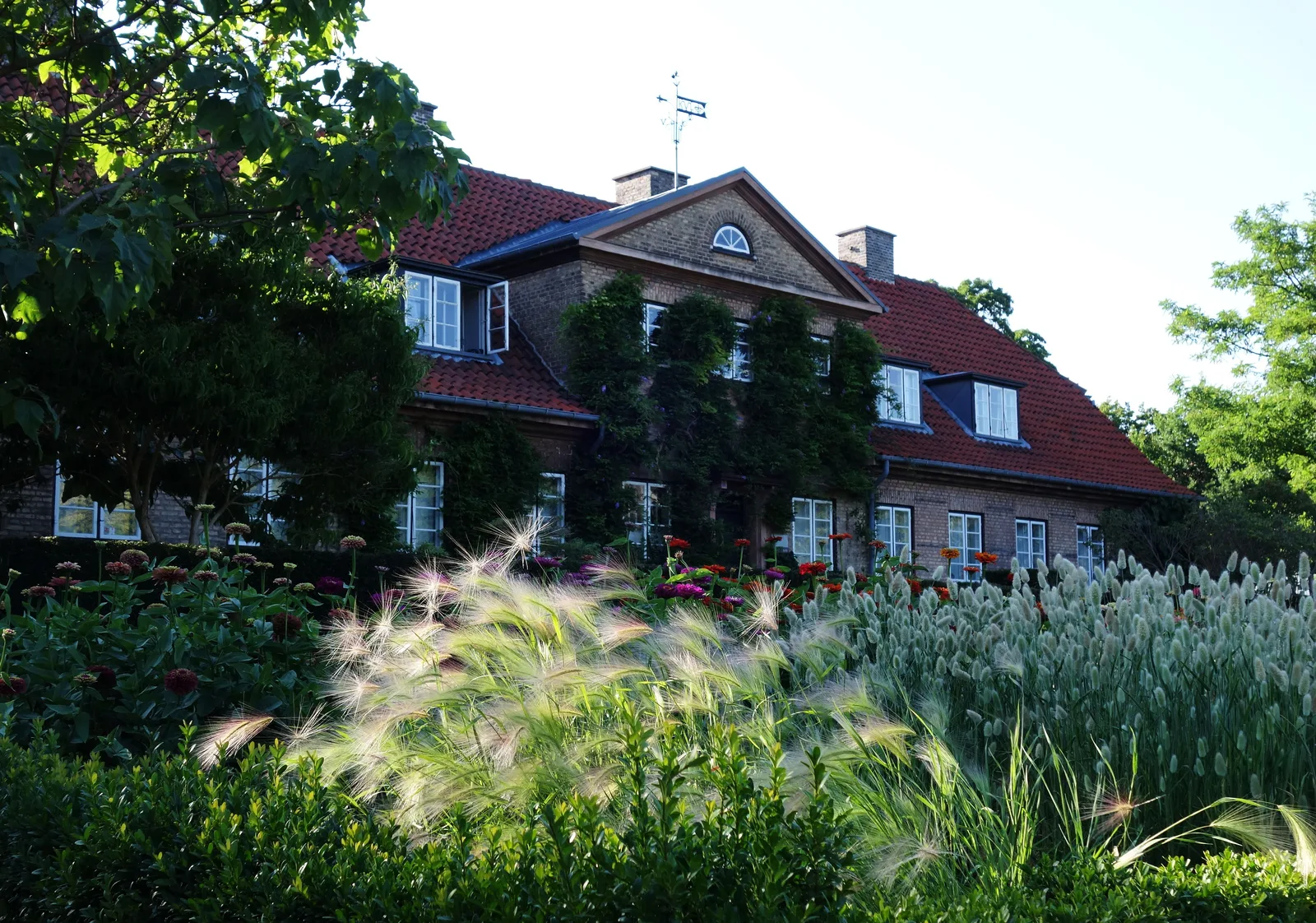
Hotels here lean boutique and mid-range, typically €200–€400 per night. The supply is smaller than in Vesterbro or Indre By, but you are compensated by much lower street noise and a genuinely residential atmosphere. The M2 and several bus routes connect Frederiksberg to the rest of the city. Enghave Plads station on the M3 sits on the district's eastern edge, linking to the Cityringen loop in minutes.
One local tip: Frederiksberg Allé is lined with excellent wine bars and neighborhood restaurants that attract almost zero tourists. This corridor feels more like a Parisian arrondissement than a Scandinavian tourist city. Staying here does mean you will need transport to reach most main sights, but the Metro ride into Indre By is only about eight minutes from the central Frederiksberg station.
Frederiksberg is best for: families, couples looking for a quieter stay, and travelers who value calm parks and upscale residential atmosphere over party proximity.
Christianshavn: Scenic Canals and Maritime History
Christianshavn occupies a small island between Indre By and Amager, connected by bridges and characterized by 17th-century Dutch-inspired canals lined with colourful houseboats. The neighbourhood is home to the Church of Our Savior — with its famous external spiral staircase offering some of the best views in the city — and to Freetown Christiania, the autonomous commune that operates as a major tourist attraction and genuine social experiment since 1971.
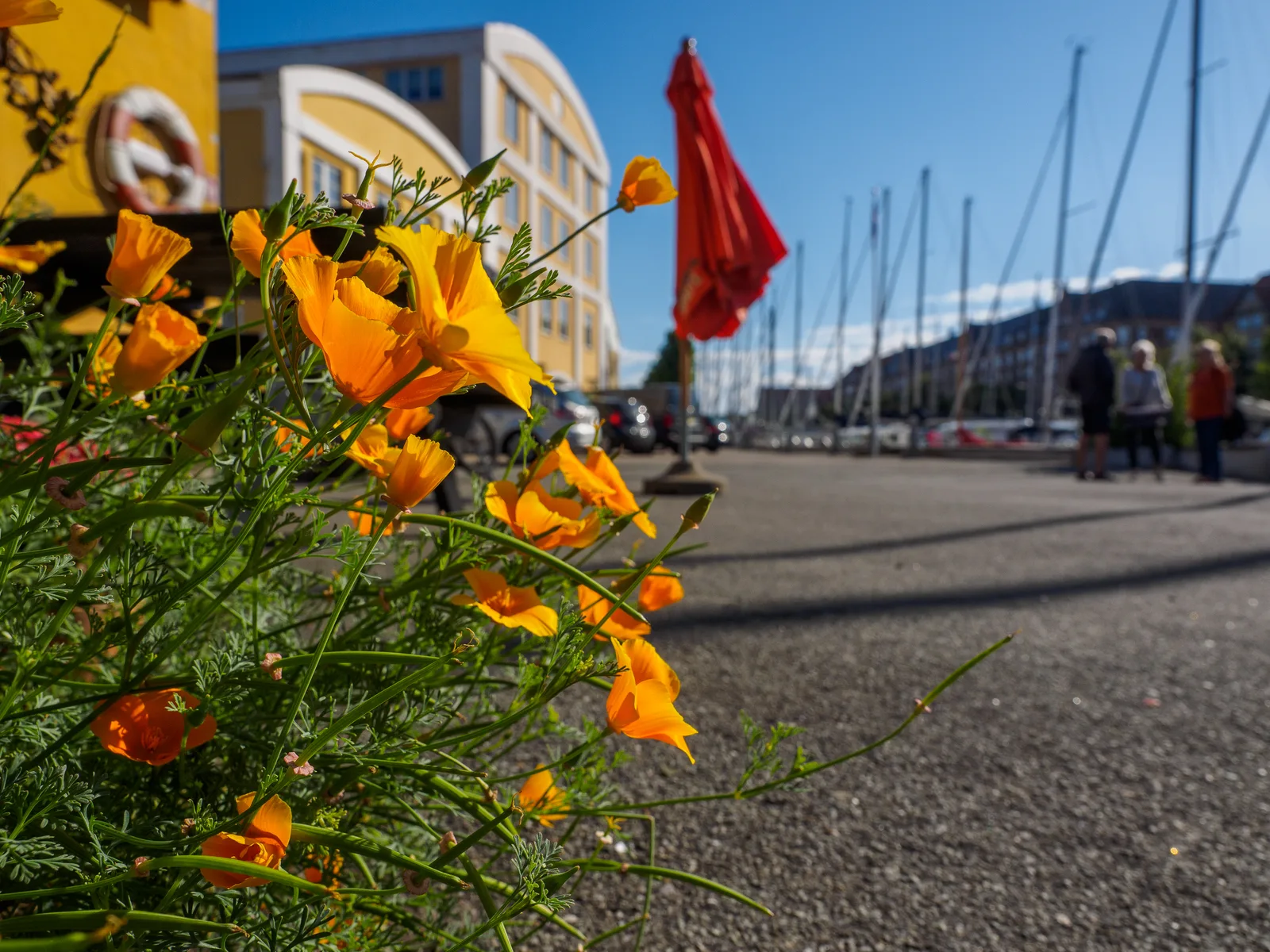
Accommodation options are limited but exceptional in quality. NH Collection Copenhagen is the standout choice at €220–€380 per night, with excellent soundproofing and canal-adjacent rooms. Kanalhuset offers a quirkier, design-forward stay right on Christianshavns Kanal. The Christianshavn Metro station (M1 and M2 lines) provides a direct 15-minute connection to the airport — a useful advantage if you have an early flight.
Because the hotel inventory is small, Christianshavn books out quickly in summer. Reserve at least 8–10 weeks in advance if you have your heart set on staying here. The neighborhood is significantly quieter than Vesterbro or Indre By at night, and the canal waterfront makes for a genuinely peaceful morning walk before the tourist crowds arrive.
Christianshavn is best for: couples seeking a romantic and scenic base, architecture enthusiasts, and anyone who wants to be close to the city center but away from the tourist core.
Østerbro: Quiet Streets and Family-Friendly Atmosphere
Østerbro sits north of Indre By and Nordhavn, and is arguably the safest and most consistently residential neighborhood within easy reach of the center. Fælledparken, the largest public park in Copenhagen at 58 hectares, dominates the area and provides ample space for children. The main commercial street, Østerbrogade, has bakeries, local grocers, and neighbourhood restaurants that open early and close by 21:00 — a quiet rhythm that suits families and older travelers.
Hotel supply is modest. The best options are apartment-style hotels and a handful of mid-range chains, typically €150–€260 per night. The S-train stops at Østerport station, which is also a useful connection to the airport via the train line. Nordhavn Metro station on the M4 is a short cycle away and connects to the rest of the network.
One advantage that competitors rarely mention: Østerbro is the most convenient neighborhood for visiting Kastellet, the star-shaped 17th-century fortress that is one of Copenhagen's most atmospheric and undervisited sights. The fortress is a five-minute walk from the Østerport train station and almost entirely free to enter. If your itinerary includes the nearby Little Mermaid statue and the National Museum of Art (SMK), Østerbro is the most logical base.
Østerbro is best for: families with children, solo travelers who want peace, and anyone visiting Copenhagen for more than five days who wants to experience a genuinely local residential district.
Nordhavn: Modern Waterfront and Industrial Design
Nordhavn is a former industrial port redeveloped over the past fifteen years into one of the most architecturally striking residential districts in northern Europe. The buildings are almost entirely post-2010, which means rooms are reliably modern but can feel characterless compared to the older neighbourhoods. It is where the Copenhagen-Oslo DFDS ferry departs, making it a convenient staging point if you are doing a wider Scandinavian trip.
Hotel rates run €250–€500 for waterfront properties. Charlottehaven and the Fairfield by Marriott are the main options. The Sandkaj harbor bath is a genuine highlight in summer — free to use and far less crowded than the more famous Islands Brygge baths. ÅBEN Brewery on Arhusgade is worth an evening visit for craft beer. Konditaget Lüders, the public rooftop at the water's edge, offers panoramic views of the Øresund Strait at no cost.
The M4 Metro line connects Nordhavn to Central Station in under ten minutes, which makes the commute genuinely painless. One trade-off: Nordhavn has very few restaurants and almost no nightlife of its own. You will eat and drink well, but you will need to commute into Vesterbro or Indre By to do so. Accommodation here also sells out quickly in summer due to the limited supply, so book early.
Nordhavn is best for: travelers who value modern design and quiet, those taking the Oslo ferry, and summer visitors who want easy access to harbor swimming.
Amager Øst and Islands Brygge: Beach Access and Harbor Swimming
Amager Øst encompasses the residential neighborhoods of Amagerbro and the coastal strip leading to Amager Strandpark, a 5-kilometre artificial beach and lagoon that opened in 2005. In summer, this beach is genuinely excellent — the lagoon water is calm and warm enough for families, and the cycling path along the coastline is flat and well maintained. Hotel prices here are among the lowest of any central area, typically €120–€200 per night, with the M2 Metro providing direct access to the airport and the city center.
Islands Brygge, slightly closer to the city center on the western edge of Amager, is famous for its harbor bath — a series of free outdoor swimming pools built over the canal. The baths are open from June through August, typically from 07:00 to 19:00, and get genuinely packed on hot days. The Lille Langebro cycle bridge connects Islands Brygge to Vesterbro in under five minutes. Accommodation here runs €180–€300 and leans toward apartment hotels and newer builds.
Both areas feel less polished and more local than the tourist-heavy center, which many visitors find refreshing after a day in Nyhavn. The main limitation is that evenings can feel quiet to the point of isolation in winter when the harbor baths close and the beach is empty. For a summer trip, however, these two neighborhoods offer the best combination of price, beach access, and authentic Copenhagen residential life.
Amager Øst and Islands Brygge are best for: summer visitors, budget-conscious travelers, and anyone who wants beach access while staying connected to the city via Metro.
Summer vs. Winter: Which Neighborhood Actually Suits Your Dates
Copenhagen's waterfront neighborhoods — Nordhavn, Amager Øst, Islands Brygge, and Sydhavn — transform between June and September. Harbor baths open, beach cycling paths fill with locals, and canal-side terraces serve food and drinks until 22:00. In these months, paying a premium to stay in Indre By purely for proximity to sights makes less sense than it does in winter, because the real action shifts outdoors and toward the water.
From October through April, the calculus reverses. Harbor baths close, the beach is windswept, and the most compelling reasons to stay in waterfront districts largely disappear. In winter, Vesterbro and Indre By become genuinely better choices — the restaurant and bar scene indoors is stronger, the Christmas markets around Tivoli and Rådhuspladsen are walkable, and you lose nothing by being away from water you cannot swim in.
This seasonal split is not something most generic neighborhood guides flag, but it has a real effect on value. A Nordhavn apartment at €180 per night in July, with a harbor bath 300 metres away, represents excellent value. The same apartment in January — when you are commuting 10 minutes by Metro every evening to reach the restaurants you actually want to be at — is a less obvious choice than Vesterbro at a similar price.
Is It Worth Staying in Malmö and Taking the Train?
Many travelers consider staying across the water in Malmö, Sweden, to find cheaper accommodation options. Hotel prices in Malmö are often 30% to 50% lower than those in central Copenhagen, and Swedish krona fluctuations have occasionally pushed that gap wider. The train journey across the Øresund Bridge takes approximately 35 minutes from Malmö Central to Copenhagen Central Station.
The Øresund train ticket costs about 105 SEK (roughly €9) each way in 2026, which works out to approximately €18 per person per round trip. If you are staying three nights and commuting daily, that adds €54 to your trip cost per person — not negligible. For a solo traveler saving €60 per night in Malmö, the maths still favor Malmö. For a couple or family, the savings per room are proportionally larger while the commute cost is fixed per person, so the equation is more complicated.
Passport checks are occasionally performed at the Swedish border, though this has been intermittent rather than systematic since Denmark reintroduced border controls. Allow an extra 15–20 minutes on your commute when returning from Malmö late in the evening to account for this possibility. Trains run every 20 minutes during the day but drop to every 30–40 minutes after midnight, which matters if you plan a late night out in Copenhagen. For a short weekend trip, the time lost in transit usually outweighs the financial benefit. For stays of five or more nights, Malmö is genuinely worth considering.
What Are the Main Hotel Chains in Copenhagen?
Copenhagen's hotel market is dominated by a few Scandinavian chains rather than the global American brands familiar from other European cities. Scandic is the most prevalent, operating across multiple neighborhoods with reliable mid-range standards, strong breakfast buffets, and a consistent sustainability program. Their properties are rarely the most exciting option, but they are dependable and price-competitive, typically €150–€270 per night.
Guldsmeden Hotels run several boutique properties with a distinctive organic and Balinese-inspired aesthetic. They source bedding from organic cotton, serve vegetarian-leaning breakfasts, and maintain a warm, hygge-forward atmosphere. Axel Guldsmeden in Vesterbro and Bertrams Guldsmeden near Frederiksberg are the two most convenient locations. Rates are €200–€350, and they consistently outperform international chains on atmosphere and personality.
Brøchner Hotels operate some of the most interesting design properties in the city. Hotel Ottilia, set in the old Carlsberg Brewery in Vesterbro, has round porthole windows and brewery-scale ceilings. Their complimentary wine hour each evening (typically 17:00–18:00) is a legitimate perk rather than a marketing gimmick — it is a good opportunity to get recommendations from the front desk staff, who tend to be well-versed in the local food scene. If you want authentically Danish hotel design at reasonable prices, Brøchner is the best place to start.
Copenhagen Planning Cheatsheet and Areas to Avoid
To navigate like a local, download two apps before you arrive: Rejseplanen for Metro, bus, and train timetables; and DOT Tickets for buying transport passes digitally. The official Copenhagen Metro website also provides route maps and live departure updates. A 24-hour travel pass costs €14.40 in 2026 and covers all zones including the airport. Tipping is not expected — service charges are included in all restaurant bills by law. Most shops open at 10:00 and close between 18:00 and 20:00; bakeries and coffee shops typically open between 06:30 and 07:30.
Areas I do not recommend as a base: the stretch of Istedgade between Copenhagen Central Station and Enghave Plads has a persistent drug use center and a rougher nighttime atmosphere than anywhere else in central Copenhagen. Hotels in this specific corridor are priced as if they are in trendy Vesterbro, but the immediate street environment does not match. Moving your search two or three blocks north or south resolves this entirely. Hotels directly on Strøget itself are overpriced and noisy — the pedestrian street empties at night but fills with noise until late from surrounding streets. Areas like Høje Taastrup and Hvidovre on the S-train network are genuinely too far out; the commute eats into your evenings, and the neighborhoods have nothing to offer tourists.
One underused app: the harbor bus (Havnebus) routes 901 and 902 run along the inner harbour between Nordre Toldbod in Nordhavn and Sydhavn. A single journey costs the same as a Metro ride (about €3) and offers canal views that the Metro cannot match. It runs from approximately 06:00 to 22:30 and is a genuinely pleasant way to move between neighborhoods on the water side of the city.
Frequently Asked Questions
Which neighborhood in Copenhagen is best for first-time visitors?
Indre By is the best choice for first-time visitors because it is within walking distance of major sights like Nyhavn and Tivoli Gardens. You will save time on transport, though hotel prices are higher here than in other districts.
Is it cheaper to stay in Malmö than Copenhagen?
Yes, hotel rates in Malmö are significantly lower, often saving you $50–$100 per night. However, you must account for the $30 round-trip train ticket and the 70-minute daily commute across the border.
What is the safest area to stay in Copenhagen?
Frederiksberg and Østerbro are considered the safest and quietest residential neighborhoods in the city. These areas are ideal for families or solo travelers who prefer a calm atmosphere away from the nightlife hubs.
Choosing the right neighborhood will define your experience in this beautiful Scandinavian city. Whether you pick the historic charm of Indre By or the modern vibes of Nordhavn, the Metro makes exploration easy. I recommend booking your accommodation at least three months in advance to secure the best rates.
Copenhagen is a city that rewards those who step off the main tourist paths. For more detailed guides on Danish travel, visit the Denmark Wander blog for updated tips. Enjoy your stay in the world's most livable city and embrace the local culture.
You might also like

Continue reading
More guides you'll find useful