10 Best Things to See in Copenhagen (2026)
Discover the 17 best things to see in Copenhagen, from iconic Nyhavn to local favorites in Nordhavn. Includes expert tips on what to skip and where to find the best views.
On this page
17 Best Things to See in Copenhagen
Copenhagen is one of those cities that earns its reputation the moment you arrive. The streets are clean, the cycling infrastructure is extraordinary, and the neighborhoods each carry a distinct personality that rewards slow exploration. This guide covers 17 of the best things to see in Copenhagen in 2026, drawn from multiple visits across different seasons and a genuine obsession with the Danish capital.
At a glance
- Best time to visit: May–August for weather; December for Christmas markets
- Duration: 3–5 days to see major sights without rushing
- Getting around: Bike rentals 100–150 DKK/day; Metro/bus tickets included in Copenhagen Card
- Budget: Mid-range dinner for two ~600 DKK; craft beer 60–80 DKK
- Language: English fluently spoken throughout the city
The city is compact enough to cover a lot of ground on foot or by bike in a single day, yet layered enough that even returning visitors keep finding new corners. Whether you are here for the iconic waterfront or the quietly brilliant local neighborhoods, the following list will give you a framework for building an itinerary that goes beyond the standard tourist circuit. Planning the order of your days matters here — consult the official tourism board alongside the full Copenhagen activity guide to map each district logically.
One note before you start: the difference between a good Copenhagen trip and an outstanding one often comes down to knowing what to skip. I have included a section at the end covering exactly that, with honest alternatives to the places that consistently disappoint first-time visitors. Read it before you finalize your itinerary.
Unleash Your Inner Child at Tivoli Gardens
Tivoli Gardens opened in 1843, making it one of the oldest amusement parks still operating anywhere in the world. It sits immediately behind Copenhagen Central Station in Vesterbro, which means arriving visitors often walk past its entrance before they have even checked into their hotel. Entry starts at 155 DKK for adults in 2026, with a separate Ride Pass required if you want to use the attractions — check the Tivoli website for current pricing and seasonal hours. The vintage wooden roller coaster, which dates to 1914, remains the most photographed ride in the park.
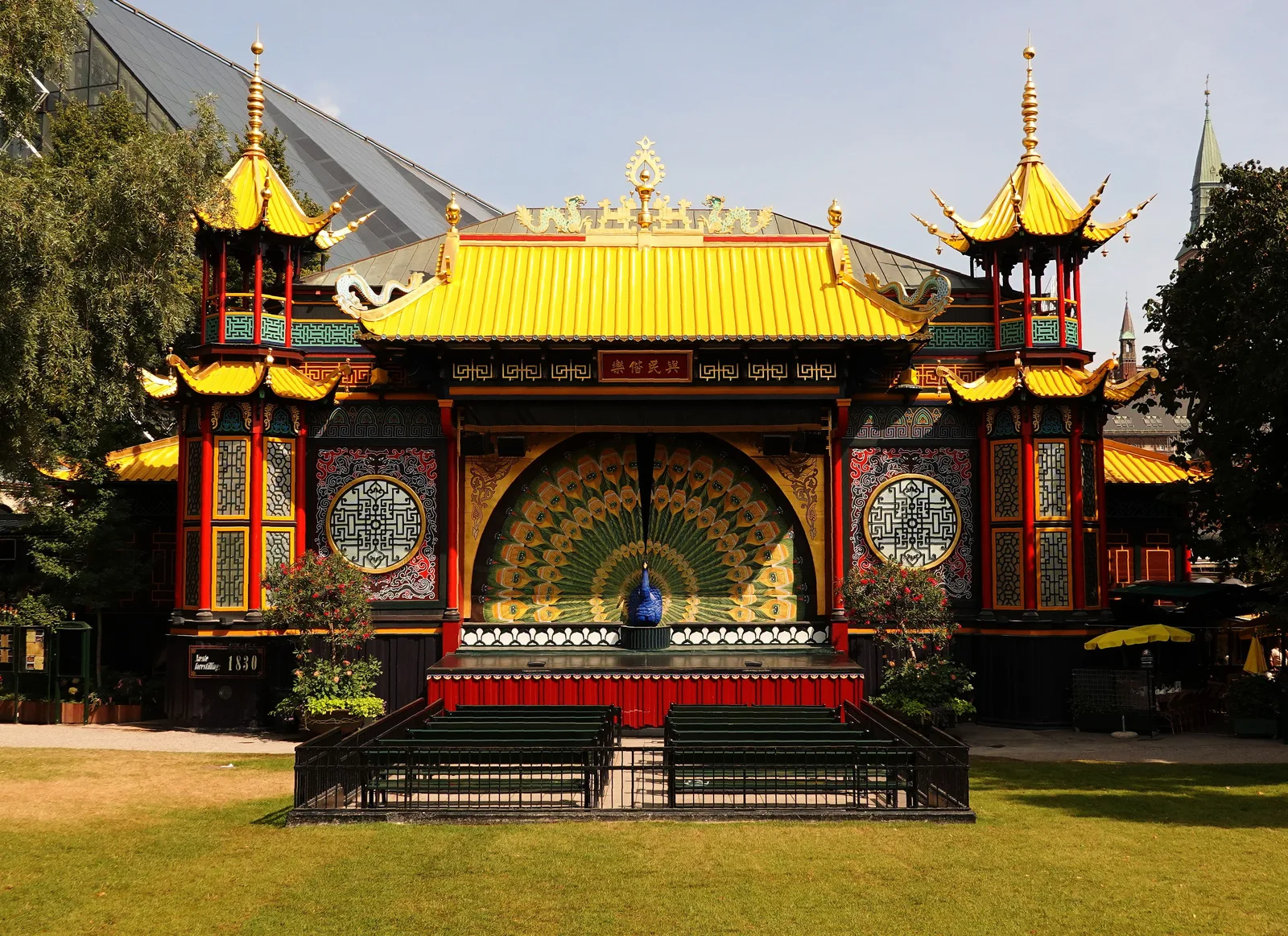
The atmosphere changes dramatically depending on the season. Summer evenings bring free open-air concerts on the main stage alongside the regular rides and food stalls. October sees the park transform for Halloween, and the Christmas season from mid-November through January draws huge crowds for its festive markets and ice-skating rink. If you hold a Copenhagen Card, standard park entry is included — you pay only for the Ride Pass on top.
Visiting on a Friday evening during July or August gives you the combination of free live music, extended opening hours, and the park lit up after dark. Arrive by 19:00 to find a good spot on the grass near the main stage before it fills. The Japanese pagoda overlooking the central lake is the best backdrop for photos, and it is most atmospheric after sunset when the lanterns reflect on the water.
Stroll Through the Colorful Nyhavn Waterfront
Nyhavn is the image Copenhagen exports to the world: a row of 17th-century merchant townhouses painted in ochre, red, and terracotta, reflected in a narrow canal lined with old wooden schooners. Hans Christian Andersen lived at number 20 for part of his life, and a small plaque marks the facade. The walk from the canal entrance at Kongens Nytorv to the harbor mouth takes about 20 minutes at a relaxed pace and costs nothing. It is one of the genuinely unmissable things to see in Copenhagen regardless of your interests.
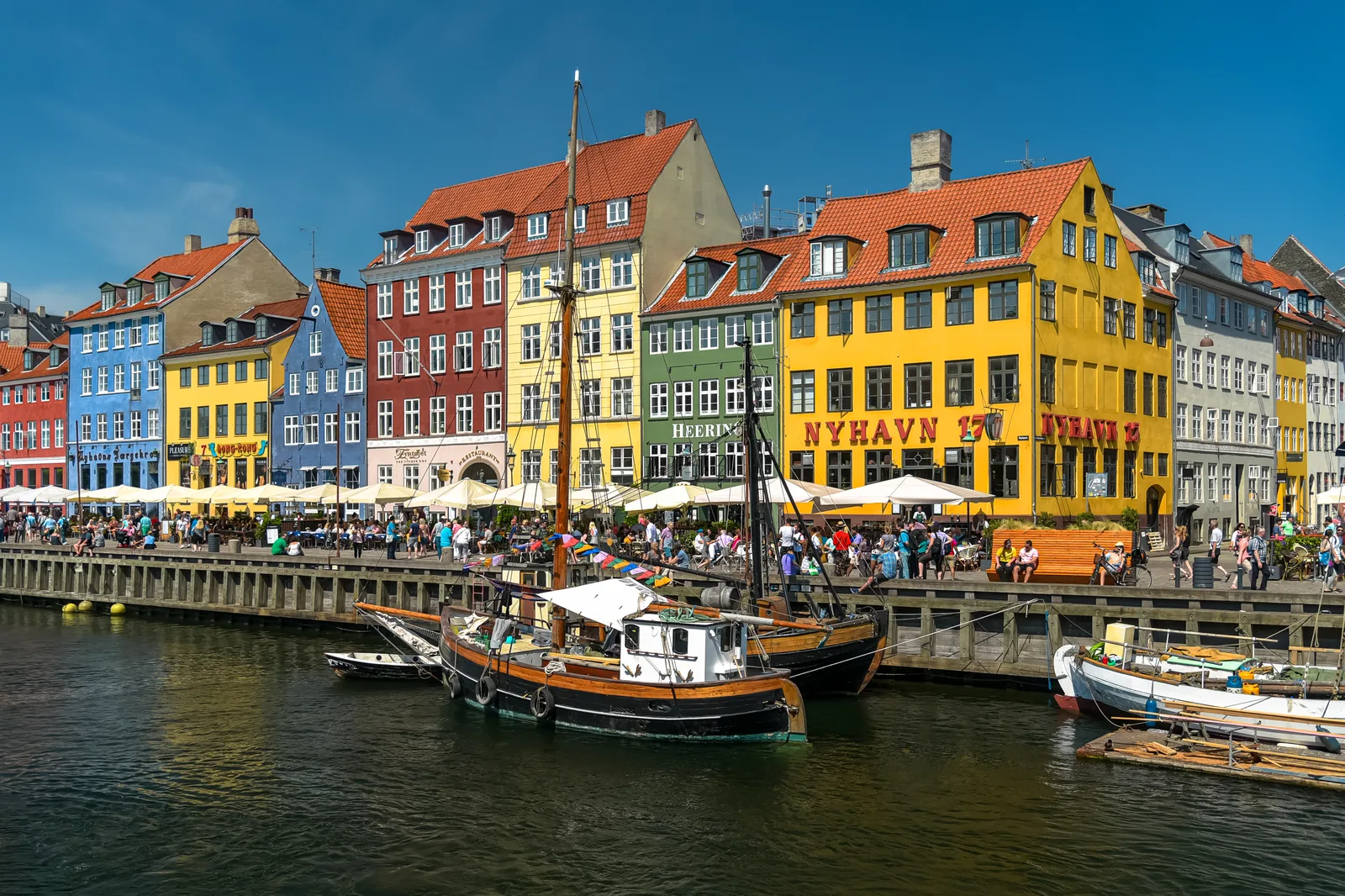
Timing determines the quality of your visit. Arrive before 09:00 on a weekday and you will have the canal almost entirely to yourself, with soft morning light hitting the facades. By 11:00 in summer the tour groups arrive and the narrow quayside becomes difficult to navigate. If you prefer a livelier scene, late afternoon brings locals with beers from the nearby 7-Eleven sitting along the dock walls — this is the authentic Nyhavn experience that the postcard version rarely shows.
Skip the sit-down restaurants directly on the quayside. They are priced at roughly double what you would pay two streets inland, and the food is largely designed for volume rather than quality. Instead, grab a takeaway beer or soft drink and sit on the dock with everyone else. If you want a meal, head to the streets behind Nyhavn toward Indre By where the same neighborhood atmosphere comes at a fraction of the price.
Visit the Iconic Little Mermaid and Kastellet
The Little Mermaid statue is technically Denmark's most famous landmark, but it is also the one that generates the most disappointment among first-time visitors. The bronze figure, unveiled in 1913 and based on Hans Christian Andersen's fairy tale, sits on a rock at Langelinie harbor and stands just 1.25 meters tall. Getting there requires a 20-minute walk from Nyhavn past a relatively unremarkable stretch of harbor road. The surrounding area offers no shade, limited facilities, and near-constant crowds in peak season.
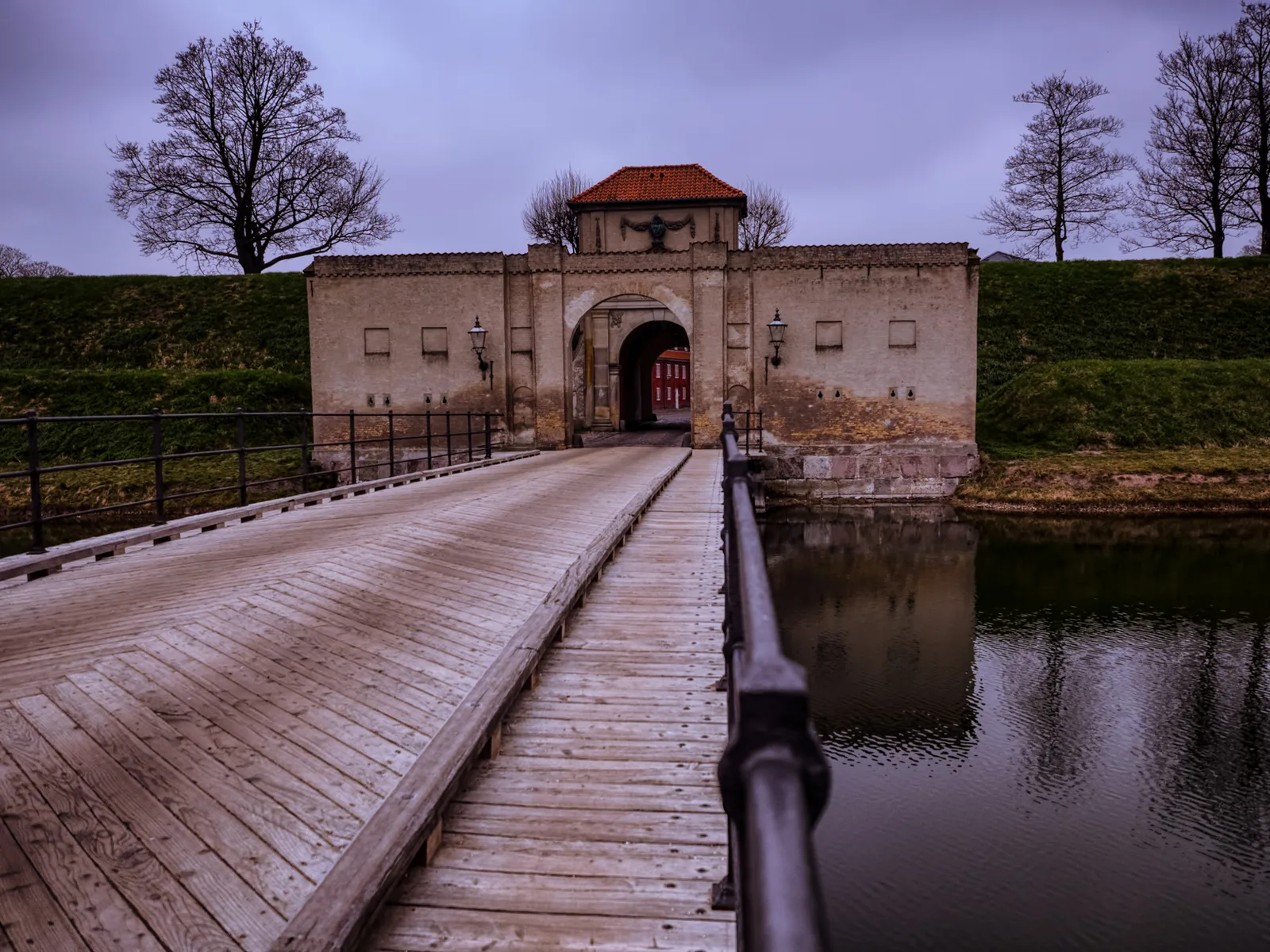
The smarter approach is to see the Little Mermaid from a canal boat tour, which passes close to the statue without requiring you to walk out and back. This saves you 40 minutes of walking time that is better spent at nearby Kastellet, a remarkably well-preserved star-shaped citadel fortress from the 1660s. Kastellet is still an active military installation but visitors can walk freely through the grounds. The five earthen bastions, the windmill, the red-painted barracks buildings, and the church make it one of the most photogenic places in the city — and it remains genuinely uncrowded even in midsummer.
Allow about an hour to walk the full perimeter of Kastellet. The fortress is a short walk from Østerport metro station or reachable by the yellow Harbor Bus to Nordre Toldbod. Address: Gl. Hovedvagt, Kastellet 1, 2100 København Ø. Entry is free year-round. The small military museum inside has a modest admission fee but is worth 20 minutes of your time if you have an interest in Danish defense history.
Explore the Alternative Freetown Christiania
Christiania is a self-proclaimed autonomous neighborhood of around 900 residents occupying a former military barracks in Christianshavn. Founded in 1971 when squatters moved onto the abandoned site, it has operated under a unique arrangement with the Danish state ever since. Walking the grounds is free and takes about two hours if you explore thoroughly. The fastest access is from Christianshavn metro station, a ten-minute walk across the canal.
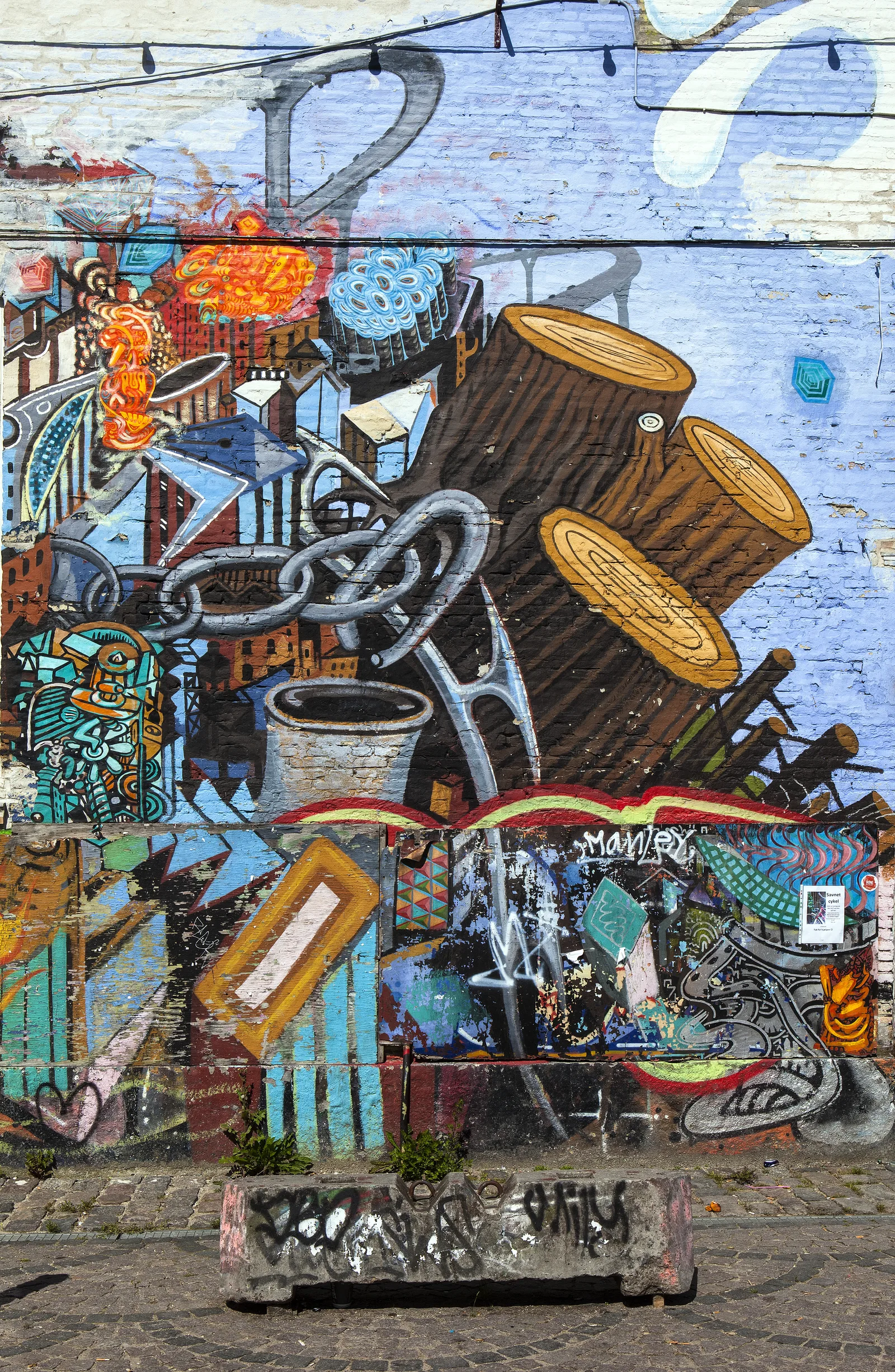
The central area known as Pusher Street — once an open soft-drug market — is quieter today following a series of crackdowns, but the creative energy of the community is very much alive in the surrounding streets. Colorful murals cover most exterior walls, an organic bakery operates out of one of the main buildings, and several music venues and cafes are run collectively by residents. Local-led tours run daily at 15:00 during summer (26 June to 31 August) and on weekends through the rest of the year, departing from the main entrance. These provide genuine context that a self-guided walk cannot replicate.
Photography is strictly prohibited in the Pusher Street area and in parts of the inner commune — look for the posted signs and respect them without question. Daytime visiting is strongly recommended for first-timers. The community is generally welcoming to curious visitors who treat the space with respect, but it is a real neighborhood where people live and work, not a theme park.
Watch the Changing of the Guard at Amalienborg Palace
Amalienborg is the Danish Royal Family's primary winter residence, a complex of four identical rococo palaces arranged around a central octagonal courtyard. The guard change takes place daily at 12:00 when the monarch is in residence, with the parade departing from barracks near Rosenborg Castle at 11:27 and proceeding down Gothersgade. Watching the ceremony in the courtyard is free, but arrive by 11:45 to secure a good vantage point on a busy summer day. The parade itself through the city streets is often the more enjoyable spectacle — you can follow it on foot from Kongens Have.
The Amalienborg Museum inside one of the palace wings covers the private apartments of several Danish monarchs, offering an unusually intimate look at royal domestic life from the 19th century through the present day. Tickets cost 125 DKK in 2026 and the visit takes about one hour. Access is by the Marmorkirken metro station. The spectacular marble church directly opposite — Frederiks Kirke, commonly called the Marble Church — is free to enter and its dome offers one of the more underrated elevated views over the palace complex.
The surrounding Frederiksstaden district, designed in the 18th century as an aristocratic quarter, is worth spending extra time in beyond the palace visit. The streets between Amalienborg and the harbor have a grandeur that feels different from the rest of the city, and the waterfront garden directly east of the palace provides a quiet spot overlooking the harbor.
Discover History at Christiansborg Palace and Slotsholmen
Christiansborg Palace on the island of Slotsholmen is the only building in the world that simultaneously houses all three branches of government — the Danish parliament (Folketing), the Supreme Court, and the Prime Minister's offices. It is also open to the public for tours, which makes it one of the more unusual palace visits available anywhere in Europe. A combined ticket covering the Royal Reception Rooms, the kitchen, the stables, and the ruins beneath the palace costs 175 DKK and justifies a full three-hour visit.
The free element of a Christiansborg visit is genuinely excellent: the palace tower is open without charge and provides one of the highest panoramic views over the city. The 360-degree viewpoint looks directly down onto the parliament courtyard, over the canals toward Nyhavn, and across to the Church of Our Saviour's distinctive external spiral staircase. Queues build from around 10:00 in summer — aim for opening time or late afternoon. The hidden garden on the far side of the island near the War Museum is known to very few visitors and provides a quiet green corner a short walk from the main buildings.
Slotsholmen as a whole rewards slow exploration. The ornate Marmorbroen (Marble Bridge) at the south end of the island is a prime photo spot, and the canal surrounding the entire island is best appreciated from ground level rather than the tower. Christiansborg is accessible via the Gammel Strand metro station; from the platform you will already see the palace towers above the surrounding buildings.
Go for a Boat Tour Around Copenhagen's Canals
Seeing Copenhagen from the water is one of the experiences that changes how you understand the city's layout. The two main guided-tour operators are Stromma and Nettobådene. Stromma runs the Classic Canal Tour from Gammel Strand (roughly 100 DKK, 60 minutes) and is included free with the Copenhagen Card. Nettobådene operates similar routes from Nyhavn, with tickets sold at the blue booth on the canal; expect to pay around 80–100 DKK for a standard circuit. Both cover Christiansborg, the Black Diamond library, Nyhavn, and pass within a reasonable distance of the Little Mermaid at Langelinie — which is why taking a boat is smarter than walking out to the statue separately.
For a more independent experience, GoBoat rents small electric boats from Islands Brygge. Groups of up to eight people can self-navigate the inner harbor for 499 DKK per hour (the boat, not per person). Hey Captain offers a similar self-drive option with slightly different pick-up locations. The key difference between guided tours and self-drive boats is route freedom — with GoBoat you can idle in front of Nyhavn or drift through the quieter Christianshavn canals without being on a fixed schedule. The tradeoff is no local commentary, and you need to stay within permitted areas. Book ahead for weekend slots in June through August, as both GoBoat and Hey Captain regularly sell out by mid-morning.
If budget is the priority, the yellow Harbor Bus (route 991/992) functions as a scenic public-transport ferry connecting key waterfront stops including Nyhavn, Christianshavn, Knippelsbro, and Nordhavn. A standard metro/bus ticket covers it. It is not a tour, but on a clear summer day the views from the open deck are genuinely excellent.
Learn About Danish Design at the Design Museum
Designmuseum Danmark in Frederiksstaden is the most focused design museum I have visited anywhere in Europe. The permanent collection traces Danish and international design from the 18th century to the present, with exceptional depth on the post-war period that produced Arne Jacobsen's Egg Chair, Verner Panton's plastic stacking chair, and Hans Wegner's endless variations on the dining chair. Tickets cost 130 DKK in 2026 and the full collection warrants at least two hours. The museum is near the Esplanaden bus stop or a 15-minute walk from Kongens Nytorv metro.
For a design-focused visit, the most rewarding sequence is to start in the Fashion and Fabric gallery on the ground floor — which covers textile manufacturing and historic costume — before moving to the Applied Arts wing that houses ceramics, silverware, and glassware. The main design-history rooms on the upper floor work best as the final act, where the mid-century furniture you have likely seen in reproduction finally appears as complete objects in context. The courtyard cafe, designed with the same restraint as the collection, is a good place to slow down between galleries.
Check the museum's current exhibition schedule at designmuseum.dk before your visit. Temporary exhibitions sometimes require separate booking or carry a small surcharge. The museum shop sells original pieces from Danish manufacturers — not reproductions — making it one of the better places in the city to buy a considered gift.
See the Crown Jewels at Rosenborg Castle
Rosenborg Castle is a 17th-century Dutch Renaissance palace built by King Christian IV and set inside Kongens Have (the King's Garden), the oldest royal garden in Denmark. Unlike Christiansborg, Rosenborg feels like a genuine royal treasure house rather than an administrative building. The basement treasury displays the Danish Crown Jewels and regalia, including the crowns of Christian IV and Queen Sophie Amalie, in a vault-like setting that makes the visit feel suitably dramatic. Entry costs 130 DKK for adults in 2026, and the full visit — three floors of furnished royal apartments plus the treasury — takes around 90 minutes.
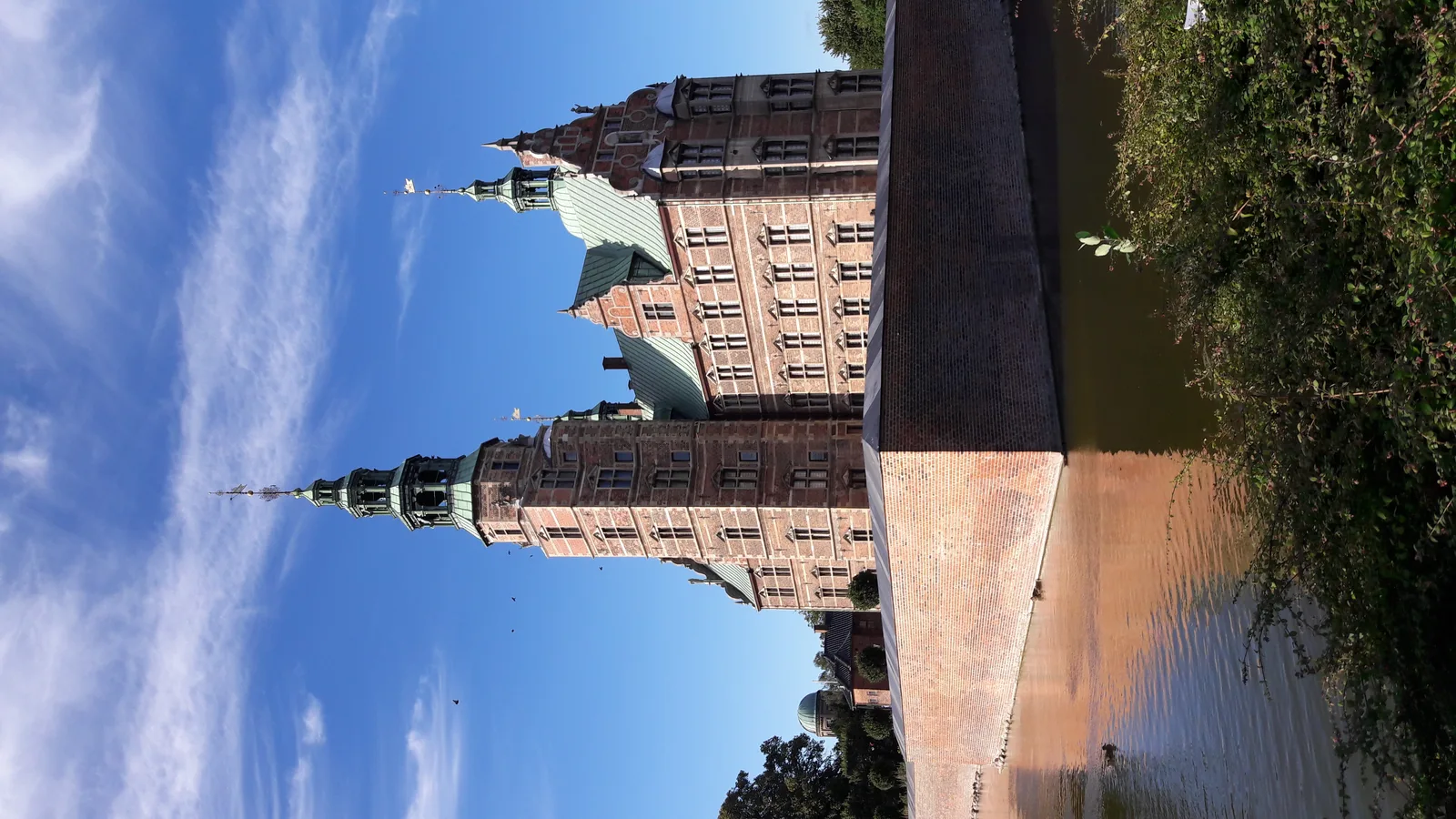
The park surrounding the castle is free to enter and popular with Copenhageners for lunch picnics and afternoon reading. During summer, the grass fills up quickly after noon, so arrive early if you want a spot near the castle walls. The park also contains a rose garden and several fountains that reward a slow circuit before or after the museum visit. Rosenborg is not included in the Copenhagen Card as of 2026 — this changed from previous years, so budget accordingly.
Enjoy One of Copenhagen's Many Great Views at Rundetaarn
| View | Cost | Climb time | Best for | Accessibility |
|---|---|---|---|---|
| Rundetaarn (Round Tower) | 40 DKK | ~10 min | Historic city center panorama | Spiral ramp, then stairs; more accessible overall |
| Vor Frelsers Kirke (Church) | Book in advance | ~15 min | Harbor, spires, dramatic spiral staircase | External stairs, narrow near top; weather-dependent (closed wet/windy/January) |
Copenhagen is flat, which means any elevated viewpoint becomes significant. The two most visited are Rundetaarn (the Round Tower) in Indre By and Vor Frelsers Kirke (Church of Our Saviour) in Christianshavn. Each offers a distinct experience and the choice between them depends on what you want from the climb. Rundetaarn (Københavnersgade 52A, 1150 København K) was built in 1642 as a functioning astronomical observatory and reaches the observation deck via a spiraling brick ramp wide enough for two people to pass comfortably. Tickets cost 40 DKK, the climb takes about ten minutes, and you exit onto an open rooftop with views across the historic city center. It is significantly more accessible than the alternative, including for those with limited mobility, though the final staircase to the top is steep.
Vor Frelsers Kirke (Sankt Annæ Gade 29, 1416 København K) in Christianshavn offers the better view — you can see Christiansborg, Marmorkirken, and a wide sweep of the harbor from the external spiral staircase that winds around the spire. The staircase narrows considerably near the top and closes entirely in wet or windy weather and throughout January. Tickets must be booked in advance on the church website, and Copenhagen Card holders still need to reserve a slot. If claustrophobia or weather is a concern, Rundetaarn is the more reliable choice. For the best photos, Vor Frelsers Kirke provides more visual drama; for a straightforward panorama without planning complications, Rundetaarn wins.
Check Out the Old Houses at Nyboder
Nyboder is one of Copenhagen's most overlooked neighborhoods and one of its most architecturally distinctive. The rows of identical mustard-yellow terraced houses were built in the 1630s by King Christian IV to house naval personnel, making this one of the earliest purpose-built social housing projects in Scandinavia. Some of the original buildings survive, and the neighborhood has been continually inhabited for nearly 400 years. Walking the streets of Nyboder takes about 30 minutes and costs nothing — there is no visitor center, no entrance fee, and almost no tourist infrastructure, which is precisely what makes it worth seeing.
The best approach is to combine a Nyboder walk with a visit to Rosenborg Castle, which is a ten-minute walk to the west. The contrast between the elaborate royal palace and the strict simplicity of the naval housing makes the cultural logic of the period clear in a way that no museum display quite captures. A small Nyboder Museum operates out of one of the original houses at Sankt Paulsgade 24, open limited hours — check current schedules locally as they vary by season.
Have Your Own Modern Architecture Tour in Nordhavn
Nordhavn is Copenhagen's most ambitious urban regeneration project, a former industrial harbor district being transformed into a sustainable mixed-use neighborhood designed to house 40,000 residents by the time it reaches completion. What makes it compelling for a visitor in 2026 is that the transformation is actively underway — you see completed buildings alongside cranes and scaffolding, which gives the district a living energy that finished neighborhoods cannot replicate. Take the metro to Nordhavn or Orientkaj stations and explore on foot or by rented bike.
The architectural highlights cluster around the waterfront. The Bicycle Snake (Cykelslangen) bridge in the nearby Sydhavn district is a separate piece of infrastructure worth a detour — a swooping orange elevated bike path that carries cyclists over the harbor basin at Dybbølsbro. Back in Nordhavn, the residential towers near Orientkaj demonstrate what high-density sustainable design looks like at scale, and the Forgotten Giants series of monumental sculptures by Thomas Dambo are scattered through the harbor area. One is in Nordhavn, others at Refshaleøen and along the harbor ring.
For Bjarke Ingels Group (BIG) architecture specifically, the Mountain Dwellings (Ørestads Boulevard 55, 2300 København S) and the 8 House (Richard Mortensens Vej 61, 2300 København S) are both located in Ørestad, reachable via the M1 metro to DR Byen or Ørestad stations. These two buildings from the late 2000s established BIG's international reputation and remain the most photographed residential architecture in Denmark. The Ørestad detour adds about two hours to your day but is worth it for anyone with a serious interest in contemporary urbanism.
Eat Open-Faced Sandwiches and Enjoy Brunch at Mad & Kaffe
Smørrebrød — the traditional Danish open-faced sandwich on dense rye bread — is worth going out of your way to try, but where you eat it matters significantly. The restaurants on Nyhavn charge premium prices for what is often a mediocre product. A better option is to head to the Torvehallerne food market at Nørreport, where several dedicated smørrebrød counters serve excellent versions at reasonable prices in an authentic setting. The herring preparations and the roast pork with pickled red cabbage are the most traditional choices.
Mad & Kaffe in Vesterbro (Sønder Boulevard 68, 1720 København V) has become one of the most talked-about brunch spots in the city. The concept is a build-your-own plate from a menu of around 20 small items — you select three, five, or seven dishes and mix savory and sweet according to your preference. Getting a table without waiting is straightforward if you arrive at opening time (08:00 on weekdays, 09:00 on weekends). By 10:30 on a Saturday the queue outside regularly stretches ten to fifteen people. The interior fills quickly, but there is outdoor seating on the pavement that turns over faster. The portion sizes are small by design — the five-item option is the right choice for most people.
For a more traditional smørrebrød experience aimed at locals rather than visitors, explore the options in Frederiksberg rather than Vesterbro. The neighborhood around Frederiksberg Allé has several lunch spots serving smørrebrød at prices and in an atmosphere closer to what the dish actually represents in Danish daily life. You can reach Frederiksberg easily on the hidden gems tour of the city that covers the neighborhood's quieter food spots.
Sample Copenhagen's Craft Beers and Communal Dining at Absalon
Copenhagen's craft beer scene has grown substantially over the past decade. The Meatpacking District (Kødbyen) in Vesterbro contains some of the best bars and the atmosphere is genuinely local — Warpigs, a collaboration between Copenhagen's Mikkeller and Austin's 3 Floyds, produces excellent barbecue-paired smoked beers from a large hall in the old slaughterhouse buildings. The area is walkable from Copenhagen Central Station and comes alive from Thursday through Saturday evening.
Absalon on Sønder Boulevard 73 is a different kind of venue entirely. This converted 1881 church now operates as a community center and communal dining hall, serving a hot meal each evening to anyone who shows up — typical price around 60–70 DKK for a two-course dinner with drinks available to purchase separately. Tables seat strangers alongside each other, the food is prepared by volunteers, and the evening has a genuine neighbourhood character that most tourist-facing venues cannot manufacture. Arrive by 18:30 on weekdays for the best seat selection; the hall fills from 19:00.
For serious beer exploration, the Mikkeller Bar at Viktoriagade 8 in Vesterbro stocks a rotating tap list of around 20 Danish and international craft beers and is a quiet weekday afternoon option when the Meatpacking bars are closed. A craft beer costs 65–85 DKK. Combine a beer stop here with a visit to Tivoli, which is five minutes away on foot.
Take a Day Trip to Frederiksborg Castle
Frederiksborg Castle in Hillerød is one of the finest Renaissance palaces in northern Europe and makes for an ideal half-day trip from Copenhagen. The S-train from Central Station to Hillerød takes around 40 minutes on the A or E line, and the castle is a ten-minute walk from the station through the town center. Entry to the castle museum costs 90 DKK for adults in 2026, and the grounds — including the baroque garden and the lake — are free. Budget three hours minimum to see the interior properly.
The castle was largely destroyed by fire in 1859 and rebuilt using funds donated by the Carlsberg Foundation, which then used the restored building to house the Museum of National History. The collection spans Danish portraiture, royal furniture, and artifacts from five centuries of Danish history. The Great Hall is the architectural highlight — a vast ceremonial room with an original ceiling from 1617 that survived the fire. The formal baroque garden behind the castle, designed in the French style and recently restored, is one of the most ambitious historical garden projects in Scandinavia and justifies the trip on its own terms.
Rent a Bike and Explore Copenhagen Like a Local
More than 62 percent of Copenhagen residents commute by bicycle daily, and the city has built infrastructure to match — dedicated lanes on almost every major road, traffic signals timed for cycling pace, and a culture of road-sharing that makes even inexperienced cyclists comfortable within an hour. Renting a bike changes the tempo of your visit in a way that no other form of transport replicates. You cover more ground, discover streets you would never find on a tram route, and move at exactly the speed the city was designed for.
Donkey Republic is the most widely used rental app, with orange bikes parked in docks throughout the city center. Lime electric bikes are also widely available if you want less effort on the longer stretches. Many hotels offer their own rental fleet, sometimes included in the room rate — ask at check-in. A full day's bike rental typically costs 100–150 DKK depending on the provider. The Havneringen route — a 13-kilometer loop around the inner harbor — is the best single ride for a first-time visitor, covering everything from Nyhavn through Christianshavn, around Sydhavn, and back through Vesterbro. The full loop takes about two hours at a relaxed pace.
Basic cycling rules to know before you start: ride in the direction of traffic, signal turns with your arm, and raise your hand flat to indicate you are stopping. Cycling on pavements is prohibited and actively enforced. Electric bikes require the same rules as standard bikes — there is no separate registration or license required for visitors.
Copenhagen Experiences I Recommend Skipping
The Little Mermaid statue is technically worth seeing, but walking there on foot from Nyhavn is a poor use of 40 minutes. The statue is 1.25 meters tall, surrounded by other visitors, and photographed from a distance that makes you feel less connected to it than you expected. The far better solution: book any canal boat tour that routes past Langelinie, see the statue from the water, and use the saved walking time at Kastellet instead. You get the view and the fortress, which is objectively more impressive.
Dining directly on the Nyhavn waterfront is the other experience I consistently hear visitors regret. The restaurants on the quayside are priced for the view, not the food. Walk two or three streets back into Indre By and you will find restaurants catering to the people who actually live in this neighbourhood — same atmosphere, meaningfully better food, and prices that do not require a second mortgage. The same logic applies to any tourist-dense waterfront area: the quality of a meal is usually inversely proportional to its proximity to the canal.
Strøget, the main pedestrian shopping street, is fine for a quick walk but deserves an hour at most. It is dominated by international chains that exist in every major European city. The genuinely interesting shopping in Copenhagen happens on the smaller streets of the Latin Quarter, in Vesterbro around Istedgade, and in the design stores of Frederiksstaden. If browsing Danish ceramics and furniture is important to you, Studio Arhoj, Stilleben, and Hay House will be far more rewarding than anything on Strøget.
Practical Planning: Getting Around and Costs
Biking is the most authentic and efficient way to see the city like a local during your stay. Most hotels offer bike rentals, or you can use the Donkey Republic app to find orange bikes parked everywhere. Be sure to follow the local cycling etiquette and hand signals to stay safe on the busy dedicated bike lanes.
For those who prefer public transport, the Copenhagen Metro and buses are incredibly reliable and run 24 hours a day. Purchasing a Copenhagen Card can be a smart move if you plan on visiting several paid attractions. This pass covers all your transport costs and provides free entry to over 80 museums and sights across the region.
Budgeting for Copenhagen requires acknowledging that even basic meals and drinks are more expensive than in southern Europe. A typical mid-range dinner for two will likely cost around 600 DKK, while a craft beer is usually 60-80 DKK. For detailed budgeting advice across all the city's neighborhoods, check the free things to do in Copenhagen guide which covers where to cut costs without compromising the experience.
How Many Days Do You Need in Copenhagen?
Most visitors find that three days provides enough time to see the major landmarks without feeling rushed during their stay. This timeframe allows for a full day in the city center, a morning at the museums, and an evening at Tivoli. It is a good fit for couples visiting Copenhagen who want a mix of culture and relaxation without sacrificing depth.
If you have five days, you can easily add the Frederiksborg Castle day trip and spend a half-day exploring Nordhavn and the harbor ring. A longer stay also gives you the chance to explore Nørrebro and Vesterbro more deeply — both neighborhoods have distinct characters that are worth their own half-day each. Seasonal differences also affect how much you can realistically cover: summer offers nearly 18 hours of daylight for exploring, while winter days are short but filled with cozy holiday markets and the December magic of Tivoli at Christmas.
Frequently Asked Questions
Is the Copenhagen Card worth it for a short trip?
The card is generally worth the investment if you plan to visit at least two major museums and use public transport daily. It simplifies your logistics by combining entry fees and train tickets into one digital pass. However, if you prefer walking and only seeing free sights, you might save money by paying individually.
What is the best time of year to visit Copenhagen?
May through August offers the best weather for outdoor activities and harbor swimming. September is also excellent for fewer crowds while the weather remains mild. Winter is cold and dark, but the city becomes incredibly charming during the December Christmas market season.
Can I get by with only English in Copenhagen?
English is spoken fluently by nearly everyone in the city, from shopkeepers to public transport staff. You will have no trouble navigating or ordering food without knowing a word of Danish. Learning a few basic phrases like 'tak' for thank you is always appreciated by the locals.
Copenhagen is a city that rewards those who slow down and appreciate the small details of its urban design. From the historic canals of Nyhavn to the regenerating harbor districts of Nordhavn, there is a sense of purposeful evolution here that is rare in other European capitals. The 17 sights and experiences above give you a framework — the city will do the rest.
I hope this guide helps you plan a trip that avoids the typical tourist traps and focuses on what actually makes Copenhagen worth the journey. Whether you are biking the harbor ring, eating communal dinner at Absalon, or watching the guard parade pass Rosenborg Castle, the Danish capital consistently delivers on its reputation. Safe travels.
You might also like


Continue reading
More guides you'll find useful