How Many Days in Copenhagen: 10 Essential Planning Tips
Plan how many days in Copenhagen with our 3 to 5-day itineraries. Discover local tips for palaces, bakeries, and the best harbor views.
On this page
How Many Days in Copenhagen: 3-Day Itinerary and Planning Tips
Three days is the sweet spot for most first-time visitors to Copenhagen. You can cover the royal palaces, the harbor, and a day trip north without feeling rushed. Stretch to five days and you unlock the Louisiana Museum of Modern Art, a quick hop to Sweden, and quieter neighborhoods that most tourists never reach.
Planning how many days in Copenhagen you actually need depends on how you travel. Museum lovers and slow walkers benefit from four or five days. Travelers on a tight schedule who prioritize landmarks over wandering can cover the essentials in three. Two days is possible but leaves out the day trips that give the city real context.
This guide covers the full range: a structured 3-day itinerary, options to extend to five days, the Kronborg and Sweden day trips, both royal palaces, where to stay, and practical details like the Copenhagen Card and the Harbor Bus.
At a glance
- Ideal duration: 3–5 days
- Best time: May–September (avoid July peak)
- Cost per day: 400–600 DKK (food/transit/museums)
- Getting there: 30 min from airport via driverless train
- Top priority: Rosenborg Castle (book 1 week ahead)
Key Takeaways
- Book Rosenborg Castle tickets at least one week in advance to see the crown jewels.
- Use the yellow Harbor Bus (Havnebus) for a $4 scenic tour of the waterfront.
- Visit Sankt Peder's Bakery on a Wednesday for the traditional giant cinnamon snail.
Choose the Right Duration: How Many Days in Copenhagen?
Two days is only enough for a highlights pass — Nyhavn, Rosenborg Castle, Tivoli Gardens, and not much else. You will finish each day feeling like you rushed past half the things on your list. Most visitors regret not staying longer when they choose two days.
Three days is the most popular choice and the format this guide is built around. You can cover the historic core on day one, the royal circuit and museums on day two, and Christiania plus Christiansborg on day three. A day trip fits neatly at the end without disrupting the in-city days.
Four or five days lets you slow down considerably. Day four is ideal for the Kronborg Castle trip to Helsingør and a stop at the Louisiana Museum on the way back. Day five opens up Malmö in Sweden, the Design Museum, or a full morning wandering the Nørrebro neighborhood without a schedule. Budget travelers benefit from the extra days because the Copenhagen Card's 96-hour tier saves the most money across four full days of museum visits and transit.
Master the Perfect 3-Day Copenhagen Itinerary
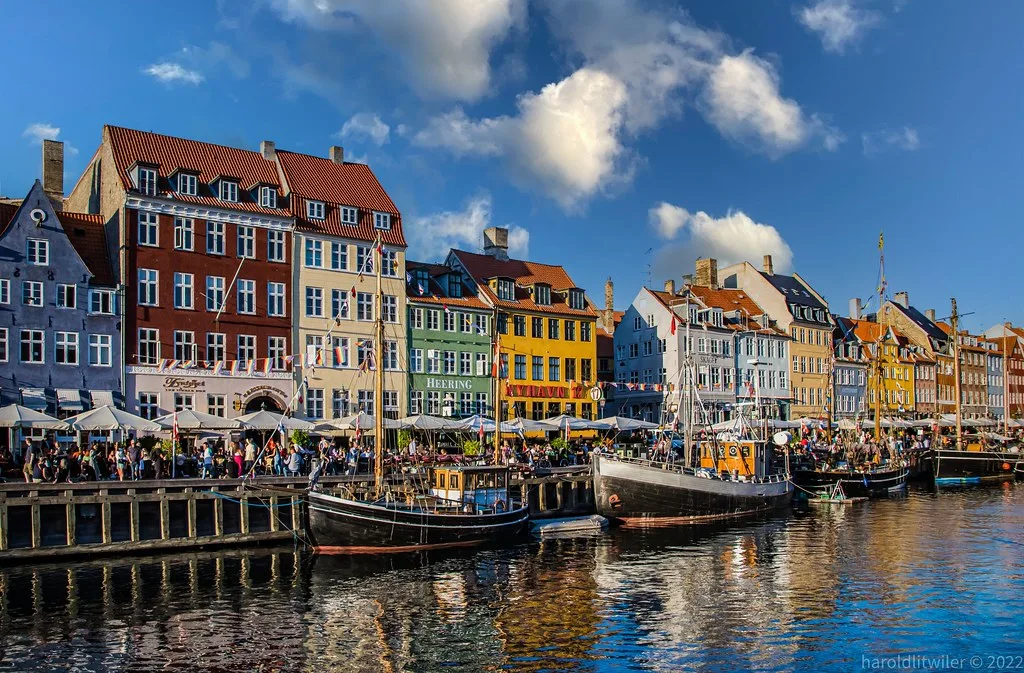
Start day one at Nyhavn before 9:00 AM. The cobblestone quay and the colored townhouses are best before the canal tour boats fill up. Hans Christian Andersen lived in three different houses along this stretch — numbers 18, 20, and 67. The Round Tower is a ten-minute walk away and opens at 10:00 AM. Entry costs around 45 DKK. Its spiral brick ramp instead of stairs makes it suitable for all fitness levels.
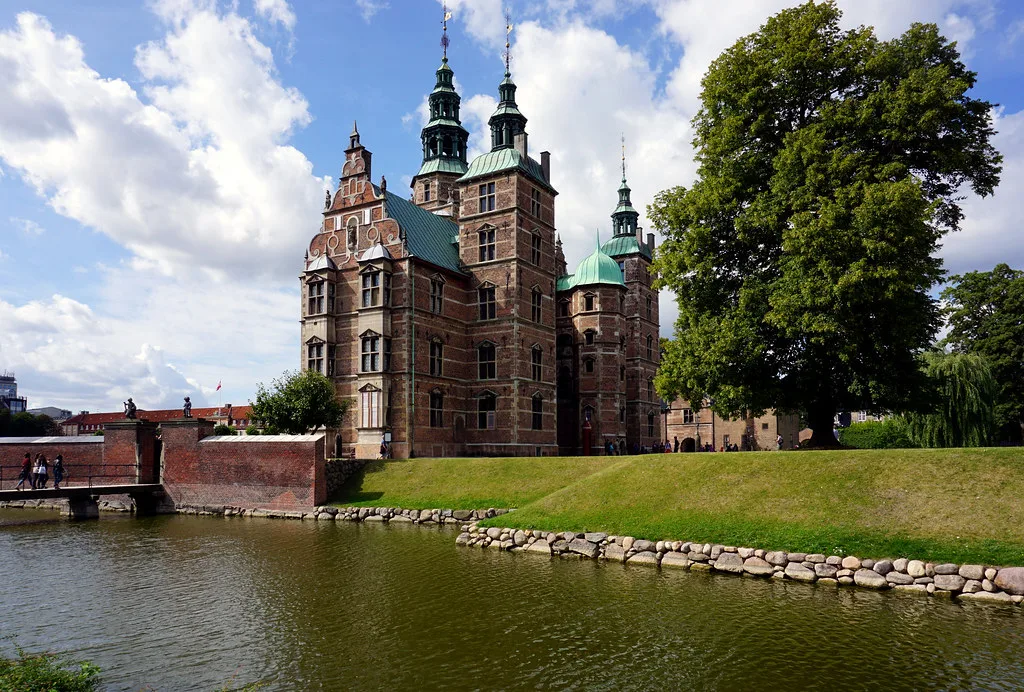
Day two focuses on the royal circuit: Rosenborg Castle in the morning, Amalienborg in the afternoon. Book Rosenborg at least a week ahead — the crown jewel chamber sells out on peak summer mornings. Tickets are around 140 DKK for adults. From Rosenborg, walk through the King's Garden and down to the harbor. The National Museum is free on Tuesdays and covers everything from Viking runes to bog bodies, including the Huldremose Woman — an Iron Age sacrifice preserved in peat for over 2,000 years. Tivoli Gardens is the right way to end day two; go on a Friday evening in summer for the open-air stage performances and fireworks.
Day three begins at Christiansborg Palace and ends at Christiania. The palace's royal reception rooms are the most underrated rooms in the city — heavily gilded, formally furnished, and rarely crowded before 10:30 AM. The tower at Christiansborg is free to climb and gives a better panoramic view than you might expect. The afternoon walk through Christiania and across the harbor to Reffen street food market is the classic way to close a three-day trip.
- Day 1: Nyhavn at 08:30 → Round Tower at 10:00 → Strøget shopping → Torvehallerne dinner at 18:00
- Day 2: Rosenborg Castle at 10:00 → National Museum at 13:00 → Harbor Bus to Tivoli → evening at Tivoli
- Day 3: Christiansborg Palace at 09:30 → Christiania from 13:00 → sunset at Inderhavnsbroen
Tour the Royal Palaces: Amalienborg and Christiansborg
Amalienborg and Christiansborg serve different purposes as royal sites and reward visitors in completely different ways. Knowing the distinction saves you from visiting the wrong one at the wrong time.
Amalienborg is the active royal residence, a complex of four identical Rococo palaces arranged around a central square. The Amalienborg Museum inside one of the wings covers royal apartments from the 1800s to the present day. Entry is around 125 DKK. The real draw is the changing of the guard at noon daily — arrive 15 minutes early and stand near the iron fence for an unobstructed view. After the ceremony, walk toward the water from the palace square for the best framing of Frederik's Church with the harbor fountains in the foreground.
Christiansborg is the governmental seat and the more architecturally dramatic building. The Royal Reception Rooms are the highlight: 15 rooms used for state banquets and formal audiences, decorated with tapestries commissioned from Danish artist Bjørn Nørgaard depicting 1,000 years of Danish history. A combined ticket covering the reception rooms, kitchens, stables, and ruins of the two earlier castles that burned down on this site costs around 175 DKK. The tower is free and stays open until 21:00 in summer — it is the best free viewpoint in Copenhagen.
The ruins beneath Christiansborg are often skipped but worth 20 minutes of your time. You can walk through the foundations of the original 12th-century fortress and the 1731 palace, both lost to fire. The archaeological quality is high and the temperature underground is a relief on hot summer days.
Extend to 5 Days to Explore Beyond the Center
A fourth day is best spent leaving the city. The north coast rail line runs from Copenhagen Central Station every 20 minutes and stops at Helsingør in about 45 minutes. Kronborg Castle is a ten-minute walk from the station. A fifth day works well for a Sweden crossing or for a slow morning in Nørrebro — Copenhagen's most livable neighborhood — followed by a long lunch at Jægersborggade, a single street dense with independent coffee roasters, ceramics shops, and small restaurants.
The Cisterns (Cisternerne) under Søndermarken Park in Frederiksberg are often overlooked and worth half a day. The underground reservoir has been converted into a rotating contemporary art space. Each year an internationally commissioned artist uses the acoustics, darkness, and dripping water to build a site-specific installation. Check the Frederiksberg Museums website before visiting — the cisterns close from late November through mid-March.
The Louisiana Museum of Modern Art, 35 kilometers north of the city near Humlebæk, is architecturally as significant as its collection. The low-slung white building is designed to frame both the art and the Øresund strait views simultaneously. Combine Louisiana with Kronborg in a single day — take the morning train to Helsingør, visit Kronborg, then ride back one stop to Humlebæk in the early afternoon. Both are covered by the Copenhagen Card.
Schedule Day Trips to Kronborg Castle and Sweden
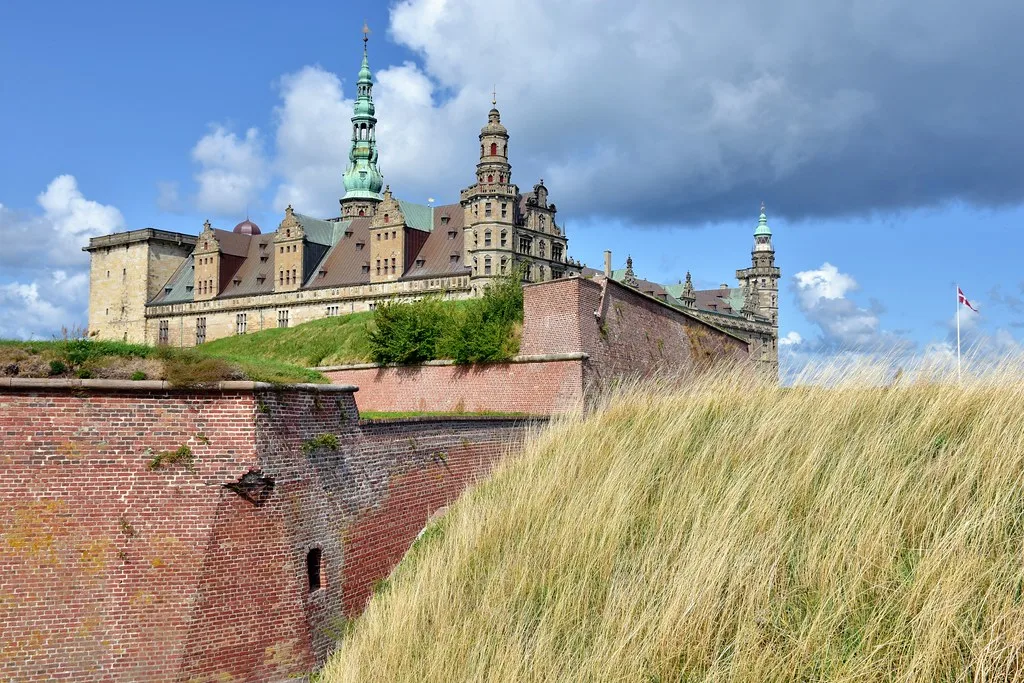
Kronborg Castle in Helsingør is the single best day trip from Copenhagen. Shakespeare set Hamlet here without ever visiting Denmark, yet his description of the flagpole position in the courtyard matched the real castle almost exactly. The fortress sits at the narrowest point of the Øresund strait — from the ramparts you can see the Swedish coast four kilometers away. Entry is around 160 DKK. The Casematterne (underground tunnels) with a statue of the legendary Holger Danske are included in the ticket and not to be missed.
Crossing into Sweden is a reliable second-day-trip option. Trains run between Copenhagen Central and Malmö every 20 minutes. The journey takes 35 to 40 minutes and costs roughly 200 DKK for a return ticket through journey planner or the Skånetrafiken apps. Malmö's old town, Lilla Torg square, and the modern Västra Hamnen waterfront fill a comfortable half-day without needing any advance booking. Bring your passport — border checks on the train are infrequent but do happen.
Frederiksborg Castle in Hillerød is another option for a longer day out. It sits 35 kilometers northwest of Copenhagen and houses the Museum of National History. The castle's reflection in the lake below it is one of the most photographed scenes in Denmark. It is a harder trip to combine with Kronborg and Louisiana in the same day, so treat it as its own dedicated excursion if you have a fifth day available.
Navigate the City via Inderhavnsbroen and the Harbor Bus
The Inderhavnsbroen — nicknamed the Kissing Bridge — links Nyhavn directly to Christianshavn with two parallel footbridge arms that meet in the middle. The bridge was designed to split open horizontally to let tall vessels through, which means it occasionally closes with pedestrians mid-crossing and can create a short bottleneck at peak hours. In the evening, the copper railings and the reflected harbor lights make it the best short walk in the city. Sunset here is worth planning your day around.
The Havnebus (Harbor Bus) is one of Copenhagen's best-kept budget secrets. It runs on the same fare as the regular metro — around 27 DKK per journey, or free with the Copenhagen Card. Lines 991 and 992 connect the Royal Library, Knippelsbro, Nyhavn, the Royal Opera House, and the Nordre Toldbod stop near Kastellet. The route takes about 25 minutes end to end and passes directly in front of the Opera House, giving you the same water-level view of its distinctive copper roof that you would pay significantly more for on a commercial canal tour boat. Ride it from Nyhavn to the Opera House and back for the cost of a single metro ticket.
The Metro itself covers most of the city well. The M3 Cityringen circular line opened in 2019 and connects Vesterbro, Frederiksberg, Nørrebro, and the city center without requiring a transfer. All metro trains are driverless and run 24 hours a day, seven days a week. A single ticket is valid for transit plus unlimited transfers within 60 minutes, which means the harbor bus and the metro run on the same ticket.
Compare the Best Views: Spire Church vs. Round Tower
The Round Tower (Rundetaarn) is the city's most accessible viewpoint. It dates to 1642, making it Europe's oldest functioning astronomical observatory. Entry costs around 45 DKK and the climb uses a 209-meter spiral brick ramp rather than stairs — comfortable for pushchairs and anyone with joint problems. The view from 36 meters covers the rooftops of the Latin Quarter clearly. Note: the observatory chamber is closed for restoration until October 2026, but the viewing platform at the top remains open.
The Church of Our Saviour (Vor Frelsers Kirke) in Christianshavn offers the more dramatic experience. Its external golden staircase winds counterclockwise around the outside of the spire to 90 meters. The final stretch narrows to one person wide, and the steps tilt outward over open air. Wind is a real factor — on gusty days the handrail shakes. Entry is around 75 DKK and timed slots must be booked in advance, even if you hold a Copenhagen Card. This is not the right choice for anyone with vertigo or a serious fear of heights. For everyone else, the view over Christianshavn's canals and across the harbor to Amalienborg is the best unassisted panorama in the city.
| Viewpoint | Height | Cost | Best for | Booking |
|---|---|---|---|---|
| Round Tower (Rundetaarn) | 36 m | 45 DKK | Families, accessibility | Walk-up |
| Church of Our Saviour Spire | 90 m | 75 DKK | Adventure seekers, couples | Timed slots (advance) |
| Christiansborg Tower | 73 m | Free (with palace ticket) | Budget, panoramic vistas | Walk-up |
If you can only choose one, the Round Tower is the more relaxed and practical choice for families. The Church of Our Saviour is the better memory for solo travelers or couples who want the physical challenge. The Christiansborg tower remains the best completely free option.
What to Know Before Visiting Christiania
Christiania is a self-declared autonomous district of around 900 residents occupying a former military barracks in Christianshavn. It has been a fixture in Copenhagen since the early 1970s, when squatters, artists, and activists moved in after the military vacated the site. The community operates under its own rules and has a distinct character that no other neighborhood in the city replicates.
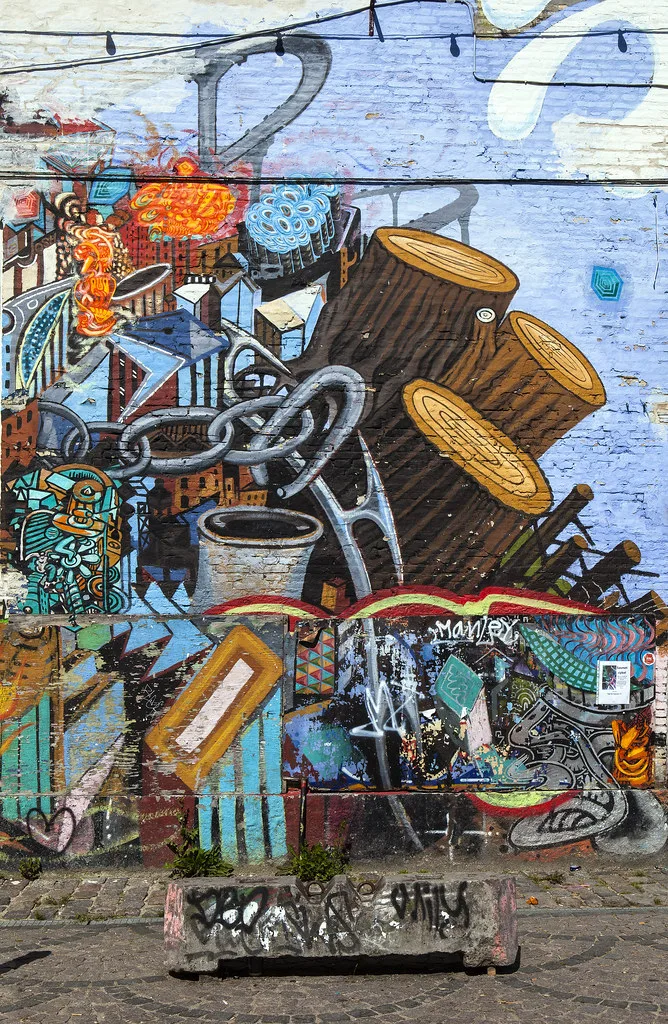
The photography rules are real and specific. There are two clearly distinct zones inside Christiania. The residential streets and community gardens allow normal photography — you will see murals, handmade houses, and waterside paths that are worth photographing. Pusher Street, the central market corridor, has clear no-camera signs at its entrance. Photographing anyone on or near Pusher Street is not permitted and locals enforce this actively. The signs are large and impossible to miss; follow them.
The atmosphere on Pusher Street changed noticeably after a series of gang-related shootings in 2024, when several people died in incidents connected to the cannabis trade. Danish authorities responded by removing the cobblestones from the street as a statement of intent, and police presence in the area increased in 2025 and into 2026. The cannabis trade continues but the open-market atmosphere is quieter than it was before 2024. Most visitors report feeling safe during daytime hours. An evening visit without a guided tour is not recommended for first-timers.
Beyond Pusher Street, Christiania is genuinely interesting. The residential half features extraordinary self-built architecture, a functioning concert venue (Loppen), cafes, a gallery, and walking paths along the old moat. A guided walking tour departing from Christiania's main gate runs daily and gives context that transforms the visit from a curiosity stop into a meaningful look at an alternative urban experiment that has outlasted almost every prediction about its survival.
Dine Like a Dane: From Sankt Peder's Bakery to Aamanns Deli
Sankt Peder's Bakery on Larsbjørnsstræde is Copenhagen's oldest bakery and the right place for a first Danish morning. The house specialty is the tebirkes — a flaky poppy-seed pastry — but the specific tradition to know about is the Onsdagssnegl, or Wednesday Snail. Every Wednesday the bakery produces a special oversized cinnamon roll that locals queue from early morning to buy. If your trip includes a Wednesday, build your day around a 08:00 start here. The Wednesday Snail sells out before 10:00 on most weeks.

For lunch, smørrebrød at Aamanns Deli on Øster Farimagsgade is the standard recommendation, and the recommendation is correct. Aamanns serves a modern interpretation rather than a traditional pub version — lighter preparations with seasonal garnishes, priced between 75 and 135 DKK per open-faced sandwich. Order three different varieties and a glass of Danish snaps. Traditional lunch service runs 11:30 to 14:30. Book a table by phone if you are visiting during peak summer months.
Grød on Jægersborggade in Nørrebro is the world's first restaurant dedicated entirely to porridge. This sounds like a novelty but the reality is a serious menu running from oat porridge with seasonal toppings at breakfast to barley risotto and red lentil dhal at dinner. The dinner concept is the differentiator — very few travelers know Grød operates as a full evening restaurant, and the savory grain bowls are genuinely excellent. The Nørrebro location doubles as a coffee shop during morning hours. Expect to pay around 85 to 130 DKK for a main at dinner.
Decide if the Copenhagen Card is Worth the Cost
The Copenhagen Card comes in two versions. The Discover card covers unlimited public transport including the airport rail link plus entry to 80+ attractions, museums, and castles. The Hop card covers the hop-on-hop-off bus and a smaller set of inner-city attractions. For the 3-day itinerary in this guide, the Discover card is the one you want.
The card pays off quickly if you visit multiple paid attractions. In a single day combining Rosenborg Castle (140 DKK), the National Museum (95 DKK without a free-Tuesday visit), and Tivoli Gardens (160 DKK), plus transit costs across the day, you are already close to the price of a 24-hour Discover card. The 72-hour card is the best value for a 3-day trip. The 96-hour card becomes the better choice if you are adding the Kronborg and Louisiana day trip, since both are covered and the train fare north alone is around 140 DKK each way.
The card does not make sense if you plan to spend full days in parks, at free attractions, or in the Freetown of Christiania. Calculate your actual planned museum itinerary using the Copenhagen Card pricing page or check Visit Copenhagen's official guide before buying. The math is transparent — the card lists every included attraction with its standalone entry price so the comparison is straightforward.
Select the Best Base: Neighborhoods and Hotels
Indre By (the historic center) puts you walking distance from Nyhavn, the Round Tower, Strøget, and most museums. It is the most convenient choice for a 3-day first visit. The trade-off is price — accommodation here costs noticeably more than equivalent rooms in adjacent neighborhoods, and the immediate streets around Nyhavn can be noisy until midnight in summer.
Vesterbro is the most popular alternative. It borders Tivoli and Copenhagen Central Station on one side and the Meatpacking District (Kødbyen) on the other. The Meatpacking District's converted abattoir warehouses now house some of the city's best restaurants and bars. The M3 Cityringen metro stops at Enghave Plads and gives direct access to the rest of the city without transfers. Vesterbro works well for travelers who want evening flexibility without paying Indre By prices.
Nørrebro suits travelers who want a lived-in neighborhood feel rather than a tourist-centric base. Jægersborggade has the original Coffee Collective roastery and the Grød restaurant on the same street. The neighborhood is multicultural, dense with independent shops, and less expensive than the center. Metro access via Nørreport Station keeps you connected. Frederiksberg is the quieter, leafier option further out — residential and upmarket, good for families, with direct metro access via Frederiksberg and Aksel Møllers Have stations. Whichever neighborhood you choose, book at least six weeks ahead for summer arrivals. Copenhagen fills up in July and August and late-booking prices are significantly higher.
Frequently Asked Questions
Is the Copenhagen Card Worth It?
The Copenhagen Card is worth it if you visit two museums daily. It covers transit and entry to 80+ attractions. Check the pricing for 72-hour passes before buying.
Is Copenhagen expensive to visit?
Copenhagen is known for high prices compared to Southern Europe. Expect to pay $10 for a beer and $25 for dinner. You can save money by eating at street food markets.
Three days covers the city properly. Five days covers the region. The right answer depends on whether you want to spend a day in Kronborg, Louisiana, or Sweden — all of which are easy rail trips that most first-timers underestimate. Plan the day trips first, then build your in-city schedule around them.
Whether you stay for 2 days or a full week, the practical details matter as much as the itinerary. Book Rosenborg and the Church of Our Saviour in advance, check the Christiania photography rules before you enter, and ride the Harbor Bus at least once. Copenhagen rewards the travelers who take those small steps seriously.
Explore More Copenhagen Guides
Deep-dive guides for planning a Copenhagen trip — what to do, where to eat, day trips, and seasonal highlights.
You might also like


Continue reading
More guides you'll find useful