Helsingor To Helsingborg Ferry Travel Guide
Plan helsingor to helsingborg ferry with top picks, neighborhood context, timing tips, and practical booking advice for a smoother trip.
On this page
Helsingor To Helsingborg Ferry
Traveling between Denmark and Sweden is remarkably simple thanks to the frequent helsingor to helsingborg ferry service. This iconic route crosses the narrowest point of the Oresund strait, connecting two historic port cities in just twenty minutes. You can easily spot the Swedish coastline from the Danish shore while standing near the famous Kronborg Castle.
The crossing serves as a vital link for commuters, road trippers, and tourists looking for a quick Scandinavian adventure. Modern vessels operate around the clock to ensure you never have to wait long for the next departure. Whether you are driving a car or walking on as a foot passenger, this ferry offers a scenic and efficient transit option.
How far is Helsingborg to Helsingor?
The physical distance between the two ports is roughly 5 kilometers, making it one of the shortest international ferry crossings in the world. On a clear day, the landmarks of Helsingborg are perfectly visible from the our complete Helsingør guide near the harbor. This proximity allows for a very fast transit time that clocks in at exactly 20 minutes.
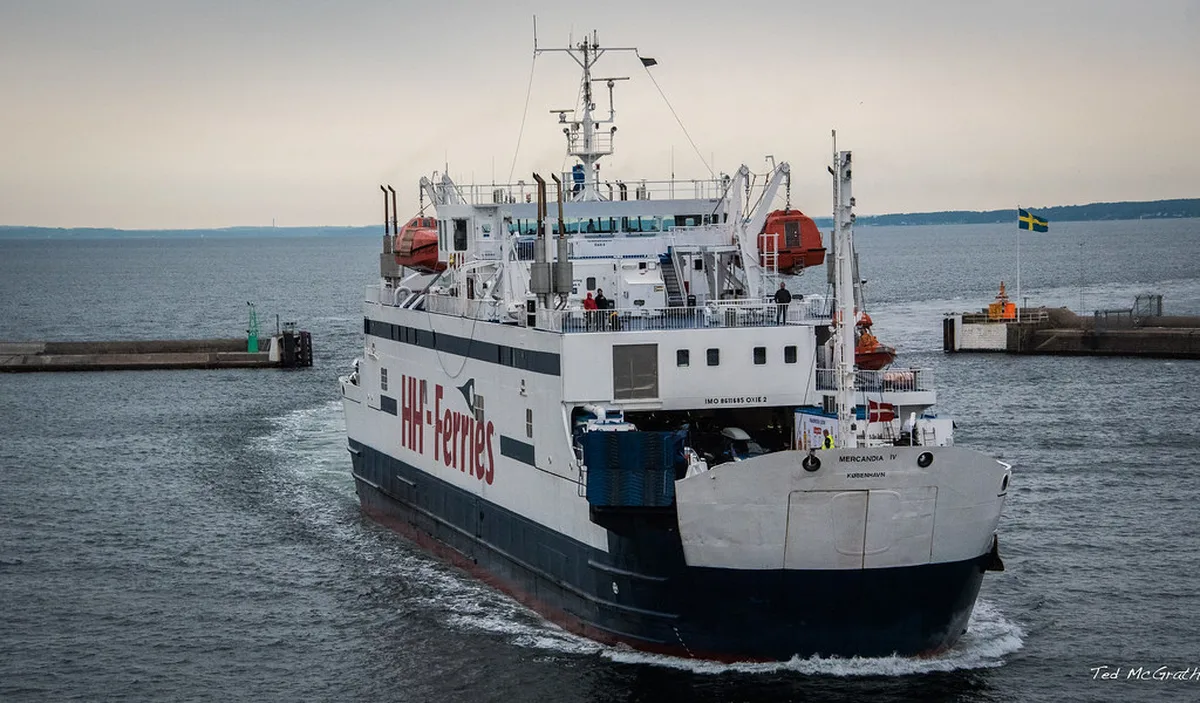
Schedules are incredibly dense, with up to 55 crossings a day in each direction. During peak daylight hours, boats leave every 15 to 20 minutes. Even late at night the service continues, with the first daily departure from Helsingør at 00:10 and the last at 23:40. This reliability makes it a favorite for those planning a day trip from Copenhagen who want to squeeze in a visit to Sweden.
Ferry Operator: Oresundslinjen
The route is operated exclusively by Øresundslinjen, the company formerly known as ForSea Ferries. Tickets can also be purchased through Scandlines, which is particularly useful if you are combining this crossing with a longer journey from Germany. Øresundslinjen has invested heavily in battery-powered and hybrid vessels to reduce emissions on this heavily trafficked strait.
The operator runs roll-on, roll-off ferries designed for quick, efficient turnarounds. Vehicles board from one end and disembark from the other, so there is no reversing and minimal delay at the terminals. This design keeps the 20-minute schedule tight even during busy summer periods in 2026.
Foot passengers will find the Helsingør terminal conveniently integrated with the main railway station. You can step off a train from Copenhagen and onto the next sailing within a few minutes. The Helsingborg terminal sits at Bredgatan 5, a short walk from the city centre and its transport connections onward into southern Sweden.
Schengen border rules apply, but in normal circumstances you only need a national ID card (not a passport) for EU citizens. Sweden occasionally reintroduces temporary identity checks at this crossing, so always carry valid photo ID regardless of nationality to avoid delays at disembarkation.
Timetables and Durations
The ferry runs every day of the year, including public holidays. Sailings operate from 00:10 to 23:40, covering practically every hour of the day. During morning and evening commuter peaks the frequency rises to one departure every 15 minutes; overnight it drops to roughly every 30 minutes.
Check-in closes 10 minutes before departure at the Helsingør port, located at Færgevej 16B. If you have pre-registered your licence plate online, you can use the Fastlane to board without stopping at a ticket booth. Arriving 20 to 25 minutes before your intended sailing gives you comfortable margin, especially with a vehicle in summer.
| Period | Frequency | Journey Time |
|---|---|---|
| Morning/Evening Peak | Every 15 minutes | 20 minutes |
| Daytime (09:00–17:00) | Every 20 minutes | 20 minutes |
| Overnight (23:40–00:10) | Every 30 minutes | 20 minutes |
| First departure (Helsingør) | 00:10 daily | 20 minutes |
| Last departure (Helsingør) | 23:40 daily | 20 minutes |
| Total daily crossings (each direction) | Up to 55 sailings | 20 minutes |
Prices and Booking
Pricing varies depending on whether you are traveling as a foot passenger or with a vehicle. Foot passenger tickets are fixed and straightforward to purchase at the terminal kiosks, onboard ticket machines, or via the Øresundslinjen mobile app. Car tickets cover the driver and typically up to eight additional passengers, making them excellent value for families or groups.
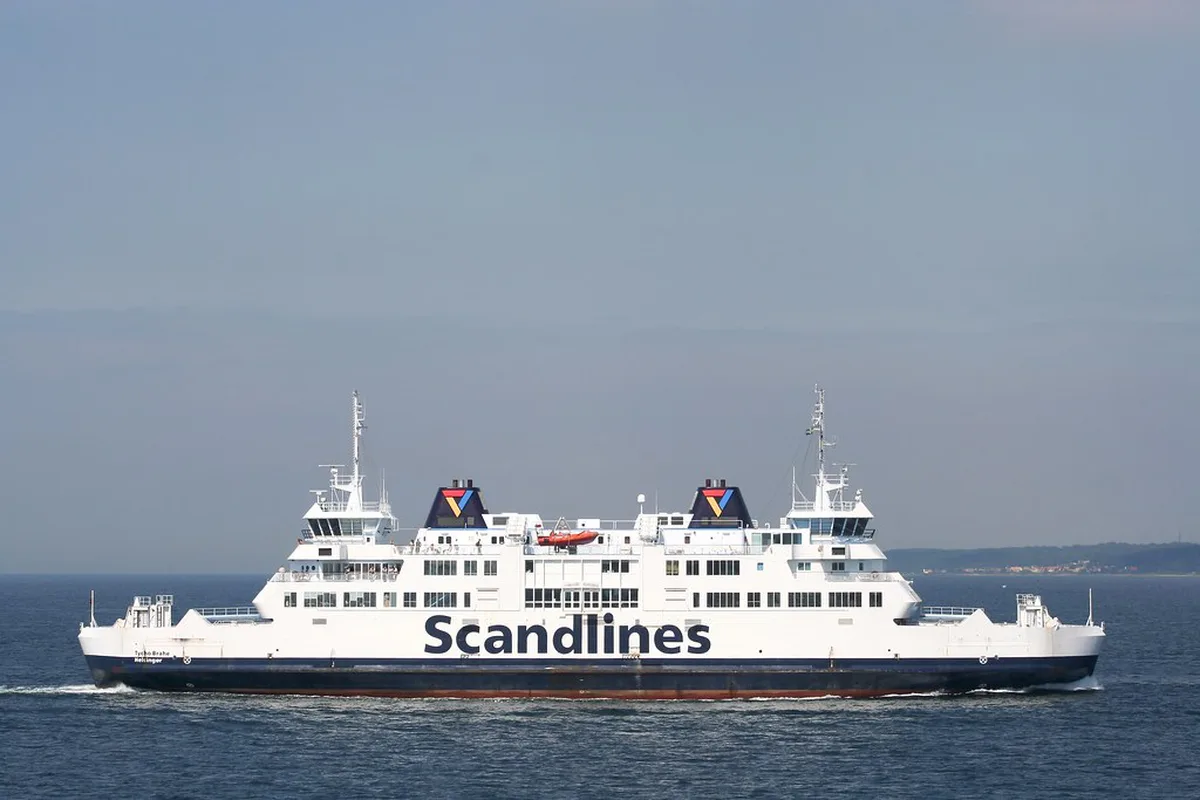
You can Compare prices and book your Helsingør to Helsingborg ferry journey today with Direct Ferries to see all available time slots and compare current fares. Booking online also lets you take advantage of any promotional rates. During the peak summer months of July and August 2026, prices for vehicle tickets can rise and vehicle deck space fills quickly, so advance booking is strongly recommended.
Larger vehicles such as motorhomes, campervans, or cars towing trailers fall into higher price categories. If your journey starts in Germany, see the Scandlines Combi Ticket section below — it can significantly reduce the total cost of a multi-leg trip. Always carry a valid passport or national ID card, as Sweden periodically reinstates temporary Schengen border controls on this crossing.
Vehicle pricing is based on length and type. Standard car tickets cover vehicles up to a certain size; SUVs with bike racks, campervans, and motorhomes may fall into higher categories. Verify your vehicle category at booking to avoid confusion at check-in and ensure you are in the correct boarding lane.
Onboard Experience and Ports
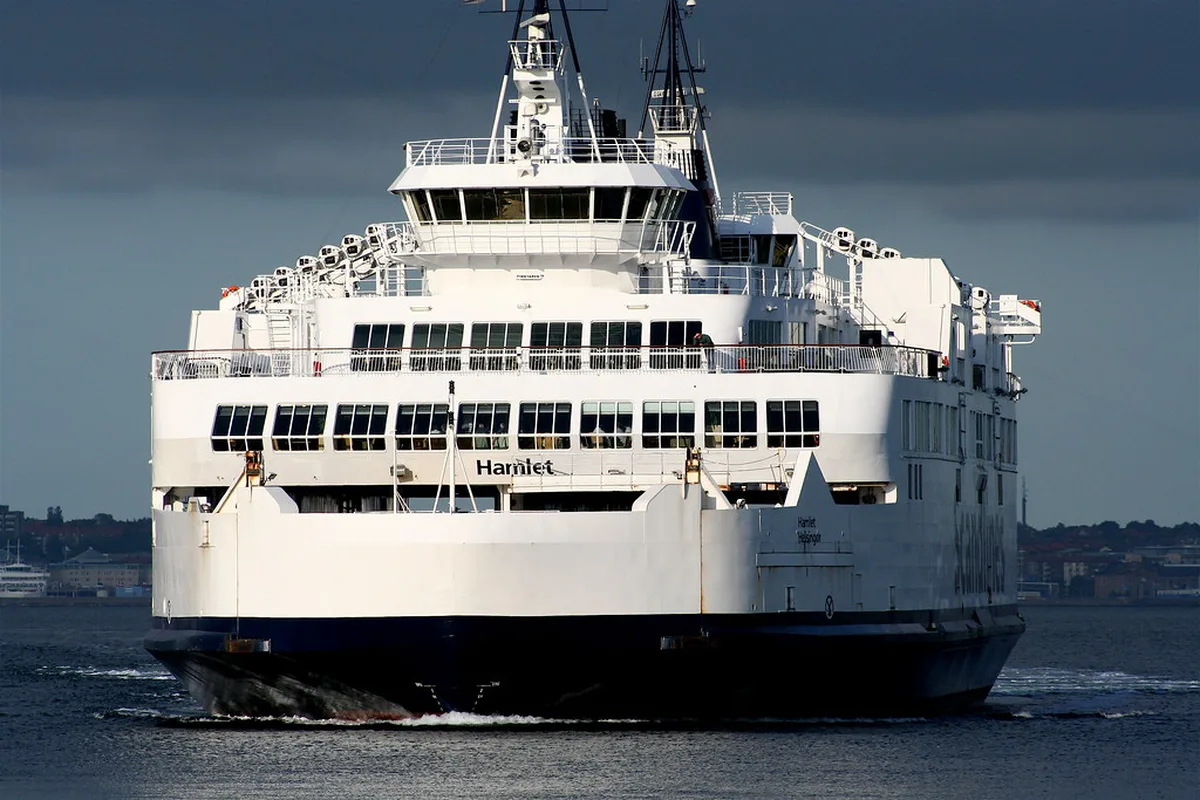
Despite the short crossing, Øresundslinjen ferries are well equipped. Onboard you will find indoor seating areas, open passenger decks, restrooms, and a café-style refreshment counter where you can grab coffee, snacks, and light meals. The onboard shop carries a small duty-free selection. WiFi is available throughout the crossing, so a 20-minute transit is enough to clear your inbox or download a map of Helsingborg.
One detail worth knowing before you board: pets are welcome on the passenger decks as long as they are kept on a leash and do not disturb other passengers. Dogs and cats are not allowed inside the onboard shop or restaurant area. Electric vehicle charging is not currently available on this route, so plan accordingly if you are driving an EV on a low battery.
The open deck is the best spot for views. As you leave Helsingør, Kronborg Castle fills the frame to your left. By the midpoint of the crossing you can see both shorelines simultaneously — a rare perspective in European ferry travel. On the Swedish side the medieval Kärnan tower comes into view above the Helsingborg rooftops before you dock.
What First-Time Passengers Often Get Wrong
The most common mistake is over-planning the schedule. Because the ferry runs so frequently, missing one sailing is never a crisis — the next one departs within 15 to 30 minutes. Stress about catching a specific departure is rarely warranted outside of the last sailing of the evening.
A second common error is assuming the crossing requires a passport for EU citizens. Both Denmark and Sweden are Schengen members, so in normal circumstances you only need a national ID. However, Sweden has at various points reintroduced temporary identity checks at this border, and 2026 is no exception to that pattern. Carry photo ID regardless of nationality to avoid any hold-up at the Helsingborg terminal.
Finally, drivers sometimes overlook the vehicle category for their booking. A standard car ticket covers a passenger car up to a certain length. If you are in an SUV towing a bike rack or a campervan, check the length restrictions at booking to avoid being redirected to a different lane at check-in.
Exploring Helsingborg
Helsingborg rewards even a short layover. The terminal at Bredgatan 5 places you immediately in the heart of the city. From there it is a ten-minute walk to Kärnan, a 14th-century medieval tower that dominates the skyline and offers panoramic views across the Oresund all the way to Denmark. Entry costs a few Swedish kronor and the climb takes about fifteen minutes.
Kullagatan, running north from the terminal area, is one of Sweden's oldest pedestrian shopping streets. It is lined with independent boutiques, cafés, and restaurants covering the range from budget Swedish fika stops to sit-down Swedish cuisine. For a half-day visit, a walk up Kullagatan, a stop at Kärnan, and lunch on the harbour front is a comfortable loop before catching the return ferry.
If you have a full day, Sofiero Palace lies about 5 kilometres north of the city centre. The palace gardens are famous for their rhododendron collection in late spring and early summer. Helsingborg Central Station, a five-minute walk from the ferry terminal, connects you by regional train to Malmö in 35 minutes and to Lund in 45 minutes if you want to extend your Sweden itinerary.
In Conjunction with the Scandlines Combi Ticket
If your journey starts further south in Germany, the Scandlines Combi Ticket offers a cost-effective solution for reaching Sweden. This ticket combines the Ferry Puttgarden Rödby crossing with the Helsingor-Helsingborg leg. It allows travelers to pay one price for both ferries, often resulting in a significant discount compared to buying them separately.
The Combi Ticket provides good flexibility, as it is usually valid across a broad window of time rather than a specific departure. This suits road trippers who do not want to be tied to rigid schedules on the drive through Denmark. You can simply present your combined ticket at the terminal in Helsingør to join the next available sailing.
Most drivers find that the transit through Denmark between the two ferry ports takes about two hours. The Scandlines Combi Ticket is bookable via Scandlines directly or through third-party ferry booking platforms. It is worth comparing the combined ticket price against separate tickets before committing, as promotional fares occasionally make buying independently cheaper.
Alternative Ferry Connections
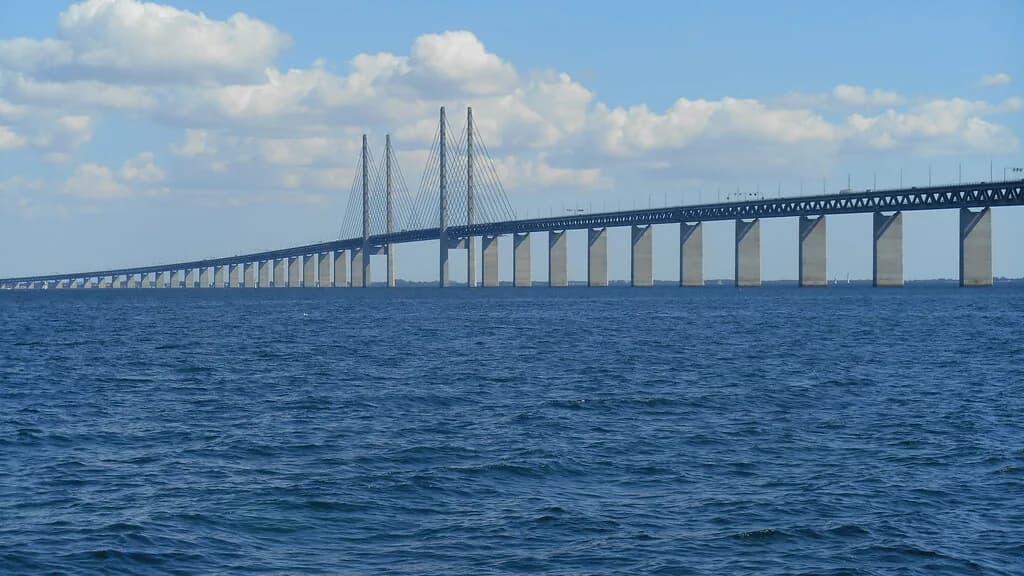
While the Helsingør route is the most frequent and direct crossing, other options exist depending on your starting point. The Ferry Rostock Gedser route runs up to 10 times a day and takes around two hours, making it useful if you are traveling from eastern Germany or Berlin and heading to Copenhagen rather than northern Zealand. The Oresund Bridge connecting Copenhagen to Malmö is the other main alternative, though it adds distance for anyone based near Helsingør or Helsingborg.
For travelers coming from Fehmarn in Germany, the Puttgarden to Rødby Vogelfluglinje runs up to 48 times daily and crosses in 45 minutes. That route lands you in southern Jutland, from where the drive to Helsingør takes roughly two hours along the E47. The Grenaa to Varberg and Grenaa to Halmstad ferries are niche options suited to travelers already in central Jutland who want to avoid driving through Copenhagen altogether.
Each route has its own trade-offs regarding cost, time, and final destination. For most tourists visiting Helsingør and wanting a Sweden day trip, the direct Øresundslinjen crossing remains the fastest and most flexible choice. Evaluate your starting point and onward destination before selecting a route.
Frequently Asked Questions
How long is the ferry from Helsingor to Helsingborg?
The ferry crossing takes approximately 20 minutes from port to port. This rapid transit is made possible by the short 4-kilometer distance across the Oresund strait. Departures are frequent, occurring every 15 to 20 minutes throughout the day, ensuring minimal wait times for all travelers.
Can I travel by car on the Helsingor Helsingborg ferry?
Yes, the ferry is designed for all types of vehicles, including cars, motorcycles, and motorhomes. Most car tickets include the driver and up to eight passengers in the price. It is best to Check availability & book in advance during peak summer periods.
Can I travel as a foot passenger from Helsingor to Helsingborg?
Foot passengers are welcome and can easily board via the dedicated passenger gangways. The ferry terminal in Helsingor is integrated with the train station, making it very accessible. You can buy tickets at the station or use a mobile app for a quick boarding process.
Do I need a passport for the ferry between Denmark and Sweden?
While both countries are part of the Schengen Area, you should always carry a valid passport or national ID card. Sweden occasionally implements temporary border controls where all passengers must show identification upon arrival. Having your documents ready prevents delays during the disembarkation process in Helsingborg.
The helsingor to helsingborg ferry remains the most charming and efficient way to cross between Denmark and Sweden. With up to 55 departures a day and a crossing time of just twenty minutes, it offers unparalleled flexibility for any itinerary. The open deck views of Kronborg Castle and Kärnan tower make the transit itself worth the fare.
Whether you are using a Combi Ticket from Germany or taking a quick day trip from Copenhagen, this route is a Scandinavian travel essential. Book vehicle space early during the summer months and carry photo ID regardless of your nationality. After your Sweden excursion, return to Helsingør and explore the the full Helsingør overview that cluster around the harbor — the Maritime Museum and the old town streets reward an afternoon's wandering.
You might also like


Continue reading
More guides you'll find useful