Maritime Museum Of Denmark Travel Guide
Plan maritime museum of denmark with top picks, neighborhood context, timing tips, and practical booking advice for a smoother trip.
On this page
Maritime Museum Of Denmark
The Maritime Museum of Denmark — officially M/S Museet for Søfart — sits in a former dry dock beneath the harbor of Helsingør, entirely below ground. Designed by Bjarke Ingels Group (BIG) and opened in 2013, the museum is one of the most talked-about pieces of architecture in Scandinavia. Denmark's 5,440-mile coastline and its position at the junction of three seas have made seafaring central to national identity, and this is the institution that tells that story. Whether you are here for the exhibitions, the engineering, or the proximity to Kronborg Castle, the museum rewards a full half-day.
The BIG Design: A Museum Built Into a Dry Dock
When the decision was made to build a new maritime museum next to Kronborg Castle — a UNESCO World Heritage Site — the planners imposed one firm rule: nothing could rise above ground level. The castle's silhouette had to remain unobstructed. The only viable construction site was the old dry dock left over from the Helsingør shipyards, and Bjarke Ingels Group won the commission with a proposal that turned that constraint into the building's defining feature.
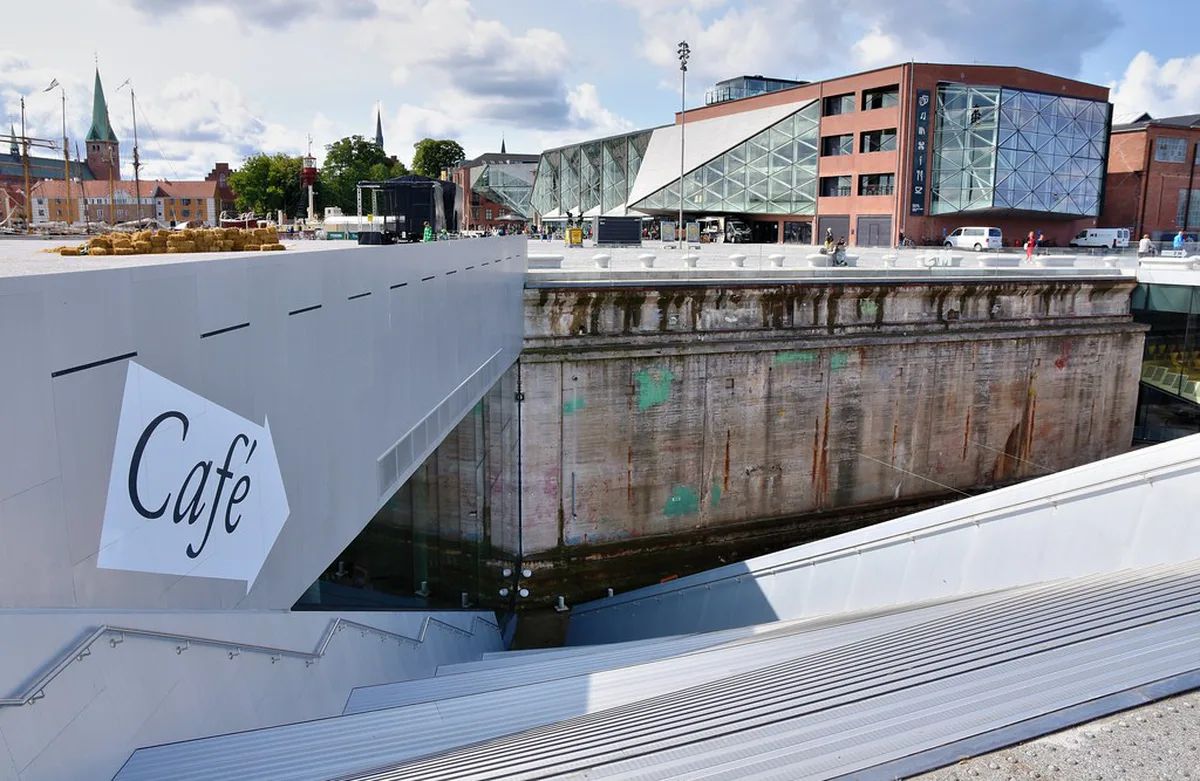
Rather than filling the dock with a museum building, BIG built the museum into the dock's walls. The 150-metre-long, 8-metre-high concrete dock became the world's largest museum exhibit in its own right. Sloping walkways, zigzagging bridges, and glass-floored corridors bore through the original concrete structure, connecting the galleries at multiple levels. The raw industrial texture of the walls was deliberately preserved and now frames the modern steel and glass interventions.
The dock sits below sea level, which means it functions like a ship — water pressure pushes it upward constantly. To hold it in place, engineers drove 466 anchors into the earth beneath the dock floor, each one going deeper than the height of the Round Tower in Copenhagen. That is an engineering detail that most visitors never hear, but it says everything about the ambition of the project. The architectural and design awards the museum has collected since 2013 include a 2014 RIBA Award and the World Architecture Festival prize for best cultural building.
Built into a former Helsingør shipyard dry dock, the museum sits directly beside Kronborg Castle. Its design by Bjarke Ingels Group preserves the raw concrete dock walls as part of the exhibit. The 466 underground anchors anchoring the dock prevent water pressure from lifting it — an invisible structural marvel that anchors the entire design.
Permanent Exhibitions: Denmark's Seafaring Story
The museum's permanent collections span centuries of Danish maritime history, from ancient navigation tools to the era of container shipping. Exhibits cover the mythology of the sea alongside the technology that made long-distance navigation possible. A recurring theme is how shipping has tied the world together — more than 90% of all goods traded globally are transported by sea, and Danish shipping companies have been central to that system for hundreds of years.
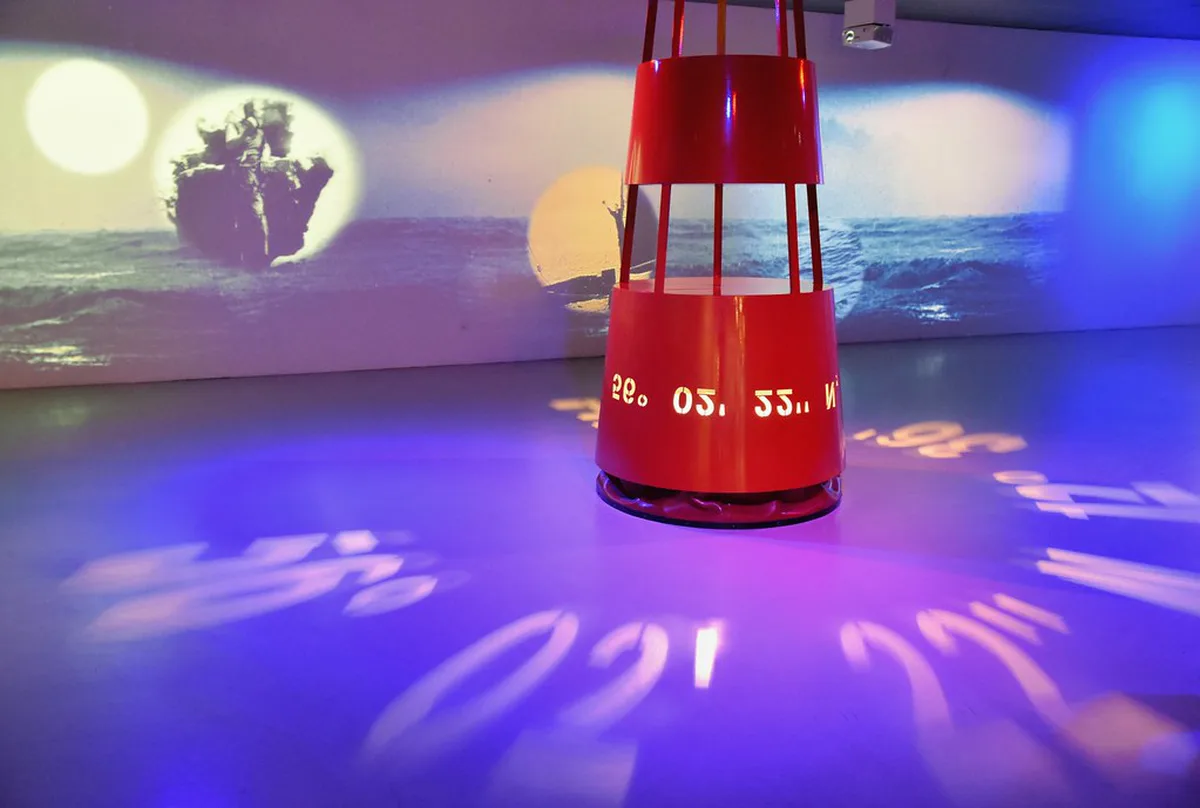
Sensory installations use light, sound, and scale to explain complex logistics in an accessible way. One section traces the flourishing 18th-century trading period; another focuses on personal stories from sailors and the families they left behind on shore. You will find traditional navigation instruments alongside the digital tools of modern vessel management. The balance between the grand historical arc and the human detail is what separates this museum from a straightforward naval archive.
The 'Global Gateway' section illustrates how small Danish ports connect to the global supply chain. Immersive displays link the cargo on container ships to everyday consumer goods, making the scale of modern maritime trade tangible. Allow at least 90 minutes for the permanent collection alone. Rotating exhibitions focus on specific themes — polar exploration, maritime mythology, or contemporary ocean issues — so the programme changes year to year in 2026.
Games for the Whole Family: DRØMMESKIBET and Interactive Exhibits
Interactive stations are spread throughout the museum and work for visitors of all ages. You can try navigating by traditional tools, attempt to control global trade flows through a simulation, or try your luck as a merchant in the 18th century. One of the most popular stations lets you get a genuine sailor's tattoo — washable, for the cautious. These hands-on elements stop the museum from feeling like a passive reading exercise.
DRØMMESKIBET — the Dream Ship — is a dedicated play area for younger children located within the museum. It is a maritime-themed climbing and exploration environment where kids can burn energy while absorbing the seafaring context around them. Interactive screens and puzzles are positioned at child height throughout the main galleries, and many of the simulators are designed so that a child and an adult can engage with them together.
Families should budget at least two and a half hours to let children move through DRØMMESKIBET and the main galleries without feeling rushed. The museum is fully accessible, with elevators serving every level and ramp access throughout the walkway system. Strollers fit comfortably on all routes. For families visiting Helsingør for the day, the museum and Kronborg Castle together fill a comfortable full day with no need for a car.
Kulturværftet (the Culture Yard) is immediately adjacent to the museum — a modern cultural center built into old shipyard buildings with harbor views toward Sweden. The combination of the Maritime Museum, Kronborg Castle, and Kulturværftet makes Helsingør one of Denmark's most culturally dense harbors for its size.
What to Look for That Most Visitors Miss
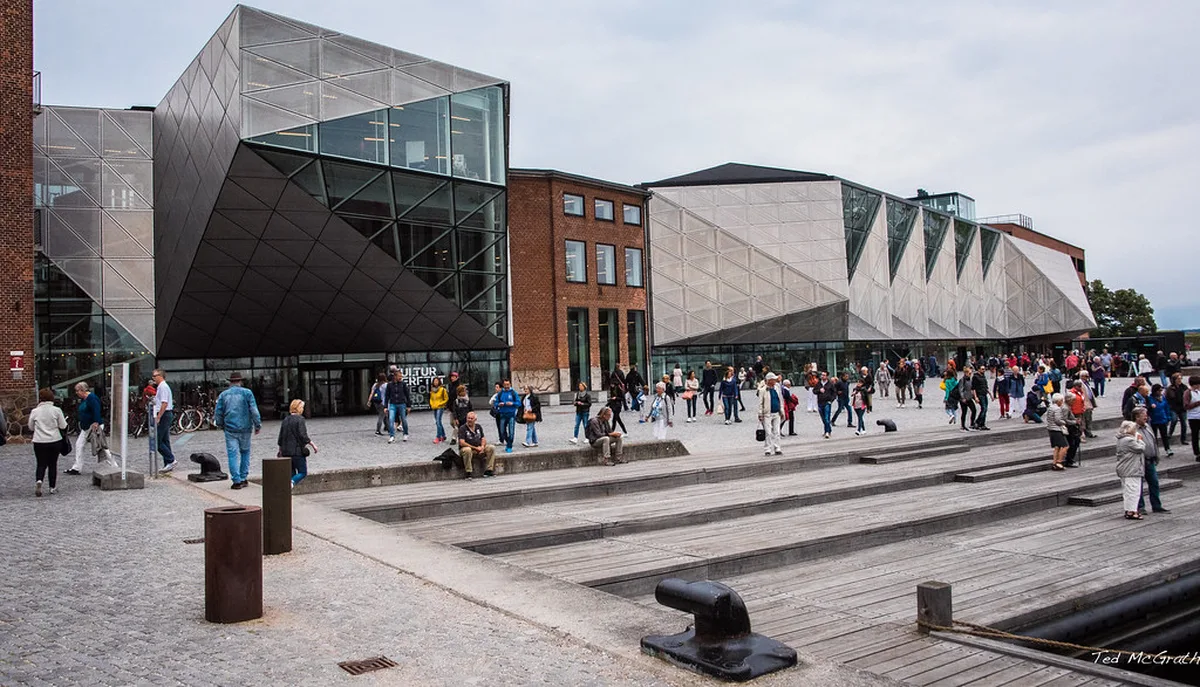
Ninety-four bollards made from Chinese granite surround the museum on the harbor. They look decorative at a distance, but they are arranged in Morse code. The benches act as dashes, the stools as dots. Together they spell out "MS Museet for Søfart" and "Det er nødvendigt at sejle" — "To sail is necessary." That phrase comes from an order issued by the Roman general Pompey in 56 BCE, demanding that vital grain shipments be made despite dangerous weather. The Hanseatic League later adopted it as a slogan, and the museum chose it as a kind of founding motto.
The dock's bridges are worth slowing down for. Each one crosses the open void of the dry dock at a different angle, and standing in the middle gives you a sense of the dock's true scale — 150 metres long, 20 metres wide, and 8 metres deep. The glass sections of the floor let you look straight down into the dock from above. At certain points, natural light filters down through glass ceiling panels into the lowest gallery level, which prevents the underground space from ever feeling oppressive.
The museum also appeared as a key filming location in the Netflix series "The Rain," a post-apocalyptic Scandinavian production. For visitors who watched the show, recognising the dock's corridors in person is a genuinely surprising moment. None of the SERP guides mention this, but it consistently comes up in visitor conversations at the site.
M/S Café and M/S Shop
The M/S Café is located inside the museum and serves lunch dishes, hot and cold drinks, and light refreshments. The café is positioned so that you can look out over the open dry dock while you eat, which makes it worth a stop even if you have already seen the exhibitions. Locals use it as a daytime lunch spot independent of the museum ticket, which means quality is kept at a level that holds up against the town's standalone cafés.
The M/S Shop is an experience in its own right rather than a standard gift shop. It stocks interior design products, books, jewellery, clothes, and toys — all selected for quality modern design that relates directly to the museum's exhibitions. If you are looking for a well-considered souvenir from Denmark rather than a standard fridge magnet, this is the better option. Price points range from small items under 100 DKK to design objects in the several-hundred-DKK range.
Pairing the Museum with Kronborg and Kulturværftet
The museum sits within the Kulturhavn Kronborg harbor complex, which puts it steps away from two other significant destinations. Kronborg Castle — Shakespeare's Elsinore — is a five-minute walk along the harbor. It is the most-visited attraction in Helsingør and the reason most international visitors make the trip at all. The two sites complement each other well: Kronborg gives you the military and theatrical history of the Øresund, while the maritime museum explains the commercial and human story that ran in parallel for centuries. See the Hamlet's Kronborg Castle for admission details and what to prioritize inside the fortress.
Kulturværftet — the Culture Yard — is immediately adjacent to the museum on the harbor side. It is a modern cultural center built into the old shipyard buildings, with a glass-walled facade facing the Øresund Strait. It hosts concerts, exhibitions, and a food court (Værftets Foodcourt) with harbor views toward Sweden. On clear days you can see Helsingborg across the water. The combination of Kronborg, the maritime museum, and Kulturværftet makes this one of the most culturally dense harbors in Denmark for its size.
If you have extra time after visiting all three, the Helsingør Walk takes you through the colourful old streets of the town center. The Han statue — a male counterpart to Copenhagen's Little Mermaid — sits on the pier nearby. See the full our complete Helsingør guide guide for a ranked list of what else the town offers.
Tickets, Opening Hours, and Getting There
The museum is open year-round with seasonal adjustments to hours. As of 2026, it is closed on 24, 25, 26, and 31 December and 1 January. Check the official website before visiting in winter, as reduced hours apply. Adult admission is approximately 160 DKK; children under 18 enter free. A combined ticket with Kronborg Castle is available and saves a meaningful amount compared to paying separately at each site — this is the recommended option for anyone planning both visits.
Getting from Copenhagen is straightforward. Take the train and bus to M/S Maritime Museum of Denmark using the regional rail network from Copenhagen Central Station. The journey takes around 45 minutes and trains run at least every 20 minutes throughout the day. From Helsingør station, the museum is a 10-minute walk along the harbor. Parking is available near the harbor if you are driving, but the train is faster and avoids the summer congestion around Kronborg.
Arriving when the museum opens (typically 10:00) gives you the first hour before large tour groups arrive. Most guided tours show up between 11:00 and 14:00. If you are visiting in July or August, booking tickets online in advance avoids queues at the door. The museum is fully accessible: elevators reach every level, all walkways accommodate wheelchairs and strollers, and there are accessible toilet facilities throughout. Follow the a day trip from Copenhagen guide for a step-by-step full-day itinerary that covers both the museum and the castle.
Frequently Asked Questions
Which maritime museum of denmark options fit first-time visitors?
First-time visitors should prioritize the navigation simulators and the 'Global Gateway' exhibit. These provide the best overview of Danish seafaring history. Don't miss the architectural bridges crossing the dry dock for the best photos. You can find more tips in our the full Helsingør overview guide.
How much time should you plan for the Maritime Museum of Denmark?
You should plan to spend at least 2 to 3 hours at the museum. This allows enough time to see the main exhibits and enjoy the café. If you are an architecture enthusiast, you may want an extra hour to study the building's unique design and construction.
What should travelers avoid when planning a visit?
Avoid visiting during the middle of the day on weekends if you want to skip the crowds. Large tour groups often arrive between 11:00 AM and 2:00 PM. Also, do not forget to check the weather if you plan to walk the harbor after your museum visit.
Is the Maritime Museum of Denmark worth including on a short itinerary?
Yes, it is highly recommended even for short trips due to its proximity to Kronborg Castle. You can easily see both major sites in a single afternoon. The museum offers a modern contrast to the historic fortress that most travelers find very rewarding.
The Maritime Museum of Denmark rewards visitors at multiple levels: the exhibitions are genuinely informative, the architecture is unlike anything else in the country, and the harbor setting connects the building directly to the seafaring world it documents. Combine it with Kronborg and an hour at Kulturværftet and you have one of the most complete half-day cultural visits in Denmark. Book online, arrive early, and leave time to decode the Morse code bollards on your way out.
You might also like


Continue reading
More guides you'll find useful