Best Time To Visit Aarhus: Seasonal Guide and Travel Tips
Discover the best time to visit Aarhus with our month-by-month weather guide, seasonal event highlights, and practical travel tips for Denmark's second city.
On this page
Best Time To Visit Aarhus
Late spring (May to early June) and early September are the sweet spots for visiting Aarhus. The weather is mild, the crowds haven't yet peaked, and accommodation prices sit comfortably below summer rates. That said, Aarhus genuinely rewards visits in every season — from the Aarhus Festuge in late August to the glowing Christmas markets in December.
Aarhus is Denmark's second city, home to more than 300,000 people, a world-class art museum, and a medieval street layout that hasn't changed much in 800 years. It sits on the Jutland peninsula, which means the sea shapes the weather in all four seasons. This guide breaks down what each season actually looks and feels like, plus the practical details — transport, costs, accommodation, and day trips — that help you make the most of your time here.
At a glance
- Best months: Late May, June, and September
- Typical stay: 2–4 days
- Getting there: 2 hours 45 minutes by DSB train from Copenhagen
- Cost range: EUR 80–250 per night (accommodation); budget 130–180 EUR per day (food + museums)
- Key season: Aarhus Festuge (late August); Christmas markets (December)
Key Takeaways
- Visit in late May or September for the best balance of weather and crowds.
- Always pack a windproof jacket to handle the sharp harbor breeze off the Bay of Aarhus.
- Book train tickets early via the DSB app to save on travel from Copenhagen.
Aarhus Weather and Climate Overview
Aarhus has a temperate maritime climate shaped by the North Sea and the Bay of Aarhus. The city sees four distinct seasons, but none of them are extreme — summers rarely exceed 25°C and winters rarely drop below -5°C. What makes the weather feel variable is the wind. The sea breeze cuts through even mild temperatures and makes a 10°C autumn afternoon feel significantly colder than the thermometer suggests.
Rainfall is spread across the whole year rather than concentrated in one wet season. You can expect around 600–700 mm annually, with October and November being the dampest months. Summer days are very long — in June the sun sets after 21:30 — which gives outdoor activities a generous window even if rain interrupts the afternoon. Winter days are short, with only about seven hours of daylight in December.
The practical upshot: always carry a compact umbrella and a windproof outer layer, regardless of season. The Latin Quarter's cobblestone streets become slippery after rain, so comfortable, grippy shoes matter more here than in most European city breaks. Check the month-by-month Aarhus weather breakdown for detailed daily averages before you book.
| Season | Months | Temp (°C) | Daylight | Hotel Price (EUR/night) | Crowds | Best For |
|---|---|---|---|---|---|---|
| Spring | Mar–May | 5–18°C | 13–18 hrs | 80–120 | Low–Moderate | Flowers, festivals, mild weather |
| Summer | Jun–Aug | 18–25°C | 17–21 hrs | 150–250 | Heavy | Beach, outdoor dining, Festuge |
| Autumn | Sep–Oct | 14–18°C | 9–14 hrs | 85–130 | Low–Moderate | Museums, deer park, hygge |
| Winter | Nov–Feb | 0–5°C | 7–10 hrs | 80–110 | Minimal | Christmas markets, indoor attractions |
Spring in Aarhus: Festivals and Flowers
Spring in Aarhus runs from March through May, with the best window sitting between late April and early June. Temperatures climb from around 5–8°C in March to a pleasant 14–18°C by late May. The Botanical Garden reopens its outdoor areas, the city's outdoor café terraces come back to life, and the Latin Quarter fills with hollyhocks. Create Aarhus typically runs craft workshops and community art events throughout this period.

May is the month that most experienced visitors choose as the annual sweet spot. Hotel rates are still in the shoulder-season range — typically 20–30% cheaper than July — while the weather is good enough for long walks along the harbor and through Marselisborg Forests. Crowds are manageable: you can visit ARoS on a weekday without waiting in line, and Den Gamle By is nowhere near its summer capacity.
The main festival calendar kicks off in April with smaller events. The biggest spring draw is the gradual transformation of public spaces: flower stalls appear on Strøget, university students fill the parks, and the city's youthful energy is at its most visible. If you're combining Aarhus with a Jutland road trip, spring is the ideal time to also visit the Mols Bjerge hills before the summer hiking crowds arrive. See the full 2026 Aarhus festival calendar for exact dates across all seasons.
Summer in Aarhus: The Peak Season
June through August is peak season, and it shows. Hotels fill up quickly, particularly around the Aarhus Festuge — Denmark's largest annual arts and culture festival, held in the last week of August. The festival runs for ten days, transforming the entire city into an outdoor stage with free and ticketed events across music, theatre, and visual art. If the Festuge is your reason for visiting, book accommodation three to four months in advance.
Temperatures in July and August average 20–22°C with occasional stretches reaching 25°C. Days are very long. Locals head to Den Permanente, the historic open-air sea bath north of the harbor, and to the beaches at Ballehage and Moesgaard. The harbor area buzzes with sailing activity, paddleboarding, and the Havnebadet floating pool at Aarhus Ø. Outdoor dining is at its best: harbor-front restaurants serve until late, and Aarhus Street Food market draws long evening queues.
Budget-conscious visitors should note that summer hotel prices in Aarhus are high by Danish standards — a central double room runs 150–250 EUR per night in July. Booking a place just outside the center and using the light rail (Letbanen) saves considerably. The Letbanen runs through the city on a north-south axis and connects to the central station, making it easy to stay slightly further out without losing access to the main attractions.
Autumn in Aarhus: Culture and Colors
September is arguably the best single month to visit Aarhus for most travelers. The summer crowds have departed after the Festuge, temperatures sit at a comfortable 14–18°C, and hotel prices drop back to spring levels. The city's parks and the Marselisborg Deer Park take on amber and red tones from late September through October. You can walk among free-roaming deer in the park — it is free to enter and genuinely surprising to find within cycling distance of the city center.
October and November bring colder, wetter conditions but also the highest concentration of museum programming. ARoS typically launches its major autumn exhibition in October. Culture Night (Kulturnatten) usually takes place in mid-October, opening studios, archives, and normally-closed buildings across the city for a single evening. It is one of the best windows to see Aarhus at its most local and least touristy.
The Latin Quarter's cafes lean into the hygge aesthetic from October onward — candles in the windows, hot drinks, and no pressure to turn tables quickly. If your priority is unhurried exploration and authentic local atmosphere rather than sunshine and beach access, September to October is the season for you.
Winter in Aarhus: Hygge and Christmas Markets
Winter in Aarhus centres on December. Den Gamle By transforms into a living Christmas museum with historic market stalls, period-accurate decorations, and themed exhibitions that run from mid-November through the 23rd of December. The museum entry includes the Christmas experience at no extra cost over the standard ticket (around 20–29 EUR depending on the month). The Ridehuset building near the center hosts a smaller, artisan-only Christmas market where everything is handmade — it is quieter and more characterful than the big commercial markets found in Germany.
The Salling Skywalk on top of the Salling department store becomes a rooftop Christmas garden in December, with Christmas trees, fairy lights, and live music. Entry is free. On clear evenings, the view over the illuminated city is genuinely beautiful and the contrast with the cold harbor air makes it memorable. Temperatures in December average 2–5°C and the city is dark by 15:30, but that only intensifies the festive atmosphere.
January and February are the quietest months of the year. Hotel prices hit their annual low — a central double can drop to 80–100 EUR per night. Museums are open, cafes are warm, and you will have ARoS largely to yourself on a weekday. This is the time for travelers who prioritize solitude, low costs, and genuine atmosphere over sunshine and events.
Things to do in Aarhus in the Winter
The ARoS art museum is the anchor of any winter itinerary. Plan at least three to four hours inside: the exhibits run from 18th-century Danish painting to large-scale contemporary installations, and the Rainbow Panorama walk at the top provides a different view of the city in every color of the spectrum. In January 2026, ARoS ran a winter special offering museum entry plus a hot drink at the café for 150 DKK (around 20 EUR) — worth checking their website for equivalent offers when you visit.

The Moesgaard Museum, located 30 minutes south by bus 18, is a strong second day option. The building itself is architecturally striking — the grass-covered roof doubles as a hillside hiking trail — and the permanent collection walks through human history from the Stone Age to the Viking Age. Allow three to four hours minimum. The restaurant inside serves good lunch.
In the city center, the historic core bounded by Åboulevarden and Nørre Allé rewards slow exploration even on grey days. Aarhus Cathedral (Domkirke) and the surrounding courtyards have a stillness in winter that is difficult to find in summer. Aarhus Street Food market on Ny Banegårdsgade is entirely indoors and open daily from 11:30 to 21:00, making it a reliable warm-up stop for lunch or an early dinner. The Viking traffic lights on Åboulevarden are also worth a look — the city replaced standard walk signals with red and green Viking figures, a detail that most winter visitors photograph within hours of arriving.
Aarhus Øje vs the ARoS Rainbow Panorama: Two Very Different Views
Aarhus has two paid viewpoints and most visitors pick one or the other. The ARoS Rainbow Panorama sits on top of the art museum at around 36 metres above street level. It is a circular glass walkway, 150 metres long and tinted in every spectral colour — as you walk around it, the city below shifts from red to orange to yellow to green to blue to violet. The view is intimate: you see rooftops, courtyards, and the bay at a human scale. Entry is included in the ARoS museum ticket (around 25 EUR in 2026).
Aarhus Øje (the Lighthouse viewpoint) sits at the top of the 142-metre Lighthouse building in the Aarhus Ø harbor district — the tallest building in Denmark, designed by 3XN architects. The panorama here is open and wide: on clear days you see across the Bay of Aarhus to the Mols Bjerge hills. The experience is more exposed and vertigo-inducing than the Rainbow Panorama, which is worth knowing if you are sensitive to heights. Entry costs approximately 20 EUR separately. The Aarhus Øje website lists current prices and opening hours.
The practical recommendation: if you are visiting ARoS anyway, the Rainbow Panorama is the better value since it is bundled into your ticket. If you want a single dedicated viewpoint experience and are comfortable with height, Aarhus Øje gives a more dramatic and expansive panorama. In winter, the Rainbow Panorama is warmer and less windswept — a meaningful factor when temperatures hover near freezing.
Is Aarhus Worth Visiting in January?
Honest answer: yes, with adjusted expectations. January is cold (0–3°C daily average), dark (about 7.5 hours of daylight), and wet. The Infinity Bridge at Varna Beach is closed. Den Gamle By's Christmas experience has ended. Most outdoor seating at restaurants is folded away until April. The city is quiet in a way that can feel bleak if you arrived expecting summer vibrancy.
What January does offer is a version of Aarhus that most tourists never see. Hotel prices are at their annual low. ARoS is uncrowded and has often run January discount packages. The specialty coffee scene — Bill's Coffee, Coffee Collective on Guldsmedgade, La Cabra on Graven — is at its coziest. Raadhuus Kafeen near the city hall serves traditional smørrebrød on dark rye bread at prices that are reasonable by Danish standards (around 85 DKK / 11 EUR for an open sandwich). The distinctive painted doors of Aarhus are best photographed in the low winter light when there are no tourists blocking the frame.
The verdict: do not travel specifically to Aarhus in January if you have the flexibility to visit another month. But if you are already in Denmark for work or another reason, an overnight extension to Aarhus is absolutely worthwhile. The indoor options alone justify it, and the low-crowd, low-cost conditions make the museums genuinely more enjoyable than in high summer.
Copenhagen or Aarhus?
Copenhagen has around 700,000 residents and feels like a full European capital — large metro network, international airport with many direct connections, heavy tourist infrastructure. Aarhus has around 300,000 residents and operates on a different rhythm: smaller, more walkable, genuinely student-dominated (Aarhus University brings around 40,000 students to a city of this size), and noticeably less crowded with international tourists at any time of year.
On costs, Aarhus is slightly cheaper than Copenhagen for accommodation and eating out. A lunch sandwich in Copenhagen runs 14–18 EUR; the same in Aarhus is closer to 11–13 EUR. Museum prices are similar — expect around 20–25 EUR per major museum in both cities. Eating at Aarhus Street Food (12–15 EUR for a full meal) significantly undercuts equivalent options in Copenhagen's Torvehallerne.
The practical decision: if you have five or more days in Denmark, do both. If you only have a weekend, Aarhus is the more relaxed and manageable choice for a city break. Copenhagen is the better choice if you want maximum transport connections and international flight options. For the Aarhus Festuge in late August, Aarhus wins outright — there is nothing comparable in Copenhagen at the same time of year.
How Many Days Do You Need for Aarhus?
Two full days covers the city's core highlights at a comfortable pace: ARoS and the Rainbow Panorama, the Latin Quarter and Møllestien, a walk through Aarhus Ø and the Dokk1 library, Aarhus Cathedral, and a meal at Aarhus Street Food. You will not feel rushed, but you will not have time for extended detours.
Three to four days allows you to add Moesgaard Museum (a half-day minimum), Den Gamle By (another half-day to a full day), and a day trip to Mols Bjerge or Ebeltoft. This is the sweet spot for most first-time visitors who want to see the city and its immediate surroundings. Four nights is particularly worthwhile during the Christmas period when Den Gamle By alone justifies an extended stay.
If you are combining Aarhus with a broader Jutland itinerary — Aalborg to the north, Ribe to the south, the Wadden Sea coast further southwest — plan two to three nights in Aarhus as the central base. The city's train connections make it an efficient hub for exploring Jutland without renting a car.
Getting to Aarhus: Transport Options
The most practical route from Copenhagen is the DSB InterCity train. The journey takes approximately 2 hours and 45 minutes to 3 hours. Book via the DSB app — prices vary significantly by how far in advance you book. A first-class round trip booked several weeks ahead costs around 170 EUR and includes seat assignment, leg room, and quiet-zone access. Standard tickets are cheaper but availability narrows quickly in summer. Tickets can be changed or cancelled in the app, which makes booking early genuinely low-risk.
Direct flights to Aarhus Airport (AAR) exist from selected European cities including Oslo, Stockholm, and London on SAS and Ryanair. Aarhus Airport is located 45 minutes from the city center by shuttle bus. Billund Airport (BLL), used by Ryanair for more UK and European routes, is about 90 minutes from Aarhus by bus. From Billund, take the X39 Flixbus or the regional bus service to the Rutebilstation in Aarhus (the main bus terminal, located next to Aarhus Street Food).
Within Aarhus, the city is compact enough to walk almost everywhere in the center. The Letbanen light rail runs on a north-south axis through the city and connects to the central train station, useful for reaching Moesgaard Museum and the university district. Single tickets cost around 24 DKK (about 3.20 EUR). The DSB app also covers local Aarhus public transport, so there is no need to buy a separate transit card for short stays.
Where to Stay in Aarhus
The Latin Quarter and the area immediately around the central train station are the most convenient bases. Staying within this zone puts you within a 10–15 minute walk of ARoS, Den Gamle By, Aarhus Cathedral, and Aarhus Street Food. The Radisson Blu Scandinavia Hotel on Margrethepladsen is attached to the Aarhus Congress Center, about 10 minutes' walk from the station — rooms are quiet and comfortable, and the location works well for both leisure and bleisure travelers. Expect to pay around 130 EUR per night in the off-season.
For a more local stay, smaller boutique hotels and Airbnb apartments in the Latin Quarter place you in the center of the historic street network. This means noise on weekend evenings but exceptional convenience during the day. If you are visiting in summer and prices in the center are too high, a hotel or Airbnb a few kilometres outside with light-rail access is a practical and much cheaper alternative. Danish bus and train connections are reliable enough that you will not feel stranded.
Budget travelers should look at hostels near Banegårdsplads (the main square in front of the station). There are also campsite options outside the city that suit camper vans and caravans, with bus connections running reliably into the center. Parking in central Aarhus is expensive — if you are arriving by car, consider parking outside the center and using public transport for the final leg.
Is Aarhus an Expensive City Trip?
Yes, Denmark is expensive by European standards — but Aarhus is noticeably cheaper than Copenhagen. The major cost drivers are accommodation, museums, and restaurant dining. A typical day with two museum visits, two café stops, and dinner at a sit-down restaurant can easily reach 130–180 EUR per person. Here is where you can meaningfully reduce costs without losing the experience.
Museum tickets at ARoS cost around 25 EUR; Den Gamle By runs 20–29 EUR depending on the month; Moesgaard Museum is around 20 EUR. The Salling Skywalk is free. The Botanical Garden is free. Marselisborg Deer Park is free. Walking the Latin Quarter, Møllestien, and the harbor district costs nothing. Tap water in Denmark is excellent and free. Buying groceries at a supermarket (Netto, Rema 1000) for breakfast and one meal per day can cut daily costs by 40–60 EUR compared with eating out three times.
Aarhus Street Food on Ny Banegårdsgade offers diverse meals for around 12–15 EUR per person — good value by Danish standards and a reliable lunch anchor for budget-aware visitors. Check current opening hours on the Aarhus Street Food website before visiting, as holiday schedules vary. The hall is open daily from approximately 11:30 to 21:00 in standard operation.
The Surroundings of Aarhus: Day Trip Ideas
Mols Bjerge National Park is the most natural day trip from Aarhus, located about 40 minutes east by bus 123 from the Rutebilstation. The park covers a hilly, glacially shaped landscape with marked hiking trails ranging from 4 to 12 kilometres. The views across Kalø Bay are exceptional on clear days. The nearby coastal town of Ebeltoft — known for its colorful half-timbered houses and the preserved frigate ship Jylland — is easily combined with a Mols Bjerge visit in a single full day.
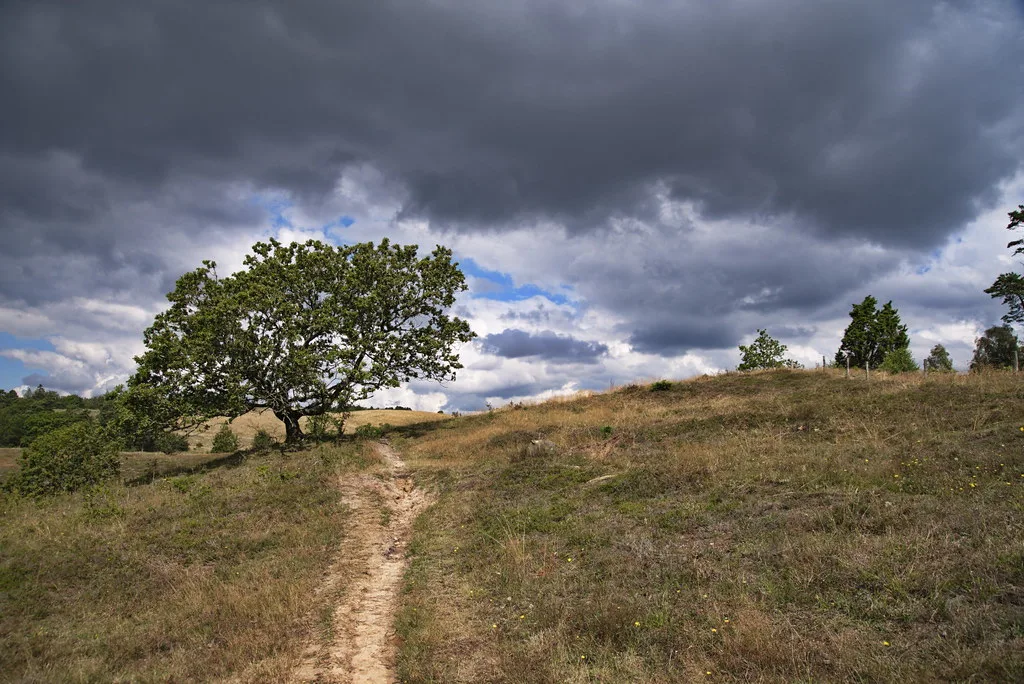
Moesgaard Museum sits south of the city and, while it functions as a standalone Aarhus attraction, its position in forested hillside terrain means you can combine it with a walk through Marselisborg Forests and along the coastal path to Moesgaard Beach. In summer, the Infinity Bridge at Varna Beach (open April to October) is a 20-minute walk further along the coast — a circular wooden pier extending into the bay that has become one of the most photographed spots in Jutland.
For a longer Jutland excursion, Ribe to the south is Denmark's oldest town and makes a convincing overnight stop. Aalborg to the north has a strong museum scene and a well-regarded old town district. Both are reachable by DSB train in under two hours, making them realistic extensions of an Aarhus-based itinerary without requiring a rental car.
Take a City Trip to Aarhus and Discover Denmark
Aarhus works especially well as a gateway into Jutland rather than a standalone destination. The city sits at the geographic center of the peninsula with train connections north to Aalborg, south to Ribe and Esbjerg, and east-coast bus access to the Mols Bjerge and Djursland. Spending four nights here as a base rather than three nights in Aarhus plus constant transit is almost always the more rewarding choice for first-time visitors to this part of Denmark.
The city's character is shaped by Aarhus University, which gives it an energy that feels younger and less polished than Copenhagen. The Latin Quarter's independent shops, the thriving specialty coffee scene, and the consistently high quality of Aarhus Street Food's rotating vendors reflect a city that takes everyday quality seriously without the tourist markup of the capital. If you are coming from the Netherlands, Germany, or the UK and want a Danish city break that does not feel like a theme park version of Denmark, Aarhus is the better call.
For a structured introduction to the city, this walking tour in Aarhus covers the main historic and architectural highlights in a few hours. It is a useful starting point before you branch out to Aarhus Ø and the museum belt south of the center. Aarhus is one of those cities that reveals more the longer you stay — two days scratches the surface, four days lets it settle.
Frequently Asked Questions
What is the best month to visit Aarhus?
Late May to mid-June is the best time for mild weather and flowers. You will avoid the heaviest summer crowds while enjoying long days. Prices are also more stable during this shoulder season.
Is Aarhus expensive for tourists?
Aarhus is similar to other Nordic cities but slightly cheaper than Copenhagen. You can save money by eating at Aarhus Street Food. Walking and visiting free parks also helps reduce costs.
How many days do you need in Aarhus?
Two to three days are perfect for seeing the main city highlights. This allows time for the ARoS museum and the Latin Quarter. Add a day for a trip to Moesgaard Museum.
Aarhus is a city that works in every season and rewards visitors who stay long enough to move past the highlights. Most travelers find late spring or early September the most rewarding combination of weather, price, and atmosphere. Plan your visit around what matters most to you — festival energy in August, cozy markets in December, or uncrowded museums in January — and the city will deliver on each of them.
Explore More Aarhus Guides
Deep-dive guides for planning an Aarhus trip — what to do, where to eat, getting there, and seasonal highlights.
You might also like



Continue reading
More guides you'll find useful