10 Essential Things to Know About the Copenhagen City Pass
Is the Copenhagen City Pass worth it? Compare the Copenhagen Card vs. City Pass with our 2026 guide to prices, zones, attractions, and transport tips.
On this page
10 Essential Things to Know About the Copenhagen City Pass
Quick Verdict: The transport-only City Pass Small (Zones 1–4) costs 80 DKK for 24 hours and covers the airport, all metro lines, buses, and harbor buses. It pays off after three or four trips. The full Copenhagen Card starts at 439 DKK for 24 hours and adds free entry to 80+ attractions — worth it only if you visit at least three paid museums per day. Most visitors need the City Pass, not the Card.
Copenhagen runs on a clean, reliable transit network managed by DOT (Din Offentlige Transport). The City Pass gives unlimited rides across metro, train, bus, and harbor bus for a fixed fee. Choosing the right pass before you arrive saves both money and the mental overhead of buying individual tickets at machines you have never used before.
This guide covers the two main options — the transport-only City Pass and the all-inclusive Copenhagen Card — with real price comparisons, zone maps, and activation tips for 2026.
What is the Copenhagen City Pass?
The Copenhagen City Pass is a time-limited transport ticket designed for visitors. It gives unlimited travel on metro, local trains, S-trains, buses, and harbor buses for the duration you choose. You pick from 24, 48, 72, 96, or 120 hours — the clock runs continuously from activation, not by calendar day.
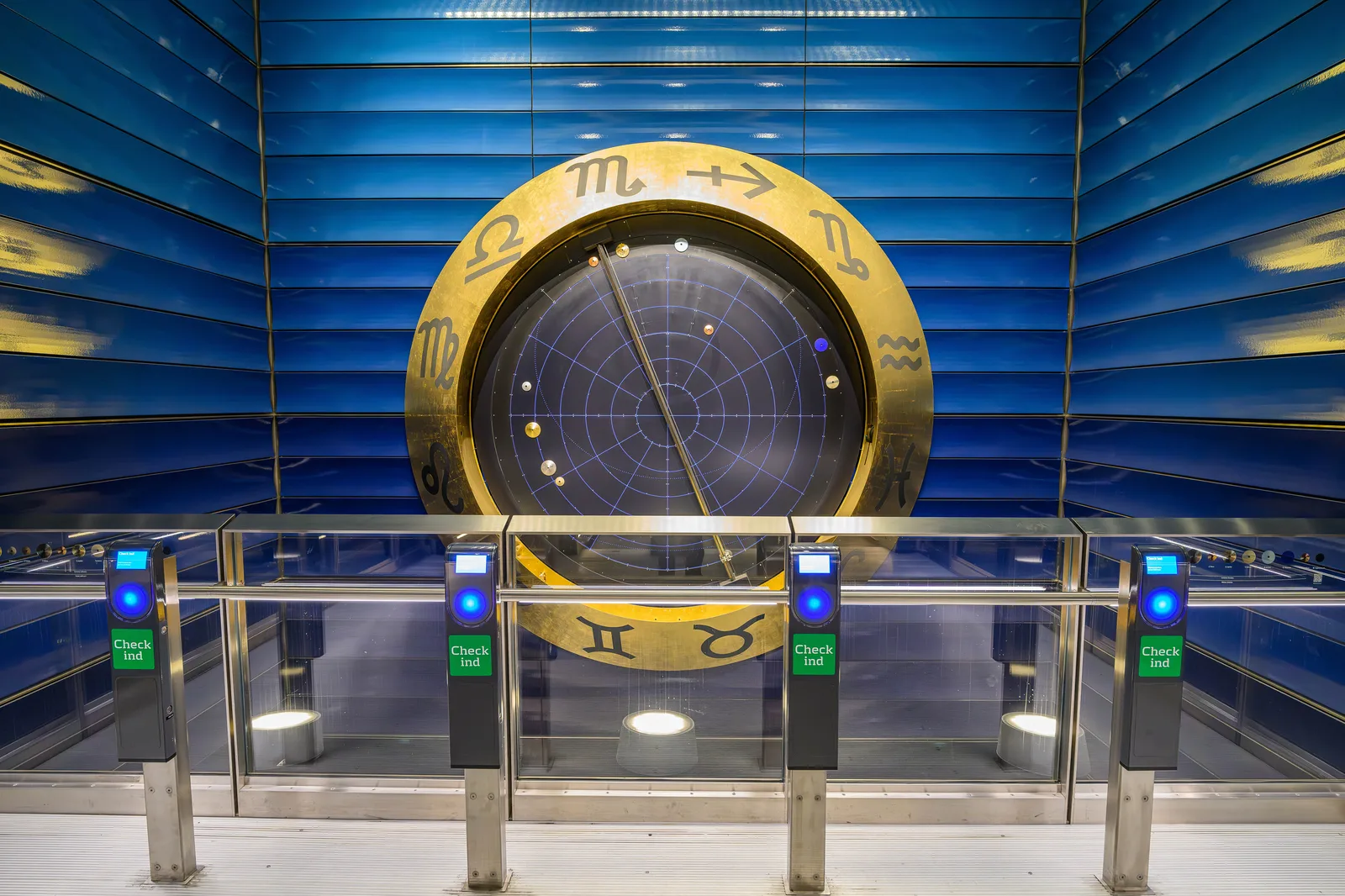
DOT manages the entire regional network and sells the pass through the DOT Billetter app and at ticket machines. If you activate a 48-hour pass on Friday at 14:00, it expires Sunday at 13:59 — not at midnight Saturday. This timing detail catches many first-timers off guard at the airport on their way home.
The pass divides into two versions based on zone coverage. The Small pass covers Zones 1–4 (the city center plus the airport). The Large pass covers Zones 1–99, which extends to Roskilde and the castle towns of North Zealand. Most visitors to central Copenhagen only ever need the Small version.
Copenhagen Card vs. City Pass: Which One Do You Need?
These are two separate products sold by two different providers. The City Pass is a transport-only ticket from DOT. The Copenhagen Card is an all-inclusive sightseeing pass that bundles transit with free entry to 80+ attractions. Confusing them is the most common mistake tourists make before arriving. See our full Copenhagen Card guide for a detailed attraction-by-attraction breakdown.
The Copenhagen Card starts at 439 DKK for 24 hours per adult (as of 2026). The City Pass Small costs 80 DKK for 24 hours. The math is simple: the Card only saves money if you visit enough paid attractions to cover the roughly 360 DKK premium over the transport-only pass.
Budget travelers who plan to walk most of the day and visit one or two free sights can skip both and buy individual tickets at 24 DKK per ride within the city. The City Pass makes sense when you expect four or more transit trips per day. The Card makes sense for museum-heavy itineraries with three or more paid venues daily.
Is the Copenhagen Card Worth It? (Cost Breakdown)
The 24-hour Copenhagen Card costs 439 DKK per adult. To break even, you need to extract that value from free attraction entries alone (the transit component is roughly equivalent to the 80 DKK City Pass). Below is a quick comparison of major individual entry prices versus what the Card covers.
- Tivoli Gardens general admission: 175 DKK (rides cost extra regardless of which pass you hold)
- Rosenborg Castle: 145 DKK
- National Museum of Denmark: free (no benefit from the Card here)
- Round Tower: 40 DKK
- Canal Tours Copenhagen (1-hour canal cruise): 99 DKK
- Copenhagen Zoo: 239 DKK
Tivoli + Rosenborg + Canal Tour already totals 419 DKK in individual tickets — close to the Card price, but only if you visit all three in a single day. Add the Copenhagen Zoo or a Viking Ship Museum day trip to Roskilde and the 24-hour Card pays off clearly. For a relaxed 48-hour trip where you prefer walking Nyhavn and the free Botanical Garden, the basic City Pass plus individual tickets will cost less. You can read a full year-by-year value analysis in our post on is the Copenhagen Card worth it in 2026.
One note on children: kids under 11 travel free on public transport when accompanied by a card-holding adult. Children under 11 can also get a free Copenhagen Card if you add them during booking. This significantly improves the family value calculation.
City Pass Small vs. Large: Zone System Explained
The zone system is the single most confusing part of Copenhagen transit for first-time visitors. The Small pass (Zones 1–4) covers everything most tourists need: all metro lines including the M2 to the airport, all central bus routes, and the S-train within the city boundary. The airport at Kastrup sits inside Zone 3, so the Small pass covers your arrival and departure with no upgrade needed.

The Large pass (Zones 1–99) extends coverage to the entire Capital Region and beyond. You need it only for specific day trips: the Roskilde Viking Ship Museum (about 30 km west), Kronborg Castle in Helsingør (about 45 km north), or Louisiana Museum of Modern Art in Humlebæk. These destinations require regional train or bus lines that leave the Zone 4 boundary.
| Pass Type | Zone Coverage | 24-Hour Price | Best For | Airport Included |
|---|---|---|---|---|
| City Pass Small | Zones 1–4 | 80 DKK | City center, metro, buses, harbor ferries | Yes |
| City Pass Large | Zones 1–99 | 200 DKK | Day trips to Roskilde, Kronborg, Humlebæk | Yes |
| Single Ticket | One journey, Zones 1–4 | 24 DKK | Budget travelers, 1–2 trips only | 36 DKK (airport premium) |
The price difference between Small and Large is meaningful. The 24-hour Small costs 80 DKK; the 24-hour Large costs 200 DKK. If your itinerary includes only one day trip outside the city, calculate whether a separate return ticket (around 120–140 DKK for Roskilde) is cheaper than upgrading your entire pass. In most cases, a targeted single ticket beats a full Large pass upgrade unless you are making multiple long-distance trips in the same day.
How to Buy and Activate Your Pass
The DOT Billetter app (iOS and Android) is the standard way to buy and carry a City Pass. Download it before you leave home and create an account. You purchase the pass in the app but do not activate it until you are ready to start travelling — this lets you buy in advance without wasting validity hours. The app requires an active internet connection for the initial activation step, which matters for non-EU travelers without roaming data.
The Copenhagen Card uses a completely separate app called "Copenhagen Card" (not DOT Billetter). This is a critical distinction. Tourists who download the wrong app cannot redeem their sightseeing card. After entering your confirmation reference number and swiping to activate, the Copenhagen Card app works offline and in flight mode — useful if you lose signal in a museum basement or on a regional train. All cards in a group order activate simultaneously, so do not activate until everyone in your party is ready to start.
Physical tickets remain available at ticket machines in every metro station and at 7-Eleven kiosks inside train stations. The airport Terminal 3 ticket office is the most convenient first stop for travelers arriving without a pass. Staff there can help with zone selection. Physical and digital passes cost exactly the same price. Keep physical tickets dry and unfolded — damaged tickets may be rejected by inspectors.
Top Attractions Included in the Copenhagen Card
The Copenhagen Card covers free entry to over 80 attractions across the city and beyond. The most financially valuable entries are Copenhagen Zoo (239 DKK standalone), Louisiana Museum of Modern Art in Humlebæk (155 DKK), and Tivoli Gardens general admission (175 DKK). Note that Tivoli ride passes and unlimited-rides wristbands are never included regardless of which card you hold — entry only.
The historic highlights covered include Rosenborg Castle (home to the Danish Crown Jewels), the Round Tower (Rundetårn), and Amalienborg Museum. Canal Tours Copenhagen is also included, giving you one standard one-hour canal tour. Each attraction permits a single visit per card, regardless of the card duration. Some venues require a prior reservation even with the card, so check the official Copenhagen Card attraction list before your visit.
A practical detail that competitors rarely mention: a disabled card holder can bring one attendant free of charge. The disabled person must hold a paid Copenhagen Card; the attendant receives complimentary entry alongside them. This applies to both adult and junior attendants and is worth knowing for families or carers traveling with someone who needs assistance.
Public Transport and Airport Transfer Logistics
The M2 metro runs 24 hours a day between Kastrup Airport and the city. The journey to Kongens Nytorv takes about 15 minutes and costs 36 DKK as a single ticket. With any City Pass Small (or the Copenhagen Card), that same airport ride is included at no extra cost, making the pass immediately earn back a significant portion of its price on the first day.
You do not tap your pass when boarding or entering stations — Copenhagen runs on a proof-of-payment honor system. Keep your active ticket visible on your phone or in your pocket. Inspectors check tickets frequently on the metro and S-train, and fines run to 750 DKK for anyone caught without a valid pass. Night buses use the same zone and ticket system as daytime services, so your pass covers late returns to your hotel.
The yellow harbor buses (routes 901 and 902) are included in the City Pass and the Copenhagen Card. They run between Nordre Toldbod near the Little Mermaid and Sydhavn, with stops at Nyhavn and the Opera House. These water buses are a scenic and practical alternative to the metro for reaching waterfront areas, and most tourists overlook them entirely.
DOT Billetter App vs. Physical Ticket: Which to Choose
The app is almost always the better choice if your phone is reliable and you have data at the point of arrival. You skip the queue at airport ticket machines, you cannot lose the ticket, and you set your own start time rather than being locked in the moment you feed coins into a machine. The DOT Billetter app is available in English and is straightforward to navigate.
Physical tickets make sense in specific situations: your phone battery is unreliable, you are traveling with elderly family members who are not comfortable with apps, or you are arriving on a very early flight and want zero digital friction. 7-Eleven kiosks inside stations are the fastest physical purchase point once you are inside the city — quicker than queuing at the main ticket office. Ticket machines at every metro station accept international credit and debit cards.
One practical middle ground: download the DOT Billetter app and buy the pass before your flight, but do not activate it until you are on the metro platform at the airport. This means zero queuing while still getting the app convenience. If your phone dies mid-trip, any 7-Eleven inside a station can sell you a replacement physical pass at the same price — your existing app purchase is wasted, but it removes the stranded-without-a-ticket risk.
Navigating Copenhagen: Walkability and Safety
Copenhagen's city center is compact and flat, which makes it one of the most walkable capitals in Europe. Nyhavn to the Round Tower is a 12-minute walk. The Round Tower to Rosenborg Castle is another 8 minutes. If your itinerary clusters around the historic center, you may genuinely use transit only for the airport transfer and one or two longer hops to neighborhoods like Frederiksberg or Østerbro.
Solo travelers — including solo female travelers — consistently rate Copenhagen among the safest European cities at night. Metro stations are well-lit and staffed, and trains run through the night on weekends. The bike lanes between the pavement and parked cars catch many tourists off guard when crossing streets: always check for cyclists before stepping off the kerb. Vesterbro and Nørrebro are safe, lively districts worth exploring but require a 15-minute bus or metro ride from the center.
If you plan to spend most of your time walking between Strøget, Nyhavn, and the main museums, the 24-hour City Pass Small may be all you need rather than a multi-day pass. Use the free Rejseplanen journey planner (Denmark's official route tool) to map out your routes and get a realistic picture of how many transit trips your itinerary actually requires before committing to a longer pass.
Essential Tips for First-Time Visitors
Copenhagen does not use the Euro. The currency is Danish Krone (DKK). Card payments are accepted almost universally — including at Christmas market stalls and small cafes — so you rarely need cash. Some venues are explicitly cashless. Do not waste time at a currency exchange desk; a contactless card with low foreign transaction fees is all you need.
Food and drink are expensive by most European standards. A coffee runs 45–60 DKK (roughly 6–8 EUR), and a restaurant dinner for two without alcohol can easily reach 100–150 EUR in the center. Budget travelers find the most value in smørrebrød lunch spots and street food at Reffen or Torvehallerne market. This is not a city where the transport pass is your biggest expense — food will likely outpace it.
The metro is fully wheelchair and pushchair accessible, with lifts at every station from street level to the platform. English is spoken everywhere without exception. Danish is rarely needed for any practical purpose during a short visit. If you have specific mobility requirements, the Copenhagen Card's free attendant policy (noted above) is worth factoring into your cost planning from the start.
Frequently Asked Questions
Does the Copenhagen City Pass cover the airport?
Yes, the City Pass Small (Zones 1-4) fully covers travel between Copenhagen Airport and the city center. You can use it on the metro, regional trains, and buses for this journey. It is a very convenient option for arriving travelers.
Can I use the pass on the harbor buses?
The yellow harbor buses are included in the copenhagen city pass just like any other bus. These boats offer a scenic way to see the city from the water. They are part of the standard DOT public transport network.
Is the DOT Billetter app easy to use for tourists?
The DOT Billetter app is designed for both locals and tourists and is available in English. You can easily purchase your pass and set the activation time within the interface. Check the DOT official site for app details.
Do I need to validate my digital pass for every ride?
No, you do not need to tap or scan your digital pass when boarding buses or entering metro stations. You simply keep the ticket active on your mobile device. You only show it if a transport official asks to see it.
The Copenhagen City Pass is a practical tool for any visitor who plans to use transit more than three times per day. For most short breaks, the 24-hour or 48-hour Small pass covers everything you need without paying for zones you will never enter. If your itinerary is museum-heavy with three or more paid attractions per day, the full Copenhagen Card is worth the premium — run the numbers against your specific list before booking.
Download the DOT Billetter app before you fly and set your activation time when you step onto the metro platform at Kastrup. That single step removes every queuing and currency-exchange hassle from your first hour in the city. For more on planning your time once you arrive, read our Copenhagen 3-Day Itinerary to see how the zones and transport options fit into a realistic schedule.
You might also like


Continue reading
More guides you'll find useful