11 Best Food Experiences for Your Copenhagen Food Guide (2026)
Discover the best restaurants with our 2026 Copenhagen food guide. Explore Michelin stars, the best coffee, and hidden street food gems today.
On this page
11 Best Food Experiences for Your Copenhagen Food Guide
During my fifth visit to the Danish capital this spring, a simple salt-marsh lamb dish in Vesterbro reminded me why I return. The city's culinary landscape has evolved from a quiet harbor town into a global powerhouse of gastronomic innovation. This Copenhagen food guide reflects years of tasting through the city's diverse and constantly changing neighborhoods.
Our editors reviewed every corner of the city to bring you the most current and honest recommendations available. This guide was last refreshed in March 2026 to include the newest bakery openings and updated reservation policies. We focus on experiences that offer genuine quality, whether they are Michelin-starred icons or humble street food stalls.
New Nordic Cuisine: The Movement That Changed Everything
The New Nordic movement emerged in Copenhagen in the early 2000s and rewrote the rules of European fine dining. It placed local, seasonal ingredients at the center of the plate and elevated ancient preservation techniques — fermentation, pickling, smoking — into an art form. Noma, which first opened in 2003, is the restaurant most credited with launching the movement and earning Copenhagen its reputation as the food capital of the Nordics. For a detailed history of the movement's evolution and philosophy, see New Nordic Cuisine on Wikipedia.
The principles of new nordic cuisine now extend far beyond tasting menus. Walk into almost any serious café or bistro in the city and you will see specific farm names on the menu, vegetable-forward preparations, and a deliberate avoidance of imported shortcuts. Sustainability is not a marketing claim here; it is the baseline requirement for any kitchen that wants to be taken seriously by locals.
Noma closed its restaurant doors in January 2024 to pivot toward a food laboratory model, but its influence is more visible than ever on the streets of the city. The chefs it trained over two decades now run some of the most exciting spots in Copenhagen at every price point. Understanding this alumni network is one of the smartest ways to navigate the city's dining scene as a visitor.
Fine Dining: Alchemist and the Michelin Scene
Copenhagen holds more Michelin stars per capita than almost any city in Europe. In 2026 the city counts over twenty starred restaurants, anchored by a handful of internationally famous names. These are the experiences that food travelers fly to Copenhagen specifically to have, and they require advance planning to access.
Alchemist (Refshalevej 173C, Holmen) sits at the extreme end of the spectrum. Chef Rasmus Munk serves fifty courses over six hours inside a converted shipyard dome with ceiling projections and theatrical staging between courses. Expect to pay DKK 4,500–5,500 per person (roughly €600–€740) excluding drinks. The restaurant opens Wednesday through Saturday from 17:00 and releases reservations months ahead on its website; slots disappear within minutes.
Kadeau (Wildersgade 10B, Christianshavn) offers a more intimate alternative at the two-star level. The kitchen showcases ingredients from the island of Bornholm — foraged herbs, aged dairy, local fish — in a twenty-course menu that changes entirely with the season. Kong Hans Kælder (Vingårdstræde 6) occupies a Gothic basement near Kongens Nytorv and delivers the most classically French experience in the city, complete with cheese trolleys and tableside presentations. Jordnær, located in Gentofte about 12 km north of the center, is worth the taxi ride for its extraordinary seafood tasting menu and a dining room that feels like eating in a chef's private home.
One critical planning note for summer visitors: many top-tier Michelin restaurants close for two to four weeks in July so their staff can take summer holiday. Always verify the specific closure dates of your target restaurant before booking flights around a meal. Alchemist, Kadeau, and Geranium all have had July closures in recent years. This detail is absent from most generic guides and trips have been upended by it.
| Restaurant Type | Typical Price (DKK) | Typical Price (EUR) | Duration | Reservation Lead Time |
|---|---|---|---|---|
| Michelin 3-Star (Alchemist) | 4,500–5,500 | €600–€740 | 6 hours | 3+ months |
| Michelin 2-Star (Kadeau) | 2,500–3,500 | €335–€470 | 2.5 hours | 2–3 months |
| Michelin 1-Star (Kong Hans Kælder) | 1,800–2,500 | €240–€335 | 2 hours | 4–6 weeks |
| Mid-Range (Selma, Høst) | 600–900 | €80–€120 | 1.5 hours | 2–3 weeks |
| Casual Street Food (Reffen, Torvehallerne) | 90–165 | €12–€22 | 20–30 min | None |
The Noma Alumni Network: World-Class Quality at Street Prices
The most practical insight this guide can offer is this: you do not need a Michelin reservation to eat food trained at the highest level. Over the past decade, Noma alumni have opened a cluster of casual spots across the city that deliver extraordinary technical skill in unpretentious formats. This network is the secret weapon of food-savvy Copenhagen visitors.
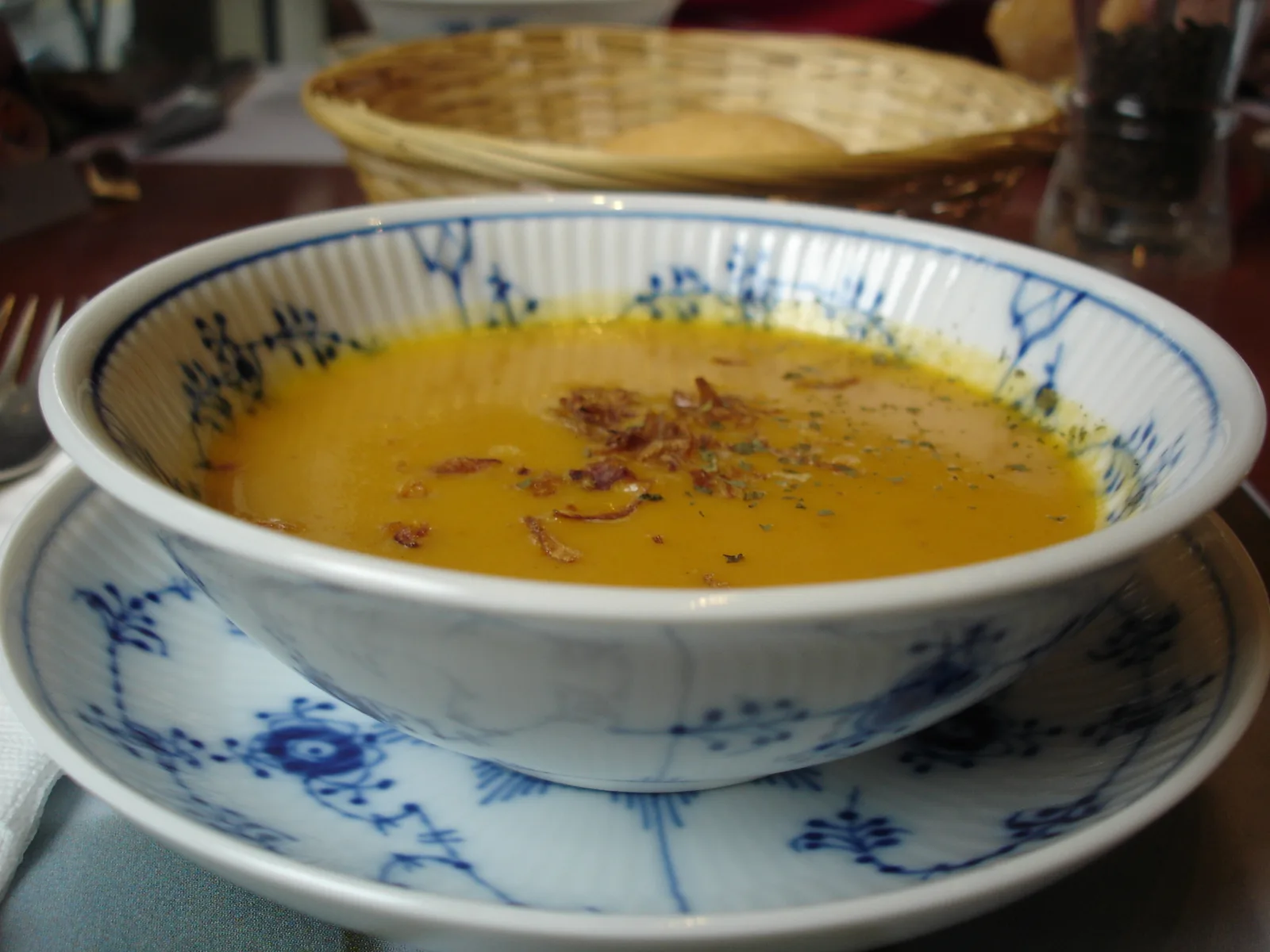
Gasoline Grill (Landgreven 10, Indre By) is the most famous example. What looks like a converted petrol station produces a cheeseburger that consistently ranks among the best in the world. The patties are smashed daily from organic Danish beef, the bun is baked in-house, and the chili mayo has the kind of balance you only get from someone trained in a kitchen obsessed with flavor ratios. A burger costs DKK 95–130 (roughly €13–€17) and the kitchen runs daily from 11:00 until sold out — often by 15:00. Arrive early.
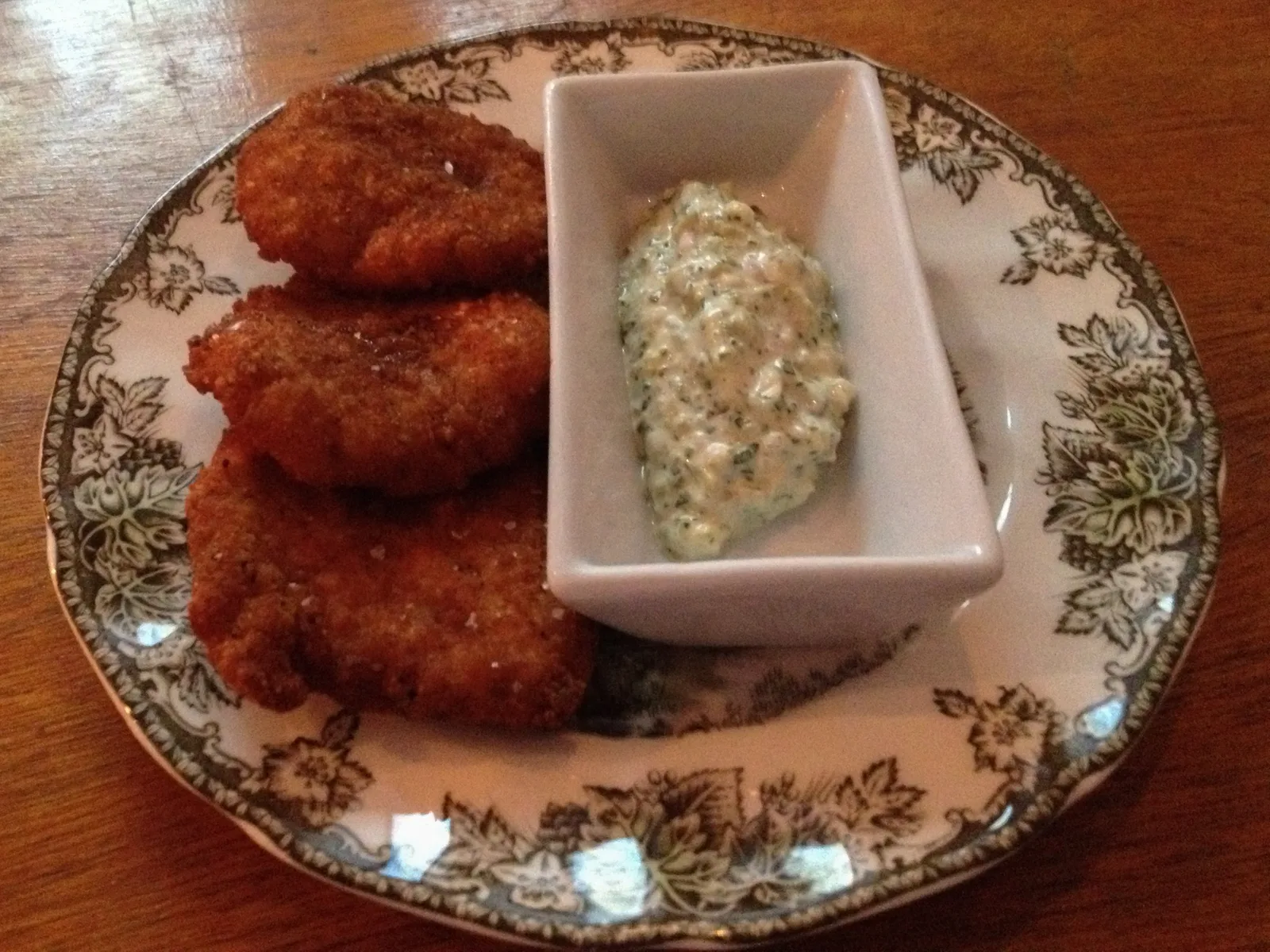
Juno the Bakery (Århusgade 48, Østerbro) was opened by Emil Glaser, who spent years in the Noma pastry program before applying that precision to cardamom buns and seasonal tarts. A pastry costs DKK 40–65 and the bakery opens Wednesday through Sunday from 07:30. Bar Vitrine (Møntergade 5) is run by chef Dhriti Arora, formerly of Noma, who serves Indian-influenced small plates in a glass-walled corner space at prices far below what the quality warrants. Hija de Sanchez, opened by Rosio Sanchez after her years at Noma, brings 100% corn tortillas and heirloom Mexican ingredients to a taqueria stand in Vesterbro's Kødbyen meatpacking district. Restaurant Barr occupies the former Noma waterfront space in Christianshavn and serves elevated North Sea comfort food — schnitzel, smoked fish, hearty stews — at lunch prices around DKK 180–260 per plate.
Collectively these spots let a visitor eat at the level of a world-class kitchen for a fraction of tasting menu prices. Building a day around two or three alumni spots in different neighborhoods is one of the most satisfying ways to spend a food-focused afternoon in Copenhagen.
Coffee Culture: Coffee Collective and the Specialty Scene
Copenhagen may be the strongest specialty coffee city in Europe. The culture here goes beyond trend; it is deeply embedded in how locals structure their mornings and work days. Every serious neighborhood has at least one independent roastery, and the standard of espresso and pour-over preparation is consistently higher than in most European capitals.
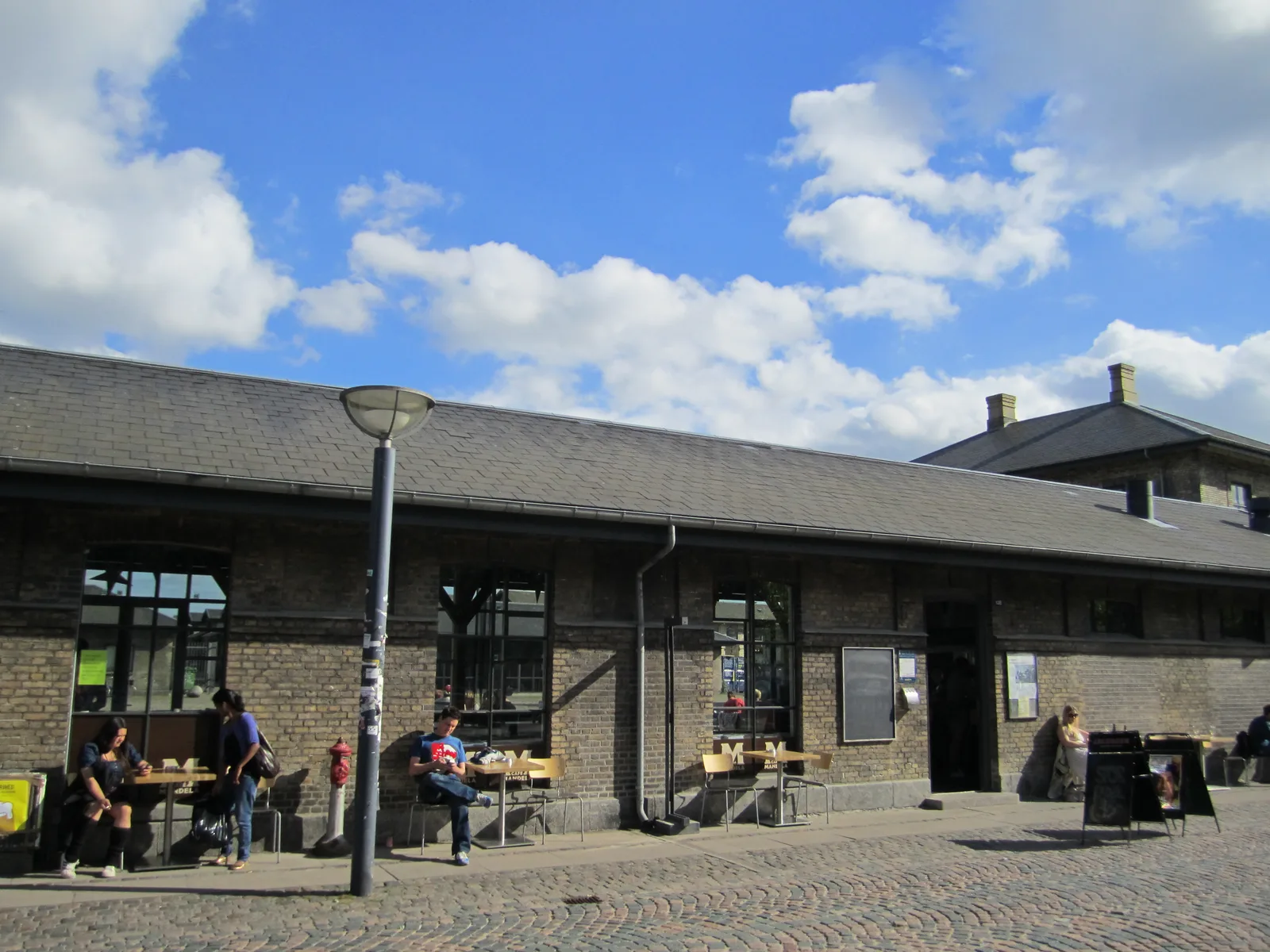
Coffee Collective is the gold standard. Founded in 2008, the roastery pioneered direct-trade relationships with farmers long before that term became mainstream marketing. Their Jægersborggade location in Nørrebro is the most atmospheric, set on a cobblestoned street next to Assistens Cemetery. The Frederiksberg branch is more spacious for sitting and working. A pour-over costs DKK 50–75 and the filter coffee reveals a clarity of flavor that espresso drinkers often find surprising. Most locations open daily from 07:00–18:00.
April Coffee (Pilestræde 39) takes a different approach. The space feels more like a design store than a café, and the barista-run tasting menus let you work through a flight of single-origin filters. Roast (Studiestræde 16) is the preferred spot for espresso purists; the line outside their university district location is a reliable indicator of quality. For a café that doubles as a community hub, Seks (Krystalgade 6) brews from Jan Pawlak's own selection and serves an ever-changing menu of dishes inspired by the owners' global travels. None of these charge more than DKK 80 for a coffee, and all are worth slowing down for.
The Bakery Scene: Danish Pastry and the Bread Revolution
The canonical Danish pastry — wienerbrød — is everywhere in Copenhagen, but the city's bakery scene in 2026 has evolved far beyond the airport gift-shop version. A generation of bakers trained in Nordic and international kitchens is producing pastries with laminated doughs, fermented grains, and seasonal fillings that stand up to the best in Paris or Tokyo. Copenhagen's sweet tooth has deep cultural roots in attractions like Tivoli Gardens, where dining and Danish traditions blend.
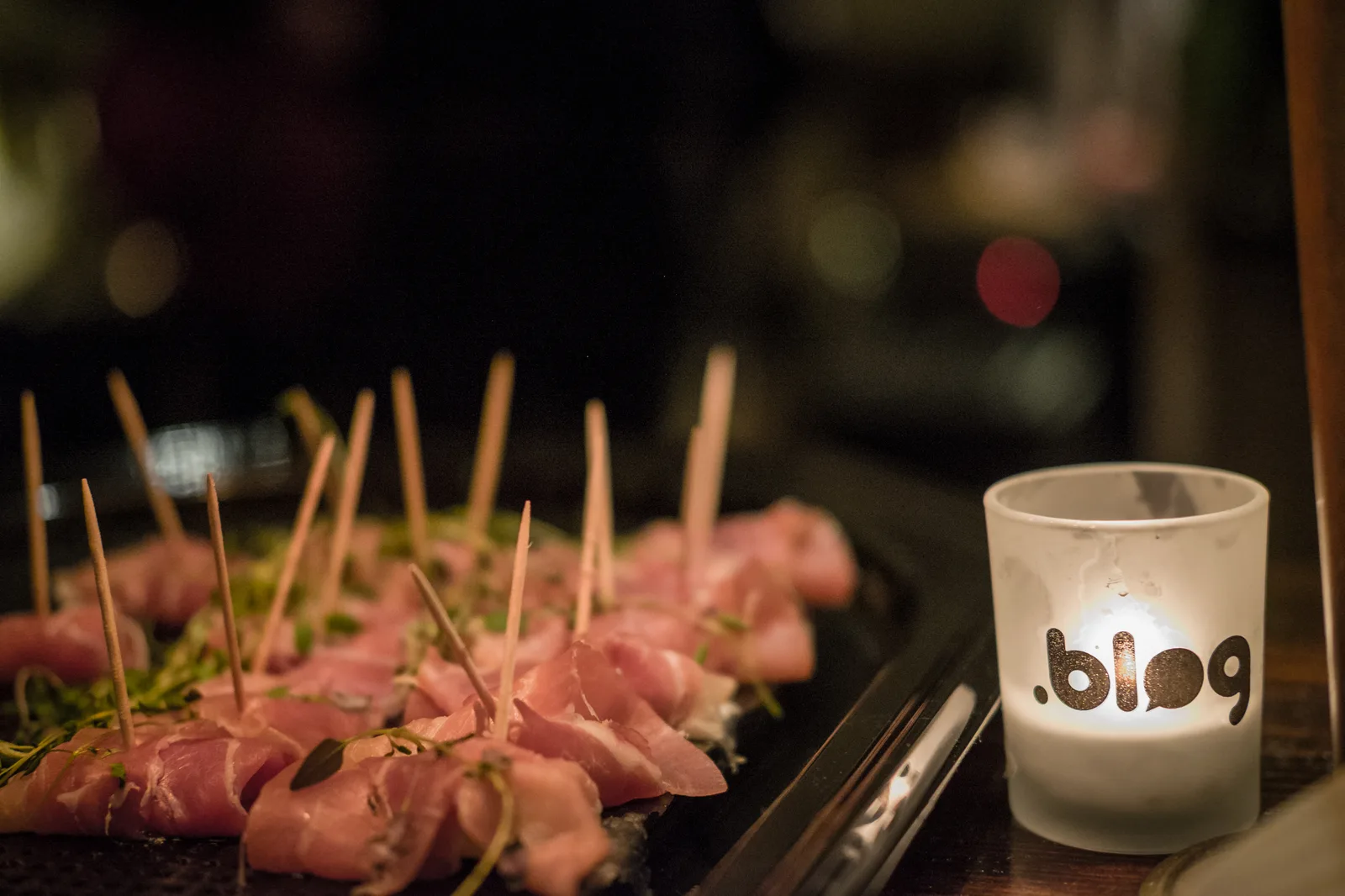
Juno the Bakery remains the most famous single destination. The cardamom bun at Juno is sticky, deeply spiced, and laminated with a butter content that would alarm a cardiologist. Emil Glaser's Noma background shows in details like the sourcing of the cardamom and the precision of the bake. The queue on a Saturday morning often stretches down Århusgade, but it moves quickly. Hart Bageri (Gl. Kongevej 109, Frederiksberg), opened by Richard Hart after his time at the Tartine Bakery in San Francisco, focuses on long-fermented sourdough loaves and sausage rolls with a flaky laminated casing. The City Loaf stays fresh for several days. Riviera (Nansensgade 64) is the best bakery-café hybrid in the city, serving cardamom buns, seasonal spandauer, and a full breakfast menu alongside coffee from La Cabra.
The practical rule for bakery visits: arrive within the first hour of opening. Most of the serious bakeries sell out of their signature pastries by 10:00, particularly on weekends. Wednesday through Sunday tend to be the operating days for the smaller specialist shops, so plan accordingly if your visit falls on a Monday or Tuesday.
Traditional Smørrebrød: The Definitive Danish Lunch
Smørrebrød — the Danish open-faced sandwich — is the most culturally specific eating experience Copenhagen offers. The name translates literally as "buttered bread," but the format is considerably more involved: a dense slice of dark rye bread topped with combinations of herring, cold cuts, seafood, pickles, eggs, and herbs. Eating smørrebrød properly means sitting down at lunch between 12:00 and 14:00, drinking a cold Carlsberg or aquavit alongside, and ordering several pieces.
Restaurant Schønnemann (Hauser Plads 16) is the most traditional address. The restaurant has operated since 1877 and the room still feels like it belongs to another century. Their herring preparations are the benchmark: pickled, fried, and marinated in mustard across multiple plates. For a modern interpretation, Selma (Rømersgade 20) is the clearest recommendation. Swedish chef Magnus Pettersson reinvents the format with unexpected combinations — shrimp on brioche with jalapeño heat, herring stained purple with blackcurrants, and rotating seasonal vegetable smørrebrød. Selma holds a Michelin Bib Gourmand for good reason. Individual pieces cost DKK 120–195 and the restaurant operates Wednesday through Sunday from 11:30.
Møntergade (Gammel Mønt 41) is a newer entry that has earned a strong local following for its deep-fried plaice on rye with curry remoulade and its tower of fjord shrimp with mayonnaise and fresh herbs. Restaurant Barr also serves smørrebrød at lunch — their version leans into the North Sea tradition of the Noma space it occupies. Any of these four restaurants will give a visitor a proper education in the format. Book at least two weeks in advance for weekend lunch slots at Selma.
Street Food and Markets: Reffen and Torvehallerne
Copenhagen's street food infrastructure is one of the most developed in Northern Europe. Two markets anchor the scene and serve very different purposes. Understanding which one suits your mood and schedule will save you a wasted journey.
Torvehallerne KBH (Israels Plads, Nørreport) is an indoor glass market with over sixty permanent stalls and operates year-round. Entry is free. Hall 1 focuses on dry goods — artisanal honey, specialty grains, aged cheeses, spices — while Hall 2 concentrates on prepared food and fresh produce. The smørrebrød counter, the gourmet porridge from Grød, and the fresh seafood stall are the three best stops. Opening hours are daily 10:00–19:00 with reduced hours on Sundays. The location directly adjacent to Nørreport station makes it the most convenient food stop in the city. Budget DKK 120–200 for a satisfying meal. For official details and planning, consult Visit Copenhagen.
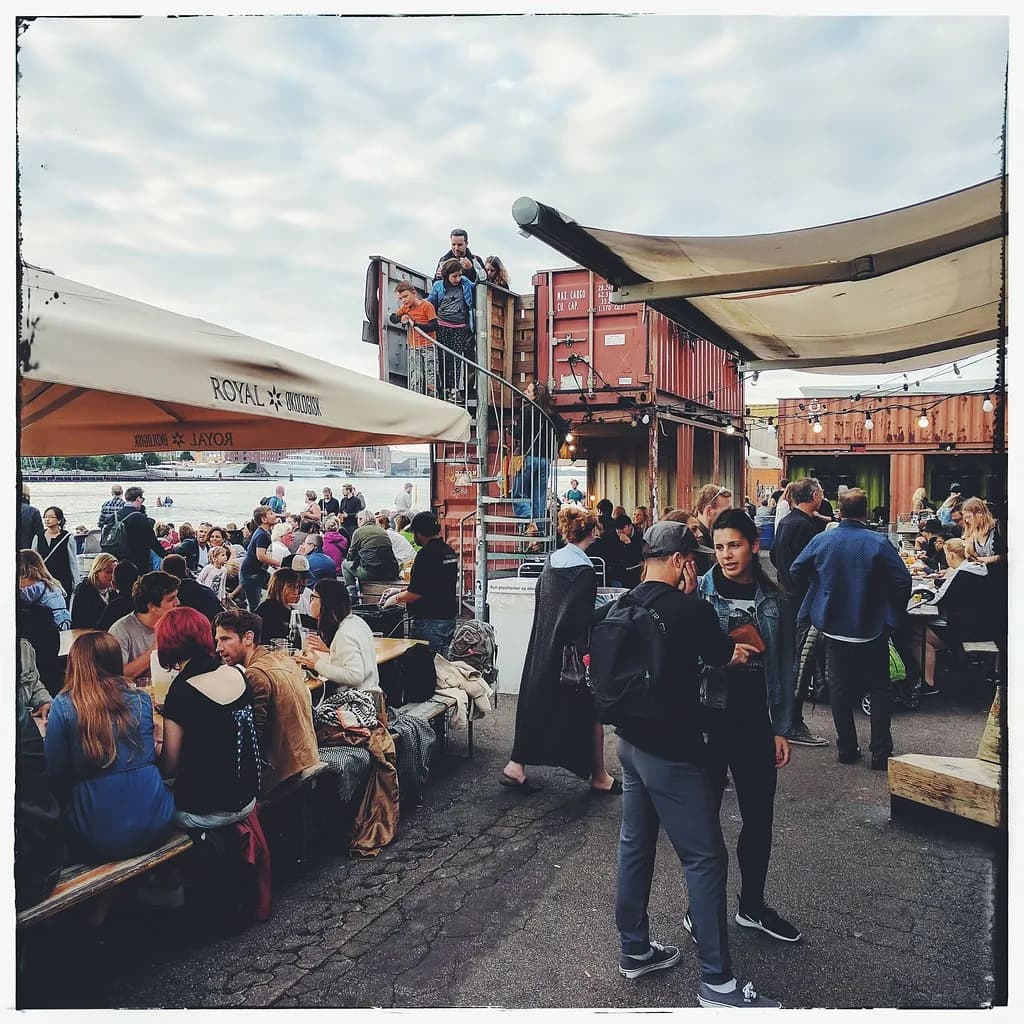
Reffen (Refshalevej 167A, Refshaleøen) operates as a seasonal outdoor market from May through September, daily from 12:00–21:00. Over forty food startups serve dishes from shipping containers arranged around a harbor-facing deck. The bus 9A and harbour ferry 991 both serve the location. The energy at Reffen is younger and more experimental than Torvehallerne — this is where chefs test new concepts and the menus change from week to week. Dishes run DKK 90–165. Bring a jacket regardless of the forecast; the harbour breeze becomes genuinely cold by 19:00 even on warm summer evenings.
Hija de Sanchez also operates a stall at the Kødbyen meatpacking district in Vesterbro, which functions as a third street food experience worth noting separately. The tacos are made with masa ground from heirloom Mexican corn, a level of ingredient sourcing you will not find at a generic taco stand anywhere in Northern Europe.
Grød: Why Copenhagen Takes Porridge Seriously
Grød means porridge in Danish, and the restaurant of the same name in Nørrebro has turned what sounds like a humble grain dish into one of the city's most distinctive culinary experiences. This is not a novelty. Porridge has deep roots in Scandinavian food culture as a practical, warming staple — but Grød elevated the format into something worth seeking out specifically.
The savory options are the real revelation for visitors. The mushroom barley bowl with truffle oil and aged pecorino costs DKK 95–135 and is genuinely filling in a way that sweetened versions are not. The congee with pickled vegetables and crispy shallots shows the kitchen thinking beyond Denmark's borders. On the sweet side, the risotto-style rice pudding with seasonal fruit compote is the most traditional Danish comfort food on the menu. The original Jægersborggade location (Nørrebro) opens daily from 07:30 and the kitchen operates until 21:00 on weekdays.
The cultural context matters here. In Denmark, the equivalent of porridge — grød — was historically the daily meal of farmers and laborers, and the association with winter warmth and communal eating still runs deep. Grød the restaurant reclaimed that cultural identity and made it contemporary. For visitors interested in eating something with genuine local meaning rather than just global-restaurant-city food, this is one of the most authentic stops on the map. A bowl at Torvehallerne's Grød stall costs slightly less and is a convenient option if you are already there.
Is Copenhagen Food Expensive? Practical Budget Tips
Copenhagen is genuinely expensive by European standards. A sit-down dinner at a mid-range restaurant will cost DKK 300–500 per person with drinks. Fine dining tasting menus run DKK 1,500–5,500 before wine pairings. That said, you can eat extraordinarily well in the city without spending at those levels if you shift your strategy toward where locals eat when not celebrating.
The most effective approach is a large lunch, small dinner method. Many of the city's best restaurants charge significantly less for their lunch menus than for dinner service. Kadeau and Marchal offer lunch formats at roughly forty percent of their dinner prices, and the kitchen quality is identical. Street food markets like Reffen and Torvehallerne provide high-quality meals for DKK 90–165. Bakery mornings at Juno or Hart cost DKK 40–65 per pastry and represent exceptional value given the craft involved. Finding best affordable restaurants in copenhagen is straightforward once you know the format.
Supermarkets like Netto and Irma stock high-quality rye bread, pre-packed smørrebrød, and fresh produce for picnic-style meals along the harbor or in Fælledparken. This is a genuinely popular strategy among locals and younger travelers, not a compromise. A picnic lunch assembled from Irma costs DKK 60–100 and is often more enjoyable than a mediocre sit-down meal at a tourist-facing restaurant in Nyhavn.
Practical Logistics: Reservations, Monday Closures, and Seasonal Planning
Securing a table at the city's most famous restaurants requires planning several months out. Alchemist releases reservations approximately three months in advance on their website; slots disappear within minutes of going live. Kadeau and Kong Hans Kælder typically require two to three months' lead time. For mid-tier spots like Selma or Restaurant Barr, booking two to four weeks ahead is usually sufficient for weekday tables. Check the best restaurants in copenhagen list for current reservation windows by venue.
Monday is the most difficult dining day in Copenhagen. A significant proportion of independent restaurants — including many of the city's best — close on Mondays to give staff a day off after weekend service. Exceptions include the street food markets, Torvehallerne, larger brasseries, and most of the hotels with in-house restaurants. If you are arriving on a Monday, plan around Torvehallerne for lunch and Gasoline Grill or Warpigs Brewpub for dinner, as both tend to remain open seven days a week.
The July closure warning is essential for summer travelers. Many high-end kitchens close for two to four weeks in July. This affects Alchemist, Geranium, and several other starred restaurants. Some close entirely; others reduce service to Thursday through Saturday only. Always check the individual restaurant's website in the week before travel to confirm current operating status. Planning a food-focused trip to Copenhagen in June or September avoids the July gap while still offering good weather for the outdoor markets at Reffen.
Neighborhood Context: Where to Eat by Area
Grouping your food stops by neighborhood saves substantial travel time and opens up incidental discoveries. Copenhagen's dining scene is not concentrated in a single district; the best spots are distributed across six or seven distinct neighborhoods, each with its own culinary personality.
Nørrebro is the most food-dense residential neighborhood. Coffee Collective's flagship, Juno the Bakery, Grød, and Poulette (the fried chicken shop beloved by the city's off-duty chefs, and reportedly featured in Season 2 of The Bear) are all within walking distance on or around Jægersborggade. Vesterbro anchors the street food side of the city with Hija de Sanchez in the Kødbyen meatpacking district and Warpigs Brewpub on Flæsketorvet. Christianshavn holds Kadeau on its cobblestone streets and Restaurant Barr on the waterfront in the former Noma space. Refshaleøen — technically a separate island — is where Alchemist and the Reffen market are clustered, making a combined Alchemist dinner plus Reffen market visit on the same evening plausible if your reservation is late.
Indre By (the city center) offers the most convenient mix for visitors staying near the main hotel strips: Gasoline Grill is a short walk from Kongens Nytorv, Selma is steps from Nørreport metro, and Torvehallerne sits directly above the station. Østerbro is quieter and primarily worth visiting for Hart Bageri on the Frederiksberg border. For a full day of eating, a Nørrebro morning followed by a Christianshavn lunch and a Vesterbro dinner covers the city's three strongest neighborhoods in a logical geographic arc.
Frequently Asked Questions
Which Copenhagen restaurants require booking weeks in advance?
Top-tier Michelin spots like Alchemist, Noma, and Geranium require booking three to four months ahead. Popular mid-range spots like Selma or Høst should be booked at least two weeks in advance for weekend slots.
Where can I find the best traditional Danish smørrebrød?
For a traditional experience, visit Restaurant Schønnemann or Palægade in the city center. For a modern twist on these open-faced sandwiches, Selma and Restaurant Barr are the top editorial choices for 2026.
Is the Copenhagen food scene expensive for budget travelers?
While fine dining is costly, budget travelers can eat well for $15–$25 per meal at street food markets and bakeries. Check out more tips on the Denmark Wander blog for saving money while visiting.
Copenhagen remains one of the most exciting culinary destinations in the world because of its constant reinvention. Whether you are chasing Michelin stars or the perfect cardamom bun, the city offers quality at every price point. Use this guide to navigate the neighborhoods and discover why the Danish capital is a true foodie paradise.
Remember to book your most important meals early and don't be afraid to explore the residential areas. The best flavors are often found in the quiet corners where locals gather for their daily coffee and bread.
You might also like


Continue reading
More guides you'll find useful