7 Things to Know About New Nordic Cuisine in Copenhagen
Discover the history of the New Nordic Food Manifesto and the best restaurants in Copenhagen, from Noma to hidden gems, in this complete culinary guide.
On this page
7 Things to Know About New Nordic Cuisine in Copenhagen
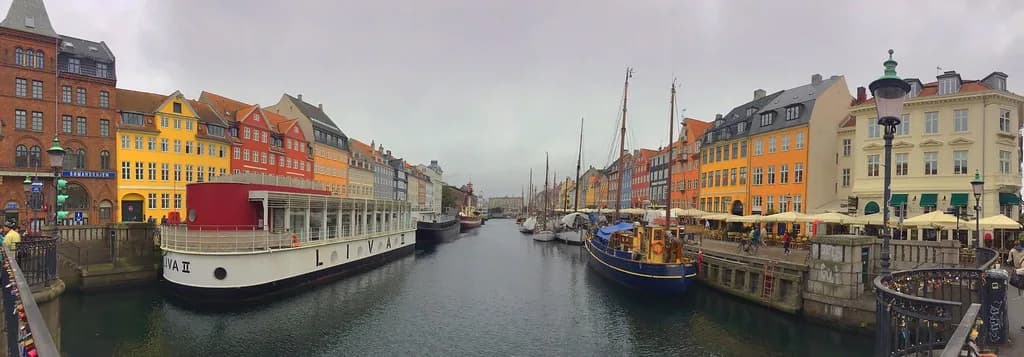
Copenhagen has transformed into a global food capital through a bold and modern culinary movement. This shift focuses on local ingredients and seasonal flavors found across the Danish landscape. Exploring new nordic cuisine copenhagen offers a unique look at how tradition meets modern innovation. Today, travelers visit the city specifically to taste these world-class and sustainable creations.
The movement began as a small gathering of chefs but soon changed the entire world of gastronomy. You can find these principles in both high-end Michelin spots and cozy local bistros. Understanding the history of this revolution helps you appreciate every bite of your meal. This guide explores everything from the original manifesto to the best places to eat in 2026.
At a glance
- Best time to visit: Autumn (Sept–Nov) for game and wild mushrooms; spring for asparagus and ramsons
- Budget range: 130 DKK for casual (Popl) to 4,000 DKK for three-star tasting menus
- Booking window: 2–4 months advance for Michelin restaurants; no reservation needed for street food and casual spots
- Michelin-starred restaurants: 15 restaurants with 26 stars total (as of 2026)
- Getting around: Most restaurants are walkable or a short metro ride from Nørreport Station
The Definition of New Nordic Cuisine
New Nordic cuisine represents a philosophy of purity and simplicity in every single dish. Chefs prioritize ingredients that grow naturally in the cold and rugged Scandinavian climate. You will often find fermented berries and wild herbs used to enhance these natural flavors. This style avoids heavy sauces to allow the primary ingredients to shine on their own.
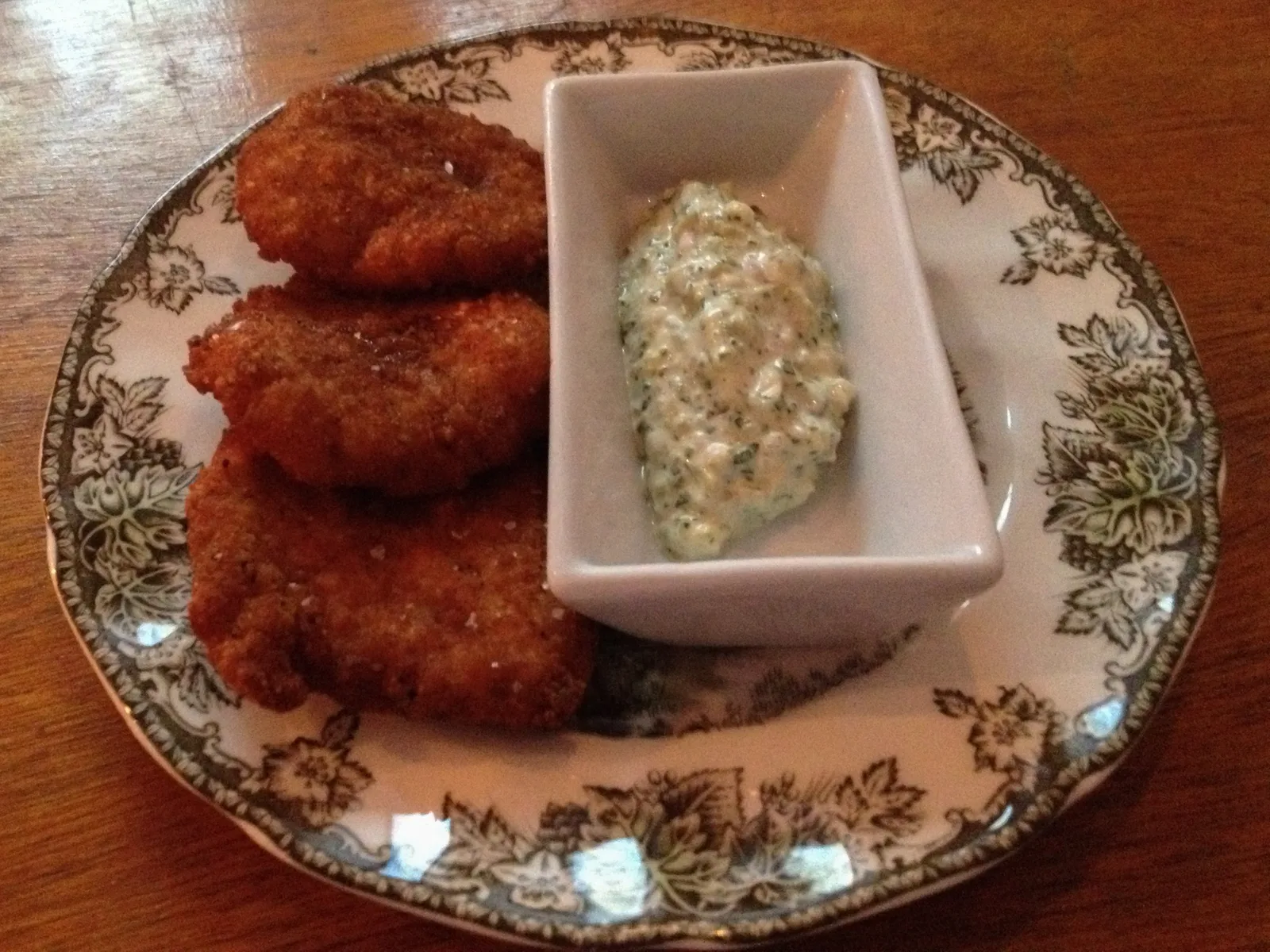
Freshness serves as the cornerstone of every menu in the top kitchens of Copenhagen. Chefs often work directly with small farms to source unique varieties of vegetables and heritage grains. The goal is to reflect the changing seasons through a diverse range of textures and temperatures. Diners can expect a meal that feels deeply connected to the local Danish environment.
Innovation also plays a massive role in how these traditional ingredients are prepared. Modern techniques like pickling, cold-smoking, and lacto-fermentation help preserve flavors through the long winter months. This balance of old and new creates a dining experience that is both familiar and surprising. It is this dedication to detail that has made Copenhagen a premier food destination, with 26 Michelin stars across 15 restaurants as of 2024.
The 10 Points of the New Nordic Food Manifesto
In 2004, a group of visionary chefs signed a document to define their shared culinary goals. The Nordic Co-operation: New Nordic Food Manifesto outlines ten specific principles for regional cooking. These points encourage health, sustainability, and the use of traditional production methods. Each rule helps maintain a high standard for Danish gastronomy across the entire region.
The manifesto was designed to promote the expression of purity and freshness in food. It also emphasizes the need to develop new applications for traditional Nordic food products. Chefs committed to combining local tastes with modern knowledge about health and well-being. This document remains the guiding light for the most successful restaurants in the city.
- Express the purity, freshness, simplicity, and ethics associated with the Nordic region.
- Reflect the changes of the seasons in the meals you make.
- Base your cooking on ingredients whose characteristics are rooted in Nordic climates, landscapes, and waters.
- Combine the demand for good taste with modern knowledge of health and well-being.
- Promote Nordic products and the variety of Nordic producers, spreading the word about their underlying cultures.
- Promote animal welfare and a sound production process in seas, on farmland, and in the wild.
- Develop potentially new applications of traditional Nordic food products.
- Combine the best in Nordic cookery and culinary traditions with impulses from abroad.
- Combine local self-sufficiency with regional sharing of high-quality products.
- Join forces with consumer representatives, craftsmen, agriculture, fishing, retail, researchers, and authorities for the benefit of everyone in the Nordic countries.
For the diner, these ten points translate into meals that are light, seasonal, and ethical. Point 3 is what you taste first — a piece of smoked halibut from Danish coastal waters tastes fundamentally different from the same fish shipped from elsewhere. Point 8 is what keeps the scene from becoming dogmatic: chefs bring in Japanese fermentation techniques or Latin acidity without apology, as long as the produce is rooted at home.
The 20-Year History of the Culinary Revolution
The movement began when Claus Meyer and René Redzepi gathered culinary leaders in Copenhagen. Meyer had spent nearly a year drafting the manifesto with Jan Krag Jacobsen of the Danish Gastronomical Academy before presenting it to chefs across the Nordic region. By 2026, this revolution has celebrated over twenty years of global influence. You can see its legacy in almost every best restaurant in Copenhagen today.

The Wonderful Copenhagen: 20 Years of Food Revolution notes that four out of ten international visitors now cite food as a key reason to travel to Denmark. What started as a niche experiment quickly gained international attention and numerous awards. Copenhagen evolved from a culinary backwater into a city that has produced multiple world's-best-restaurant winners: both Geranium and Noma have held that title. This growth has inspired chefs around the world to look harder at their own local ingredients.
Meyer's original ambition was to shape Nordic gastronomy the way the New Basque Kitchen movement shaped Spain's Basque Country in the 1970s. That comparison has proved accurate. The movement created an entire food culture rather than just a restaurant trend, and today it extends to bakeries competing over sourdough starter, Danish farms supplying seasonal organic produce, and microbreweries experimenting with local grain varieties.
Noma's Influence on the Global Food Scene
Noma changed how the world views Nordic ingredients. René Redzepi served lamb alongside the wild herbs that the lamb would naturally graze on, used ants to add acidity instead of lemon, and turned reindeer moss into a plate centerpiece. The restaurant earned the title of world's best five times. Many travelers still regard a meal there as a once-in-a-lifetime culinary event.
Noma also pioneered a hyper-seasonal menu structure divided by broad ingredient categories — seafood in winter, vegetables in summer, game and forest in autumn. This discipline forced the kitchen to be radically creative within tight constraints and reshaped how serious restaurants worldwide think about menus.
After Noma announced it would change "as we know it," the question became what the city would look like without it. The answer is: richer than before. Former Noma head pastry chef Rosio Sanchez opened Hija de Sanchez, serving tacos made with Nordic produce. Former team members launched Barr (a beer-and-food hall in the old Noma space), Baest (wood-fired pizza with Danish charcuterie), and Popl (a Noma-designed burger). Beau Clugston, who ran the test kitchen for years, now operates Iluka, focused entirely on seafood from the nearby waters of Denmark and Scandinavia. According to Clugston, the legacy is a mindset rather than a technique: the central question is simply whether the ingredients are fresh and local.
Top-Rated New Nordic Restaurants in Copenhagen
Geranium is the current peak of the scene, holding three Michelin stars and ranked the world's best restaurant in 2022. Chef Rasmus Kofoed runs a plant-forward tasting menu from the eighth floor of Parken Stadium — expect 20-plus courses and a booking window that opens several months ahead. Kadeau (two stars) brings the flavors of the Danish island of Bornholm to Christianshavn: fermented local berries, aged dairy, and preserved fish from the Baltic. Restaurant AOC (two stars) and Koan (two stars) round out the top tier, with Koan earning its stars within less than a year of opening.
| Tier | Restaurant | Stars | Price Range | Vibe |
|---|---|---|---|---|
| Flagship | Geranium | 3 | 3,500–4,000 DKK | Modern, plant-forward, 20+ courses |
| Flagship | Kadeau | 2 | 1,800–2,200 DKK | Island flavors, fermented, formal |
| Flagship | AOC | 2 | 1,500–1,900 DKK | Intimate, ingredient-driven |
| Flagship | Koan | 2 | 1,600–2,000 DKK | Bold, modern plating |
| Mid-range | Höst | None | 450–650 DKK | Rustic-modern, seasonal |
| Mid-range | Vækst | None | 400–600 DKK | Vegetable-focused, greenhouse setting |
| Mid-range | Radio | None | 350–500 DKK | Organic, casual, Claus Meyer |
| Casual | Popl | None | 130–150 DKK | Noma-designed burger, walk-in |
| Casual | Hija de Sanchez | None | 65–85 DKK per taco | Nordic tacos, market-based |
The Visit Copenhagen: New Nordic Restaurants guide lists strong mid-range options as well. Höst in Nansensgade near the Lakes serves affordable fine Nordic food with a rustic-modern interior. Vækst occupies a greenhouse space in central Copenhagen and focuses on vegetables. Radio, opened by Claus Meyer himself, offers organic Nordic cooking in Vesterbro at prices well below the flagship tasting menus. Barr occupies Noma's original harbourfront building and serves hearty food alongside Nordic craft beer.
For those seeking variety alongside fine dining, the Copenhagen street food 2026 scene also adopts many Nordic principles at far lower price points. Markets like Torvehallerne carry producers who supply the Michelin kitchens, letting you taste the same seasonal ingredients without the reservation pressure.
Casual New Nordic: No Reservation Required
The manifesto was never exclusive to fine dining, and some of the most satisfying expressions of it are completely accessible. Popl, the Noma-invented smash burger joint on Refshalevej, applies the same obsessive sourcing philosophy to a patty and brioche bun — it costs around 130–150 DKK and usually has walk-in availability. Hija de Sanchez at Torvehallerne sells tacos made with tortillas ground from heritage Danish wheat and fillings built around seasonal produce; expect to pay 65–85 DKK per taco.

Copenhagen's bakery scene is also quietly New Nordic. Several high-profile bakeries have moved beyond the French pastry template to use Danish spelt, rye, and foraged botanicals in their laminated doughs. These spots rarely appear in food guides but embody point seven of the manifesto — new applications for traditional ingredients — as clearly as any tasting menu.
The practical implication for visitors is that a meaningful New Nordic experience does not require a 3,000 DKK budget. A morning at Torvehallerne, lunch at Popl or Hija de Sanchez, and dinner at Höst (around 450–650 DKK for a three-course menu) provides genuine access to the movement's principles across a full day without booking weeks ahead.
The Rise of Michelin Green Star Sustainability
Michelin Green Stars now highlight restaurants that prioritize the environment and ethical sourcing. Denmark leads the Nordic region with 17 Green Stars — Norway, Sweden, Iceland, and Finland combined hold 19. These establishments focus on reducing waste while supporting local farmers and foragers. Many chefs grow their own produce to ensure the highest possible quality throughout the year.
Restaurants like Amass and Ark led the way in zero-waste kitchen management. They use every part of the ingredient to create complex flavor profiles: carrot tops become sauces, spent grain from beer production becomes bread. This commitment to the planet makes the dining experience more rewarding and provides a clear story for diners who care about where their food comes from.
Sustainability also extends to staff welfare and community investment. The movement encourages healthy working conditions — historically a challenge in elite kitchens — and supports the local community through direct partnerships with small farms. Diners can feel confident that their meal supports a responsible and ethical system, which is part of why Copenhagen's food culture continues to attract visitors from across the world in 2026.
Practical Tips for Booking Your Culinary Trip
Planning a food trip requires careful timing and a realistic budget. Most high-end spots release tables on specific dates each month for the upcoming season. Geranium typically opens bookings three to four months in advance; Kadeau and AOC generally require two to three months lead time. You should sign up for each restaurant's newsletter to receive alerts the moment new reservation windows open.
The cost of a tasting menu ranges from around 1,500 DKK at accessible fine-dining spots to 3,500–4,000 DKK at three-star venues. Wine pairings add 800–2,000 DKK on top of the food menu; many restaurants offer non-alcoholic juice pairings at roughly half that price, which are just as carefully composed. Service charges are generally included in Copenhagen, though a small additional tip for exceptional service is always appreciated.
Knowing the seasonal calendar helps you choose the best time to visit. Spring (March to May) brings ramsons, asparagus, and the first green shoots — menus feel light and optimistic. Summer (June to August) is peak season for berries, fresh peas, and outdoor dining; food festival activity peaks around this period. Autumn (September to November) is arguably the richest time at the table: game meats, wild mushrooms, and fermenting vegetables dominate menus. Winter brings preserved and pickled larder produce alongside seafood from the cold waters — exactly the kind of resilient, ingredient-led cooking the manifesto was designed to champion.
Frequently Asked Questions
What is the New Nordic Food Manifesto?
The New Nordic Food Manifesto is a 10-point document created in 2004 to define regional cooking. It emphasizes purity, seasonality, and ethics in food production. You can find these principles applied at many best affordable restaurants in Copenhagen today.
Who started the New Nordic movement in Copenhagen?
Claus Meyer and René Redzepi are the primary figures who launched the movement. They gathered chefs from across the Nordic countries to create a new culinary identity. Their work transformed Copenhagen into a world-class destination for food lovers.
Is Noma still open in Copenhagen?
Noma is currently transitioning into a food laboratory but still hosts occasional pop-ups and seasonal sessions. You should check their official website for the latest updates on bookings and events. Many of their former chefs now run other top spots in the city.
How do I book a table at a Michelin-starred restaurant?
Most top restaurants use online booking platforms and release tables months in advance. You should sign up for newsletters to get alerts about new reservation openings. Being flexible with your dining dates can also help you secure a sought-after table.
New Nordic cuisine has forever changed the way we think about local and seasonal food. Copenhagen remains the best place to experience this creative and sustainable movement firsthand. From the high-end halls of Geranium to a Noma-designed burger at Popl, the range of flavors is genuinely unforgettable. Plan your trip today to taste the future of global gastronomy in the heart of Denmark.
You might also like


Continue reading
More guides you'll find useful