10 Essential Tips for Visiting Copenhagen in April
Planning a trip to Copenhagen in April? Discover the best cherry blossom spots, Tivoli opening dates, weather tips, and local secrets for a perfect spring visit.
On this page
10 Essential Tips for Visiting Copenhagen in April
April is widely considered the sweet spot for visiting Copenhagen. The city shakes off winter, cherry blossoms line cemetery avenues, Tivoli reopens its gates, and locals reclaim every canal-side bench the moment the sun appears. For 2026, that combination of seasonal events and shoulder-season prices makes April one of the smartest windows to book.
At a glance
- Best time to visit: Early to mid-April (first cherry blossoms, Tivoli opening)
- Average temperature: 5–14°C (41–57°F) — pack layers and windproof jacket
- Typical cost: 30–45% cheaper than July for flights and hotels
- Getting there: Kastrup Airport 13 mins by 24h Metro (36 DKK per trip)
- Must-see: Bispebjerg Cemetery cherry blossoms, Tivoli Gardens, electric boat tour
This guide covers what the city actually looks and feels like during those four weeks — the weather realities, the events worth planning around, and the practical details that most generic guides skip. Choosing Copenhagen in April means better prices on flights and central hotels compared to July, and far fewer queues at every major attraction.
When Is Spring in Copenhagen?
Spring in Copenhagen officially starts in the last week of March and runs through May. Early March still belongs to winter — expect rain, occasional snow, and temperatures that hover around 3–5°C. By mid-April the trees are in leaf, parks fill with people again, and outdoor terraces start serving coffee to anyone willing to brave the breeze.
Most locals mark the season's real arrival by two signals: the reopening of Tivoli Gardens and the first cherry blossoms at Bispebjerg Cemetery. Both typically happen in the first half of April. By late April, daylight stretches past 20:00, giving you long evenings for sunset walks along the harbour. May is noticeably warmer and more crowded — April is the sweet spot for those who want spring atmosphere without summer crowds.
Comparing April to the peak season makes the value case clear. The table below shows how the main travel windows stack up against each other for arriving from March onward.
| Period | Avg Temperature | Crowds | Hotel Prices (vs July) | Headline Event |
|---|---|---|---|---|
| Early April (1–14) | 5–10°C / 41–50°F | Low | ~35–45% cheaper | Tivoli opening |
| Late April (15–30) | 8–14°C / 46–57°F | Low–Moderate | ~30–40% cheaper | Copenhagen Sakura Festival |
| June to August | 15–22°C / 59–72°F | High | Peak rates | Copenhagen Jazz Festival |
| November–December | 1–5°C / 34–41°F | High | High (Christmas markets) | Christmas markets |
Copenhagen Weather in April: What to Expect
Daytime temperatures range from 8°C to 12°C (46–54°F) on average, but individual days swing widely. A sunny afternoon can feel like 16°C while a cloudy morning with Baltic wind feels more like 4°C. Locals refer to this volatility simply as "April weather" — the Danish equivalent of expecting the unexpected.

Rainfall in April is actually lighter than autumn or winter months, averaging around 30mm for the month. Showers tend to be short and sharp rather than all-day downpours. Evenings cool quickly to 2–6°C, so a light jacket that was unnecessary at 14:00 becomes essential by 19:00. Daylight is a real advantage: by 1 April sunrise is around 06:40 and sunset approaches 19:47, stretching to roughly 20:15 by mid-month. That extra daylight means more usable sightseeing hours than any winter visit.
What to Wear: Packing for Danish Spring
Layering is the only reliable strategy for April in Copenhagen. The temperature can shift by 8°C between midday and early evening, so clothes you can add or remove are far more useful than a single warm coat. A windproof and waterproof outer shell is the single most important item — the coastal breeze cuts through fleece quickly, especially near the harbour and canal areas.
Cobblestone streets are beautiful but uneven and hard on thin-soled shoes after a full day of walking. Pack sturdy footwear with grip, not fashion trainers. Hayfever season also begins in April; birch pollen levels spike mid-month across the city, so bring antihistamines if you are prone. The following items are worth prioritising for your April suitcase.
- Windproof, waterproof outer layer — essential for coastal gusts and spring showers
- Sturdy walking shoes with grip — cobblestones in Nyhavn and the old town punish flat soles
- Lightweight wool or merino sweaters — easy to layer, dries faster than cotton if caught in rain
- Gloves and a light scarf — evenings drop to 2–6°C even in late April
- Compact wind-resistant umbrella — standard tourist umbrellas invert in harbour wind
- Antihistamines — birch pollen peaks in April; pharmacies stock them, but bring your own brand
Top Things to Do in Copenhagen in April
Walking the historic centre remains the best introduction to the city. The coloured townhouses of Nyhavn photograph brilliantly in April's clear spring light, and the canal-side benches fill with locals the moment any sun appears. Rosenborg Castle's King's Garden sees its first tulips emerge in April — purple and white crocuses carpet the lawns from late March and draw local families on weekend afternoons.
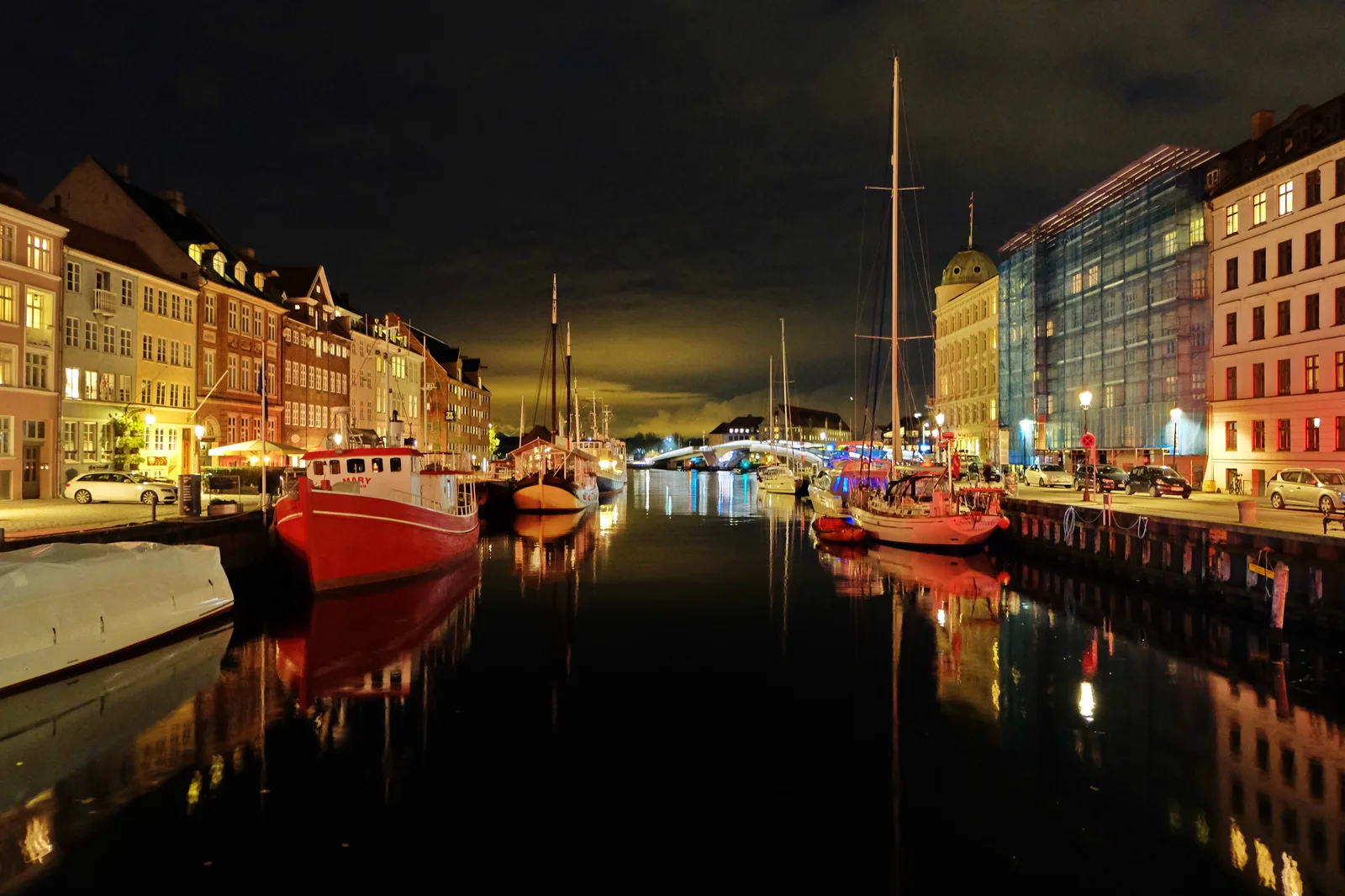
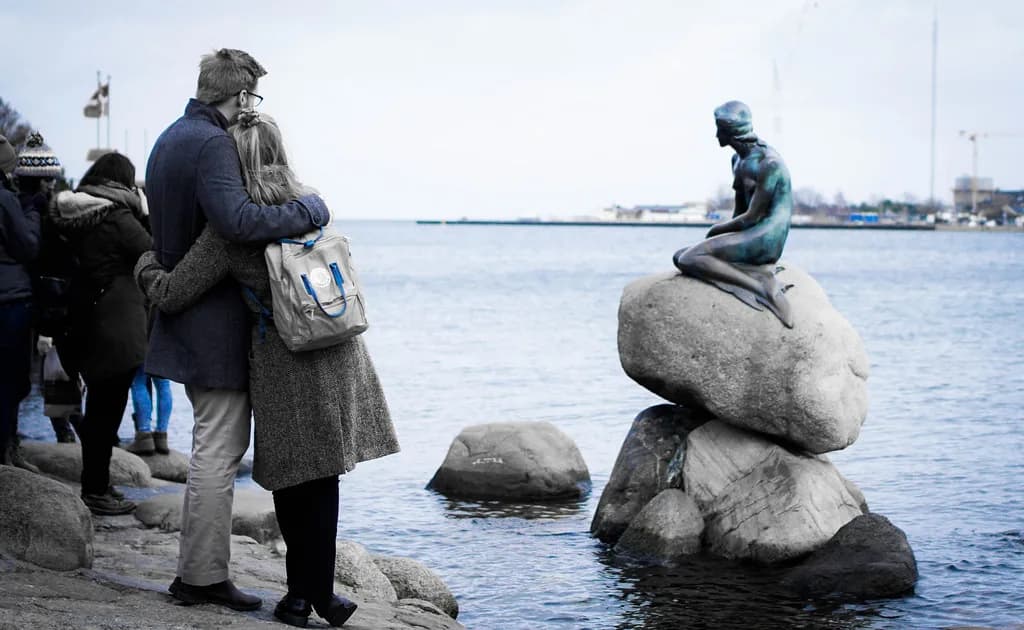
Canal tours open for the season in early April and offer a completely different perspective on the city's architecture. Many operators now have heated indoor sections for cooler days. The Little Mermaid at Langelinie is far less mobbed in April than in July, meaning you can actually spend time at the waterfront without the surrounding scrum. Exploring Vesterbro reveals the local side of the city: independent cafes, weekend flea markets along Sønder Boulevard, and the kind of neighbourhood energy that disappears once summer tourism peaks.
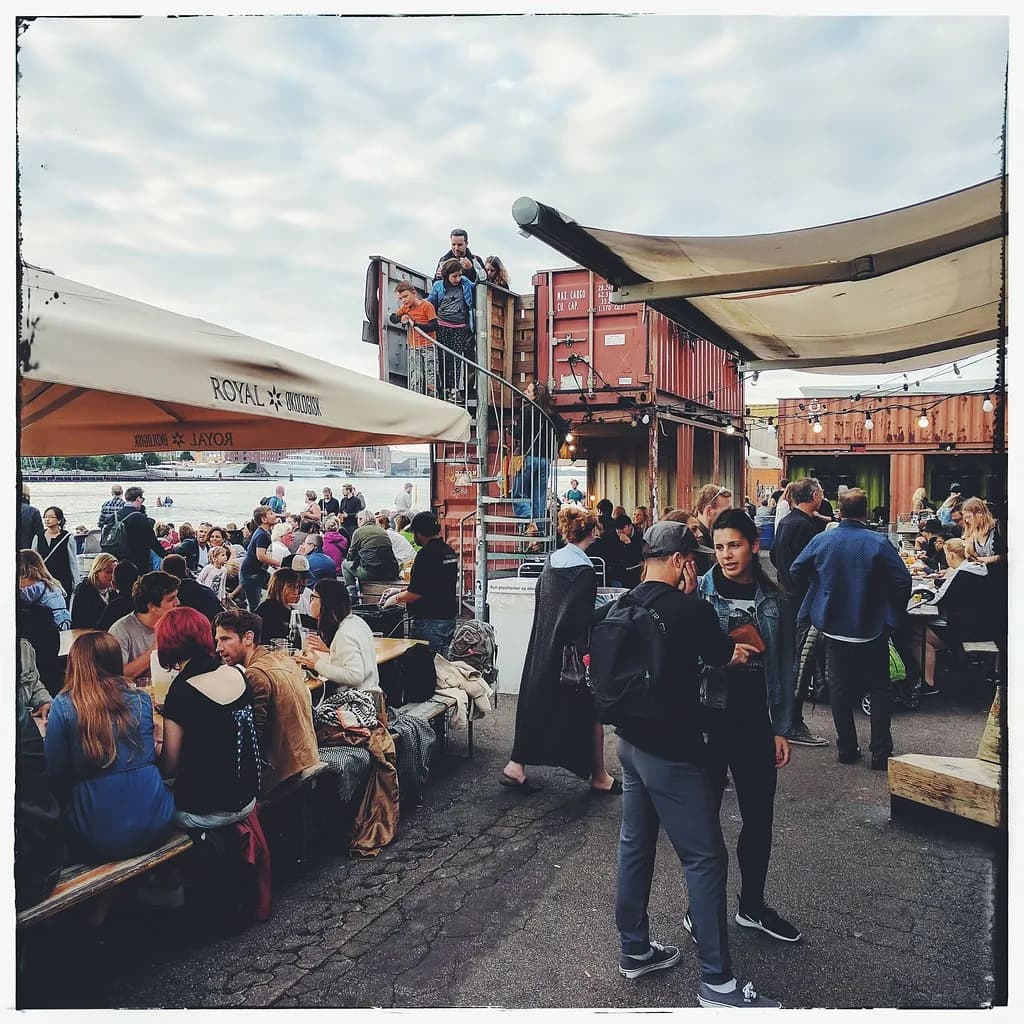
For contemporary art, Copenhagen Contemporary on Refshaleøen is a short cycle from the city centre and hosts rotating large-scale installations that pair well with the surrounding post-industrial harbour landscape. Reffen street food market on the same island also reopens for its summer season around late March or early April.
Cherry Blossoms: Where to Find the Best Blooms
Bispebjerg Cemetery is the iconic spot — a long avenue of Yoshino cherry trees that forms a pink tunnel when in full bloom. It sits about 4km north of the city centre; the bus gets you there, but a rental bike makes the trip more enjoyable and lets you explore the surrounding residential streets of Bispebjerg afterwards. Arrive before 10:00 on weekends to beat the photographers.
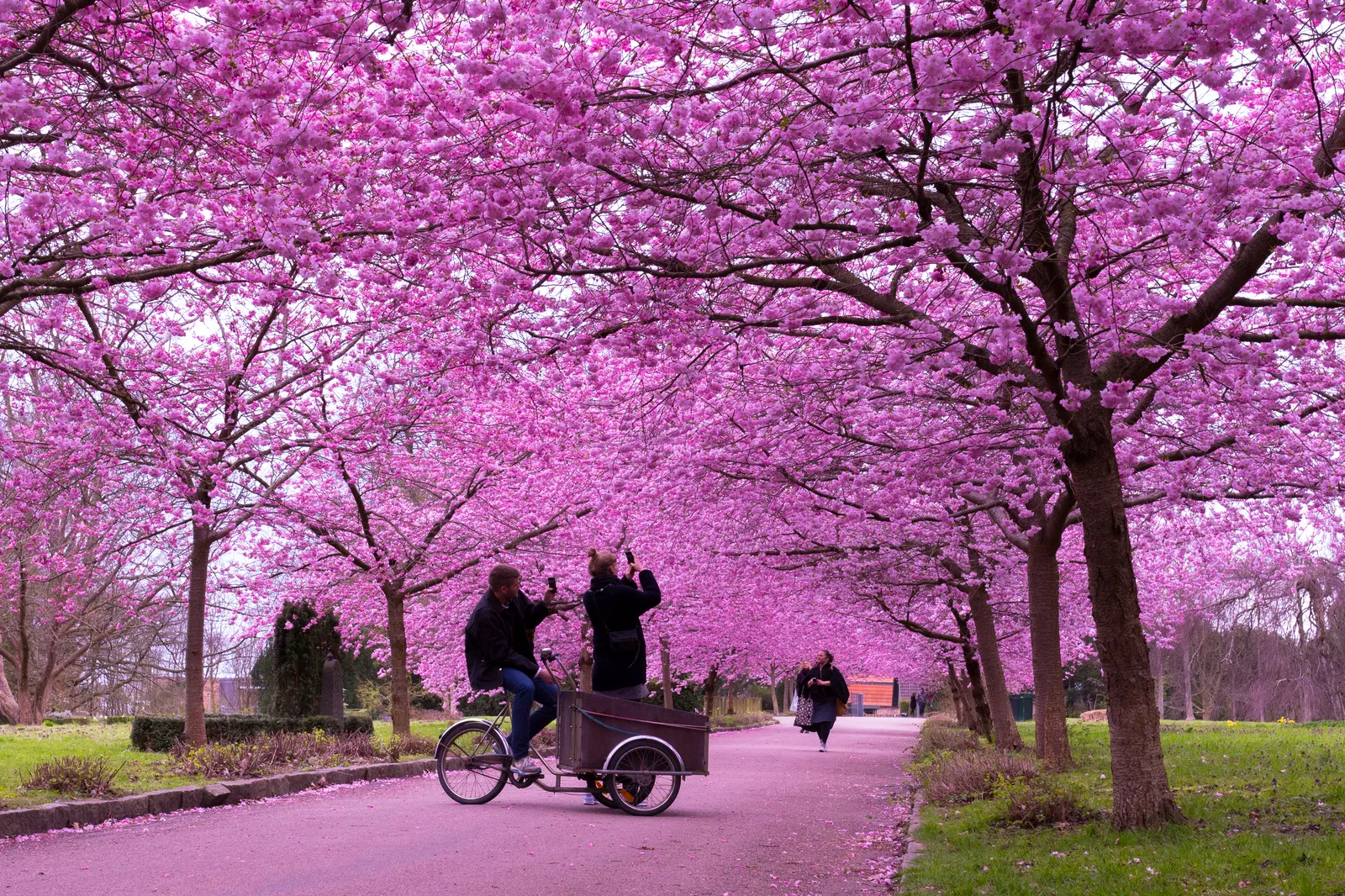
Langelinie Park offers a different experience: a more open waterfront setting near Kastellet with a smaller grove of cherry trees and a direct harbour view. It is closer to the city centre and pairs naturally with a visit to The Little Mermaid. The annual Copenhagen Sakura Festival takes place at Langelinie, usually over a weekend in mid-to-late April, with free Japanese cultural performances, taiko drumming, and food stalls.
Bloom timing varies year to year depending on the preceding winter. A cold March pushes peak bloom into early May; a mild winter can trigger peak bloom as early as the first week of April. Check the Instagram hashtag #KøbenhavnSakura in the days before your visit to see current conditions — this gives a more accurate picture than any advance forecast.
Experience Hygge on an Electric Boat
Renting a small self-drive electric boat from GoBoat or a similar operator is one of the most satisfying things you can do in Copenhagen in April. These boats carry up to eight people, run silently on an electric motor, and require no licence to operate. You navigate at your own pace through Christianshavn's canals, past the coloured houses of Nyhavn, and out toward the inner harbour.
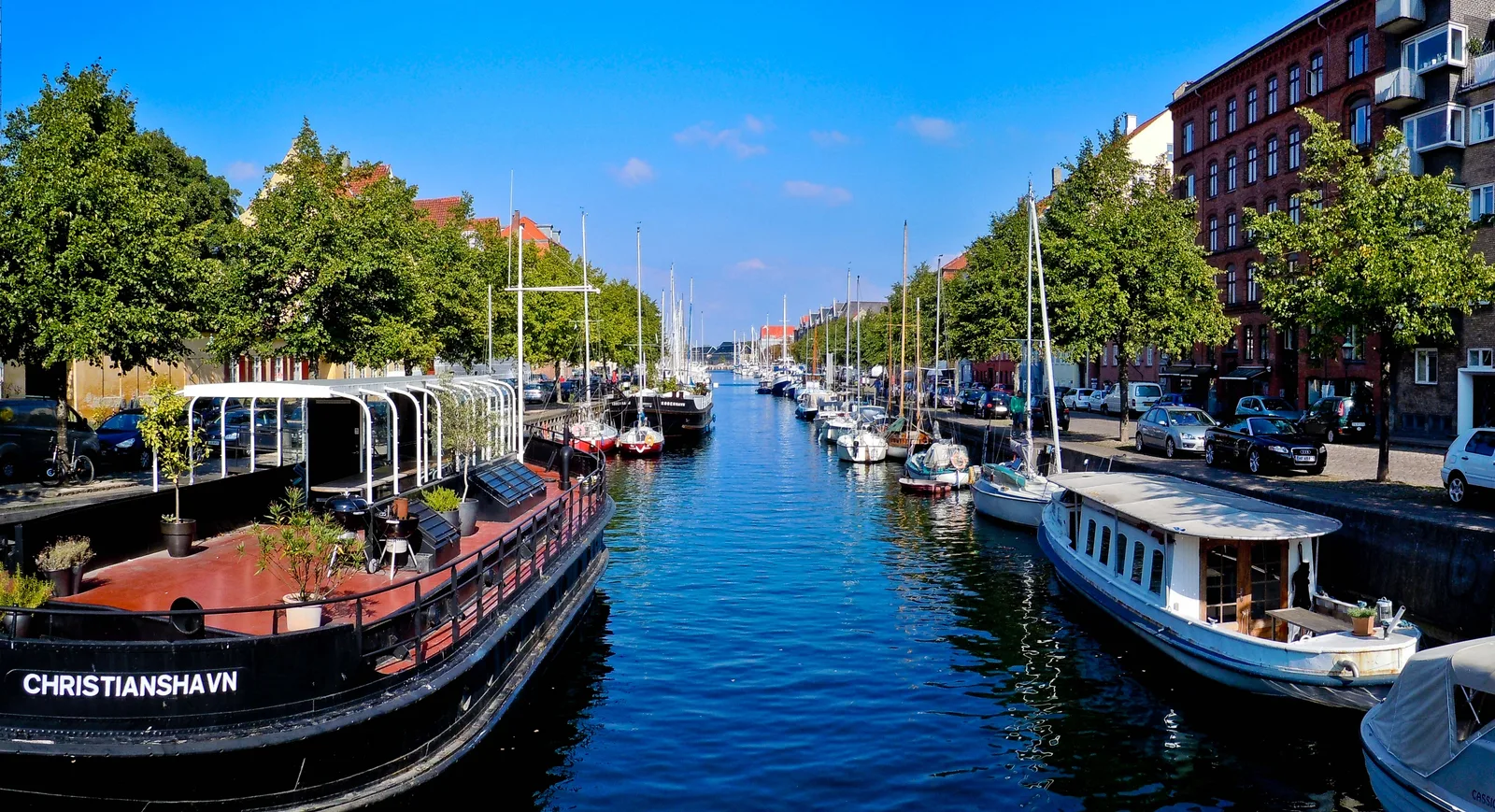
The experience is fundamentally different from a commercial canal tour. You choose the route, stop when you want, and bring your own food and drinks for a floating picnic. Most companies provide blankets, which matters in April when the wind off the water drops the temperature by several degrees. Book in advance for weekend slots — they sell out faster than most visitors expect.
This is what Danish hygge actually looks like in practice: small group, quiet movement through water, no agenda. The large tourist canal boats are fine, but they run on fixed routes and timetables. The self-drive electric option is the one locals recommend to visiting friends.
Visiting Tivoli Gardens: Opening Dates and Tips
Tivoli Gardens traditionally opens for its summer season in early-to-mid April, timed around the Easter holiday period. In 2026 the opening date falls in the first half of the month — check the official Tivoli website before booking, as the exact date shifts slightly each year. The opening week brings strong local attendance and a celebratory atmosphere that feels quite different from the crowded midsummer version of the park.
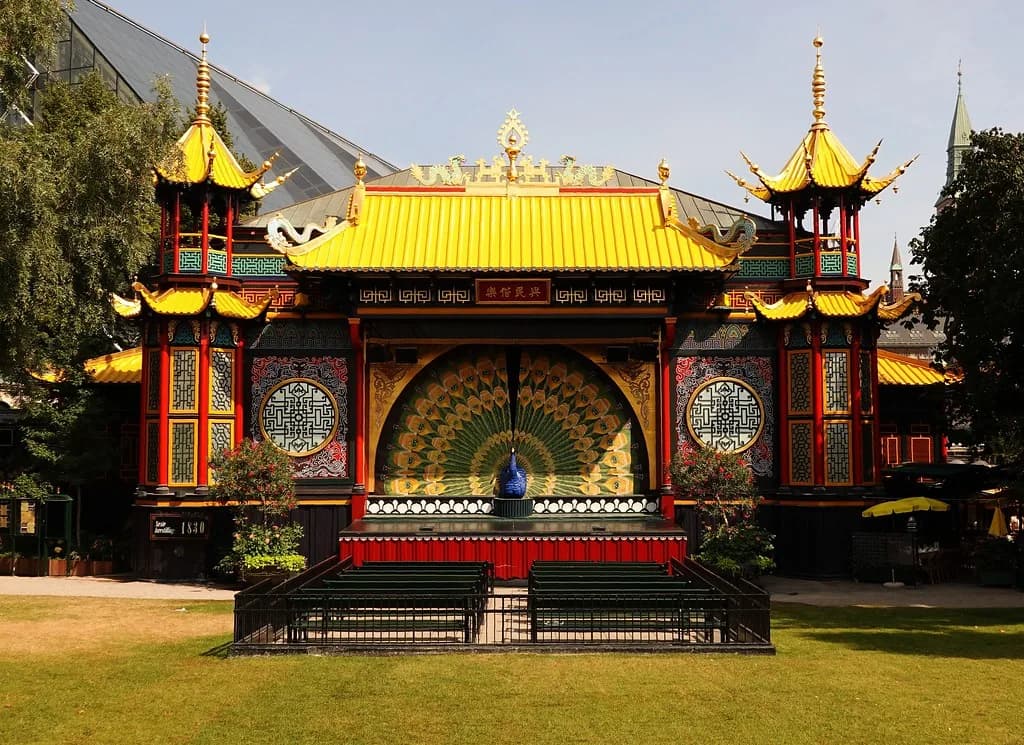
The spring flower displays are a highlight in themselves. Hundreds of thousands of tulips and pansies fill the garden beds, and the historic wooden roller coaster from 1914 operates alongside modern rides. Evening visits after 20:00 are particularly atmospheric as the park lights up — an effect that works better in April's longer evenings than in the pitch-dark of a winter visit. Buy tickets online in advance; walk-up queues at the gate can add 30–45 minutes on busy spring weekends.
One practical note: Tivoli occasionally closes on certain public holidays for private events. April and May have several Danish public holidays (see below), so verify the park's calendar if you are visiting around Easter or Ascension Day.
Outdoor Activities: CopenHill and Harbor Baths
CopenHill — officially Amager Bakke — is a waste-to-energy power plant with a dry ski slope, a hiking trail, and the world's tallest artificial climbing wall on its exterior. April offers a genuinely unusual opportunity: ski or snowboard on the artificial slope in the morning, then hike the rooftop trail in afternoon sunshine with panoramic views across the flat city. The two activities together take about three hours and make for one of Copenhagen's most distinctive half-day options.
The harbour baths at Islands Brygge are open year-round, but April water temperatures sit around 8–10°C — cold enough to produce a sharp intake of breath. Many locals do it anyway, treating the cold dip as a wellness ritual rather than a leisure swim. The nearby saunas at venues like Refshaleøen or the floating saunas moored along the harbour are part of the same ritual: cold water, then heat, repeated. If you want to try it, go early morning when the saunas are less busy.
Danish Public Holidays in April: What Stays Open
Denmark has more public holidays per calendar than most visitors realise, and several of them fall in April and May. On these days, supermarkets and many shops close entirely — but tourist attractions, restaurants, and most museums stay open. Planning around this distinction saves a frustrating trip to a shuttered Netto.
Easter is the biggest cluster. Danes get Maundy Thursday (Skærtorsdag), Good Friday (Langfredag), Easter Sunday, and Easter Monday as public holidays — a four-day window where the city quiets down. Tivoli and major museums remain open, but grocery shopping needs to happen before Thursday. Ascension Day (Kristi Himmelfartsdag) falls 39 days after Easter and is a full public holiday. Whitsun Monday (Anden Pinsedag) comes seven weeks after Easter. Store Bededag (Great Prayer Day), which used to be a public holiday in late April, was permanently abolished by the Danish government in 2024, so that particular Friday is now a normal working day.
The practical advice: check your specific travel dates against the Danish holiday calendar before finalising your Copenhagen itinerary. If you arrive the day before a cluster of public holidays, stock up on snacks and any pharmacy items you might need. Most convenience stores in the city centre stay open on holidays even when supermarkets close.
Rainy Day Contingency Plan
April showers are short but real, and a good rainy-day plan prevents a miserable afternoon. Copenhagen has three indoor destinations that can each fill two to three hours without feeling like a consolation prize. The National Gallery of Denmark (SMK) on Sølvgade houses the country's largest art collection and is free for visitors under 27; it is about 15 minutes from the city centre by Metro to Nørreport. Copenhagen Contemporary on Refshaleøen takes roughly 20 minutes by harbour bus from Nyhavn and fills a converted industrial space with large-format international art — the scale alone is worth the journey. Louisiana Museum of Modern Art in Humlebæk is 35 minutes north of Copenhagen by train from Helsingør station and is consistently ranked among Europe's best modern art museums; the sculpture garden overlooking the Øresund strait is beautiful even in grey weather.
If you want to stay central, the Round Tower (Rundetårn) on Købmagergade gives a 360-degree view over the city rooftops and takes about an hour. The National Museum of Denmark (Nationalmuseet) on Ny Vestergade covers Danish history from the Stone Age forward and is free to enter. Neither requires advance booking. A rainy April afternoon in Copenhagen is actually an excellent time to visit any of these — the crowds thin, the cafes fill, and the city's hygge reputation earns its keep.
Getting There & Getting Around the City
April sits firmly in shoulder season, and flights to Copenhagen in April cost significantly less than July equivalents — typically 30–50% cheaper on the same routes from London, Amsterdam, or New York. Kastrup Airport is 13 minutes from the city centre by Metro, running 24 hours. A single Metro ticket costs around 36 DKK; the 24-hour travel card (160 DKK) covers unlimited Metro, bus, and S-tog and pays for itself quickly if you plan to move around.
The city is exceptionally compact. Walking covers most of the central districts — Nyhavn to Rosenborg is 15 minutes on foot. Cycling is even better: Copenhagen's dedicated cycle lanes are safe and well-signed, bike hire is available at multiple points through Bycyklen (the city's smart bike scheme), and riding like a local is genuinely faster than taking the Metro for most cross-city journeys. The Metro is still the best option for the airport run or reaching outer neighbourhoods like Refshaleøen or Amager Bakke (CopenHill).
For a distinctive place to stay, CityHub Copenhagen near Nørreport offers compact pod-style rooms at a central location. Nørreport is the city's main transit hub, putting you within walking or cycling distance of the harbour, Rosenborg, and multiple Metro lines.
- Bicycle — fastest for central routes, most local experience, available via Bycyklen app
- Metro — best for airport transfer and outer districts, 24h service, 36 DKK per trip
- Walking — covers all of Nyhavn, the old town, and most museums without transit
- Harbour bus — scenic way to reach Refshaleøen, Islands Brygge, and CopenHill
Eating & Drinking: From Pastries to Plant-Based Eats
Copenhagen's bakery culture is worth building a morning around. Vesterbro has the densest concentration of serious bakeries — Juno the Bakery on Århusgade and Hart Bageri in Frederiksberg are two of the most acclaimed, both serving cardamom knots and croissants that justify the queue. A traditional Danish pastry (wienerbrød) costs 30–45 DKK. Pair it with a filter coffee in the spring sun and you have the quintessential Copenhagen morning.
Smørrebrød — open-faced rye bread topped with herring, roast beef, or smoked salmon — is the traditional Danish lunch. Restaurant prices in Copenhagen are high, but the lunch smørrebrød format at a sit-down restaurant typically runs 150–250 DKK for two pieces and fills you adequately. The plant-based restaurant scene is genuinely strong: Copenhagen has more Michelin-recommended plant-forward restaurants than almost any comparable European city.
Outdoor dining returns in force in April. Restaurants set out tables with blankets from the first decent weekend, and Copenhageners treat this as a cultural event in itself. The Copenhagen Marathon takes place in May, but the training runs and running-club culture it feeds are already visible along the harbour paths in April. The city has a visible wellness culture — runners, cyclists, cold-water swimmers — and April is when that culture becomes fully public again after winter.
Frequently Asked Questions
When does Tivoli Gardens open in April?
Tivoli Gardens typically opens for the summer season in early to mid-April. The exact date varies each year based on the calendar. You should check the official Tivoli website before booking your trip.
Is Copenhagen too cold to visit in April?
April is crisp but not freezing, with temps averaging 4–12°C / 39–54°F. It is perfect for walking if you wear layers. Most travelers find the fresh spring air quite refreshing.
Where are the best places to see cherry blossoms in Copenhagen?
Bispebjerg Cemetery is the most famous spot for pink blossoms. Langelinie Park is another top choice near the harbor. Both locations offer incredible photo opportunities during the peak bloom.
April gives you Copenhagen at its most honest: spring light, manageable crowds, strong seasonal events, and prices that reflect a city not yet at full tourist capacity. Pack for all four seasons in one day, plan around the public holiday calendar, and book your electric boat slot before they sell out on weekends. The cherry blossoms, when they peak, are genuinely one of northern Europe's best spring sights.
You might also like

Continue reading
More guides you'll find useful