10 Things to Know About Visiting Copenhagen in November
Planning a trip to Copenhagen in November? Discover the best things to do, what to pack for the weather, and how to experience the start of the festive season.
On this page
10 Things to Know About Visiting Copenhagen in November
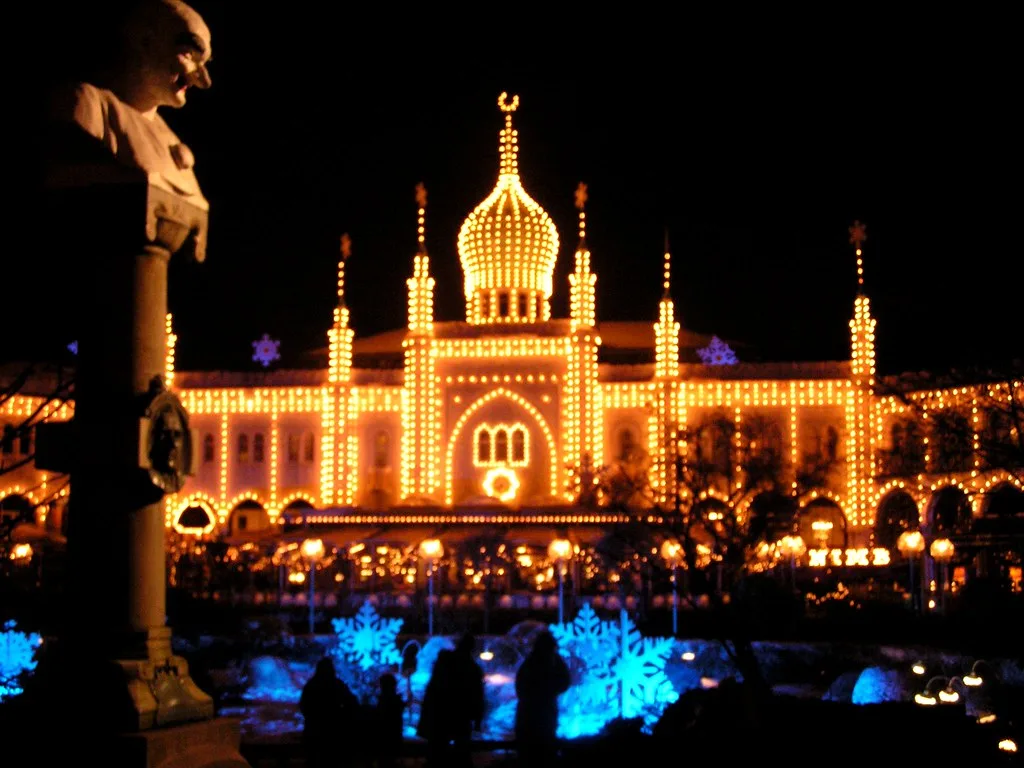
November is one of the most misunderstood months to visit Copenhagen. The days are short, the air is damp, and most people scroll past it on a calendar in favour of summer. But that is exactly what makes it interesting. Crowds thin, hotel prices drop, and the city starts doing the thing it does better than almost anywhere else in the world: getting cosy. Candles appear in every window, gløgg warms every market stall, and Tivoli transforms into a fairy-lit wonderland by mid-month.
At a glance
- Best for: Hygge atmosphere, Christmas markets (from mid-month), low crowds
- Temperature: 3–7°C (37–45°F), damp and windy
- Daylight: 8 hours, sunset by 4 PM
- Budget: 20–40% cheaper accommodation than summer
- Key event: J-Dag (beer release) on 6 November; Tivoli Christmas season from 15 November
This guide covers everything you need to plan a November trip with confidence. From packing for the cold to catching the J-Dag beer release, from picking the right neighbourhood to making the most of the 4 PM sunset, here is what you actually need to know before you go. Check the Copenhagen weather month-by-month data if you want full seasonal comparisons.
Copenhagen November Weather and Daylight
Temperatures in November hover between 3–7°C / 37–45°F, with occasional drops below freezing during cold snaps from the north. The air is damp and the wind off the North Sea makes it feel colder than the thermometer suggests. Rain falls on roughly 17 days in the month, but it usually arrives as persistent drizzle rather than heavy downpours. A good waterproof shell matters more than the thickest down jacket you own.
Daylight is the bigger planning challenge. Sunrise is around 07:45 and sunset arrives by 16:00 by mid-month, shrinking to around 15:45 by 30 November. That gives you roughly eight hours of usable light on a clear day — and cloudy days feel shorter still. The practical response is to schedule outdoor sightseeing between 10:00 and 15:30, then shift to indoor venues, markets, and restaurants for the rest of the evening.
Snow is possible but not typical in November. Copenhagen sits far enough south that the Gulf Stream keeps conditions milder than Stockholm or Oslo. Expect frost on cobblestones rather than full snowfall. The Botanical Garden glasshouses near Nørreport are a reliable warm escape when you need a break from grey skies — the tropical rooms stay around 25°C year-round.
What to Pack for a November Trip
Layering is the correct strategy for a Danish November. Start with a merino wool base layer — it traps heat efficiently and does not retain odour when you wear it across multiple days. Add a mid-layer fleece or knitted sweater, then finish with a windproof, waterproof outer shell. Copenhagen is a walking city and you will cover several kilometres daily, so breathability matters as much as warmth.
Footwear deserves serious thought. Cobblestone streets become slippery when wet, and your feet will be cold if your boots are not genuinely waterproof. Insulated leather boots with rubber soles are the standard local choice. Wool socks — not cotton — are non-negotiable. If you bring cotton socks and your feet get damp, you will feel it for the rest of the day.
Accessories are easy to underpack. Bring a hat that covers your ears, a substantial scarf, and gloves compatible with a touchscreen. A compact umbrella fits in any daypack and handles the frequent drizzle without the bulk of a full-size one. Avoid heavy denim jeans — they absorb moisture and take hours to dry. Thermal leggings worn under regular trousers are a smarter and more packable choice.
- Merino wool base layers — dries fast and stays warm when damp
- Windproof, waterproof outer shell — essential against North Sea gusts
- Insulated waterproof boots — cobblestones are unforgiving when wet
- Wool socks, hat, gloves, and scarf — pack more than you think you need
- Compact umbrella — drizzle is constant, storms are rare
Top Things to Do in Copenhagen in November
Tivoli Gardens is the headline act from mid-November onwards. The park reopens for its Christmas season — typically around 15 November — with thousands of lights, festive market stalls, and seasonal food. The entrance fee in 2026 is around 155 DKK for adults; rides require a separate ticket or a combo pass. Arrive by 14:00 to see the park in daylight, then stay as it transforms under the evening lights. The Nimb Hotel entrance near the main gate often has no queue, which saves you 10–15 minutes during busy weekends.
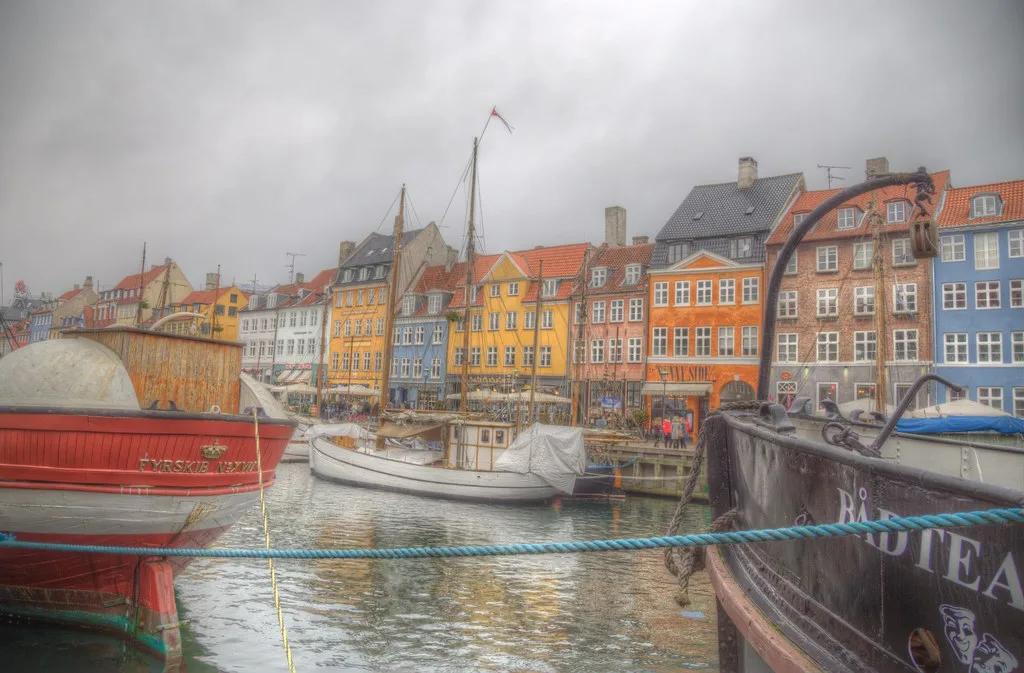
Nyhavn stays open year-round and looks spectacular on November evenings when the coloured facades reflect in the still canal water. The outdoor bars run gas heaters and supply blankets, making a glass of gløgg in the cold air a genuine pleasure rather than a punishment. Canal boat tours depart from Nyhavn and Gammel Strand year-round — boats are covered and heated, and the one-hour circuit takes in Amalienborg Palace, the Opera House, and Christiansborg Palace. Tickets cost around 105 DKK per adult.
The Church of Our Saviour in Christianshavn offers panoramic city views from its external spiral staircase. The outdoor section closes in January and February due to ice risk, so November is your last reliable window before winter shuts it. The surrounding Christianshavn canals are worth an hour on foot — the neighbourhood mixes canal-side boathouses, independent cafes, and a genuinely mixed residential crowd that makes it feel less touristic than the centre. Most major museums — the National Museum, the Glyptoteket, SMK — are uncrowded in November and fully heated, making them natural extensions of any rainy afternoon.
November Events and Early Christmas Markets
J-Dag — Julebryg Day — is the most Danish thing about November. At exactly 20:59 on the first Friday of November, Carlsberg and other Danish breweries release their annual Christmas beer (julebryg) simultaneously. Bars across the city receive the crates at the same moment, and Danes queue outside their local pub from early evening. In 2026 that date falls on 6 November. The atmosphere is high-energy and genuinely local — this is not a tourist event. Come prepared for packed bars and expect standing room only at the popular spots on Vesterbro and Nørrebro.
Christmas markets begin opening from mid-November. The Nyhavn market is the most photogenic, with wooden huts lining the canal. Højbro Plads is larger, with a Santa appearance and a rooftop view from the Illum department store that overlooks the whole square. The Kongens Nytorv market is worth visiting specifically for the wood-fired slow-roasted salmon — it is one of the best street food bites in the city at any time of year. Tivoli's own market is the most elaborate but also the most crowded on weekends.
The Hubertus Hunt takes place in Dyrehaven park in early November — usually the first Sunday of the month. This traditional cross-country horse race draws thousands of spectators to the forested royal deer park north of the city. It is free to watch and offers a side of Danish countryside culture that most short-stay visitors miss entirely. Take the S-tog to Klampenborg station, a 20-minute ride from the centre.
The Santa Lucia procession on 13 December bridges late November planning with early December arrivals — the choir parades by kayak through the canals, which is a striking visual if your trip extends into that window. Check the Visit Copenhagen events calendar for exact timings as these shift slightly year to year.
Where to Eat: Hygge and Seasonal Bites
Torvehallerne food market near Nørreport is the most reliable indoor dining destination in November. The two glass halls stay open year-round and sell everything from smørrebrød at Hallernes to porridge at Grod to duck confit sandwiches. It is warm, covered, and central — exactly what you want after two hours outside. The outdoor stalls along the perimeter do thin out in November, but the indoor vendors are fully operational. Check the Copenhagen Food Markets page for current vendor listings.

Smørrebrød — the open-faced rye sandwich — is the seasonal food to prioritise. November is the right time to try the herring preparations: pickled, fried, or marinated with mustard and dill. Restaurant Kronborg at Brolæggerstræde 12, just off Strøget, does a reliable traditional spread. Juno the Bakery in Frederiksberg is worth a detour for cardamom buns — the queue moves quickly and a bun with a flat white runs under 80 DKK.
Gløgg — spiced mulled wine served with raisins and slivered almonds — appears at nearly every market from mid-November. The drink is served hot and strong. Many Danes prefer it with a shot of aquavit stirred in; ask if you want the local version. Cafes on side streets tend to serve better gløgg than the main tourist thoroughfares, and they are quieter. Aebleskiver — small spherical Danish pancakes dusted with icing sugar and served with jam — are the classic gløgg companion.
Where to Stay in Copenhagen in November
Indre By (the city centre) keeps you within walking distance of Tivoli, Strøget, and the main Christmas markets. The Admiral Hotel on the waterfront near Nyhavn is the most-recommended option in this bracket — it occupies a converted 18th-century warehouse with exposed timber beams and views across to the Opera House. Rooms face either the water or the courtyard; the harbour-view rooms are worth the premium in November when evening reflections are at their best. Expect to pay around 1,400–2,000 DKK per night depending on dates.
Vesterbro is the better choice if you want a local neighbourhood feel. The former meatpacking district — Kødbyen — is now the city's most concentrated restaurant and bar zone. Boutique hotels here run 800–1,400 DKK per night and are within 10 minutes' walk of the central station. This neighbourhood is particularly well positioned for J-Dag, since many of the liveliest pubs are concentrated between Vesterbro and Nørrebro.
Frederiksberg is quieter and more residential. The streets are wide and tree-lined, cafes are genuinely local, and the metro connection to the centre is direct and fast. Skt Petri hotel near the Latin Quarter sits between Indre By and Vesterbro and is a strong mid-range option — design-forward, central, and regularly discounted in November due to low season. November rates across all neighbourhoods drop 20–40% compared to August, which is the most significant financial argument for the month.
Getting Around Copenhagen
The Copenhagen Metro runs 24 hours a day, seven days a week — one of a small number of metro systems in Europe with no night closure. In November, when flights land late due to winter delays, this matters more than people expect. A single metro ticket from the airport to the city centre costs 36 DKK and takes 12 minutes to reach Kongens Nytorv. The taxi alternative costs 250–350 DKK for the same journey. Unless you are travelling with significant luggage or in a large group, the metro is the straightforward choice at any hour.
Within the city, walking covers most of the central sightseeing in comfort. Most of the attractions in Indre By and Christianshavn sit within a 30-minute walk of each other. The city is flat, and even in wet weather the distances are manageable if you are dressed properly. Cycling is the local default, but the roads are occupied by fast-moving commuters who do not slow down for tourists — only join if you are comfortable riding in traffic with no buffer.
The Copenhagen Card offers unlimited public transport plus free entry to 89 attractions, including Tivoli, the National Museum, and Christiansborg Palace. The 72-hour card costs around 849 DKK in 2026 and pays off if you plan to visit four or more paid attractions in your trip. The 24-hour pass without transport costs around 75 DKK and suits day visitors who primarily want to walk. Buy either digitally — there is no physical card advantage and the app is reliable.
Day Trips from Copenhagen in Late Autumn
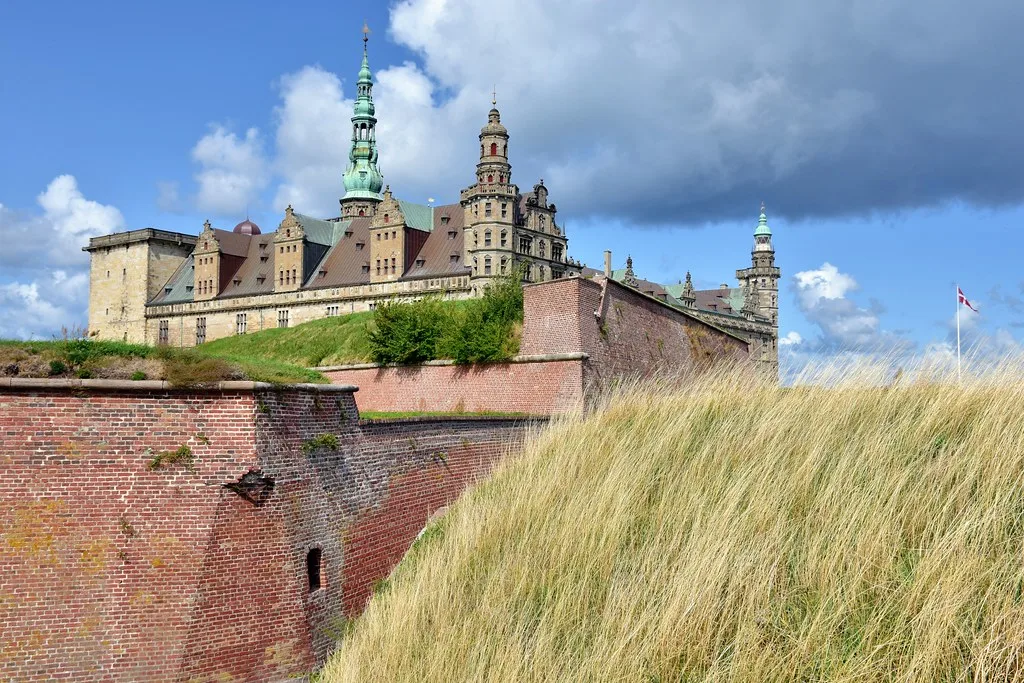
Kronborg Castle in Helsingør is the most rewarding day trip from Copenhagen in November. The UNESCO-listed Renaissance fortress — immortalised as Elsinore in Shakespeare's Hamlet — sits 46 kilometres north of the city. Take the train from Copenhagen Central Station to Helsingør via Denmark's journey planner: it runs every 20 minutes and takes 45 minutes, costing around 100 DKK each way. From the station, the walk to the castle is 15–20 minutes through the old town. In November, visitor numbers are low and the rooms — the apartments, the casemates, the chapel, the king's tapestries — are far easier to appreciate without crowds pressing in from every side.
If you are doing Helsingør as a day trip on your last day, store your luggage at Copenhagen Central Station before boarding the train. Lockers are located near the Istedgade exit and cost 70–80 DKK per 24 hours for small and large sizes respectively. The station lockers are open Monday to Saturday 05:30–01:00 and Sunday 06:00–01:00. This lets you head straight to the airport from Helsingør via the central station without backtracking to your hotel.
Frederiksborg Castle in Hillerød is a second option, less famous internationally but arguably more impressive inside — it houses the National History Museum across three wings of a moated Renaissance palace. The train from Copenhagen takes around 40 minutes via Hillerød. Both Kronborg and Frederiksborg appear on organised full-day tours from Copenhagen if you prefer guided context over self-navigation. In November, these tours run with small groups and often include a stop in Roskilde, the old Viking capital, on the return.
Is November a Good Time to Visit Copenhagen?
The honest case for November: prices are at their annual low, crowds are minimal at every major attraction, and the city's most distinctive cultural trait — hygge — is most visible precisely when it is cold and dark. You will not queue for Tivoli. You will not compete for a canal-side table. Museum rooms that in August require navigating shoulder-to-shoulder are yours to move through at your own pace. The budget argument is strong — accommodation runs 20–40% cheaper than summer, and many restaurants offer seasonal prix-fixe menus during the quieter weeks.
The honest case against: eight hours of usable daylight is a real constraint for outdoor-focused travellers. Reffen street food market closes from late October and does not reopen until spring. Some smaller canal tour operators reduce frequency. Open-air harbour pools are shut for winter. If your ideal Copenhagen day involves four hours of outdoor photography in golden light and a late afternoon swim, November is not the month to choose. Copenhagen in April gives you more light and equally good prices.
The verdict depends on what you value. Travellers who prioritise culture, food, atmosphere, and budget will find November one of the better months in the city. Travellers who need long daylight hours for outdoor sightseeing should consider Copenhagen in March or April instead. Late November — from around the 15th — is the sweet spot if you want both the Christmas market atmosphere and the low-season pricing, before December hotel rates begin to climb toward the holiday peak.
Frequently Asked Questions
Is it worth visiting Copenhagen in November?
Yes, it is worth visiting if you enjoy cozy indoor activities and festive markets. You will find lower prices and fewer crowds than in summer. The atmosphere is perfect for experiencing authentic Danish hygge.
What is the weather like in Copenhagen in November?
The weather is typically chilly and damp with temperatures between 3–7°C / 37–45°F. Expect frequent light rain and a cool breeze from the sea. Daylight is limited, with sunset occurring around 4:00 PM.
When do Christmas markets start in Copenhagen?
Most Christmas markets in Copenhagen begin to open in mid-November. Tivoli Gardens usually starts its festive season around November 15th. This timing allows you to enjoy the holiday spirit early.
Copenhagen in November rewards travellers who lean into what the month actually offers: warmth found indoors, festive atmosphere arriving early, and a city that does not perform for tourists the way it does in July. Pack for the cold, plan your outdoor hours around the early sunset, and let the evenings belong to candlelit cafes and Christmas markets. Whether you are here for J-Dag or Kronborg Castle, November has a strong case for being one of the best-value months on the Danish calendar.
You might also like


Continue reading
More guides you'll find useful