3-Day Copenhagen Itinerary: The Ultimate First-Timer Guide
Plan the perfect 3-day Copenhagen itinerary. Includes royal palaces, Freetown Christiania, local food secrets like Grød, and essential tips on the Copenhagen Card.
On this page
12 Essential Sections for a 3-Day Copenhagen Itinerary
Copenhagen blends historic charm with cutting-edge modern design in every single neighborhood. I built this copenhagen itinerary 3 days guide after spending multiple trips exploring Denmark's capital across different seasons. This guide is designed for first-time visitors who want to see the best of the city without wasting time backtracking. It covers royal palaces, hidden harbor routes, bog mummies, and the best porridge cafe in the world — all updated for 2026.
Most travelers find that three days provides the perfect window to cover the major royal palaces and museums. You will have enough time to enjoy the harbor, sample the local culinary scene, and still fit in a day trip north to Kronborg Castle. I recommend using a mix of walking and the efficient metro system. Check out my one day in Copenhagen guide if your schedule is tighter.
At a glance
- Duration: 3 days (perfect for first-timers)
- Best time to visit: Spring (May) or autumn (September–October)
- Getting there: CPH airport to city center via M2 metro (~15 min, ~5 EUR)
- Budget: Copenhagen Card (72-hour) ~110 EUR covers 80+ attractions + transport
- Getting around: Metro, harbor bus, or on foot — plan 10–15 km walking per day
How Many Days in Copenhagen?
Three days is the sweet spot for a first-time visit. It gives you enough time to cover the major royal sites, explore Freetown Christiania, eat well, and still make a day trip to Kronborg Castle without feeling rushed. Two days is possible but means skipping either the castle day trip or the National Museum — both are worth your time. Four or five days suits travelers who want to dive deeper into neighborhoods like Nørrebro or day-trip to Frederiksborg Castle.
Copenhagen is a compact city. Most of the main attractions cluster within walking distance of the Inner City, Frederiksstaden, and Christianshavn. The metro runs 24 hours a day, so even stays in outer neighborhoods like Frederiksberg or Vesterbro rarely add more than 15 minutes of transit. Plan to walk between 10 and 15 kilometers per day — comfortable walking shoes matter here more than any other gear.
Getting to Copenhagen: Airport to City
Copenhagen Airport (CPH) is one of Europe's most convenient to arrive at. The metro line M2 runs directly from Terminal 3 to the city center in about 15 minutes. Trains run every four to six minutes during the day and cost around 36 DKK (roughly 5 EUR) per ride. If you hold a Copenhagen Card, airport transit is included — no separate ticket needed.
Taxis from the airport cost around 300–400 DKK (40–55 EUR) and take 20–30 minutes depending on traffic. They are metered and reliable, but the metro is almost always faster and always cheaper. Bus lines also connect the airport to the city, though they take longer and are less direct. Once in the city, the metro network covers all the main neighborhoods, and the harbour bus (Havnebus lines 991 and 992) adds a scenic water route between key stops along the waterfront.
Is the Copenhagen Card Worth It?
The Copenhagen Card covers entry to over 80 attractions and all public transport across the capital region, including the airport metro. A 72-hour card costs approximately 110 EUR per adult in 2026. For this three-day itinerary, the card covers Rosenborg Castle (160 DKK), Christiansborg Palace Royal Reception Rooms (105 DKK), the National Museum (125 DKK), Tivoli Gardens (175 DKK), and the Church of Our Saviour spire (60 DKK) — a combined ticket value of over 625 DKK (84 EUR) before counting transport.
If you plan to visit at least three paid attractions and use the metro daily, the math tips firmly in favour of the card. The 96-hour version makes sense if your trip extends into a fourth day with the Kronborg day trip, since the card also covers the train ride to Helsingør. The card does not cover canal tours or restaurant bookings, so factor those in separately. Skip it only if your plan is light on museums and you prefer walking everywhere.
- 72-hour Discover card: ~110 EUR — best for a standard 3-day visit
- 96-hour Discover card: ~135 EUR — worth it if you do the Kronborg day trip on day three
- Tip: buy online before you arrive for a small discount and avoid airport kiosk queues
| Card Type | Duration | Price (2026) | Best For | Covers |
|---|---|---|---|---|
| 72-hour Discover | 3 days | ~110 EUR | Standard 3-day itinerary | 80+ attractions, all metro, airport transit |
| 96-hour Discover | 4 days | ~135 EUR | Includes Kronborg day trip | 80+ attractions, all metro, airport transit, train to Helsingør |
| 24-hour card | 1 day | ~40 EUR | Focused single-day visit | Limited attractions, metro/transport only |
Day 1: Nyhavn, Amalienborg Palace, and the Royal Opera House
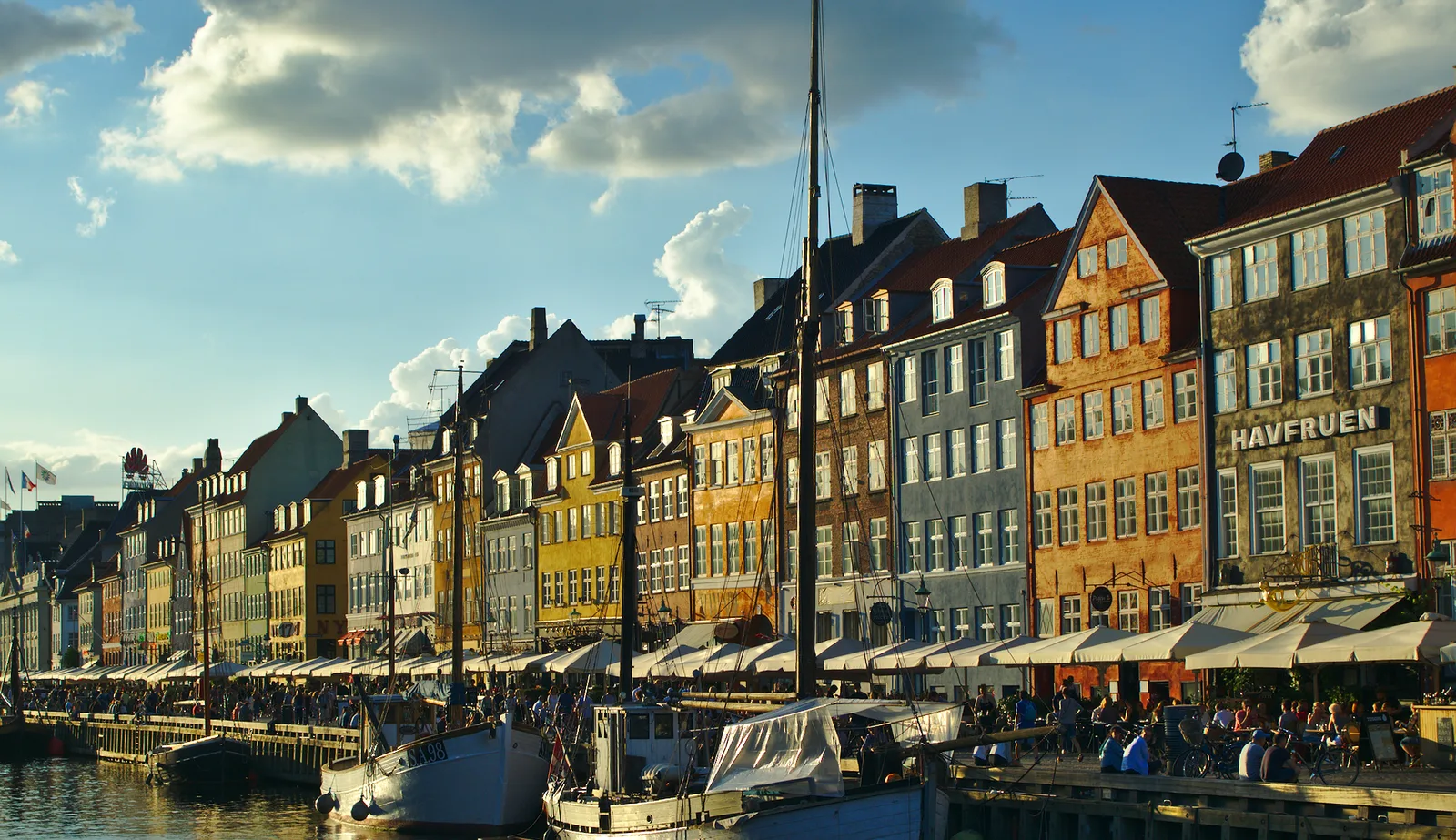
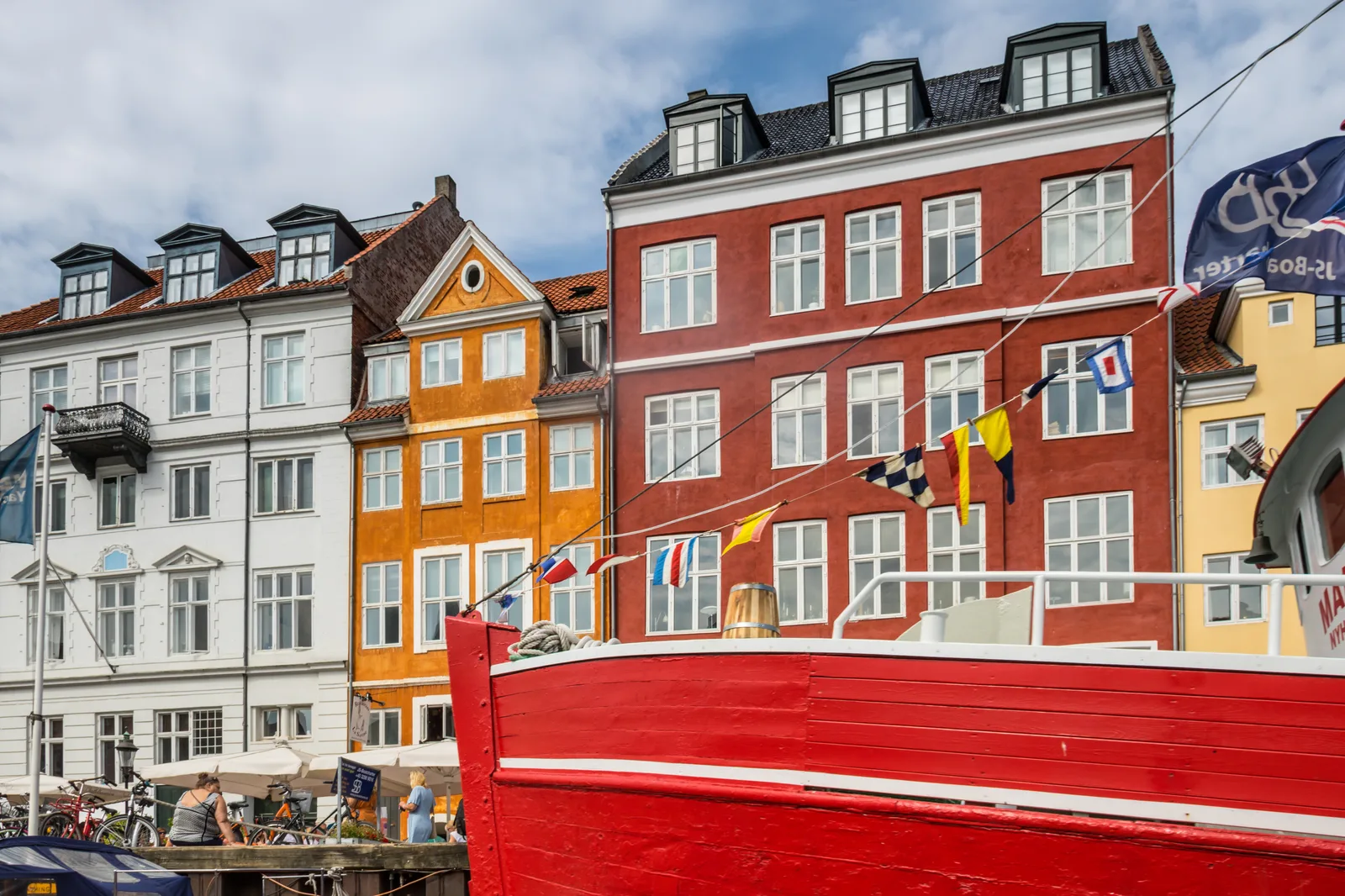
Start your first morning at Nyhavn before 09:00 to see the colorful 17th-century townhouses before the heavy crowds arrive. This iconic canal strip is best photographed from the eastern quay in early morning light. Hans Christian Andersen lived in three separate houses along this canal — numbers 20, 67, and 18 — a fact most walking tour guides mention but few plaques adequately explain. The strip's cafes open from 10:00, but picking up breakfast elsewhere and eating it canal-side is both cheaper and more local.
Walk north along the waterfront toward Frederiksstaden to reach Amalienborg Palace. The changing of the royal guard happens daily at 12:00 on the palace square and is free to watch. The palace consists of four identical Rococo mansions arranged around an octagonal courtyard. Queen Margrethe II abdicated in January 2024, making King Frederik X the current resident — a detail that makes the 2026 guard ceremony feel particularly current.
After the palace, cross Amaliehaven park to the waterfront for the best view of the Royal Opera House (Operaen). Most visitors miss the trick: the finest architectural angle is not from the opera side but from across the harbor at the Royal Danish Playhouse (Skuespilhuset). The two buildings face each other across the Inner Harbor, and the Playhouse pier gives you a clean, elevated sightline of the opera's distinctive flat roof without the crowds. Take the harbor bus line 991 from the Nyhavn stop back west — it costs the same as a metro ride and gives you a 20-minute scenic harbor crossing for free if you hold the Copenhagen Card.
Day 2: Rosenborg Castle and Christiansborg Palace Reception Rooms
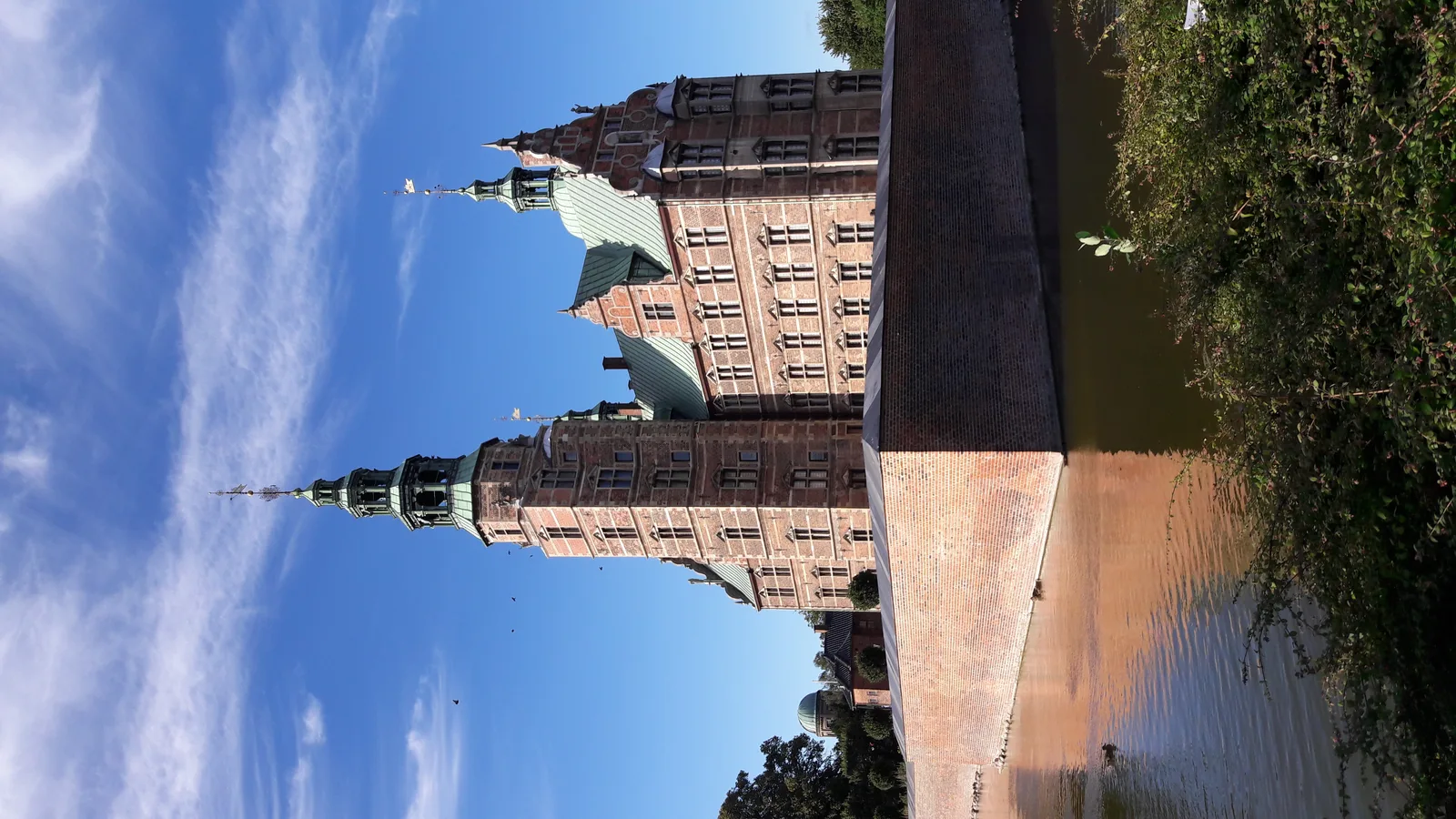
Arrive at Rosenborg Castle by 10:00 to avoid peak queues. The castle houses the Danish Crown Jewels in its basement treasury — the highlight of the visit — and the Royal Collection of royal portraits and decorative arts on the floors above. Book timed entry at least a week in advance in summer; the castle uses strict entry windows and does not admit walk-ins once slots are full. Tickets cost 160 DKK without the Copenhagen Card. The surrounding King's Garden (Kongens Have) is a pleasant 10-minute walk and free to enter at any time.
From Rosenborg, head south by metro (Nørreport to Kongens Nytorv, then walk) to Christiansborg Palace. The complex has multiple ticketed sections, but the Royal Reception Rooms are the one to prioritize. These state rooms are covered in seven monumental tapestries commissioned by Queen Margrethe II depicting 1,000 years of Danish history — each tapestry took around three years to complete. Entry to the Reception Rooms costs 105 DKK (included in the Copenhagen Card), while climbing the palace tower to the viewing platform is completely free. The tower gives you the best elevated view of the city without paying anything.
The Round Tower (Rundetaarn) is nearby and worth noting for 2026 visitors: the observatory section is closed for restoration until October 2026, but the spiral ramp viewing platform and the rest of the tower remain open as usual. Entry is 40 DKK. End the day at Tivoli Gardens, which opens at 11:00 daily and stays open until 22:00 or later on Friday and Saturday evenings in summer. If you go on a Friday night, you can catch the open-air stage performances for free with your entry ticket.
Day 3: Freetown Christiania and Reffen Food Truck Park
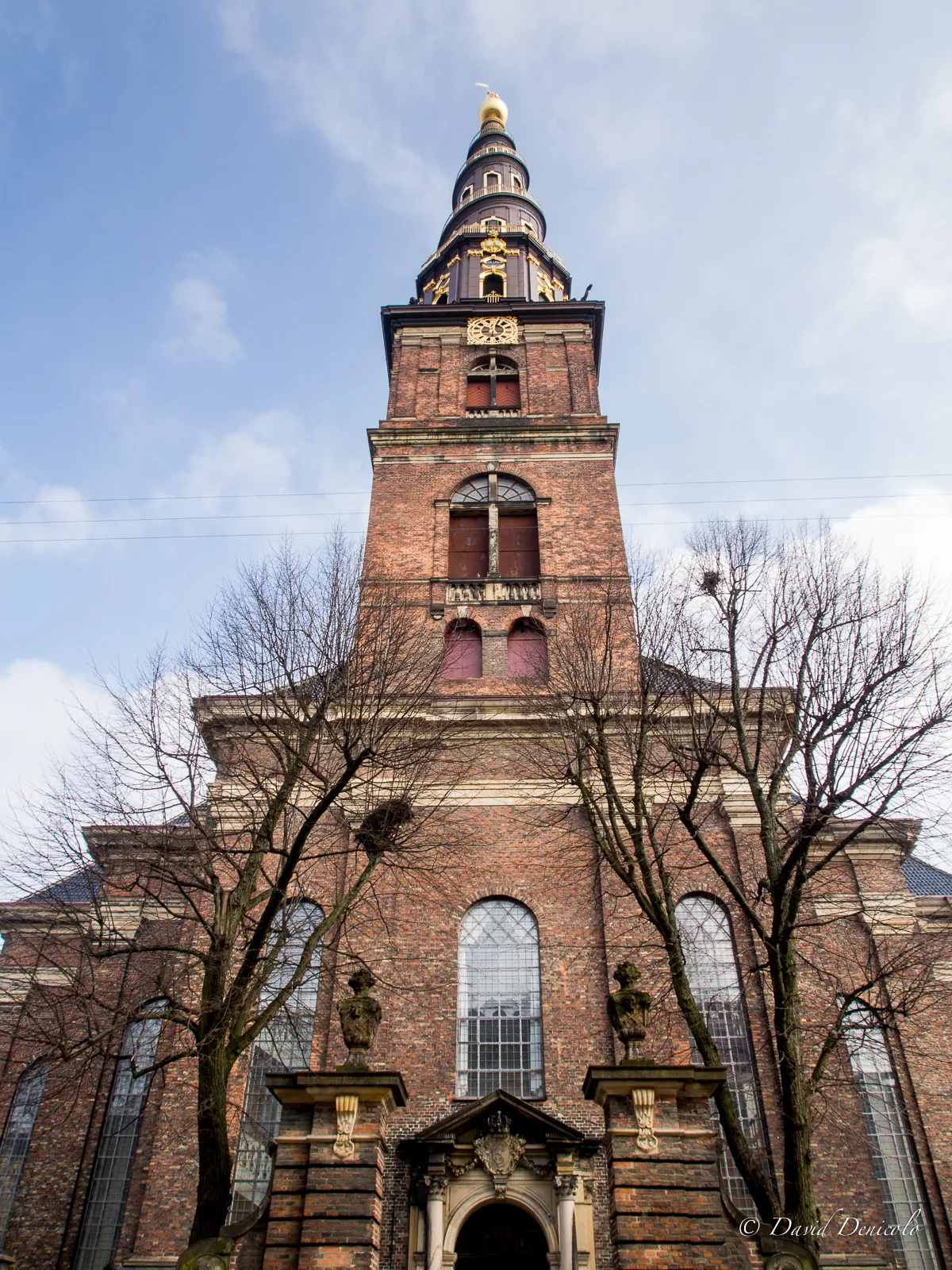
Begin day three in Christianshavn by climbing the Church of Our Saviour (Vor Frelsers Kirke) spire. The external staircase winds anticlockwise around the outside of the tower for the final 150 steps — if you have a strong fear of heights or vertigo, this specific section is a genuine barrier. The handrail is solid and the steps are wide, but there is no railing on the outer edge looking down. Inside sections are fully enclosed. Entry costs around 60 DKK; pre-book a timed slot online, especially in summer, even if you have the Copenhagen Card.
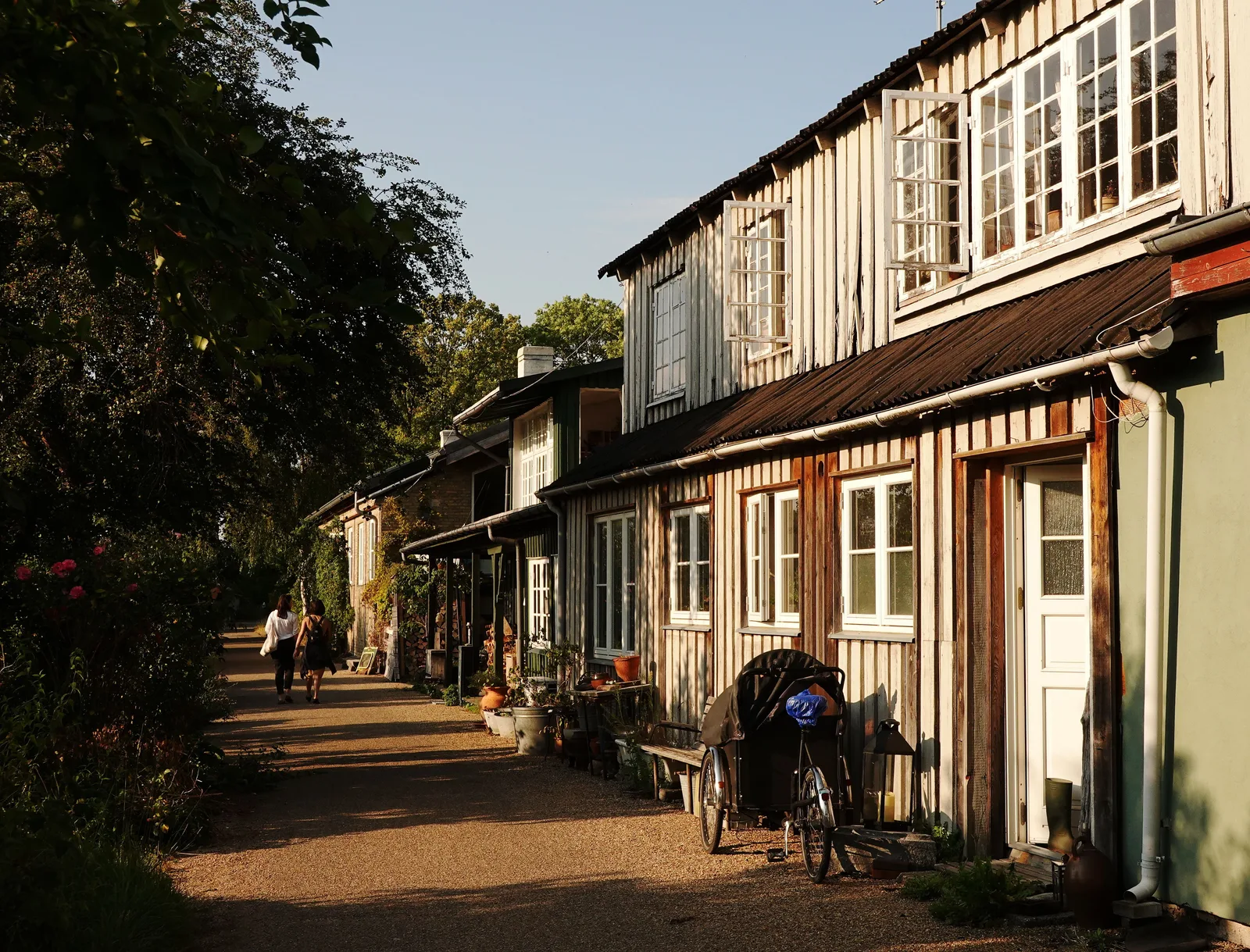
After the church, walk five minutes into Freetown Christiania. Photography is restricted in parts of the settlement — look for the no-camera signs at the entrance and along Pusher Street. The atmosphere is relaxed during the day, with murals, maker workshops, and lakeside paths. It functions as a genuine residential community of around 900 people, so treat it accordingly. The outer edges along Christianshavns Vold (the old fortification ring) are quieter and less trafficked than the main entrance area.
From Christiania, cross the Inderhavnsbroen pedestrian and cycling bridge to reach Refshaleøen island and Reffen Food Truck Park. Reffen is open seasonally from April to October. It is about 3 kilometers from the city center, which is why many tourists skip it — but that distance is exactly what keeps it less crowded and more local in feel. Around 50 food stalls rotate through the park offering everything from Korean fried chicken to Peruvian ceviche. Bring cash as some stalls do not accept cards. Head there by 18:00 for the best variety before popular stalls sell out.
Climbing the Spire Church for Panoramic Views
The Church of Our Saviour spire offers the most dramatic 360-degree view in central Copenhagen. The climb covers 400 steps in total, with the lower portion through the nave and bell tower being fully enclosed and manageable for most visitors. The final external spiral — the section that wraps around the golden-tipped spire — is genuinely exposed to the wind and to a significant drop on both sides. It is narrow and you will pass other climbers coming down while you go up.
The payoff is a panorama that reaches from the harbor islands to the north, Amager Fælled to the south, and the entire Indre By skyline to the west. On a clear day you can see Sweden across the Øresund Strait. Opening hours run from approximately 09:30 to 19:30 in summer (shorter in winter). Timed entry slots sell out weeks ahead in July and August. Book online at least a week in advance or aim for a Tuesday or Wednesday morning in spring or autumn when slots are easier to get.
Crossing the Inner Harbor via Inderhavnsbroen
The Inderhavnsbroen — known locally as the Kissing Bridge because of its two arching spans that meet in the middle — connects Nyhavn on the west bank to Christianshavn on the east. It is a pedestrian and cycling bridge, free to cross, and genuinely the most pleasant way to move between these two neighborhoods. The crossing takes about four minutes on foot.
The bridge opens several times daily to let tall ships and larger vessels through the Inner Harbor. An opening typically takes 10 to 15 minutes from the time the barriers close. If you see the amber lights flashing and the barriers lowering, you are about to wait. Check the schedule at the bridge notice board, or simply factor in an extra 20 minutes if your timing is flexible. Arriving at Inderhavnsbroen before 09:30 in the morning almost always guarantees a crossing without a wait.
Breakfast at Grød and Sankt Peder's Bakery
Sankt Peder's Bakery (Sankt Peders Bageri) on Larsbjørnsstræde in the Latin Quarter is one of the oldest bakeries in Copenhagen, dating to 1652. The go-to order is the cinnamon roll (snegl), which costs around 35–40 DKK. If you visit on a Wednesday, order the Onsdagssnegl — a larger, stickier version of the standard snegl that the bakery bakes only on Wednesdays as a mid-week tradition. Most visitors and travel guides mention the bakery but skip this detail. The Wednesday snail is genuinely worth timing your schedule around if you can.
Grød on Jægersborggade in Nørrebro markets itself as the world's first dedicated porridge cafe. The concept sounds simple but the execution is serious — the menu runs to a dozen varieties including rice porridge with caramelized butter, Nordic oat porridge with seasonal toppings, and savory congee. A bowl costs 65–95 DKK, which by Copenhagen standards is an inexpensive breakfast. Order the small size if you are not used to porridge-as-a-full-meal — the large bowl is genuinely filling. Grød is a 20-minute metro ride from the city center but worth the detour on the morning of your Kronborg day trip since Nørrebro station connects directly to the northern train lines.
Seeing the Bog Bodies at the National Museum
The National Museum of Denmark (Nationalmuseet) is free to enter and houses one of the best archaeological collections in Northern Europe. The Iron Age hall on the ground floor contains several naturally preserved bog bodies — human remains from sacrifices or executions dating back over 2,000 years, preserved almost intact by the acidic, oxygen-free conditions of Danish bogs. The faces and skin are frequently intact, which is both extraordinary and unsettling in equal measure.
The most significant specimen is the Huldremose Woman, discovered in a Jutland bog in 1879. She died around 160 BCE, her body showing evidence of violent death, and she was found with a sheepskin cape, two skin scarves, and a decorated horn comb — enough material for archaeologists to reconstruct significant details of her daily life. Most general travel guides list the National Museum as optional or describe it vaguely as "good for history buffs." The bog body collection alone justifies an hour of your time, and the adjacent Viking Age exhibition is the best in the country outside Roskilde. Allow 90 minutes minimum.
Day Trips from Copenhagen: Touring Kronborg Castle
Kronborg Castle in Helsingør is a 45-minute direct train from Copenhagen Central Station on the Kystbanen line. Trains run four times per hour during the day. Entry to the castle costs 125 DKK in 2026 (included in the Copenhagen Card). The castle is a UNESCO World Heritage Site and the building Shakespeare used as the setting for Hamlet — described accurately in the play despite no record of Shakespeare ever visiting Denmark. The connection is taken seriously: a life-size bronze of Hamlet stands in the castle courtyard.
Inside, the Royal Hall on the third floor is one of the largest Renaissance halls in northern Europe at 62 meters long. The casemates below ground are dark, damp, and deliberately atmospheric — the legendary sleeping giant Holger Danske sits in stone in the vaults, said to awaken when Denmark faces its greatest danger. Allow two to two-and-a-half hours for a full visit. Combine with the nearby M/S Maritime Museum (just outside the castle moat) and the historic streets of Helsingør town for a full day. A quick ferry from Helsingør across the Øresund to Helsingborg, Sweden, takes 20 minutes and costs around 60 DKK return — a genuinely cheap way to stand in two countries in one afternoon.
If you have time for only one castle outside the city, make it Kronborg over Frederiksborg. Kronborg is more dramatic architecturally and historically, sits directly on the water, and pairs naturally with the ferry to Sweden. Frederiksborg Castle in Hillerød is equally impressive but requires a separate train and adds 45 minutes of transit each way.
Where to Stay in Copenhagen
Indre By (the historic center) puts you within walking distance of Nyhavn, the Round Tower, Strøget, and most major sights. It is the most convenient neighborhood for this itinerary, though accommodation prices reflect the location. Vesterbro is the next best option — it sits directly beside Central Station (useful for the Kronborg day trip train) and the Meatpacking District (Kødbyen), and it is genuinely more interesting than the tourist center for evening dining.
Nørrebro suits travelers who want a local neighborhood feel and easy access to Grød and the Coffee Collective. Frederiksberg is leafy, slightly quieter, and connected by metro. Christianshavn is ideal for day three-heavy itineraries where you want to walk to Christiania and Reffen without any transit. Book at least four to six weeks in advance for summer visits — Copenhagen fills up fast in July and August, and prices climb steeply close to arrival. Most budget accommodations cluster near Central Station; check a longer five-day itinerary if you want more time to base yourself outside the center.
Frequently Asked Questions
How many days are enough for Copenhagen?
Three days is the ideal duration for most first-time visitors. This allows you to see the royal palaces, Tivoli Gardens, and Christiania without rushing. You will also have time for the excellent local food scene.
Is Copenhagen an expensive city to visit?
Yes, Copenhagen is known for being relatively expensive compared to other European capitals. Expect to pay about 15 EUR for a casual lunch and 8 EUR for a beer. Using the Copenhagen Card can help reduce costs.
What is the best way to get around Copenhagen?
Cycling is the most popular and efficient way to explore like a local. The city is very flat and has dedicated bike lanes everywhere. The metro system is also excellent and runs 24 hours a day.
Copenhagen is a city that truly rewards those who take the time to explore its diverse neighborhoods. From the royal grandeur of the palaces to the alternative spirit of Christiania, there is something for everyone. I hope this itinerary helps you plan a memorable trip to one of my favorite European cities. If you visit during the winter, don't miss the magical Christmas markets in Copenhagen for a festive experience.
Remember to pack comfortable walking shoes and a waterproof jacket for the unpredictable Danish weather. Enjoy the hygge atmosphere and take plenty of photos of the colorful harbor houses at Nyhavn. Safe travels on your upcoming Scandinavian adventure through this beautiful and historic coastal capital.
You might also like
Continue reading
More guides you'll find useful