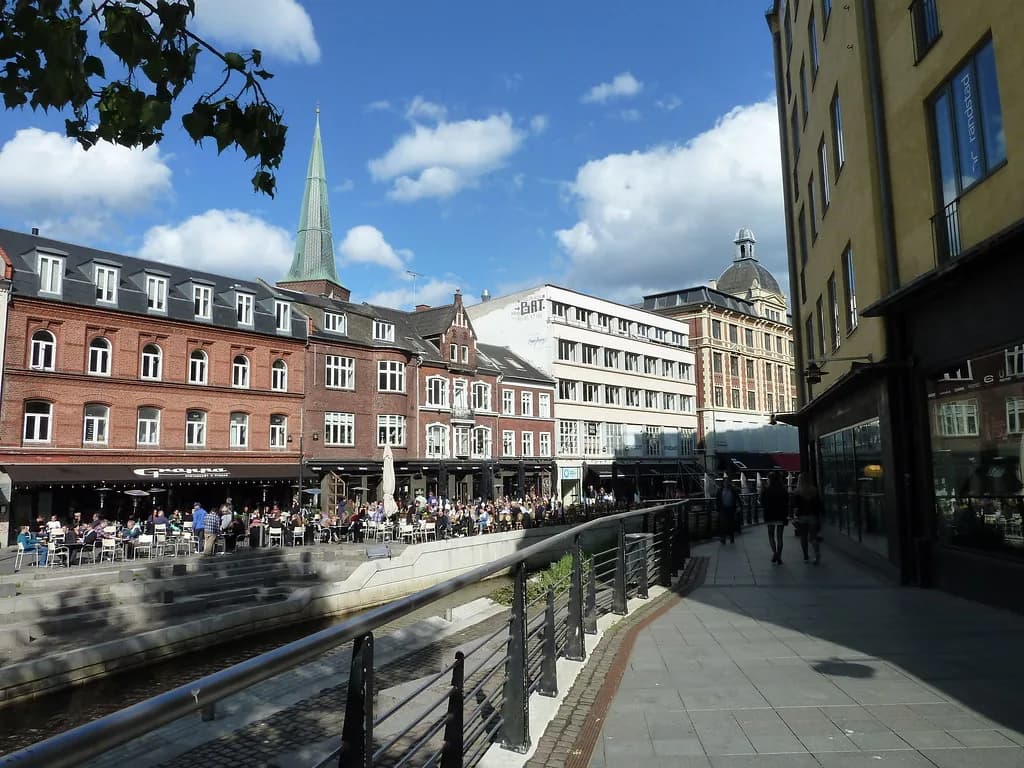
How Many Days In Aarhus: 3-Day Essential Planning Tips
Discover how many days in Aarhus you really need. Our guide covers 1-3 day itineraries, local food secrets, and a comparison with Copenhagen for the perfect Danish trip.
On this page
How Many Days In Aarhus: A 3-Day Essential Itinerary
Aarhus is the second-largest city in Denmark and one of the most underrated city-break destinations in Scandinavia. Most first-time visitors arrive wondering how much time they actually need — and leave wishing they had booked one more night. This guide gives you a direct answer and then shows you exactly how to fill each day.
The short version: two days covers the highlights, three days lets you breathe and feel the city properly. If you are combining Aarhus with a wider Denmark trip, I recommend anchoring three full days here and using any extra time for day trips into Jutland. Everything below is based on my most recent 2026 visit.
At a glance
- Duration: 3 days ideal for first-timers; 2 days covers highlights
- Cost: Museum entry 20–29 EUR per adult; mid-range hotels 100–130 EUR/night
- Getting there: AAR airport 40 km northeast; DSB train from Copenhagen ~2h 45min
- Best time: April–May or September–October for mild weather and smaller crowds
- Getting around: Walking, bikes (Donkey Republic app), or light rail
Key Takeaways
- Three days is the ideal duration for a first-time visit to Aarhus.
- Book museum tickets and popular restaurants at least one week in advance.
- Rent a bicycle to explore the beautiful coastline and the Infinite Bridge.
How many days do you need for Aarhus?
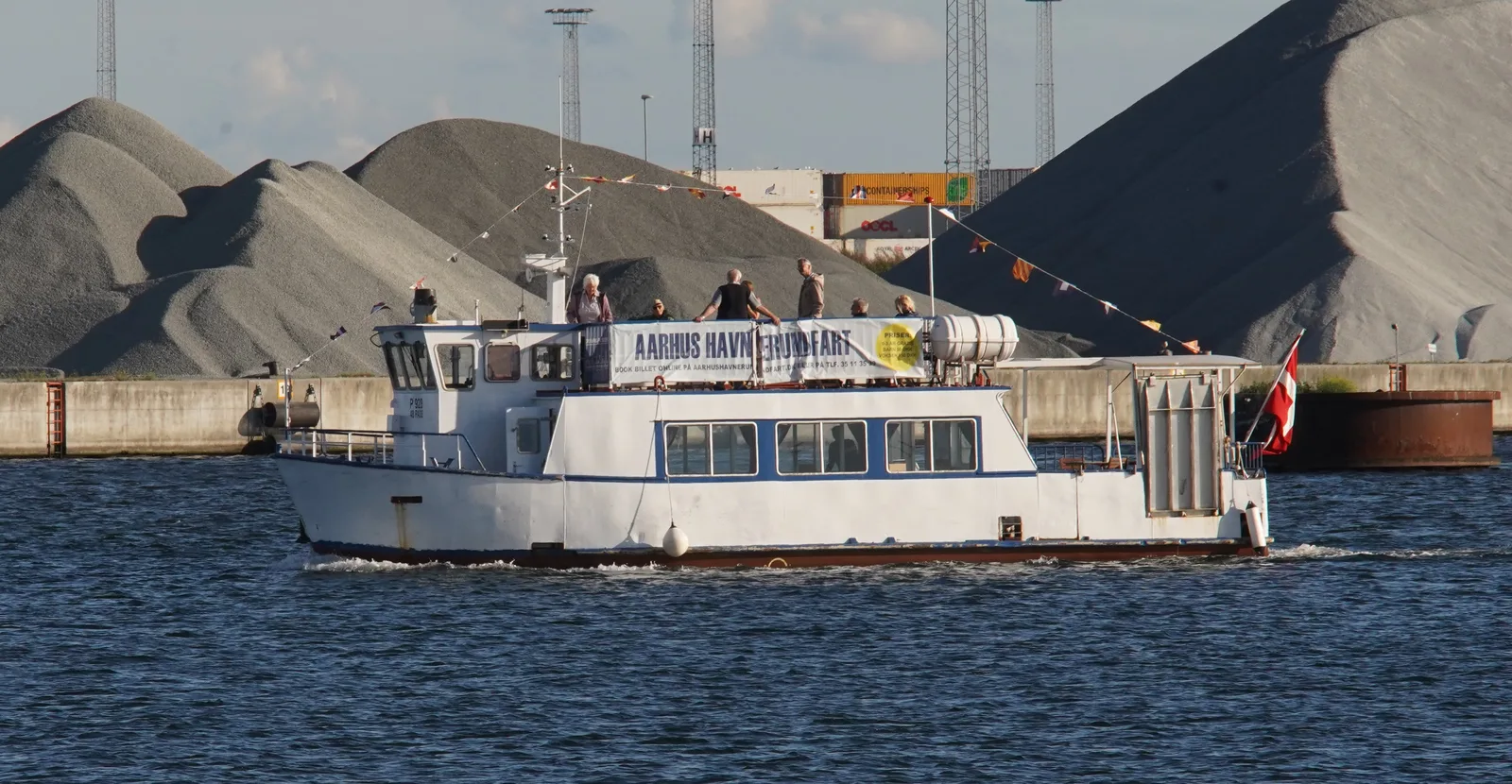
One day is technically enough to tick off the Rainbow Panorama and walk through Den Gamle By, but you will feel rushed and miss the quieter pleasures that make Aarhus special. Two full days covers all the major museums and a coastal ride without stress. Three days is the sweet spot for first-timers — you get the culture, the food scene, the harbor district, and enough downtime to sit in a café without watching the clock.
Four days or more makes sense if you plan on day trips to Mols Bjerge National Park or Ebeltoft, or if you want to slow down inside Den Gamle By for a full day (it genuinely warrants one). Most travelers who push past three days do so because they did not want to leave, which is the best reason of all.
Museum entry in Aarhus costs between 20–29 EUR per adult depending on the attraction and month. Most major museums open daily from 10:00 to 17:00, with some late-night hours on Wednesdays. Check the Visit Aarhus official tourism site for current seasonal events and any closures before you finalize your dates.
- 24 hours: ARoS Museum + Rainbow Panorama, Latin Quarter walk, Salling Rooftop sunset.
- 48 hours: Add Den Gamle By (half or full day), Aarhus Street Food for dinner, Aarhus Ø district.
- 72 hours: Add a coastal cycle to Marselisborg Dyrehave, the Infinite Bridge, and a relaxed morning in the Frederiksbjerg neighborhood.
Copenhagen or Aarhus: Which Danish city is right for you?
Copenhagen is the obvious first choice for most international visitors: royal palaces, Nyhavn, a dense museum scene, and easy flight connections. Aarhus is something different — a university city of just over 300,000 people that feels like a very large village. The pace is slower, the streets are less congested, and everything in the center is walkable without a metro map in hand.
If you have already done Copenhagen and want a more local Danish experience, Aarhus wins outright. Prices for accommodation and casual dining are slightly lower, and the creative energy from the large student population keeps the café and food scene genuinely interesting. The Latin Quarter here reminds many visitors of a quieter version of Copenhagen's Nørrebro.
| Factor | Copenhagen | Aarhus |
|---|---|---|
| Population | ~800,000 | ~300,000 |
| Atmosphere | Busy, cosmopolitan, dense | Relaxed, university-town vibe |
| Accommodation (mid-range) | 150–200 EUR/night | 100–130 EUR/night |
| Casual meal cost | 18–25 EUR | 15–20 EUR |
| Main attractions | Royal palaces, Nyhavn, museums | Den Gamle By, ARoS, coastline |
| Train connection | — | 2h 45min on DSB (99 DKK advance) |
| Best for | First-time visitors, history buffs | Slower pace, local experience |
The train between the two cities takes about two hours and 45 minutes on the fast DSB service. Orange discount tickets start from 99 DKK (around 13 EUR) if booked in advance via the DSB app. Combining both cities in a single Denmark trip is very straightforward and adds real depth to any Scandinavian itinerary.
Essential travel information for Aarhus, Denmark
Aarhus is served by its own airport (AAR) about 40 km northeast of the city, with bus connections taking roughly an hour into the center. Billund Airport (BLL), around 90 minutes away by bus and train via Vejle, handles more international routes including budget airlines from London, Reykjavík, and Stockholm. Flying into Billund and out of Copenhagen (or vice versa) works well if you are touring Denmark as a whole.
Within the city, walking covers most of what you need. The center is compact enough that ARoS, the Latin Quarter, Den Gamle By, and Salling Rooftop are all within a 20-minute walk of each other. The Aarhus Light Rail (Letbanen) reaches Aarhus Ø and the southern beaches efficiently; a single ride costs around 24 DKK (3 EUR). Renting a bike via the Donkey Republic app (bright orange bikes, returns to designated points) is the best way to reach the coastline.
Accommodation in the city center uses the postcode 8000 Aarhus C. Mid-range hotels typically start from 100–130 EUR per night in 2026. Budget travelers use CABINN or WakeUp hotels near the station for around 60–80 EUR. The city accepts card payments almost universally — carrying cash is unnecessary.
If you are checking in around late May or early June, be aware that the Northside Festival (held annually at Eskelund, about 15 minutes from the center) causes accommodation prices to roughly double across the entire city. In 2026 the festival runs early June. Booking at least six to eight weeks ahead is essential during that window — or treat the festival itself as your main reason to visit and budget accordingly for the livelier atmosphere.
Step back in time at Den Gamle By
Den Gamle By (The Old Town) is one of the most impressive open-air museums in Europe and the single attraction in Aarhus that most justifiably commands a full day. You walk through around 400 years of Danish history in sequence — from a reconstructed 1600s market town, through the 1920s, into a faithfully recreated 1974 street complete with period shops, cars, and décor, and all the way to a 2014-era shopping center. The transitions between eras are seamless and genuinely atmospheric.
Inside nearly every building there is something to discover: a working bakery, period living rooms, a complete apothecary from the 1800s, craftspeople in costume. If you visit between mid-November and Christmas, the entire museum transforms for the Danish Christmas season with specialist markets and museum rooms dedicated to historical Christmas traditions. It is one of the best seasonal experiences in Denmark.
Entry costs 20–29 EUR per adult (prices vary by month). The museum opens daily and you can book tickets on the Den Gamle By website to avoid queuing. The address is Viborgvej 2, 8000 Aarhus C, and it sits directly next to the Botanical Garden, so combining both in one morning makes sense. Budget at least three hours; six if you want to enter every building.
Experience the ARoS Museum and Rainbow Panorama
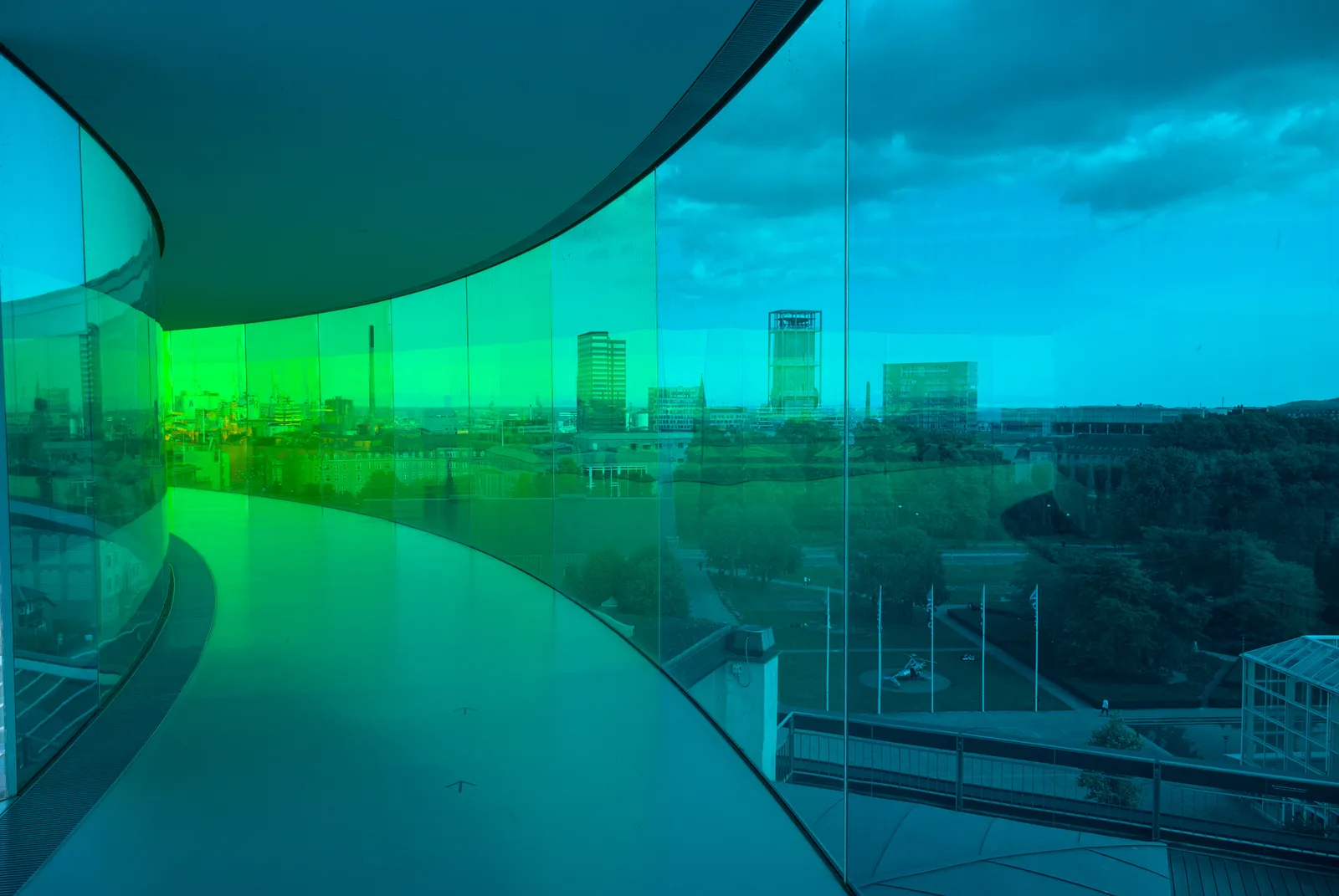
ARoS Aarhus Art Museum holds the largest art collection in Denmark outside Copenhagen, and the building itself is worth the visit before you look at a single canvas. The permanent collection spans Danish art from the 18th century to the present, alongside rotating international exhibitions. The most talked-about permanent piece is the life-size sculpture Boy by Ron Mueck — a four-and-a-half-metre crouching figure that stops most visitors in their tracks.
On the roof sits the Rainbow Panorama: a 150-metre circular glass walkway designed by Olafur Eliasson, 3.5 metres above the rooftop, which filters the view of the city through every colour of the spectrum as you walk around it. The best light for photography is about an hour before sunset when the colours are warmest. Early mornings on weekdays avoid the tour groups that gather by midday on summer weekends.
Tickets can be booked directly on the ARoS Museum official site. Advance booking is strongly recommended for summer visits and holiday weekends. The address is Aros Allé 2, 8000 Aarhus C, a short walk from the Latin Quarter and Møllestien Street — plan them in sequence.
Wander through the Latin Quarter and Møllestien Street
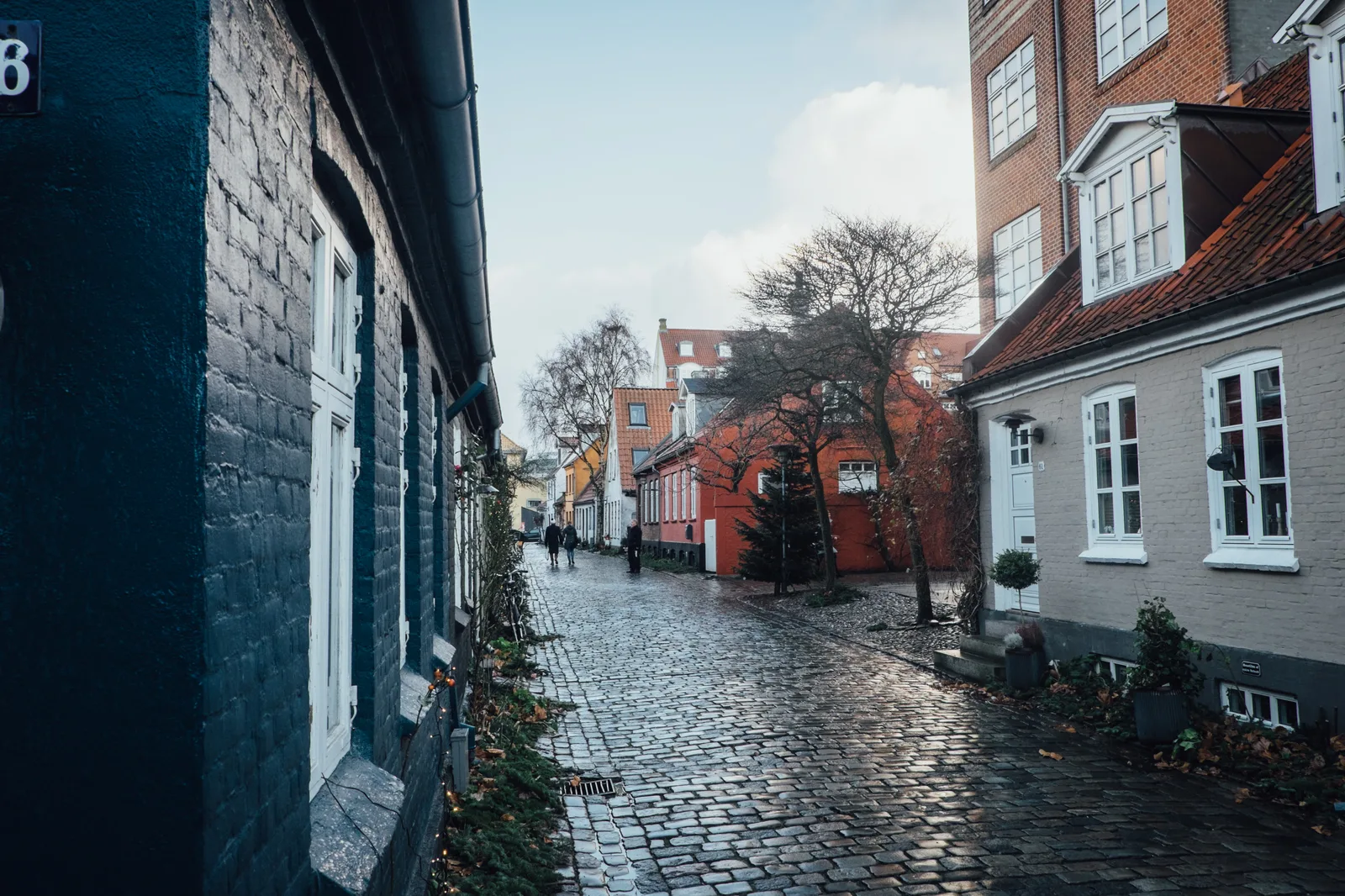
The Latin Quarter (Latinerkvarteret) is the oldest part of Aarhus and still its most atmospheric. A grid of narrow cobblestone streets — Klostergade, Mejlgade, Badstuegade, Graven — lined with independent design shops, specialty coffee roasters, and small restaurants. The district grew from the late 14th century after the city was granted permission to demolish its Viking-era defences, and Aarhus Cathedral at its centre dates from the 12th century. Walking through it on a quiet morning is as close to feeling like a local as a visitor gets.
A short detour from the Latin Quarter leads to Møllestien, a 240-metre cobblestone alley framed by small, brightly painted terraced houses from the 1870s to 1880s. Hollyhocks grow against the facades in summer. It is the most-photographed street in Aarhus, and because people still live in the houses, basic etiquette applies: keep noise down and stay on the public path. You can walk the entire street in five minutes, but most visitors spend twenty minutes here with a camera.
The Latin Quarter is also where several of Aarhus's better brunch spots are located — Café Drudenfuss on Graven 30 is a reliable option for egg dishes and pastries. No reservations are needed before 11:00, but the café fills up quickly on weekends. Combine the Latin Quarter with ARoS in a single morning: walk Møllestien first, then cut through the quarter to the museum.
See the city from above at Salling Rooftop
The Salling Rooftop sits on top of the Salling shopping centre on Søndergade 27, the main pedestrian street. Entry is completely free, which makes it the best-value viewpoint in a city where most attractions charge 20 EUR or more. From the top you see Aarhus Cathedral, the ARoS Rainbow Panorama, the Aarhus Ø waterfront, and on a clear day the bay stretching south. There is a café and restaurant up here if you want to eat with the view.
The glass sections of the rooftop walkway create glare in direct midday sun, which can flatten photos. The best times for photography are roughly 08:00–10:00 or from 17:00 onward when the light comes in at an angle. In December the rooftop is transformed into a Christmas market with trees and lights — one of the more charming seasonal settings in the city.
Opening hours are 10:00–20:00 Monday to Friday, 10:00–19:00 Saturday, and 10:00–18:00 Sunday. No booking is required. On warm sunny afternoons the rooftop gets genuinely crowded with locals, so arriving at opening time gives you the space to take photos without waiting.
Eat your way through Aarhus Street Food and the food scene
Aarhus Street Food at Ny Banegårdsgade 46 is a large indoor hall a short walk from the central bus station. Stalls cover Italian, Arabic, Vietnamese, Nepali, and Danish cuisine, with a good range of alcohol-free and alcoholic drinks. Prices are notably lower than restaurant dining — a filling meal runs around 80–120 DKK (11–16 EUR) per person. It opens daily from 11:30 to 21:00 (closed Christmas Day and New Year's Eve). Current hours are on the Aarhus Street Food website.
For sit-down dining, the Latin Quarter concentrates most of the better options. The neighbourhood of Frederiksbjerg, just south of the train station, has several cozy bakeries and cafés that locals use for morning coffee. Danish baking — particularly the wienerbrød (pastry) — is worth a dedicated stop; any of the independent bakeries on the side streets around Frederiks Allé will do the job better than a chain.
Coffee specifically: Aarhus has a genuine specialty coffee culture that most visitors miss entirely. Stillers Coffee (Vester Allé 3) operates a curated single-origin selection and a tasting-flight format where the barista walks you through two or three beans side by side. It is aimed at people who want to understand what they are drinking rather than just caffeine delivery. Worth factoring in if you have a morning free.
Cycle the coastline to Marselisborg Dyrehave
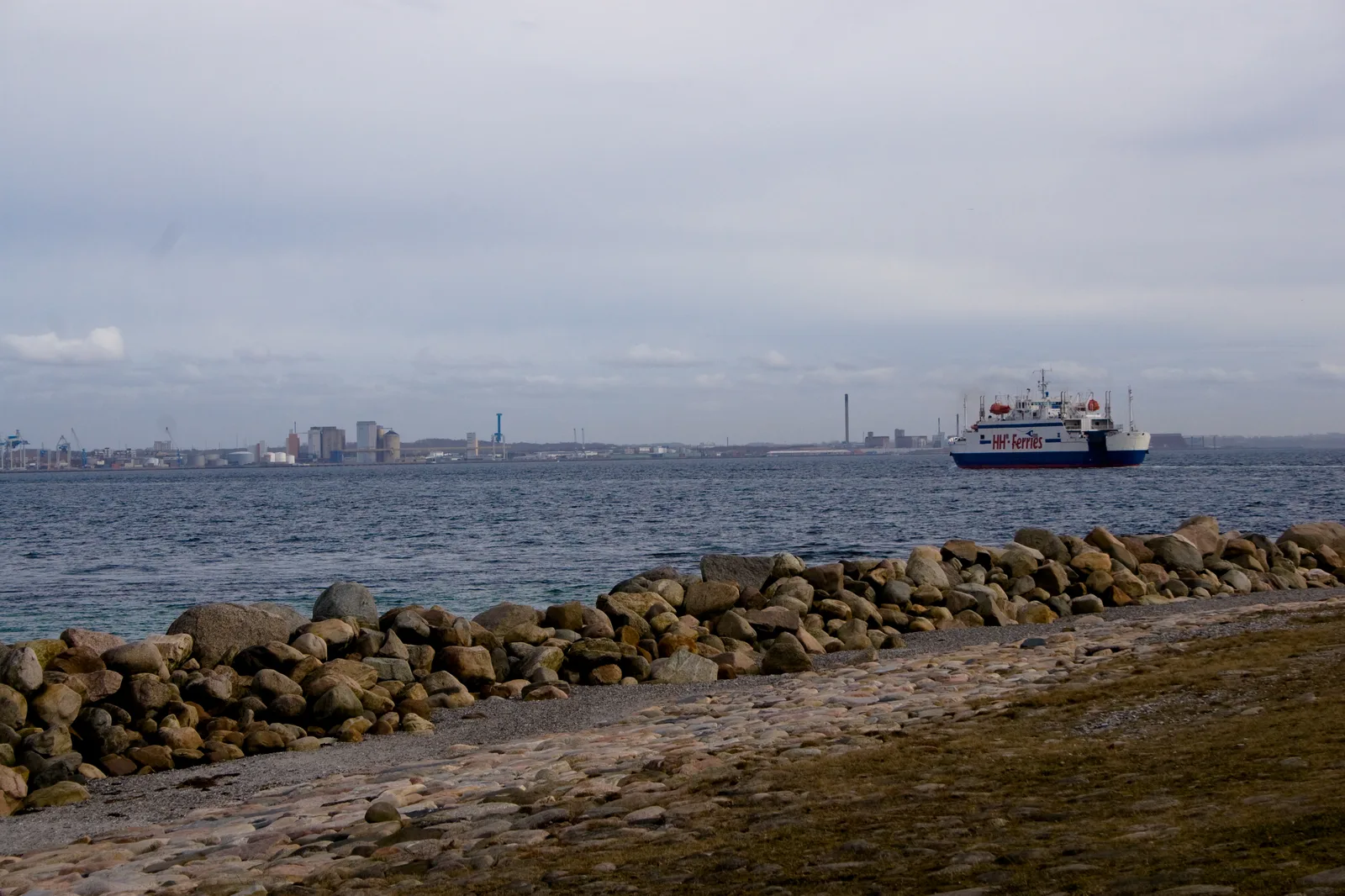
The coastline south of Aarhus city center is the main reason the city punches above its weight for outdoor visitors. Rent a bike (Donkey Republic app, or from your hotel, or from one of several hire shops in the center) and cycle the seafront path south. The ride to Marselisborg Dyrehave deer park takes about 20–25 minutes from the city center on flat, well-maintained coastal paths.
Marselisborg Dyrehave is a free-entry deer park where the animals roam openly and approach visitors without fencing between you and them. The one important rule: do not feed the deer, and keep a respectful distance during the autumn rutting season when the males are more aggressive. Beyond the deer, the park is pleasant to walk through regardless — mixed forest, open meadows, and paths along the sea.
Continuing south from the deer park brings you to Ballehage Beach and the site of Den Uendelige Bro (The Infinite Bridge) — a circular wooden pier extending into the bay where you walk in a continuous loop with a 360-degree sea view. The bridge is installed from approximately April to October each year and removed for winter to protect the timber. Entry is free. The combined cycle, deer park visit, and bridge walk makes a complete half-day out and is the activity that most visitors say was the unexpected highlight of their trip.
Discover the futuristic Aarhus Ø district
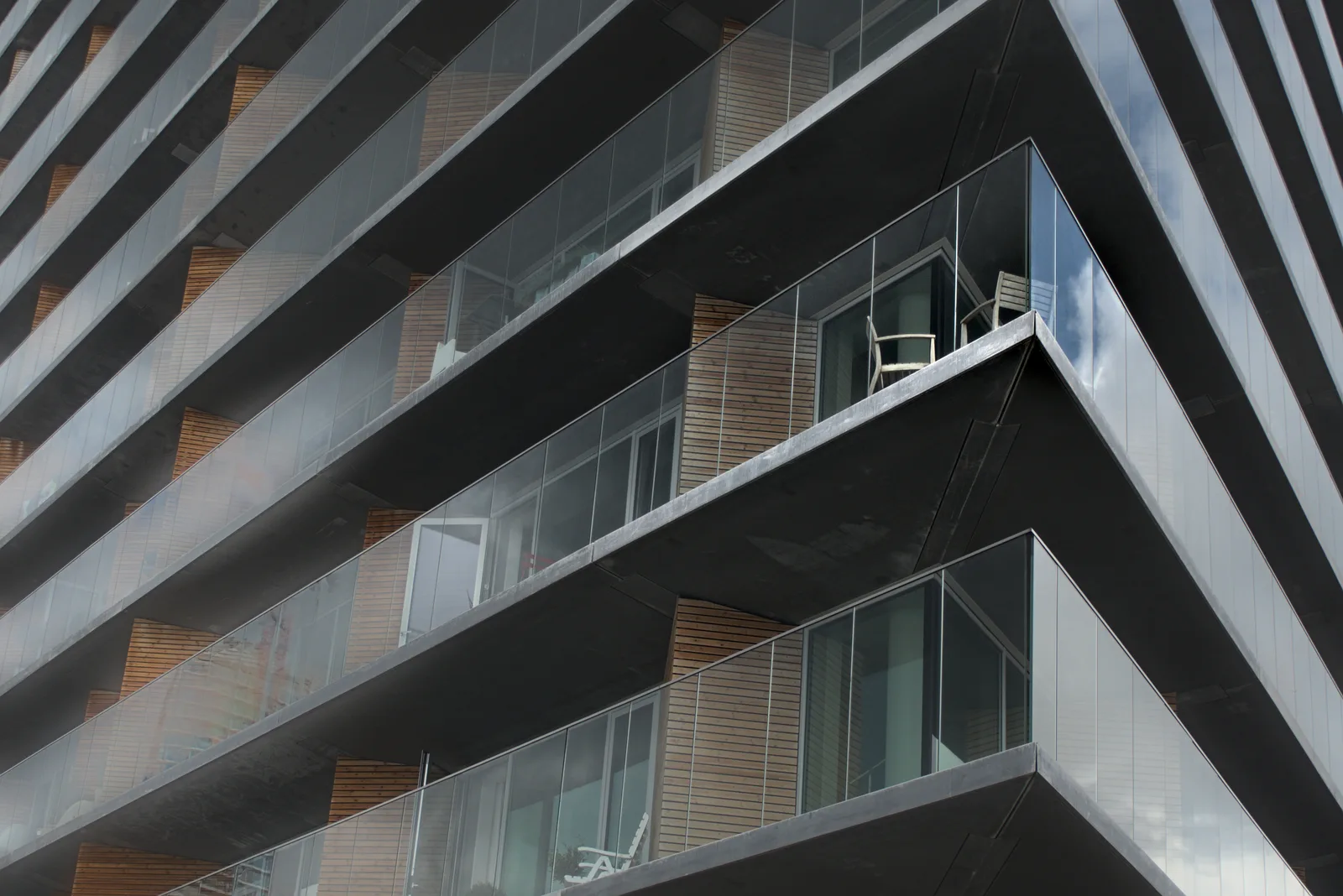
Aarhus Ø (pronounced "uh" — it means Aarhus Island) is the redeveloped harbor district on the northeastern edge of the city center. The area transformed from industrial docklands into a showcase of contemporary Danish architecture over the past decade, and it is genuinely worth an afternoon even if you are not particularly interested in buildings.
The standout structure is Isbjerget (The Iceberg) — a residential complex designed to resemble a calving glacier, with angled white facades facing the harbor. The Lighthouse building nearby at 142 metres is the tallest completed building in Denmark, designed by 3XN architects and recognized as the world's best tall building in 2023. At its summit is Aarhus Øje (Aarhus Eye), a viewpoint and small underground museum. Tickets cost around 20 EUR; check current hours at Aarhus Øje's website before visiting. The viewpoint has significant glass sections and is exposed to wind — if you have any fear of heights, take a moment to compose yourself before stepping onto the outer observation areas.
Also in Aarhus Ø: Havnebadet (Harbor Bath) with a 50-metre outdoor pool and diving platforms (free entry, open May to September), Dokk1 library which is one of the most architecturally striking public buildings in Scandinavia, and a waterfront walkway with several casual eating spots. You can reach Aarhus Ø on foot or bike from the city center in about 15 minutes, or take the light rail one stop.
When to visit and seasonal trade-offs
Summer (June to August) gives you the longest days, open beach bars, the Infinite Bridge, and the full coastal cycling experience. It is also the busiest and most expensive period. June specifically coincides with Northside Festival, which turns accommodation pricing unpredictable — prices double or triple for festival weekends even if you are not attending. If you are visiting in June 2026, either book eight or more weeks ahead or plan around the festival dates deliberately.
Winter (November to February) is a different experience: cold, often grey, and occasionally snowy. But Den Gamle By becomes an extraordinary Christmas market from mid-November through December, the Salling Rooftop transforms with lights, and the city's cafés and bars offer exactly the kind of candle-lit interior warmth that Danes call hygge. Accommodation is cheaper by 30–40% compared to peak summer. The Infinite Bridge is down and the harbor baths are closed, but almost everything else runs year-round.
Spring (April to May) and early autumn (September to October) are arguably the best compromise: mild weather, reasonable prices, smaller crowds, and the Infinite Bridge is typically in operation from April onward. These are the windows I recommend for first-timers who want to see the city without the summer surcharges or winter grey.
Add an extra day: best day-trip add-ons
If you have a fourth day, the Mols Bjerge National Park is the most rewarding natural excursion from Aarhus. Rolling hills, coastal panoramas, and marked hiking trails in a landscape that looks nothing like the rest of flat Denmark. Bus 123 from Aarhus Rutebilstation serves both Mols Bjerge and the nearby town of Ebeltoft, which has one of the best-preserved medieval town centers in Jutland and the historic frigate Jylland on permanent display. The bus journey takes about an hour.
Families or anyone open to it: Legoland Billund is 90 minutes south by bus or car and is genuinely impressive even for adults with no particular attachment to Lego. It is a full-day commitment. The Moesgaard Museum, half an hour south of Aarhus city center by bus 18, deserves a mention for anyone interested in Viking Age and Bronze Age archaeology — the building itself, which slopes up from the ground with a walkable grass roof, is as much an attraction as the collections inside.
Frequently Asked Questions
Is 3 days in Aarhus enough to see everything?
Yes, three days allow you to see the major museums and coastal sites. You can explore the city center and the modern harbor at a relaxed pace. This duration is perfect for most first-time visitors.
What is the best way to get around Aarhus?
Aarhus is very walkable and bike-friendly for all travelers. You can also use the efficient light rail system to reach further districts like Aarhus Ø. Most central attractions are within a 15-minute walk.
Is Aarhus expensive for a short city trip?
Aarhus follows typical Danish pricing, which can be high for some visitors. Expect to pay $15-$25 for a casual meal and $30 for museum entry. You can save money by eating at Aarhus Street Food.
Aarhus rewards visitors who take the time to wander without a fixed agenda. Three days reveals the real city — the quiet morning streets of the Latin Quarter, the scale of Den Gamle By, the unexpectedly good coffee, and the coastline that most people do not cycle until their second visit. Plan those three days carefully around the brief notes above and you will leave with a clearer sense of Denmark than most tourists get from a week in Copenhagen.
If you are still deciding on your whether one day is enough in Aarhus for your pace, or need the condensed version, our 2-day Aarhus itinerary covers the non-negotiables. Safe travels on the Jutland peninsula.
Explore More Aarhus Guides
Deep-dive guides for planning an Aarhus trip — what to do, where to eat, getting there, and seasonal highlights.
You might also like

Continue reading
More guides you'll find useful