13 Best Things to Do & Where to Stay in Aarhus (2026)
Discover where to stay in Aarhus with our 2026 guide. Explore the 13 best things to do, top neighborhoods, and expert booking tips for your Danish city trip.
On this page
13 Best Things to Do and Where to Stay in Aarhus
My first trip to Aarhus was a rainy weekend in October, but the city's 'hygge' culture immediately won me over. As Denmark's second-largest city, it offers a perfect blend of Viking history, modern architecture, and a world-class culinary scene. Deciding where to stay in Aarhus can be tricky because each neighborhood offers a vastly different vibe and price point. This guide was refreshed for 2026 to ensure all pricing and hotel details are accurate for your upcoming visit.
While many guides suggest the Bruuns Galleri for shopping, it is essentially a standard indoor mall you can find anywhere. Spend your time wandering the cobblestone streets of the Latin Quarter instead. You will find more unique boutiques and local designers in the historic center than in any commercial shopping center. This article breaks down the best districts, highlights the top 13 attractions you cannot miss, and shows you exactly where to book your stay.
Key Takeaways
- Best overall area: Aarhus C (City Center) for easy access to all major sights.
- Best for families: Frederiksbjerg, thanks to its parks and quieter residential atmosphere.
- Best rainy-day activity: The ARoS Art Museum or the greenhouses at the Botanical Garden.
- Best free experience: Walking the Infinite Bridge or exploring the Dokk1 library.
Where to Stay in Aarhus
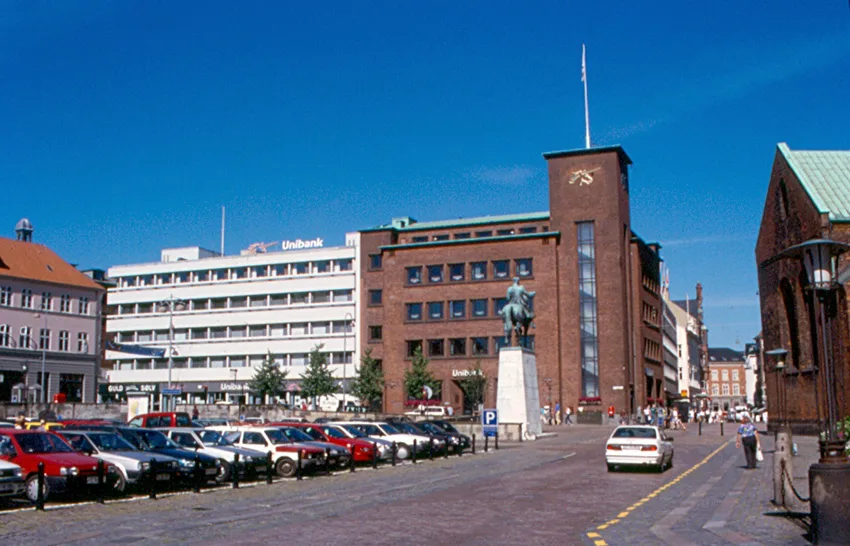
Choosing the right neighborhood is the most important part of planning your trip to this vibrant Danish city. Most first-time visitors should look for accommodation in Aarhus C, which serves as the bustling heart of the city. You can explore the best areas to stay in Aarhus to find a district that fits your personal travel style. Staying central allows you to reach most major museums and the central train station within a ten-minute walk.
If you prefer a more local atmosphere, the Frederiksbjerg neighborhood is known for its incredible food markets and cozy cafes. This area feels much more residential and quiet compared to the busy shopping streets near the harbor. Travelers seeking modern luxury should look toward Aarhus Ø, the city's newest waterfront district featuring experimental architecture. Keep in mind that Aarhus Ø is a bit further from the historic sites, so you may need to use local buses.
The Latin Quarter is the oldest part of the city and offers the most romantic atmosphere for couples. Expect narrow streets, colorful houses, and some of the best coffee shops in the entire country. Finding a hotel here can be expensive, but the proximity to the cathedral and the harbor makes it worth the price. Book at least three months in advance if you plan to visit during the popular summer festival season.
Best Neighborhoods to Stay in Aarhus
Each district in Aarhus has a distinct personality and price point. Understanding the differences before you book can save you both money and frustration. Most hotels cluster in the city center, but the outer neighborhoods offer better value for those willing to take a short bus ride.
| Neighborhood | Best For | Price Range (DKK/night) | Key Features |
|---|---|---|---|
| City Center (Indre By) | First-time visitors | 500–1,500+ | Walking distance to ARoS, cathedral, Latin Quarter; highest foot traffic in summer |
| Latin Quarter (Latinerkvarteret) | Couples, culture lovers | 500–1,500 | Medieval cobblestone streets, galleries, boutique cafes; limited availability |
| Aarhus Ø | Modern luxury, harbor views | 800–1,400 | Lighthouse building, rooftop terraces, converted warehouses |
| Frederiksbjerg | Families, long stays | 400–900 | Quiet streets, food market, tram to center in under 10 minutes |
| Trøjborg | Budget travelers | 350–600 | Student neighborhood, local bars, 20-minute walk to sights |
A note on Aarhus C versus Trøjborg: many first-timers automatically pay a premium for a city center address, but Trøjborg is actually faster to explore on foot than most visitors expect. If your priority is saving money while still having easy access to everything, Trøjborg is the most underrated pick in the city.
Top Hotels in Aarhus: Our Curated Picks
Aarhus has seen a surge in boutique hotel openings lately, providing more choices than ever for discerning travelers. If you are looking for classic luxury, Hotel Royal offers historic charm right across from the cathedral at around 1,400–1,800 DKK/night. You can browse a full list of Aarhus city center hotels to compare prices and amenities. Most high-end hotels in Denmark include a massive organic breakfast buffet as part of the standard room rate.
For mid-range travelers, Scandic Aarhus City sits on the main pedestrian street and scores highly for sustainability practices and authentic Danish breakfast. Hotel Atlantic, next to the central station, is a reliable choice for business travelers arriving by train. Comwell Aarhus delivers solid four-star comfort at 800–1,100 DKK/night and is particularly convenient for visiting the ARoS museum on foot.
For those on a tighter budget, Cabinn Aarhus provides clean, compact rooms in a prime central location for around 500–700 DKK/night. Danhostel Aarhus City mixes private rooms and dormitories from as low as 200–350 DKK/night and includes bicycle rental. I have found that staying slightly outside the inner ring road can save you up to 30% on nightly rates. Always check if your hotel offers bike rentals, as Aarhus is incredibly easy to navigate on two wheels.
For apartment-style stays, Daniel and Jacob's Urban Studios in the Vesterbro area offers spacious studios with full kitchenettes in a converted industrial building, from around 500–750 DKK/night. These are excellent for families who want to save money by cooking some of their own meals using produce from the Frederiksbjerg market. Be aware that many older buildings in the Latin Quarter do not have elevators, so ask before booking if you have heavy luggage.
Essential Booking Tips for Aarhus
Book your accommodation two to three months in advance for summer visits. The peak window runs from late June through August, when the city fills with Danish domestic tourists and European city-trippers. Most central hotels sell out their best rooms in April and May for July arrivals.
The Aarhus Festival takes place every year in late August and early September, typically over ten days. This is the largest annual cultural event in Denmark outside Copenhagen, attracting over 200,000 visitors. Hotel rates in the city center spike by 40–60% during festival week, and rooms within walking distance of the main stages disappear months ahead. If you plan around the festival, either book six months out or choose accommodation in Trøjborg or Frederiksbjerg where prices remain more stable.
Christmas market season (mid-November through December) is the second busiest period. The markets at Den Gamle By and the Salling rooftop are genuinely special and worth planning around, but accommodation fills up quickly. Book Sunday through Thursday nights for noticeably lower rates than weekend stays. Hotels that include breakfast offer the best overall value in Denmark because a sit-down breakfast in any Aarhus cafe will cost 100–150 DKK per person.
Getting from the airport is straightforward. Aarhus Airport (AAR) sits 40 km northeast of the city. The 925X express bus connects the airport to the city center in about 45 minutes and costs around 100 DKK. A taxi runs 400–500 DKK. If you arrive at Aarhus H central station by train from Copenhagen (three hours, from around 200–350 DKK), you step directly into the city center with every major sight inside a fifteen-minute walk.
Is Aarhus an Expensive City Trip?
Denmark is known for being one of the more expensive countries in Europe, and Aarhus is no exception. A mid-range traveler should expect to spend between 1,000 and 1,500 DKK per day including accommodation, food, and sightseeing. Aarhus is generally 10–20% cheaper than Copenhagen for equivalent hotels and restaurants, which makes it a better value destination for a Scandinavian city break.
Tipping is not mandatory in Denmark as service charges are already included in the prices on the menu. It is common to round up the bill or leave a small extra amount if the service was exceptional. Public transport is efficient but can add up, so walking or renting a bicycle saves both money and time. Many of the city's best parks and coastal views cost nothing, which helps balance out the high cost of museums.
Museums are the biggest variable. ARoS costs around 180 DKK, Den Gamle By runs 200–230 DKK, and the Moesgaard Museum charges approximately 185 DKK. If you plan on visiting three or more attractions, the AarhusCARD covers unlimited public transport and entry to most sites — compare the math before you arrive. To save money on daily expenses, bring a reusable bottle because Aarhus tap water is among the cleanest in the world and buying bottled water is an unnecessary expense.
How Many Days Do You Need for Aarhus?
At a Glance
- Best duration: 2–3 full days for main highlights
- Ideal days: 4–5 nights if exploring Jutland day trips
- Daily budget: 1,000–1,500 DKK (mid-range)
- Best time: June–August or May–September to avoid crowds
- Getting there: 3 hours by train from Copenhagen; direct flights via Aarhus Airport
Most travelers find that two to three full days is enough to see the main highlights of Aarhus. A weekend stay allows you to visit the major museums and enjoy a few great meals in the Latin Quarter. The city is compact, so you will not waste much time traveling between different attractions during your stay.
For those interested in Viking history, an extra half-day is needed to properly explore the Moesgaard Museum south of town. The museum is so large and interactive that many visitors end up staying much longer than they originally planned. If you are using Aarhus as a base to explore Jutland, staying for at least four to five nights gives you enough time for day trips to Mols Bjerge National Park, the colorful town of Ebeltoft, or Legoland in Billund.
Aarhus is also a great destination for a 24-hour stopover if you are traveling between Copenhagen and Germany. In one day, you can see the ARoS rainbow walkway and grab lunch at the Street Food market. However, you will likely leave feeling like you missed out on the city's more relaxed atmosphere. Try to arrive on a Friday to experience the Friday Bar culture where the whole city comes alive after 16:00.
13 Best Things to Do and See in Aarhus
Aarhus is often called the 'City of Smiles,' and its diverse range of attractions certainly lives up to that name. From rainbow-colored walkways to underground Viking museums, there is enough here to keep any traveler busy for days. Before you head out, you might want to book this walking tour in Aarhus to get your bearings. Most of these sights are located within the walkable city center, making it easy to see several in a single afternoon.
The following list covers the absolute must-see landmarks that define the character of Aarhus in 2026.
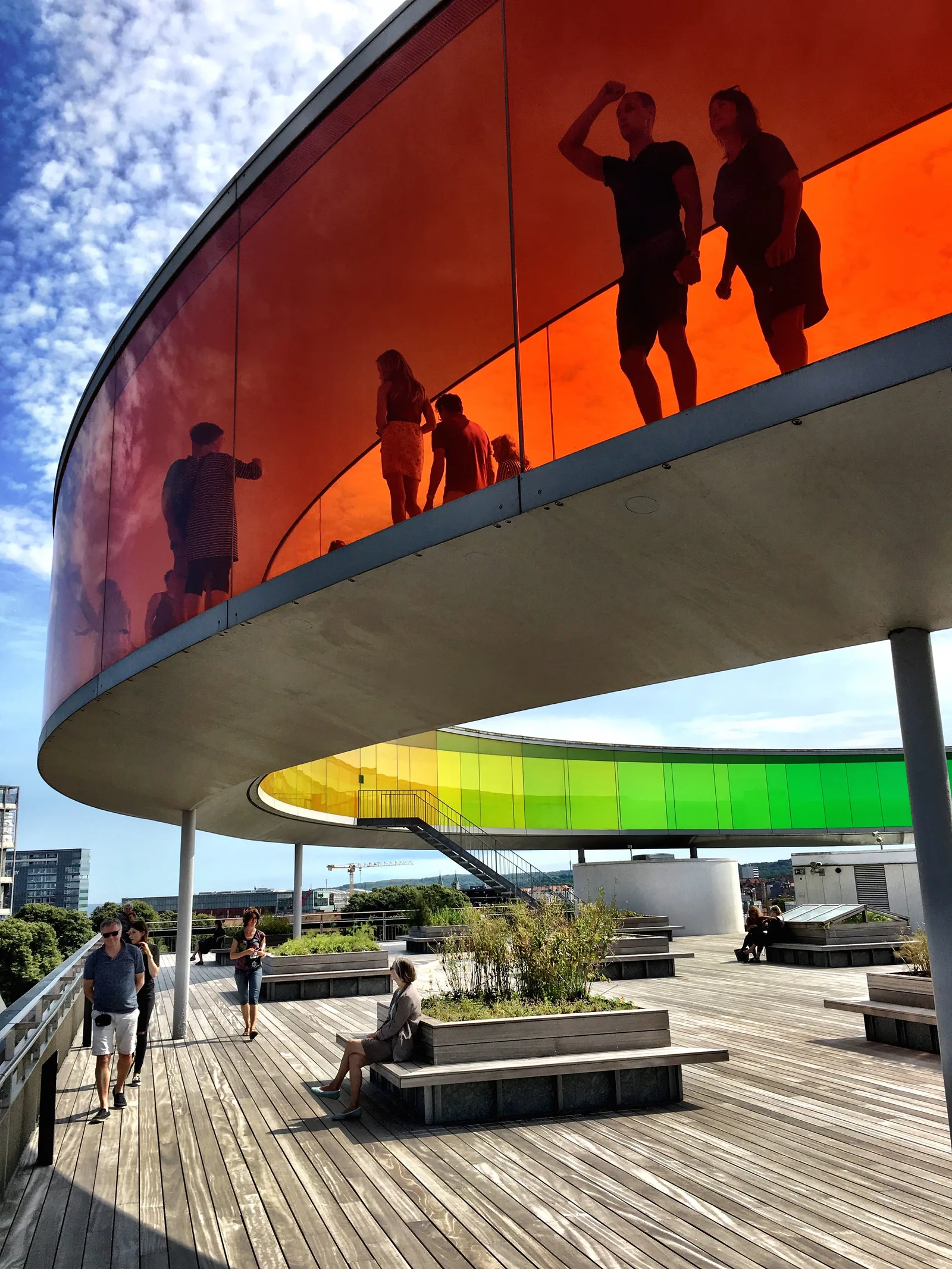
- ARoS Aarhus Art Museum — Famous for its iconic rainbow panorama walkway on the roof. Adult tickets cost around 180 DKK. Open Tuesday through Sunday from 10:00 to 21:00. Visit the lower 9 Spaces gallery first for the immersive light installations before heading to the roof.
- Den Gamle By (The Old Town) — An open-air museum with over 75 historic buildings recreating 400 years of Danish life, from a 17th-century market town all the way to a 1970s district. Tickets run 200–230 DKK depending on the month. Allow at least four hours, or a full day if you want to see everything.
- Moesgaard Museum — Located 30 minutes south of the center by bus 18. This archaeological museum traces human history from the Stone Age through the Viking Age. Adult entry is approximately 185 DKK. The grass-covered roof is a public park with sea views and is free to access.
- Aarhus Cathedral (Skt. Knuds Domkirke) — The tallest and longest church in Denmark, featuring 15th-century frescoes and a magnificent medieval altarpiece. Entry is free. Closed to the public during services on weekends.
- The Infinite Bridge (Den Uendelige Bro) — A circular wooden pier stretching into the sea, offering 360-degree views of the bay and forest. Free to visit but only installed from April through October. Go early in the morning to avoid local swimmers.
- Aarhus Botanical Garden and Greenhouses — The tropical greenhouses span four climate zones and are free to enter. The butterfly house inside the tropical dome is a favorite for families and a reliable escape on rainy days.
- Marselisborg Deer Park — Free-roaming sika and fallow deer in a forest park. Entry is free and the park is open from sunrise to sunset year-round. Bring sliced carrots or apples to attract the deer close enough for photos.
- Salling Skywalk — A rooftop terrace and glass platform above the Salling department store on Søndergade. Free to access. The terrace garden serves cocktails and offers one of the best sunset views in the city center. Open until 20:00.
- Aarhus Street Food — Housed in a converted bus garage with over 30 stalls serving global cuisine. Dishes cost 80–150 DKK. Open daily from 11:30 to 21:00 except Christmas and New Year's Eve. You can find the current opening hours here.
- Dokk1 Public Library — The largest public library in Scandinavia, free to enter. Features a children's playground, cafe spaces, and the famous automated underground parking system worth watching for a few minutes.
- Aarhus Ø and Aarhus Øje — The waterfront district anchored by the Lighthouse (142 meters, the tallest building in Denmark). The Aarhus Øje observation deck at the top costs about 160 DKK. More info and tickets on the Website Aarhus Øje. Walk the harbor bath waterfront for free.
- Møllestien Street — A 240-meter cobblestone alley lined with small colorful houses, hollyhocks, and climbing roses. One of the most photogenic spots in any Scandinavian city and completely free. Most visitors walk past it in ten minutes but it is worth a slow stroll. Located a short walk from the Latin Quarter.
- Tivoli Friheden — A charming amusement park within walking distance of the center. Entry is around 185 DKK plus ride tokens. Open primarily in summer, Halloween, and Christmas. Friday night open-air concerts are included in the entry price during summer.
The Surroundings of Aarhus
If you have three or more days in Aarhus, the surrounding area of Jutland rewards a day trip or two. Mols Bjerge National Park lies about an hour east of the city and offers dramatic rolling hills, coastal walks, and the charming harbor town of Ebeltoft with its well-preserved cobbled center and colored half-timbered houses. Bus 123 from the Rutebilstation in Aarhus reaches both destinations easily.
Legoland Billund is roughly an hour southwest by car or regional bus and is the obvious pick for families traveling with children. The drive through central Jutland is flat and easy. For history lovers, the UNESCO-listed Viking Ring Fortress at Fyrkat near Hobro can be combined with a visit to the nearby Hobro Museum in a single half-day trip from Aarhus by train.
Randers, 40 minutes north by train, has a surprisingly good tropical zoo and a well-preserved medieval center that almost nobody visits. It makes an easy afternoon excursion and is significantly less crowded than the Aarhus city attractions on summer weekends. If you want to explore further, check your routes and buy tickets using the DSB app for all intercity trains departing from Aarhus H station.
Check the best day trips from Aarhus for more detailed transport options and timings to each destination.
Frequently Asked Questions
Copenhagen or Aarhus?
Copenhagen is larger and more international, but Aarhus offers a more manageable and cozy experience. Aarhus is often cheaper and closer to nature, making it ideal for those who prefer a slower travel pace. Choose Aarhus if you want a mix of cutting-edge culture and historic charm without the massive crowds.
What is the best time to travel to Aarhus?
The best time to visit is from June to August when the weather is mild and the days are very long. May and September are also excellent for avoiding peak summer crowds while still enjoying pleasant temperatures. Winter is cold but magical, especially during the Christmas markets in Den Gamle By.
How to get to Aarhus?
You can fly directly into Aarhus Airport (AAR) or take a three-hour train from Copenhagen Central Station. There are also frequent bus connections from major European cities like Hamburg and Berlin. The train journey from Copenhagen is scenic and offers free Wi-Fi for all passengers.
Aarhus is a city that rewards those who take the time to explore its quiet corners and historic side streets. Whether you choose to stay in the modern harbor district or the ancient Latin Quarter, you are never far from something interesting. The combination of world-class museums and a friendly, local vibe makes it one of the best city break destinations in 2026. Pack a good pair of walking shoes and get ready to discover why this is truly Denmark's most charming urban escape.
Explore More Aarhus Guides
Deep-dive guides for planning an Aarhus trip — what to do, where to eat, getting there, and seasonal highlights.
You might also like

Continue reading
More guides you'll find useful