15 Best Things To Do In Odense: A Fairytale Travel Guide (2026)
Discover the best things to do in Odense, from H.C. Andersen's house to Egeskov Castle. Plan your trip with local tips on food, culture, and hidden gems.
On this page
15 Best Things To Do In Odense
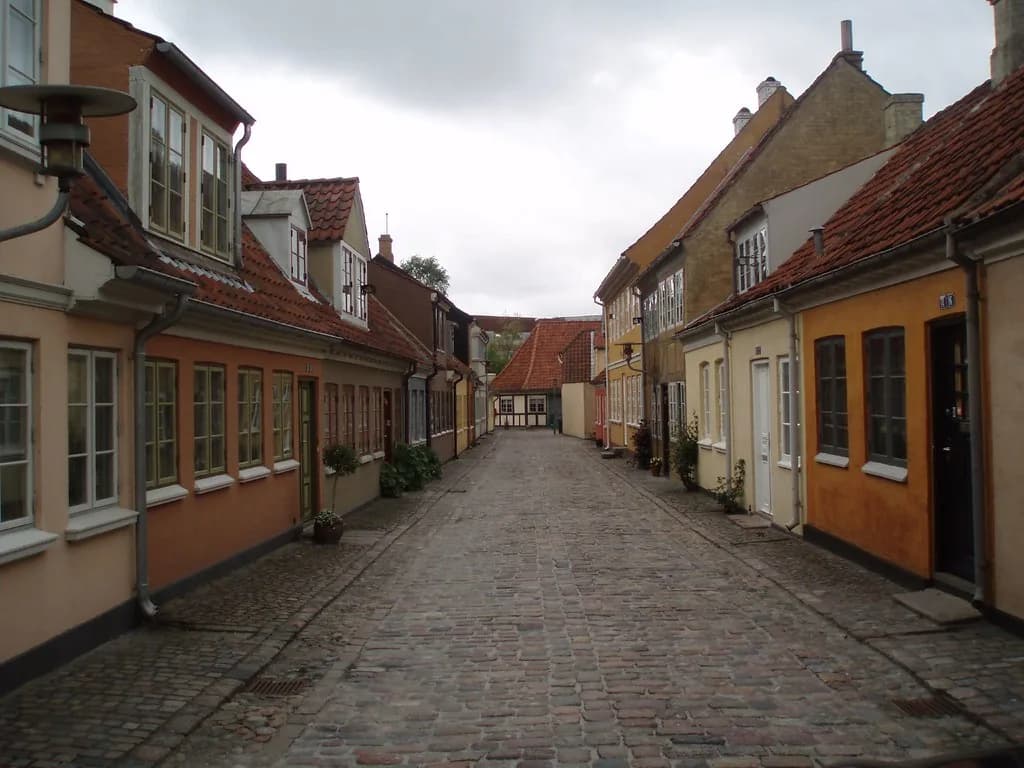
After visiting Odense three times over the last five years, I still find myself charmed by its cobblestone streets and quiet riverbanks. The city feels like a living storybook, blending the legacy of Hans Christian Andersen with a vibrant, modern Danish energy. This guide is updated for 2026 following my latest spring return to the capital of Funen. Whether you are here for the world-class museums or the industrial-cool food scene, Odense offers a surprisingly diverse itinerary.
Most travelers treat the city as a quick stop between Copenhagen and Aarhus, but that is a common mistake. Spending a few nights here allows you to see the historic center without the midday rush of tour groups. The local pace is slower and more relaxed than the bustling streets of the Danish capital. Use this guide to plan a visit that goes well beyond the obvious fairytale trail.
At a glance
- Duration: 2–3 days recommended (1 day minimum)
- Best time to visit: May–September for outdoor festivals and blooming gardens
- Getting there: Direct train from Copenhagen Central Station, 75–90 minutes
- Budget: 2,000–3,500 DKK per day including accommodation and meals
Key Takeaways
- Best Overall: The H.C. Andersen House for its world-class immersive exhibits.
- Best for Families: Odense Zoo and the Danish Railway Museum offer great interactive fun.
- Best Free Activity: The Odense Harbour Bath and the Fairy Tale Garden are excellent budget-friendly stops.
- Insider Tip: Use the free pink city buses to save on transport while moving between central sights.
H.C. Andersen House and Museum
This is the most important stop in Odense, and it consistently ranks among the most impressive museum experiences in all of Scandinavia. The building is an architectural marvel designed by Kengo Kuma: the main galleries sit mostly underground, while the rooftop garden blends seamlessly into the surrounding street level. Inside, immersive soundscapes and narrative light installations tell Andersen's life story in a way that feels closer to theatre than a traditional museum.
Adult admission is 165 DKK. The museum opens daily at 10:00 and closes at 17:00, with extended hours to 20:00 on Thursdays from June through August. Book your time slot at the H.C. Andersen House website in advance, especially during July when queues grow long. Families should note Ville Vau, the children's creative universe inside the complex, which is included in the ticket price and runs parallel to the main exhibits.
H.C. Andersen's Childhood Home
A short walk from the main museum on Munkemøllestræde, this modest two-room house is where Andersen lived from age two until he left Odense at fourteen. The scale is deliberately intimate. You are stepping into cramped rooms where a family of three slept, cooked, and lived — a far cry from the fairy tale grandeur the museum building projects. The original furniture and small personal artifacts make the connection to his stories feel very direct.
Admission is around 100 DKK, though it is often bundled into a combo ticket with the main museum at a saving of roughly 30 DKK. The visit takes about twenty minutes. Classical music fans should note that this site offers context rather than spectacle — it is genuinely moving for those interested in his biography, but casual visitors who are short on time should prioritize the main museum first.
The Fairy Tale Garden (Eventyrhaven)
Located directly behind St. Canute's Cathedral and running along the Odense River, Eventyrhaven is the city's most photogenic free stop. The manicured garden features bronze statues of Andersen's characters — Thumbelina, the Steadfast Tin Soldier — scattered among flowers and willow trees. A large statue of the author himself sits near the riverbank and is the mandatory souvenir photo spot.
The garden is free to enter and open around the clock, though it is best in daylight between May and September when the flower beds are in full bloom. Cross the small wooden bridge to find a quieter seating area overlooking the historic laundry site. This is one of the most peaceful spots in the city center and works well as a connector between the museum district and the cathedral.
St. Canute's Cathedral (Skt. Knuds Domkirke)
This Gothic red-brick cathedral is one of the finest medieval churches in Denmark and is far more interesting than its exterior suggests. Entry is free, and the church is generally open from 10:00 to 16:00. The gilded altarpiece, carved in the late 15th century, is considered one of the best examples of medieval woodcarving in Northern Europe.
The real draw for history enthusiasts is the crypt. Descend the stairs to find glass-covered caskets containing the skeletal remains of King Canute the Holy, who was murdered in Odense in 1086, and his brother. Canute was later canonized and became Denmark's patron saint. No other site in the city puts you this close to Danish royal history from the Viking age. Spend at least thirty minutes here.
Den Fynske Landsby (The Funen Village)
This open-air museum in the southern part of the city recreates a complete 19th-century Funen village using authentic half-timbered farmhouses moved from across the island. What sets it apart from the H.C. Andersen museums is the participatory, living-history format. During summer, volunteers in period dress demonstrate blacksmithing, weaving, baking, and farming using period-accurate tools and techniques.
Entry is approximately 145 DKK for adults. The village sits about 15 minutes from the city center by bus (line 42 from the central station). Visit in the late afternoon when the light hits the thatched rooftops for the best photography. If you are choosing between this and the H.C. Andersen House for a short visit, the Funen Village wins for families and anyone tired of museum interiors — it is genuinely a different kind of attraction.
The Danish Railway Museum
Housed in the original engine shed right next to the central train station, this museum holds over fifty historic locomotives and carriages, including the ornate royal carriages used by the Danish monarchs. It works particularly well as a first or last stop of your visit, since you are already at the station. The collection spans the full history of Danish rail travel from the 1840s to the present day.
Admission is 140 DKK for adults, with the museum open daily from 10:00 to 16:00, opening one hour earlier on weekends and Wednesdays. Children can explore a mini-train and climb aboard several carriages. Check the schedule for days when vintage steam locomotives are fired up for special demonstration rides — these are popular and often require advance booking.
Art Museum Brandts
Housed in a converted textile factory on Brandts Passage, this is Odense's most compelling contemporary art address, and one that most short-stay visitors skip entirely. The complex brings together contemporary painting, photography, and new media under a single industrial-cool roof, with rotating exhibitions that change three to four times per year. Moving through the galleries feels exploratory rather than linear, which makes it a genuinely different experience from the Andersen museums.
Adult admission typically runs 95–120 DKK depending on the current exhibition. The museum is open Tuesday through Sunday from 10:00 to 17:00. The surrounding Brandts quarter also has some of the city's best independent design stores and cafés, making it a natural half-day neighborhood loop for visitors interested in modern Danish culture rather than historical attractions.
Storms Pakhus Street Food Market
This former warehouse near the central station has been converted into Odense's best food hall, with over thirty international stalls, craft beer taps, and a rotating program of live music and workshops. Entry is free, and most meals cost between 80 and 150 DKK. The stalls cover everything from Thai and Indian to Greek and Mexican, which makes it the ideal stop for groups traveling with different tastes.
The market is open daily from 11:00 to 23:00, staying open until midnight on Fridays and Saturdays. The industrial atmosphere — exposed brick, steel beams, communal tables — attracts a predominantly local crowd, particularly on weekday evenings. Try the Funen gin bar near the back entrance for spirits distilled on the island. This is a better lunch choice than the tourist-facing restaurants clustered around the H.C. Andersen House.
Munke Mose Park and the Odense River
This central park is the starting point for the Odense Aafart river boat service, one of the most practical and scenic ways to move around the city. The flat-bottomed boats depart from Munke Mose and travel along the river to the Odense Zoo, a journey of around twenty minutes through the city's green belt. A return trip costs approximately 60 DKK for adults and is a relaxed way to avoid the zoo bus route entirely.
The park itself is free and well suited for a morning run or a picnic under the weeping willows. You can also rent pedal boats here for around 100 DKK per hour. Look for the Aandehullet coffee cart near the water's edge for a quick snack. The park connects directly to the Fairy Tale Garden to the north, so it is easy to combine both in a single riverside walk.
Odense Harbour and Harbour Bath
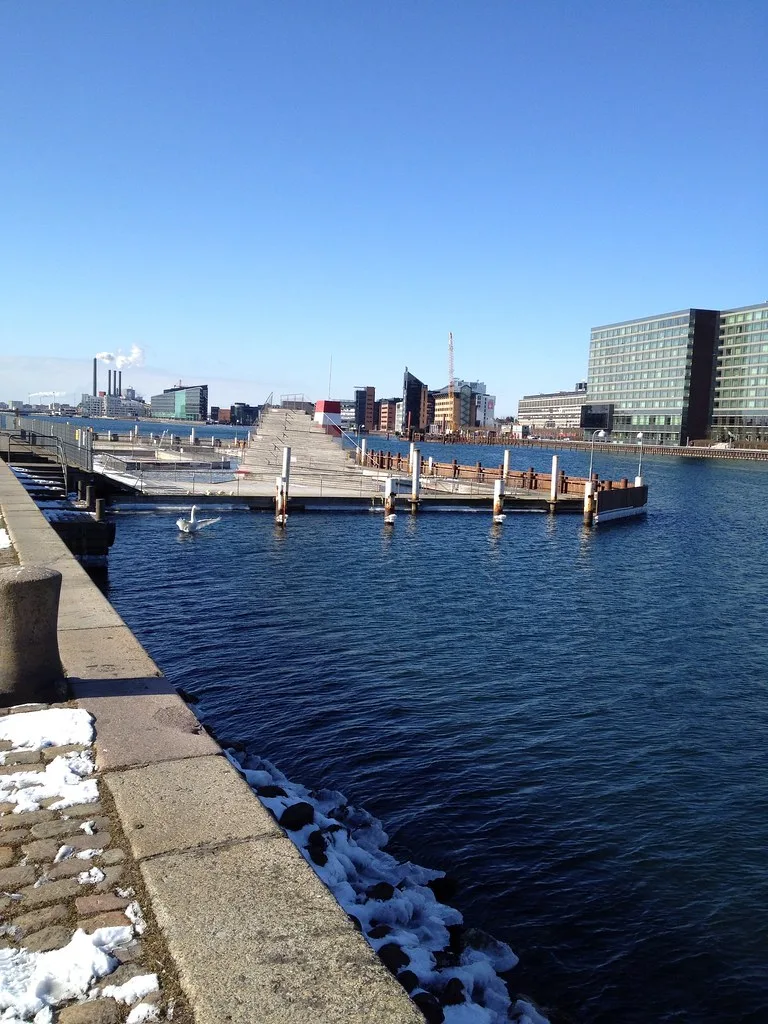
The old industrial harbor has been transformed into a modern recreational waterfront district over the last decade. The area now features cafés, striking contemporary architecture, and a free public outdoor pool — Odense Havnebad — which is open from June through August. From the outside it resembles a ship, with a red and white striped funnel marking the entrance. The water is filtered and clean, and the changing facilities are basic but functional.
Access to the Odense Havn (Harbour Bath) is completely free. Bring your own towel and a padlock for the lockers. The harbor also has a sauna and the Nordatlantisk Hus cultural center with a Nordic restaurant. For anyone visiting in summer, this is the most refreshing free stop in the city — and a genuine sign of how thoroughly Odense has reinvented its industrial waterfront.
Egeskov Castle: The Classic Day Trip from Odense
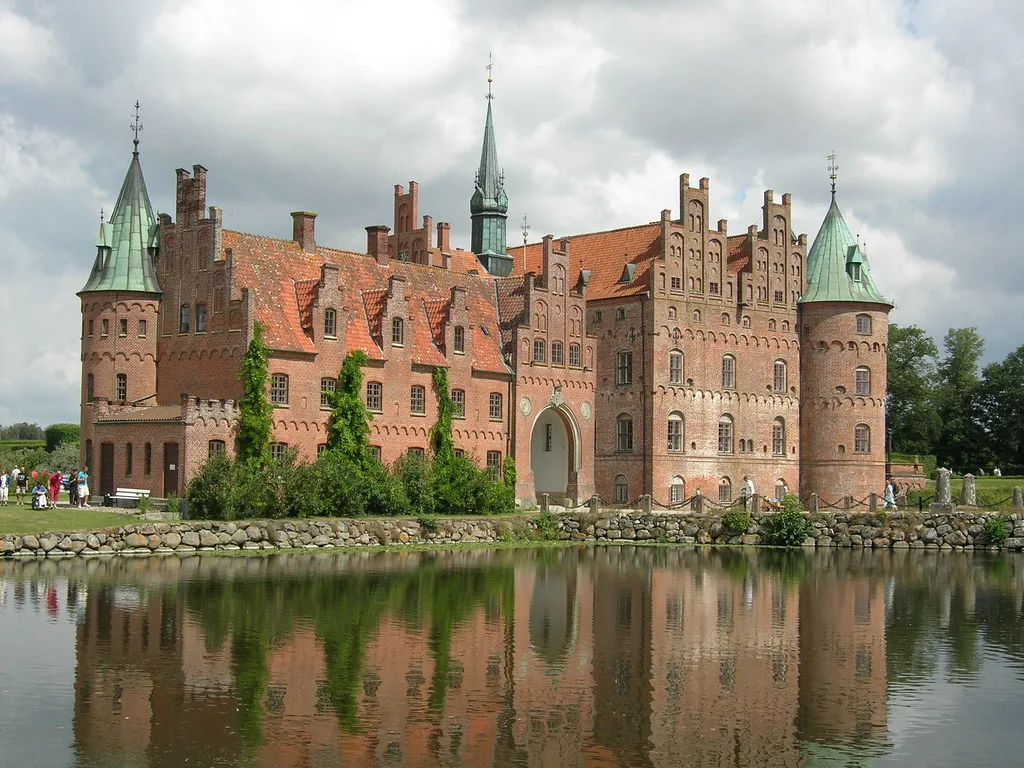
Thirty kilometers south of the city, Egeskov is one of Europe's best-preserved Renaissance water castles and the most rewarding day trip from Odense. The red-brick castle sits on a foundation of wooden piles driven into a lake, creating the moat that makes it so photogenic. What surprises most visitors is the scale of the grounds: the ticket price (265 DKK for adults in 2026, open 10:00–17:00) covers not just the castle interior but a vintage car and motorcycle museum, a 40,000 m² adventure play forest with treetop walks and cable cars, and multiple themed gardens.
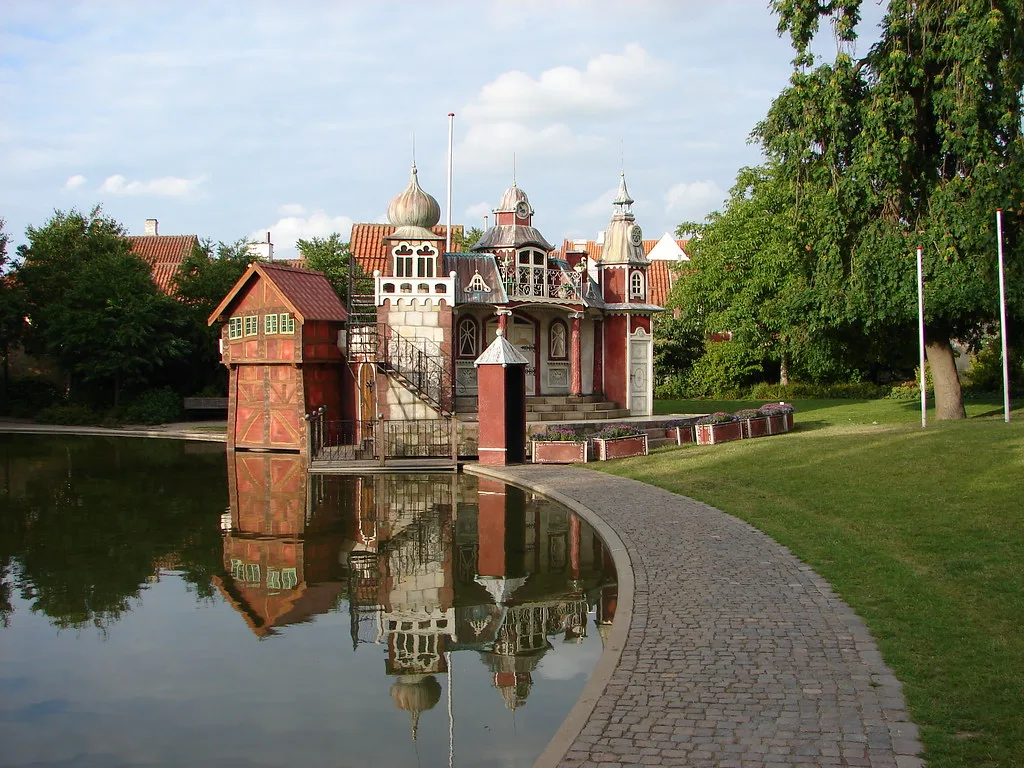
Getting here without a car is straightforward. Take the regional train from Odense to Kvaerndrup station (about 20 minutes, every hour), then walk or rent a bike for the final two kilometers to the castle entrance. Allow at least four hours on site to do it justice. The castle gardens are at their best from May through September; outside that window, several outdoor areas and some museums are closed or have reduced hours. Check the official Egeskov website before booking if you are visiting in October or later.
Viking Museum Ladby
This is the only Viking ship burial in Denmark that remains in its original burial mound, making it genuinely unique among Scandinavian sites. The Ladby ship, dating from around 925 AD, was used to bury a Viking chieftain along with horses, dogs, and grave goods. A purpose-built museum now covers the mound, and you can look directly down into the excavation and see the corroded iron rivets in the earth.
Admission is approximately 100 DKK, and the site is a 20-minute drive east of Odense near Kerteminde Fjord. Opening hours in 2026 are 10:00 to 17:00, closed on Mondays from September to May. If you have a car and are choosing between Egeskov and Ladby, go to Egeskov for variety and go to Ladby for pure historical impact. The walk from the parking area to the mound also passes a reconstructed Viking farmstead and offers good fjord views.
Carl Nielsen's Childhood Home
The composer Carl Nielsen — Denmark's answer to Sibelius — was born in 1865 in the village of Sortelung, now absorbed into the municipality south of Odense. His modest childhood cottage is preserved as a small museum with displays on his early life in rural Funen and the natural sounds that shaped his symphonies. The surrounding garden and farmyard have been kept to reflect how the property looked in the 1870s.
Admission is about 60 DKK, and the site is 15 kilometers from the city center. It is honest to say this is a niche stop: worth a detour for anyone who loves classical music or who wants a contrast with the Andersen tourism circuit, but not essential for first-time visitors on a short schedule. You will need a car or bike to get here. For those who make the trip, combine it with a stop at the nearby Funen Village to make the drive worthwhile.
The Walking Street Quarter and Shopping
Vestergade and Kongensgade form the main pedestrianized shopping spine, running through the heart of the old town. The side street Vintapperstræde adds a more intimate layer with specialty wine shops, antique dealers, and independent cafés. This is the best area for Danish design — look for ceramic studios, knitwear, and home goods that you will not find in Copenhagen airport souvenir shops.
For department store shopping, Magasin Odense carries Danish and international fashion and home goods. Rosengårdcentret, just outside the center, is the city's larger covered mall and is better for everyday items and chain stores. Most shops along the walking street are open from 10:00 to 18:00 Monday through Friday and from 10:00 to 16:00 on Saturdays. The area immediately around the H.C. Andersen House has more tourist-facing souvenir shops — walk two blocks into the residential streets for better quality and lower prices.
The Washing Site at Odense River
Just a short walk from the cathedral and the Fairy Tale Garden, this overlooked riverside spot is where the city's residents washed clothes in the Odense River well into the early 20th century. The wooden platforms and the view of the half-timbered houses reflected in the slow-moving river make it one of the most photogenic corners of the old town. Most visitors walk past it entirely.
The site is free and always accessible. Arrive before 09:00 to photograph it without crowds and to catch the morning light on the water. It works best as a two-minute detour while walking between the Fairy Tale Garden and the cathedral. The combination of the laundry platforms, the low stone bridge, and the timber facades creates the kind of shot that defines what Odense actually looks like to a first-time visitor.
Getting to and Around Odense: Transport Cheat Sheet
Direct trains from Copenhagen Central Station to Odense take 1 hour and 15 minutes and run every 30 minutes throughout the day. Standard one-way tickets cost around 200–260 DKK booked in advance via DSB. Once you arrive, the city center is flat and compact — most attractions between the station and the Fairy Tale Garden are within a 15-minute walk of each other.
For short hops across the center, use the free pink City Buses. These fairytale-themed buses loop through the historic core and stop at the main museum district, the cathedral, and the shopping quarter. They run from 09:30 to 18:00 on weekdays and are the fastest way to move between the H.C. Andersen House and the railway museum. The Letbane light rail extends coverage to the suburbs and the harbor area for a standard fare of around 24 DKK per zone. Bicycles can be rented from most hotels for approximately 100–150 DKK per day, which is the preferred option for reaching the Funen Village and the harbor.
| Transport Method | Cost | Best For | Coverage |
|---|---|---|---|
| Free Pink City Buses | FREE | Central attractions (museums, cathedral, shopping) | Historic core, 09:30–18:00 weekdays |
| Letbane Light Rail | 24 DKK/zone | Suburbs, harbor, zoo | Wider coverage than buses |
| Bicycle Rental | 100–150 DKK/day | Funen Village, Odense Harbor, short distances | Flat terrain, most of the city |
| Walking | FREE | City center attractions | 15-minute radius from central station |
| River Boat (Odense Aafart) | 60 DKK return | Zoo, scenic journey along Odense River | Munke Mose Park to zoo, 20 minutes |
For day trips to Egeskov, Ladby, or Carl Nielsen's home, a rental car offers the most flexibility. Odense has several Q-Park car parks near the city center, including Grønnegade and Toldkammeret. If you are driving from Copenhagen, the trip takes about two hours via the Great Belt Bridge, which charges a toll of approximately 235 DKK for a standard car.
Essential Tips for Planning Your Odense Visit
Two full days gives you enough time to cover the main museum district on day one and Egeskov Castle or the Funen Village on day two. For a one-day visit, stick to the H.C. Andersen House, the cathedral, the Fairy Tale Garden, and Storms Pakhus for lunch. Everything in that circuit is within a 20-minute walk from the central station.
For a perfect one-day itinerary: start at the H.C. Andersen House when it opens at 10:00, walk to the Fairy Tale Garden and the Washing Site by midday, then head to Storms Pakhus for lunch. Spend the afternoon at the Railway Museum or take the Odense Aafart river boat to the zoo. End the day with a walk through the Vintapperstræde quarter and dinner in the residential streets behind the cathedral, where local restaurants offer 'Dagens Ret' lunch specials that carry over to early evening.
Denmark's weather on Funen changes quickly. Pack a waterproof layer regardless of the season. On a rainy day, the H.C. Andersen House, Art Museum Brandts, and the Danish Railway Museum are all entirely indoor and together fill a full wet day without needing to step outside. Check the odense attractions page and the hans christian andersen odense guide for deeper coverage of individual sites. Tipping is not expected in Denmark — service charges are included in restaurant bills.
Frequently Asked Questions
What is the best time of year to visit Odense?
Late spring and summer are the best times to visit Odense for warm weather and outdoor festivals. May and June offer long daylight hours and blooming gardens, while August features the popular H.C. Andersen Festivals.
Is Odense expensive for tourists?
Odense is generally cheaper than Copenhagen but still follows typical Scandinavian price levels. You can save money by using the free city buses and eating at the Storms Pakhus street food market.
Can you visit Odense as a day trip from Copenhagen?
Yes, the train from Copenhagen to Odense takes only 75 to 90 minutes. However, a multi-day stay is recommended to see the museums and Egeskov Castle without rushing your experience.
Odense is a city that rewards those who take the time to look beyond the famous fairytales. From its Viking history to its modern harbor baths, it offers a complete picture of Danish life outside the capital. I hope this guide helps you discover the same magic I found during my visits to this charming island city.
Explore More Odense Guides
Deep-dive guides for planning an Odense trip — what to do, where to eat, getting there, and seasonal highlights.

You might also like


Continue reading
More guides you'll find useful