Is Odense Worth Visiting? 6 Things to Know
Discover if Odense is worth the trip with our guide to H.C. Andersen's home, Egeskov Castle, and local street food. Includes train tips and a 1-day verdict.
On this page
Is Odense Worth Visiting? 6 Things to Know
Yes, Odense is worth visiting. It is Denmark's most walkable mid-sized city, built around a world-class museum and a genuinely charming historic center. If you want a fast-paced nightlife capital, look at Aarhus instead — but for fairytale culture, excellent food, and a relaxed Danish pace, Odense delivers.
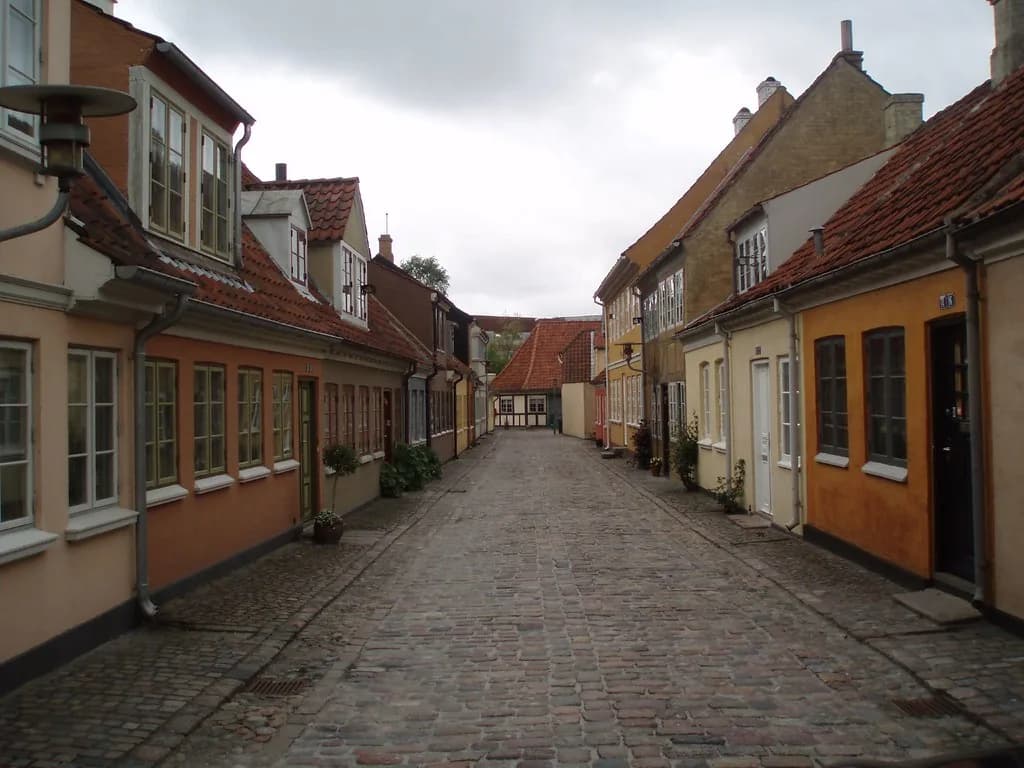
I visited in late June and found the cobblestone streets quiet before 10:00. The city runs on two distinct registers: medieval lanes with half-timbered houses in the center, and a gritty, industrial-turned-cool harbor district ten minutes away. Both are worth your time.
The real question is whether it fits your itinerary. Whether you have one day or a full weekend, the guide below covers everything you need to decide — from the main museum to the train ride from Copenhagen.
At a glance
- Distance from Copenhagen: 75–90 min by train
- Best for: Culture travelers, families, literature lovers
- Duration: 1 day minimum; 2+ days recommended
- Budget: Museum entry from 165 DKK; train from 99 DKK
- Getting there: DSB Orange (99–149 DKK advance) or car via Great Belt Bridge
The Verdict: Is Odense Worth the Trip?
Odense earns a firm recommendation for culture travelers, families with children, and anyone who wants a contrast to Copenhagen's crowds. The city center is compact — you can walk from the train station to the H.C. Andersen House in under 15 minutes. That makes it ideal as a day trip or a two-night base for exploring Funen island.
Deciding how many days in Odense you need comes down to pace. One full day covers the main museum, the old town, and Storms Pakhus. Two days adds Egeskov Castle and the harbor district. Three days lets you slow down, visit the zoo, and take the riverboat through the city.
| Duration | What You See | Best For |
|---|---|---|
| 1 day (day trip) | H.C. Andersen House, old town, Storms Pakhus | Copenhagen visitors with limited time |
| 2 days | All of above + Egeskov Castle or harbor district | Families, culture travelers |
| 3+ days | All major sites + relaxed pace, riverboat, zoo | Slow travelers, extended Funen exploration |
- Best for: Fairytale enthusiasts, families with young children, slow travelers, literature lovers, and anyone doing a Copenhagen-to-Jutland road trip who wants a worthwhile stop on Funen.
- Consider skipping if: You want intense nightlife, a large cosmopolitan restaurant scene, or a city that fills more than two days without day trips.
- Vs. Aarhus: Aarhus is bigger, younger-feeling, and has more museums spread across the city. Odense is more intimate and easier to navigate in a short visit. If you have time for only one, base the decision on whether H.C. Andersen or the ARoS art museum interests you more.
The H.C. Andersen Legacy: More Than Just Fairytales
The H.C. Andersen House is not a traditional biography museum. It opened in 2021 in a striking underground building surrounded by sunken gardens, and it uses immersive soundscapes, projected imagery, and narrated headset experiences to put you inside the author's imagination rather than just cataloguing his life. Admission is approximately 165 DKK for adults; children under 18 enter free. The museum opens daily at 10:00, with seasonal closing times ranging from 17:00 to 18:00.
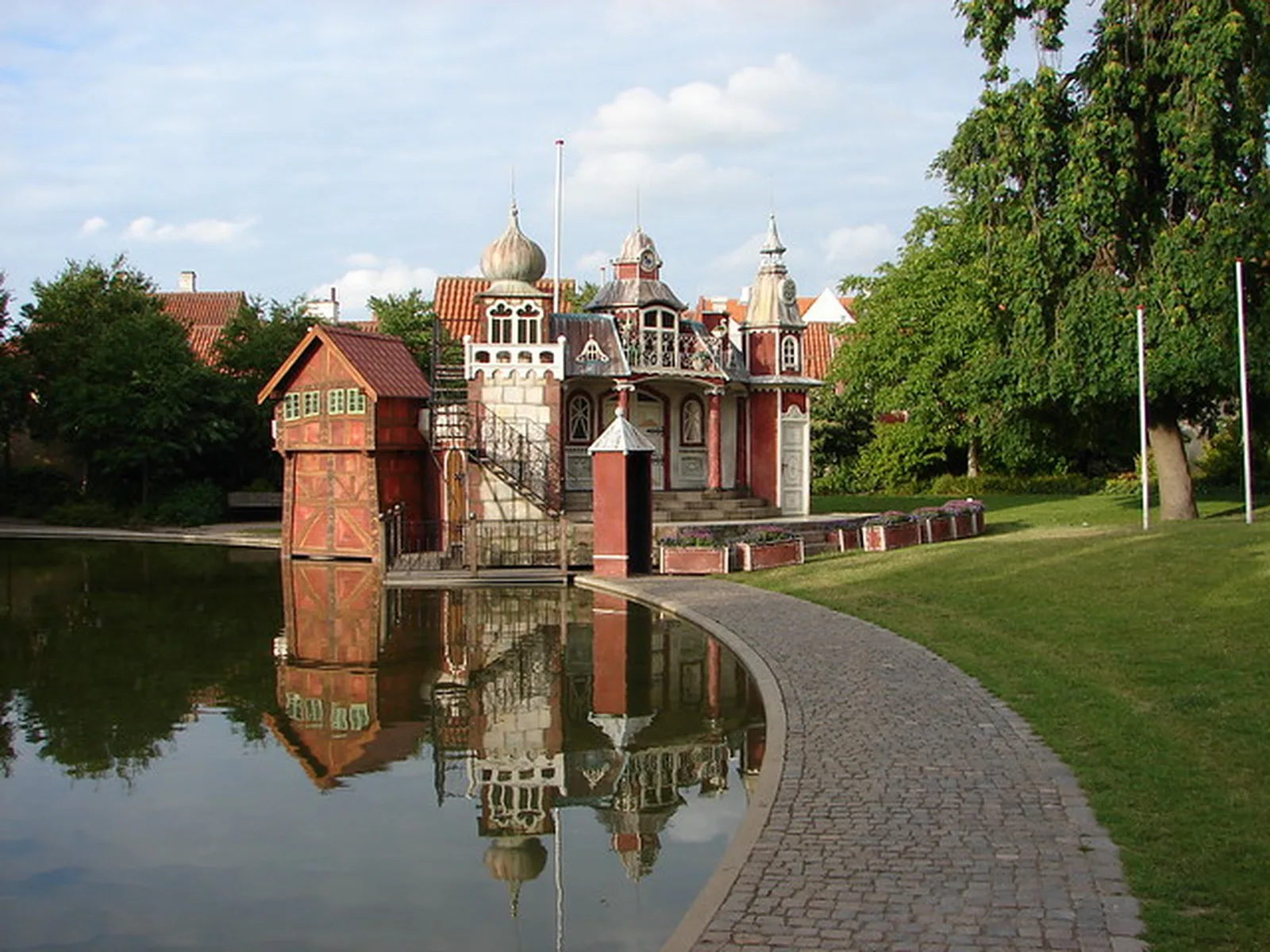
Book your timed entry slot in advance during June through August. The 10:00 or 11:00 slots are noticeably quieter than the 13:00–15:00 window when school groups arrive. The guided headset is essential — collect it at the desk immediately after entry. Budget 90 minutes for the main museum and another 30 minutes for the gardens.
A five-minute walk away is H.C. Andersen's Childhood Home, a genuinely tiny three-room house where he grew up in the early 1800s. It is included in the museum ticket and provides a grounding contrast to the grand scale of the new building. The rooms are preserved to reflect the period, and the small fairy-tale garden behind the house is where the young Andersen reportedly spent hours daydreaming.
Families traveling with young children should note Ville Vau, a hands-on creative play space inside the museum complex inspired by Andersen's stories. It is included with admission and requires no extra planning — it sits naturally along the museum's main route.
Historic Old Town: Cobblestones and Cathedrals
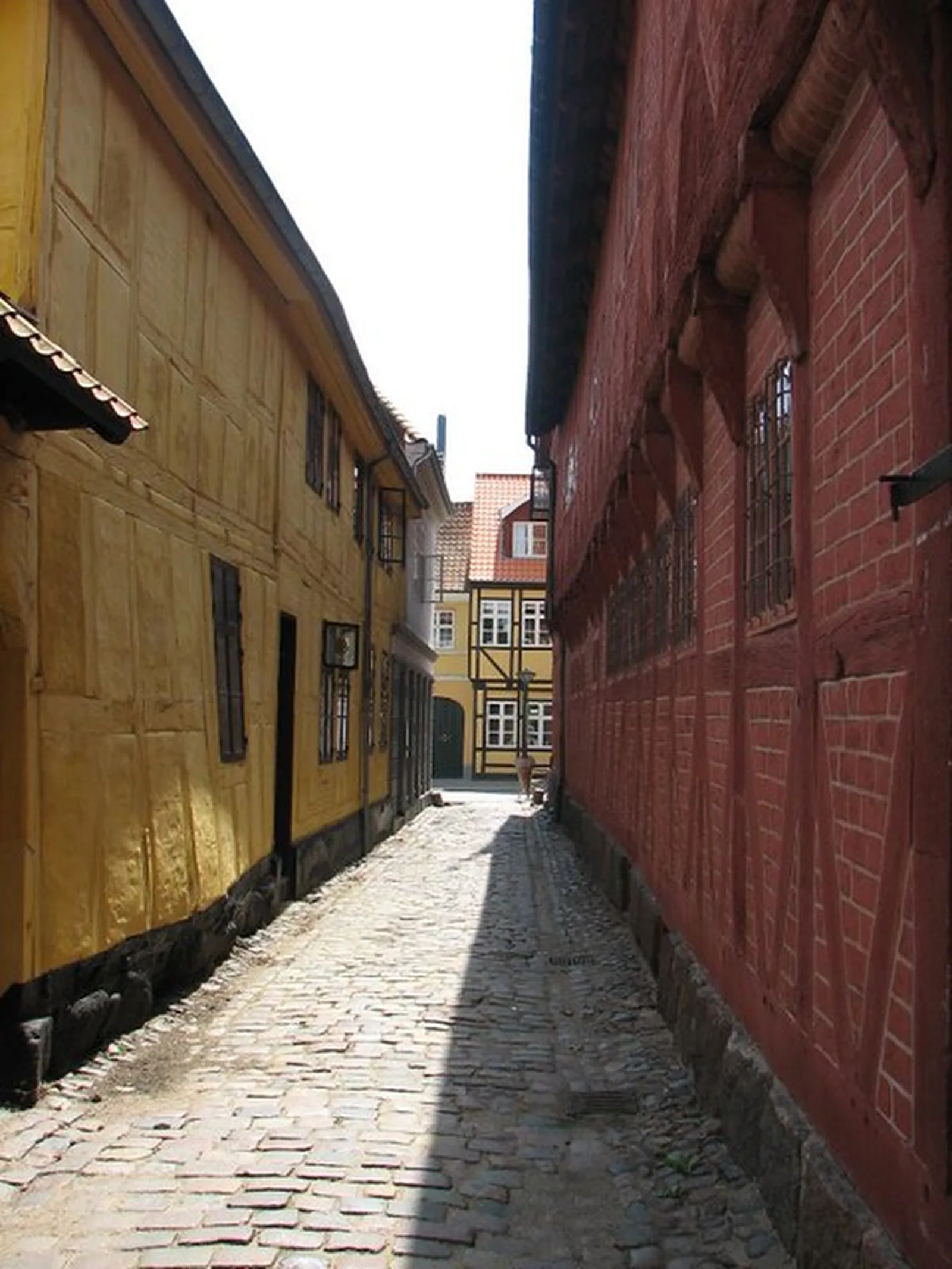
The old town begins the moment you step out of the H.C. Andersen House. Streets like Paaskestræde, Vintapperstræde, and Nedergade are pedestrianized, narrow, and lined with crooked half-timbered facades. Most visitors spend 45 to 60 minutes just wandering here before they consciously plan to — the scale invites it.
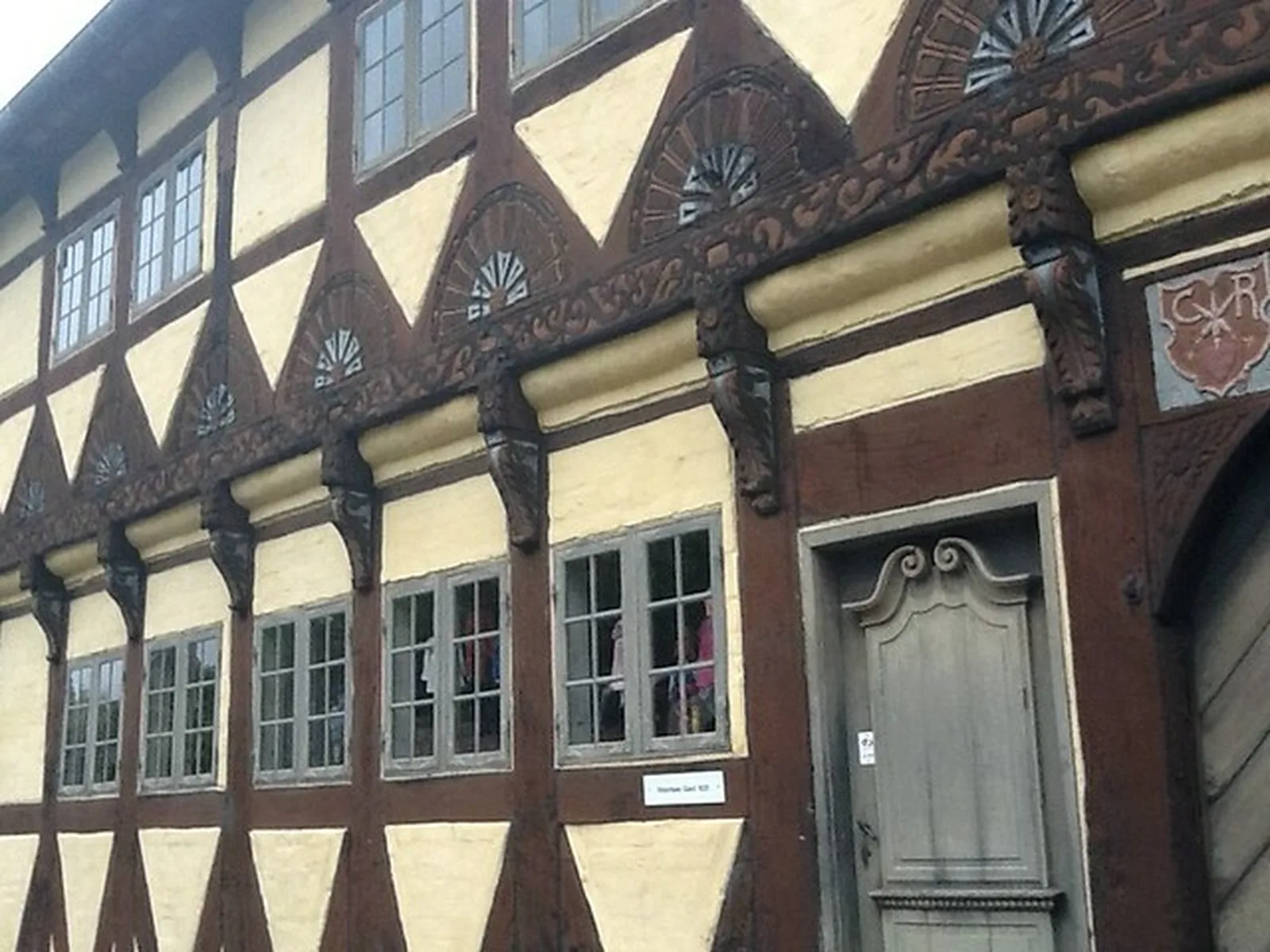
St. Canute's Cathedral (Odense Domkirke) anchors the eastern edge of the old town. The Gothic red-brick interior holds the remains of King Canute the Holy, Denmark's patron saint, and the carved oak altarpiece is among the finest in Funen. Entry is free and it is open most days from 10:00 to 16:00. Odense Castle (Odense Slot) sits nearby — it dates to the 13th century but is now used by the regional council and closed to the public, though the facade is worth a look from the street.
The Møntergården Museum on Overgade covers the history of Odense and Funen island. It is housed in a collection of medieval townhouses and costs 60 DKK to enter. If you are pressed for time, walk Overgade instead — it has several cafés good for a pause and the street itself feels lived-in rather than tourist-polished.
Art Museum Brandts, a short walk from the old town in a converted textile factory, is Odense's main contemporary art address. Changing exhibitions make it worth checking the program before your visit. It tends to be calmer than the H.C. Andersen complex and attracts a local crowd.
The Fairytale Footprints: A Free Trail Most Visitors Miss
Scattered across the city center are 13 bronze sculptures based on Andersen's characters — Thumbelina, The Steadfast Tin Soldier, The Little Mermaid, The Ugly Duckling, and others. Most visitors walk past several without realizing they form a connected trail. The sculptures are placed at street level, not inside museums, so finding them costs nothing beyond time.
The trail is loosely mapped by Visit Odense and takes about 60 to 75 minutes to complete on foot if you visit them in sequence. It runs through the old town, along the river path at Eventyrhaven (the Fairy Tale Garden), and across into residential side streets. It is a genuinely good way to see the city without following a rigid itinerary.
For families, the sculptures work well as a scavenger hunt for children while adults cover the same ground. The riverboat service Odense Aafart runs past several of the riverside sculptures if you prefer to combine the trail with a boat ride. Boats depart from near Munke Mose park, take about 20 minutes to reach the zoo landing, and run from May through September.
Beyond the Books: Storms Pakhus and the Harbor
Storms Pakhus is a street food market inside a converted industrial warehouse, a five-minute walk from the central train station. It is open daily from 11:00 to 23:00, with around 30 stalls covering Thai, Mexican, Greek, Indian, smørrebrød, and craft beer. A meal and a drink typically costs 110 to 140 DKK. The atmosphere is younger and louder than the old town — concrete floors, communal tables, and a working bar — and it provides a useful counterpoint to a day spent in fairytale museums.

The Port of Odense (Odense Havn) is the harbor district roughly 20 minutes on foot from the station. The area has been thoroughly redeveloped over the past decade from an industrial port into a waterfront neighborhood with modern apartment blocks, cafés, and a cultural center. The standout is Odense Havnebad, a free outdoor harbor bath that is open year-round — in winter with a heated sauna, in summer as an outdoor pool. It looks like a small ship from the outside, with a red-and-white striped funnel marking the entrance. Bring a swimsuit in summer.
For families, the Danish Railway Museum is worth a separate mention. It sits directly next to the main train station, making it a natural first or last stop. Admission is 140 DKK for adults. The collection includes over 50 locomotives, the historic royal carriages used by Danish monarchs, and interactive sections where visitors can climb into historic train cars. It is one of the few major attractions in Odense where crowds are consistently manageable even in peak summer.
Museum Odense Ticket: What You Actually Get
Museum Odense is the umbrella organisation covering the city's main cultural sites. A combined ticket gives access to the H.C. Andersen House, H.C. Andersen's Childhood Home, and the Møntergården Museum. In 2026 the combined adult ticket costs approximately 245 DKK versus 165 DKK for the H.C. Andersen House alone — so the combination adds 80 DKK for two extra museums. If you are staying overnight and plan to visit the old town at leisure, the combined ticket is good value. For a day trip with limited time, the single H.C. Andersen House ticket is often sufficient.
Children under 18 enter all Museum Odense sites free, which makes the family equation straightforward: adults pay the combined ticket, children pay nothing. Book online at least 24 hours in advance during summer to secure a timed slot for the main house. Childhood Home and Møntergården do not require timed entry.
Travel Logistics: Getting to Odense from Copenhagen
The train from Copenhagen Central Station to Odense takes between 75 and 90 minutes and runs several times per hour throughout the day. The DSB Orange fare, available when booking in advance online, typically costs 99 to 149 DKK one way — compared to the walk-up flexible fare of around 259 to 329 DKK. Book at least three to five days ahead to consistently find Orange pricing. The journey crosses the Great Belt Bridge, which provides 20 minutes of open water views — sit on the right side heading west for the best angle.
Once in Odense, the free pink City Buses (Route 10) run every 10 minutes between the station and the old town. The buses are clearly marked in pink with fairytale motifs and cost nothing. They are the fastest option when feet are tired after a full day of cobblestones. The city is flat and highly bikeable — several rental stations operate near the station and the harbor.
Driving from Copenhagen takes approximately two hours. The Great Belt Bridge toll is currently 270 DKK one way for a standard vehicle. Parking within the old town is limited; the Odeon parking garage near the city center and the smaller lot on Nørregade are the most convenient paid options. If you are planning to visit Egeskov Castle, a rental car makes the day considerably easier.
A well-planned Odense day trip itinerary should front-load the H.C. Andersen House in the morning, cover the old town and Storms Pakhus at midday, and leave the harbor for late afternoon when the light is best.
Worth the Detour: Egeskov Castle and Funen Day Trips
Egeskov Castle is about 30 kilometers south of Odense and takes roughly 30 minutes by car. It is one of Europe's best-preserved Renaissance water castles, built in 1554 on oak piles driven into the bed of a small lake. A visit here is not just a castle tour — the site includes award-winning formal gardens, a 40,000 m² play forest with treetop walks and cable cars, a classic vehicles museum with Ferraris and vintage motorcycles, and rotating temporary exhibitions. Plan for a minimum of four hours. Adult admission is 265 DKK; children's prices vary by age.
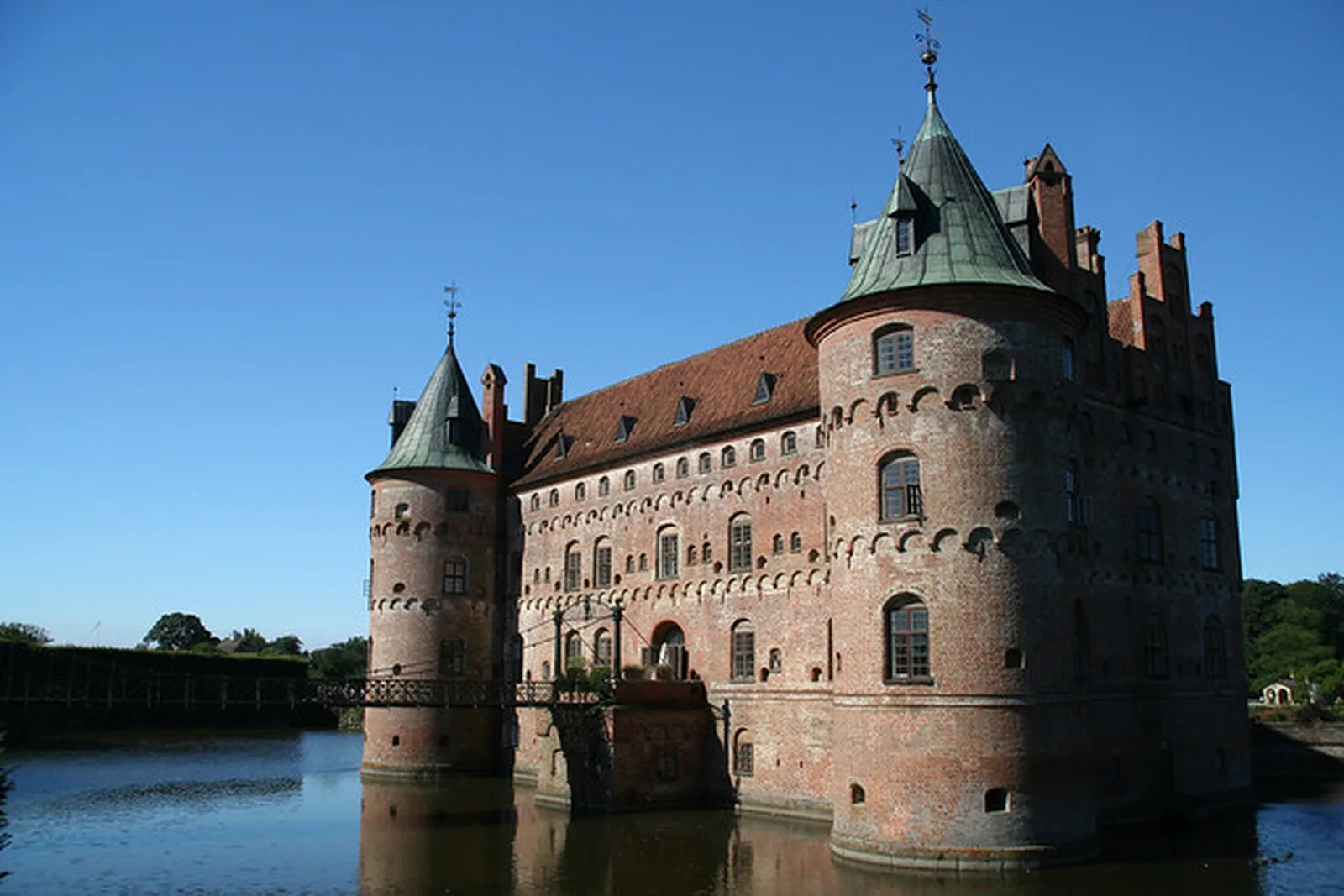
Getting to Egeskov without a car is possible but awkward. The regional bus from Odense Central Station runs to Kvaerndrup, from where it is a short walk or taxi to the castle. The bus journey takes around 35 to 40 minutes. Check the Sydtrafik timetable in advance since services run less frequently in the afternoon.
Two other Funen day trips are worth noting. The Viking Museum Ladby (Museum Ladby), about 20 kilometers northeast of Odense, is the only preserved burial mound in Denmark where a Viking chieftain was buried in his longship. It is open 10:00 to 17:00 in summer and admission is 75 DKK. The Funen Village (Den Fynske Landsby), 15 minutes by bus from central Odense, is an open-air museum of working 19th-century farmsteads. It is among the strongest open-air museums in Denmark and particularly good for children and anyone interested in rural Danish history.
Planning Your Visit: Best Time and Hotels
May and September are the best months for a visit. Crowds are smaller than peak summer, hotel prices drop noticeably, and the weather is typically mild. July and August bring the largest influx of day-trippers from Copenhagen and school groups from across Denmark. If you must visit in summer, book the H.C. Andersen House timed entry well in advance and arrive at the museum before 11:00.
The H.C. Andersen Festival runs every August and fills the old town with street performances, concerts, and storytelling events based on Andersen's fairy tales. It is a good reason to visit in summer rather than a reason to avoid it, as long as you accept higher prices and fuller streets. December brings a traditional Christmas market around St. Canute's Cathedral that local Danes travel specifically to visit.
Hotel Odeon in the city center puts you within five minutes' walk of both the station and the museum complex. It is the most convenient location for a day-trip extension into an overnight stay. Budget options near the station include Cabinn Odense and Danhostel Odense City. If you are visiting Egeskov Castle the following day, accommodation in the Kvaerndrup direction or a hotel with easy parking saves time in the morning.
Frequently Asked Questions
Is Odense worth a day trip from Copenhagen?
Yes, Odense is a perfect day trip because the train journey is only 90 minutes. You can easily see the H.C. Andersen House and the historic center in one day. However, start early to maximize your time before shops close.
How many days do you need in Odense?
One full day is enough for the city center and the main museums. If you want to visit Egeskov Castle or the zoo, plan for two days. Staying overnight allows for a more relaxed pace.
Is the H.C. Andersen House worth it?
The museum is definitely worth the entry fee because of its unique, immersive design. It uses modern technology to bring fairytales to life in a way that appeals to adults. Book your time slot online in advance.
Odense successfully balances its historical legacy with a fresh, modern energy. It provides a more intimate look at Danish life than the busy streets of Copenhagen. You will likely leave with a deeper appreciation for the stories that shaped our childhoods.
Whether you come for the fairytales or the street food, the city rarely disappoints. For more tips on exploring the region, check out our latest posts on Denmark Wander. Safe travels as you explore the heart of Funen island.
You might also like


Continue reading
More guides you'll find useful