10 Things to Know Before Visiting Copenhagen in March
Discover what Copenhagen in March is really like. From weather and packing tips to the Sakura Festival and Tivoli's reopening, plan your perfect spring trip.
On this page
10 Things to Know Before Visiting Copenhagen in March
March sits right at the hinge between Copenhagen's long winter and its short, brilliant spring. You will likely experience all four seasons in a single week. But the lower prices, emptier streets, and the city's unmistakable shift in energy make the trade-off very worthwhile. This guide walks you through everything you need to know before you book.
Visiting Copenhagen in March means catching the city before peak tourism drives prices up and crowds in. The first days of outdoor café culture emerge, cherry blossom preparations begin, and Tivoli Gardens flicks its lights back on for the year. Plan well and you get the authentic Copenhagen that summer visitors rarely see.
At a glance
- Best time: Late March (20–31) for daylight gain + Tivoli reopening + low crowds
- Temperature: 1–8°C (34–46°F); wind is the main factor
- Typical cost: Hotels 900–1,200 DKK/night; flights 30–50% cheaper than summer
- Getting there: Copenhagen Airport, 7 min by Metro (26 DKK single ticket)
Is Copenhagen in March Worth the Trip?
The short answer is yes, for the right kind of traveler. Flight and hotel prices in March sit well below the May–September peak, and you can often find four-star stays near the city center at rates that would be impossible in summer. The streets feel genuine because they are mostly filled with locals going about their lives rather than tourist groups following umbrella guides.
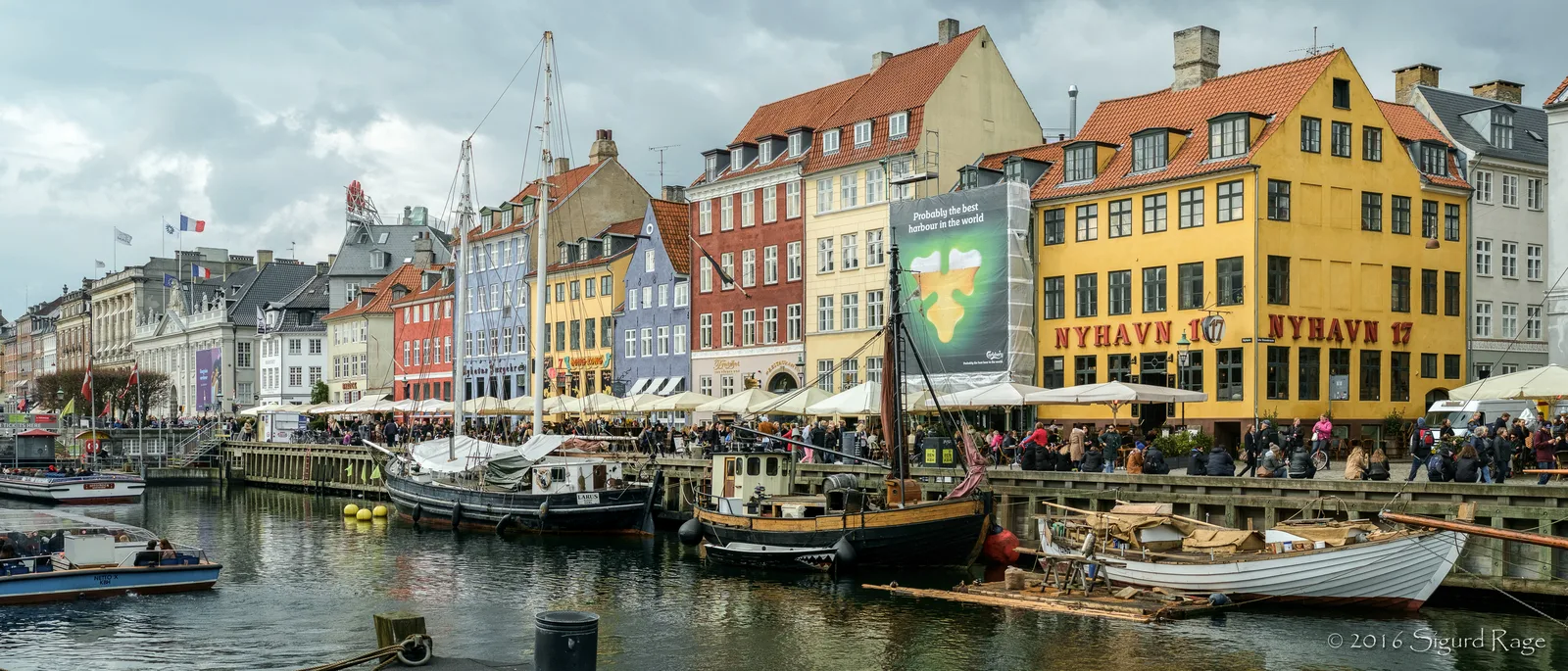
The trade-off is real weather unpredictability. Expect a biting harbor wind on two or three of every seven days. A clear blue morning can turn into a sleet shower by afternoon without much warning. That said, the same crisp light that makes the cold uncomfortable also makes Copenhagen's canals and colorful Nyhavn facades look extraordinary through a camera lens.
Indoor attractions carry none of summer's queues in March. You can walk straight into the National Museum, the SMK (Statens Museum for Kunst), and the Designmuseum Danmark without waiting. This is the month that lets you move at your own pace rather than the pace set by the crowd. The famous Danish hygge is still firmly in season in every candlelit basement café.
When Exactly Does Spring Start in Copenhagen?
Spring in Copenhagen officially starts around the last week of March and runs through May. Early March still belongs mostly to winter — temperatures hover near freezing, occasional snow is possible, and the city has a still, grey quality to it. Think of the first three weeks of March as a transitional buffer rather than true spring.
The shift becomes noticeable around the spring equinox on 20 March. Days start to feel meaningfully longer and the light changes quality. Locals begin reclaiming outdoor benches, sometimes wrapped in blankets with takeaway coffee, in a ritual Copenhageners call catching the first sun. By the final week of March, the city starts to feel genuinely spring-like on its best days, though a cold snap can arrive at any time through to mid-April.
If you want the most reliable early-spring experience, target the last ten days of March. You balance the best daylight gain, the highest chance of Tivoli being open, and hotel prices that have not yet climbed into the shoulder-season premium that takes hold from April.
Weather Realities: Temperature, Rain, and Wind
Daytime temperatures in early March typically range from 1°C to 5°C (34°F to 41°F). By late March the average climbs to around 4°C to 8°C (39°F to 46°F), and April days regularly reach 10°C to 14°C (50°F to 57°F). Evenings feel several degrees colder than the air temperature suggests because of the wind off the harbor and the Øresund strait. You can check exact sunrise and sunset data for any day on timeanddate - Copenhagen Sun.
Precipitation in March is light by Copenhagen standards — roughly 35 to 40 mm across the month — but it arrives as a mix of rain, sleet, and the occasional light snow. Wind is the main weather challenge. The coastal exposure means a 5°C day with a 30 km/h northwest wind can feel like minus five. If there is one thing to optimize your packing around, it is wind protection rather than pure warmth.
| Month | Avg Day Temp | Avg Night Temp | Rain Days | Crowds |
|---|---|---|---|---|
| February | 1–3°C / 34–37°F | -1–1°C / 30–34°F | 10 | Lowest |
| March | 2–7°C / 36–45°F | 0–3°C / 32–37°F | 10 | Very Low |
| April | 8–14°C / 46–57°F | 3–6°C / 37–43°F | 9 | Low to Moderate |
Daylight increases rapidly through the month. At the start of March, Copenhagen sees around 10.5 hours between sunrise and sunset. By the equinox that figure passes 12 hours, and by the end of March you have nearly 13.5 hours of daylight. The clocks move forward one hour at the end of March under Central European Summer Time, which shifts the sunset noticeably later overnight.
Packing Essentials: The March Layering Strategy
The single most important piece of clothing for Copenhagen in March is a windproof outer shell. Brands like RAINS (which is Danish), Helly Hansen, and Arc'teryx all perform well here. A waterproof jacket rated for at least 10,000 mm hydrostatic head will handle the sleet and spring showers without soaking through. Do not rely on a stylish wool coat — it will be cold and wet within twenty minutes of harbor wind.
Underneath the shell, a mid-weight merino wool sweater or a fleece performs better than cotton in damp cold. A thermal base layer is worth bringing for morning walks and evening dinners near the waterfront. Cotton loses its insulating properties when wet, which happens faster than you expect here.
- Windproof, waterproof outer jacket — the non-negotiable item
- Merino wool mid-layer or fleece (2 is ideal, allows quick drying)
- Thermal base layer for mornings and evenings
- Waterproof walking boots or trail shoes with ankle support for cobblestones
- Scarf and light gloves — essential for harbor walks before 10:00
- Packable umbrella as a backup for sustained rain
Leave the bulky down parka at home. You will overheat in restaurants and museums and spend the whole trip carrying it. A lightweight insulated jacket worn under your wind shell gives you more flexibility for the variable temperatures of a single March day.
Best Indoor Cultural Attractions for Chilly Days
March's unreliable weather makes indoor attractions central to your planning in a way that a summer trip rarely requires. The good news is that Copenhagen's museum offer is exceptional, and March is when you can actually enjoy it without queuing. The National Museum (Nationalmuseet) on Ny Vestergade is the most comprehensive entry point into Danish history, with Viking artifacts and a permanent free-entry policy for most of its collection. Plan at least three hours here.
The SMK — the National Gallery of Denmark — holds Denmark's largest art collection and covers Northern European masters through to Danish modernists. The permanent collection is free. Round that out with Designmuseum Danmark in Bredgade, which tracks 300 years of applied art and industrial design in a beautifully restored rococo hospital building. Both museums are quiet in March and you can move at your own pace through every gallery.
On a grey afternoon, the Cisternerne (the Cisterns) beneath Frederiksberg Hill is worth the trip. The underground exhibition space sits inside a 19th-century reservoir and hosts contemporary art installations in its vaulted brick chambers. It is genuinely atmospheric on a cold day. Torvehallerne food market at Nørreport makes for a warm, lively lunch stop between museum visits — the stalls sell everything from open-faced smørrebrød to specialty coffee.
Parks, Cherry Blossoms, and Finding the Sakura
The famous Copenhagen cherry blossom season peaks in April, not March, so do not plan your trip around guaranteed blooms in the first week of the month. That said, late March can produce early pink clusters depending on how cold the winter was, and the parks are worth visiting regardless. Kongens Have (the King's Garden) beside Rosenborg Castle is the most central starting point. Frederiksberg Have and Fælledparken fill with the first joggers and dog walkers of spring from mid-March onward.

Bispebjerg Cemetery near Grundtvigs Kirke is the single best spot for cherry blossoms in the city. It has more than 100 Japanese cherry trees lining its central avenue and the canopy effect on a still day is genuinely spectacular. The cemetery sits about 4 km northwest of the city center — take the S-train to Bispebjerg station or rent a city bike. Plan for an early April visit if blooms are your primary motivation; late March is hit-or-miss.
Langelinie is the secondary bloom location and sits much closer to the center, near the Little Mermaid statue and Kastellet. The cherry trees here are fewer but the setting — a promenade along the harbor — adds a waterfront dimension that Bispebjerg lacks. Both locations feed into the Copenhagen Sakura Festival in April, which includes Japanese cultural performances and is free to attend.
Key March Events and Festivals to Watch For
Tivoli Gardens is the biggest single event-trigger for March visits. The park closes over winter and historically reopens for its summer season in the final week of March — typically around 28–29 March — though the exact date shifts slightly year to year and should be confirmed on Tivoli's official site before you book. The reopening is a genuine city event: locals arrive on the first day in force, rides and gardens come back to life, and the atmosphere is celebratory rather than purely touristic. Adult entry costs around 155 DKK in 2026.
The Winter Jazz season (Copenhagen Jazzfestival's winter edition) typically wraps up in early February, but smaller club nights continue into March across venues like La Fontaine and Jazzhus Montmartre. Check the current program on arrival. The Copenhagen Marathon takes place in May rather than March, but training runs and club meet-ups around Fælledparken and the harbor are visible through the month if you enjoy the running culture.
Local markets shift gear in late March. Torvehallerne starts stocking the first spring produce — early herbs, rhubarb, and the ramp-like ramson (wild garlic) that appears in Danish cooking for a short seasonal window. This transition is visible in café menus across the city as chefs swap winter root dishes for lighter preparations.
Understanding Daylight Hours and Golden Hour
One of the underappreciated benefits of a March visit is the quality of the light, not just the quantity. The sun sits low in the sky through most of the month, which produces a long, warm golden hour that extends from roughly 16:00 to sunset. Nyhavn, the Frederiks Kirke dome, and the canal between Christianshavn and the city center are all transformed by this low-angle light in a way that the harsh midday sun of summer does not replicate.

Below is a practical overview of daylight for key dates in 2026. Times are local Copenhagen time, adjusted for the clock change on 30 March.
| Date | Sunrise | Sunset | Daylight |
|---|---|---|---|
| 1 March | 07:02 | 17:31 | 10h 29m |
| 15 March | 06:32 | 18:01 | 11h 29m |
| 20 March (equinox) | 06:16 | 18:13 | 11h 57m |
| 30 March (clocks forward) | 06:53 | 20:23 | 13h 30m |
The clock change on 30 March is worth noting for itinerary planning. The night before the change, sunset is around 19:30. The next morning it suddenly shifts to after 20:00, giving you a dramatically longer usable evening. If you arrive at the end of March, schedule your harbor walk or Nyhavn dinner for that first post-change evening — the later light will surprise you.
Danish Public Holidays: The Detail Most March Visitors Miss
Denmark observes more public holidays than most Western European countries, and several cluster in spring. Easter weekend in March or April catches many visitors off-guard: Danes take not just Good Friday and Easter Monday but also Maundy Thursday (Skærtorsdag) as a full public holiday. That means a four-day closure for many shops, government offices, and some museums. Restaurants and tourist attractions generally stay open, but operating hours can be reduced.
If Easter falls in late March — which it does periodically, depending on the lunar calendar — you will find a noticeably quieter city than you might expect. Most Danes leave Copenhagen for family gatherings or short domestic trips. The trade-off is that central areas like Strøget and Nyhavn feel emptied of both tourists and locals, which is either peaceful or limiting depending on what you came for. Check a Danish public holiday calendar before you book specific restaurant reservations or plan day trips that depend on local transport connections.
Ascension Day (Kristi Himmelfahrt) falls in May, so it does not affect March visits. But if you are extending into April, note that the Danish Easter cluster is the one scheduling detail that most generic travel guides fail to mention for spring visits.
March vs. Other Seasons: Cost and Crowd Comparison
March is the tail end of the cheapest period to visit Copenhagen. It is much brighter and livelier than Copenhagen in February as days lengthen noticeably, while hotel rates have not yet climbed into the April shoulder-season premium. A central three-star hotel that costs 900–1,200 DKK per night in March can reach 1,600–2,000 DKK by June. Flight prices follow a similar curve: routes from London, Amsterdam, and Frankfurt are often 30 to 50 percent cheaper in early March than in July. You can search current fares via Skyscanner.
Summer in Copenhagen (June–August) brings 22°C days and endless daylight but also Very High crowd levels at every major attraction, peak hotel pricing, and a Nyhavn so packed that the famous colored facades become hard to photograph without strangers in every frame. If outdoor festivals and harbor swimming are your priorities, summer is correct. If you want museums, restaurants, and streets at a human scale, March delivers a better ratio of experience to cost.
Fall in Copenhagen (September–November) is a genuine alternative to March for crowd-avoiders. September in particular gives you warm enough temperatures for outdoor café culture, harvest menus at top restaurants, and the Copenhagen Half Marathon atmosphere. Winter in Copenhagen (December–February) is best understood as a completely different trip — Tivoli's Christmas market, gløgg, and ice skating, rather than outdoor exploration.
| Season | Avg Day Temp | Crowds | Hotel Rates | Best For |
|---|---|---|---|---|
| March (early) | 1–5°C / 34–41°F | Very Low | Lowest | Budget, museums |
| March (late) to April | 4–14°C / 39–57°F | Low to Moderate | Medium | Tivoli, blossoms |
| June to August | 15–22°C / 59–72°F | Very High | Highest | Outdoor festivals |
| September to October | 10–17°C / 50–63°F | Moderate | Medium | Food, culture |
| December | 1–5°C / 34–41°F | High | Medium | Christmas markets |
Practical Booking and Transit Tips for Early Spring
The Metro runs 24 hours a day every day of the week and covers the airport, central station, and most tourist districts. A single ticket costs 26 DKK in 2026; a 24-hour City Pass for all zones (Metro, S-train, bus) costs 130 DKK and is the best value for a full day of sightseeing. Rejsekort — the reloadable travel card — gives you a small per-ride discount if you are staying more than three or four days.
City bikes (Bycyklen) launch their main season in April, but a limited fleet operates year-round. In March, cycling is genuinely practical on calm days but miserable in a headwind. The harbor bus (Havnebussen) lines 991 and 992 run regular services along the inner harbor and are a useful and scenic alternative to the Metro for reaching Christianshavn and Refshaleøen.
For accommodation, neighborhoods like Vesterbro and Nørrebro offer better rates than Indre By (the city center) and sit within 15 minutes of every major attraction by Metro or bike. Nørrebro in particular — around Jægersborggade and Blågårds Plads — is the neighborhood where locals gather for the first outdoor coffee of spring, making it one of the most authentic areas to base yourself in March. Book restaurant reservations at least a week in advance for any Michelin-listed or well-reviewed spots; even in low season, the best tables fill quickly.
Frequently Asked Questions
Is Copenhagen worth visiting in March?
Yes, March is worth visiting for lower prices and fewer tourists. You can enjoy museums without long lines or heavy crowds. The city feels peaceful as spring begins to emerge from winter.
How cold is Copenhagen in March?
Temperatures usually stay between 1°C and 6°C or 34°F and 43°F. It feels chilly due to the coastal wind near the harbor. Proper layers are essential for staying warm outdoors.
Is Tivoli Gardens open in March?
Tivoli Gardens is usually closed for most of March for seasonal maintenance. It typically reopens for the summer season during the final week of the month. Check their official website for dates.
Copenhagen in March rewards travelers who plan carefully and pack correctly. You trade warm weather for lower costs, quieter streets, and the city's most photogenic light of the year. The emerging spring energy — Tivoli reopening, the first outdoor cafés, cherry trees beginning to bud — makes it a genuinely exciting time to be here. Plan for Copenhagen in April if guaranteed blooms and warmer days are your priority.
Embrace the hygge, catch the first sun from a Nørrebro café bench, and give yourself the flexibility to pivot indoors when the harbor wind arrives. This month shows you the real Copenhagen — the one that locals actually live in.
You might also like


Continue reading
More guides you'll find useful