Copenhagen Weather Month by Month 2026: A Planning Guide
Plan your 2026 trip with our Copenhagen weather month-by-month guide. Includes average temperatures, rainfall, daylight hours, and seasonal packing tips.
On this page
10 Essential Insights: Copenhagen Weather Month by Month 2026
Copenhagen's climate is shaped by its position on the Øresund strait — mild enough for year-round visits, but unpredictable enough that packing wrong can derail your plans. Late spring (May to early June) and early autumn (September to October) are the sweet spots for most travelers. This guide gives you the actual numbers, activity windows, and packing specifics to plan your 2026 trip without surprises.
At a glance
- Best time: May–June and September–October (mild, long days, reasonable crowds)
- Peak summer: July–August (warmest at 22°C, but busy and expensive)
- Budget season: January–March and November (40–50% cheaper accommodation)
- Pack for wind: Wind-resistant layer more important than bulk; RealFeel is 3–5°C colder than thermometer
- Daylight swing: 17.5 hours in June down to 7 hours in December
Copenhagen Climate Overview: What to Expect in 2026
One feature that consistently catches visitors off guard is the coastal wind. The city sits between the North Sea and the Baltic, and the Øresund strait channels gusts straight into the city center. Even on days when the thermometer reads 15°C / 59°F, sustained winds of 20–30 km/h can make it feel 3–5°C colder. Dress for wind, not just the air temperature — this is the single most common mistake first-time visitors make.
Daylight hours swing dramatically across the year. In late June, Copenhagen gets approximately 17.5 hours of daylight; by late December, that drops to around 7 hours. This variation directly affects how much outdoor sightseeing you can realistically fit into a day, and it is one of the biggest practical differences between a summer and a winter trip to the city.
Month-by-Month Weather Breakdown for 2026
The table below uses DMI historical averages for Copenhagen, with daylight figures rounded to the nearest half hour. "Rain Days" reflects days with measurable precipitation (1 mm or more). The RealFeel column accounts for the Øresund wind-chill effect and is the more useful planning number.
| Month | High °C / °F | Low °C / °F | RealFeel °C | Rain Days | Daylight hrs |
|---|---|---|---|---|---|
| January | 3 / 37 | -1 / 30 | -3 | 14 | 7.5 |
| February | 4 / 39 | -1 / 30 | -2 | 11 | 9.5 |
| March | 7 / 45 | 1 / 34 | 3 | 11 | 12 |
| April | 12 / 54 | 4 / 39 | 8 | 10 | 14.5 |
| May | 17 / 63 | 9 / 48 | 13 | 10 | 16.5 |
| June | 20 / 68 | 13 / 55 | 17 | 11 | 17.5 |
| July | 22 / 72 | 15 / 59 | 19 | 13 | 17 |
| August | 22 / 72 | 15 / 59 | 19 | 14 | 15 |
| September | 17 / 63 | 11 / 52 | 14 | 13 | 12.5 |
| October | 12 / 54 | 7 / 45 | 8 | 15 | 10 |
| November | 7 / 45 | 3 / 37 | 3 | 15 | 8 |
| December | 4 / 39 | 0 / 32 | 0 | 14 | 7 |
January through March are the coldest months, with temperatures regularly dipping below freezing overnight. Snow is possible but often melts quickly due to the maritime influence. You might find Copenhagen in February surprisingly appealing if you enjoy cozy cafes and zero queues at major attractions.
April and May mark the turn. Temperatures rise, the parks bloom, and the city regains its energy. By late May highs consistently clear 15°C / 59°F with long evenings. Copenhagen in April sees cherry blossoms in Bispebjerg Cemetery, and outdoor restaurant terraces start opening again. June through August are the warmest months, with July and August both averaging highs of 22°C / 72°F. September drops back gradually but remains genuinely pleasant, making it one of the best value months of the year.
Seasonal Guide: From Winter Hygge to Summer Solstice

Spring (March to May) is a rapid transformation. Copenhagen in March remains brisk, but by April the deer are visible in Dyrehaven park and the King's Garden fills with picnickers. May is considered peak shoulder season: comfortable weather, manageable crowds, and prices still below the summer ceiling. The 2026 summer solstice falls on 21 June — around that date, the sun sets after 22:00, meaning sightseers can realistically visit outdoor spots like the Frederiksberg Gardens or the rooftop of the Round Tower at 21:00 in full daylight.
Summer (June to August) is festival season. Roskilde Festival runs in late June / early July in the town of Roskilde, about 30 minutes by train from Copenhagen Central Station. Copenhagen Pride takes place in mid-August 2026. Both events coincide with the warmest, longest days of the year, but they also push accommodation prices to their annual peak. Autumn (September to November) brings crisp air, coloured foliage in the city forests, and Culture Night (Kulturnatten) in October, when museums and institutions open late for free.
Best Time to Visit for Specific Activities
| Month | Sea Temp °C / °F | Swimmable? |
|---|---|---|
| January | 4–5 / 39–41 | Winter bathers only |
| February | 3–4 / 37–39 | Winter bathers only |
| March | 3–4 / 37–39 | No |
| April | 5–7 / 41–45 | No |
| May | 9–12 / 48–54 | Cold but possible |
| June | 14–17 / 57–63 | Yes (with wetsuit) |
| July | 17–20 / 63–68 | Yes |
| August | 18–21 / 64–70 | Yes — peak |
| September | 16–19 / 61–66 | Yes |
| October | 12–14 / 54–57 | Cold |
| November | 8–10 / 46–50 | Winter bathers only |
| December | 5–7 / 41–45 | Winter bathers only |
For photography and sightseeing, April–May and September–October offer the best light conditions: lower sun angles, manageable crowds, and warm tones in the afternoon. For budget travel, January through March and November deliver the lowest flight and hotel prices. Tivoli Gardens opens for spring from 3 April 2026 and runs through late September, then reopens for its Halloween season in October and Christmas season from mid-November.
Check the best time to visit Copenhagen guide for a full activity-based comparison, including Roskilde Festival booking timelines and Easter 2026 dates (Easter Sunday falls on 5 April 2026 — typically mild at 8–10°C, with longer days already bringing 14 hours of light).
The Wind Factor: Why Copenhagen Feels Colder Than It Looks
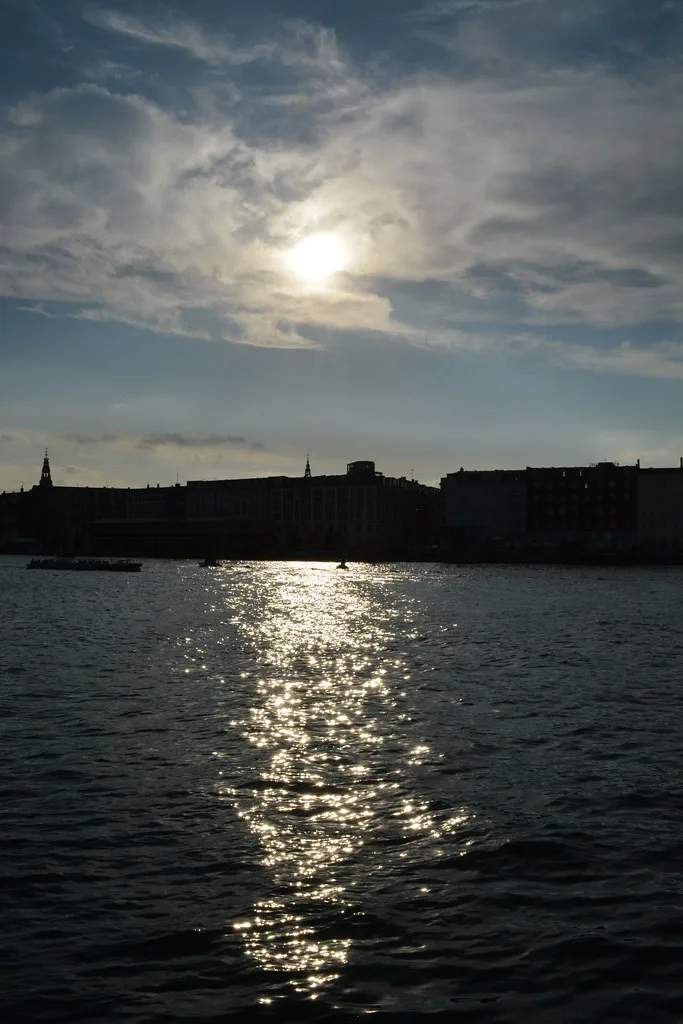
This matters most in shoulder seasons. Travelers arriving in April or October often pack for the thermometer reading and are caught off guard by the wind-chill. The fix is simple: a wind-resistant outer layer is more useful than a heavier coat. A windproof shell over mid-layers handles most Copenhagen conditions far better than a bulky parka that traps no wind.
The same effect also works in summer. A breezy 20°C / 68°F June evening can feel genuinely chilly after sunset. Outdoor diners on the harbor terraces almost always have blankets on the chairs — this is not just decoration. Pack a light wind layer even for July trips, particularly if you plan to spend evenings by the water or on the roof terraces of Reffen street food market.
What to Pack for Copenhagen by Season
Footwear is the most important packing decision. Copenhagen's historic center is cobblestone-heavy — from Strøget to Nyhavn — and comfortable, waterproof walking shoes will serve every season. Heels and thin-soled sneakers are functional mistakes in autumn and winter. A compact umbrella or a waterproof shell with a hood is more practical than a full-size umbrella in the wind.
- Winter (December–February): thermal base layer, mid-fleece or wool sweater, wind-resistant outer jacket, gloves, hat, waterproof ankle boots. Temperatures regularly hit -2°C / 28°F with wind-chill.
- Spring (March–May): light to mid-weight layers, windproof rain jacket, comfortable walking shoes. Conditions can shift from 12°C to 5°C within an afternoon if a front moves in from the north.
- Summer (June–August): light clothing plus one wind layer for evenings. Don't skip sunscreen — the low sun angle means UV exposure is real even at 19°C. A compact rain jacket for occasional summer showers.
- Autumn (September–November): mid-weight layers, waterproof outer layer, scarf. October onwards requires gloves in the evening.
For any season, a reusable bag is practical: Denmark charges for plastic bags in shops. If you are arriving in Copenhagen in November, pack heavier than you think you need — the combination of low temperature and persistent rain is the season's defining characteristic.
Museums, Art, and Culture: Best Rainy Day Escapes
Copenhagen has enough world-class indoor culture to fill a full week, which matters when rain arrives without warning — and it will. The National Museum of Denmark (Nationalmuseet) on Ny Vestergade is free for under-18s and covers Danish history from the Stone Age to the 20th century. The Glyptoteket on Dantes Plads houses one of the finest collections of French Impressionism and ancient sculpture outside Paris; the glass-roofed winter garden alone is worth the entrance fee on a grey day.
The Louisiana Museum of Modern Art sits in Humlebæk, about 35 minutes north by train (DSB regional rail, roughly 100 DKK return). The permanent collection includes Giacometti sculptures in a coastal garden and a dedicated children's wing. It is a half-day trip that works well on any overcast afternoon. The Copenhagen Contemporary art center at Refshaleøen is open Thursday to Sunday and often hosts large-scale installations free of charge.
The Designmuseum Danmark on Bredgade covers furniture, fashion, and applied arts, with a strong focus on Danish and Scandinavian design history — relevant context for anyone trying to understand why the country's interiors look so distinctive. Rainy mornings from October through March are the best time to visit, as queues are minimal and the café is particularly inviting.
Parks, Gardens, and Outdoor Spots for Sunny Days
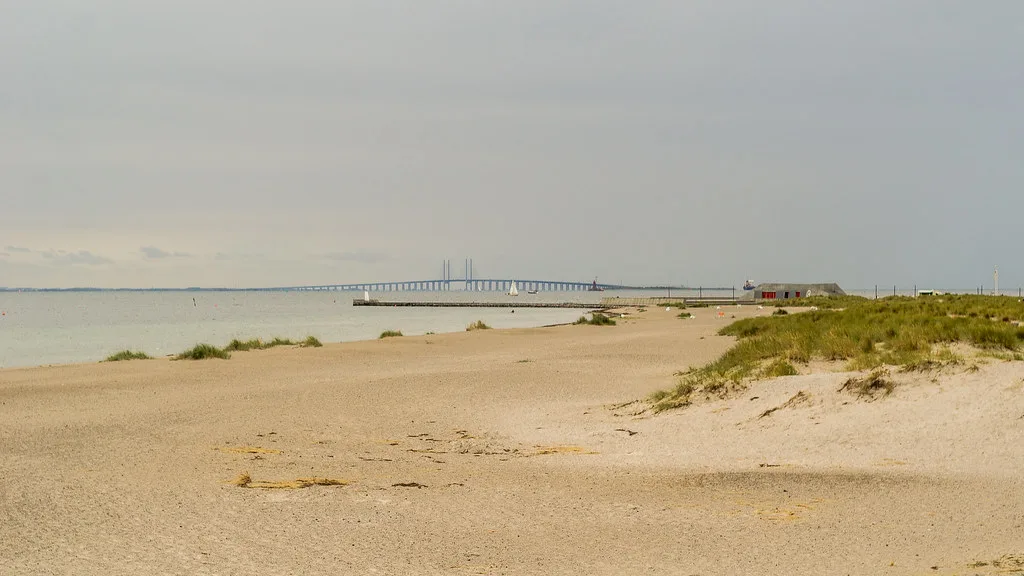
Dyrehaven (Deer Park), 15 km north of the center, is a UNESCO-listed royal hunting ground with 2,000-plus deer roaming freely across 11 square kilometres of beech forest and heathland. Take the S-tog Line C to Klampenborg station and walk in. The combination of beach at Bellevue and forest at Dyrehaven makes it one of the best half-day escapes from the city, particularly in late May through September when the light lasts until after 21:00.
For harbor access, the Amager Strandpark beach is reachable by Metro M2 (Amager Strand station). The beach itself stretches 4.6 km and has a dedicated calm-water lagoon formed by an artificial island. It is rarely as crowded as city beaches in southern Europe, even in July. On warm summer evenings, the waterfront at Ofelia Plads and the Kalvebod Bølge is where locals gather — free entry, benches, and a view over the harbor.
Family-Friendly and Budget-Friendly Options by Season
Families visiting in summer get the full Tivoli Gardens experience — rides, concerts, and the atmosphere of one of the world's oldest amusement parks. A one-day adult ticket runs around 160 DKK (2026 pricing); children under 8 enter free. The park's season runs from April through September, then resumes for Halloween (mid-October) and Christmas (mid-November to late December). Off-season families should prioritize the National Aquarium Denmark (Den Blå Planet) in Kastrup — open year-round, accessible by Metro M2, and genuinely engaging for children aged 3 and up.
Budget-conscious travelers get the best value in January through March and November. Hotel rates in these months can be 40–50% lower than peak summer prices. The Copenhagen Card (available in 24h, 48h, 72h, and 120h formats) covers unlimited public transport plus entry to over 80 museums and attractions. In winter it is particularly strong value because most of the covered museums are the indoor ones you'd visit anyway.
Eating affordably is straightforward if you avoid Nyhavn's tourist strip. The city's food hall network — Torvehallerne at Nørreport, Reffen at Refshaleøen (open May–September), and the street food stalls around Israels Plads — offers quality local food at 80–150 DKK per meal. Lunch specials (frokost) at traditional Danish restaurants typically include a smørrebrød plate and a beer for under 200 DKK.
How to Plan a Smooth Copenhagen Trip Around the Weather
Build flexibility into your daily itinerary. Copenhagen weather changes fast — a forecast showing sun for Thursday can deliver a cold front with sideways rain by 14:00. The practical approach is to schedule outdoor priorities (harbor baths, canal walks, Dyrehaven) for the morning when forecasts are most reliable, and keep the afternoon open for museums if conditions deteriorate. Rejseplanen is the authoritative source for Danish weather forecasts and journey planning; their hourly model is more accurate for Copenhagen than international apps that use coarser grid data.
Book accommodation early for June through August. The city fills up for Roskilde Festival and Copenhagen Pride, and last-minute summer bookings in the center routinely run above 1,500 DKK per night for a basic room. For shoulder season visits, the Vesterbro and Nørrebro neighborhoods offer a denser selection of independent hotels and Airbnbs at more reasonable rates than the waterfront areas.
The Metro runs 24 hours and reaches the airport (CPH) in 15 minutes from the city center — no need for a taxi at any hour. Public transport is covered by the Rejsekort card or the Copenhagen Card, both of which work on Metro, S-tog, and bus. For a practical day-by-day structure that accounts for typical weather windows, the Copenhagen 3-day itinerary lays out a sequence that mixes indoor and outdoor sightseeing across any season.
Frequently Asked Questions
What is the warmest month in Copenhagen in 2026?
July is typically the warmest month in Copenhagen. Average highs reach 22°C / 72°F during this time. You can enjoy long days and plenty of outdoor events.
How many hours of daylight does Copenhagen get in June?
Copenhagen receives approximately 17.5 hours of daylight in June. The sun rises very early and sets late in the evening. This provides ample time for sightseeing and outdoor dining.
Is Copenhagen too cold to visit in February?
February is cold but manageable with the right clothing. Temperatures average around 0–3°C / 32–37°F. It is an excellent time for museums and indoor hygge experiences.
Copenhagen is a city that rewards travelers who understand its climate rather than fight it. Whether you seek the midnight sun of June, the harbor swimming of August, or the hygge of December, the right preparation makes every month workable. Pack for the wind, not just the thermometer, and leave your daily schedule flexible enough to shift between indoor and outdoor plans as the forecast changes.
For a neighborhood-level breakdown of where to stay based on your travel season, see the best neighborhoods in Copenhagen guide. With realistic expectations and the data in this guide, your 2026 trip should feel well-planned from the moment you land at CPH.
You might also like



Continue reading
More guides you'll find useful