13 Best Things To Do In Copenhagen: A Local's Guide (2026)
Discover the 13 best things to do in Copenhagen, from Tivoli Gardens to hidden street food at Reffen. Includes local tips on what to skip and how to use the Copenhagen Card.
On this page
13 Best Things To Do In Copenhagen
Copenhagen balances historic grandeur with cutting-edge sustainability in a way few European capitals manage. The city has reinvented its industrial waterfronts, built a ski slope on a power plant, and still finds time to perfect the cardamom bun. This guide is updated for 2026 to help you navigate the best attractions, whether you are a first-timer or a returning visitor who wants to go deeper. Whether you stay at the elegant Hotel Sanders or a cozy Vesterbro hostel, the city's charm is immediately apparent.
The hardest part of planning a Copenhagen trip is not finding things to do — it is choosing between them. I have spent years exploring the cobbled streets of Indre By, the harbor baths of Sydhavn, and the alternative lanes of Christiania. This list combines the iconic landmarks that define the city with the practical details — exact prices, transport tips, and honest advice on what to skip — that make the difference between a good trip and a great one. Check our top 10 things to see in Copenhagen for a quick-reference version of this guide.
Key Takeaways
- Best overall: Tivoli Gardens for its historic charm and evening light displays.
- Best for families: The Botanical Garden and the nearby Natural History Museum.
- Best rainy-day activity: Designmuseum Danmark for an indoor look at Danish culture.
- Best free experience: Hiking the rooftop trail at Copenhill for panoramic city views.
- Pro tip: Arrive at Reffen Street Food before 17:00 on weekends to avoid hour-long queues.
Experience the Magic of Tivoli Gardens
Tivoli Gardens has been open since 1843, making it one of the oldest amusement parks in the world and the attraction that first put Copenhagen on the tourist map. Walt Disney visited in the 1950s and left inspired — the park's mix of gardens, rides, and theatrical lighting became a direct blueprint for Disneyland. Entry costs around 160 DKK (roughly €21) for adults, but rides require a separate all-day pass at around 299 DKK. The park is open daily from 11:00 to 23:00 during summer and reopens for special Halloween and Christmas seasons.
After dark, Tivoli becomes something else entirely. Thousands of fairy lights illuminate the 1914 wooden roller coaster, the Japanese pagoda, and the lake where swan boats drift past. If you only have one evening in Copenhagen, spend it here. For families, the children's ride area near the lake provides gentler options alongside the more thrilling attractions. Check the schedule in advance — summer brings outdoor concerts on the main stage that are included in your entry ticket.
Stroll Through Iconic Nyhavn and Take a Canal Tour
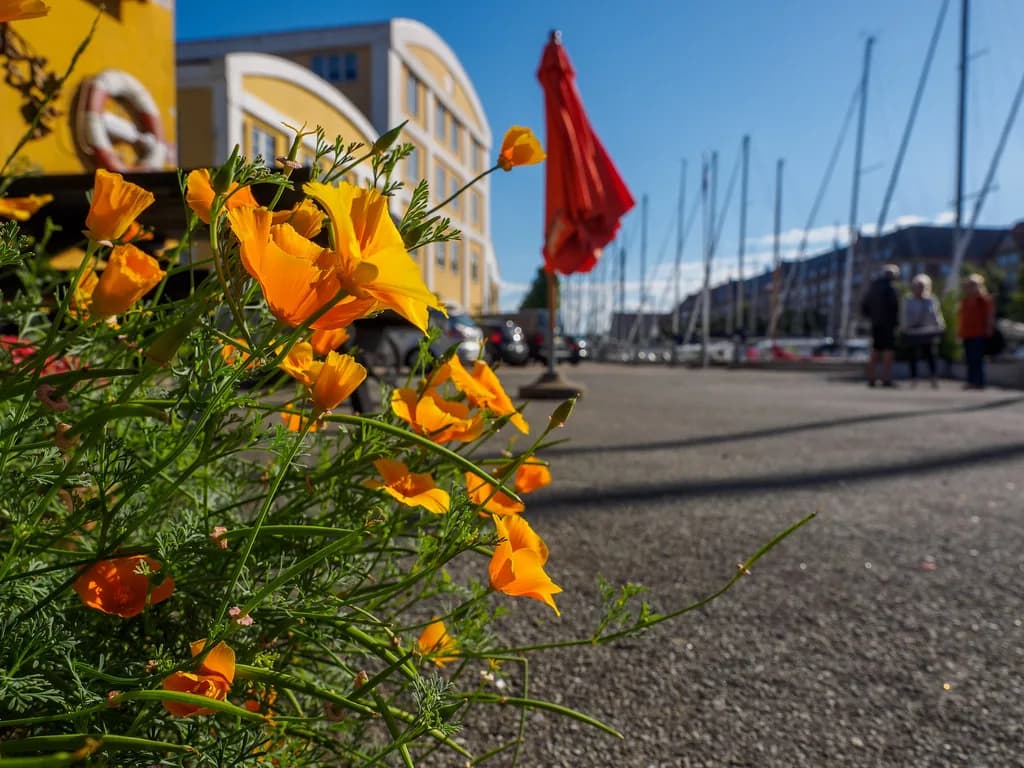
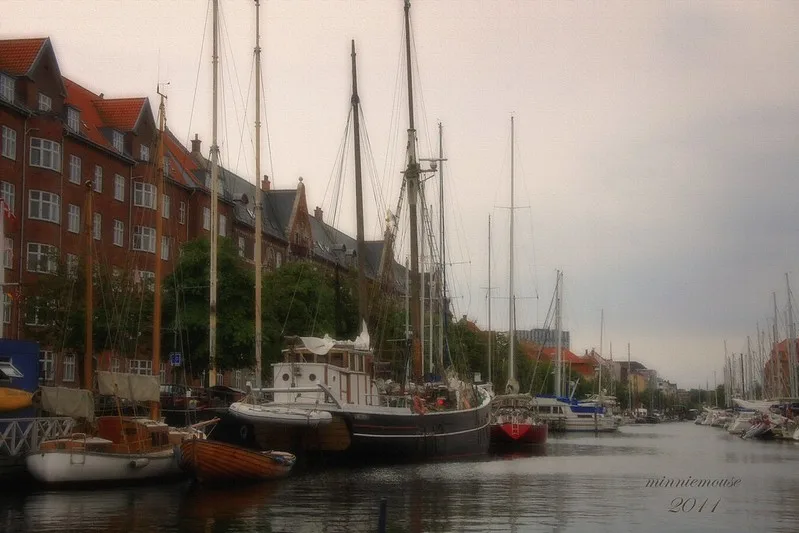
Nyhavn's row of 17th-century painted townhouses is the most photographed image in Denmark, and it earns the attention. Hans Christian Andersen lived at number 20 for nearly twenty years, and the whole canal district retains a genuine maritime character that postcards underplay. Arrive before 09:00 for crowd-free photographs; by mid-morning the quay fills with tour groups. A practical tip that all competitors echo: skip the canal-side restaurants. They charge three times the city average for food that locals actively avoid.
Canal boat tours depart from Nyhavn and Gammel Strand every 30 minutes between roughly 10:00 and 17:00. Standard tours run for one hour and cost around 115 DKK (€15) per adult. The route passes the Opera House, Christiansborg Palace, the Black Diamond library, and close to the Little Mermaid — a more efficient way to tick off these waterfront sights than walking between them. Stromma's Classic Tour has been running since 1904 and is covered by the Copenhagen Card; Nettobådene offers cheaper tickets bought at the blue booth directly at Nyhavn. If you want a smaller group, look for the social sailing tours that depart from the same area and include drinks on board.
Christianshavn is a five-minute walk across the bridge from Nyhavn and is worth combining into the same morning. This small, picturesque neighborhood has its own canal, a handful of good independent cafés, and a bohemian character that predates Christiania by three centuries. The Church of Our Savior (Vor Frelsers Kirke) is here, with a spiraling exterior staircase that delivers the best view in the city on clear days.
Explore Danish Design at Designmuseum Danmark
Denmark's contribution to 20th-century design is enormous — Arne Jacobsen's Egg Chair, Hans Wegner's Wishbone Chair, and Jens Risom's upholstered sofas all emerged from this small country's obsession with functional beauty. Designmuseum Danmark in Frederiksstaden collects this legacy under one roof and traces it from craft traditions through to contemporary sustainability design. Tickets cost around 145 DKK (€19) for adults, and the museum is closed on Mondays. Allow at least two hours; rushing through the permanent collection misses the point.
The "Danish Chair" exhibit is the anchor of the permanent collection and worth the entry price on its own. It presents over 100 chairs chronologically, illustrating how Danish designers kept refining the same basic form across decades — each iteration slightly lighter, slightly more honest about its materials. The museum shop is genuinely one of the better design stores in the city; even a small ceramic purchase makes a far more considered souvenir than anything sold near the Little Mermaid. The building's courtyard garden offers a quiet coffee stop away from the main tourist circuit.
Visit the Royal Palaces: Amalienborg and Christiansborg
Amalienborg is the winter residence of the Danish Royal Family and consists of four identical rococo palaces arranged around an octagonal courtyard. The changing of the guard happens daily at noon — the procession starts at 11:27 from the barracks near Rosenborg Castle, marches down Gothersgade, and arrives at Amalienborg around 12:00. It is free to watch and takes about 15 minutes. Museum tickets to see the interior rooms cost around 110 DKK and are worth it for the contrast between the austere exterior and the ornate state rooms inside.
Christiansborg Palace on Slotsholmen island is a more complex building that deserves more time than most visitors give it. It houses the Danish Parliament (Folketing), the Supreme Court, and the Prime Minister's offices — all in the same baroque structure. The observation tower is completely free and offers a panoramic view of the city including Frederiksstaden, Tivoli, and the harbor. Book the palace ruins tour to see the medieval foundations beneath the current building, where you walk through centuries of Danish history at street level below the current structure.
Relax in the Botanical Garden and King's Garden
The Botanical Garden (Botanisk Have) sits just north of Nørreport Station and is free to enter. Its 19th-century Palm House — a grand iron and glass greenhouse modeled on London's Kew Gardens — requires a ticket of around 75 DKK to enter but shelters tropical species from across the world and is among the most architecturally beautiful spaces in Copenhagen. On weekdays before noon the garden is mostly empty, making it one of the few genuinely peaceful spots within walking distance of the city center.
Adjacent to the Botanical Garden, the King's Garden (Kongens Have) surrounds Rosenborg Castle — a Dutch Renaissance castle built by King Christian IV in the early 17th century. The park itself is free. During summer, locals spread blankets across the grass lawns for picnics and impromptu gatherings, embodying the kind of low-key hygge that no café can replicate. Entry to Rosenborg Castle, which houses the Danish crown jewels, costs around 130 DKK. If you are short on time, walking the garden perimeter and glimpsing the castle from the gate costs nothing and still rewards. Pair this green detour with lunch from the Torvehallerne market hall just outside Nørreport Station.
Taste Global Flavors at Reffen Street Food
Reffen is Copenhagen's flagship street food market, occupying a former industrial wharf on Refshaleøen island. More than 50 food trucks and stalls cluster here from late April through September, offering everything from Guatemalan tacos to Japanese ramen. Most dishes cost between 90 and 140 DKK (€12–€18). The setting is deliberately rough-edged — shipping containers, gravel paths, and harbor views — which makes it feel more authentic than a purpose-built food hall. Reach it by the 9A bus from Nørreport or by harbor ferry from Nyhavn in around 15 minutes.
The practical timing detail that most guides overlook: arrive before 17:00 on weekends. After that hour, queue times at the most popular taco and burger trucks stretch to 45–60 minutes. On weekdays the market is noticeably quieter even in peak summer. The market also runs occasional evening events with live music and pop-up workshops; check the Reffen website for the current programme before you go. Nearby Lille Bakery on Refshaleøen is worth a stop for pastries on the same visit.
Discover the Unique Vibe of Freetown Christiania
Christiania is a self-governing community of roughly 1,000 residents that has occupied a former military area in Christianshavn since 1971. Walking through it costs nothing and the contrast with the polished city center is immediate — colorful murals, hand-built houses, communal gardens, and live music drifting from the café area. The community has spent decades negotiating its legal status with the Danish government; as of 2026 residents are in the process of purchasing the land, a deal that has been years in the making.
The one firm rule is no photography in the Green Light District, where the open cannabis market operates. Respect this clearly posted boundary and you will have no problems. Visiting during the day on a weekend is the safest and most lively option; weekday mornings can feel subdued. Christiania runs official guided tours at 15:00 daily during summer (late June through August) and on weekends for the rest of the year — a local resident leads the walk and the context they provide changes the experience significantly. Shops and the main café area close around 21:00.
See the City from Above at Copenhill or the Round Tower
Copenhill (Amager Bakke) is one of the most unusual structures in Europe: a functional waste-to-energy power plant with a ski slope, hiking trail, and après-ski bar built on its roof. The hiking trail is completely free and delivers a 360-degree panorama of the city, the Øresund strait, and the Swedish coast on clear days. Skiing and snowboarding cost around 170–225 DKK per hour depending on the session; the surface is artificial "plastic grass" — denser and slower than real snow, so keep your expectations calibrated. The après-ski bar at the top is open year-round, serving hot drinks and cold beers regardless of whether you ski. Opening hours run until 21:00 daily.
For a more central city vantage point, the Round Tower (Rundetårn) in the Latin Quarter offers an accessible climb via a unique spiral ramp instead of stairs. Peter the Great famously drove a horse-drawn carriage up this ramp in 1716. Entry costs around 50 DKK (€6.50) and the observation deck stays open until 20:00 during summer. Unlike Vor Frelsers Kirke with its narrow exterior staircase, the Round Tower is suitable for visitors of all fitness levels and remains open in wet weather. The tower sits on Købmagergade in the middle of the pedestrian shopping zone, making it easy to combine with a café stop.
Cycle Through Vesterbro and Nørrebro Neighborhoods
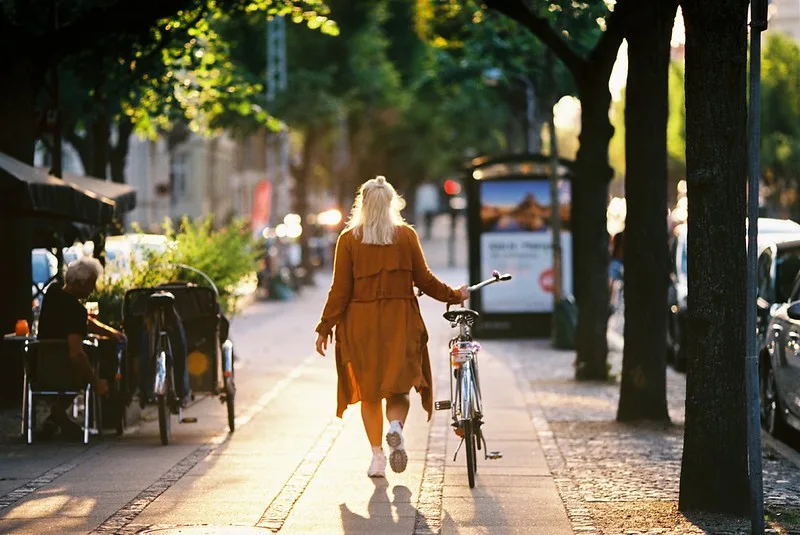
Cycling is not a tourist activity in Copenhagen — it is how roughly 62 percent of residents commute to work every day. Renting a bike unlocks neighborhoods that metro lines skip entirely. Daily rentals average 100–140 DKK (€13–€18) from shops across the city; the Donkey Republic app offers dockless rentals at similar prices and is the most convenient option for short intervals. Before setting off, learn the three key signals that locals expect from every cyclist: extend your arm horizontally to signal a left or right turn, and raise your right hand palm-down to signal that you are slowing to stop. Ignoring these signals in a busy bike lane will earn genuine irritation from commuters behind you.
Vesterbro runs west from Central Station and rewards slow cycling. The Meatpacking District (Kødbyen) anchors one end; Enghave Parken, a neighborhood park popular with young Copenhageners, sits at the other. In between, the side streets contain vintage clothing stores, third-wave coffee roasters, and wine bars that do not appear on any tourism map. Nørrebro lies north across the lakes and has a different energy — more multicultural, younger, and denser. Jægersborggade is the street most guides recommend, and the independent ceramic shops and specialty coffee bars justify the detour. Look for free things to do in Copenhagen including Superkilen Park, a design project that sources public furniture from 60 different countries, located at the northern end of the neighborhood.
Take a Day Trip to Frederiksborg Castle
Frederiksborg Castle in Hillerød is the largest Renaissance palace in Scandinavia and, in the opinion of most people who have seen both, more architecturally impressive than Kronborg (the "Hamlet castle"). It sits on three small islands in a lake, its red brick towers and copper spires reflecting in the water. The direct train from Copenhagen Central Station (Hovedbanegård) takes 40 minutes and costs around 90 DKK each way unless your Copenhagen Card covers the journey. Entry to the museum inside costs around 115 DKK; the formal baroque gardens and the lakeside walk are free.
Allow at least three hours inside — the Great Hall alone, with its painted ceiling and gilded heraldic decorations, takes time to absorb. The Castle Church has been the site of Danish royal coronations since 1671. Visit on a Tuesday or Thursday morning in summer when organized tour groups are rarer. The small town of Hillerød around the castle offers decent lunch options at roughly half Copenhagen prices. If you have time, the 30-minute walk around the full lake perimeter adds context to the scale of the estate.
Sample Craft Beers in the Kødbyen Meatpacking District
Kødbyen occupies a block of former slaughterhouses in Vesterbro that the city converted into galleries, bars, and restaurants starting in the 2000s. The white-tiled buildings and wide industrial courtyards give it a character that cannot be manufactured. WarPigs Brewpub is the anchor — a collaboration between Copenhagen's Mikkeller and Texas's 3 Floyds Brewery that produces rotating IPAs, stouts, and sours alongside a smoked meat menu. Beer flights run around 150 DKK for four generous pours. Most venues open from 16:00 and the district stays active until 02:00 on weekends.
Copenhagen Contemporary sits a short walk away and stages large-scale installations by international artists in a raw industrial hall. Admission runs around 130 DKK and the scale of the works — some fill entire warehouse floors — is difficult to replicate in any conventional museum setting. Combine an afternoon at Copenhagen Contemporary with early evening drinks at Kødbyen for one of the best value days in the city. The entire area is within ten minutes' walk of Copenhagen Central Station.
Enjoy a Traditional Smørrebrød Lunch at Mad & Kaffe
Smørrebrød — the traditional Danish open-faced rye bread sandwich — is the one dish that no visit to Copenhagen should omit. The concept is simple: dense, slightly sour rugbrød topped with combinations like curry herring and raw onion, roast beef with remoulade and crispy onion, or cold-smoked salmon with dill cream. Mad & Kaffe in Vesterbro popularized a customizable format where you select three, five, or seven topping combinations from a daily menu; expect to pay 180–250 DKK for a full lunch with coffee. They open daily from 08:30 to 18:00 and do not take reservations for lunch service, so arrive before 12:00 or after 14:00 to avoid a queue.
For a more traditional sit-down smørrebrød experience, Restaurant Schønnemann in Indre By has been serving the dish since 1877 and requires a reservation. The price is higher — around 350–450 DKK for a three-course lunch with snaps — but the ritual of the formal Danish lunch table (frokost) is intact here in a way that casual spots cannot replicate. Either option beats the tourist menus along Nyhavn by a considerable distance. Smørrebrød is also available at Torvehallerne market hall for around 80–100 DKK if you want a budget version to try before committing to a full sit-down meal.
Is the Copenhagen Card Worth It? A Cost Breakdown
The Copenhagen Card covers entry to over 80 attractions and unlimited use of all public transport including regional trains to Hillerød, Roskilde, and Helsingør. The 48-hour card costs around 669 DKK (€89) for adults in 2026. The question of whether it pays off depends entirely on your itinerary. Here is a direct comparison of individual ticket prices for the five most popular attractions:
| Attraction | Individual Price |
|---|---|
| Tivoli Gardens entry | 160 DKK (rides extra) |
| Designmuseum Danmark | 145 DKK |
| Christiansborg Palace (Royal Reception Rooms) | 120 DKK |
| Ny Carlsberg Glyptotek | 125 DKK |
| Stromma Canal Tour (Classic Tour) | 115 DKK |
Those five alone total 665 DKK — already at breakeven with the 48-hour card before you have used a single metro ride. Add two days of public transport (metro, bus, and harbor ferry) at around 90 DKK per day and the card saves roughly 200 DKK over 48 hours. The card is most valuable for visitors planning to hit multiple museums and travel beyond the city center. It is less worthwhile if your main activity is cycling, eating, and spending time in free parks. Note that the Round Tower and some smaller attractions have recently left the card's inclusion list, so verify the current attraction roster before purchasing. For families visiting with Copenhagen with kids, the child card significantly reduces the threshold for the card to pay off.
Copenhagen Experiences to Consider Skipping
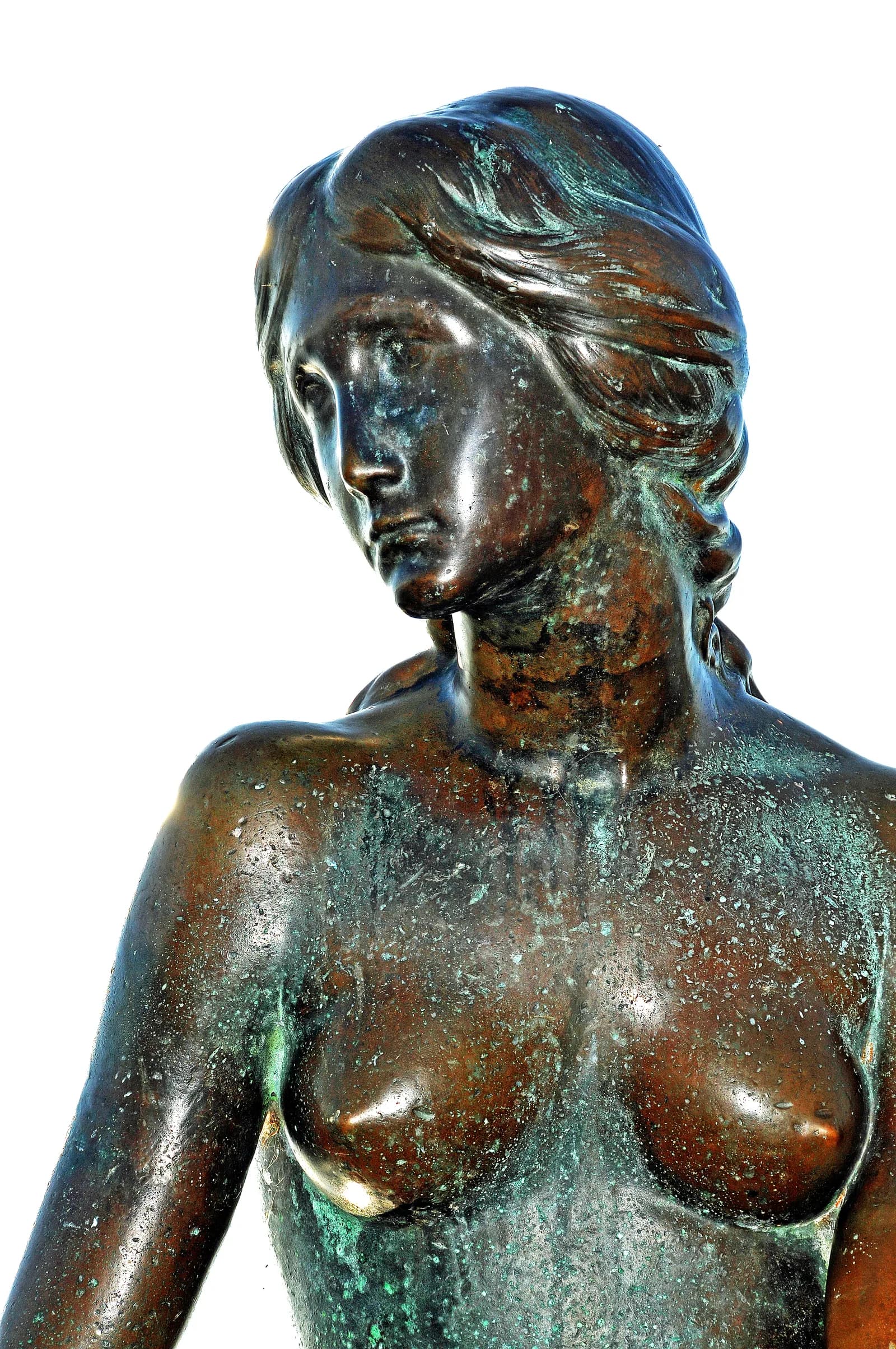
The Little Mermaid statue is the most reliable source of disappointment in Copenhagen. It is roughly 1.25 meters tall, positioned on a rock at the edge of the harbor at Langelinie, and almost always surrounded by a dense crowd of tourists photographing it. The statue itself is fine — Edvard Eriksen's 1913 bronze is technically accomplished — but it is genuinely small and the setting is not scenic. Walk ten minutes further along the harbor to the Gefion Fountain, a much larger and more dramatically situated monument that almost no tourist visits.
Eating directly on the Nyhavn waterfront is the most common budget mistake first-time visitors make. The restaurants facing the canal charge 180–280 DKK for main courses that comparable spots two blocks inland serve for 120–160 DKK. The canal view is available for free from the quayside itself. Buy a beer from a kiosk (around 35–45 DKK), sit on the dock, and enjoy the view without subsidizing it.
Strøget, billed as one of Europe's longest pedestrian shopping streets, is dominated by H&M, Zara, and international chains that exist in every major city. It is useful for orientation but not for shopping. The side streets of the Latin Quarter — particularly around Studiestræde and Sankt Peders Stræde — hold the independent bookshops, local designers, and vintage stores that make Copenhagen's retail scene distinctive. Couples looking for the romantic, non-commercial version of the city will find much more in the Copenhagen activities for couples guide's neighborhood recommendations.
Frequently Asked Questions
Is the Copenhagen Card worth it for a 3-day trip?
The card is highly worth it if you visit at least two major attractions daily. It covers all transport, including the airport train and regional trips to historic castles. You will save roughly $40 compared to buying individual tickets.
What is the best way to see Copenhagen in one day?
Start with a morning canal tour from Nyhavn to see the main waterfront sights. Rent a bike to visit the Round Tower and Torvehallerne food market for lunch. End your day with sunset at Tivoli Gardens.
How do I rent a bike like a local in Copenhagen?
Use a local bike shop or the Donkey Republic app for easy short-term rentals. Ensure you check the lights and brakes before heading out into the busy lanes. Always lock your bike to a permanent fixture when parking.
Copenhagen rewards visitors who balance the iconic with the incidental — a canal tour followed by a side street bakery, a palace with a harbor swim afterwards. The city's scale works in your favor: almost every attraction in this guide is reachable from the center by bike or a single metro hop. Plan around the Copenhagen Card if your itinerary is museum-heavy; skip it if you intend to spend most of your time cycling and eating. For more inspiration, visit the Denmark Wander blog to plan your full Scandinavian adventure.
Whether you come for the design heritage, the food scene, or simply to understand what a well-functioning city feels like, 2026 is a strong year to visit. The Nordhavn waterfront continues to evolve, the Metro network is more complete than ever, and the CopenPay sustainability initiative rewards eco-conscious tourism with free perks across the city. Remember to signal those turns before you slow down.
Explore More Copenhagen Guides
Deep-dive guides for planning a Copenhagen trip — what to do, where to eat, day trips, and seasonal highlights.
You might also like


Continue reading
More guides you'll find useful