7 Essential Tips for Getting to Odense
Learn how to get to Odense from Copenhagen, Billund, and beyond. Includes train times, bus options, driving routes, and local light rail tips for a smooth trip.
On this page
7 Essential Tips for Getting to Odense
Odense sits at the heart of Funen island and draws visitors from across Europe, most of them arriving to walk the streets where Hans Christian Andersen grew up. Getting here is straightforward thanks to Denmark's efficient rail and road network. Whether you're coming from Copenhagen, Aarhus, or an international airport, the journey rarely takes more than two hours. This guide covers every practical option, including the connections that trip up first-time visitors.
Most travelers start in Copenhagen or land at Billund Airport before heading west toward Odense. Others arrive from Jutland via Aarhus, a route that many guides overlook entirely. Understanding the transport options and their trade-offs will save you time and money. Use the section below that matches your starting point, then check the comparison table at the end before booking.
At a glance
- From Copenhagen: 1h 20m by train (99–300 DKK)
- From Aarhus: 1h 30m by train (79–220 DKK)
- From Billund Airport: ~2h via Bus 43 + train connection
- Driving from Copenhagen: ~2h via E20 (275 DKK toll + parking)
- Best for getting around: Odense Letbane (light rail) + Rejseplanen app
Key Takeaways
- Book DSB 'Orange' tickets weeks in advance to secure the lowest possible train fares.
- Use the Rejseplanen app for real-time updates and easy navigation across all Danish transport.
- Utilize the Odense Syd Park & Ride hub to avoid expensive city center parking fees.
Take the Direct Train from Copenhagen
Rail is the most popular way to reach Odense from the Danish capital. Trains depart from Copenhagen Central Station (København H) roughly every 20 to 30 minutes throughout the day. The fastest InterCity services cover the 139 km route in 1 hour and 20 minutes. Standard services average around 1 hour and 38 minutes depending on which stop they serve.
On a typical weekday in 2026, you can find around 35 departures. The first train leaves at 00:29 and the last at 23:49, so the route is covered almost around the clock. Trains also run directly from Copenhagen Airport (CPH), departing from the station beneath Terminal 3, saving you the detour into the city center. That airport-to-Odense journey takes roughly 90 minutes.
Book 'Orange tickets' on the DSB (Danish Railways) website to get the lowest fares. These discounted seats often go on sale three to six months before travel and can cost as little as 99 DKK one-way. Standard flexible tickets cost 180 to 300 DKK but can be changed without penalty. Digital tickets on the DSB app are accepted by all conductors; paper printouts also work fine.
Odense Station sits at the edge of the historic city center. From the main exit, Hotel Ansgar is a four-minute walk and Hotel Plaza is about seven minutes on foot. The Copenhagen to Odense train route is also the springboard for a convenient Odense from Copenhagen day trip, as the frequency means you never feel locked into a single departure time.
Train from Aarhus to Odense
Travelers coming from Jutland's largest city often reach Odense faster than they expect. DSB InterCity trains run from Aarhus H to Odense in around 1 hour and 30 minutes, crossing the Little Belt Bridge along the way. Departures run roughly every hour, and many of these trains continue toward Copenhagen, so you simply board at Aarhus and exit at Odense St.
This route is particularly useful if you're combining Odense with a Jutland road trip or flying into Aarhus via Billund. Orange tickets on the Aarhus–Odense leg typically start at 79 DKK if you book at least a week in advance. Standard fares sit around 150 to 220 DKK. The Rejseplanen app shows the exact connection with live platform assignments at Aarhus H.
Arriving from the north, the train crosses from Jutland to Funen via the Lillebælt Bridge — a short but scenic crossing over the strait. Odense Station on this route is clearly announced in both Danish and English. If you're traveling with luggage, note that all InterCity trains from Aarhus have designated luggage racks at both ends of each carriage.
Use the Affordable Flixbus Service
Budget travelers often pick the bus to save on last-minute costs when DSB trains are fully booked. Flixbus runs frequent routes linking Copenhagen and Aarhus to Odense, with fares typically between 80 and 150 DKK depending on how far in advance you book. The coaches are modern with free Wi-Fi and USB charging at every seat. Booking through the app or website is the only way to purchase a ticket.
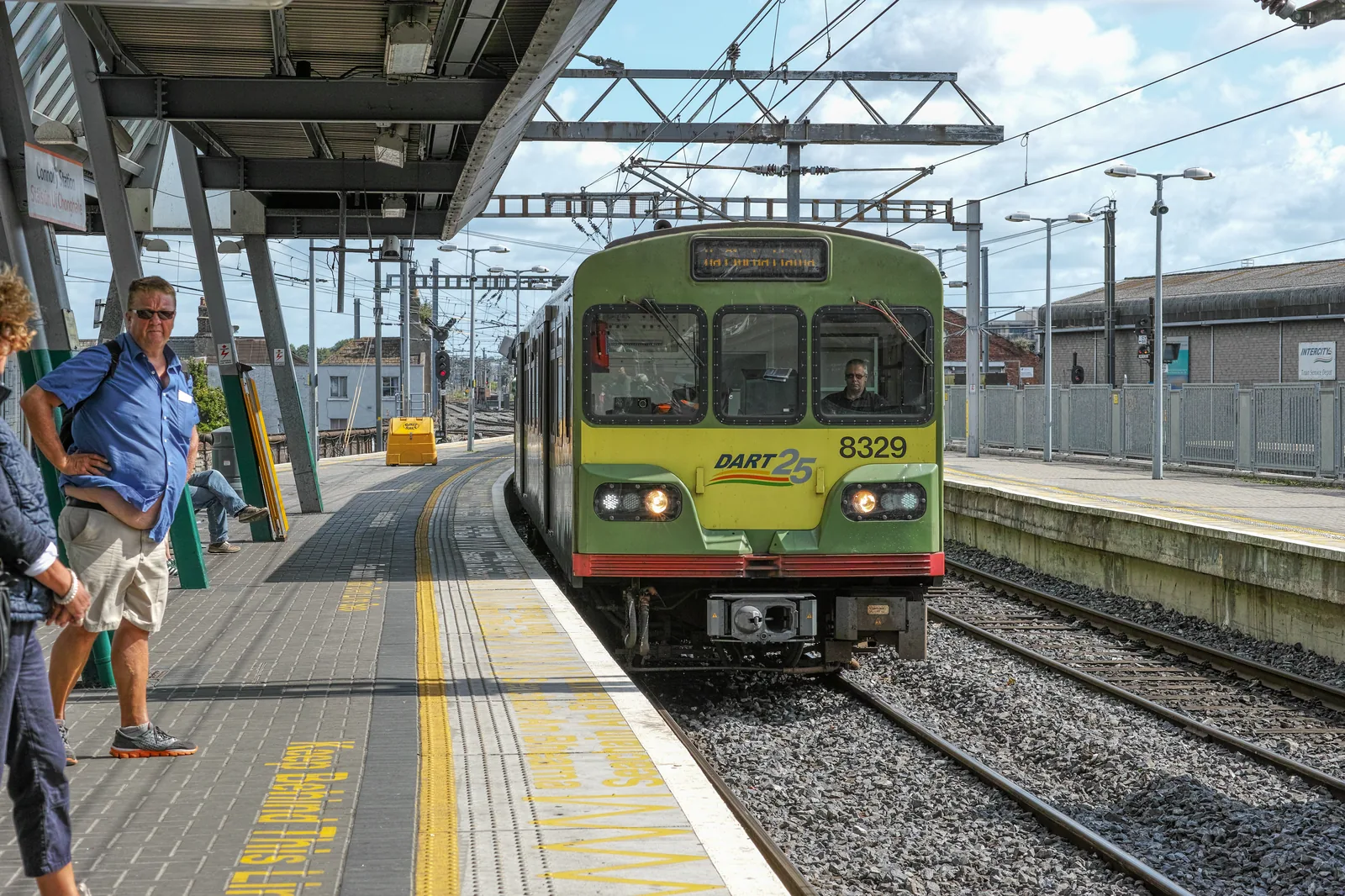
Most long-distance buses stop at Odense Syd, which sits outside the historic center. From there, the Odense Letbane (light rail) takes you to the main station and city center in about 15 minutes. This extra step is manageable but worth factoring into your total travel time. Check the VisitOdense Transport page for the current bus stop address at Odense Syd.
Journey time from Copenhagen by bus is usually around 2 hours and 15 minutes. From Aarhus, expect roughly 1 hour and 45 minutes. Luggage space in the hold is generous, and you can bring one checked bag and one carry-on at no extra cost. Arrive at the bus stop at least 15 minutes before departure; drivers scan QR codes on your phone without printing.
Drive via the E20 Motorway
Driving gives you the most flexibility, especially if you plan to explore Funen's countryside beyond Odense. The E20 motorway runs directly through the island, linking it to Copenhagen on the east and Jutland on the west. Most drivers from Copenhagen cover the 170 km route in about two hours under normal traffic conditions. Road signs are clear and speed cameras are common, so observe the 130 km/h motorway limit.
Crossing from Zealand to Funen means paying the Great Belt Bridge toll. In 2026, the fee for a standard passenger car is approximately 275 DKK one-way. Payment is by credit card at automated booths on the bridge. Drivers with a BroBizz transponder qualify for discounted rates and faster passage through dedicated lanes.
Parking in the city center is expensive and timed. A smarter option is the large 'Parkering Odense Syd' hub near the motorway exit. This facility offers secure parking for up to three days at a flat daily rate, with direct Letbane access to the city center in 15 minutes. Several Q-Park garages are also available closer in — Odeon, Grønnegade, and Toldkammeret are the most central — but expect to pay premium rates during weekday business hours.
Electric vehicle drivers will find charging stations throughout Odense and near most major hotels. Rental cars from Copenhagen Airport are plentiful and can be booked via comparison sites; collecting at CPH and driving directly avoids navigating Copenhagen city traffic entirely.
Transfer from Billund Airport (BLL)
Billund Airport has no direct rail link, so you need a bus-and-train combination to reach Odense. This is a common point of confusion for international travelers arriving on Ryanair or other low-cost carriers. The good news is the connection is straightforward once you know the steps.
Take Bus 43 or Bus 143 from the airport arrivals exit to Vejle Trafikcenter. The ride takes about 30 minutes and runs throughout the day. You can pay the driver by credit card or buy a ticket via the Rejseplanen app before boarding. Once in Vejle, walk to Vejle Station and board a DSB regional train south toward Odense. That leg takes around 45 minutes. Total door-to-door time including the transfer wait is typically around two hours.
Vejle Station is compact and well-signed, even on a short connection. There are a couple of cafes and a waiting room with seating. Allow at least a 10-minute buffer between the bus arriving and your train departure — buses from Billund can run late during peak traffic. Use Rejseplanen to sync your bus arrival with the next available train to Odense in real time.
Use the Odense Letbane for Local Transport
The Odense Letbane is the city's modern light rail line, running from the main train station through the university district and south to the suburbs. Trams run every 7 to 15 minutes during daytime hours, making it the fastest way to cross the city without a car. Stops are clearly announced in Danish and English. The line is particularly useful if you park at Odense Syd and need to reach the historic center.
You can bring your bicycle on the Letbane free of charge during off-peak hours. This matters because Odense is Denmark's designated cycling capital, with over 500 km of dedicated bike lanes threading the city. Picking up a rental bike at the station and combining it with the light rail is the way many locals navigate on busy days. Check the official Letbane website for the current peak-hour restrictions before loading your bike.
Tickets are purchased via the Letbane app or station vending machines. The most convenient option for multi-day visits is a Rejsekort card — tap on at the platform validator, tap off at your destination, and the system automatically charges the correct fare. A single-zone trip costs around 24 DKK. The Odense Syd Park & Ride hub sits at the southern terminus of the line, making it a practical base if you've driven in and want car-free city exploration from there.
Transport Comparison: Train, Bus, or Car
Choosing the right mode depends on your starting point, travel group size, and how much of Funen you plan to explore. The table below summarizes the three main options from Copenhagen in 2026.
| Mode | Journey Time | Cost (one-way) | Final Stop | Best For |
|---|---|---|---|---|
| Train (DSB) | 1h 20m–1h 38m | 99–300 DKK | Central Odense Station | Solo travelers, couples, day-trips |
| Bus (Flixbus) | ~2h 15m | 80–150 DKK | Odense Syd + Letbane | Tight budgets, off-peak travel |
| Car (E20) | ~2h | 275 DKK toll + fuel + 40–80 DKK parking | City or Odense Syd | Funen countryside exploration, groups 3+ |
Families with young children or groups of three or more often find that driving becomes cost-competitive once you split the toll and parking. Solo travelers almost always save time and money on the train. If your itinerary extends beyond Odense to other Funen towns like Svendborg or Kerteminde, a car unlocks those options without extra bus planning.
Navigate with the Rejseplanen App
Rejseplanen is Denmark's official journey planner and the single tool that ties all transport modes together. Enter any address in Denmark as your start or end point and the app returns every available combination of train, bus, and light rail with live departure times. It is free to download on iOS and Android and has a full English-language interface.
The app is particularly valuable for multi-leg journeys like the Billund-to-Vejle-to-Odense transfer. Set your destination as 'Odense St' and your start as 'Billund Lufthavn' and Rejseplanen will show you which bus to take and which train connection it lines up with. It also flags real-time delays so you can adjust before you miss a connection.
For the Odense light rail, Rejseplanen shows the exact Letbane departure time from any platform. The map view displays walking routes from stops to attractions like H.C. Andersen's House or the Danish Railway Museum, which sits right next to Odense Station and opens daily from 10:00 to 16:00. The web version at rejseplanen.dk works equally well on a desktop if you prefer to plan before you leave home.
Frequently Asked Questions
How long is the train from Copenhagen to Odense?
The direct train from Copenhagen Central Station to Odense typically takes between 75 and 90 minutes. High-speed InterCity services are the fastest option for travelers. You can check the latest schedules on the DSB (Danish Railways) website for accurate timing.
Is there an airport in Odense?
Odense is served by the Hans Christian Andersen Airport, but it does not host major scheduled commercial flights. Most visitors fly into Copenhagen (CPH) or Billund (BLL) instead. From these airports, you can easily reach Odense via a train or a bus connection.
How do I get from Billund to Odense?
You must take Bus 43 or 143 from Billund Airport to the Vejle traffic center first. From Vejle, you can catch a direct train to Odense Station. The total travel time for this combined journey is approximately two hours including the transfer time in Vejle.
Can I take a bike on the Odense light rail?
Yes, you can bring your bicycle on the Odense Letbane for free during off-peak hours. This is a great way to explore the city's extensive bike path network. Be sure to check the official light rail rules for specific time restrictions during the morning and evening rush.
Where can I park my car for the light rail in Odense?
The best place to park is the 'Parkering Odense Syd' hub located near the E20 motorway. This facility offers affordable long-term parking and direct access to the light rail line. It takes about 15 minutes to reach the city center from this convenient parking location.
Reaching Odense is simple regardless of your starting point. The train from Copenhagen is fast and frequent, the Aarhus connection works well for Jutland travelers, and the E20 is straightforward for drivers willing to pay the Great Belt toll. For international arrivals at Billund, the Vejle transfer adds time but is easy to navigate with Rejseplanen.
Once in the city, the Letbane light rail handles local connections efficiently. Book DSB tickets as far ahead as possible to secure Orange prices, park at Odense Syd if you're driving, and keep Rejseplanen open on your phone throughout the journey. The Hans Christian Andersen streets are a short walk from the station — your trip through one of Denmark's most distinctive cities starts the moment you step off the train.
Explore More Odense Guides
Deep-dive guides for planning an Odense trip — what to do, where to eat, getting there, and seasonal highlights.
You might also like


Continue reading
More guides you'll find useful