Day Trip From Copenhagen To Helsingor Travel Guide
Plan your day trip from copenhagen to helsingor with timing tips, Kronborg Castle guides, and local secrets for a perfect Danish escape. Book early and save!
On this page
1-Day Trip From Copenhagen To Helsingor
I built this 1-day Helsingør itinerary after my third visit to North Zealand to ensure first-timer visitors see the best of 'Hamlet's City' without the rush. This guide is specifically designed for those who want a blend of royal history, maritime culture, and charming cobblestone streets. Whether you are a solo traveler or a family, this route minimizes backtracking and maximizes your time at the iconic UNESCO sites.
This article was last refreshed after my spring 2026 visit to ensure all transport details and ticket prices remain accurate for your journey. Helsingør offers a distinct vibe compared to the capital, feeling much more intimate and deeply connected to the sea. For official Denmark tourism information, visit official Denmark tourism before you plan. You will find that the city is incredibly walkable, making it one of the most accessible escapes from Copenhagen.
Getting to Helsingør
The train is by far the most convenient way to make this day trip. Direct services run from Copenhagen Central Station (København H) and Nørreport roughly every 15–20 minutes throughout the day. The journey takes 45–55 minutes and follows a scenic coastal route along the so-called Danish Riviera, with views of Øresund Sound for most of the ride.
A standard one-way fare costs approximately 80–95 DKK in 2026. Buy tickets through the DSB app (available on iOS and Android) or at station kiosks — you check in and out with your phone or card. The 08:30 departure from Copenhagen H, for example, arrives before 09:30 in Helsingør, giving you a full morning at the castle before the tour groups arrive.
Using the Copenhagen Card eliminates the fare entirely and covers entrance to every major attraction in Helsingør. Without the card, budget roughly 160–190 DKK for a return journey, 145 DKK for Kronborg Castle, and 145 DKK for the Maritime Museum. The card pays for itself if you visit at least three major attractions in one day.
One thing worth noting: Helsingør Station itself is beautiful. The Dutch Renaissance building, completed in 1863, has been declared the most beautiful railway station in Denmark. Spend a moment in the entrance hall before heading out — it takes 20 minutes on foot to reach the castle from the station, passing the Culture Yard complex along the harbour.
Buy your DSB train ticket in advance through the app to save time. The Copenhagen Card (479 DKK for 24 hours) covers your return train plus entry to Kronborg Castle and the Maritime Museum — it pays for itself if you visit all three attractions. Without the card, a return journey costs 160–190 DKK and individual attraction tickets total around 290 DKK.
1-Day Helsingør Itinerary: At a Glance
Planning a day trip from Copenhagen to Helsingør rewards those who start early. Arrive in Helsingør by 09:00–09:30 so you reach the castle right as it opens at 10:00. Most visitors need around two hours to see the whole castle including the casemates. From there, the Maritime Museum is a 5-minute walk back toward town. Spend the afternoon in the old town and have lunch at one of the harbour restaurants. Return trains run regularly until late evening — you can be back in Copenhagen by 20:00 without any rush.
| Time | Activity | Duration | Notes |
|---|---|---|---|
| 09:00 | Arrive Helsingør | 20 min walk | From station to Kronborg Castle |
| 10:00–12:00 | Kronborg Castle | 2 hours | Great hall, casemates, courtyard; book online in summer |
| 12:00–13:00 | Maritime Museum | 1 hour | 5-minute walk from castle; interactive exhibits |
| 13:00–14:00 | Lunch | 1 hour | Værftets Madmarked or Café Kronborg (arrive before 12:30) |
| 14:00–16:30 | Old town explore | 2.5 hours | Axeltorv, St. Olaf's Church, Skibsklarerergaarden, Stengade |
| 16:30–17:00 | Optional ferry | 20 min | Helsingør to Helsingborg, Sweden (50–60 DKK return) |
| 17:00–18:00 | Harbour & return | 1 hour | Han statue, waterfront walk, board return train |
Must-See Attractions: Kronborg and the Maritime Museum
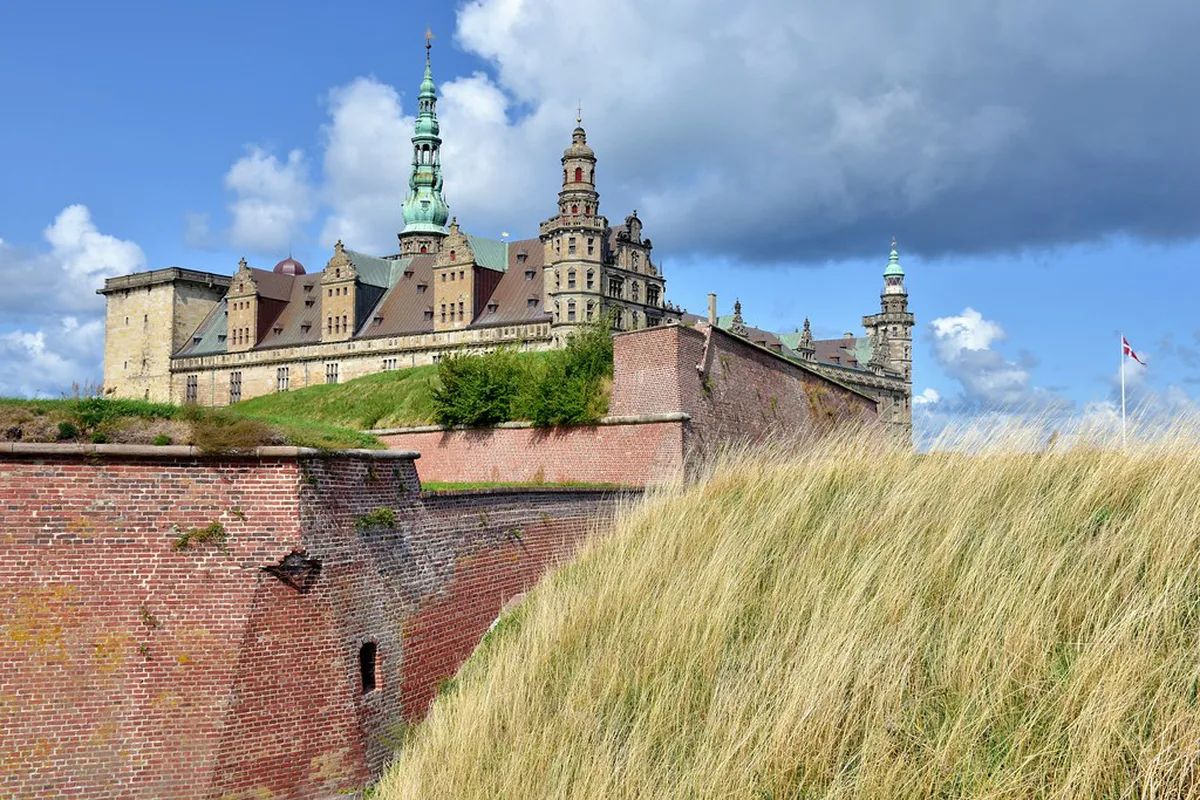
Kronborg Castle is the anchor of any day trip here. The UNESCO-listed fortress was built around 1420 to collect tolls from ships crossing the Øresund Strait, then rebuilt in grand Renaissance style by King Frederik II in the 16th century. Today it is best known as the setting for Shakespeare's Hamlet, though the castle's real history of maritime power and military use is arguably more compelling. I recommend visiting the casemates — the dark underground passages — first thing in the morning before they become crowded. Allow two full hours for the castle in 2026, including the courtyard and the view across to Sweden.
The M/S Maritime Museum of Denmark sits in a former dry dock directly next to the castle. The building itself is a masterpiece by Bjarke Ingels Group: the entire museum is built below ground around the old dock, connected by dramatic bridges and ramps. BBC named it one of the eight greatest new museums in the world. Exhibits cover Denmark's 600 years of seafaring history with interactive displays that work well for children. The on-site M/S Café serves open-faced sandwiches and coffee. Budget one hour here; the Copenhagen Card covers entry, as it does for Kronborg.
A practical note: both attractions sell tickets on-site, but timed entry slots at Kronborg can fill up during peak summer weekends (June–August). Book online at least 48 hours ahead if you are visiting on a Saturday or Sunday in summer. The castle opens at 10:00 daily; the Maritime Museum opens at 10:00 as well. Check our our complete Helsingør guide guide for current seasonal hours before you go.
Kronborg Castle timed-entry tickets sell out on summer Saturdays and Sundays. Book at kronborg.dk at least 2 days in advance for peak season (June–August). The casemates (underground passages) are coolest in the morning before crowds build. Bring comfortable walking shoes — the cobblestones are rough and uneven. Expect muddy patches if you visit after rain.
Museums, Art, and Culture in Helsingør
St. Mary's Church and the Carmelite Priory (Sankt Mariæ Kirke og Kloster) is the oldest still-standing monastery in Scandinavia and one of the most historically significant buildings in the city. The complex was founded in 1430 and completed by 1500. It can only be visited with a pre-booked guided tour — if you are interested, arrange this before you travel. Even without a tour, the exterior courtyard and Gothic cloisters are striking and free to view. It is located in the old town, making it an easy stop between the Maritime Museum and lunch.
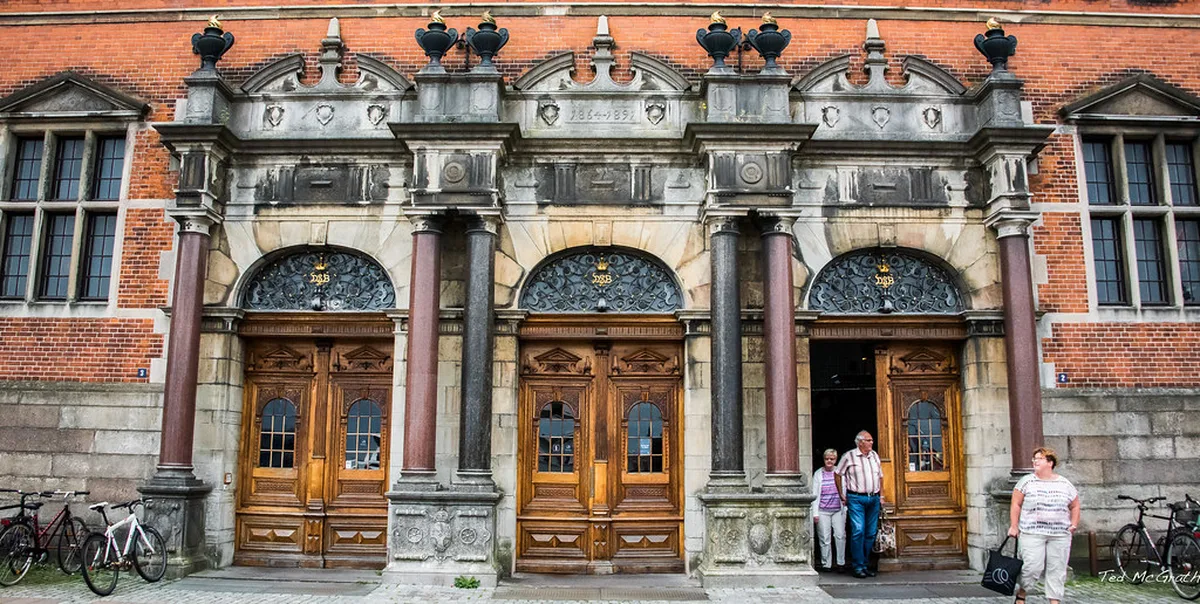
St. Olaf's Church (Sankt Olai) is Helsingør's red-brick Gothic cathedral, built on a church site that dates to the 13th century. Inside, look for the 17th-century altarpiece, a richly carved pulpit, and Renaissance frescoes. The tower attached to the cathedral once served as a lighthouse guiding ships into the Sound. The church is open Tuesday–Saturday 10:00–14:00 from September through April; hours extend in summer. Admission is free, making it an excellent budget addition to your afternoon.
The Skibsklarerergaarden — the Ship Broker's House — is tucked in the old town near Axeltorv. This 18th-century broker's office was once part of the Øresund Customs inspection system. Today it is a living museum with actors recreating the Sound Dues era, a restored chandlery shop, and what is reportedly the oldest grocery store in Scandinavia. Admission is around 50 DKK and the experience is far less crowded than the castle. It is one of the more atmospheric stops in the city for anyone who wants to move beyond royal history.
Parks, Gardens, and Outdoor Spots
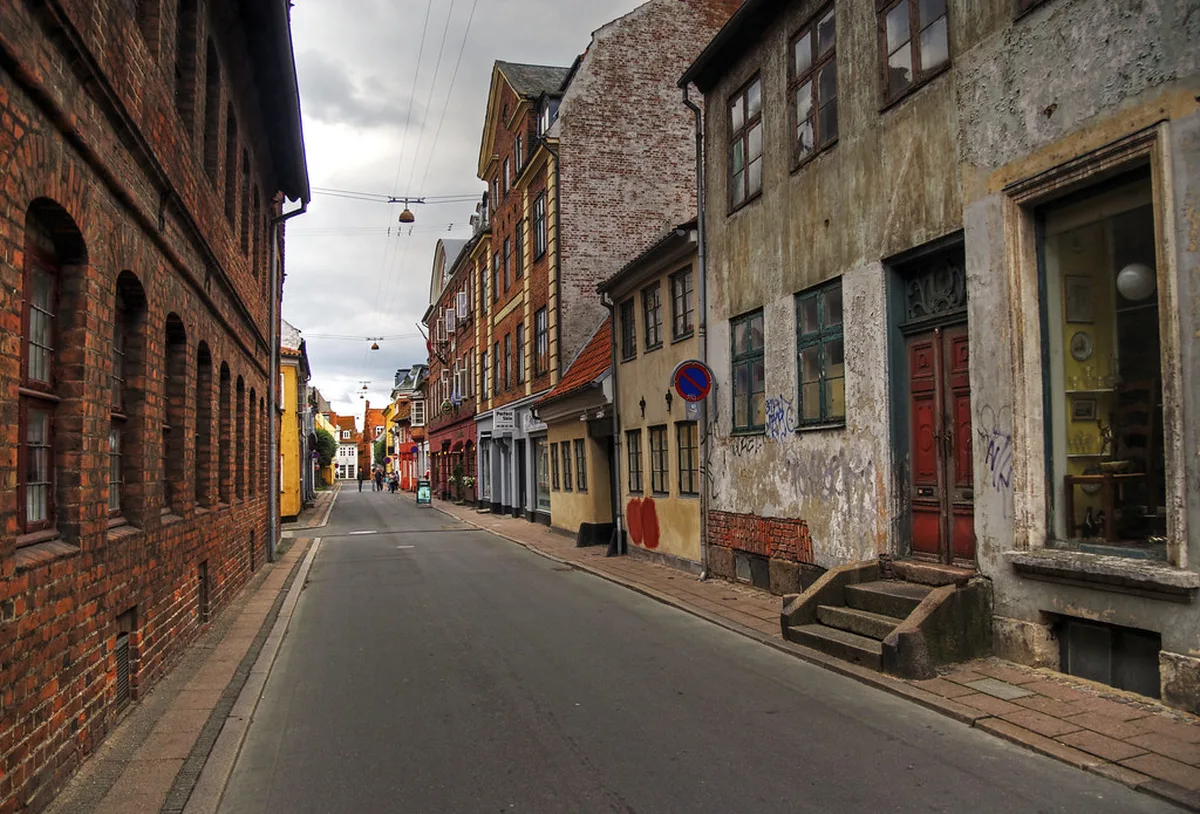
The old town itself is the city's best outdoor attraction. Axeltorv is the central square where you will find the fountain and statue of King Erik of Pomerania, who effectively made Helsingør wealthy by enforcing the Sound Toll. In summer (May–October) the square hosts open-air markets on Wednesdays and Sundays. The cobbled Stengade runs through the old merchant quarter and is lined with boutiques and cafés; Gl Færgestræde, which once connected the docks to the main street, is the most photogenic lane in the city.
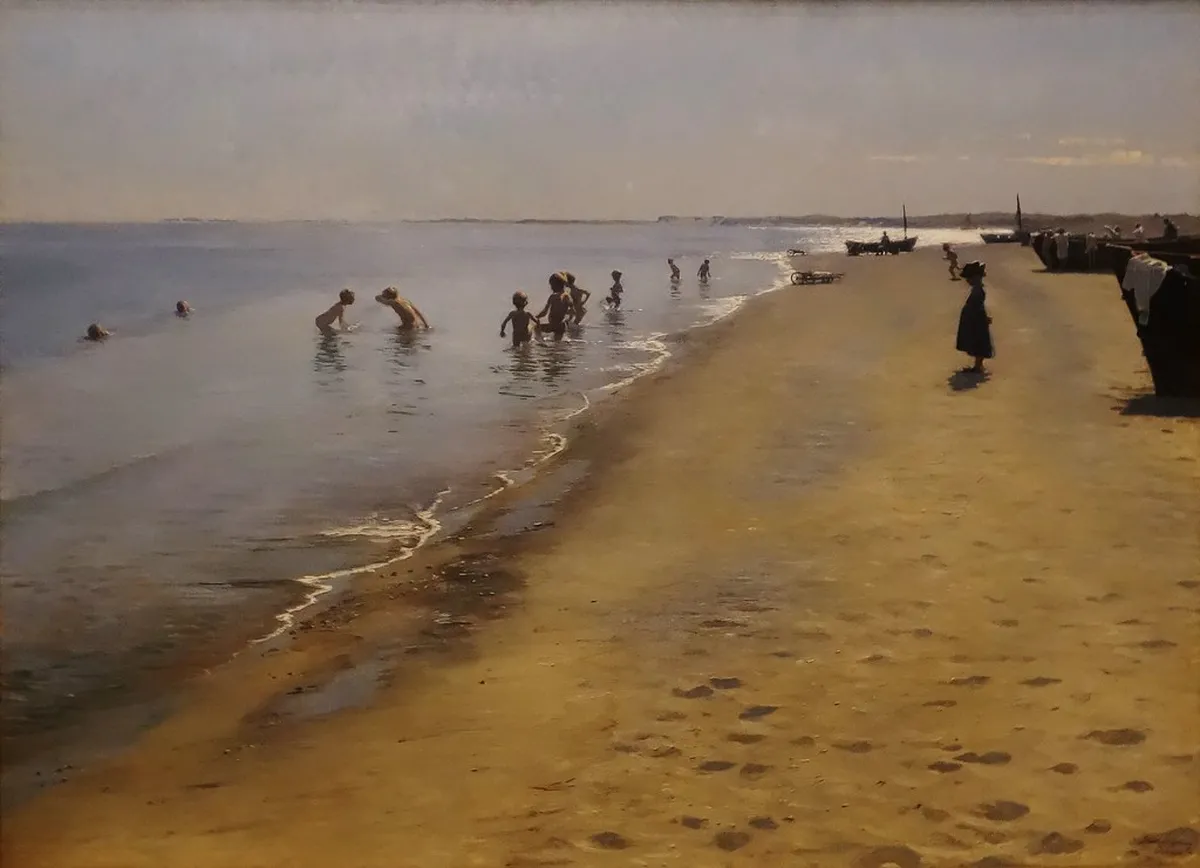
The harbour area is worth an hour of slow walking. Look for the 'Han' statue — a silver male counterpart to Copenhagen's Little Mermaid — near the ferry terminal. It is a free photo stop and a good reference point for watching the HH Ferries depart for Sweden every 20 minutes or so. The beach at Helsingør is worth a visit if you are here in summer; it stretches north of the ferry port and is popular with locals for afternoon swimming.
If you want to extend beyond Helsingør, Fredensborg Palace is a 20-minute train ride south toward Copenhagen. The palace is the Danish Royal Family's spring and autumn residence, and its public gardens — some of the largest in Denmark — are open year-round. For those with a full extra day, Frederiksborg Slot in Hillerød (30 minutes from Helsingør by local train) offers a 'Castle Circle' combining three royal sites in North Zealand.
The Ferry to Helsingborg: Two Countries in One Day
Helsingør sits just 4 kilometres from Helsingborg in southern Sweden — the narrowest point of the Øresund Strait. HH Ferries runs the crossing continuously, with departures every 15–20 minutes from the ferry terminal directly adjacent to the train station. The crossing takes about 20 minutes. A one-way ticket costs roughly 50–60 DKK in 2026; the Copenhagen Card does not cover this particular crossing, but the price is low enough that it rarely matters.
Most visitors who make the crossing stay in Helsingborg for 1–2 hours and return on the same ferry. The Swedish side has a compact historic centre, the medieval Kärnan tower ruin, and a handful of good lunch spots along the harbour. Bring a valid passport or national ID: border checks between Denmark and Sweden have been in place since 2015 and are still active in 2026. A quick check at the gangway is typical; it rarely causes delays but you will be turned back without ID.
This crossing is the differentiator that most Copenhagen day-trip itineraries underemphasise. You can genuinely stand in two countries before 18:00, return to Helsingør for a final harbour walk, and still be back in Copenhagen for dinner. For families, the short ferry ride itself is often a highlight — there is outdoor deck space and a clear view of both fortresses.
Lunch Recommendations
Helsingør has a surprisingly strong food scene for a town its size, and the quality of lunch options is one of the reasons it makes a better day trip than many nearby alternatives. Værftets Madmarked is the standout option for groups or anyone who wants variety: the historic shipyard food market offers stalls selling fish and chips, Thai dishes, Indian curries, and burgers all under one roof. It is very popular with day visitors in 2026, so arrive before 12:30 to avoid the longest queues.
Café Kronborg on Nordhavnsvej 8 is a harbour-side brasserie near the castle serving Danish classics — fresh seafood, smørrebrød, and fish and chips with views of the Øresund. It is slightly out of the way but excellent if you want to eat near the water away from the old town crowds. Gæstgivergaarden on Kampergade 11 is a rustic pub right by Axeltorv serving hearty Danish stew, meatballs, and aquavit — the most authentically local of the options. M/S Café inside the Maritime Museum is ideal if you are spending time at the museum; it serves open-faced sandwiches and homemade cakes without requiring a museum ticket to enter.
For coffee and pastries, Kagefryd on Stengade 58 is a small bakery near the old town with excellent cakes. Strandvejsristeriet, located inside a 350-year-old soldiers' canteen on the Kronborg Castle grounds, is a unique spot for a mid-morning coffee before the crowds build — there is an on-site roastery and the setting inside the historic walls is hard to beat.
Family-Friendly and Budget-Friendly Options
Helsingør is one of the most accessible day trips from Copenhagen for families. The train journey is straightforward and the entire core circuit — castle, Maritime Museum, old town — is walkable without needing taxis or buses. Children engage well with both major attractions: Kronborg has a theatrical quality that resonates even without historical background, and the Maritime Museum's underground architecture and interactive ship-handling displays hold attention for shorter visits.
Budget travelers can keep costs very low. The 'Han' statue at the harbour, the walk along the old town streets, the cathedral (free), and the beach are all completely free. The Carmelite Priory courtyard is free to view from the outside. If you skip the interior of both the castle and the Maritime Museum, a full day in Helsingør costs nothing more than your train ticket (80–95 DKK one-way) and lunch. The Copenhagen Card at around 479 DKK for 24 hours makes sense if you are also spending a full day in Copenhagen before or after; if this is your only day in Denmark, individual tickets are cheaper.
A note for visitors with limited mobility: the castle grounds involve uneven cobblestones, and the casemates require ducking through low archways that are not accessible by wheelchair. The Maritime Museum, by contrast, was purpose-built for modern accessibility and has lifts throughout. The old town's main streets — Stengade and Axeltorv — are manageable with a pushchair on a dry day, though some side lanes have difficult paving.
Summer Travel Tips and When to Go
May through September is the peak period for this day trip, and for good reason: the castle grounds are beautiful in long Scandinavian daylight, the beach is usable, and Axeltorv's outdoor markets run Wednesday and Sunday. Danish summers are mild — average 18–22°C in July and August — but changeable. Pack a light jacket and comfortable walking shoes; the castle grounds and old town cobblestones are rough on flat-soled footwear after several hours.
Crowds peak in July and the first two weeks of August. Arriving at Kronborg right at 10:00 is the most effective way to avoid queuing; tour buses typically arrive between 10:30 and 11:00 and the castle fills quickly. Weekdays are noticeably quieter than weekends throughout the summer. If you are visiting in June for Hamlet Season — annual outdoor Shakespeare performances at Kronborg — book the play tickets well in advance; they sell out fast and require a separate purchase from the castle admission.
Off-season visitors (October–April) will find shorter hours at several attractions and a much quieter town, but the castle is open year-round and is genuinely dramatic in grey winter light. St. Olaf's Church is more accessible in this period (Tuesday–Saturday, 10:00–14:00). The ferry to Helsingborg runs year-round. Return trains from Helsingør depart every 15–20 minutes throughout the evening; the last trains to Copenhagen run late, so there is no hard cutoff for your return.
Frequently Asked Questions
How long is the train from Copenhagen to Helsingør?
The journey takes approximately 45 minutes on the regional train. Trains depart every 20 minutes from Copenhagen Central Station. It is a direct and scenic route along the coast.
Is the Copenhagen Card worth it for this trip?
Yes, it covers the return train and entry to Kronborg and the Maritime Museum. You will save roughly 100 DKK compared to buying individual tickets. It also simplifies the boarding process.
A day trip from Copenhagen to Helsingør is a quintessential Danish experience that balances history with modern coastal charm. By following this itinerary, you can see the best of the 'Home of Hamlet' while still being back in the capital for dinner. Remember to check the weather before you go, as the castle grounds are best explored on a clear day.
You might also like


Continue reading
More guides you'll find useful