How Many Days in Odense: A 3-Day Trip Guide
How many days in Odense do you really need? Explore our 3-day itinerary covering the H.C. Andersen House and Egeskov Castle. Plan your Danish escape today!
On this page
How Many Days in Odense: A 3-Day First-Timer Guide
Odense is the third-largest city in Denmark and the legendary birthplace of Hans Christian Andersen. The city is compact, walkable, and surprisingly easy to navigate — even on a first visit. This guide answers the core question directly: one day covers the highlights, but two days is the sweet spot for most cultural travelers.
The H.C. Andersen House alone is worth the train ride from Copenhagen. Add the harbor, Brandts Klædefabrik, and Storms Pakhus and you have a full day. Add Egeskov Castle and you need a second day. This itinerary builds across all three scenarios so you can choose the right duration for your trip to Funen in 2026.
At a glance
- Duration: 1–3 days recommended
- Best time: April–October (castle interior open)
- Getting there: Train from Copenhagen H: 70–90 minutes
- Budget: Hotels 700–1,400 DKK/night; museums 140–265 DKK entry
- Must-see: H.C. Andersen House, Egeskov Castle, Old Town
Is One Day in Odense Enough?
For most day-trippers from Copenhagen, one day is enough to see the core of Odense. The train journey takes 70 to 90 minutes from Copenhagen H to Odense St, and the main sights are all within a 15-minute walk of the station. Arrive by 09:30 and you can pack in the H.C. Andersen House, the Old Town, and an evening meal before catching a return train.
The honest answer is that you will feel slightly rushed on a one-day visit if you try to include Egeskov Castle. The castle is a 30-minute drive or about an hour by regional train and bus from Odense — it realistically needs four to five hours on its own. Leave the castle for a second day or skip it entirely if you only have time for a day trip.
One day works well if your priority is the Andersen House, the Old Town cobblestones, and a stop at Storms Pakhus for dinner before your return train. That is a satisfying, unhurried itinerary. Two days opens up the Railway Museum, the harbor swimming pool, and the art district at Brandts. Three days means Egeskov Castle plus time to breathe.
| Duration | Must-see attractions | Pace | Hotel estimate |
|---|---|---|---|
| 1 Day | H.C. Andersen House, Old Town, Storms Pakhus | Rushed | Day trip or 350 DKK dorm |
| 2 Days | + Railway Museum, Brandts, harbor, relaxed exploration | Comfortable | 900–1,400 DKK/night |
| 3 Days | + Egeskov Castle, Funen countryside villages | Unhurried | 900–1,400 DKK/night |
The Perfect 2-Day Odense Itinerary
Two days is the most balanced option for travelers who want culture without rushing. Spend the first morning at the H.C. Andersen House (allow two hours minimum) and follow that with the Childhood Home a ten-minute walk away. In the afternoon, walk through the Old Town past St. Canute's Cathedral and Odense Castle, then head to the harbor to see the outdoor swimming pool and the street art along the waterfront.
On day two, start at the Danish Railway Museum when it opens at 10:00 (or 09:00 on weekends). Spend two hours there, then walk to the Brandts art district for lunch and the afternoon. Eventyrhaven, the Fairy Tale Garden along the Odense River, connects these two zones on foot. Finish with dinner at Storms Pakhus before catching an evening train or settling in for a second night.
The advantage of two days is that you can visit the is Odense worth visiting question from a relaxed vantage point — not sprinting between sites. You also get to experience the city's student energy in the evenings, which is absent on a quick day trip. Most mid-range hotels in the center cost between 900 and 1,400 DKK per night including breakfast.
3 Days in Odense: Adding Egeskov Castle and Beyond
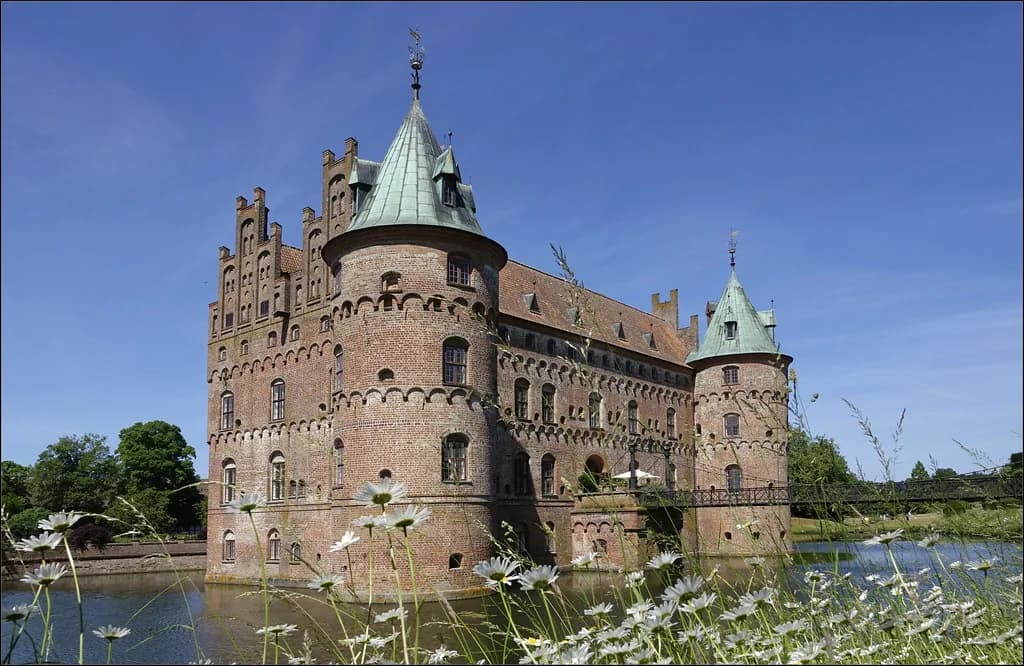
A third day in Odense is almost entirely dedicated to Egeskov Castle on the southern tip of Funen. This is one of Europe's best-preserved Renaissance water castles, sitting in a moat on a foundation of thousands of oak poles. Beyond the castle itself, the site includes vintage car and motorcycle museums, maze gardens, and a treetop walk — plan for a full five to six hours on site.
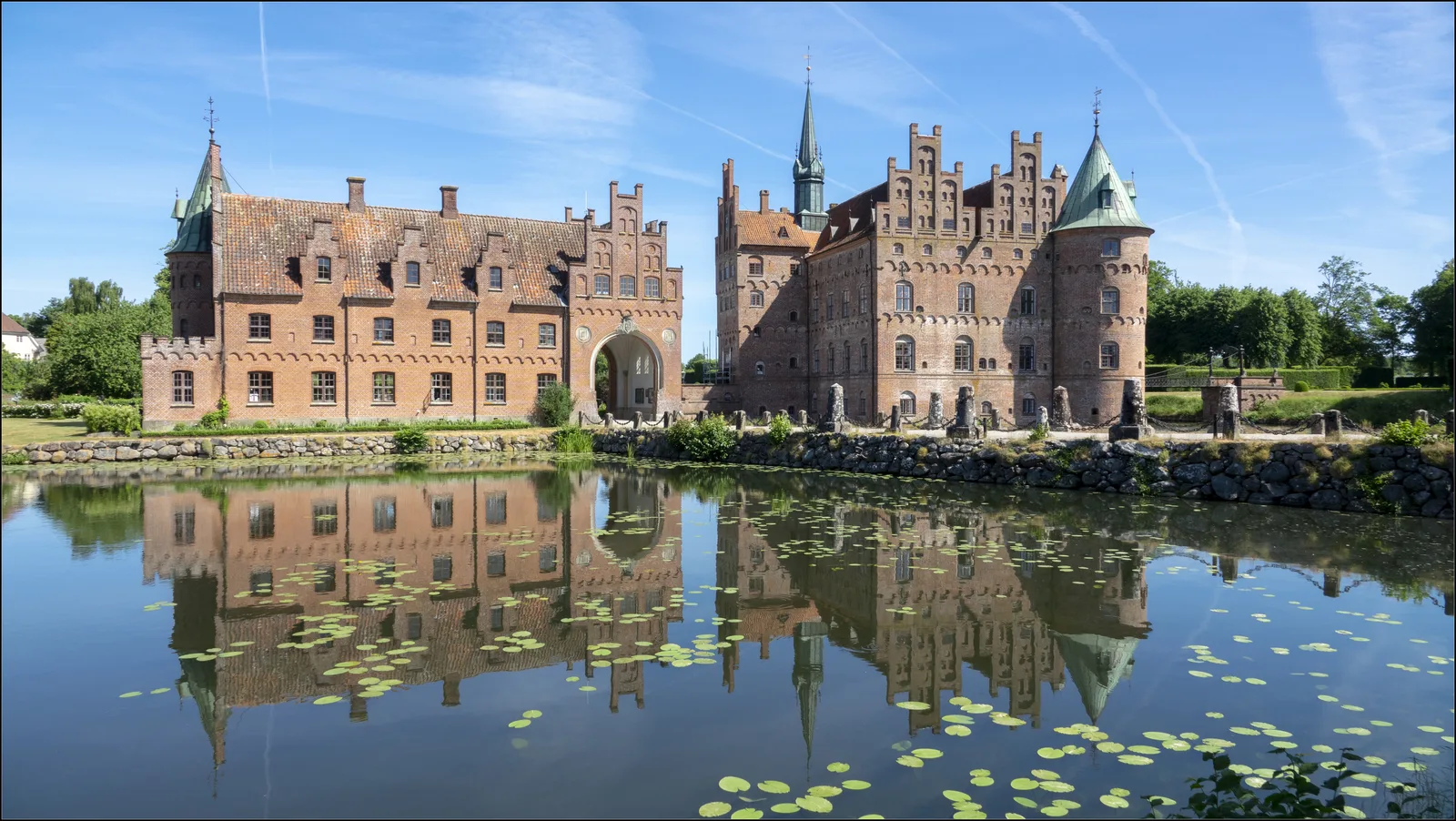
To reach Egeskov by public transport, take a regional train from Odense St toward Svendborg (about 25 minutes to Kværndrup station), then walk or take a taxi for the remaining two kilometres. If you are travelling by car, the drive takes about 30 minutes and parking at the castle is free. The Odense day trip itinerary 2026 guide covers this route in more detail.
Admission to Egeskov Castle in 2026 is 265 DKK per adult. Note that the castle interior is only open from April through October. If you visit between November and March, the park and outdoor exhibits remain accessible and the grounds host a Christmas event in December, but the historic rooms inside are closed. Plan your third day accordingly — spring and summer visits are significantly richer.
On the evening of day three, the small coastal town of Faaborg is a short drive south and makes a pleasant final stop before returning to Odense. Alternatively, continue west to Svendborg for the ferry to the island of Ærø if you want to extend your Funen itinerary.
Must-Visit: The H.C. Andersen House Experience
The H.C. Andersen House is an architectural landmark designed by Japanese architect Kengo Kuma and opened in 2021. It is not a conventional museum with glass cases and placards. The experience is fully immersive: visitors receive a wireless headset on entry and the audio guide triggers automatically as you move through the underground galleries, narrating Andersen's life and stories through sound, light, and motion. For more details and opening hours, check the official museum website.
Tickets cost approximately 175 DKK for adults and should be booked online in advance at hcandersenshus.dk. Timed entry slots are enforced. Allow at least two hours inside — rushing through diminishes the experience significantly. The museum garden surrounding the building is free to enter at any time and is one of the better photo spots in the city.
The H.C. Andersen Childhood Home is a separate site about ten minutes' walk away. It is a small, three-room house where Andersen lived with his parents in the early 1800s. Entry to the Childhood Home is included with the main museum ticket. It is quieter and more intimate than the main museum — worth the short detour if you have time, but not essential if your schedule is tight. If you must choose one, the main museum is the priority for its unique design and scope.
Both sites are open daily from 10:00 to 17:00 in summer. Winter hours are reduced, so check the official website before visiting in January or February.
Exploring the Danish Railway Museum and Harbor
Danmarks Jernbanemuseum sits directly next to Odense Central Station — you can see the entrance from the platform. It holds over 50 locomotives and historic carriages, including the royal train cars used by Danish monarchs. Admission is 140 DKK for adults and it is free for children under 17. Opening hours are 10:00 to 16:00 daily, with an earlier 09:00 opening on Wednesdays and weekends. This is an excellent option on a rainy day or as a family-friendly stop first thing in the morning.
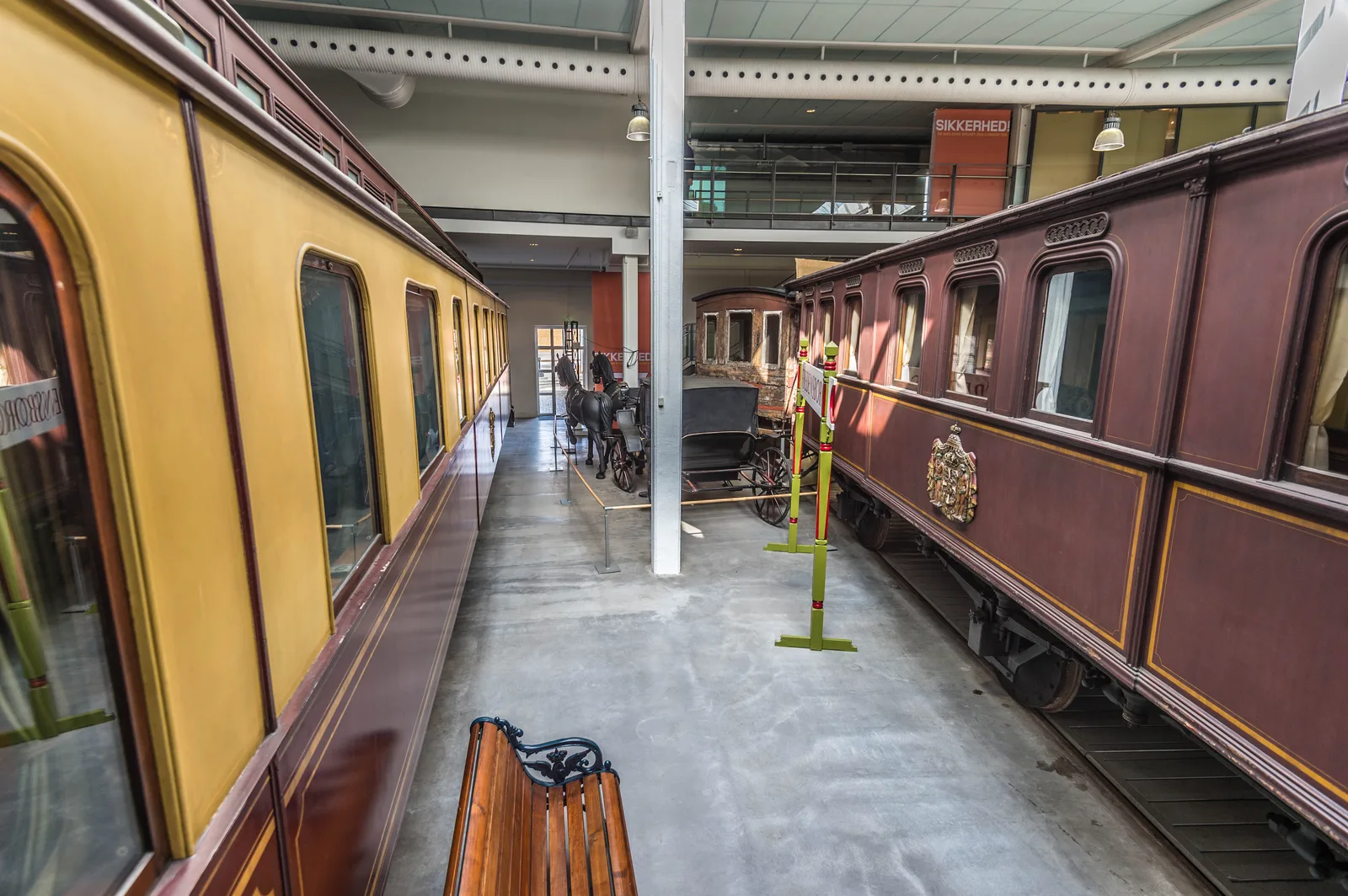
A 20-minute walk from the station brings you to Odense Havn, the city's harbor district. The area was an industrial port until recently and has been redeveloped into a waterfront neighborhood with modern apartments, public art, and open spaces. Odense Havnebad — a free outdoor pool designed to look like a ship from the outside — is open all year, including winter, and is one of the more distinctive things to do in the city for free.
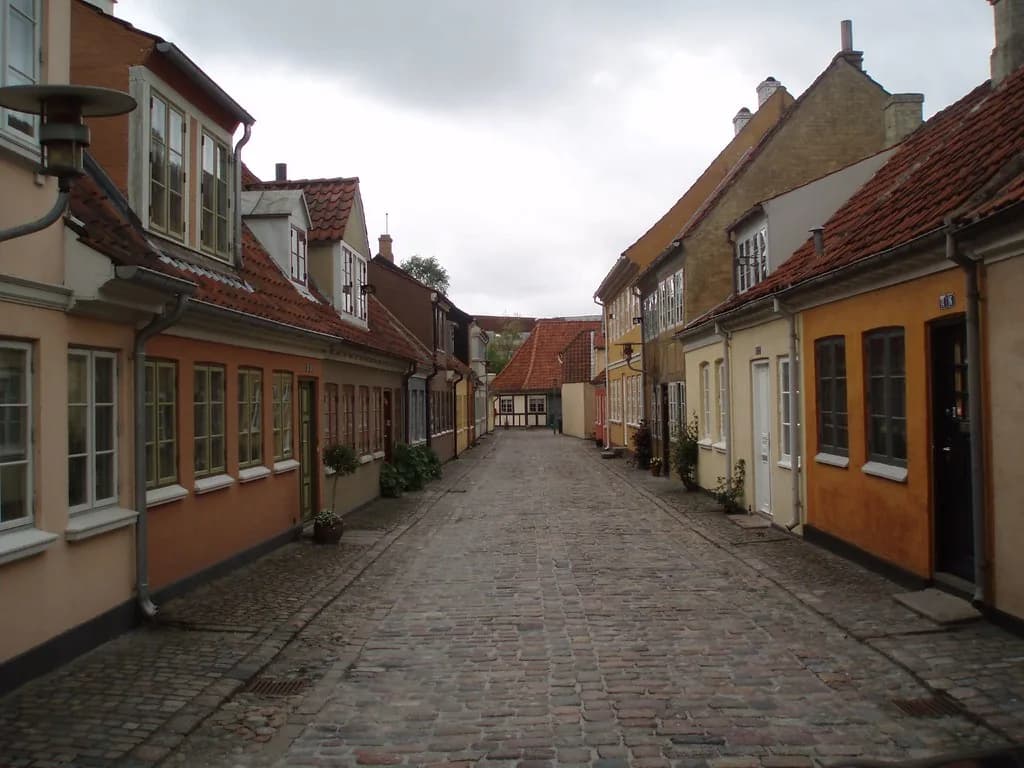
Along the harbor waterfront you will find commissioned murals and large-format street art on the warehouse walls. The transition from the medieval Old Town to this district takes about 20 minutes on foot and covers a striking visual range — from half-timbered buildings to contemporary architecture. The walk along the Odense River through Munke Mose park connects the two zones pleasantly. Odense Aafart river boats depart from Munke Mose during summer for scenic cruises through the city.
Where to Eat: Storms Pakhus Street Food Market
Storms Pakhus is the best place to eat in Odense for variety and atmosphere. It occupies a former timber warehouse from 1942 near the harbor and now houses 24 food stalls, 6 bars, and 12 creative workshop spaces. The stalls offer Thai, Greek, Mexican, Indian, and Nordic options alongside vegan and vegetarian choices. Prices are reasonable by Danish standards — most main dishes run between 80 and 130 DKK.
The market is open daily from 11:00 to 23:00 and is located a short walk from Odense Central Station, making it convenient whether you are coming from the harbor or wrapping up a day of sightseeing. The interior has a raw, industrial feel with exposed timber and brick — much of the original warehouse structure was kept and repurposed to build the bars inside.
For a lighter option before the market, Cafe Fleuri near the train station serves breakfast and comfort dishes with good vegetarian options. The bakery Brød, also close to the station, is worth a stop for pastries — their cinnamon rolls are as good as anything in Copenhagen.
Logistics: How to Get to Odense from Copenhagen
The train is the fastest and cheapest way to reach Odense from Copenhagen for city-only visits. Trains depart from Copenhagen H (Kobenhavn H) to Odense St roughly every 30 minutes throughout the day via DSB - Danish National Rail. Express trains complete the 165-kilometre journey in 70 minutes; standard trains take about 90 minutes crossing the Great Belt Bridge.
DSB sells three main ticket types for this route. Standard tickets are fully refundable and valid on any train that day — the most flexible but the most expensive. Orange tickets are non-refundable discounted fares and can cut the price by 40 to 60 percent if booked in advance. Orange Free tickets sit between the two: discounted, but refundable up to 30 minutes before departure. DSB 1' is a premium class with lounge access and refreshments — it is almost never worth the cost for a 70 to 90-minute journey. Stick to Orange if your plans are firm, Orange Free if there is any uncertainty.
If you plan to visit Egeskov Castle or other rural Funen sites, a rental car gives you meaningful flexibility. The drive from Copenhagen takes about two hours including the Great Belt Bridge toll (around 240 DKK for a standard car). Parking at Egeskov is free. In Odense itself, Q-Park operates several central garages — the Odeon Center garage is convenient for the museum district.
Once at Odense St, the H.C. Andersen Quarter is a five-minute walk straight from the main exit. Green footprints are painted on the sidewalk and guide you from the station through the King's Garden and into the historic Andersen Quarter — follow them rather than relying on your phone for the first stretch. The Odense Light Rail connects the station to outer neighborhoods and the harbor area.
Where to Stay: Best Hotels for Every Budget
For budget travelers, the Danhostel Odense City is the most convenient option: it sits directly at Odense Central Station and offers clean private rooms and dormitories. Rates start around 350 DKK for a dorm bed and 700 DKK for a private double. It fills quickly in summer — book at least two weeks in advance in July and August.
In the mid-range, Hotel Odeon and First Hotel Grand are consistently well-reviewed and centrally located. Both are within walking distance of the H.C. Andersen House and the station. Expect to pay 900 to 1,400 DKK per night for a double room including the standard Danish breakfast buffet. The Best Western Plus Hotel Odense is a solid alternative slightly outside the center with free parking, useful if you are arriving by car.
The main advice is to stay central if you do not have a car. Odense is a genuinely walkable city, and a central location means you can walk to every major sight without needing the light rail. Staying outside the city saves money but adds a daily commute that eats into sightseeing time — not worth it unless you are road-tripping across Funen.
Inspiration for Return Visits: Using Odense as a Funen Base
Odense works surprisingly well as a base for slower exploration of the entire island of Funen via Visit Fyn's network of attractions. From the city, you can reach Svendborg by train in under an hour for ferry connections to the smaller Southern Funen Archipelago islands. The Viking Museum Ladby — the only preserved ship burial mound in Denmark, where a Viking king was interred in his warship — is under 20 kilometres from Odense and is open daily from 10:00 to 17:00.
The open-air Funen Village Museum (Den Fynske Landsby) sits just outside Odense and recreates 19th-century rural life on the island. It runs from April through October, with a few Christmas dates in December. The walking path along the Odense River connects the city center to the museum in about 45 minutes — a pleasant way to arrive. Kunstmuseum Brandts in the old textile factory district is another Odense cultural draw that most day-trippers skip entirely but rewards a slower visit.
For those who find Odense charming and want to experience more of Denmark beyond Copenhagen, anchoring two or three nights here gives access to Egeskov Castle, the coastal towns of Faaborg and Kerteminde, and the ferry islands of Ærø and Tåsinge — a genuinely distinct slice of Danish life that most visitors miss by treating Odense as only a day trip.
Frequently Asked Questions
Is Odense worth a day trip from Copenhagen?
Yes, Odense is a fantastic day trip. The train takes 90 minutes, and the main sites are walkable. You can see the Andersen House and Old Town easily.
How far is Odense from Copenhagen by train?
The journey is roughly 160 kilometers. Most fast trains complete the trip in about 1 hour and 15 minutes. It is a very comfortable ride across Funen.
Can you visit Egeskov Castle and Odense in one day?
It is possible but very rushed. You would need to start at 8:00 AM. We recommend two days to enjoy both locations without stress.
Odense is a city that rewards those who slow down and explore its corners. While one day covers the basics, three days allows for a complete island experience. You can find more tips on our Denmark Wander blog for your next trip.
Whether you are a fairytale fan or a modern art lover, Odense delivers. The city is constantly evolving with new parks and cultural spaces. I hope this itinerary helps you plan the perfect visit to Funen.
Explore More Odense Guides
Deep-dive guides for planning an Odense trip — what to do, where to eat, getting there, and seasonal highlights.
You might also like



Continue reading
More guides you'll find useful