Den Gamle By Aarhus: Ultimate 2026 Visitor Guide
Discover Den Gamle By Aarhus with our expert guide. Explore historic streets, find ticket prices, and plan your perfect Danish trip in 2026 today!
On this page
Exploring Den Gamle By Aarhus: A Journey Through Time
Den Gamle By Aarhus offers a unique window into Danish history across four centuries of urban life. Walking through these cobblestone streets feels like stepping into a living, breathing time machine. You will find authentic buildings relocated from all over Denmark to create this immersive open-air museum. It remains one of the most popular Aarhus attractions for families and solo travelers alike.
What is Den Gamle By Aarhus?
Den Gamle By is the world's first open-air museum dedicated to urban history and culture, founded in 1909. It has grown to include over 75 historic buildings relocated from cities and towns across Denmark. Staff members dress in period costumes and perform daily tasks — cooking over an open hearth, hammering at the blacksmith's forge, demonstrating how laundry was done in the 1800s. The result is a museum you walk through rather than observe.
The address is Viborgvej 2, 8000 Aarhus C. The museum is open 365 days a year, typically from 10:00 to 17:00, with reduced hours on 24 and 31 December (10:00–15:00) and slightly shorter days from January through late March. Den Gamle By recommends setting aside at least four to five hours to see everything properly, though many visitors spend a full day.
Ticket Prices in 2026
Adult admission runs €21 from 1 January to 27 March and rises to €29 from 28 March through the end of December. Children aged 0 to 17 enter free. Students pay €11 in the low season and €15 in peak season, but the student discount is only available on-site with a valid student ID — you cannot book it online. Groups of at least 20 adults qualify for a reduced rate of €18 (low season) or €25 (peak).
Buying tickets online in advance is strongly recommended. It skips the entrance queue, which can be substantial on summer weekends and during school holiday periods. Annual passes are also available for frequent visitors or Aarhus residents who plan to return across the year. The official ticket shop is at shop.dengamleby.dk.
The Four Time Periods
Den Gamle By organises its streets across four distinct historical eras, each with its own atmosphere and level of detail. Most visitors move roughly chronologically through the site, starting with the oldest districts and working forward in time.
| Era | Period | Atmosphere | Key Features |
|---|---|---|---|
| Old Market Town | 1600–1900 | Hans Christian Andersen era | Timber-framed merchant houses, distillery, shoemaker workshop, Mintmaster's Mansion |
| 1920s District | 1920s | Early modernity | Pavements, electric street lamps, telephones, car dealership, Schou's Soap House |
| 1974 Neighbourhood | 1974 | Danish welfare state | Retro apartments, women's movement, Toy Museum (thousands of dolls and trains) |
| 2000–2014 Street | 2000–2014 | Modern pedestrian shopping | Contemporary feel, stark contrast to 1600s, bookshops and cafés |
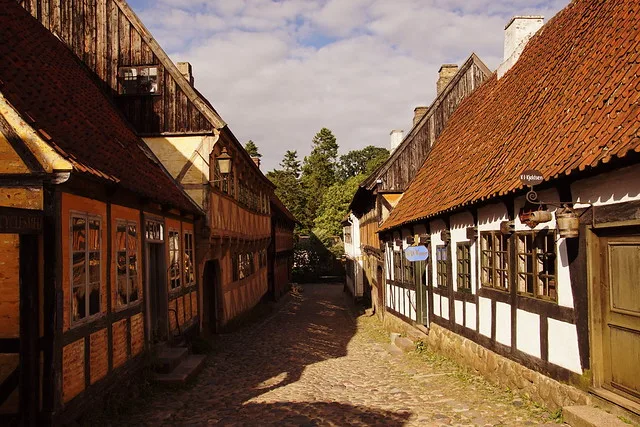
The Old Market Town covers the period from 1600 to roughly 1900. This is the Hans Christian Andersen era — timber-framed merchant's houses, a working distillery, a shoemaker's workshop, and horse-drawn carriages on uneven cobblestone lanes. It is the most photographed part of the museum. The Mintmaster's Mansion (Møntmestergården) anchors the town square, with ornate ceilings and grand rooms that reflect the prosperity of the 18th century.
The 1920s district recreates the moment Danish towns became modern: pavements, electric street lamps, public telephones, and colour advertising on every corner. A car dealership and Schou's Soap House are among the highlights. Moving forward, the 1974 neighbourhood captures the heyday of the Danish welfare state — retro apartments, broad-mindedness, the women's movement, and the everyday texture of a society in social transition.
The newest addition is the 2000–2014 street, a pedestrian shopping street with a modern feel that anchors the museum's contemporary end. The contrast with the 1600s market town, just a few hundred metres away, is striking. The Toy Museum, housed within the complex, is especially popular with children, displaying thousands of items from dolls and tin toys to mechanical trains.
Food and Drink Inside the Museum
Den Gamle By has eight eateries, all of which lean on Danish food traditions and an artisan approach. The bakers make fresh bread and cakes daily using pre-1900 recipes — vanilla biscuits and raspberry slices from the Bakery in the 1864 district are a reliable highlight. Café Bonnich serves traditional Danish biscuits and cream cakes alongside coffee and hot chocolate.
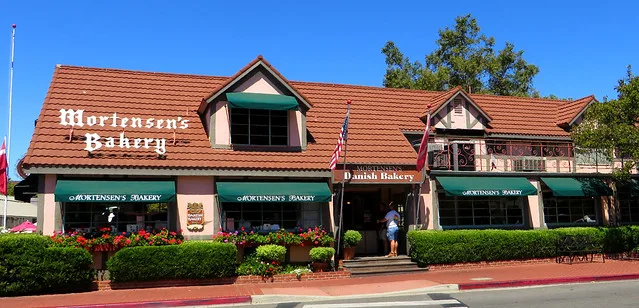
For a sit-down lunch, Restaurant Gæstgivergården offers classic Danish open sandwiches in a historic dining room. Wineke's Cellar, set in the vaulted cellar of the Mintmaster's Mansion, is furnished as a tavern from the early 18th century and gives the most atmospheric dining experience in the museum. There is also a hot dog stand, a pizza slice counter (Napoli Pizza), and a festival grounds kiosk for quick snacks. The bakery and the sit-down restaurant tend to fill up by midday on busy days — arriving before 12:00 or after 14:00 avoids the worst of the queues.
If you prefer to bring your own food, the museum has several picnic areas. In cold or wet weather, Madkassen provides indoor seating for about 60 people. Free lockers are available at the information desk if you need to store a larger bag before heading in.
Getting There and Parking
The main entrance is at the junction of Silkeborgvej and Viborgvej — a 15-minute walk from Aarhus Central Station. Cruise ship guests arriving at Dokk1 face a 20-minute walk (about 1.5 km). Bus routes 3A (every 15 minutes), 14, 114, and 118 (roughly every 30 minutes each) run from Aarhus Central Station; get off at the Viborgvej stop. For comprehensive regional transport planning, consult the official VisitAarhus website. City bikes can be rented via app, with docking stations at the Ceres junction and along Viborgvej.
Street parking near the museum is in a red zone. Weekday and Saturday rates run €3 per hour from 08:00 to 19:00, dropping to €1.50 in the evening. Sundays and public holidays are free from 08:00 to 18:00. The nearest parking machine is around the corner on Eugen Warmings Vej. A more convenient option is the underground car park in Ceres Byen directly opposite the museum — Den Gamle By sells combined ticket-and-parking packages (6 or 8 hours from €10) through the online shop.
Coach passengers can disembark on Viborgvej but coaches must park on Dollerupvej at Aarhus Tech, about 10 minutes away on foot. Camper vans can park at Poppelpladsen near the greenhouses; overnight parking is best arranged at Marselisborg Harbour.
Accessibility and Practical Tips
The cobblestones in the 1864 Old Market Town are uneven and challenging for wheelchair users, pram pushers, and anyone with limited mobility. Den Gamle By recommends flat, practical shoes for all visitors. The 1974 neighbourhood, the 2014 street, and all outdoor areas of the newer districts are easier to navigate. The Danish Poster Museum (ground and first floor), the Gallery of Decorative Arts, and the Jewellery Box are all accessible.
Mobility scooters can be borrowed free of charge from the information desk — this is a detail most travel guides skip. In peak season, demand is high, so it is worth calling ahead to reserve one. Disabled parking is free at any City of Aarhus-operated space when a disabled sign is displayed, including non-reserved bays. Dogs are welcome on the streets of Den Gamle By but not inside the buildings or exhibitions; service and guide dogs are exempt.
Free lockers with a personal PIN code are available for larger bags. Handcarts can be rented from the information desk for DKK 50 (about €7), with a valid ID or DKK 100 deposit. Nappies, plasters, sanitary items, and poop bags for dogs are available free of charge from the information desk. Toilets with disabled access are in the building behind the Mintmaster's Mansion and in the exhibition building housing the Danish Poster Museum.
Planning Your Visit
Many travelers wonder is Aarhus worth visiting for a short weekend trip. Including Den Gamle By makes the answer straightforward — the museum alone justifies a day in the city. According to Visit Denmark, Aarhus sits among the country's premier destinations for cultural immersion. Arriving when it opens at 10:00 keeps you ahead of school groups and tour buses, which tend to arrive mid-morning. The bakery and the main restaurant fill up early; plan food stops before 12:00 or after 14:00.
The museum sits directly next to the Aarhus Botanical Garden, which is a free public park. The greenhouses in the Botanical Garden are also free to enter and make an easy add-on. Budget four to five hours for a thorough visit to all four time periods, or a full day if you plan to eat lunch on-site and explore the exhibits in depth.
Guided tours are available and bookable through the museum's website. The House of Memory, a dedicated exhibition on personal and collective memory, is worth adding to the itinerary if you have a particular interest in social history. The museum also runs a seasonal programme of special events — check the online calendar before your visit.
Nearby Attractions in Aarhus
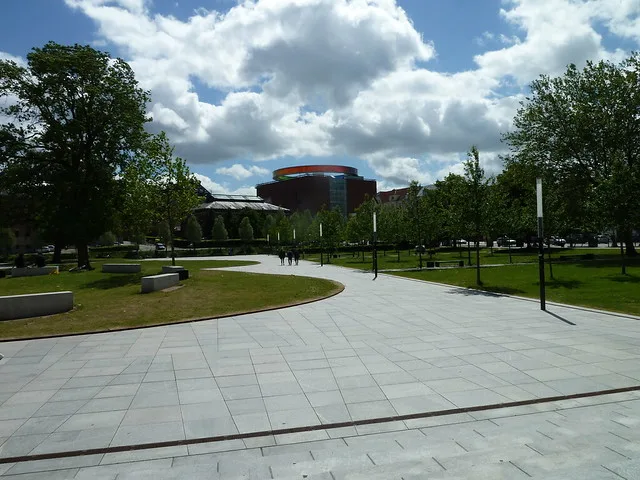
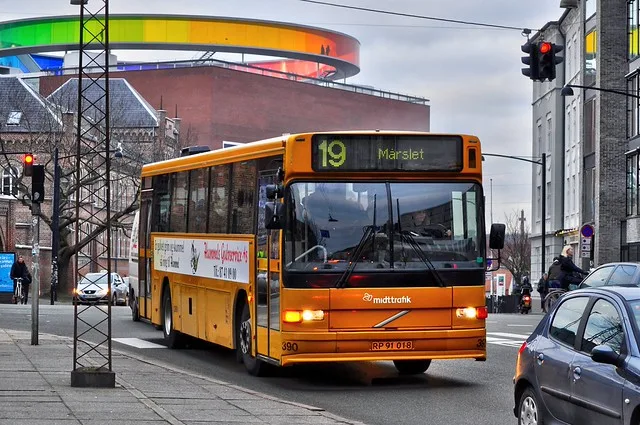
After your history lesson, consider walking to the ARoS Art Museum Aarhus. The rainbow panorama on the roof offers a stark contrast to the old town's historic vibe. You might also enjoy visiting the Aarhus Cathedral in the city centre, about 1.1 km away on foot (15–20 minutes). These sites are all part of the essential things to do in Aarhus for first-time visitors.
Frequently Asked Questions
How long should I spend at Den Gamle By?
Most visitors need three to four hours to explore the three main districts. If you enjoy museums and historic buildings, you could easily spend a full day here. Be sure to check our latest travel blog posts for more timing tips.
Is Den Gamle By Aarhus free to visit?
No, there is an entrance fee for adults, though children under 18 usually enter for free. Prices vary by season, typically ranging from 160 to 190 DKK. Buying tickets online in advance can sometimes save you time at the entrance gate.
Can I eat inside the museum grounds?
Yes, the museum features several historic eateries, including a traditional bakery and a 1920s-style cafe. You can also find picnic areas if you prefer to bring your own food. Trying the historic pastries from the 1864 bakery is a highly recommended experience.
Den Gamle By Aarhus remains a top-tier destination for anyone interested in Danish heritage. The attention to detail in each district creates a truly memorable atmosphere for visitors. Whether you love history or just enjoy a scenic walk, this museum will not disappoint. Make sure to add this incredible site to your next Danish itinerary.
You might also like


Continue reading
More guides you'll find useful