15 Best Free Things To Do In Copenhagen (2026)
Discover the best free things to do in Copenhagen, from royal palaces to harbor baths. Includes local tips on what to skip and how to see the city on a budget.
On this page
15 Best Free Things to Do in Copenhagen
Copenhagen consistently ranks as one of the most expensive cities in Europe, yet many of its best experiences cost nothing. After five winters living in the Danish capital, I can confirm that the city's royal legacy, harbor culture, and world-class parks are almost entirely free. The key is knowing where to look and when to go. This guide was last refreshed in 2026 and focuses on experiences that are genuinely free — not just discounted or card-gated.
You do not need to spend a fortune to understand what makes this place special. Whether you are visiting Copenhagen with kids or traveling as a solo backpacker, the free layer of this city is rich enough to fill several days. We have organized this guide to move through the major themes — royal heritage, green space, architecture, food culture, beaches, and practical budget tips — so you can plan efficiently without missing anything significant.
Watch the Changing of the Guard at Amalienborg Palace
This is the single most impressive free spectacle in the city, and most visitors do it wrong. The Royal Guard does not simply appear at Amalienborg at noon. The parade departs from the barracks near Rosenborg Castle at 11:27 every day and marches the full length of Gothersgade and Bredgade before arriving at the palace courtyard around 12:00. Watching the procession along Bredgade, with the guards in bearskin hats and full uniform, is far more dramatic than standing in the courtyard where the crowds are thickest.
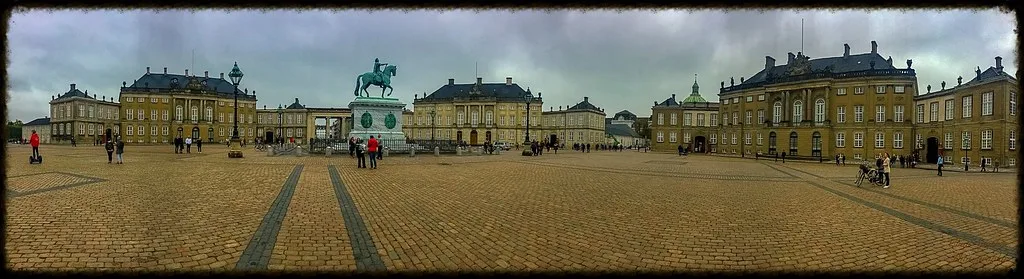
If you do prefer the courtyard, arrive by 11:45 and position yourself along the perimeter fence to the left of the main entrance. The entire ceremony — including the handoff between guards — runs for about 20 minutes. The parade runs every day of the year regardless of weather. Take the M3 or M4 metro to Marmorkirken station and walk three minutes east. Entry to the outdoor areas and the parade route is free at all times.
The palace exterior itself is worth time even outside the guard ceremony. Amalienborg is four identical Rococo mansions arranged around an octagonal courtyard, with an equestrian statue of Frederik V at the center. The Royal Danish Navy's frigate church, Marmorkirken, directly behind the square, is also free to enter during opening hours.
Green Copenhagen: The Best Parks and Gardens
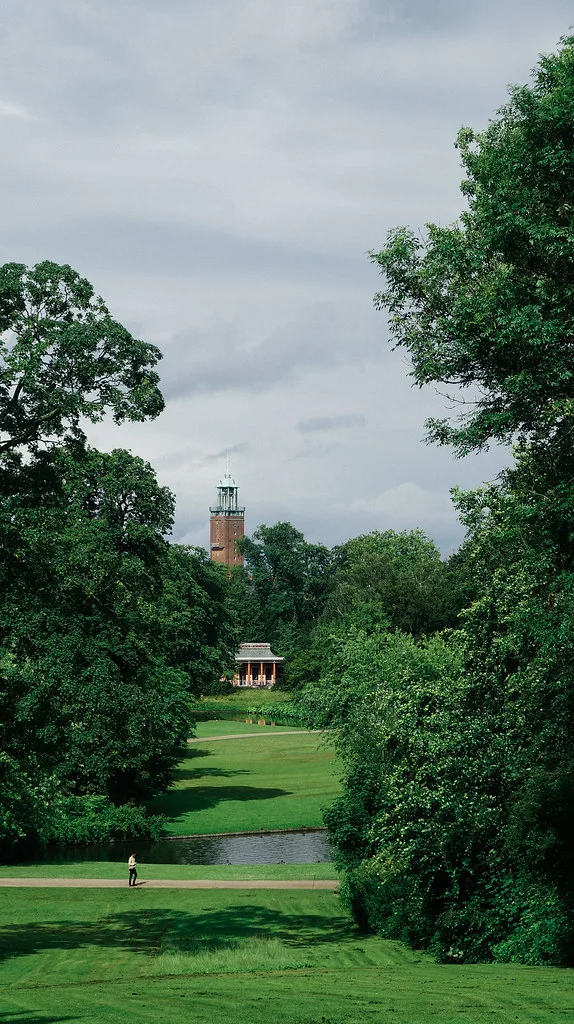
Frederiksberg Gardens is the classic choice — a 32-hectare royal landscape park with rowboats on the canals, a neoclassical summer palace at the top of the hill, and a sightline into the elephant enclosure at Copenhagen Zoo below. The gardens are free and open daily from sunrise to sunset. On Sunday afternoons in summer, the park fills with locals picnicking on the grass near the Chinese Pavilion, which is the most authentically local free scene you will find in any of the city's parks.
Superkilen in Nørrebro is the polar opposite — an urban park designed by BIG architects that imports street furniture from 60 different countries. A red octopus slide from Iceland sits next to Moroccan benches and a Thai boxing ring. The three zones (Red Square, Black Market, and Green Park) cover about 750 metres along Nørrebrogade and are open 24/7 for free. It is the best single location to understand the multicultural character of this neighborhood. Late afternoon on weekdays is quieter than weekends.
The Botanical Garden near Nørreport station covers 10 hectares and is free to access at all times (the Palm House charges a fee — skip it unless botany is a serious interest). The rock garden section, with the historic Observatory building behind it, is the strongest photographic composition in the entire grounds. Enter from the gate on Gothersgade for the most direct path to the lake. If you are looking for hidden gems in Copenhagen, the Botanical Garden at dusk on a weekday is as close as the city gets to undiscovered.
Take a Dip in Copenhagen's Harbour Baths and Beaches
Islands Brygge Harbour Bath is the city's most famous free swimming facility — an award-winning floating structure in the inner harbor with five pools, a diving platform, and a children's paddling area. The water quality is tested daily, and the facility typically opens in early June and runs through August. Check the flags at the entrance: green means clean, red means stay out. Entry is free and no booking is required. Arrive before 10:00 on weekdays to get a spot on the grass lawn without fighting for space.
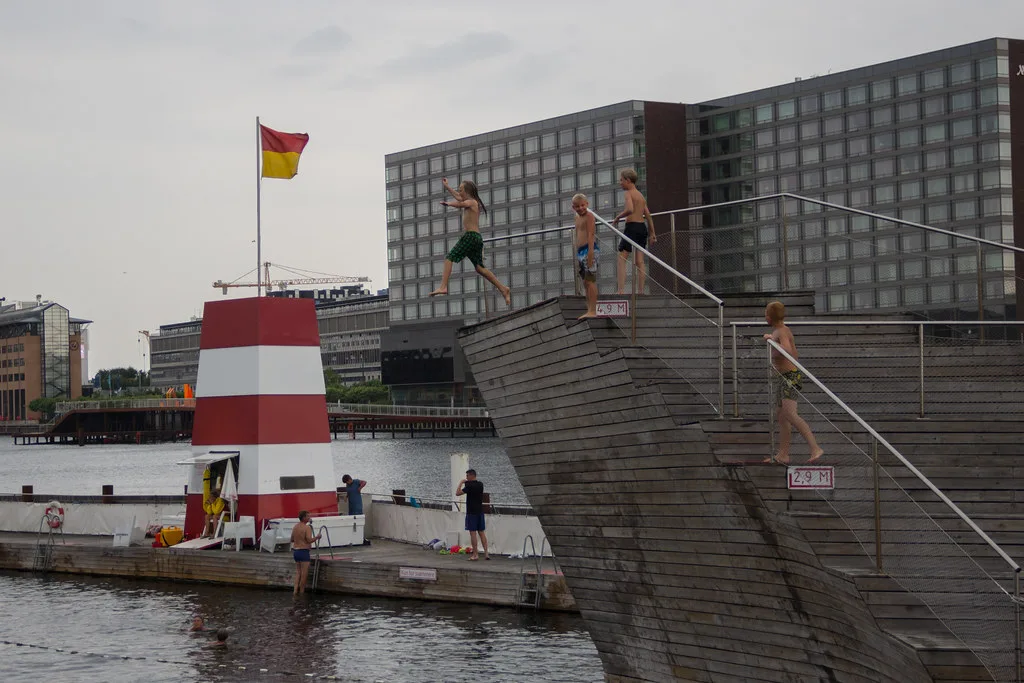
For a less crowded beach experience, Amager Strand is a 4.6-kilometre sandy beach accessible by metro (Amager Strand station on the M2). On a clear day you can see the Turning Torso skyscraper in Malmö, Sweden across the Øresund. The beach has changing facilities, a promenade for running and cycling, and several pop-up food stalls in summer. Walk south along the shore and you will eventually reach Kastrup Søbad — a striking spiraling pier that is one of the most photographed structures in greater Copenhagen.
Winter swimmers should know that several harbor bathing zones stay open year-round. Sydhavn and Nordhavn both have spots where locals go for a bracing cold dip even in January. You will need to bring your own towel and warm layers as most zones lack changing facilities unless you hold a club membership. The mental health benefits are well-documented in Danish culture and the practice sits at the core of local winter life.
Enjoy One of Copenhagen's Many Great Views
The tower at Christiansborg Palace is the tallest accessible viewpoint in the city and admission is completely free. The 360-degree panorama takes in the spires of Vor Frelsers Kirke, the copper roofs of Amalienborg, the harbor, and on clear days the bridge to Sweden. Opening hours are Tuesday through Sunday, 11:00–21:00 (shorter in winter). Queues during peak summer can reach 30 minutes — go on a Tuesday morning to minimize wait time. Pass through the security check inside the main entrance and follow the signs to the tower elevator.

CopenHill is the second-best free viewpoint and the more dramatic one. This waste-to-energy power plant in Amager has a hiking trail and viewing platform on its roof at approximately 85 metres above sea level. The trail and platform are free to access; skiing and climbing walls have a fee. The rooftop is generally open daily from 10:00 to 20:00. Take the 2A bus or harbor ferry to Refshaleøen. The view combines the city skyline, Øresund Bridge, and a directly observable wind farm — a view that captures what contemporary Copenhagen is actually about.
Kastellet, the star-shaped 17th-century fortress north of the harbor, gives a third free vantage point from the rampart walks. The fortress is still active military but the public walking paths along the grass ramparts are open daily from 06:00 to 22:00. Walk the full circuit in about 40 minutes. The harbor-facing side gives good views of the cruise terminal and the Øresund. The Little Mermaid statue is a short walk from the north gate — manageable if the walk is already on your route, but not worth a separate detour.
Check Out Christiansborg Palace and Slotsholmen
Slotsholmen is the island where Copenhagen was founded in 1167, and wandering its exterior is one of the most historically dense free experiences in the city. Christiansborg Palace is the only building in the world that houses all three branches of a nation's government — parliament, supreme court, and royal reception rooms — in a single structure. The exterior courtyard, the Marble Bridge (Marmorbroen), and the riding grounds are free to access at any time.
The tower is the crown jewel (covered in the views section above), but the island has more: the Royal Library Garden tucked between the parliament building and the Black Diamond is one of the most tranquil spots in the entire city. A rectangular garden with a central fountain, it is hidden enough that tour groups rarely stop here. Open daily during daylight hours. The statue of Søren Kierkegaard in the corner is a quiet landmark worth finding. Access from Rigsdagsgården, the courtyard behind the main palace entrance.
The Black Diamond itself — the Royal Library extension — is free to enter. The atrium contains a large ceiling mural and the architecture is worth 20 minutes of your time on any visit. Sit on the outdoor terrace facing the harbor and watch the boats pass. Open Monday through Friday, 08:00 to 21:00. The contrast between the granite-and-glass extension and the yellow baroque library building behind it is one of the most striking architectural juxtapositions in the city.
Have Your Own Modern Architecture Tour
Copenhagen is a serious city for contemporary architecture and most of the buildings are free to see from the outside or enter. A logical self-guided route runs from the Black Diamond (Søren Kierkegaards Plads 1) along the harbor to BLOX — the Danish Architecture Centre — a few minutes north. BLOX is a mixed-use building by OMA designed as a stacked cube structure over the harbor canal. The ground floor is free to enter and there is a good café inside. The permanent architecture exhibition has a fee, but the building itself is the exhibit.
Continue north along the waterfront to the Opera House on Holmen, designed by Henning Larsen and completed in 2004. The building is free to walk around and offers good harbor views from the outdoor terraces on its western face. Cross back to the inner city on the Cirkelbroen bridge — a circular pedestrian bridge by Olafur Eliasson with five masts designed to evoke moored sailing ships. It connects Christianshavn to the central harbor and is free to cross at any hour.
For a more industrial conclusion, take the harbor ferry or 2A bus to Refshaleøen. This former shipyard district is home to CopenHill, the Reffen street food market, Lille Bakery, and a dense collection of repurposed warehouse architecture. The entire island is walkable and free to explore. Nyboder, the 17th-century yellow naval barracks a short walk from Østerport station, rounds out the architecture loop as one of Europe's oldest surviving examples of social housing — still inhabited, streets open 24/7.
Experience Freetown Christiania and the Nørrebro Neighbourhood
Freetown Christiania is a self-governing community of roughly 900 residents that has operated autonomously since 1971 on the eastern end of Christianshavn. Walking through it is free. The highlights are the painted houses along the lake, the open-air performance space at Nimbus, and the murals covering nearly every surface on the main drag. The community runs daily guided tours at 15:00 (June 26–August 31 daily, rest of year on weekends) for a small fee — worth it if you want context. Do not photograph on Pusher Street: this rule is enforced seriously and breaking it generates immediate confrontation.
Assistens Kirkegaard in Nørrebro is one of the city's most undervalued free spaces — a working cemetery that doubles as a neighborhood park. Hans Christian Andersen and Søren Kierkegaard are both buried here, and their graves are well-signposted from the main entrance. Locals jog, picnic, and sunbathe between the headstones on summer afternoons, which is not as strange as it sounds and is very much in keeping with the Danish attitude toward death and public space. Take the Metro to Nørrebros Runddel.
The broader Nørrebro neighborhood around Blågårds Plads is worth an hour of unstructured walking. The square has a Thursday market in summer, a cluster of independent cafés, and a concentration of second-hand shops that are the best in the city for affordable finds. If you are looking for more things to do in Copenhagen, Nørrebro rewards visitors who explore on foot without a fixed itinerary.
The CopenPay Hack That Most Visitors Miss in 2026
CopenPay is Copenhagen's programme that rewards eco-friendly tourist behaviour with free perks at partnering venues. The scheme works simply: perform a qualifying action — arrive by public transport, volunteer an hour of litter picking, swim in the harbor — and show proof at a partner venue to claim a reward. Rewards in 2026 range from free entry to selected attractions to complimentary coffee at partner cafés. The city has expanded the program significantly since its 2023 launch and it is now meaningful enough to plan around.
In practical terms, if you take the metro or bus to a partner cultural institution and show your transit ticket at the door, you may qualify for discounted or free entry. Check the official Visit Copenhagen website before your trip for the current partner list, as participating venues change by season. This is the one budget mechanism that none of the standard free-things guides explain, and it stacks on top of the genuinely free attractions in this guide. For a multi-day trip on a tight budget, it can meaningfully reduce costs at a handful of paid attractions.
Cheap Places to Eat in Copenhagen
The supermarket smørrebrød is the single best value meal in the city. Irma, Netto, and Føtex all stock open-faced rye bread sandwiches in refrigerated sections for between 25 and 45 DKK each. Buy two and eat them on a bench in Kongens Have or on the harbor boardwalk. This is exactly what most working Copenhageners do for lunch and it is far better than what you will find in the tourist cafés around Nyhavn at three times the price.
Torvehallerne food market at Nørreport has an expensive reputation but also genuine cheap options. The bread and pastry stalls at the front of Hall 1 sell leftover items at 50% discount after 16:00. The market is free to enter and open daily from 10:00 to 19:00. Reffen street food market on Refshaleøen runs from May through September and has around 60 stalls with meals typically starting at 80–120 DKK — not cheap by global standards but reasonable for Copenhagen street food quality. Take the harbor bus (line 991 or 992) from Nyhavn.
Absalon in Vesterbro runs communal dinners four or five nights a week at around 70 DKK per person — a proper three-course meal shared at long tables with locals. It functions as a community centre during the day. It is one of the more honest budget dining experiences in any major European capital and a genuinely useful way to meet people who live in the city. Check their website for the current dinner schedule as it changes weekly.
Rent a Bike and Explore Copenhagen Like a Local
Cycling is not a tourist activity in Copenhagen — it is the default mode of transport for more than 60% of residents who commute by bike daily. Every main street has a protected lane, the terrain is completely flat, and almost nowhere in the inner city is more than 20 minutes from anywhere else by bike. Renting one for a day typically costs between 100 and 150 DKK through services like Donkey Republic or the app-based Lime bikes. Many hostels offer lower rates.
The Havneringen (Harbour Circle) is the best structured free cycling or walking route in the city. This 13-kilometre loop traces the inner harbor starting near Nyhavn, passes the Black Diamond, Islands Brygge, the CopenHill power plant, Holmen, and the Opera House before returning to Nyhavn. You pass all major waterfront architecture and several harbor swimming spots without a single admission fee. The full loop takes about two hours by bike or four hours on foot. Visit Copenhagen publishes a free downloadable route map on their website.
Cycling rules are enforced socially if not always legally: ride in the direction of traffic, use hand signals when turning, and yield to cyclists already in the lane when merging. Tourists cycling on the pavement draw genuine irritation from locals. Stick to the marked lanes and the experience becomes one of the most pleasurable urban cycling you will find anywhere in Europe.
How to Get Around Copenhagen on a Budget
The DOT (Dingoffentligetransport) metro and bus system covers every neighborhood worth visiting. A single ticket starts at 26 DKK and the zone system means most central journeys fall within zones 1–2. Download the DOT app before arrival to buy tickets and avoid the higher-priced kiosk rates. For journey planning, Rejseplanen is the official transit planner. A 24-hour City Pass for zones 1–4 costs around 130 DKK in 2026 and covers unlimited metro, bus, S-train, and harbor bus rides. If you plan more than five single journeys in a day, the pass pays for itself.
The harbor buses (lines 991 and 992) are included in the standard transit fare and offer a scenic water crossing from Nyhavn to the southern harbor and Refshaleøen. They run roughly every 20 minutes. This is the practical alternative to the private canal tours, which charge 110–160 DKK for a roughly equivalent route. Use line 991 to reach Islands Brygge Harbour Bath or Refshaleøen; use line 992 for Nordhavn and the design district.
Walking remains the most useful tool for the city center. The distance from Nyhavn to Christiansborg Palace is under 10 minutes on foot. Nørrebro is 25 minutes from City Hall Square. The key neighborhoods (Indre By, Christianshavn, Vesterbro, Frederiksberg) form a compact ring that most visitors can cover in two to three days without any transit at all. If arriving by air, Copenhagen Airport's metro connects directly to the city center in 15 minutes. Tap water in Denmark is among the best in Europe — carry a reusable bottle and refill from public fountains to avoid the 40 DKK convenience store markup.
Where to Stay in Copenhagen on a Budget
Vesterbro is the strongest neighborhood choice for budget travelers in 2026. It sits immediately west of Copenhagen Central Station, which keeps transport costs down, and has a higher density of hostels and mid-range guesthouses than the tourist-heavy Indre By. The Meatpacking District (Kødbyen) is here, along with some of the city's best independent cafés and bars. Budget hotel beds in Vesterbro typically start around 600–800 DKK per night for a private double in 2026.
For hostel stays, the Danhostel Copenhagen City on HC Andersens Boulevard is the largest and most central option, with dorm beds starting around 250–300 DKK per night. It sits within walking distance of Tivoli, the National Museum, and the harbor. Several smaller independent hostels operate in Nørrebro — they are quieter and more neighborhood-oriented but require a 15–20 minute bike or bus ride to the main sights.
Nørrebro is worth considering for longer stays. It is the most liveable neighborhood for those who want to experience the city as a local rather than a tourist. Accommodation tends to be cheaper per night than Indre By, and the area's independent food scene — bakeries, smørrebrød spots, international cheap eats along Nørrebrogade — makes it easy to eat well without spending heavily. The Metro connection at Nørrebros Runddel reaches the center in under 10 minutes.
| Neighborhood | Vibe | Budget per Night (2026) | Transit Time to Center | Best For |
|---|---|---|---|---|
| Vesterbro | Artsy, hip, diverse food | 600–800 DKK | 5–10 min walk | Budget backpackers, walkability |
| Indre By (City Center) | Touristy, crowded, nightlife | 900–1,200 DKK | 0–5 min walk | First-time visitors, convenience |
| Nørrebro | Local, cultural, alternative | 550–750 DKK | 15–20 min metro | Long stays, living like a local |
| Frederiksberg | Quiet, residential, parks | 500–700 DKK | 20–25 min metro | Peaceful travelers, families |
| Christianshavn | Edgy, creative, canals | 650–850 DKK | 10–15 min bike | Alternative culture seekers |
Did I Survive 24 Hours on Less Than £100?
Many visitors assume that a day in Copenhagen will automatically be ruinous. I set out to test this on a recent autumn visit, working with a budget of £100 (approximately 870 DKK at current rates). The morning started with a coffee and a cardamom bun from Skt. Peders Bageri on Larsbjørnsstræde — 52 DKK total, around £6. From there I walked to Kastellet and did the full rampart circuit, then took the metro to Amalienborg to catch the guard parade on Bredgade at 11:27.
Lunch was supermarket smørrebrød from the Netto near Nørreport — two pieces plus a water for 68 DKK (£8). Afternoon was the Botanical Garden, the Black Diamond atrium, and the Royal Library Garden. Free in their entirety. A 24-hour City Pass bought at 08:00 cost 130 DKK (£15). That left roughly 620 DKK for dinner — more than enough for a sit-down meal at one of the mid-range restaurants in Vesterbro.
Total spend: approximately £37 for food and transport, with £63 remaining. The full-day experience covered the guard parade, two harbor viewpoints, the Botanical Garden, a royal fortress, a world-class library, and a heritage park. The key is avoiding the obvious tourist traps: bottled water (40 DKK vs 0 DKK at a fountain), canal tours (160 DKK vs free harbor bus), and the café strip at Nyhavn (overpriced by 30–50% compared to a 10-minute walk inland).
Copenhagen Experiences I Recommend Skipping
The Little Mermaid statue is the most consistently disappointing thing in Denmark. It is 1.25 metres tall. It is usually surrounded by 40 people with phones. The walk from the nearest transit stop (Østerport) is 20 minutes along an unremarkable waterfront. Hans Christian Andersen lived in Nyhavn, not at the statue — there is no cultural connection worth a dedicated visit. You can see it adequately from the harbor bus as it passes. The Kastellet rampart walk nearby is far more rewarding and takes the same amount of time.
The private canal tours departing Nyhavn are expensive for what they deliver. The standard 1-hour tour runs 110–160 DKK. The harbor bus lines 991 and 992 cover the same water route for 26 DKK (single fare) and are included if you already have a City Pass. The Havneringen walking or cycling loop covers every landmark visible from those boats from ground level, with no time pressure and no commentary drowning out the experience. Take the harbor bus once for the novelty and skip the private tours entirely.
Similarly, some marketed 'budget' experiences are not what they appear. The Copenhagen Card (800–1,200 DKK for 24–72 hours) is only good value if you plan to visit four or more paid attractions in rapid succession. For visitors focused on the free layer of the city — which this guide covers — the card rarely breaks even. Run the numbers against your actual itinerary before purchasing.
Join a Free Walking Tour for Context
Sandemans New Europe free walking tours depart from City Hall Square (Rådhuspladsen) daily at 10:00, 11:00, and 14:00. The tour runs approximately three hours and covers the main historic sites of the center: Nyhavn, Christiansborg, the Round Tower area, the Latin Quarter, and Kongens Nytorv. The tours are tip-based — guides work for gratuities, so budget 50–100 DKK if the guide is good, which they generally are. Book a slot online in advance during summer as the free tours fill quickly.
For a more local perspective, the daily tours inside Freetown Christiania at 15:00 (summer daily, winter weekends) are run by residents and give real insight into how the community functions, its governance structure, and its ongoing legal relationship with the Danish state. These cost a small fee — around 50 DKK — but are substantively different from the standard tourist walking tour format and worth the price for context on one of Copenhagen's most misunderstood places.
Is Copenhagen Worth It for Budget Travelers?
The honest answer is yes, with deliberate planning. The free layer of this city is genuinely excellent — better than most Western European capitals. Royal fortress walks, harbor swimming, world-class contemporary architecture, multicultural parks, and a vibrant street-food scene are all either free or very cheap. The premium cost of Copenhagen hits hardest on accommodation and restaurant meals, but both of those are avoidable with the choices in this guide. Many major museums also offer free admission on specific weekdays: the Museum of Copenhagen is free on Wednesdays, and Ny Carlsberg Glyptotek has free entry on Tuesdays.
Strategic timing also matters. Shoulder season (May and September) delivers good weather, no summer crowds, and hotel rates that are 20–30% lower than July peak. The city in autumn has a particular character — the parks are golden, the harbor is quiet enough to swim without competition for poolside space, and the hygge atmosphere in cafés is at its most authentic. Our guide to top 10 things to see in Copenhagen includes context on timing for each attraction.
Ultimately, the travelers who feel Copenhagen is unaffordable are those eating at tourist restaurants and paying for every experience. Those who eat at Torvehallerne, swim in the harbor, cycle the Havneringen, and use the transit pass spend 600–900 DKK per day on everything combined. That is not cheap by global standards, but it is a full day in one of the world's most liveable cities for what a mediocre Paris tourist lunch costs. Pack good walking shoes and prepare to find Copenhagen more accessible than its reputation suggests. If you are planning Copenhagen activities for couples, the sunset view from CopenHill is one of Europe's best and costs nothing.
Frequently Asked Questions
Is Copenhagen expensive for tourists?
Copenhagen is known for high prices, but it is very manageable for budget travelers. By visiting free palaces, parks, and harbor baths, you can significantly reduce your daily costs. Focus on supermarket meals and public transport to stay within a reasonable budget.
Are there any free museums in Copenhagen?
Yes, several museums offer free entry on specific days of the week. For example, the Museum of Copenhagen is free on Wednesdays for all visitors. Always check the official website of an institution before visiting to confirm their current free-entry policies.
Where can I find the best free views of the city?
The Tower at Christiansborg Palace is the best spot for free panoramic views. It is the tallest tower in the city and requires no entry fee. Alternatively, the rooftop hiking trail at CopenHill offers a unique view of the harbor and industrial areas.
Copenhagen proves that you do not need a fortune to enjoy one of the world's most stylish cities. By prioritizing the free activities listed here — from the guard parade along Bredgade to a harbor swim at Islands Brygge — you can experience the best of Danish culture for less. The combination of royal history, modern design, and genuine neighborhood life ensures there is something for every type of traveler.
Remember to bring a reusable water bottle, download the DOT transit app before arrival, and check the CopenPay partner list for the current season. Whether you are cycling the Havneringen or exploring a star-shaped fortress, the city is yours to discover. We hope this guide helps you plan an unforgettable and affordable trip to the Danish capital.
You might also like


Continue reading
More guides you'll find useful