Kronborg Castle Day Trip: The Complete Visitor's Guide
Plan the perfect Kronborg Castle day trip from Copenhagen. Includes train directions, ticket prices, Hamlet history, and tips for exploring the casemates.
On this page
Kronborg Castle Day Trip
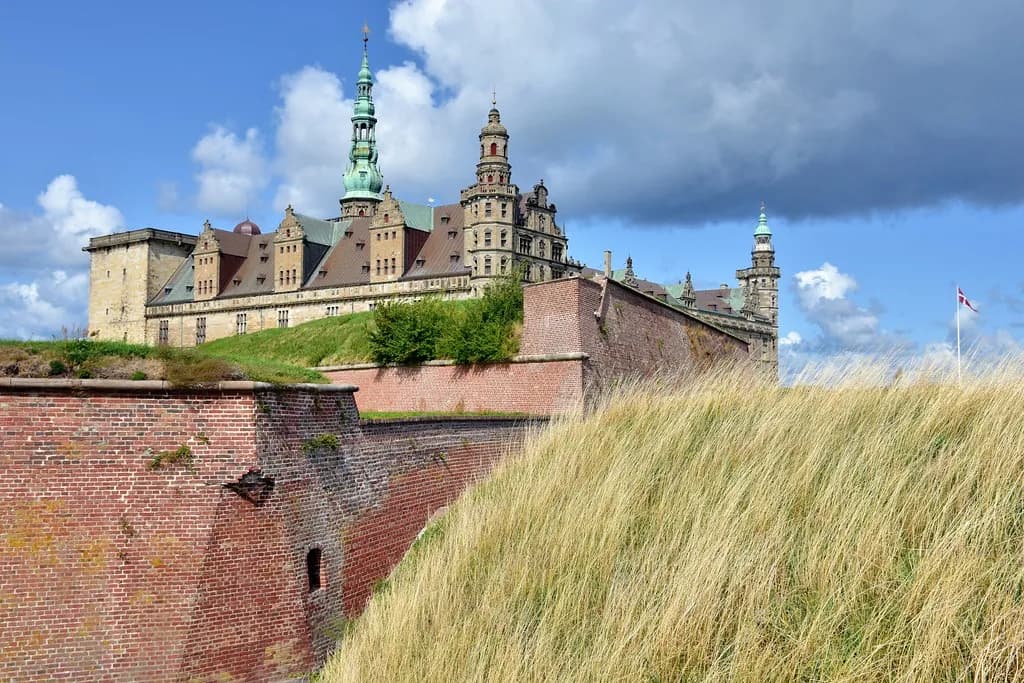
Visiting Kronborg Castle is one of the most rewarding best day trips from Copenhagen. This Renaissance fortress sits at the narrowest point of the Oresund Strait, just 45 minutes north of the capital by train. It is a UNESCO World Heritage Site, the inspiration for Shakespeare's Elsinore, and the resting place of the legendary warrior Holger the Dane. Few day trips in Denmark combine this much history, legend, and sea air in a single outing.
This guide covers everything you need to plan your visit in 2026: exact train details, current ticket prices, a seasonal opening-hours breakdown, what to see inside, and whether to combine Kronborg with Frederiksborg Castle on the same day.
At a glance
- Duration: 2–3 hours at the castle + 10–12 min walk each way
- Best time: Before 10:30 on a weekday; Sept–Oct for mild weather and smaller crowds
- Cost: 145 DKK (June–August) or 95 DKK (Sept–May); children under 18 free
- Getting there: Train 45 min from Copenhagen Central Station (Kystbanen, every 20 min)
- Must-see highlights: The Great Hall, casemates, Holger the Dane statue, Cannon Tower with Oresund views
| Detail | Info |
|---|---|
| Distance from Copenhagen | ~65 km north |
| Train journey | 45 min, every 20 min |
| Adult ticket (peak) | 145 DKK (Jun–Aug) |
| Adult ticket (off-peak) | 95 DKK (Sep–May) |
| Children under 18 | Free |
| Recommended time | 2–3 hours at the castle |
| Main highlight | Casemates, Cannon Tower, Great Hall |
How to Get to Kronborg Castle from Copenhagen
The simplest route is the Coastal Railway (Kystbanen) from Copenhagen Central Station. Trains run every 20 minutes throughout the day, and the journey to Helsingør takes 45 minutes. At Copenhagen Central, the Kystbanen typically departs from platforms 1 or 2 on the lower level — check the departure boards or the DSB website on the day, as platform assignments shift. Buy your ticket before boarding at any yellow DSB machine or via the DSB app.
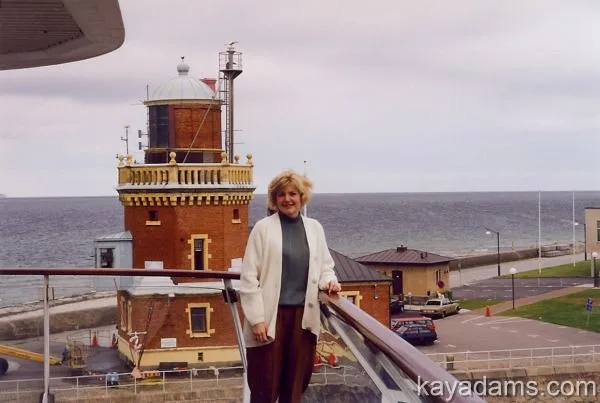
From Helsingør Station, turn left out of the exit and follow the harbor path north. You will pass the M/S Maritime Museum's distinctive sunken dry dock on your right. The walk to the castle gate takes about 10–12 minutes and is flat the entire way. The castle's green copper spires are visible from the station forecourt, so you cannot miss them.
Driving from the city center takes around 50 minutes via the E47 motorway heading north. Paid parking is available at Parkering Kronborg Slot (operated by APCOA, located on Nordhavnsvej immediately beside the castle). Free 24-hour parking exists about 1.5 km from the castle in central Helsingør — a 15-minute walk — if you want to save the fee and explore the town on arrival.
- Train from Copenhagen Central Station — Kystbanen line, every 20 min, 45 min journey, 10–12 min flat walk from Helsingør Station.
- Car via E47 motorway north — 50 min, paid lot right at the castle or free lot 1.5 km away in town.
- Ferry from Sweden — ferries from Helsingborg dock at Helsingør harbor, a 5-min walk from the castle; crossing takes 20 min.
Opening Hours and Best Time to Visit
Kronborg's hours change by season. The castle is open every day from 10:00 to 18:00 from 1 June through 1 September. In spring (23 March–31 May) and autumn (2 September–31 October) it closes an hour earlier at 17:00. From 1 November through 30 November and from 2 January through 22 March, hours are Tuesday–Sunday 11:00–16:00, with Mondays closed. The castle is also closed entirely during the last days of December (exact closure dates change annually — check the official Kronborg site before you travel).
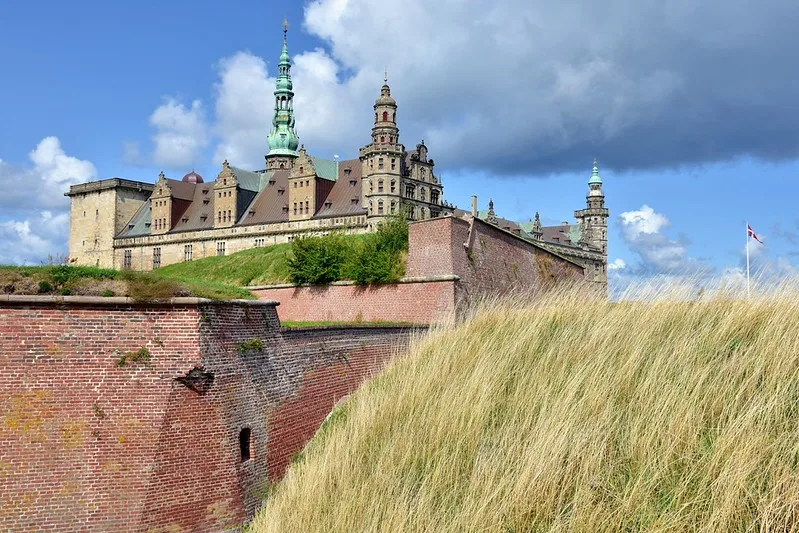
The best time to arrive is before 10:30 on a weekday. Tour groups from Copenhagen tend to arrive after 11:00, and the narrow casemate passages fill quickly. An early start gives you the casemates almost to yourself and leaves the afternoon free for Helsingør town. September and October offer mild weather and noticeably smaller crowds than July and August.
If you visit in July or August, the Hamlet Live performances bring actors into the castle rooms to stage scenes from the play. These guided theatrical sessions cost extra but are popular with families and literature enthusiasts. In December the courtyard hosts a Christmas market, which draws large crowds — arrive early or late in the afternoon to avoid the worst of it.
Tickets, Annual Passes, and Entry Fees
Adult admission for the 2026 season is 145 DKK from June through August and 95 DKK from September through May. Students pay 135 DKK in summer and 85 DKK off-peak with valid ID. Children under 18 enter free year-round, making this one of the more family-friendly castles in Denmark. All tickets cover the royal apartments, the chapel, the casemates, and the Cannon Tower.
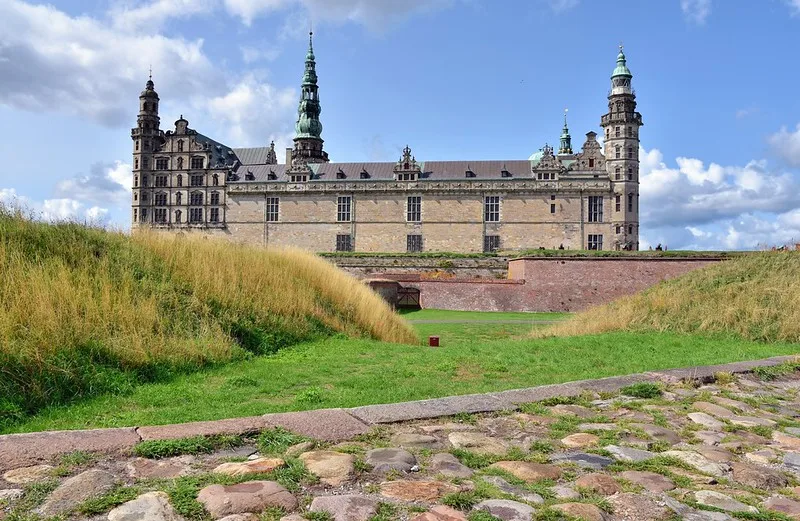
The Copenhagen Card covers both the train fare from Copenhagen and full castle entry, so cardholders pay nothing at the gate. Simply show your card at the Brohus ticket booth just inside the first bridge — there is usually no queue there, unlike the ticket desk inside the main courtyard. You can also buy tickets online through the official site and collect them at the automated kiosks, which helps during busy summer mornings.
For groups of ten or more, discounted rates are available by booking in advance through the castle's group ticketing page. Annual passes exist for frequent visitors, and holders receive small discounts at the on-site cafe. If you are unsure about current prices, verify on the official site before leaving Copenhagen — prices have held steady in recent years but small seasonal adjustments do occur.
Must-See Highlights: The Royal Apartments and Chapel
The Great Hall (Ballroom) is the interior highlight most visitors remember. Stretching over 62 metres, it was once the largest Renaissance hall in Northern Europe and hosted lavish banquets under Frederik II. The walls are more than two metres thick. Despite the military purpose of the castle, this room gives a real sense of royal scale.
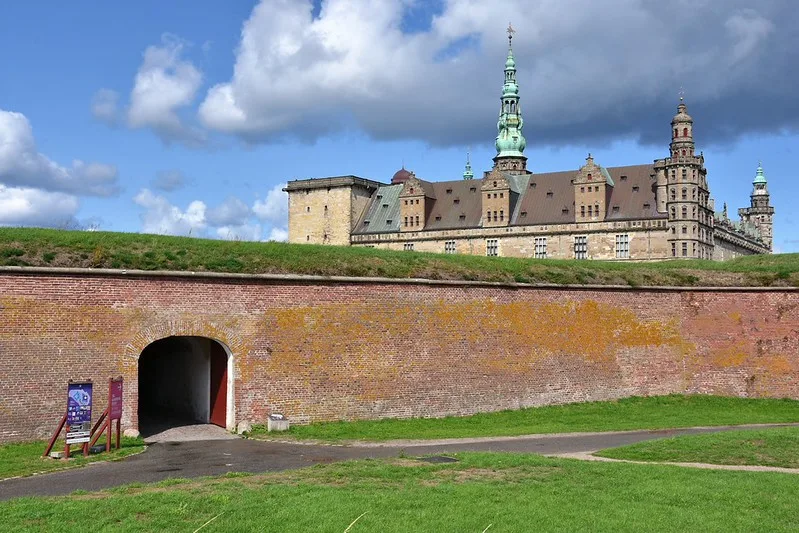
The Royal Apartments — the King's Chamber and Queen's Chamber — are more modest than you might expect from a UNESCO castle. Kronborg was primarily a military and revenue-collecting fortress, not a pleasure palace. That plainness makes rooms like the King's Chamber feel authentic rather than curated, and information panels in every room explain what each space was actually used for.
The chapel survived the catastrophic fire of 1629 completely intact, and it remains one of the most atmospheric spaces in the building. It was first opened by King Frederik II in 1582, features original carved oak woodwork, black and white checkered floors, and a richly decorated pulpit. If you find the main rooms somewhat bare, the chapel will recalibrate your expectations. Arrive early in the morning or late afternoon to have it to yourself — midday tour groups move through it quickly.
The tapestries commissioned by Frederik II to document the Danish royal lineage are displayed in the apartments. Only a portion of the original 40-tapestry series survives at Kronborg today. Take time with these; the detail and the story they tell about how the monarchy wanted to be perceived is genuinely fascinating.
Exploring the Dark Casemates and Holger the Dane
The casemates are the part of Kronborg that surprises visitors most. Built in the 1570s, these underground passages could shelter up to 350 soldiers and were equipped for a six-week siege — food stores, cannons, a forge, and a stable were all down here. During the 1658 Swedish siege the casemates were actually used, which gives them a weight that purely decorative interiors lack.
Bring a light jacket regardless of the time of year. The tunnels are cold and damp even on a hot July afternoon — stone walls at that depth hold winter temperatures all summer. The main route is well-signed and has enough ambient lighting to navigate comfortably. You only need your phone torch for the occasional darker side corridor, most of which are dead ends a few metres in.
At the far end of the main passage sits the statue of Holger the Dane, a stone warrior slumped in sleep. According to Danish legend, Holger will wake from his centuries-long rest if Denmark ever faces its gravest hour. The statue is dim, large, and genuinely eerie in the low light. Children tend to be captivated by the legend; adults tend to linger longer than expected.
One practical detail most guides skip: the casemates are not accessible to wheelchair users or those with significant mobility difficulties. The entrance requires descending steep stone stairs with no lift alternative. If this affects your group, allocate extra time at the Cannon Tower and outer fortifications to compensate, as both offer just as much atmosphere.
Climbing the Cannon Tower for Oresund Views
The Cannon Tower involves 145 steps up a narrow spiral staircase. This is not a hard climb for most visitors, and the effort takes about five minutes at a steady pace. The viewing platform at the top is reasonably spacious and usually windy. On a clear day you can see Helsingborg across the strait, the island of Ven in the middle of the water, and the full sweep of Kronborg's crownwork and fortifications below you.
The distance across the Oresund at this point is only about 4 kilometres. The Swedish city of Helsingborg is clearly visible, including its medieval Kärnan tower rising above the roofline. Ferries cross the gap every 15–20 minutes, and watching them pass below from the tower makes the Sound Dues history feel immediate — Denmark controlled every ship passing through this narrow channel for centuries.
Photographers should plan for this section: the contrast between the green copper roofs and the blue-grey water is the defining image of Kronborg. Morning light from the east hits the castle facade cleanly, making it worth arriving at opening time if photography is a priority. Take care on the descent — the worn stone steps are steeper going down than going up, and the passage is too narrow to pass other visitors easily.
Walking the Crownwork and Outer Fortifications
The outer fortifications are free to enter and cover considerably more ground than the castle interior. This star-shaped crownwork dates from the 17th century and forms a system of ramparts, moats, and bridges that you cross on arrival. Walking the full perimeter takes about 30 minutes at a relaxed pace and gives you a different read on how serious a military installation this was.
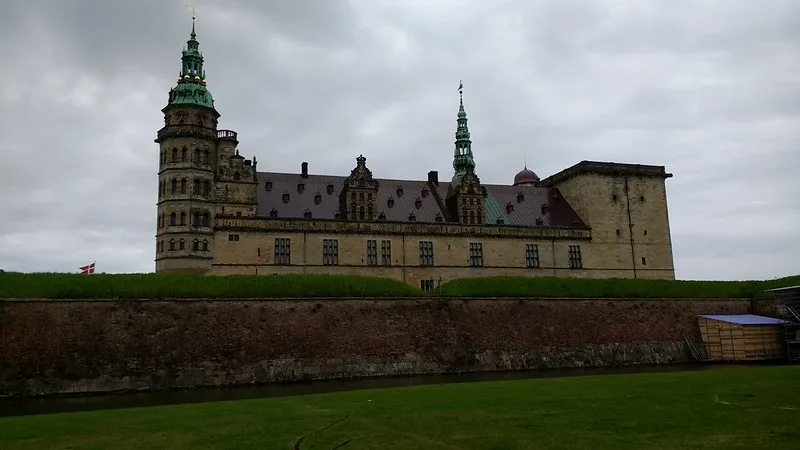
The grassy areas near the water are a popular spot for locals jogging or having a quiet lunch with a sea view. You can watch the Helsingborg ferries cross back and forth while sitting on the rampart walls. The outer grounds are also where you get the best long views of the castle's exterior — the moat-level perspective conveys the scale of the walls far better than photographs taken from inside the courtyard. This area is part of the UNESCO World Heritage Site designation.
Keep an eye out for common eiders and other seabirds nesting around the moats in spring. The outer fortifications provide an unusual coastal habitat, and the combination of historic masonry and wildlife is not something you get at most Danish castles. If you have children with you, the open green space after two hours of indoor rooms and tunnels makes a useful reset before the walk back to the station.
Kronborg or Frederiksborg: How to Choose
This is the decision most visitors underestimate. Both castles are within an hour of Copenhagen, and both are genuinely worth visiting — but they offer almost opposite experiences. Kronborg is a military fortress with spare interiors, dramatic coastal scenery, and an underground world most castles cannot match. Frederiksborg is a richly decorated royal palace set on a lake in Hillerød, opulent in the way Kronborg deliberately is not.
If you have only one day and cannot do both, choose based on what you want. Prefer outdoor drama, sea views, and dark legend? Go to Kronborg. Want lavish painted ceilings, formal gardens, and the National Museum of History housed inside? Go to Frederiksborg. Children tend to prefer Kronborg for the casemates and the Holger the Dane statue; adults interested in Danish art and interiors often find Frederiksborg more rewarding.
Doing both castles in a single day is possible but tight. Kronborg opens at 10:00 and needs two to three hours. Frederiksborg is about 30 minutes from Helsingør by regional bus (line 388) or car. You need to leave Kronborg by 13:00 to have a meaningful afternoon at Frederiksborg before it closes. This route works well if you drive; it is more logistically complex by public transport. Our guide to best day trips from Copenhagen 2026 covers the two-castle itinerary in full.
Is Kronborg Castle Worth Visiting? The Hamlet Connection
Kronborg is the real fortress that became Shakespeare's fictional Elsinore. The playwright almost certainly never visited Denmark — he based the setting on descriptions and the castle's European fame during his lifetime. The castle itself does not over-lean on the Hamlet association; most of the museum content focuses on the actual history of the Sound Dues, the Swedish siege, and the royal court. That restraint is the right call and makes the Hamlet angle feel more interesting, not less.
The Hamlet Live performances (July–August) place actors throughout the castle rooms to stage scenes from the play at the locations where they might have occurred. This works particularly well in the Great Hall and the courtyard. It adds genuine entertainment value without overwhelming the historic content, and it is the single best reason to visit specifically in summer rather than off-season if you have flexibility on timing.
Beyond the literary connection, Kronborg earns its UNESCO status on military and architectural merit alone. It controlled the entrance to the Baltic Sea for nearly two centuries and extracted the Sound Dues toll from every ship passing through — at peak periods, 60–70 ships per day. The income this generated funded much of the Danish crown's power during the 16th and 17th centuries. Most visitors find the site exceeds their expectations once they understand that context.
Practical Facilities: Food, Strollers, and Accessibility
The on-site cafe in the courtyard serves Danish open-face sandwiches, pastries, soup, and hot drinks. It covers the basics adequately but becomes crowded between 12:00 and 13:30. For a better lunch, walk back into Helsingør town — the harbor area around Stengade has several cafes and a street food market with wider options and lower prices. The town is only 10–12 minutes from the castle gate, so this is always viable.
A drinking water fountain in the main courtyard is available for free — useful on hot summer days. There is also a gift shop near the ticket area inside the crownwork. Toilets are located in the courtyard and near the casemate entrance, and they are generally well-maintained.
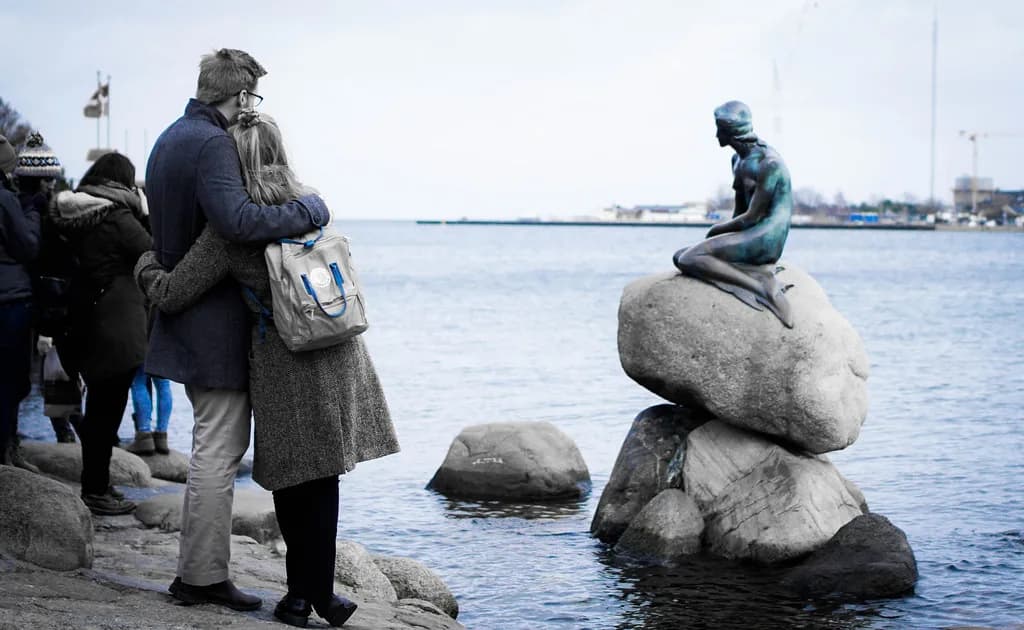
Families with strollers will find the outer grounds and courtyard manageable on cobblestones, though the surface is uneven in places. An elevator provides access to the Royal Apartments for visitors who cannot use stairs. The casemates and the Cannon Tower have no accessible alternative and require stair navigation. Staff at the main entrance are helpful about advising on routes for visitors with mobility needs. Note also that the Han Statue — the male counterpart to Copenhagen's Little Mermaid — stands near the Helsingør harbor a short walk from the castle, a low-effort add-on that most visitors overlook entirely.
Other Things to Do in Helsingør Nearby
The M/S Maritime Museum of Denmark sits in a converted dry dock right next to Kronborg and is worth at least an hour. Its Bjarke Ingels-designed sunken structure is architecturally striking, and the exhibits about Denmark's seafaring trade and naval history connect directly to what you see at the castle above. Many visitors skip it entirely in favor of more castle time, which is a mistake if you have the full day.
Helsingør's medieval town center is a short walk south of the castle. The streets around Stengade and Sankt Olai Kirke retain much of their 15th-century layout, with timber-framed houses and small independent shops. It is a pleasant area to wander for 30–45 minutes before or after the castle, and the coffee in the independent cafes is considerably better than what is sold at the castle itself.
If you have extra time, consider taking the ferry across to Helsingborg, Sweden. The crossing takes 20 minutes and departs from the harbor a five-minute walk from the castle. You can have lunch in Sweden, explore the medieval Kärnan tower, and return to Denmark on the same day. This makes for an unexpectedly international addition to what is already a full day trip from Copenhagen.
Frequently Asked Questions
How do I get from Copenhagen to Kronborg Castle?
The easiest way is by taking the Coastal Railway (Kystbanen) train from Copenhagen Central Station to Helsingør. The journey takes 45 minutes and runs every 20 minutes. From the station, it is a short 10-minute walk to the castle. You can also travel from Copenhagen to Sweden using similar rail connections.
Is Kronborg Castle the same as Hamlet's Castle?
Yes, Kronborg Castle is the real-life setting that inspired Shakespeare's Elsinore in the play Hamlet. While the characters are fictional, the castle uses this connection for performances and exhibits. Visitors can see Hamlet Live shows during the summer months. It is a major draw for literature fans visiting Denmark.
How much does it cost to enter Kronborg Castle?
Ticket prices vary by season, typically ranging from 125 to 150 DKK for adults. Children under 18 enter for free, making it great for families. The entry is fully covered if you have a valid Copenhagen Card. Check the official site for the most accurate current pricing before your visit.
Can you see Sweden from Kronborg Castle?
Yes, Sweden is clearly visible across the Oresund Strait from the castle's batteries and towers. The distance at this point is only about 4 kilometers wide. You can see the Swedish city of Helsingborg and its prominent Kärnan tower. Ferries cross this narrow gap every 15 to 20 minutes throughout the day.
A day trip to Kronborg Castle is an essential experience for anyone visiting Denmark. The site perfectly blends literary legends with authentic Renaissance military history. From the dark casemates to the grand ballroom, every corner tells a fascinating story. Planning your visit with the right logistical knowledge ensures a stress-free adventure.
The ease of access from Copenhagen makes it one of the most popular excursions in the country. Whether you are a fan of Shakespeare or a history buff, the fortress has something to offer. Be sure to explore the town of Helsingør to round out your cultural experience. Enjoy your journey to this magnificent UNESCO World Heritage Site on the Danish coast.
You might also like



Continue reading
More guides you'll find useful